SPECIES
Red fox
Vulpes vulpes Pending authority citation
From Arctic edges to urban gardens, the red fox is a master of ecological flexibility.
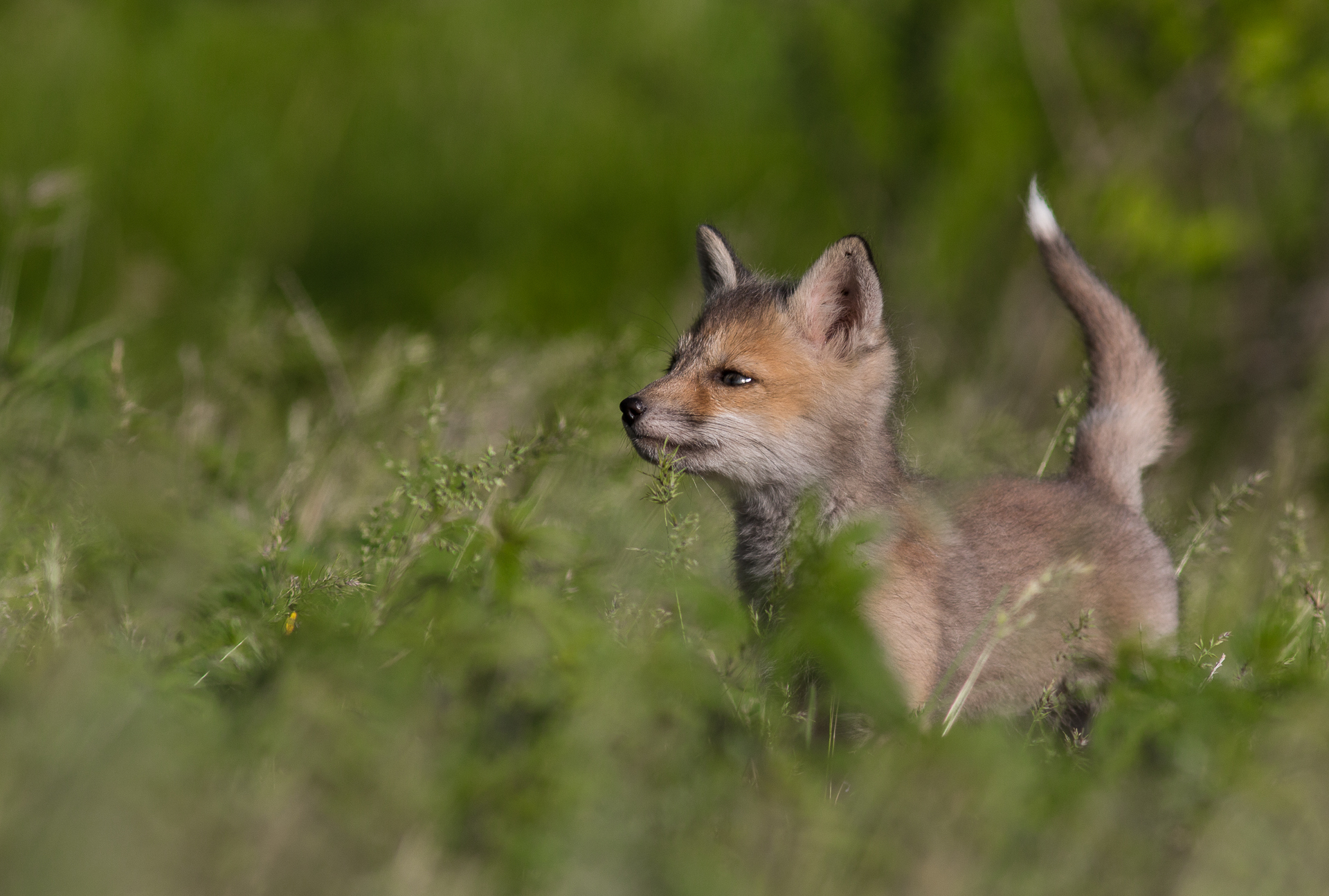
It communicates with scent, calls and body posture and can rear cubs in secluded dens.
An opportunistic omnivore, it takes small mammals, birds, insects and fruit.
Across much of the Northern Hemisphere and in introduced populations elsewhere.
Where does a red fox live?
Across much of the Northern Hemisphere and in introduced…
Worth knowing
- Adaptation It communicates with scent, calls and body posture and can rear cubs in secluded dens.
- Ecological role An opportunistic omnivore, it takes small mammals, birds, insects and fruit.
- Home Across much of the Northern Hemisphere and in introduced populations elsewhere.
How it survives
It communicates with scent, calls and body posture and can rear cubs in secluded dens.
From Arctic edges to urban gardens, the red fox is a master of ecological flexibility.
Why relationships matter
An opportunistic omnivore, it takes small mammals, birds, insects and fruit.
Where it lives
Across much of the Northern Hemisphere and in introduced populations elsewhere.
Pressures and responses
Road mortality, persecution and habitat conflict in some places.
Protect ecological connectivity and manage human–fox contact responsibly.
Sources
- University of Michigan Museum of Zoology — Animal Diversity Web, Vulpes vulpes
- GBIF — Vulpes vulpes accepted taxon
- National Wildlife Federation — Red fox
- Australian Government — Pest animals in Australia
Records of where it has been seen come live from GBIF; observed interactions from GloBI. Draft — not yet reviewed by a person.