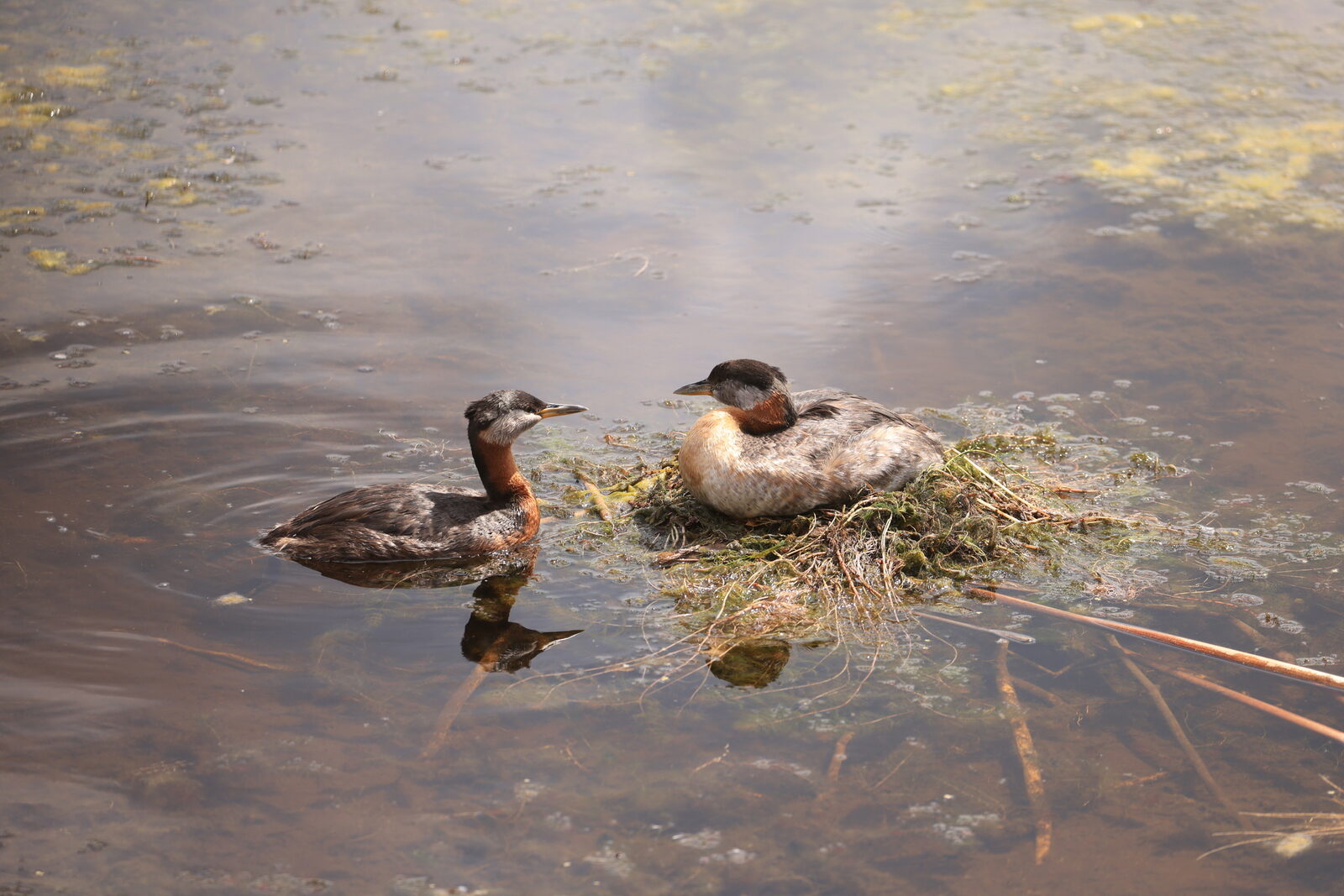
Red-necked grebe
Podiceps grisegena
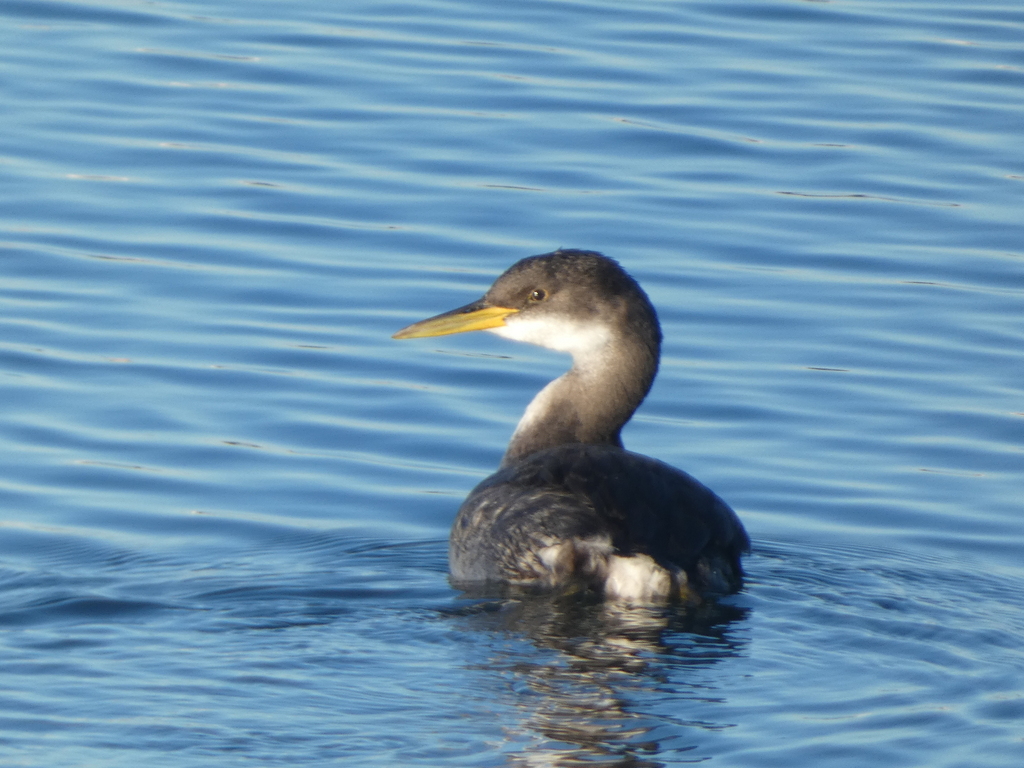
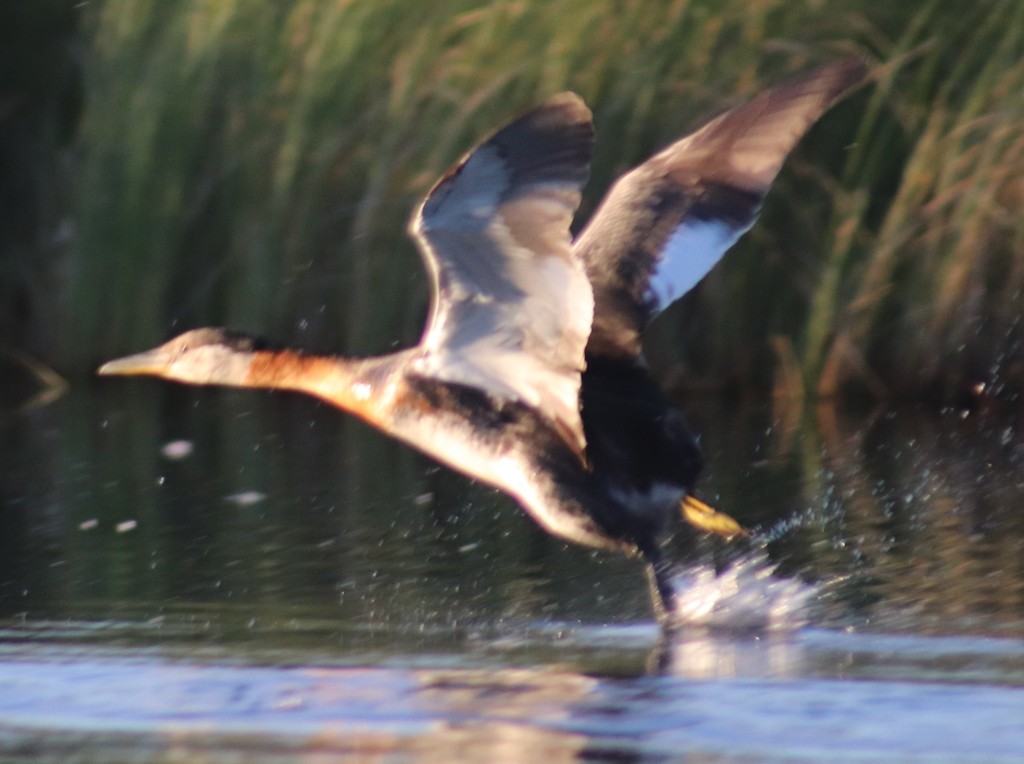
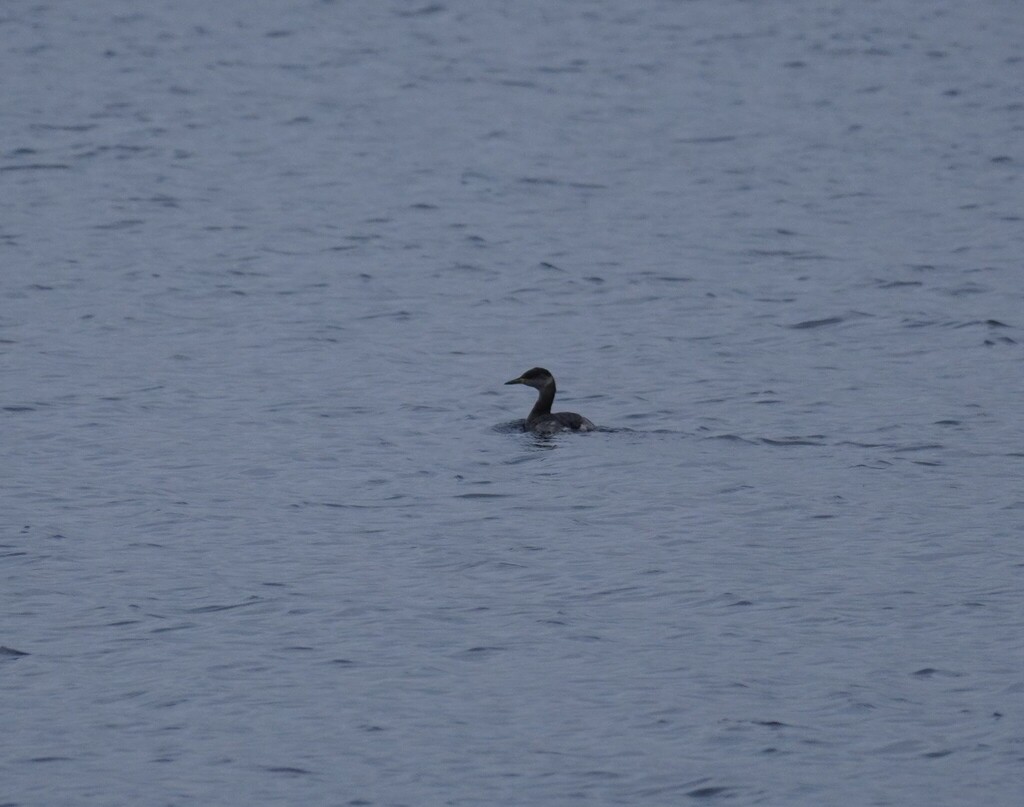
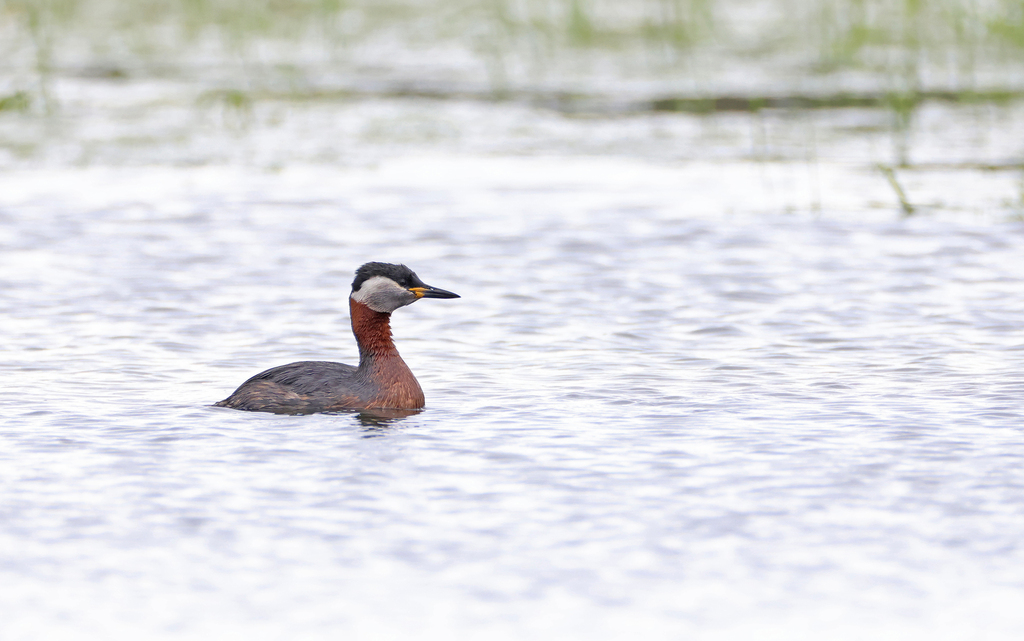
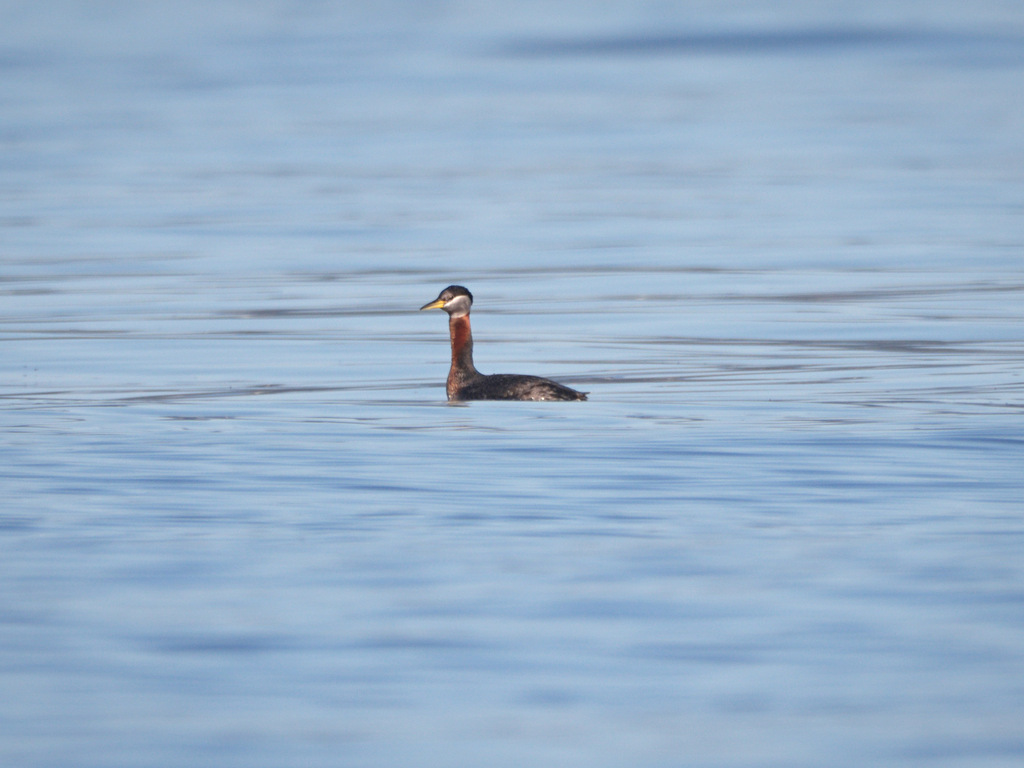
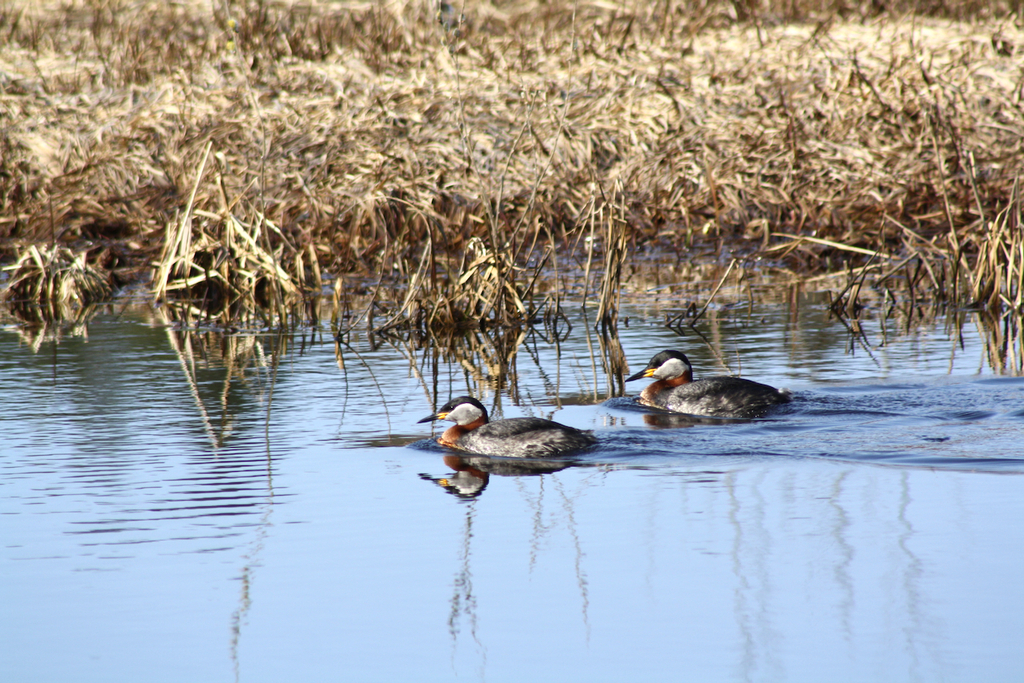
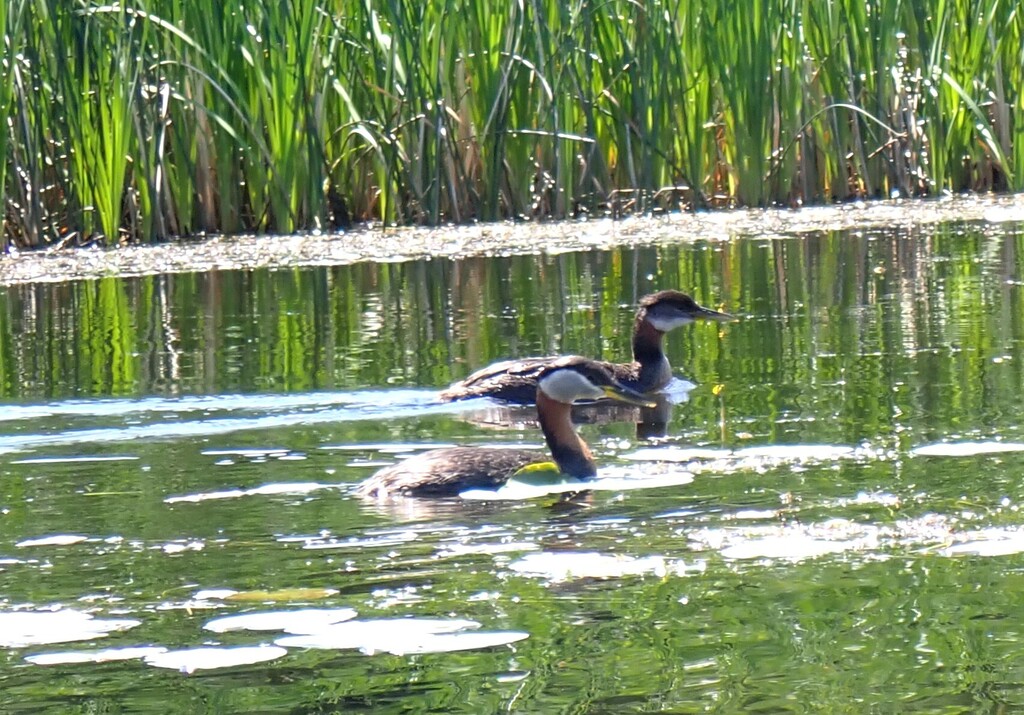
A grebe with a chestnut neck and grey cheeks in summer.
- Status
- Least Concern IUCN Red List
- Eats
- European eel, common frog, three-spined stickleback and 175 more
- Eaten by
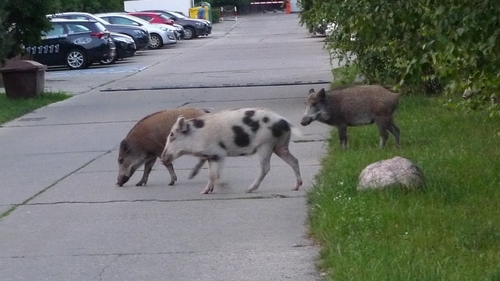
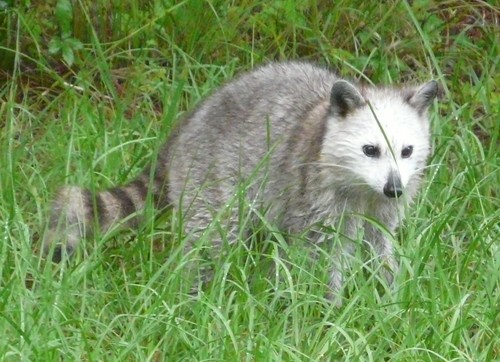
- wild boar, northern raven, raccoon
- Where
- 68 countries
On 4Planet Atlas it is among the wildlife people record most around Astana, Berlin and Copenhagen, and 3 more of the cities we cover.
People have shared 657,405 records of the red-necked grebe with GBIF, from 68 countries, most of them from United States, Canada and United Kingdom. Records collected by GloBI show it eating 178 different kinds of animals and plants, and being eaten by 18.
What the red-necked grebe eats, and what eats it
Studies have recorded it eating 178 kinds of animals and plants, and 18 kinds of animals eating it. Tap any of them to follow the food chain.
- Insects 79
- Fish 26
- Amphibians 19
- Crustaceans 1
Eaten by

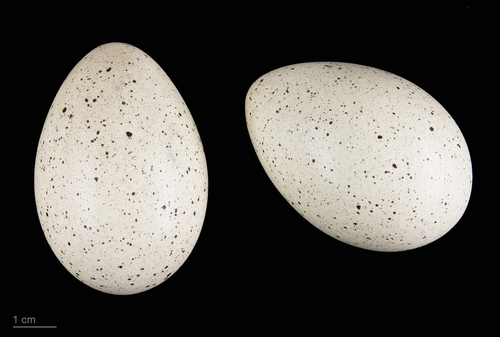
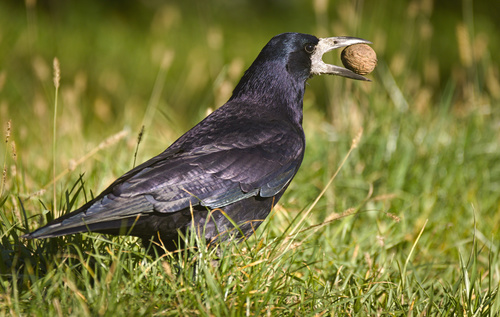
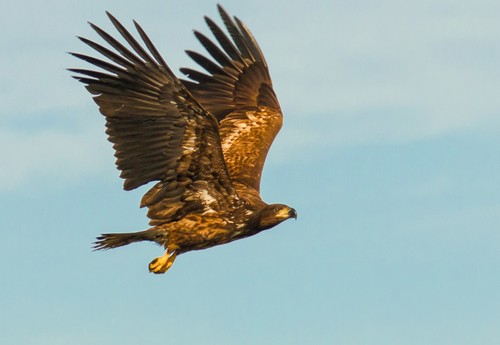 Red-necked grebe

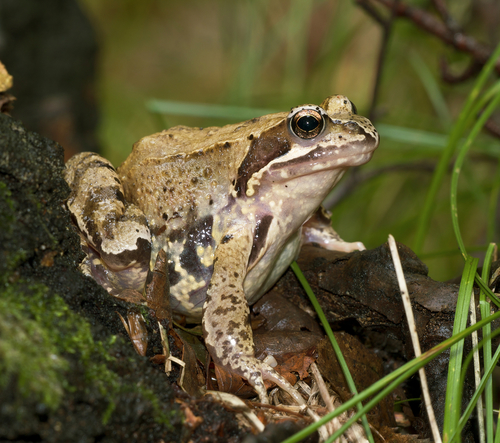


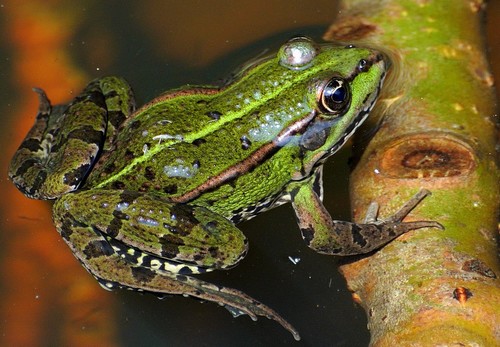

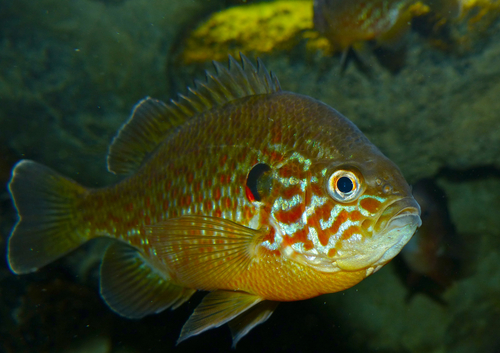

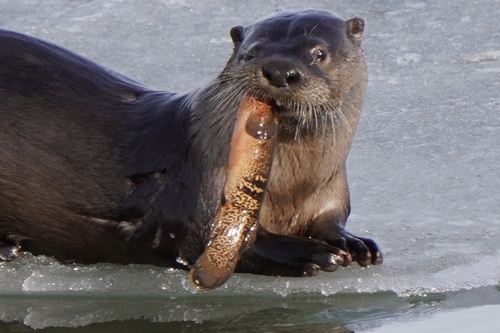
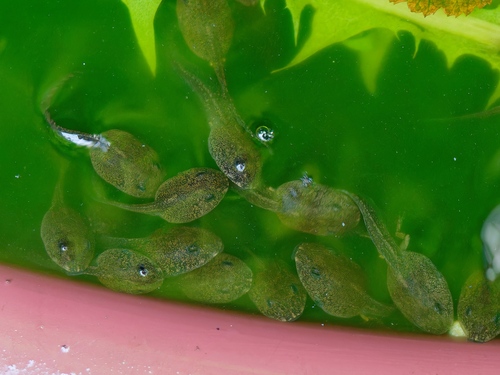
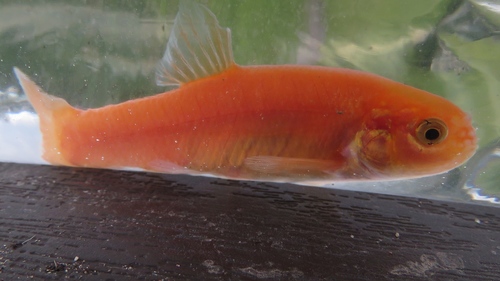
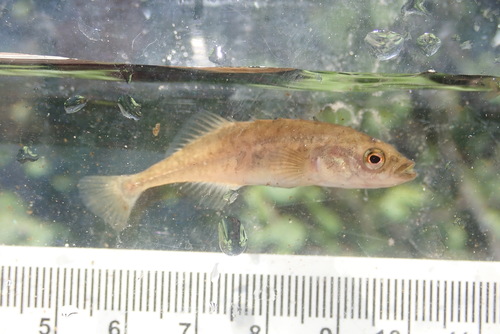
Records from studies worldwide, collected by GloBI. They include animals eaten as carrion, and they are not everything it eats in one place.
Where people see the red-necked grebe
People have shared 657,405 records from 68 countries.
Near a city: Astana, Berlin, Copenhagen, Riga, Toronto, Vancouver.
Records show where people have seen it and shared it, not its full range. Country names open their page in Atlas.
When it is seen
Records per month in the northern hemisphere. More people outdoors also means more records.
Watch and listen
Its closest relatives
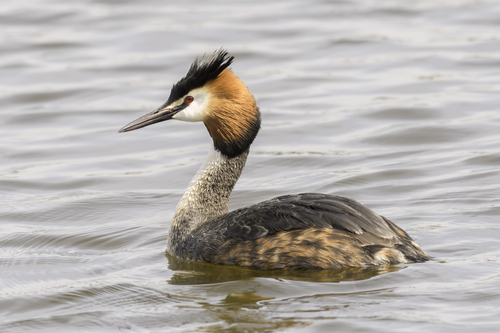
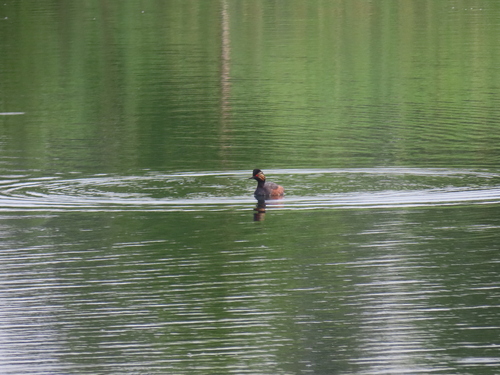
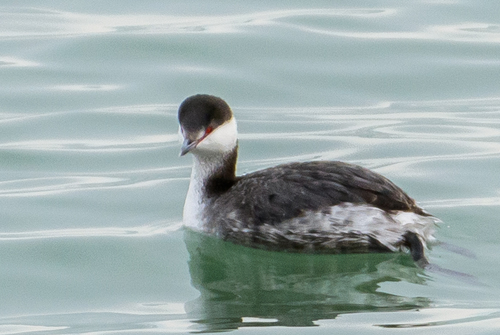
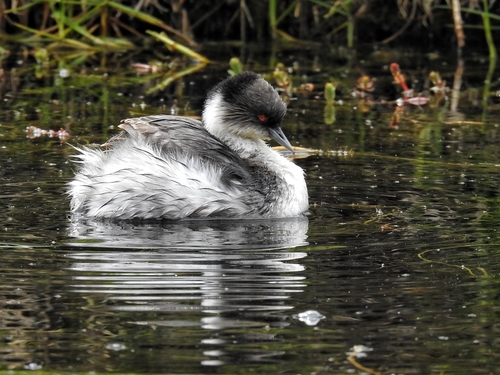
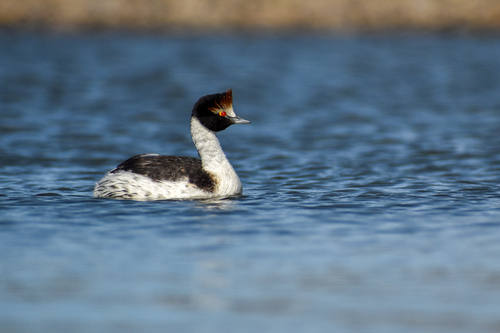
The other species of the genus Podiceps.


Seen a red-necked grebe?
Share your photo on iNaturalist. Other naturalists help confirm it, and the record goes to GBIF, where scientists use it and where the maps on this page come from.
Questions people ask
What does the red-necked grebe eat?
The red-necked grebe has been recorded eating 178 different kinds of animals and plants, most of them insects, fish, amphibians and crustaceans. The ones recorded most often are european eel, common frog, three-spined stickleback, marsh frog and edible frog; records include animals eaten as carrion. Source: GloBI.
What eats the red-necked grebe?
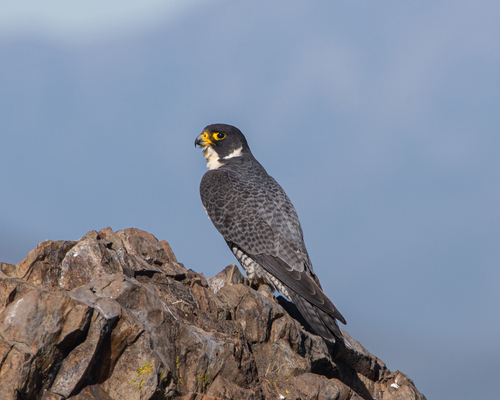
Recorded predators include wild boar, northern raven, raccoon, peregrine falcon and eurasian eagle-owl. Source: GloBI.
Where does the red-necked grebe live?
People have recorded it in 68 countries; the most records come from United States, Canada, United Kingdom, Germany and Sweden. Records show where people have seen it, not its full range.
When is the red-necked grebe seen most?
In the northern hemisphere, the most records are made in May and the fewest in July. More people outdoors also means more records.
What are the red-necked grebe's closest relatives?
It shares the genus Podiceps with great crested grebe, black-necked grebe, horned grebe, great grebe and silvery grebe.
Sources and photo credits
- GBIF · Podiceps grisegena, 657,405 human observations
- GloBI · recorded interactions of Podiceps grisegena
- Wikidata · Red-necked grebe (Q179919)
- Red-necked grebe (Podiceps grisegena): allan5519, CC BY 4.0
- Red-necked grebe (Podiceps grisegena), Oakland, CA, USA: datadan, CC BY 4.0
- Red-necked grebe (Podiceps grisegena), Division No. 15, MB, Canada: Sean Frey, CC BY 4.0
- Red-necked grebe (Podiceps grisegena), 04 Leipzig-Südwest, Deutschland: Brenda Black, CC BY 4.0
- Red-necked grebe (Podiceps grisegena), 32130 Enger, Deutschland: Christoph Moning, CC BY 4.0
- Red-necked grebe (Podiceps grisegena), Bucks County, PA, USA: Bill Keim, CC BY 4.0
- Red-necked grebe (Podiceps grisegena), Vancouver, BC, Canada: Kevin Krebs, CC BY 4.0
- Red-necked grebe (Podiceps grisegena), Uppsala, Suède: Paco Cardenas, CC BY 4.0
- Red-necked grebe (Podiceps grisegena), Beauvais Lake, Pincher Creek No. 9, AB T0K 0A6, Canada: mfeaver, CC BY 4.0
- European eel: Julien Renoult, CC BY 4.0
- Common frog: Jörg Hempel, CC BY-SA 4.0
- Three-spined stickleback: Kasper Malmberg, CC BY 4.0
- Marsh frog: Petra & Wilfried, CC BY 4.0
- Edible frog: Luciano 95, CC BY 4.0
- Agile frog: Laurent Lebois, CC BY 4.0
- Pumpkinseed: Bernard DUPONT, CC BY-SA 4.0
- Black bullhead: Sam Kieschnick, CC BY 4.0
- Alaska blackfish: no rights reserved, uploaded by Maya Heubner, CC0
- Italian agile frog: olrett, CC BY 4.0
- Fathead minnow: Dan MacNeal, CC BY 4.0
- Brook stickleback: Rob Foster, CC BY 4.0
- Wild boar: aga_l_, CC BY 4.0
- Northern raven: xulescu_g, CC BY-SA 4.0
- Raccoon: kent ozment, CC0
- Peregrine falcon: Nicolás Villaseca Merino, CC BY-SA 4.0
- Common coot: Roger Culos, CC BY-SA 4.0
- Rook: hedera.baltica, CC BY-SA 4.0
- White-tailed eagle: Алина Урусова, CC BY 4.0
- Great crested grebe: caroline legg, CC BY 4.0
- Black-necked grebe: Дмитрий Кошелев, CC BY 4.0
- Horned grebe: Andrew Hrycyna, CC BY 4.0
- Great grebe: no rights reserved, uploaded by Diego Carús, CC0
- Silvery grebe: Esteban Poveda, CC BY 4.0
- Hooded grebe: Ezequiel Racker, CC BY 4.0
- Colombian grebe: Francesc Llimona, Josep del Hoyo, David Christie, Francesc Jutglar, and Guy M. Kirwan, CC BY-SA 4.0
Records show where people have seen and shared the red-necked grebe, not its full range, and some countries and months are recorded far more than others. The food web lists interactions that studies have recorded somewhere in the world (GloBI), not everything it eats in one place.
Checked 2026-11-22.