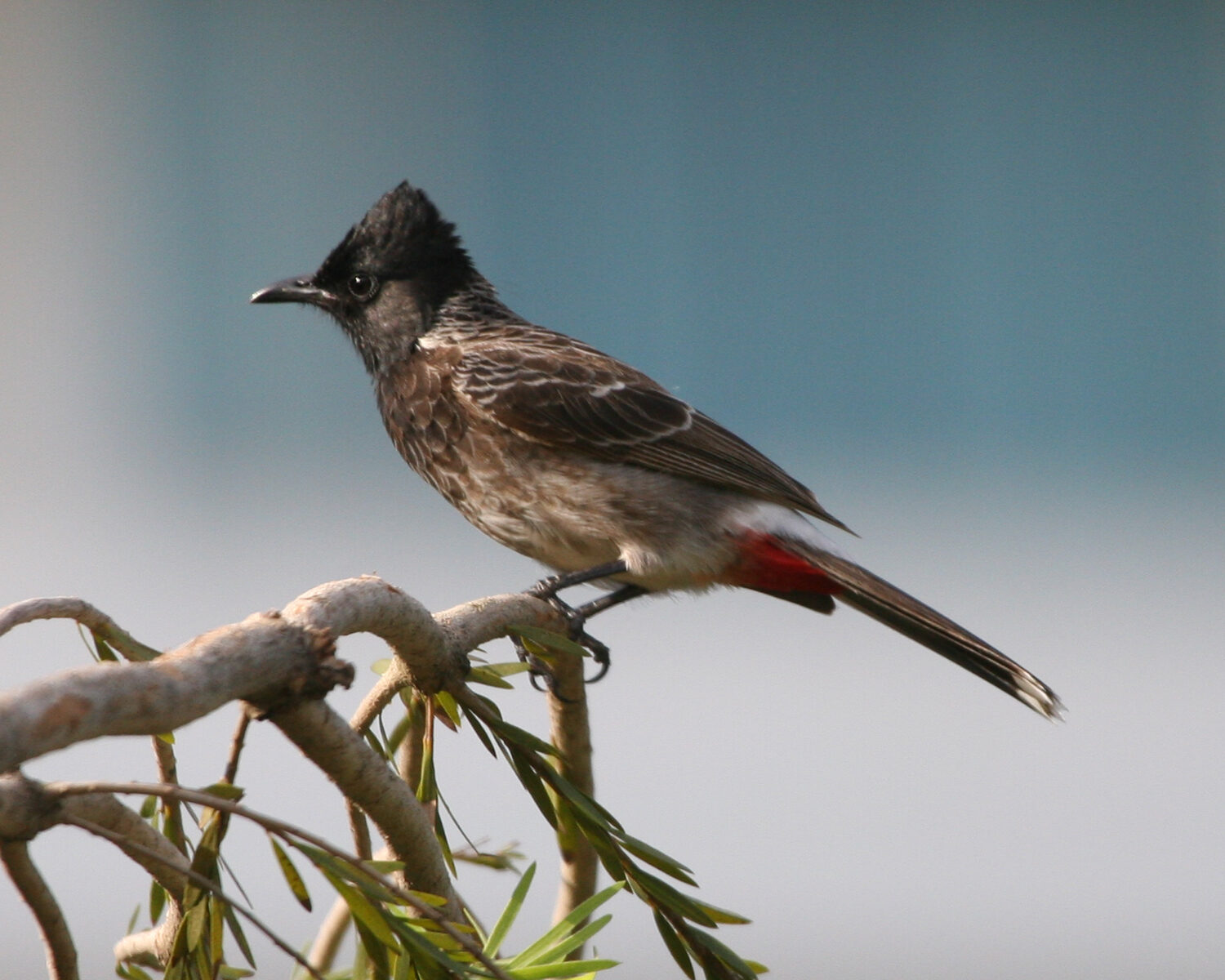
Red-vented bulbul
Pycnonotus cafer
A bulbul with a black crest and a red patch under its tail.
- Status
- Least Concern IUCN Red List
- Eats
- polyalthia simiarum, balsam pear, neem and 153 more
- Eaten by
- Eurasian sparrowhawk
- Where
- 29 countries
On 4Planet Atlas it is among the wildlife people record most around Apia, Delhi and Manama, and 3 more of the cities we cover.
People have shared 1,318,951 records of the red-vented bulbul with GBIF, from 29 countries, most of them from India, Sri Lanka and United States. Records collected by GloBI show it eating 156 different kinds of animals and plants, and being eaten by 2.
What the red-vented bulbul eats, and what eats it
Studies have recorded it eating 156 kinds of animals and plants, and 2 kinds of animals eating it. Tap any of them to follow the food chain.
- Plants 149
- Reptiles 1
Eaten by
 Red-vented bulbul
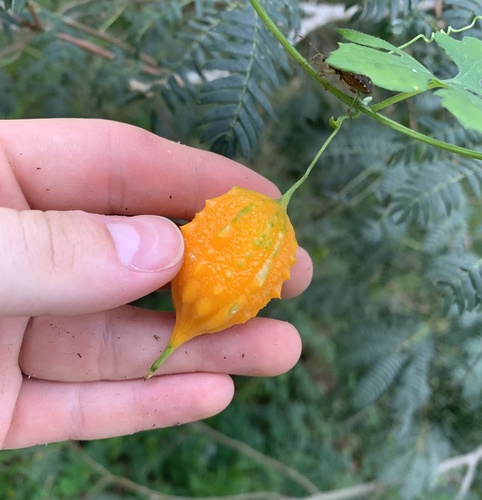
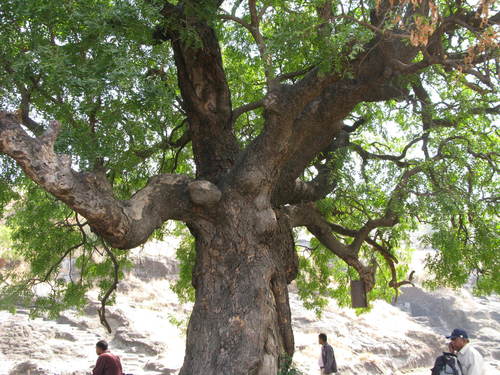
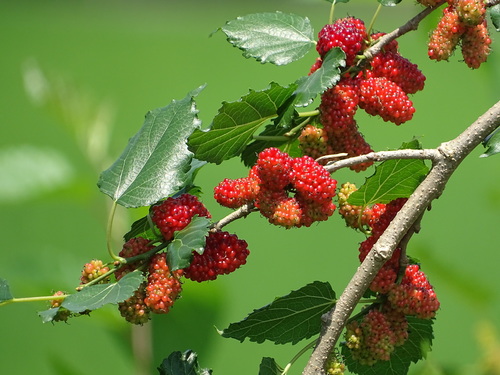
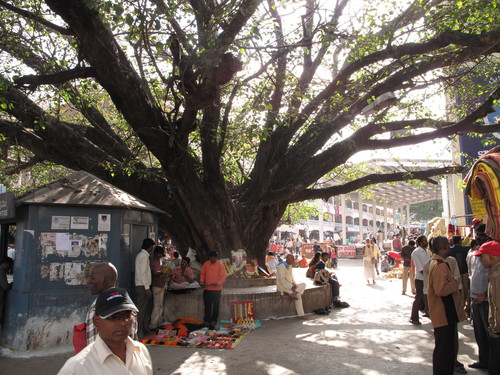


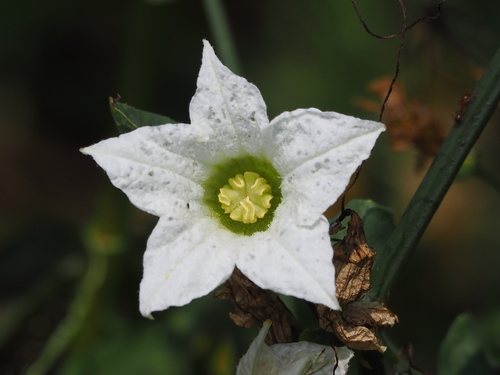
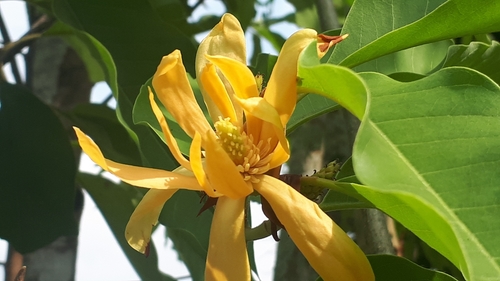
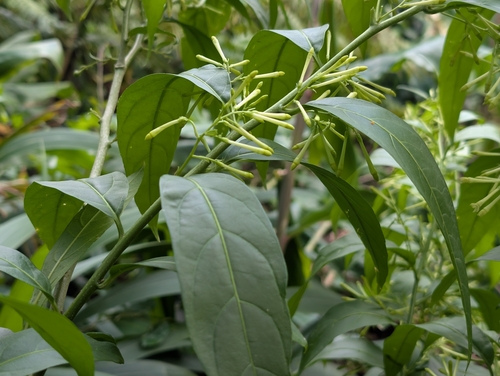

Records from studies worldwide, collected by GloBI. They include animals eaten as carrion, and they are not everything it eats in one place.
Where people see the red-vented bulbul
People have shared 1,318,951 records from 29 countries.
Near a city: Apia, Delhi, Manama, Mumbai, New Delhi, Nukuʻalofa.
Records show where people have seen it and shared it, not its full range. Country names open their page in Atlas.
When it is seen
Records per month in the northern hemisphere. More people outdoors also means more records.
Watch and listen
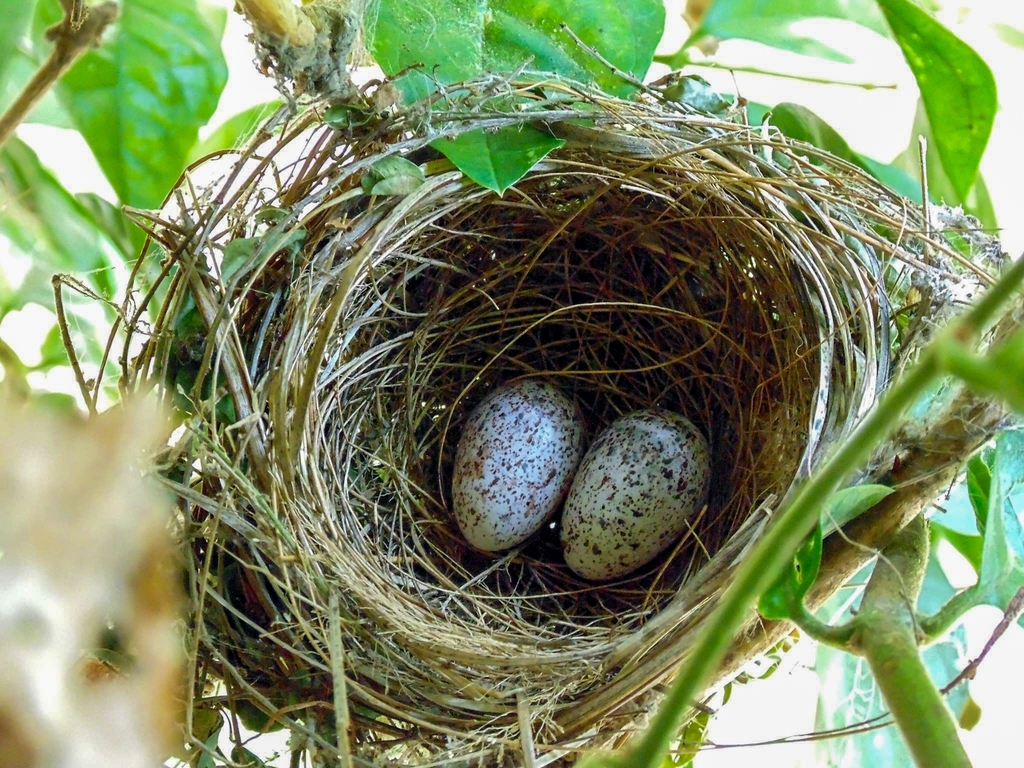
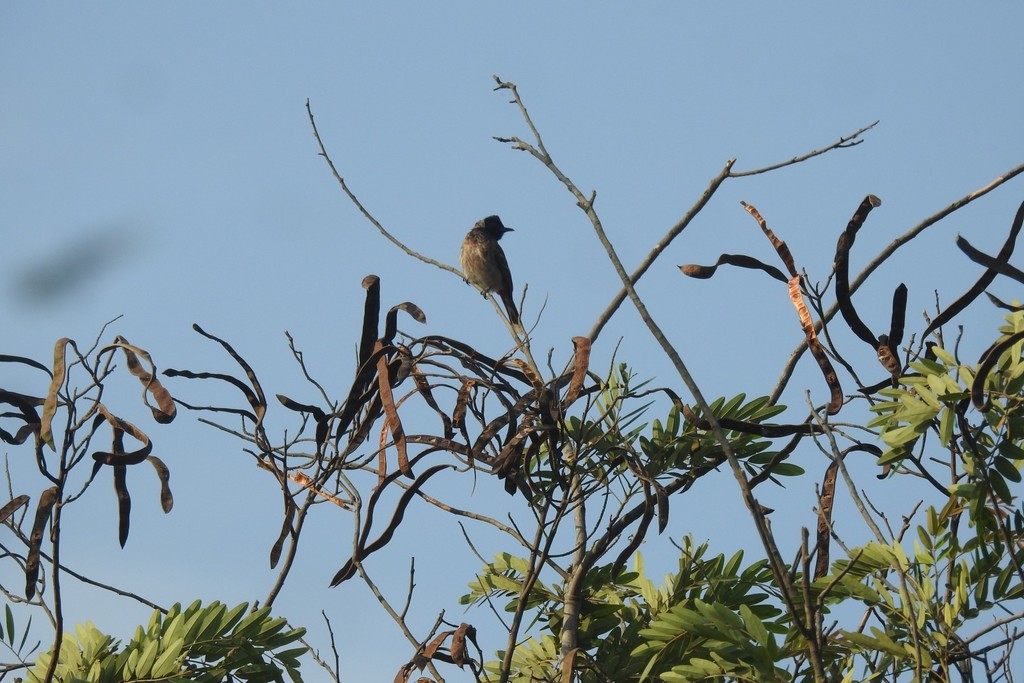
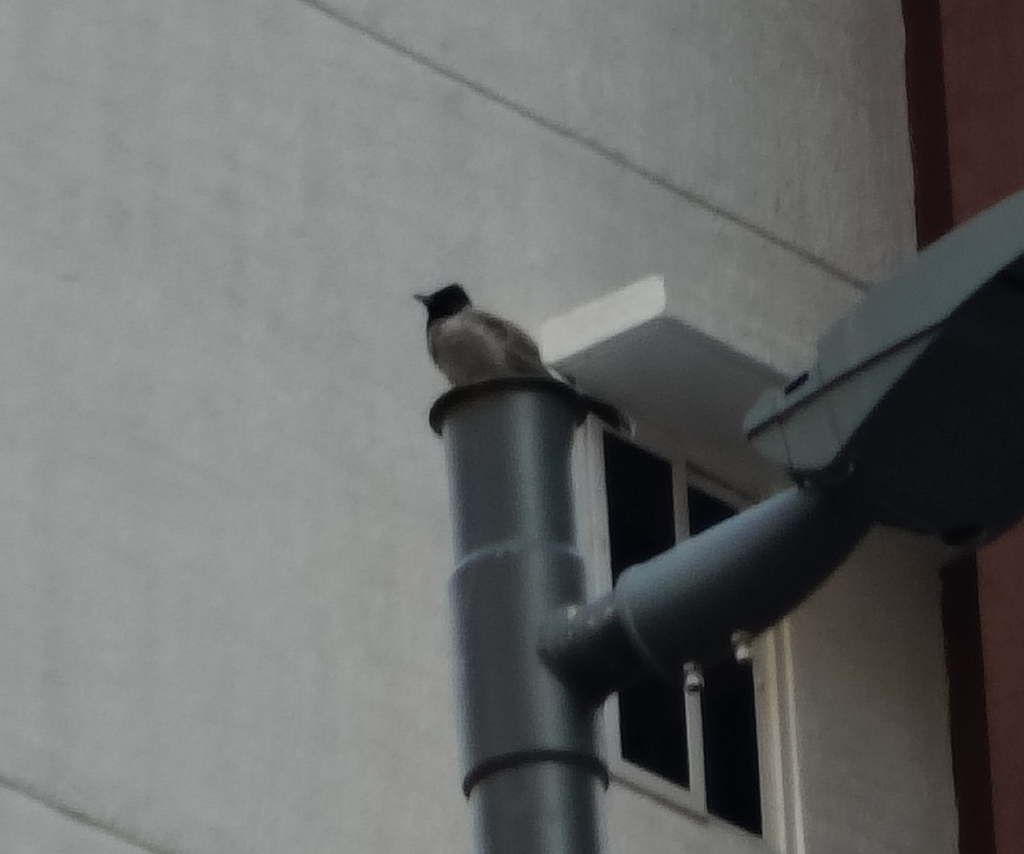
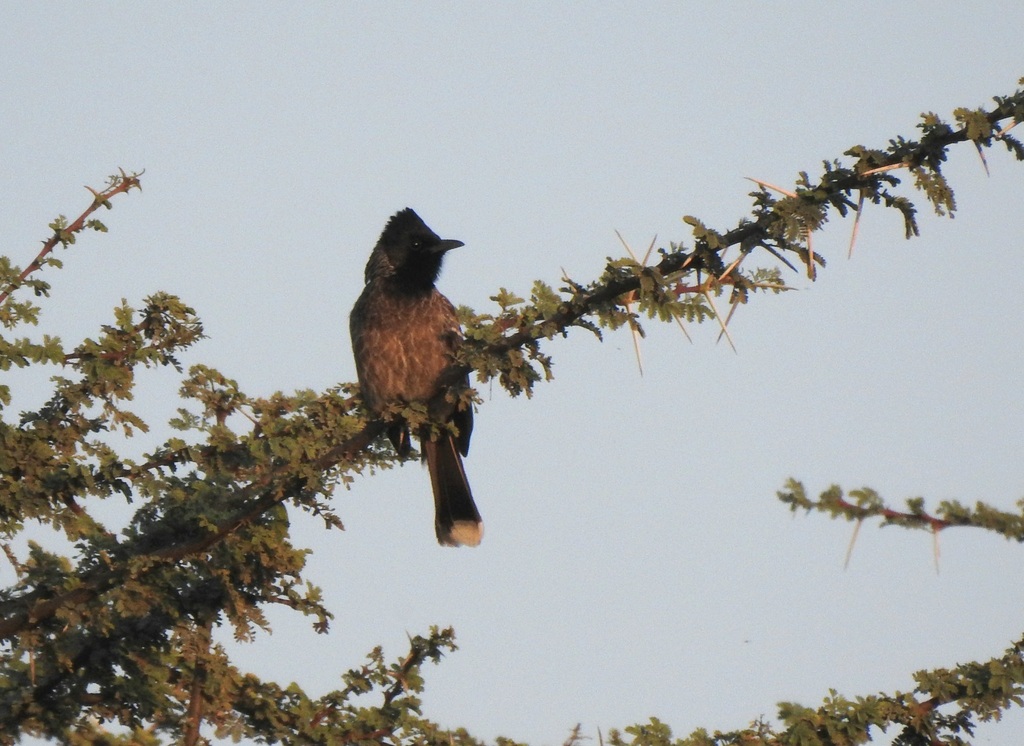
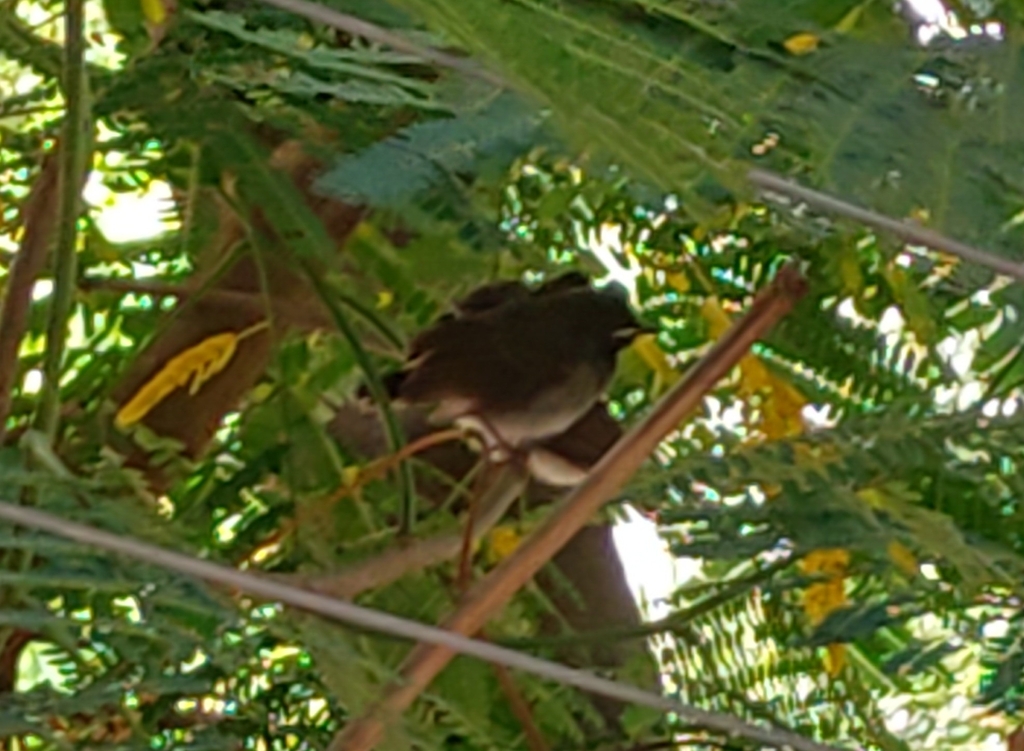
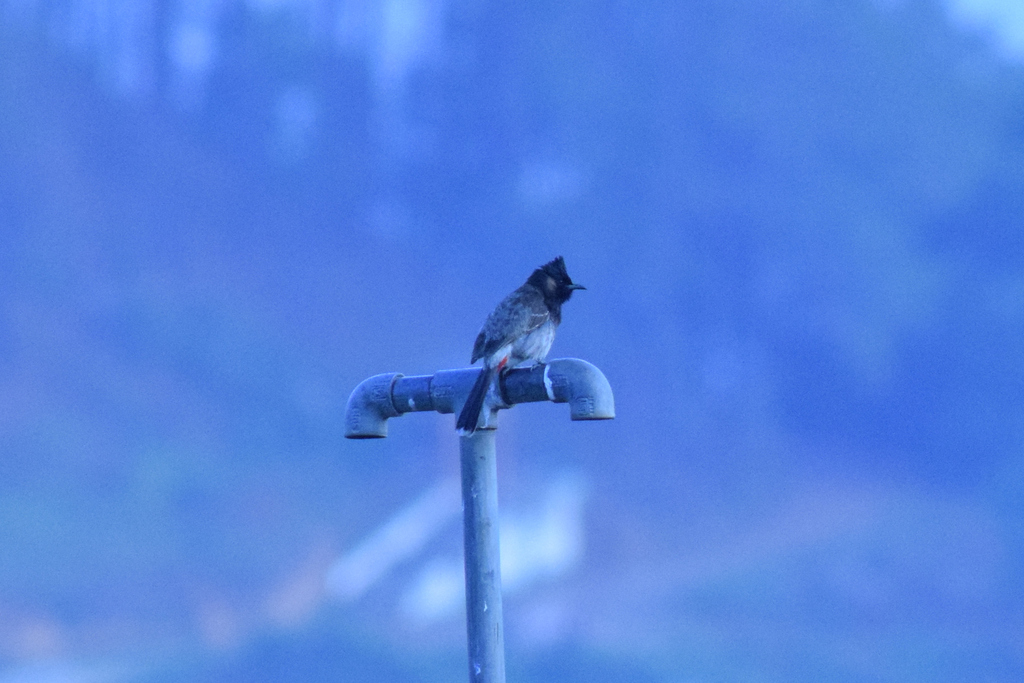
Its closest relatives
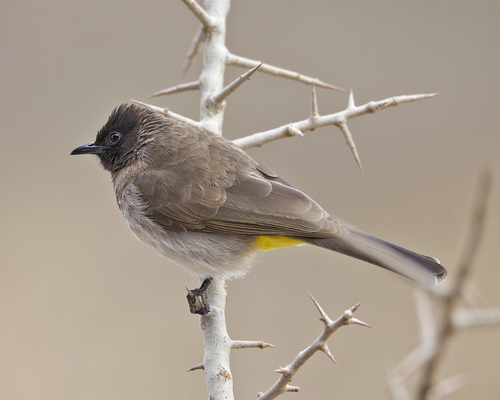
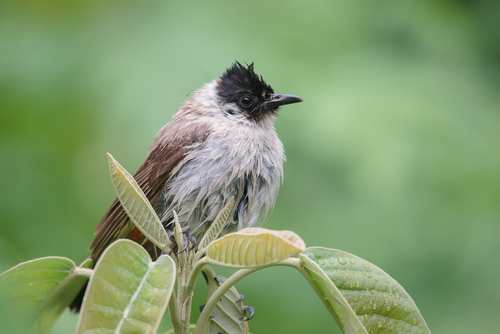
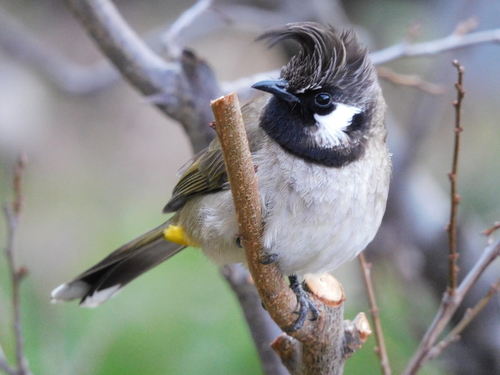
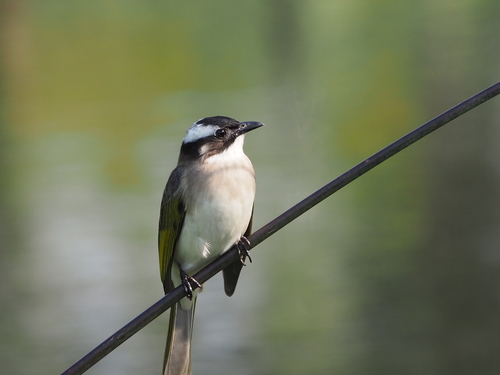
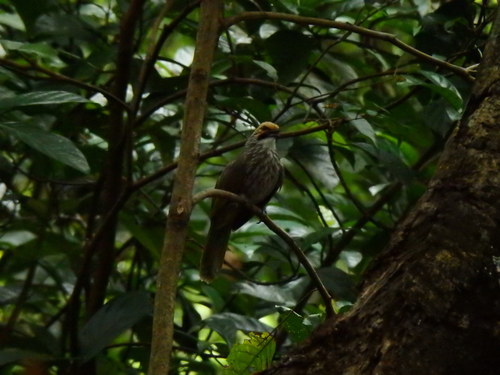
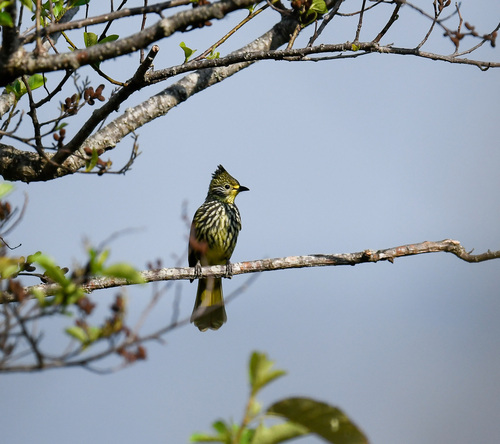
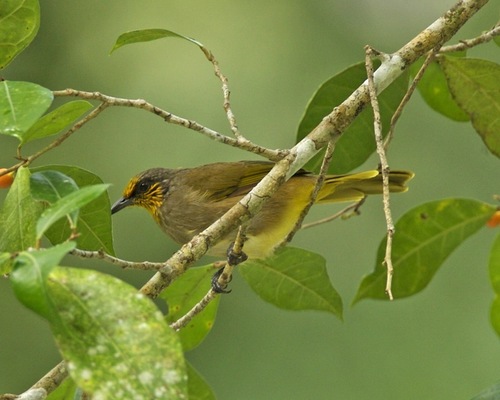
The other species of the genus Pycnonotus.

Seen a red-vented bulbul?
Share your photo on iNaturalist. Other naturalists help confirm it, and the record goes to GBIF, where scientists use it and where the maps on this page come from.
Questions people ask
What does the red-vented bulbul eat?
The red-vented bulbul has been recorded eating 156 different kinds of animals and plants, most of them plants and reptiles. The ones recorded most often are polyalthia simiarum, balsam pear, neem, white mulberry and peepul tree; records include animals eaten as carrion. Source: GloBI.
What eats the red-vented bulbul?
Recorded predators include eurasian sparrowhawk. Source: GloBI.
Where does the red-vented bulbul live?
People have recorded it in 29 countries; the most records come from India, Sri Lanka, United States, Nepal and United Arab Emirates. Records show where people have seen it, not its full range.
When is the red-vented bulbul seen most?
In the northern hemisphere, the most records are made in February and the fewest in July. More people outdoors also means more records.
What are the red-vented bulbul's closest relatives?
It shares the genus Pycnonotus with red-whiskered bulbul, common bulbul, sooty-headed bulbul, himalayan bulbul and light-vented bulbul.
Sources and photo credits
- GBIF · Pycnonotus cafer, 1,318,951 human observations
- GloBI · recorded interactions of Pycnonotus cafer
- Wikidata · Red-vented bulbul (Q509455)
- Red-vented bulbul (Pycnonotus cafer): Lip Kee Yap, CC BY-SA 4.0
- Red-vented bulbul (Pycnonotus cafer), M23J+GF5, Jaffna, Sri Lanka: Aravinth, CC BY 4.0
- Red-vented bulbul (Pycnonotus cafer), Valley Apartments, P Janardhan Reddy Nagar, Gachibowli, Hyderabad, Telangana 500081, India: Mitul and Vijul Singh, CC BY 4.0
- Red-vented bulbul (Pycnonotus cafer), Walayar Dam: Manoj Karingamadathil, CC BY-SA 4.0
- Red-vented bulbul (Pycnonotus cafer), 5ves Restaurant & Memaan guest house 1-72/3/6/27 plot no. 27&37, opposite Broholic hotels, P Janardhan Reddy Nagar, Gachibowli, Hyderabad, Telangana 500081, India: Mitul and Vijul Singh, CC BY 4.0
- Red-vented bulbul (Pycnonotus cafer), Rajapushpa provincia, H2603, near Avatar junction, Narsingi, Hyderabad, Narsingi, Telangana 500089, India: Mitul and Vijul Singh, CC BY 4.0
- Red-vented bulbul (Pycnonotus cafer), Village Khilchipur, Ranthambhore Rd, Sawai Madhopur, Rajasthan 322001, India: lunarjade, CC BY 4.0
- Red-vented bulbul (Pycnonotus cafer), C9R9+R5W, P Janardhan Reddy Nagar, Gachibowli, Hyderabad, Telangana 500081, India: Mitul and Vijul Singh, CC BY 4.0
- Red-vented bulbul (Pycnonotus cafer), J953+G34, Godawari, Nepal : Cajá-manga, CC BY 4.0
- Balsam pear: natalie, CC0
- Neem: Yoav Daniel Bar-Ness, CC BY 4.0
- White mulberry: no rights reserved, uploaded by 葉子, CC0
- Peepul tree: Yoav Daniel Bar-Ness, CC BY 4.0
- Indian sandalwood: Manoj Karingamadathil, CC BY-SA 4.0
- Cananga tree: Joan Simon, CC BY-SA 4.0
- Common lantana: no rights reserved, uploaded by Dave Brown, CC0
- Ivy gourd: no rights reserved, uploaded by 葉子, CC0
- Champac: Ong Jyh Seng, CC BY-SA 4.0
- Night jessamine: Damien Wallace, CC0
- Spanish cherry: Siddarth Machado, CC BY 4.0
- Eurasian sparrowhawk: Stanislav Murashkin, CC BY 4.0
- Red-whiskered bulbul: Zinogre, CC BY-SA 4.0
- Common bulbul: Lip Kee, CC BY-SA 4.0
- Sooty-headed bulbul: Rushen, CC BY-SA 4.0
- Himalayan bulbul: Jagdish Singh Negi, CC BY 4.0
- Light-vented bulbul: no rights reserved, uploaded by 葉子, CC0
- Straw-headed bulbul: Samuel Lee, CC BY 4.0
- Striated bulbul: Rejoice Gassah, CC BY 4.0
- Stripe-throated bulbul: Lip Kee Yap, CC BY-SA 4.0
Records show where people have seen and shared the red-vented bulbul, not its full range, and some countries and months are recorded far more than others. The food web lists interactions that studies have recorded somewhere in the world (GloBI), not everything it eats in one place.
Checked 2026-11-22.