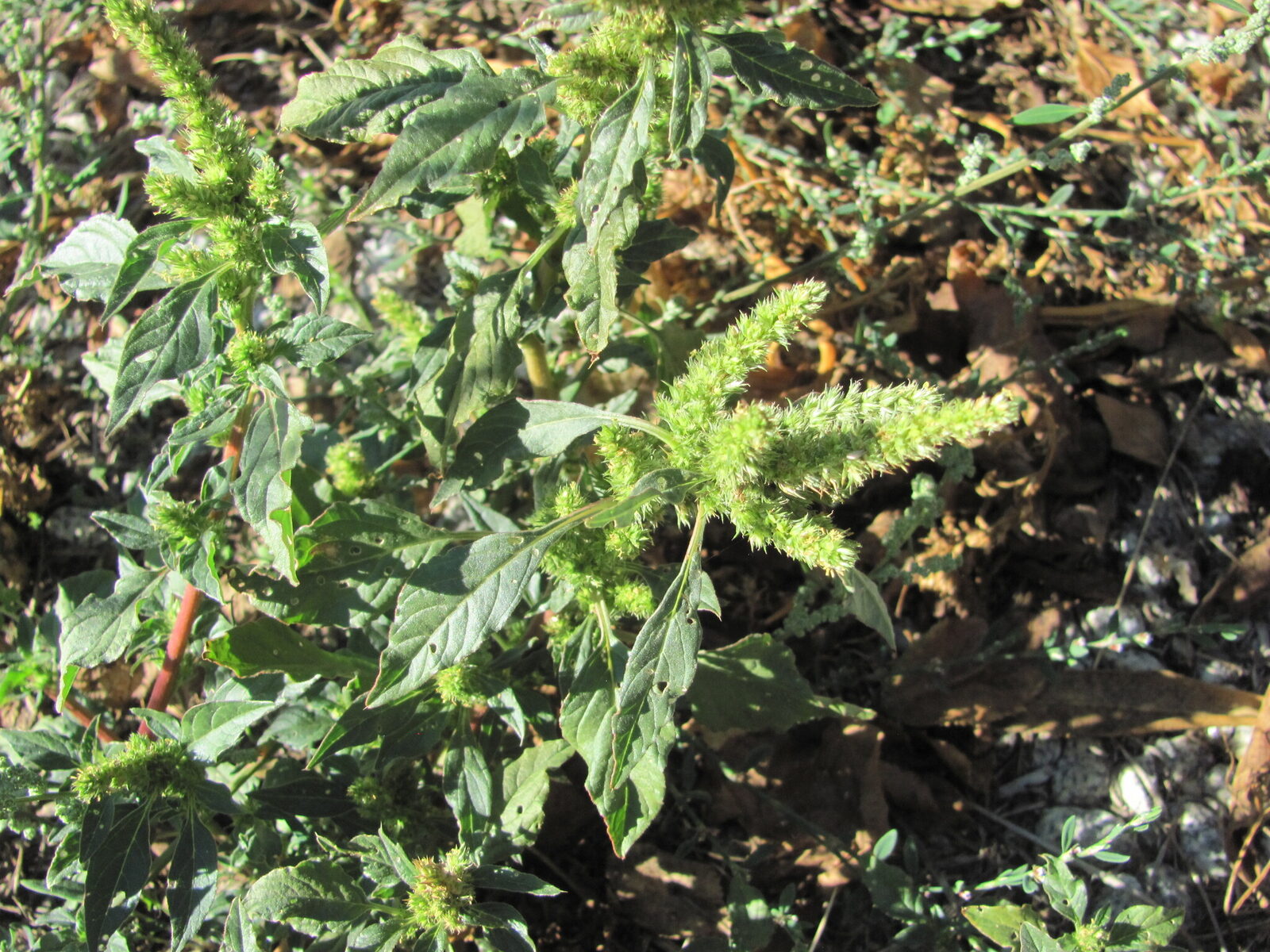
Redroot amaranth
Amaranthus retroflexus
- Status
- IUCN Red List
- Where
- 62 countries
People have shared 17,558 records of the redroot amaranth with GBIF, from 62 countries, most of them from Russia, Ukraine and United States.
In the northern hemisphere, people record it most in August and least in March. It belongs to the genus Amaranthus in the family Amaranthaceae.
Where people see the redroot amaranth
People have shared 17,558 records from 62 countries.
Records show where people have seen it and shared it, not its full range. Country names open their page in Atlas.
When it is seen
Records per month in the northern hemisphere. More people outdoors also means more records.
Watch and listen
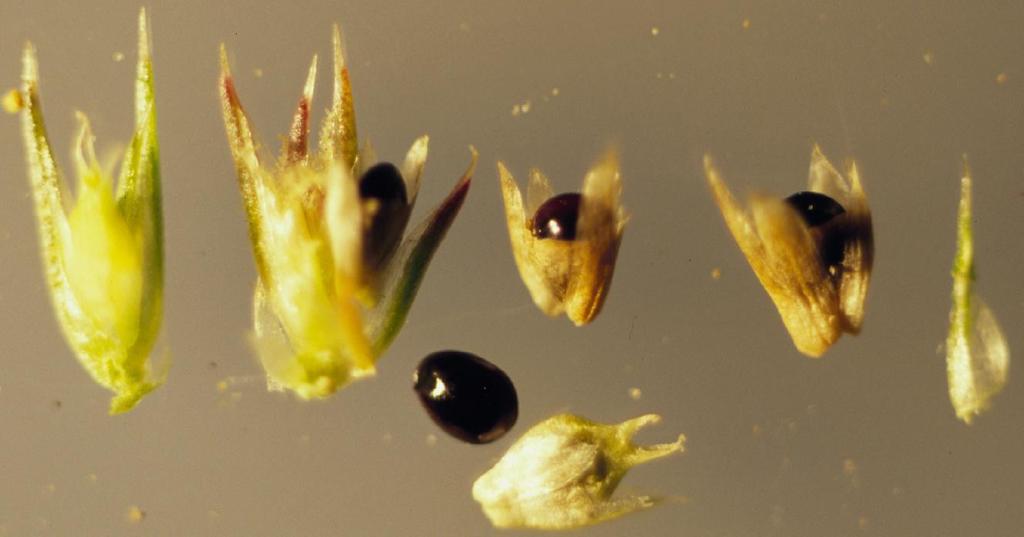
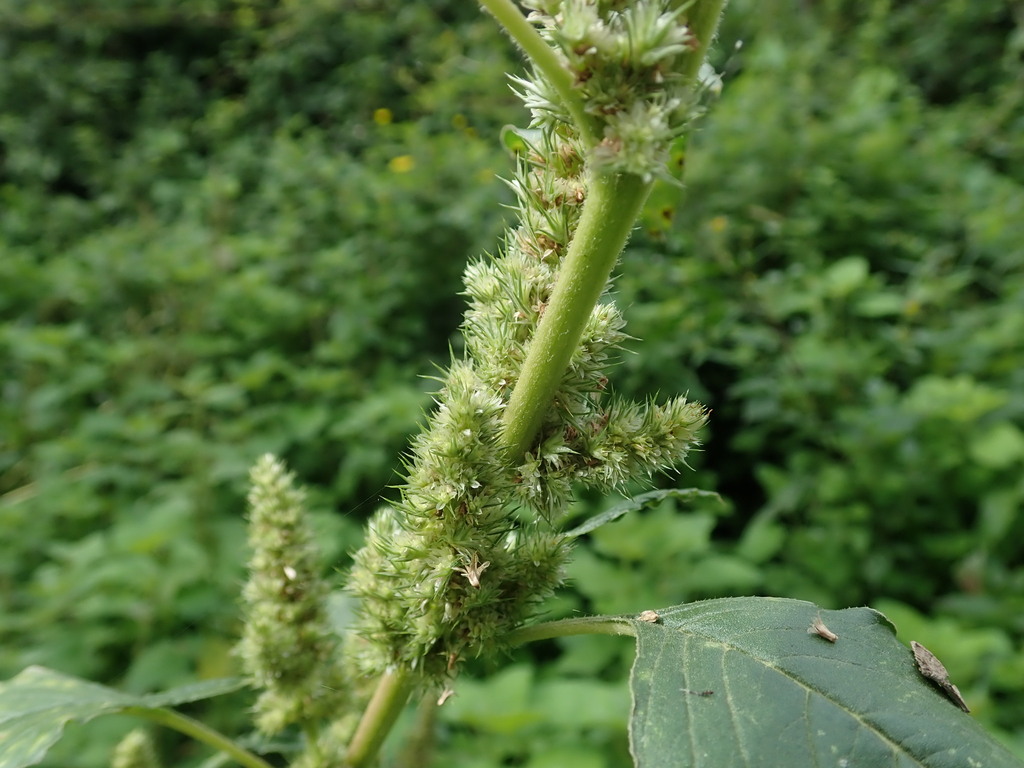
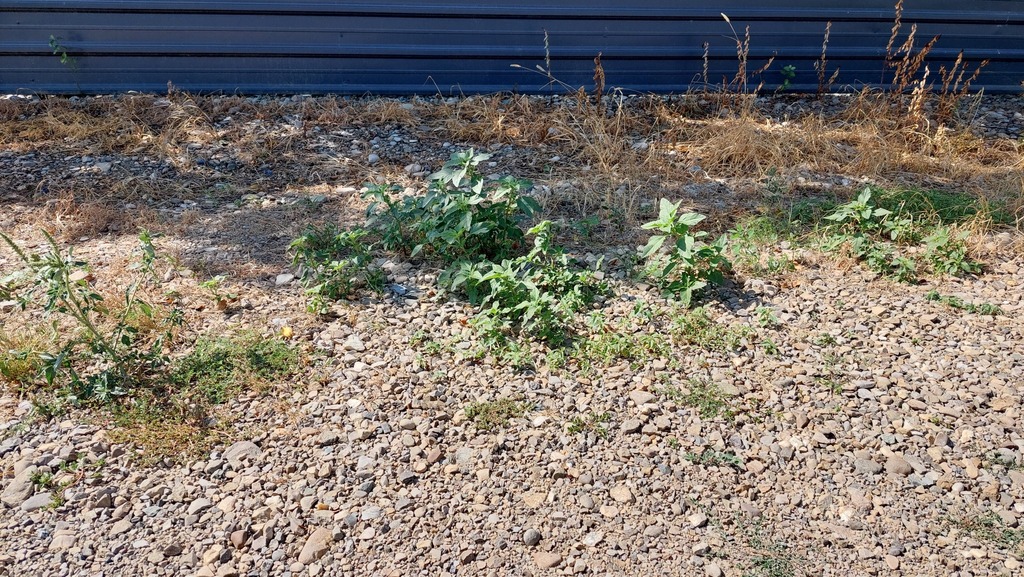
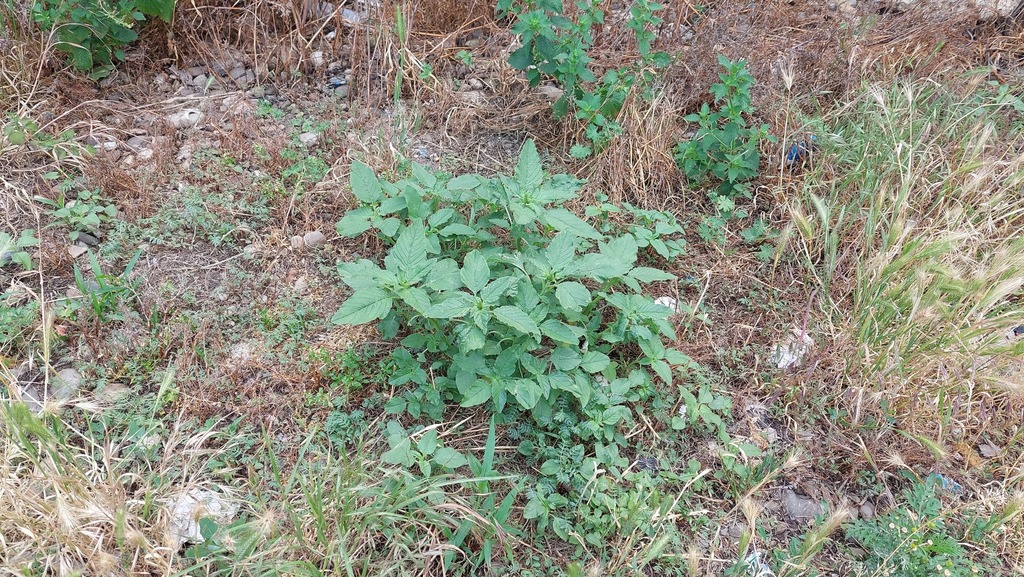
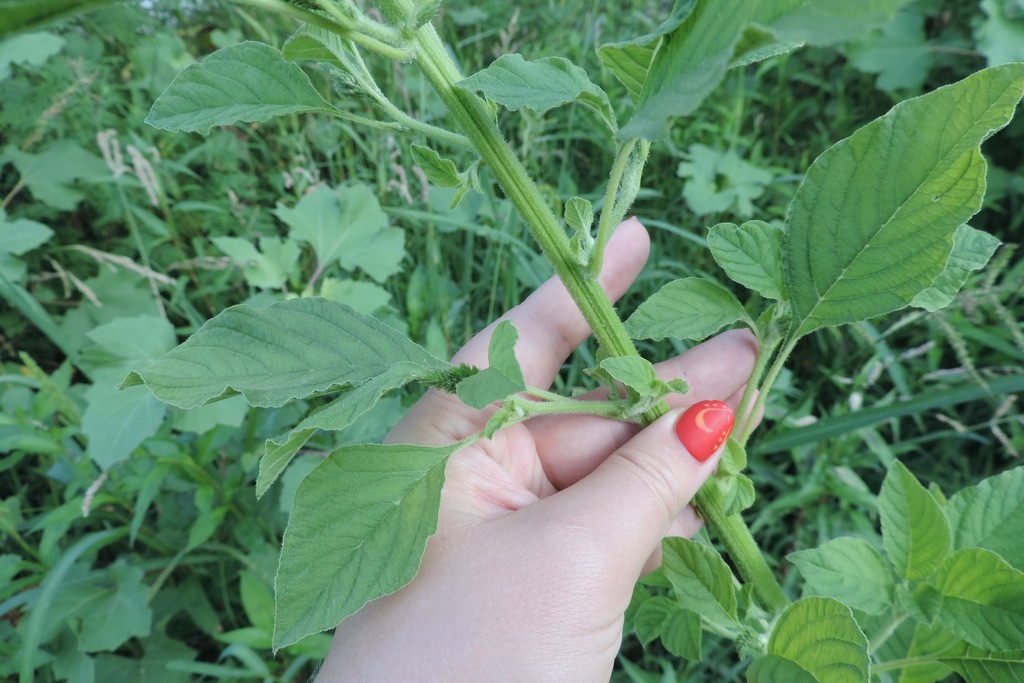
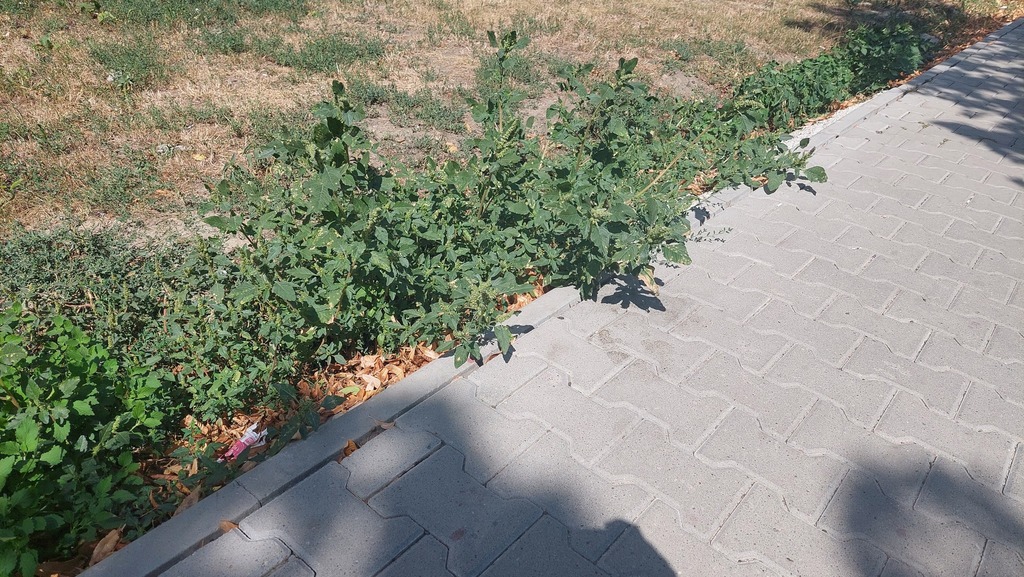
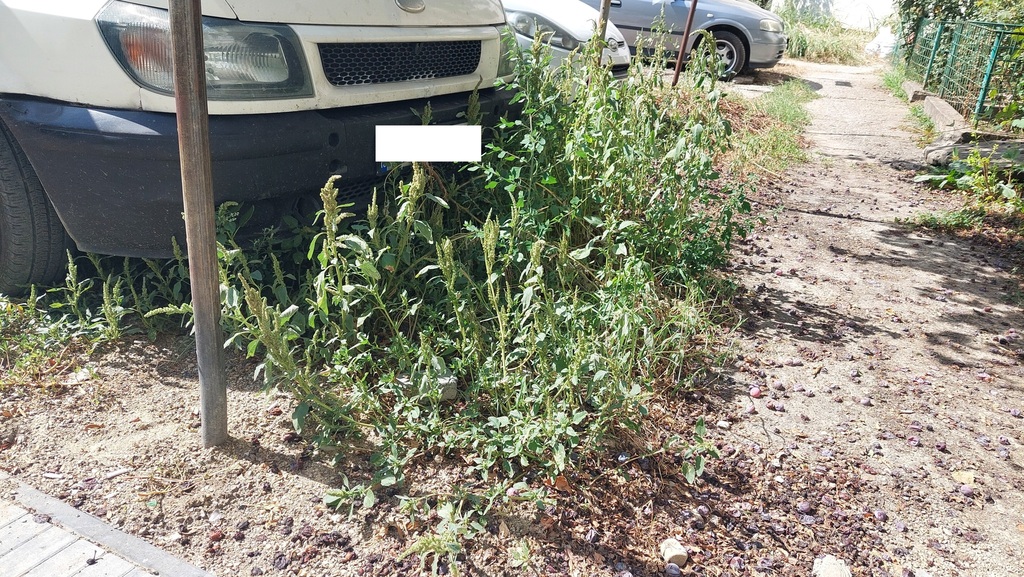
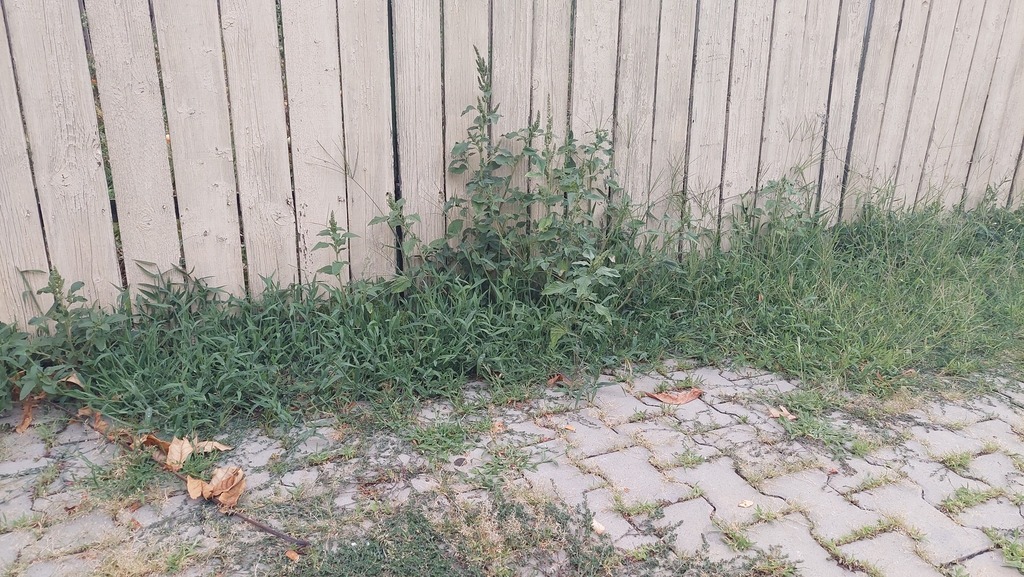
Seen a redroot amaranth?
Share your photo on iNaturalist. Other naturalists help confirm it, and the record goes to GBIF, where scientists use it and where the maps on this page come from.
Put this species on your site
The card names every source and links back here.
<iframe src="https://4planetatlas.com/place/embed/species/redroot-amaranth" title="Redroot amaranth (Amaranthus retroflexus), 4PLANET Species" width="100%" height="600" style="border:0;max-width:640px" loading="lazy"></iframe>
<p><a href="https://4species.com/redroot-amaranth">Redroot amaranth on 4PLANET Species</a></p>Questions people ask
Where does the redroot amaranth live?
People have recorded it in 62 countries; the most records come from Russia, Ukraine, United States, Germany and Romania. Records show where people have seen it, not its full range.
When is the redroot amaranth seen most?
In the northern hemisphere, the most records are made in August and the fewest in March. More people outdoors also means more records.
Sources and photo credits
- GBIF · Amaranthus retroflexus, 17,558 human observations
- GloBI · recorded interactions of Amaranthus retroflexus
- Wikidata · Redroot amaranth (Q157663)
- Redroot amaranth (Amaranthus retroflexus): zebedeugalinha, CC BY 4.0
- Redroot amaranth (Amaranthus retroflexus): Matt Lavin, CC BY-SA 4.0
- Redroot amaranth (Amaranthus retroflexus), Province of Ancona, Italy: Daniel Cahen, CC BY 4.0
- Redroot amaranth (Amaranthus retroflexus), Obor, Focșani, România: Patrascu Lucian-Marius, CC0
- Redroot amaranth (Amaranthus retroflexus), Vest (Station), Focșani, România: Patrascu Lucian-Marius, CC0
- Redroot amaranth (Amaranthus retroflexus), Центральный, Сочи, Краснодарский край, Россия: Анна Кириченко, CC BY 4.0
- Redroot amaranth (Amaranthus retroflexus), Obor, Focșani, România: Patrascu Lucian-Marius, CC0
- Redroot amaranth (Amaranthus retroflexus), Obor, Focșani, România: Patrascu Lucian-Marius, CC0
- Redroot amaranth (Amaranthus retroflexus), Est, Focșani, România: Patrascu Lucian-Marius, CC0
Records show where people have seen and shared the redroot amaranth, not its full range, and some countries and months are recorded far more than others. The food web lists interactions that studies have recorded somewhere in the world (GloBI), not everything it eats in one place.
Checked 2026-11-25.