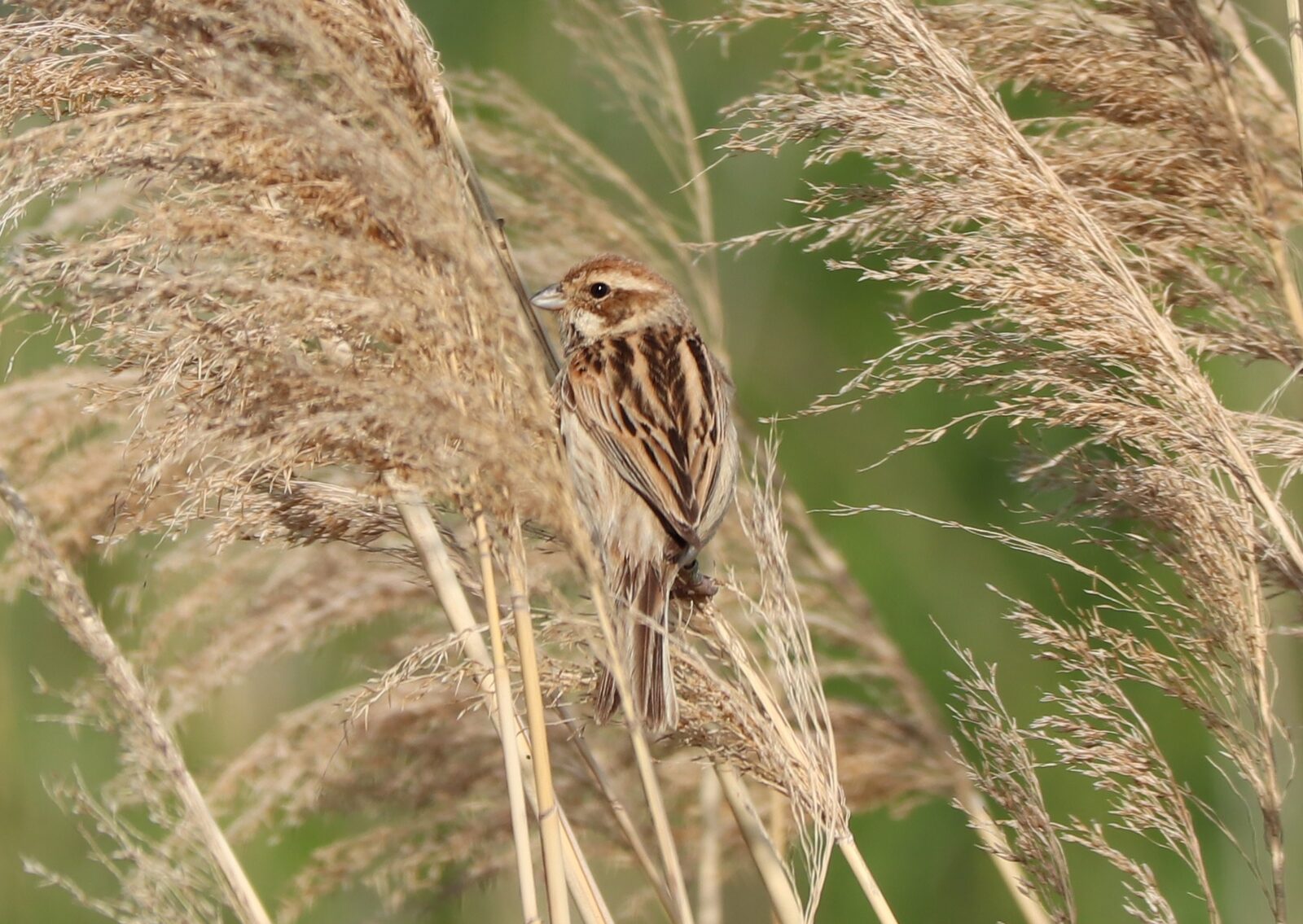
Reed bunting
Emberiza schoeniclus
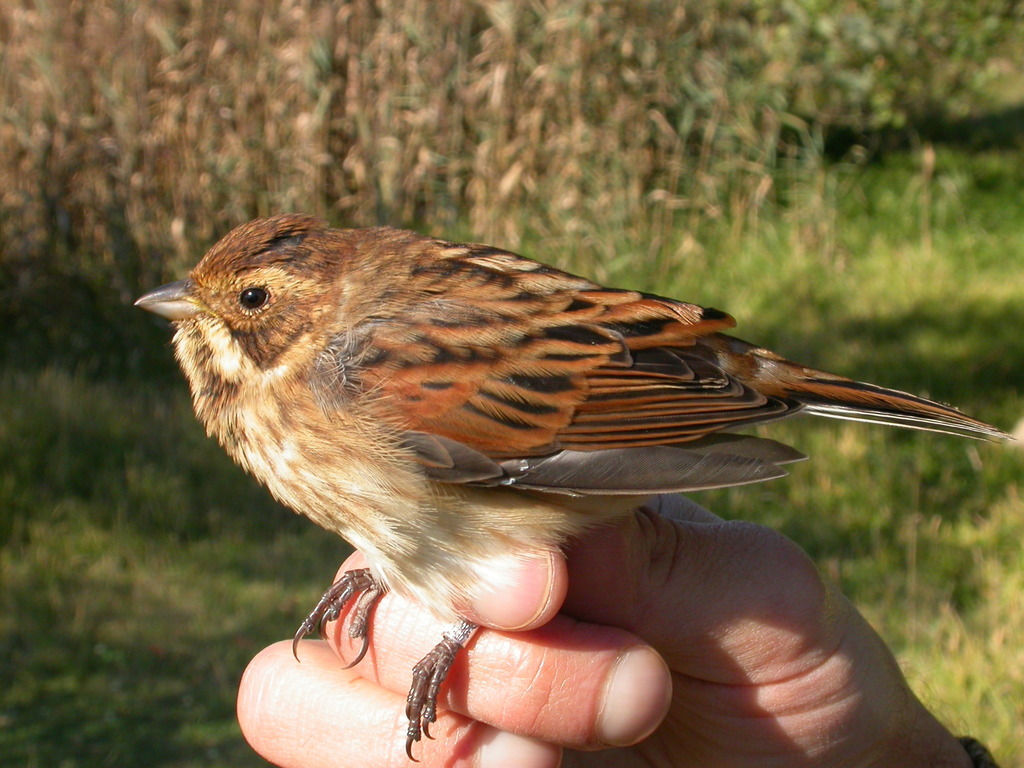
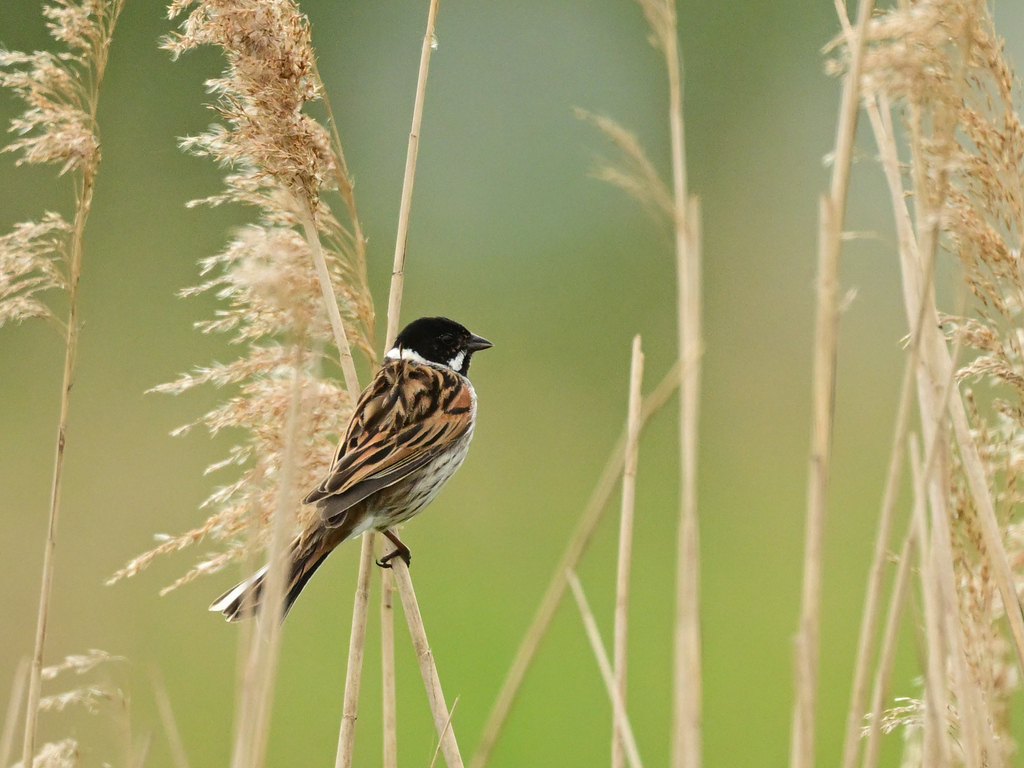
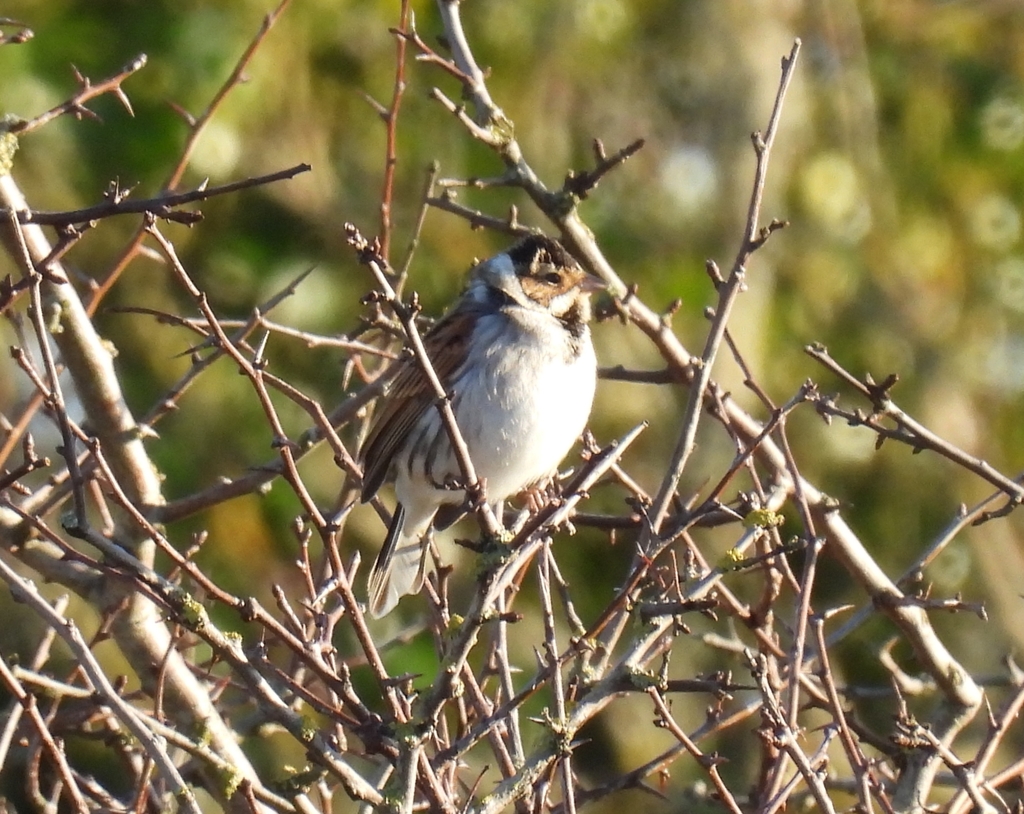
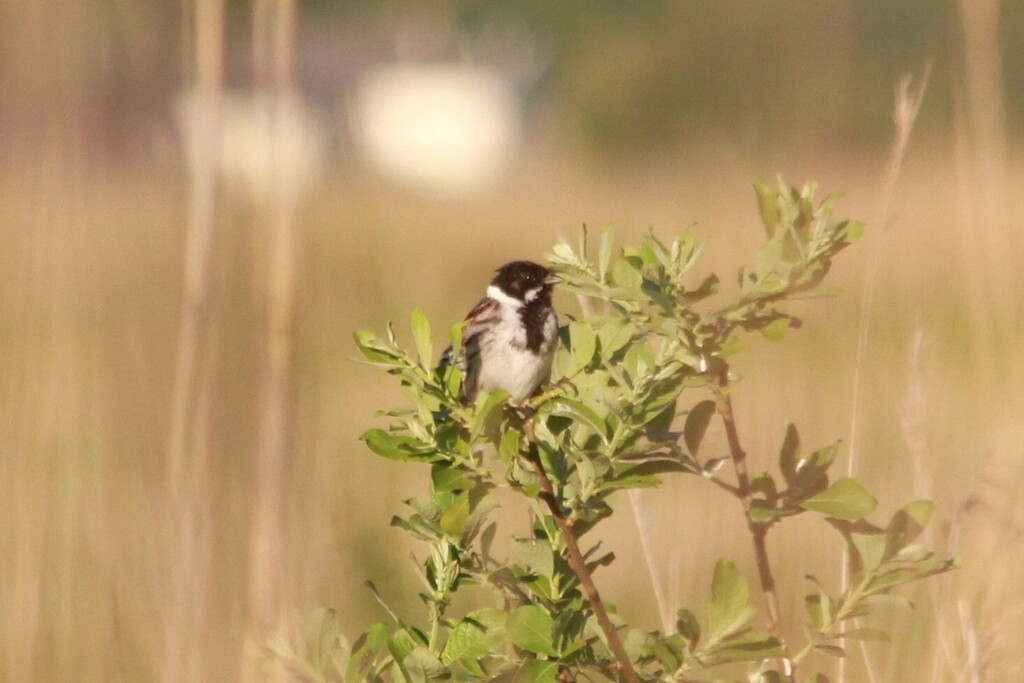
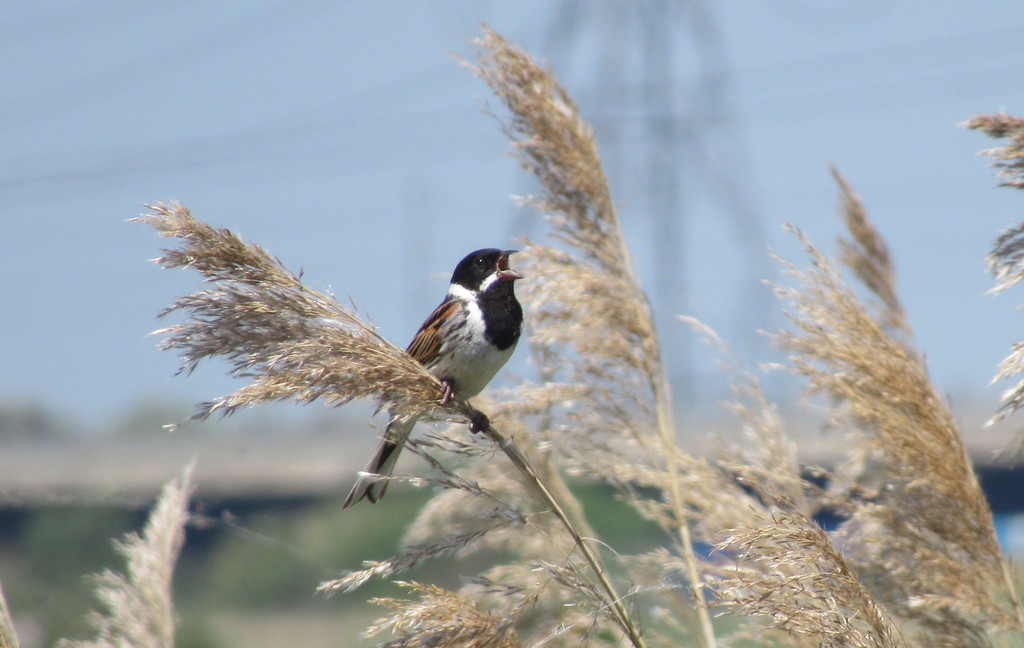
The male has a black head and a white collar; it sings from reed stems.
- Status
- Least Concern IUCN Red List
- Eats
- wood bluegrass, tasteless water-pepper, garden asparagus and 3,981 more
- Where
- 83 countries
On 4Planet Atlas it is among the wildlife people record most around Amsterdam, Ankara and Astana, and 38 more of the cities we cover.
People have shared 752,107 records of the reed bunting with GBIF, from 83 countries, most of them from United Kingdom, Germany and Spain. Records collected by GloBI show it eating 3,984 different kinds of animals and plants, and being eaten by 52.
What the reed bunting eats, and what eats it
Studies have recorded it eating 3,984 kinds of animals and plants, and 52 kinds of animals eating it. Tap any of them to follow the food chain.
- Plants 1,842
- Insects 1,547
 Reed bunting


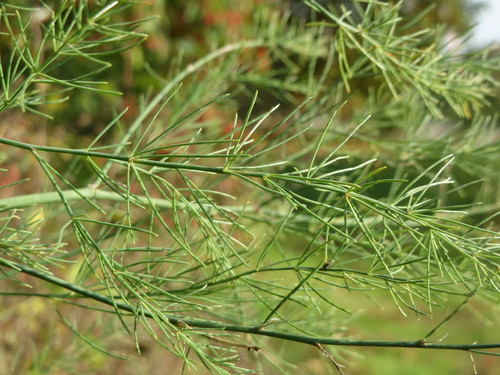

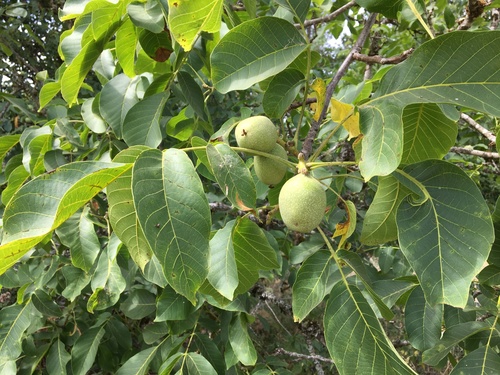
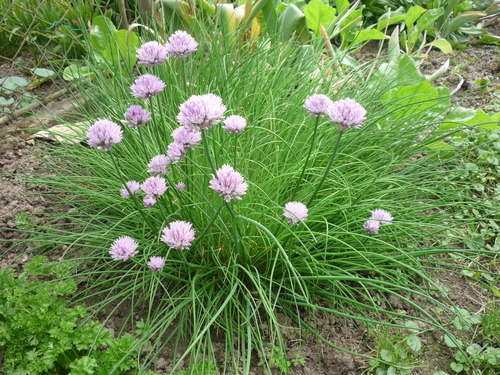

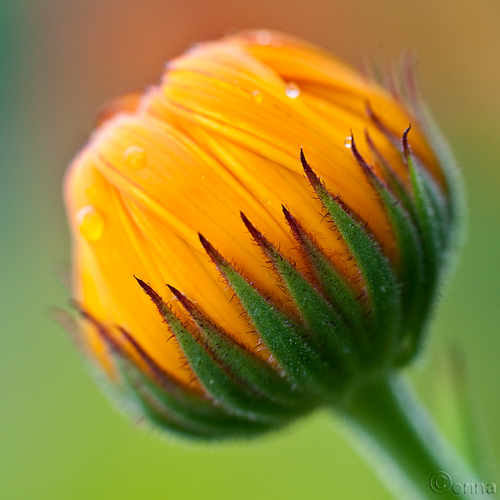
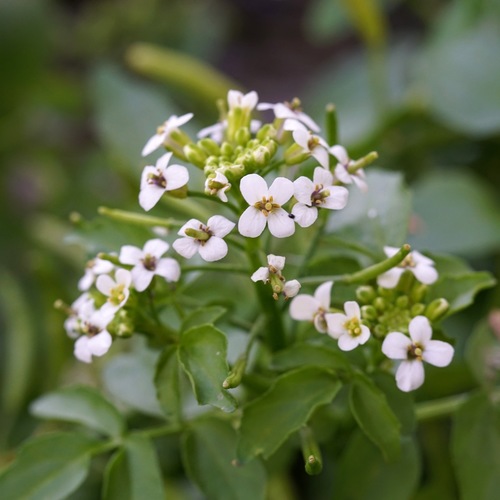

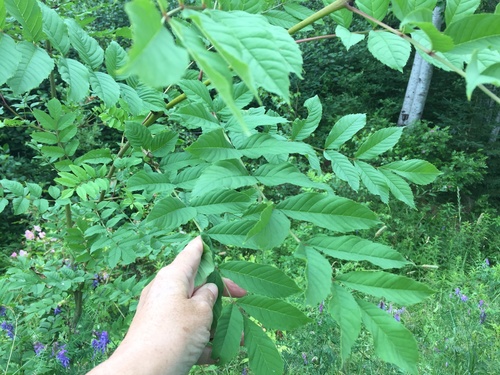
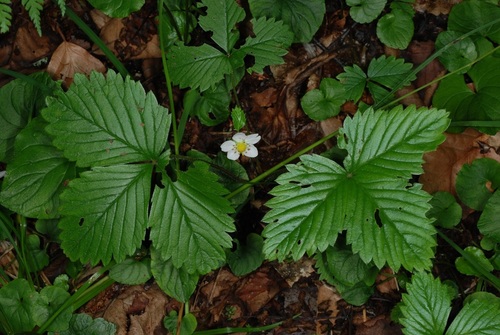
Records from studies worldwide, collected by GloBI. They include animals eaten as carrion, and they are not everything it eats in one place.
Where people see the reed bunting
People have shared 752,107 records from 83 countries.
Near a city: Amsterdam, Ankara, Astana, Athens, Baku, Bergen, Berlin, Bern, Bratislava, Brussels, Bucharest, Budapest, Chișinău, Copenhagen, Dublin, Helsinki, Kyiv, Ljubljana, London, Luxembourg City, Madrid, Minsk, Moscow, Oslo, Paris, Prague, Riga, Rome, Seoul, Skopje, Sofia, Stockholm, Tallinn, Tashkent, Tbilisi, Tokyo, Vaduz, Vienna, Vilnius, Warsaw, Zagreb.
Records show where people have seen it and shared it, not its full range. Country names open their page in Atlas.
When it is seen
Records per month in the northern hemisphere. More people outdoors also means more records.
Watch and listen

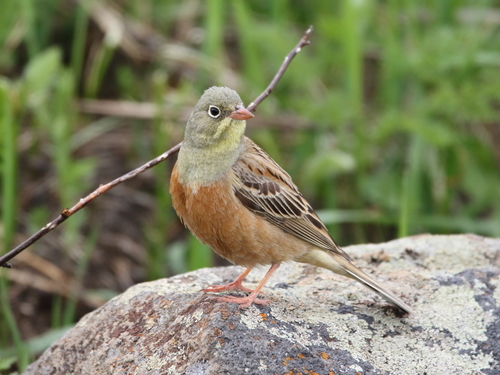
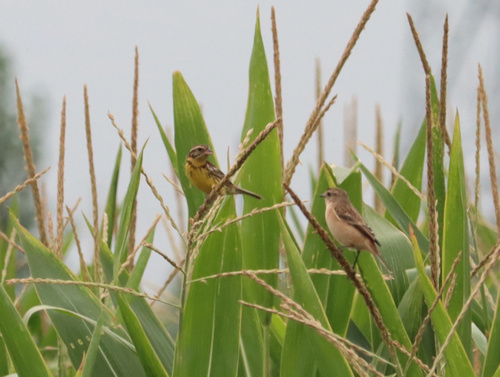
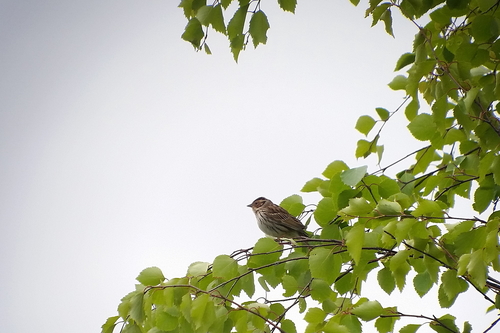
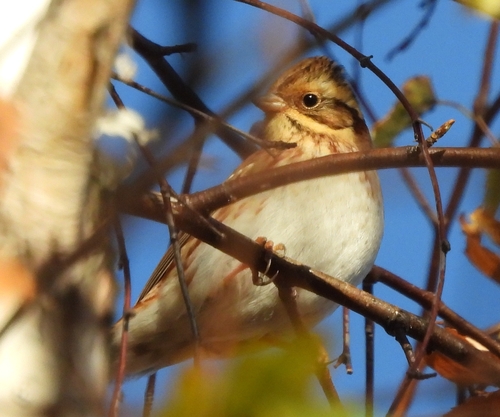
Its closest relatives
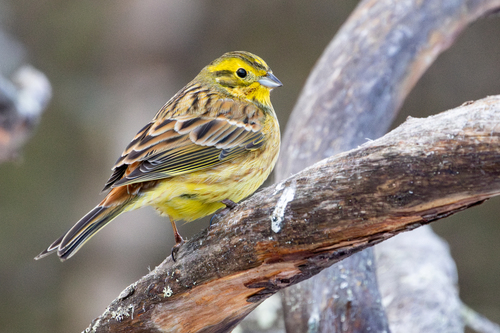
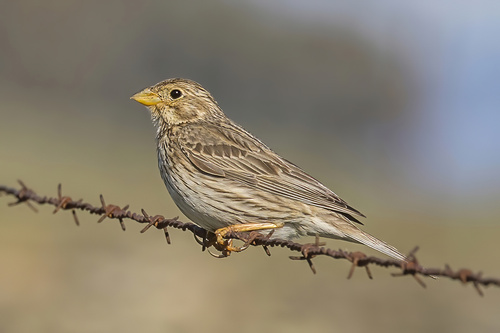
The other species of the genus Emberiza.


Seen a reed bunting?
Share your photo on iNaturalist. Other naturalists help confirm it, and the record goes to GBIF, where scientists use it and where the maps on this page come from.
Questions people ask
What does the reed bunting eat?
The reed bunting has been recorded eating 3,984 different kinds of animals and plants, most of them plants and insects. The ones recorded most often are wood bluegrass, tasteless water-pepper, garden asparagus, sweet cherry and english walnut; records include animals eaten as carrion. Source: GloBI.
What eats the reed bunting?
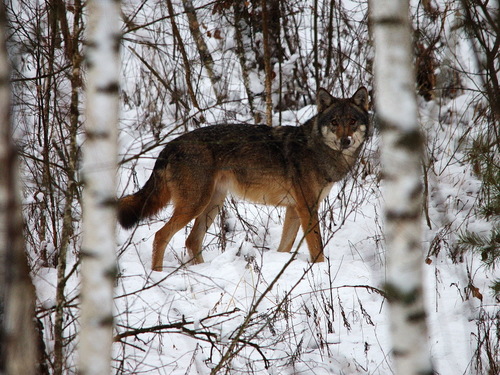
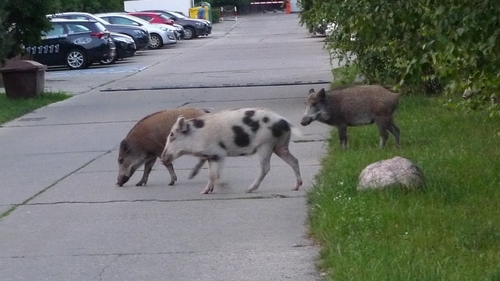
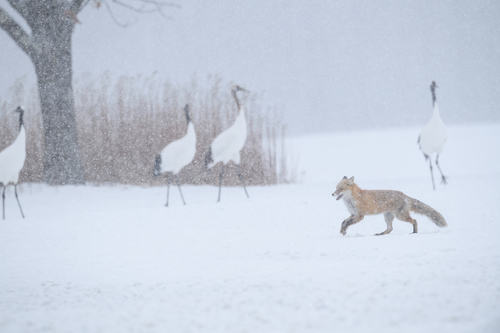
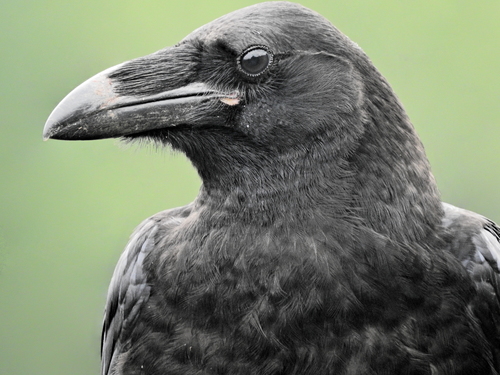
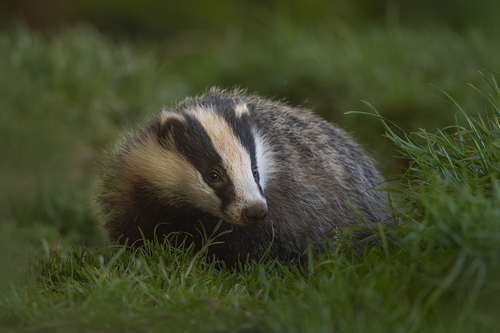
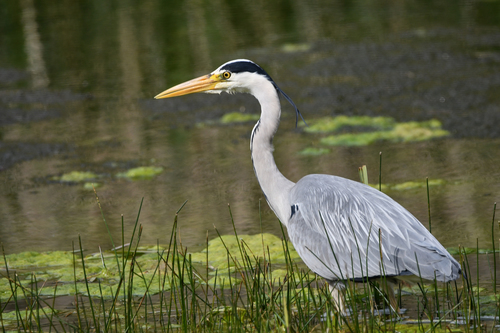
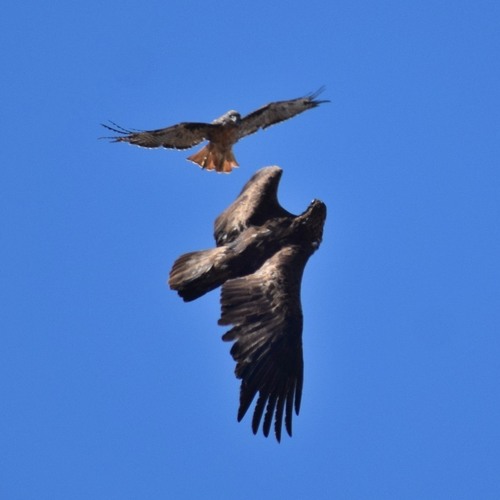
Recorded predators include grey wolf, wild boar, red fox, northern raven and eurasian magpie. Source: GloBI.
Where does the reed bunting live?
People have recorded it in 83 countries; the most records come from United Kingdom, Germany, Spain, Poland and Sweden. Records show where people have seen it, not its full range.
When is the reed bunting seen most?
In the northern hemisphere, the most records are made in May and the fewest in August. More people outdoors also means more records.
What are the reed bunting's closest relatives?
It shares the genus Emberiza with yellowhammer, corn bunting, ortolan bunting, black-headed bunting and yellow-breasted bunting.
Sources and photo credits
- GBIF · Emberiza schoeniclus, 752,107 human observations
- GloBI · recorded interactions of Emberiza schoeniclus
- Wikidata · Reed bunting (Q26961)
- Reed bunting (Emberiza schoeniclus): Se Lena, CC BY 4.0
- Reed bunting (Emberiza schoeniclus), Spain: franciscodocampo, CC BY 4.0
- Reed bunting (Emberiza schoeniclus), Shapwick Heath, Somerset, UK: Sophie Hale, CC BY 4.0
- Reed bunting (Emberiza schoeniclus), Newport, UK: Phil James, CC BY 4.0
- Reed bunting (Emberiza schoeniclus), 34970 Lattes, France: Roland Godon, CC BY 4.0
- Reed bunting (Emberiza schoeniclus), Карабаш, Челябинская обл., Россия: Евгений Маринкин, CC BY 4.0
- Reed bunting (Emberiza schoeniclus), Oudega Gem Smallingerlnd, Niederlande: tobijw, CC BY 4.0
- Reed bunting (Emberiza schoeniclus), Rainham Marshes, Purfleet, England, GB: rowan_m, CC BY 4.0
- Reed bunting (Emberiza schoeniclus), Ferrybank, Arklow, Co. Wicklow, Ireland: bitsnbirds, CC BY 4.0
- Wood bluegrass: Douglas Goldman, CC BY-SA 4.0
- Tasteless water-pepper: Paul Cook, CC BY 4.0
- Garden asparagus: Andreas Rockstein, CC BY-SA 4.0
- Sweet cherry: hedera.baltica, CC BY-SA 4.0
- English walnut: Ed Alverson, CC BY 4.0
- Chives: Pohled 111, CC BY-SA 4.0
- Bermuda grass: Douglas Goldman, CC BY-SA 4.0
- Pot marigold: Corin@ 2008, CC BY 4.0
- Watercress: Andrew Tree, CC BY 4.0
- Sycamore: Vedran Lastovčić, CC BY 4.0
- European ash: Mary E. Macaulay, P.Eng., CC BY 4.0
- Woodland strawberry: Douglas Goldman, CC BY-SA 4.0
- Grey wolf: Andrew Simon, CC BY 4.0
- Wild boar: aga_l_, CC BY 4.0
- Red fox: Morten Ross, CC BY 4.0
- Northern raven: xulescu_g, CC BY-SA 4.0
- Eurasian badger: caroline legg, CC BY 4.0
- Grey heron: Frank Sengpiel, CC BY 4.0
- Golden eagle: Anne Parsons, CC0
- Yellowhammer: Diego González Dopico, CC BY 4.0
- Corn bunting: Charles J. Sharp, CC BY-SA 4.0
- Ortolan bunting: Ani Sarkisyan, CC BY 4.0
- Black-headed bunting: SteveM4560, CC BY 4.0
- Yellow-breasted bunting: 夏仲归, CC BY 4.0
- Rock bunting: Carles Pastor, CC BY-SA 4.0
- Little bunting: Mikael Nyman, CC BY 4.0
- Rustic bunting: Евгений Маринкин, CC BY 4.0
Records show where people have seen and shared the reed bunting, not its full range, and some countries and months are recorded far more than others. The food web lists interactions that studies have recorded somewhere in the world (GloBI), not everything it eats in one place.
Checked 2026-11-22.