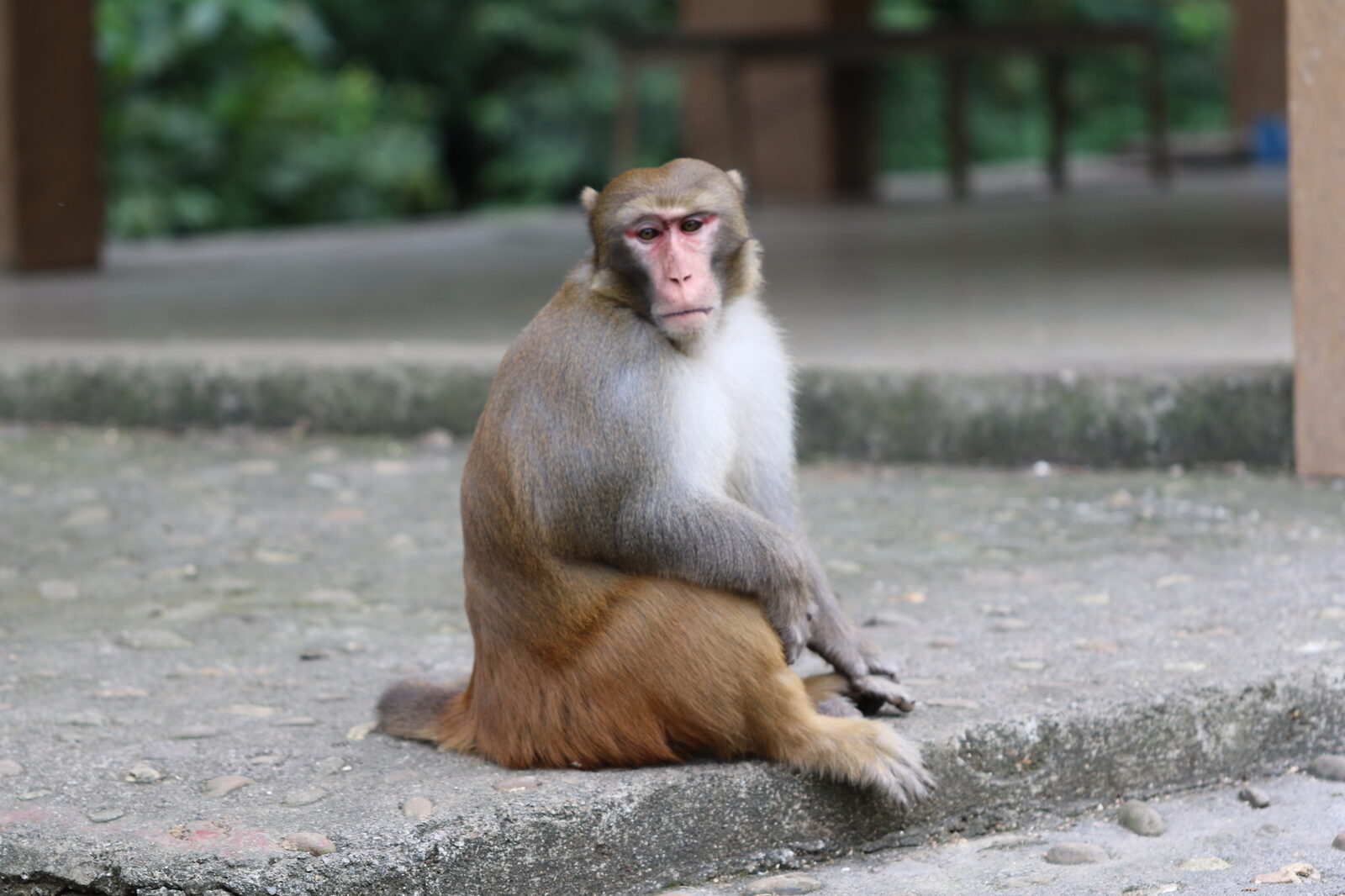
Rhesus macaque
Macaca mulatta
- Status
- Least Concern IUCN Red List
- Eats
- aglaia spectabilis, cinnamomum bejolghota, litsea monopetala and 5 more
- Eaten by
- leopard
- Where
- 13 countries · mangroves, ha Long Bay and Cat Ba Archipelago, savanna
People have shared 7,222 records of the rhesus macaque with GBIF, from 13 countries, most of them from India, Hong Kong SAR China and China. Records collected by GloBI show it eating 8 different kinds of animals and plants, and being eaten by 1.
In the northern hemisphere, people record it most in April and least in June. It belongs to the genus Macaca in the family Cercopithecidae.
Habitats
What the rhesus macaque eats, and what eats it
Studies have recorded it eating 8 kinds of animals and plants, and 1 kinds of animals eating it. Tap any of them to follow the food chain.
- Plants 8
Eaten by
 Rhesus macaque
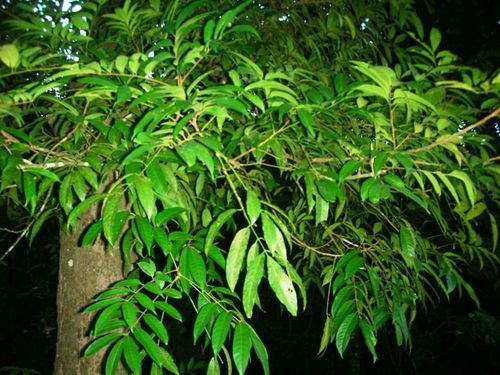
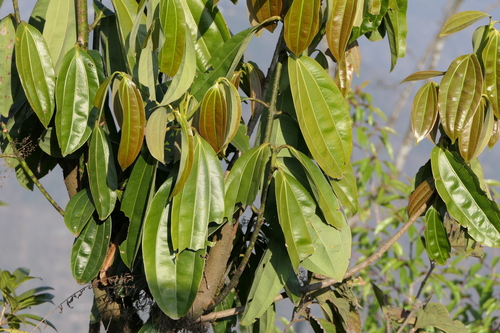
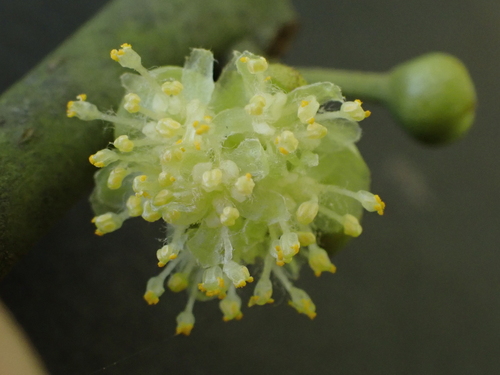
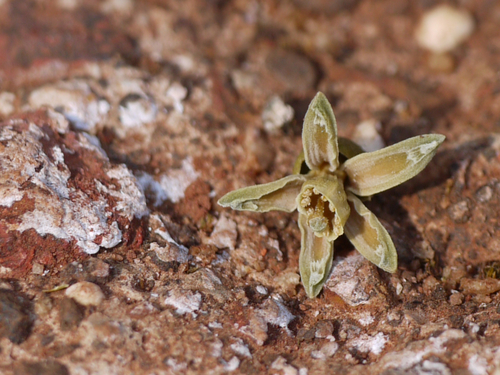
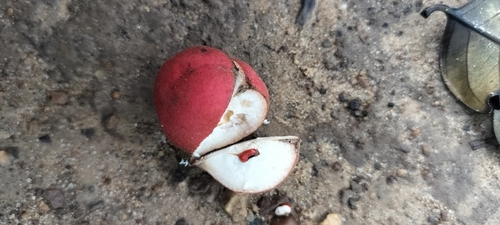
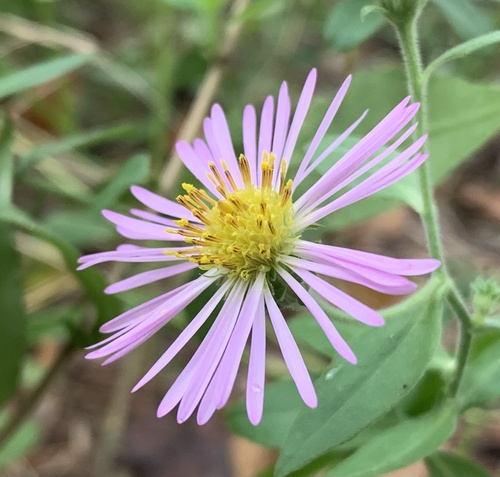
Records from studies worldwide, collected by GloBI. They include animals eaten as carrion, and they are not everything it eats in one place.
Where people see the rhesus macaque
People have shared 7,222 records from 13 countries.
Records show where people have seen it and shared it, not its full range. Country names open their page in Atlas.
When it is seen
Records per month in the northern hemisphere. More people outdoors also means more records.
Watch and listen
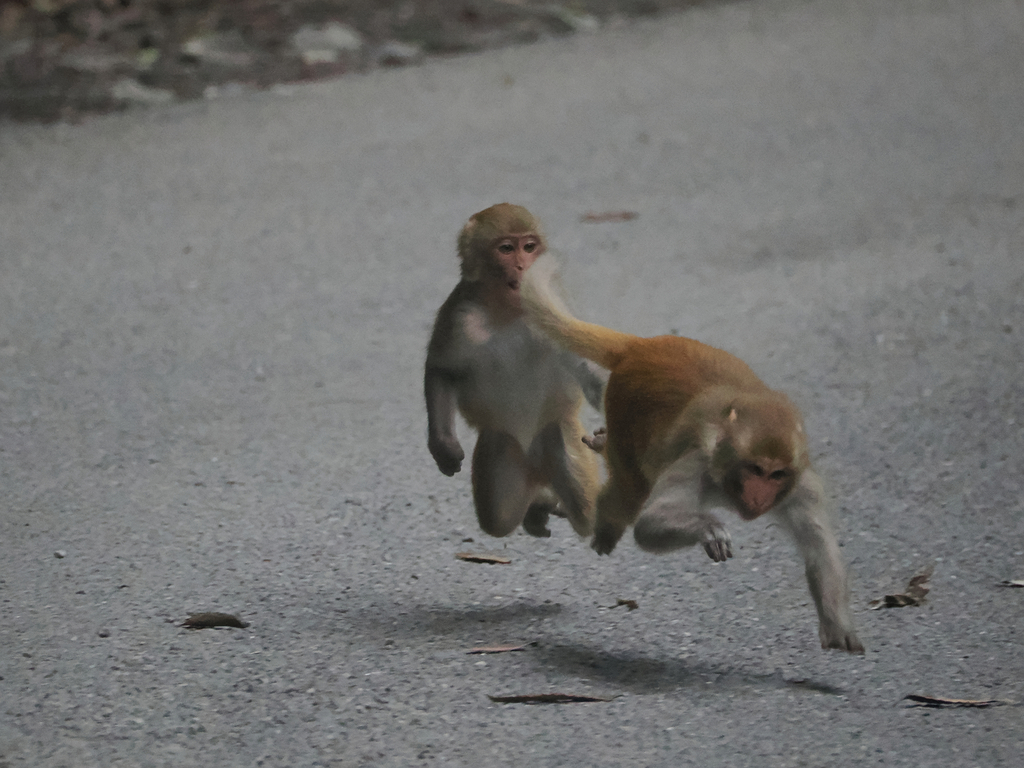
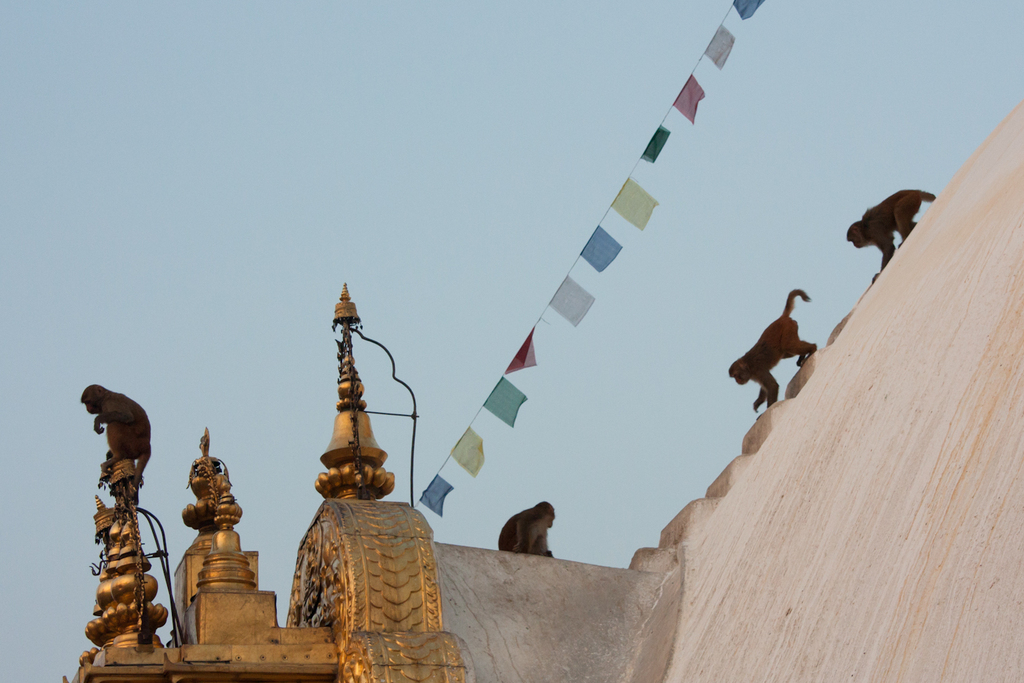
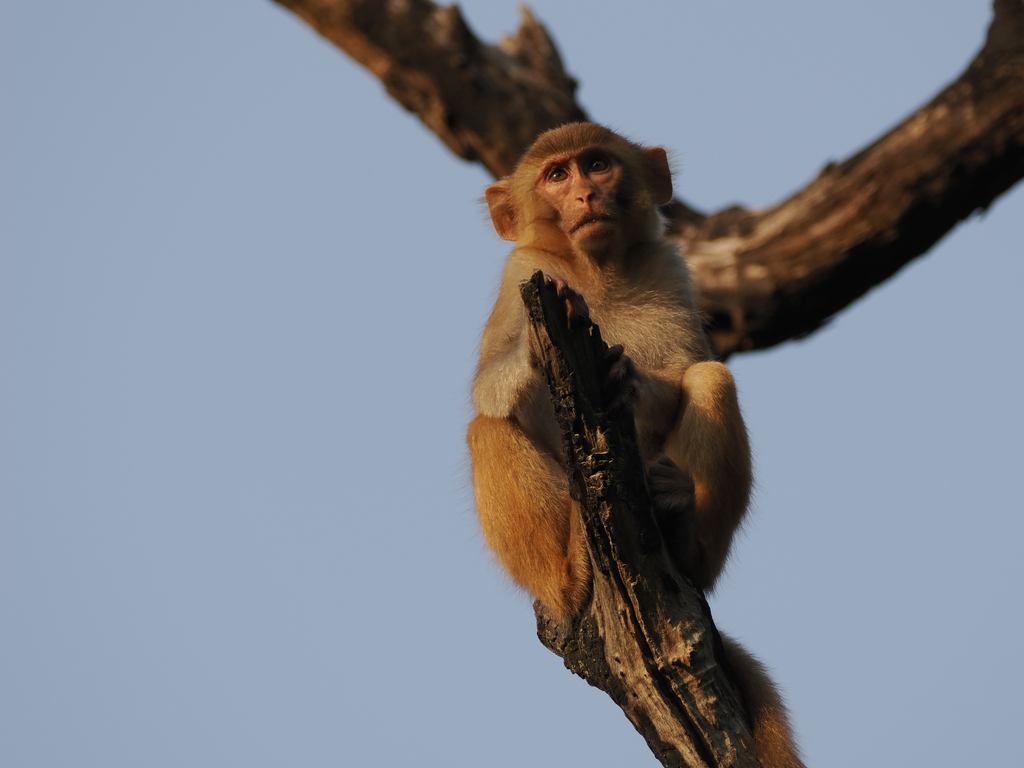
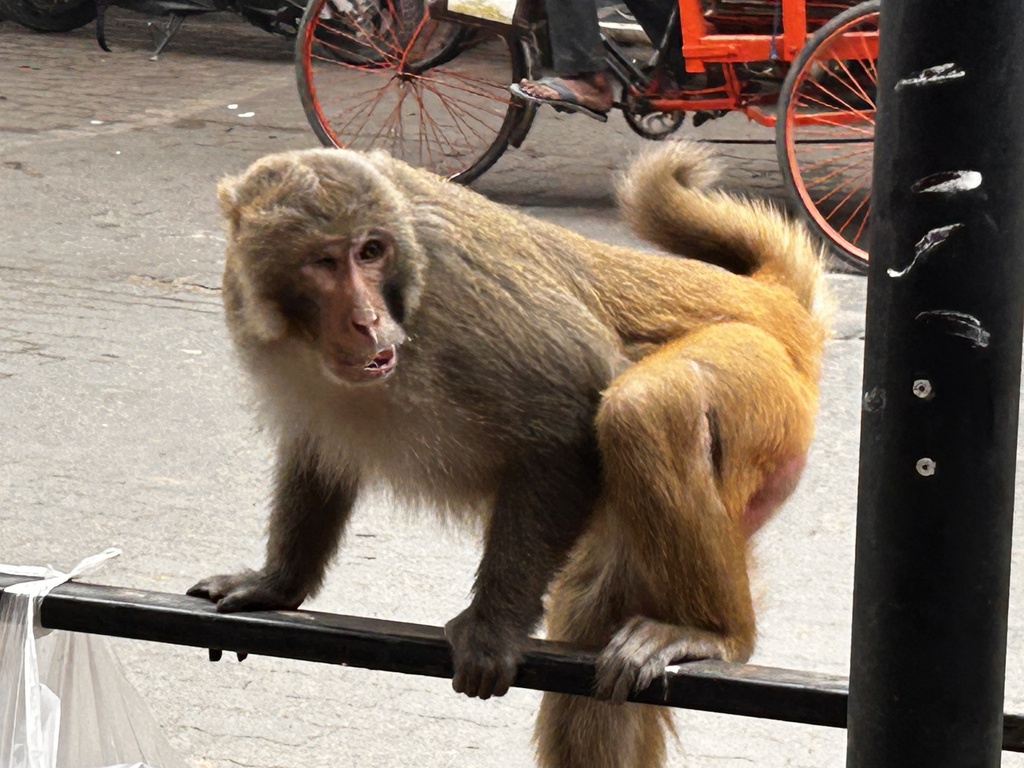
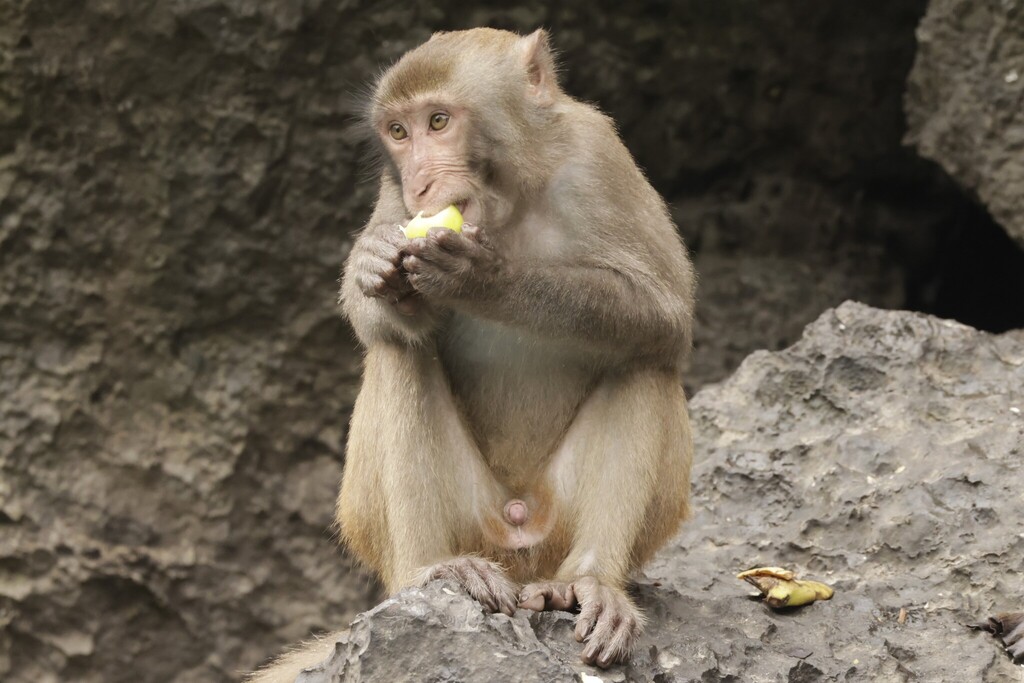
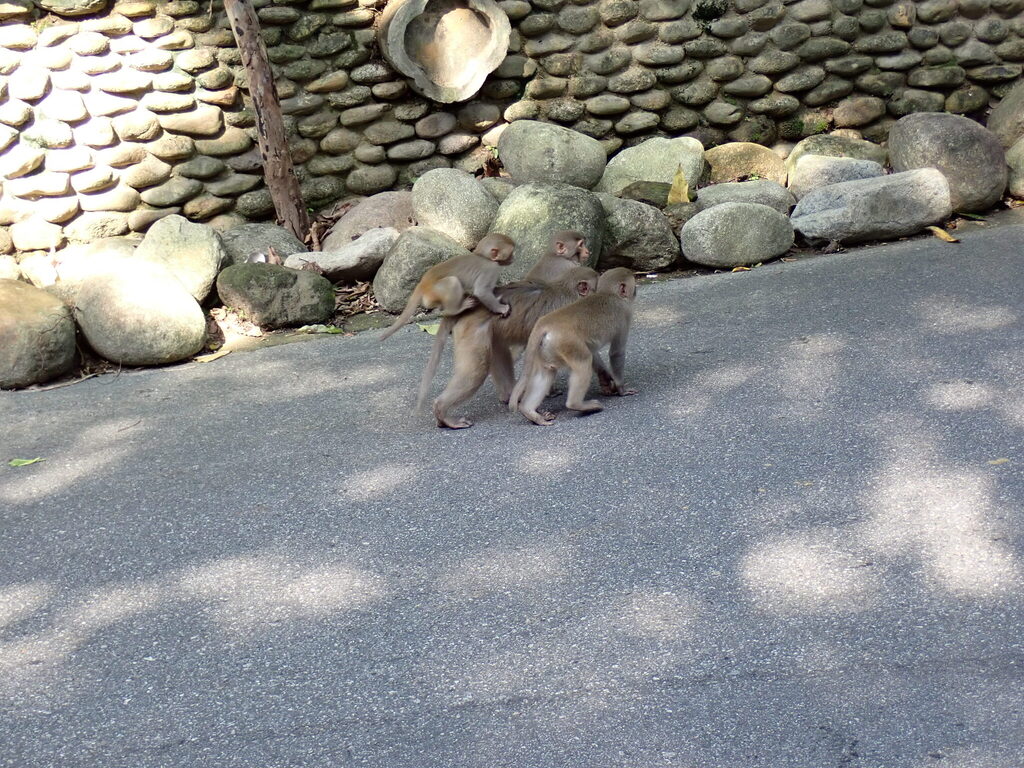
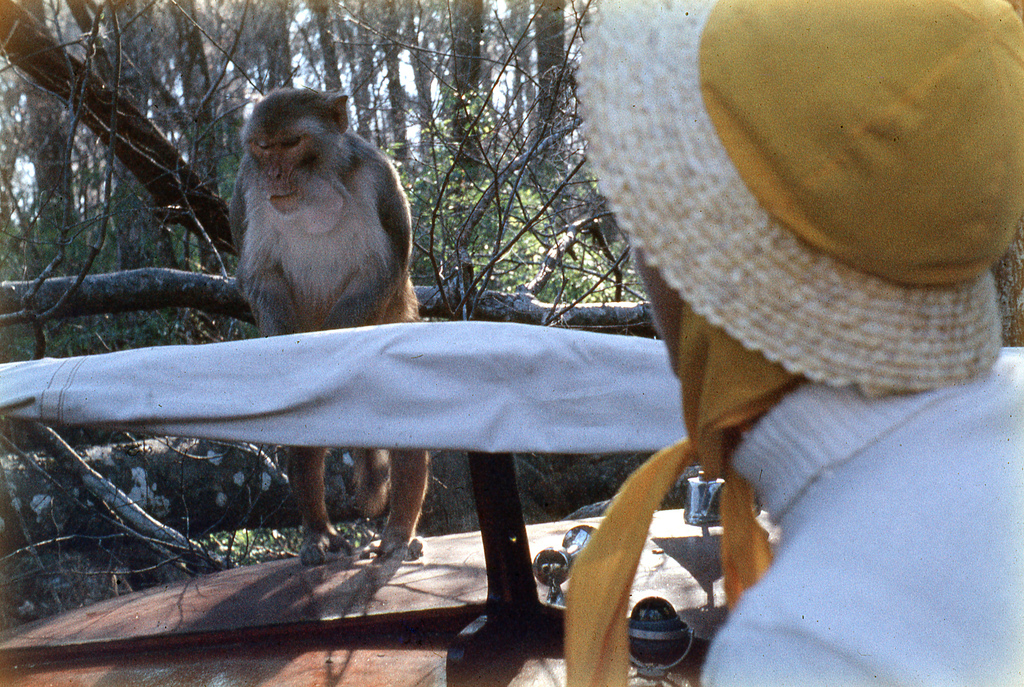
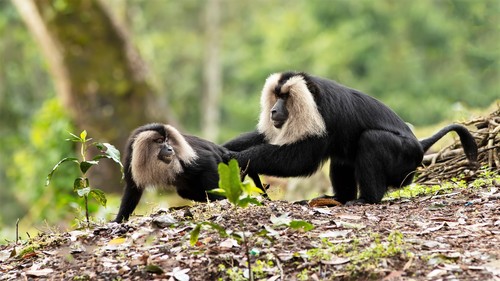
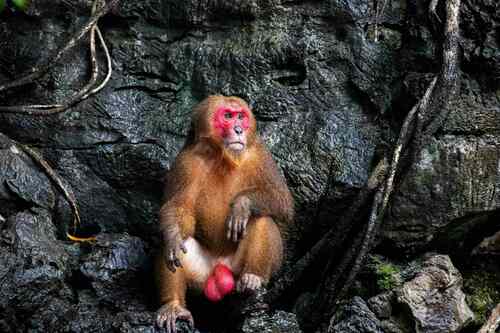
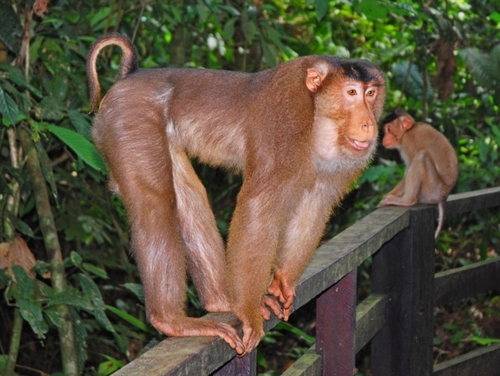
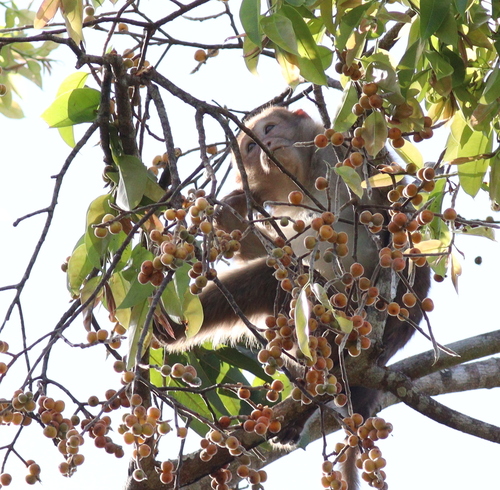
Its closest relatives
The other species of the genus Macaca.
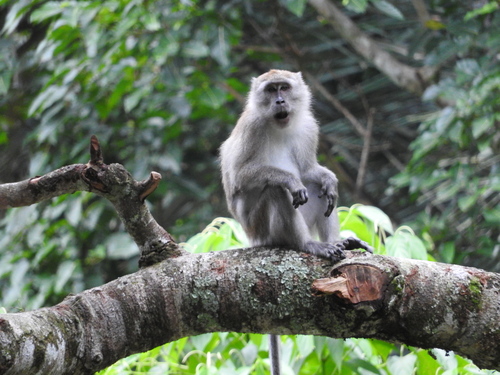


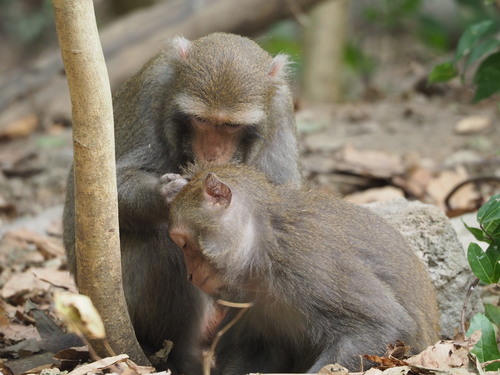
Seen a rhesus macaque?
Share your photo on iNaturalist. Other naturalists help confirm it, and the record goes to GBIF, where scientists use it and where the maps on this page come from.
Put this species on your site
The card names every source and links back here.
<iframe src="https://4planetatlas.com/place/embed/species/rhesus-macaque" title="Rhesus macaque (Macaca mulatta), 4PLANET Species" width="100%" height="600" style="border:0;max-width:640px" loading="lazy"></iframe>
<p><a href="https://4species.com/rhesus-macaque">Rhesus macaque on 4PLANET Species</a></p>Explore next
What puts the rhesus macaque under pressure, what helps, and who works on it.



Questions people ask
What does the rhesus macaque eat?
The rhesus macaque has been recorded eating 8 different kinds of animals and plants, most of them plants. The ones recorded most often are aglaia spectabilis, cinnamomum bejolghota, litsea monopetala, dysoxylum gotadhora and polyalthia simiarum; records include animals eaten as carrion. Source: GloBI.
What eats the rhesus macaque?
Recorded predators include leopard. Source: GloBI.
Where does the rhesus macaque live?
People have recorded it in 13 countries; the most records come from India, Hong Kong SAR China, China, Nepal and Vietnam. Records show where people have seen it, not its full range.
When is the rhesus macaque seen most?
In the northern hemisphere, the most records are made in April and the fewest in June. More people outdoors also means more records.
What are the rhesus macaque's closest relatives?
It shares the genus Macaca with crab-eating macaque, lion-tailed macaque, stump-tailed macaque, southern pig-tailed macaque and assam macaque.
Sources and photo credits
- GBIF · Macaca mulatta, 7,222 human observations
- GloBI · recorded interactions of Macaca mulatta
- Wikidata · Rhesus macaque (Q156606)
- Rhesus macaque (Macaca mulatta): Donald Hobern, CC BY 4.0
- Rhesus macaque (Macaca mulatta): Kimberly, CC BY 4.0
- Rhesus macaque (Macaca mulatta), Sattal, Uttarakhand 263136, India: Nicolás Tamargo, CC0
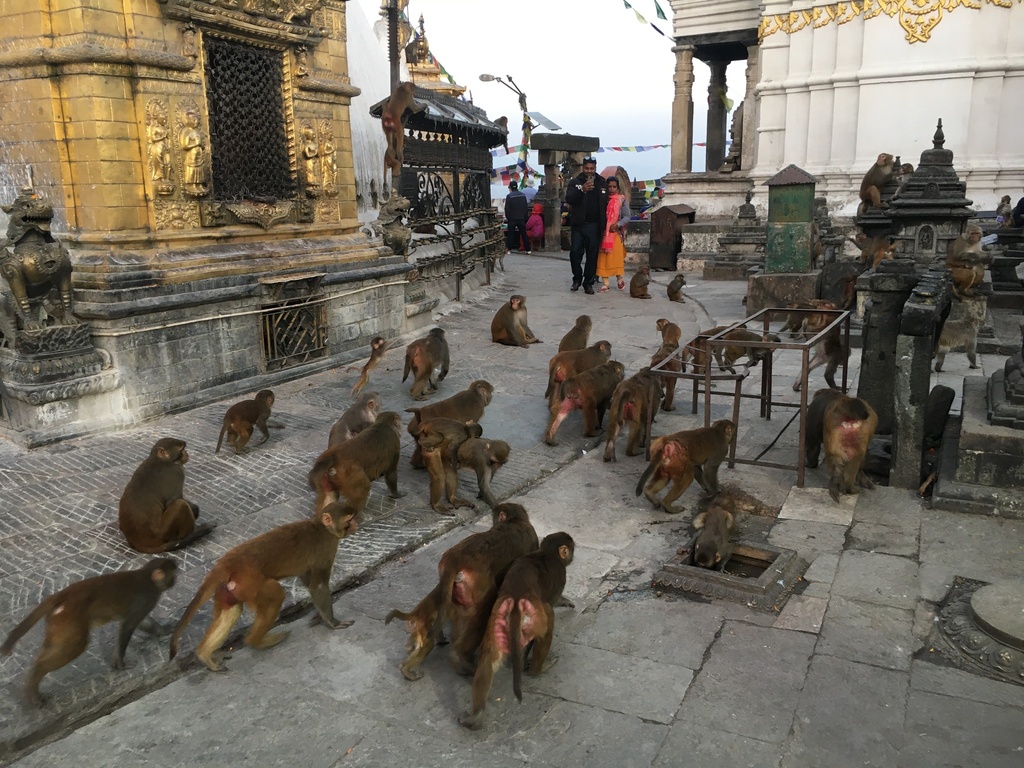
- Rhesus macaque (Macaca mulatta), Swayambhunath, Kathmandu 44600, Nepal: Andrea Battisti, CC BY 4.0
- Rhesus macaque (Macaca mulatta), Bichpuri Range, Uttarakhand, India: Nicolás Tamargo, CC0
- Rhesus macaque (Macaca mulatta), Kalaguru Bishnu Prasad Rabha Flyover, Guwahati, Assam, IN: Scott Edmunds, CC0
- Rhesus macaque (Macaca mulatta), Hạ Long, VN-QN, VN: Russ Namitz, CC0
- Rhesus macaque (Macaca mulatta), Thọ Quang, Sơn Trà, Da Nang, Vietnam: Dr. Guido Bohne, CC BY-SA 4.0
- Rhesus macaque (Macaca mulatta), Silver Springs, FL, USA: Lexi Amico, CC BY 4.0
- Aglaia spectabilis: Xufanc, CC BY-SA 4.0
- Cinnamomum bejolghota: Dinesh Valke, CC BY-SA 4.0
- Litsea monopetala: CYL, CC BY 4.0
- Dysoxylum gotadhora: Dinesh Valke, CC BY-SA 4.0
- Chisocheton cumingianus: Jyotsna Nag, CC BY 4.0
- Climbing aster: natalie, CC0
- Leopard: Raja bandi, CC BY 4.0
- Crab-eating macaque: Subir B. Shakya, CC BY 4.0
- Lion-tailed macaque: Pramod CL, CC BY 4.0
- Stump-tailed macaque: Utain Pummarin, CC BY 4.0
- Southern pig-tailed macaque: Ettore Balocchi, CC BY 4.0
- Assam macaque: Jan Ebr & Ivana Ebrová, CC BY 4.0
- Toque macaque: Amila Kanchana, CC BY-SA 4.0
- Tibetan macaque: Sheelagh Halsey, CC BY 4.0
- Formosan rock macaque: no rights reserved, uploaded by 葉子, CC0
Records show where people have seen and shared the rhesus macaque, not its full range, and some countries and months are recorded far more than others. The food web lists interactions that studies have recorded somewhere in the world (GloBI), not everything it eats in one place.
Checked 2026-11-24.