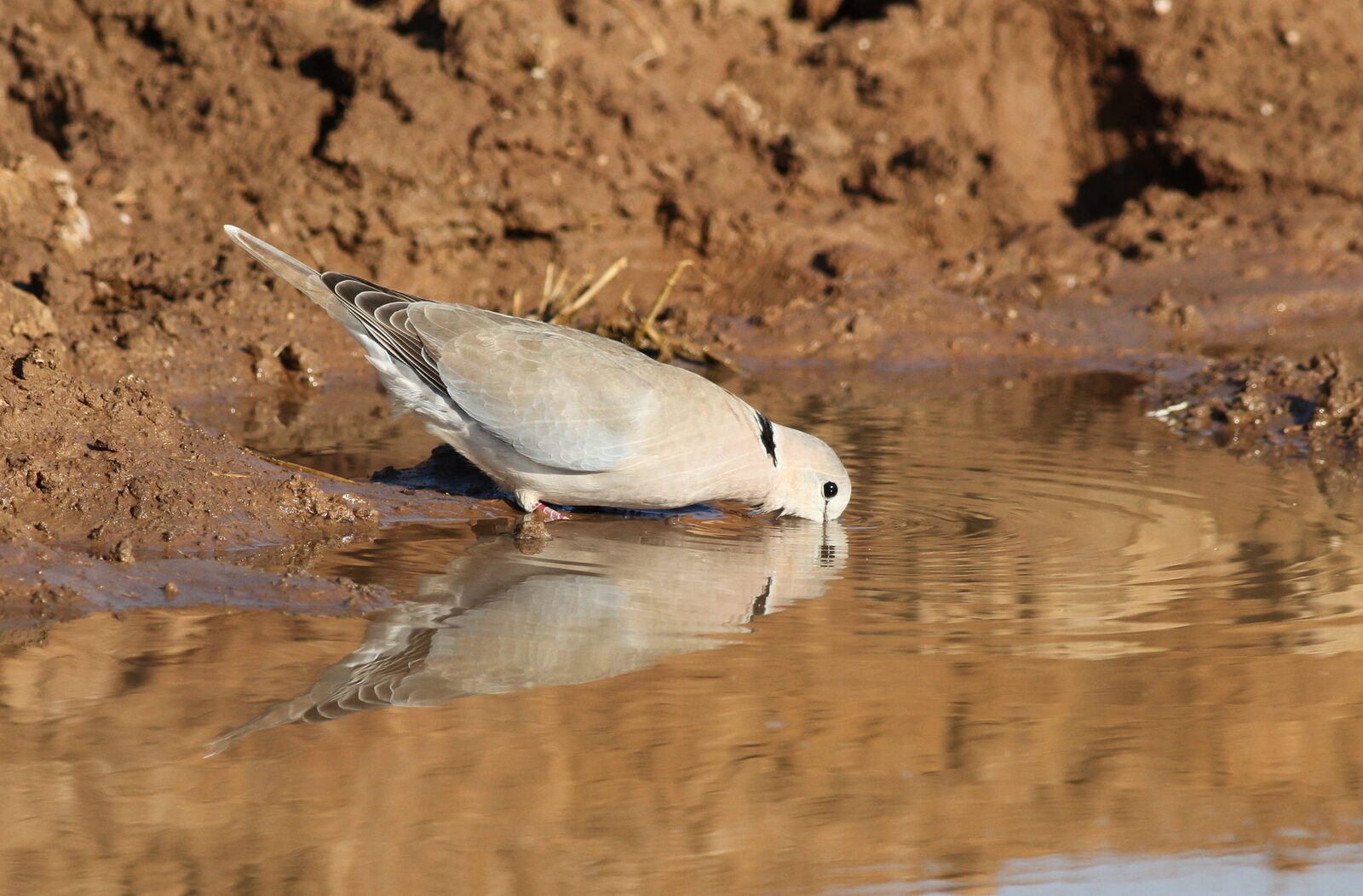
Ring-necked dove
Streptopelia capicola
- Status
- Least Concern IUCN Red List
- Eats
- olive, common lantana, senegal date palm and 27 more
- Where
- 27 countries · savannas, okavango Delta
On 4Planet Atlas it is among the wildlife people record most around Addis Ababa, Bloemfontein and Brazzaville, and 21 more of the cities we cover.
People have shared 215,001 records of the ring-necked dove with GBIF, from 27 countries, most of them from South Africa, Kenya and Tanzania. Records collected by GloBI show it eating 30 different kinds of animals and plants.
Habitats
What the ring-necked dove eats, and what eats it
Studies have recorded it eating 30 kinds of animals and plants. Tap any of them to follow the food chain.
- Plants 30
Ring-necked dove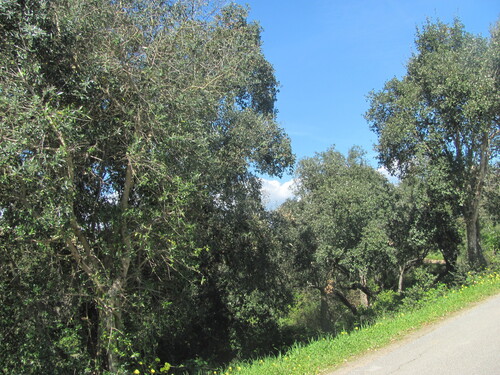
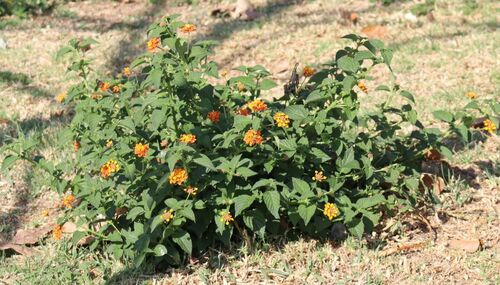
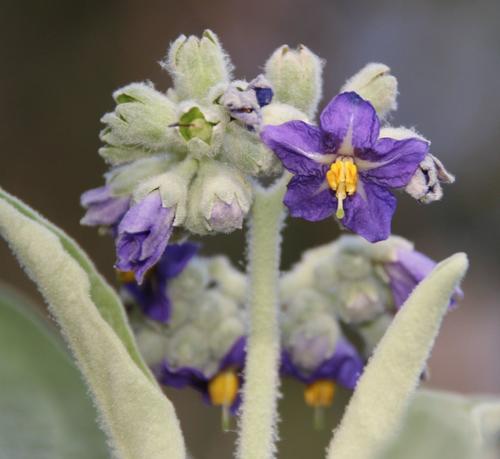
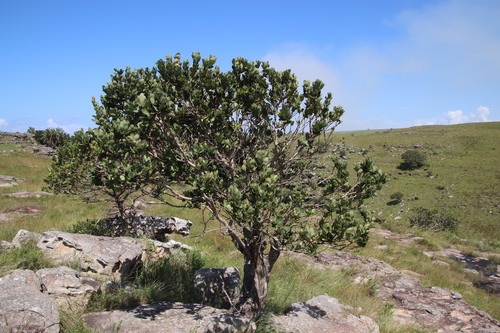
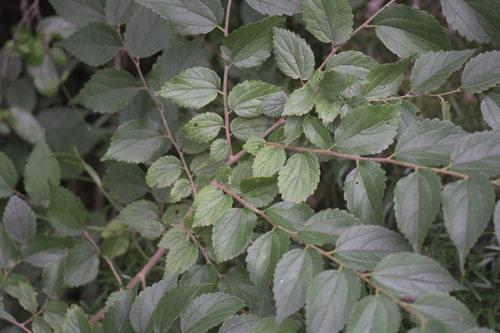
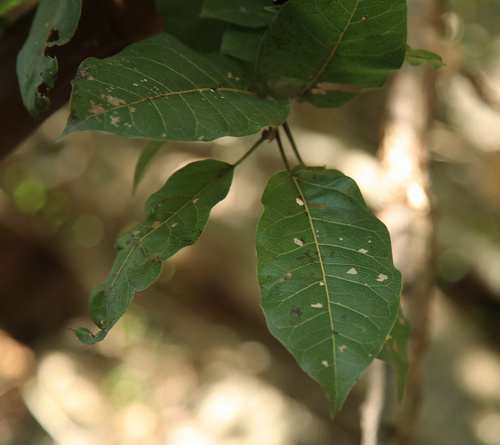
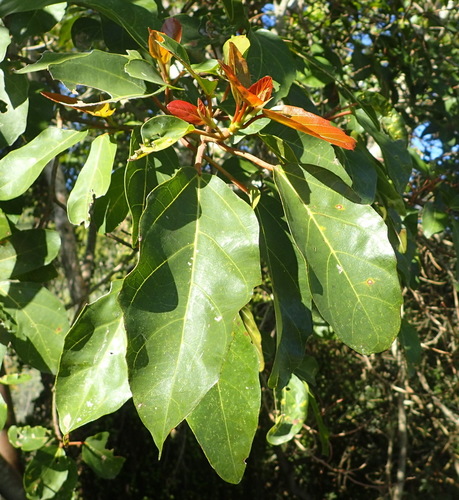
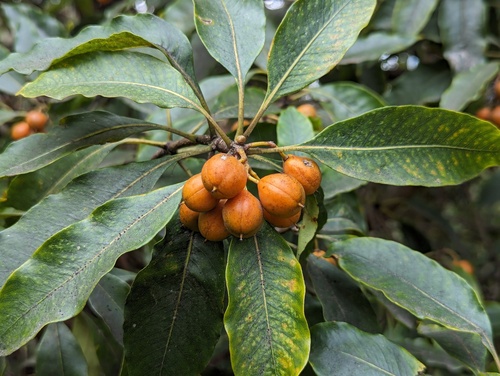
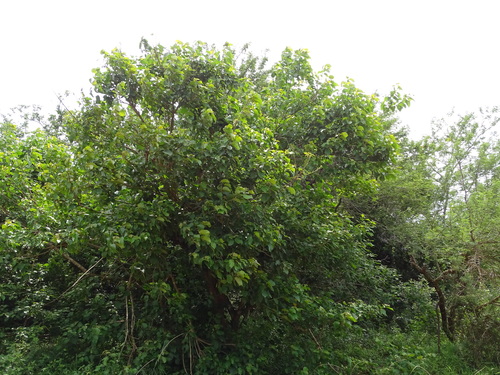
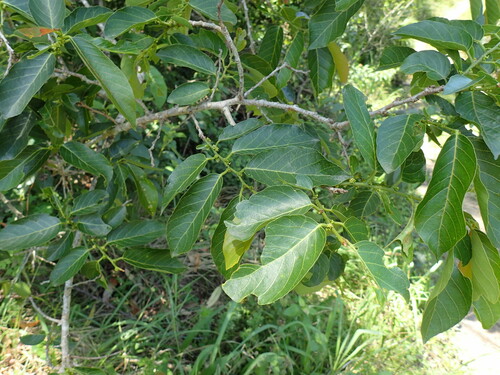
Records from studies worldwide, collected by GloBI. They include animals eaten as carrion, and they are not everything it eats in one place.
Where people see the ring-necked dove
People have shared 215,001 records from 27 countries.
Near a city: Addis Ababa, Bloemfontein, Brazzaville, Cape Town, Dodoma, Gaborone, Gitega, Harare, Juba, Kampala, Khartoum, Kigali, Kinshasa, Lilongwe, Lobamba, Luanda, Lusaka, Maputo, Maseru, Mbabane, Moroni, Nairobi, Pretoria, Windhoek.
Records show where people have seen it and shared it, not its full range. Country names open their page in Atlas.
When it is seen
Records per month in the southern hemisphere. More people outdoors also means more records.
Watch and listen
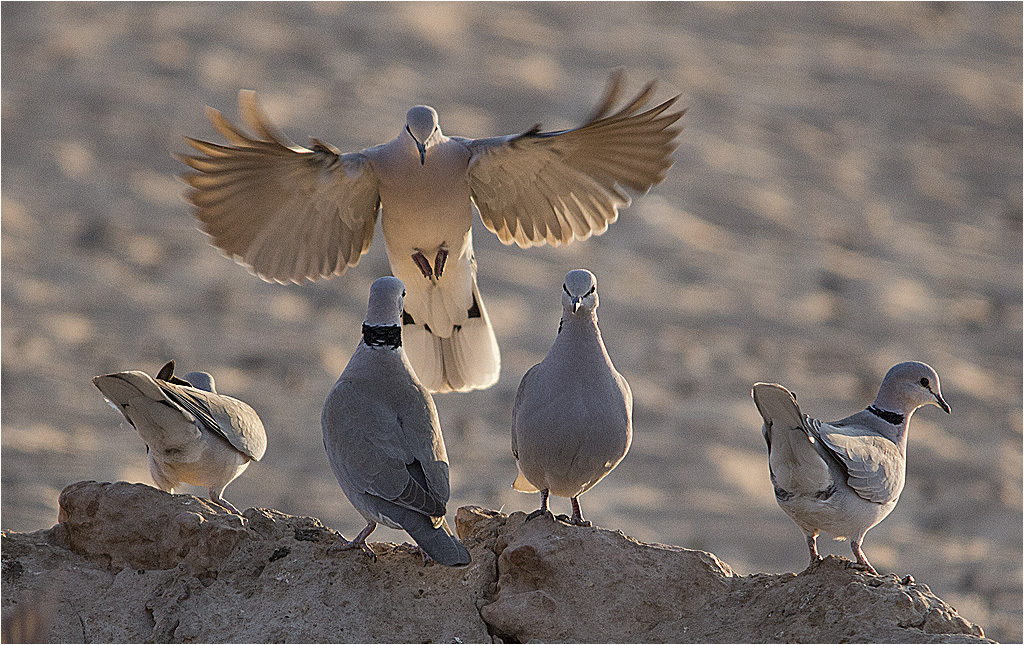
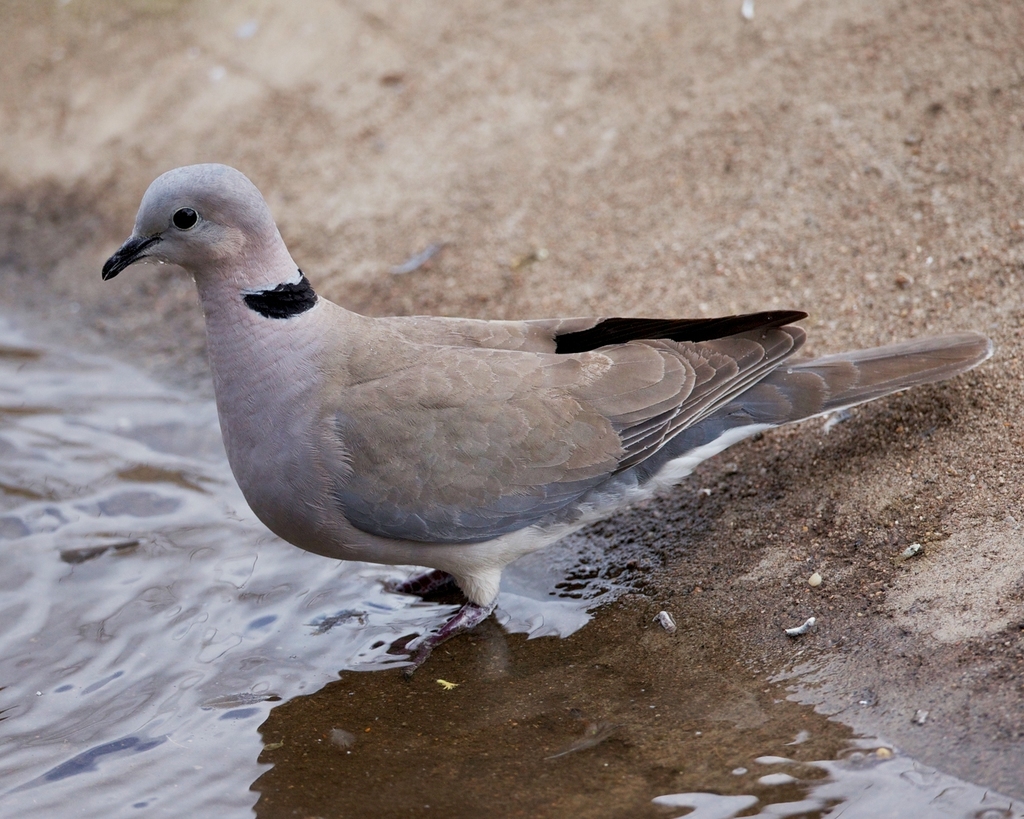
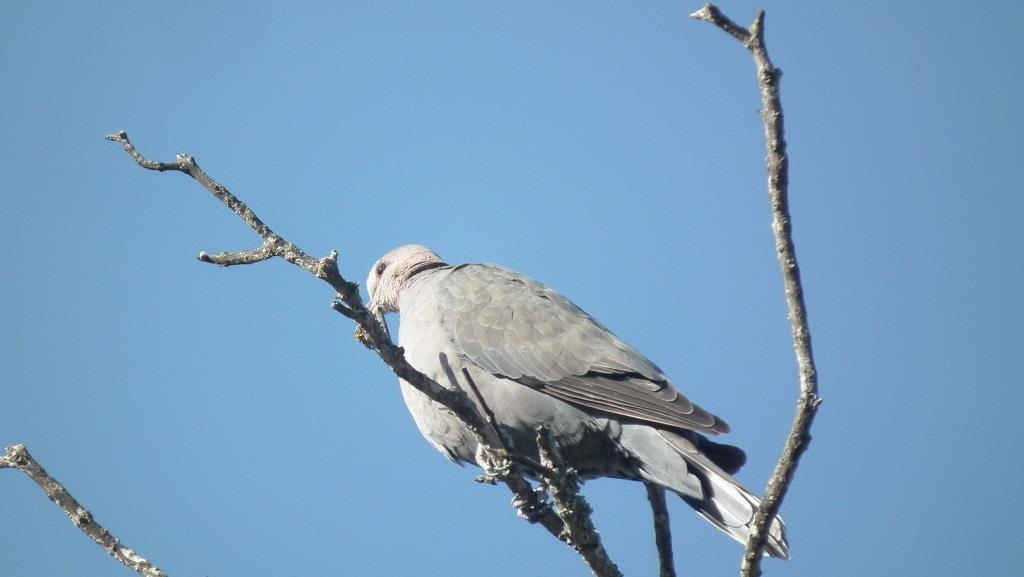
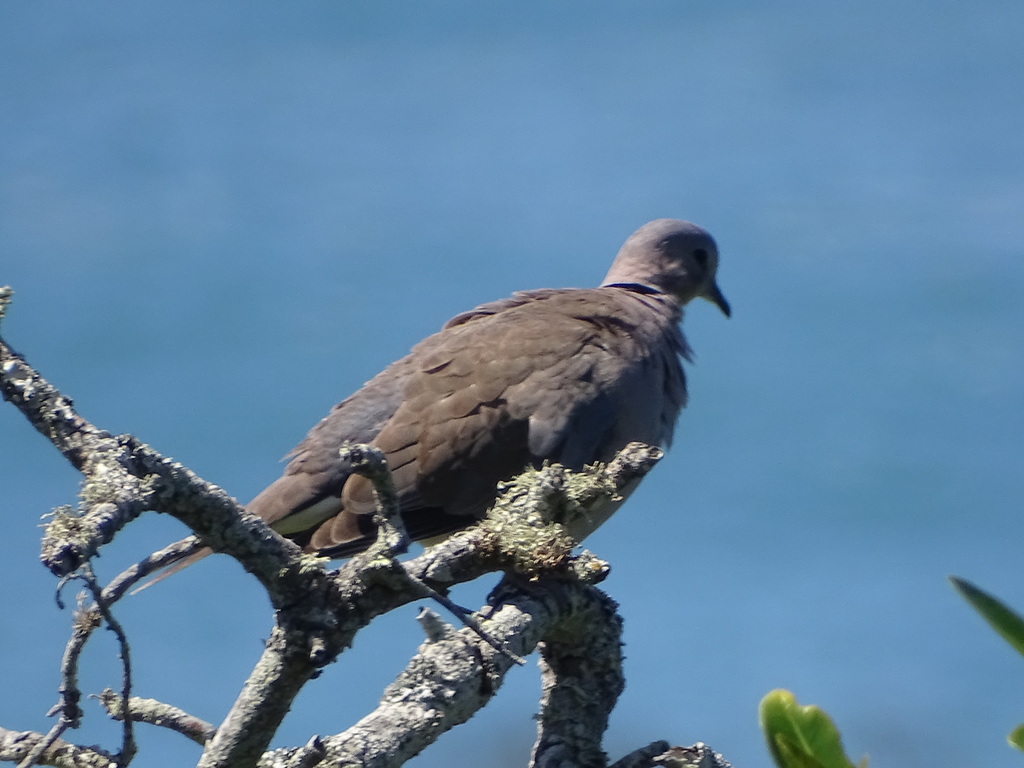
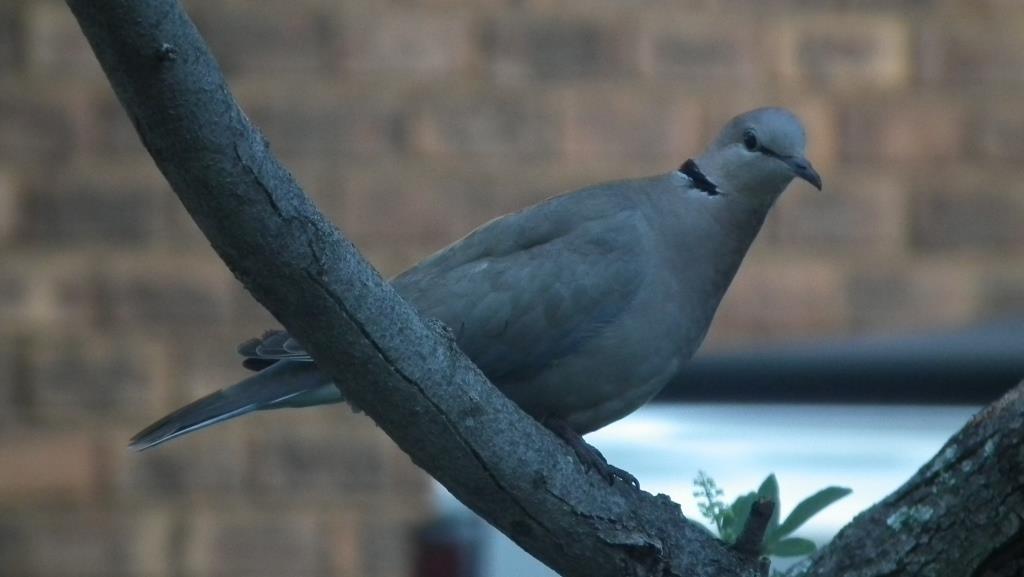
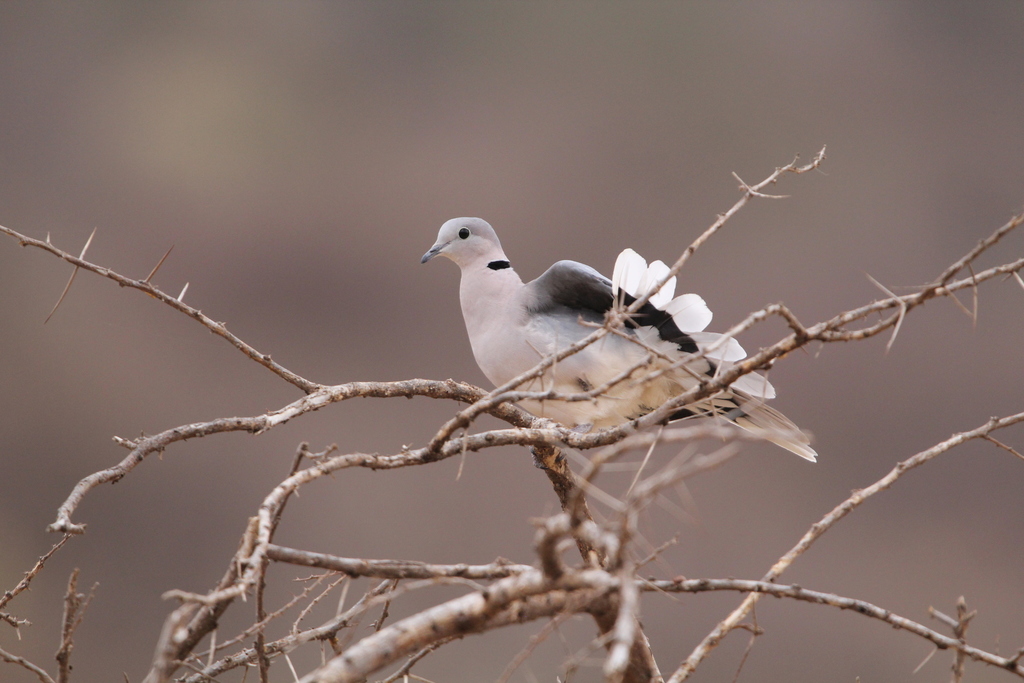
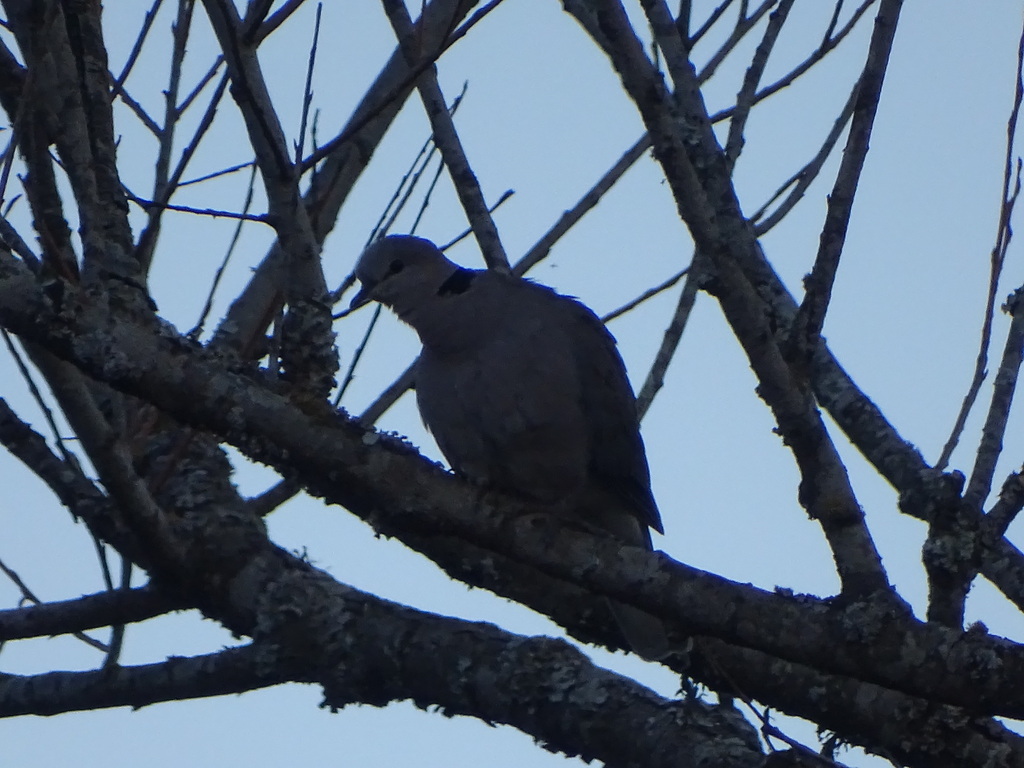
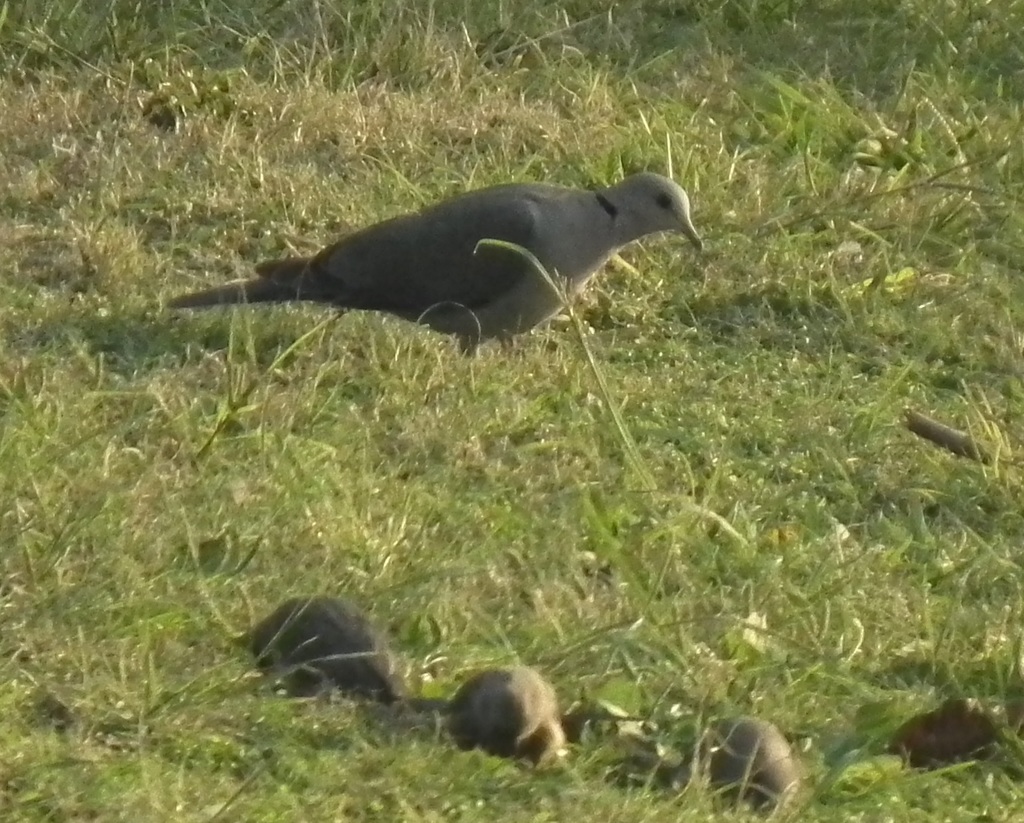
Its closest relatives
The other species of the genus Streptopelia.
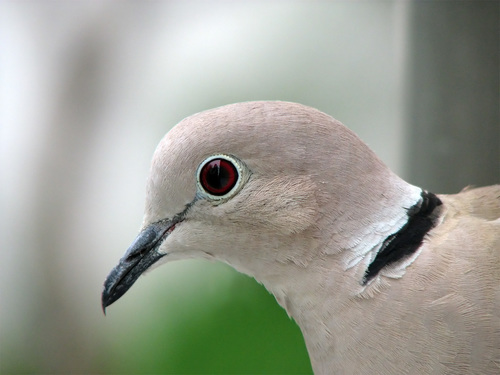
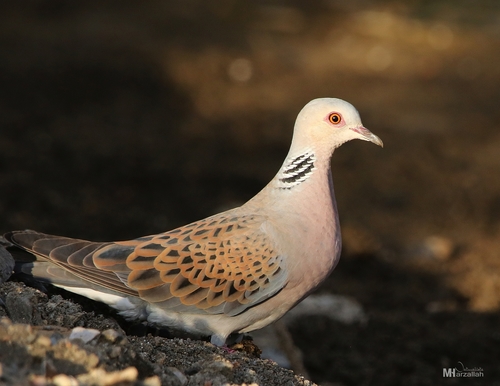

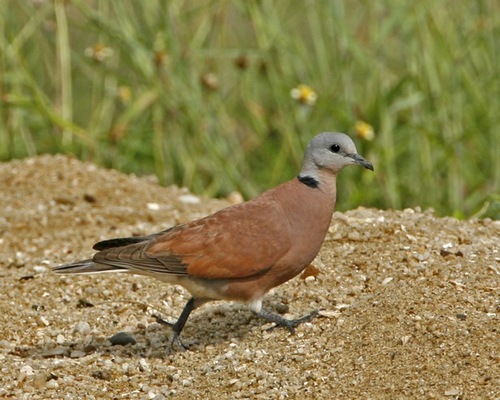
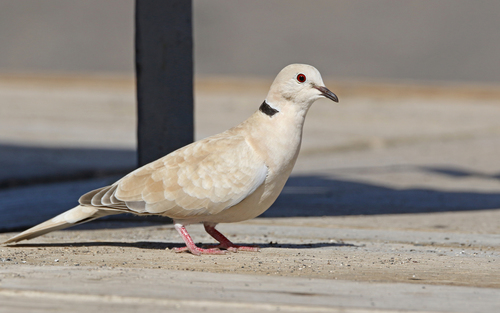
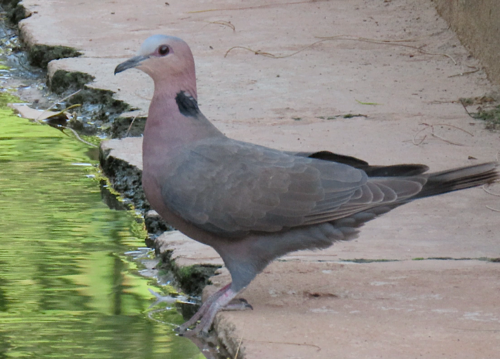
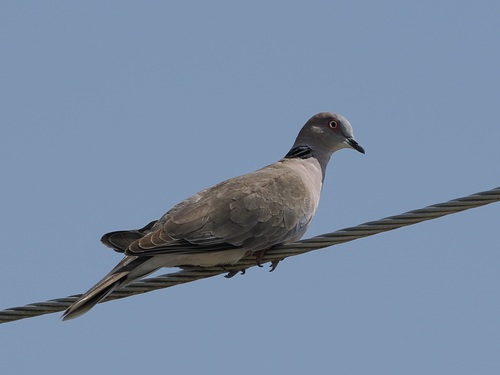
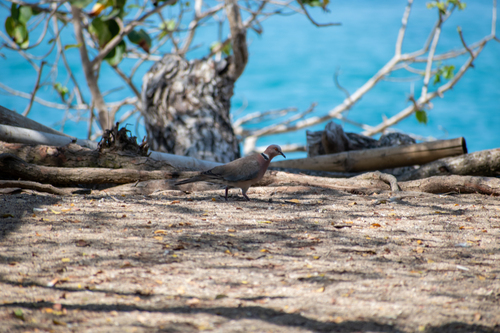
Seen a ring-necked dove?
Share your photo on iNaturalist. Other naturalists help confirm it, and the record goes to GBIF, where scientists use it and where the maps on this page come from.
Put this species on your site
The card names every source and links back here.
<iframe src="https://4planetatlas.com/place/embed/species/ring-necked-dove" title="Ring-necked dove (Streptopelia capicola), 4PLANET Species" width="100%" height="600" style="border:0;max-width:640px" loading="lazy"></iframe>
<p><a href="https://4species.com/ring-necked-dove">Ring-necked dove on 4PLANET Species</a></p>Explore next
What puts the ring-necked dove under pressure, what helps, and who works on it.
Questions people ask
What does the ring-necked dove eat?
The ring-necked dove has been recorded eating 30 different kinds of animals and plants, most of them plants. The ones recorded most often are olive, common lantana, senegal date palm, earleaf nightshade and small figtree; records include animals eaten as carrion. Source: GloBI.
Where does the ring-necked dove live?
People have recorded it in 27 countries; the most records come from South Africa, Kenya, Tanzania, Namibia and Zambia. Records show where people have seen it, not its full range.
When is the ring-necked dove seen most?
In the southern hemisphere, the most records are made in October and the fewest in April. More people outdoors also means more records.
What are the ring-necked dove's closest relatives?
It shares the genus Streptopelia with eurasian collared dove, european turtle dove, oriental turtle dove, red collared dove and african collared dove.
Sources and photo credits
- GBIF · Streptopelia capicola, 215,001 human observations
- GloBI · recorded interactions of Streptopelia capicola
- Wikidata · Ring-necked dove (Q1270179)
- Ring-necked dove (Streptopelia capicola): Derek Keats, CC BY 4.0
- Ring-necked dove (Streptopelia capicola): Peter Thomas, CC BY-SA 4.0
- Ring-necked dove (Streptopelia capicola): Lip Kee, CC BY-SA 4.0
- Ring-necked dove (Streptopelia capicola), Garden Route National Park: Camp site: Shaun Swanepoel, CC BY 4.0
- Ring-necked dove (Streptopelia capicola), Kleinkrantz, Wilderness, 6560, South Africa: Shaun Swanepoel, CC BY 4.0
- Ring-necked dove (Streptopelia capicola), Pretoria - Queens: Shaun Swanepoel, CC BY 4.0
- Ring-necked dove (Streptopelia capicola), Samburu, Samburu East, Samburu, Kenya: Stefan Haag, CC BY 4.0
- Ring-necked dove (Streptopelia capicola), Umgungundlovu, KwaZulu-Natal, South Africa: Shaun Swanepoel, CC BY 4.0
- Ring-necked dove (Streptopelia capicola), Klaseriedam fishing and camping resort, Hoedspruit, South Africa: Shaun Swanepoel, CC BY 4.0
- Olive: zebedeugalinha, CC BY 4.0
- Common lantana: no rights reserved, uploaded by Dave Brown, CC0
- Senegal date palm: traianbertau, CC BY 4.0
- Earleaf nightshade: Tony Rebelo, CC BY-SA 4.0
- Umdoni waterberry: Tony Rebelo, CC BY-SA 4.0
- African elm: Andrew Gillespie, CC BY-SA 4.0
- Red-leaved rock fig: Wynand Uys, CC BY 4.0
- Broom cluster fig: Nicola van Berkel, CC BY-SA 4.0
- Australian cheesewood: no rights reserved, uploaded by Zoltán Stekkelpak, CC0
- Forest croton: Shaun Swanepoel, CC BY 4.0
- Bridelia: Mahomed Desai, CC BY 4.0
- Eurasian collared dove: Iruka, CC BY-SA 4.0
- European turtle dove: Mourad Harzallah, CC BY 4.0
- Oriental turtle dove: Kim, Hyun-tae, CC BY 4.0
- Red collared dove: Lip Kee Yap, CC BY-SA 4.0
- African collared dove: Christoph Moning, CC BY 4.0
- Red-eyed dove: Florin Feneru, CC BY 4.0
- Mourning collared dove: Jono, CC BY 4.0
- Sunda collared dove: sdash, CC BY 4.0
Records show where people have seen and shared the ring-necked dove, not its full range, and some countries and months are recorded far more than others. The food web lists interactions that studies have recorded somewhere in the world (GloBI), not everything it eats in one place.
Checked 2026-11-22.