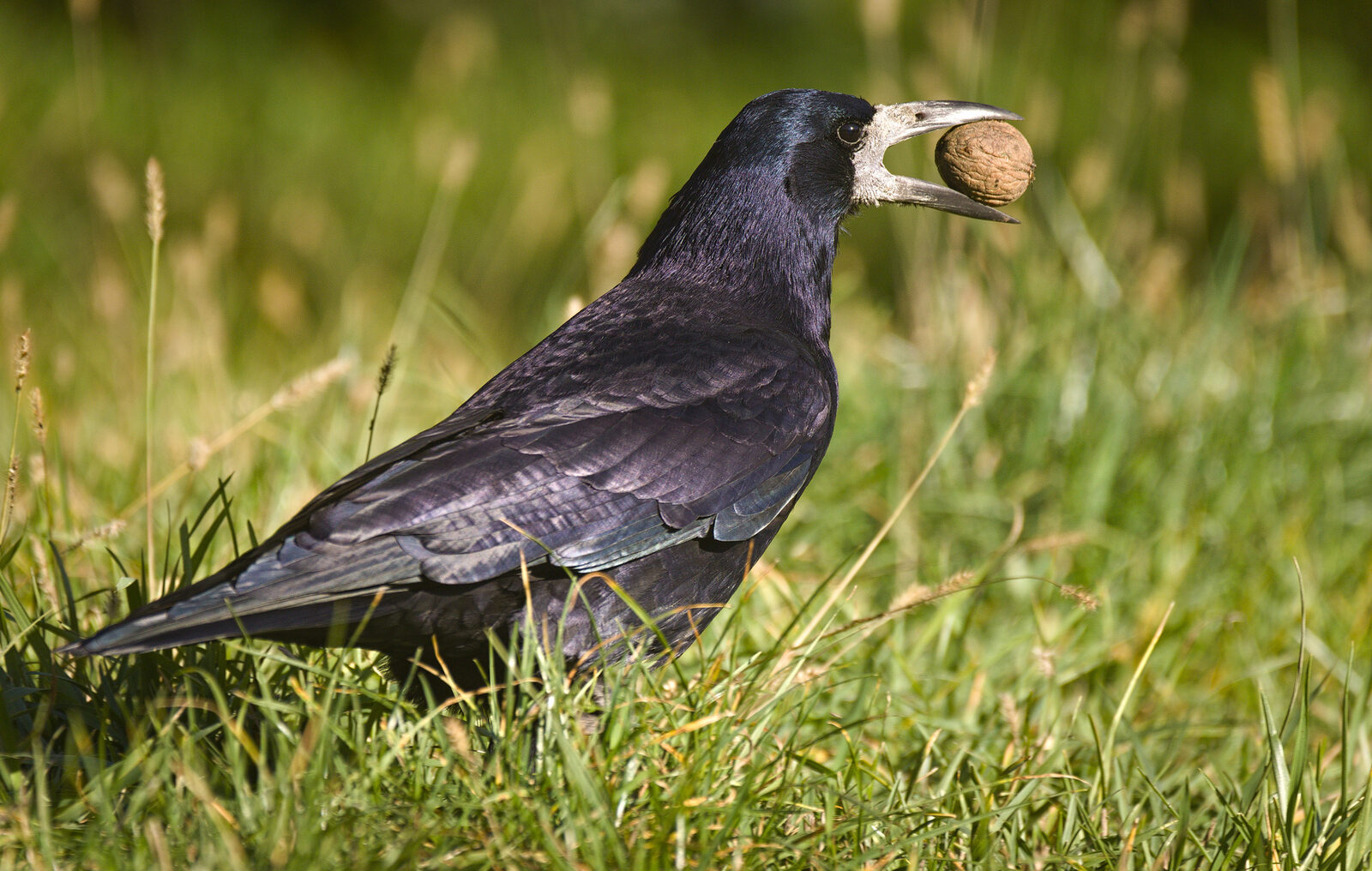
Rook
Corvus frugilegus
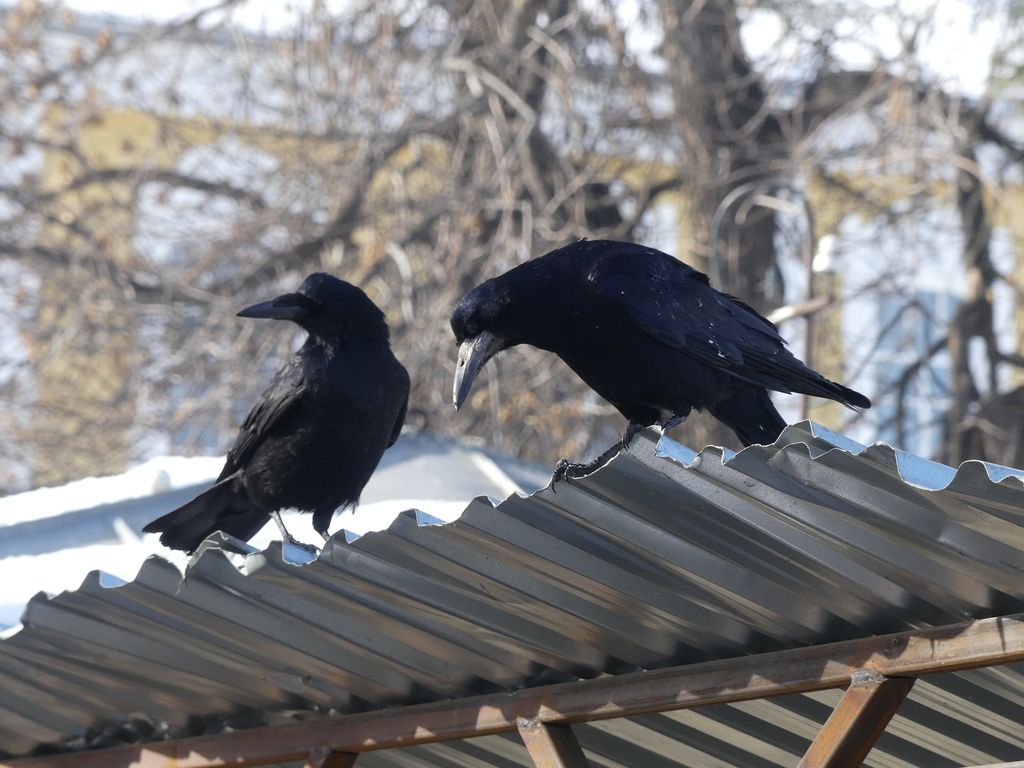
A sociable black crow with a bare, pale face that nests in noisy colonies called rookeries.
- Status
- Least Concern IUCN Red List
- Eats
- wood bluegrass, tasteless water-pepper, northern raven and 3,963 more
- Eaten by
- northern raven, peregrine falcon, Eurasian eagle-owl
- Where
- 71 countries
On 4Planet Atlas it is among the wildlife people record most around Ankara, Astana and Baku, and 30 more of the cities we cover.
People have shared 909,774 records of the rook with GBIF, from 71 countries, most of them from United Kingdom, Ireland and Poland. Records collected by GloBI show it eating 3,966 different kinds of animals and plants, and being eaten by 17.
What the rook eats, and what eats it
Studies have recorded it eating 3,966 kinds of animals and plants, and 17 kinds of animals eating it. Tap any of them to follow the food chain.
- Plants 1,844
- Insects 997
- Birds 356
- Mammals 166
- Reptiles 96
- Amphibians 37
- Snails and slugs 10
Eaten by
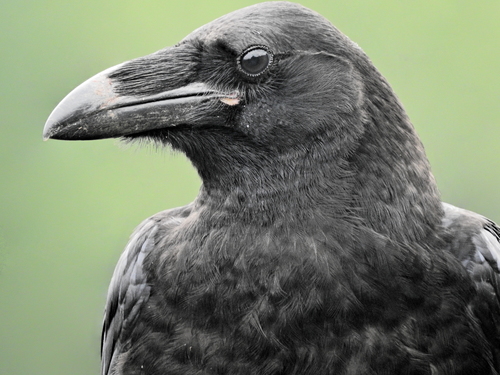
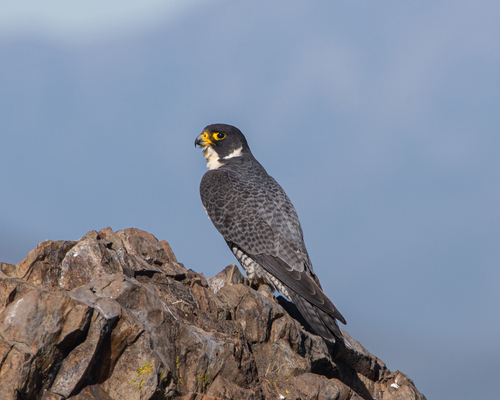
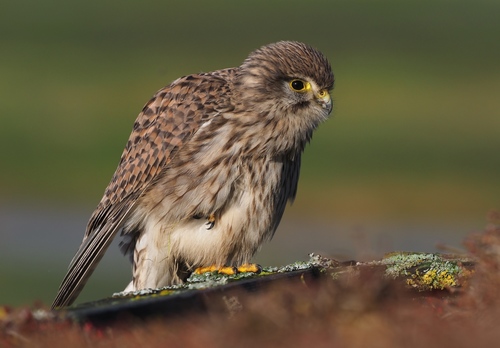

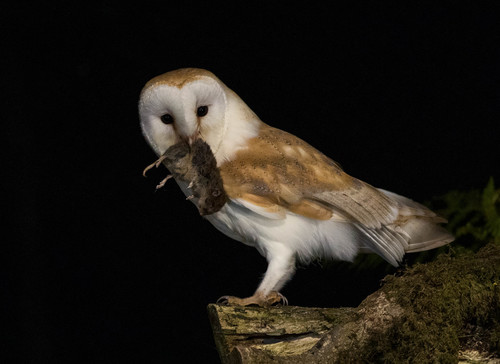
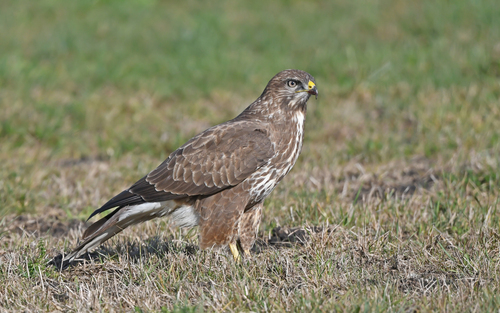
 Rook


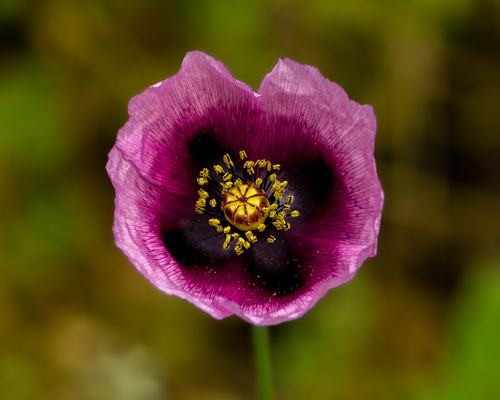

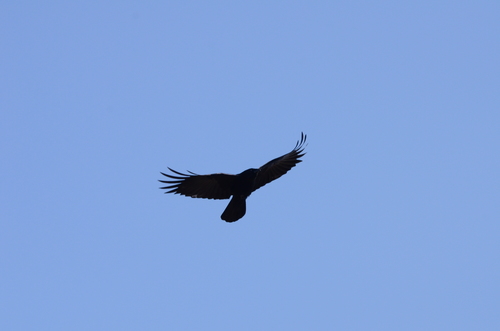

Records from studies worldwide, collected by GloBI. They include animals eaten as carrion, and they are not everything it eats in one place.
Where people see the rook
People have shared 909,774 records from 71 countries.
Near a city: Ankara, Astana, Baku, Beijing, Berlin, Bratislava, Brussels, Bucharest, Budapest, Chișinău, Copenhagen, Dublin, Kyiv, Ljubljana, London, Luxembourg City, Minsk, Moscow, Paris, Prague, Riga, Sarajevo, Skopje, Sofia, Tallinn, Tashkent, Tbilisi, Ulaanbaatar, Vienna, Vilnius, Warsaw, Yerevan, Zagreb.
Records show where people have seen it and shared it, not its full range. Country names open their page in Atlas.
When it is seen
Records per month in the northern hemisphere. More people outdoors also means more records.
Watch and listen


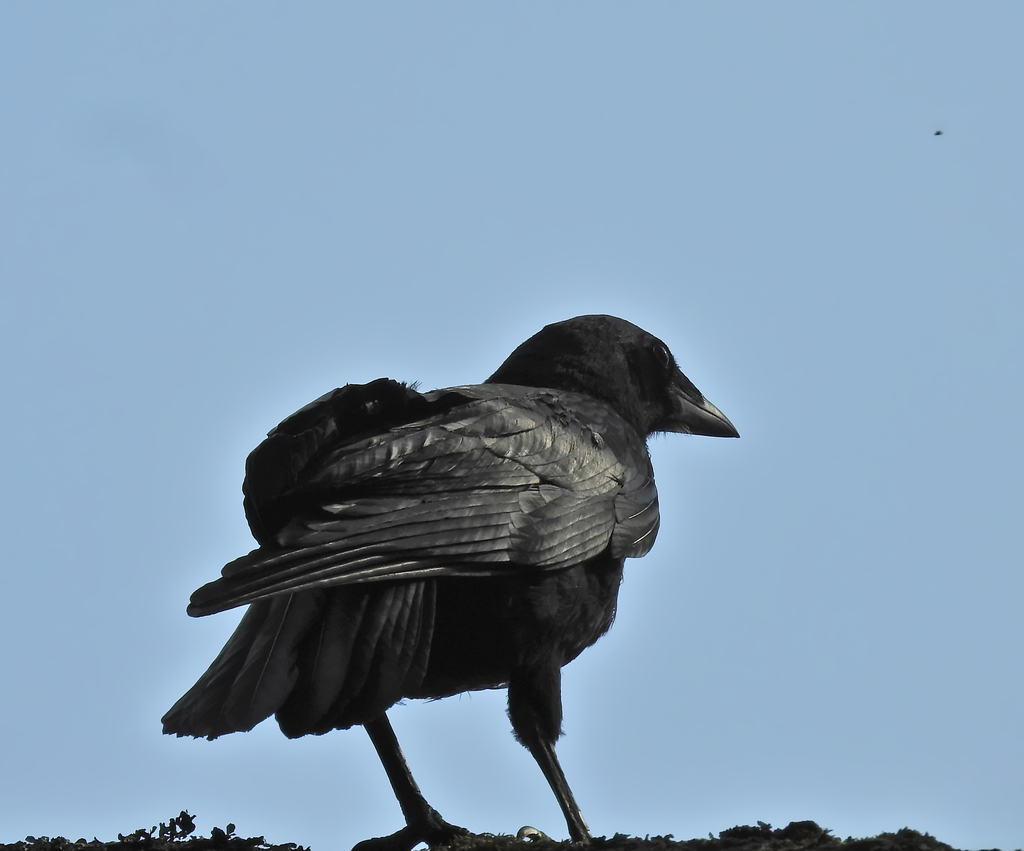
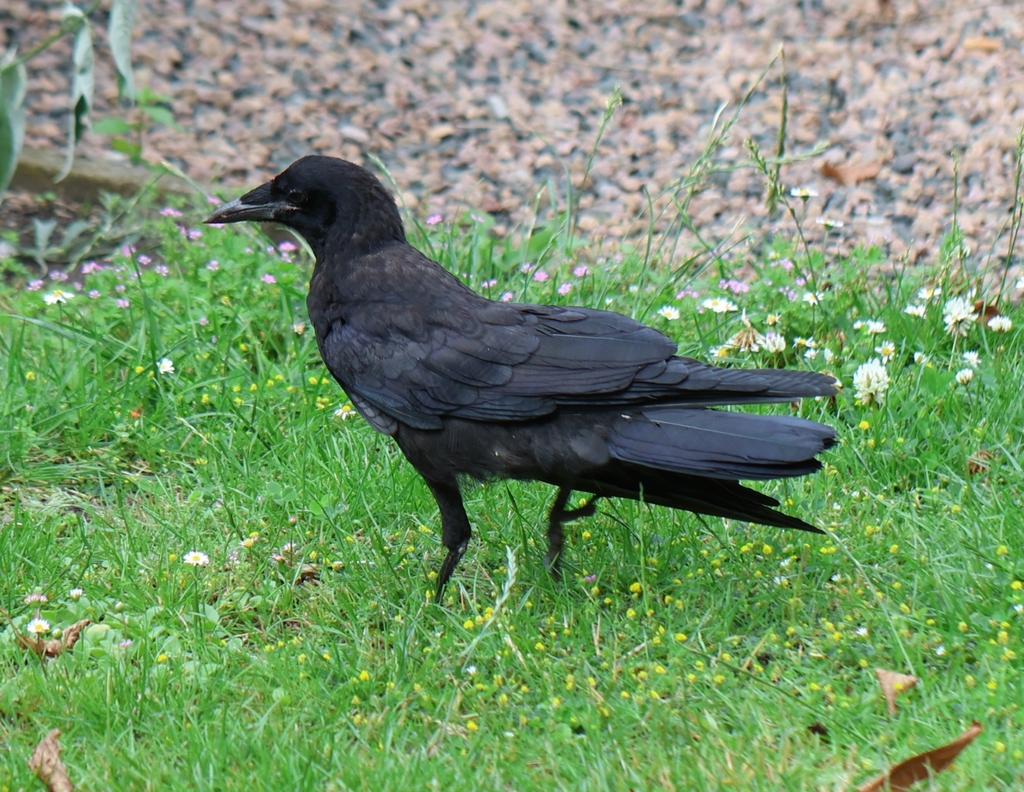
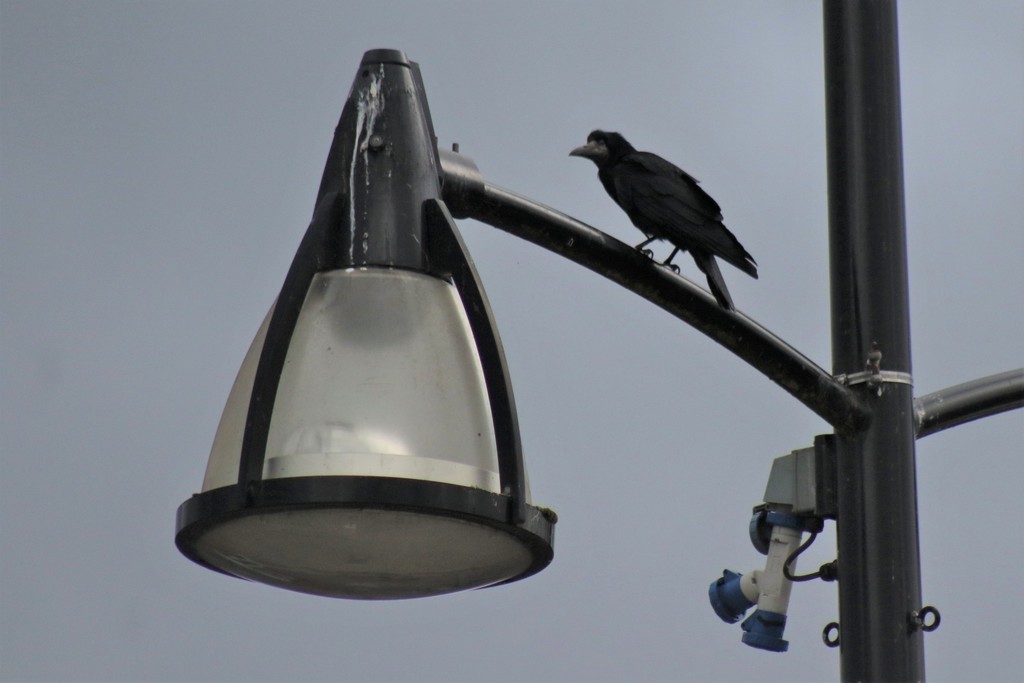
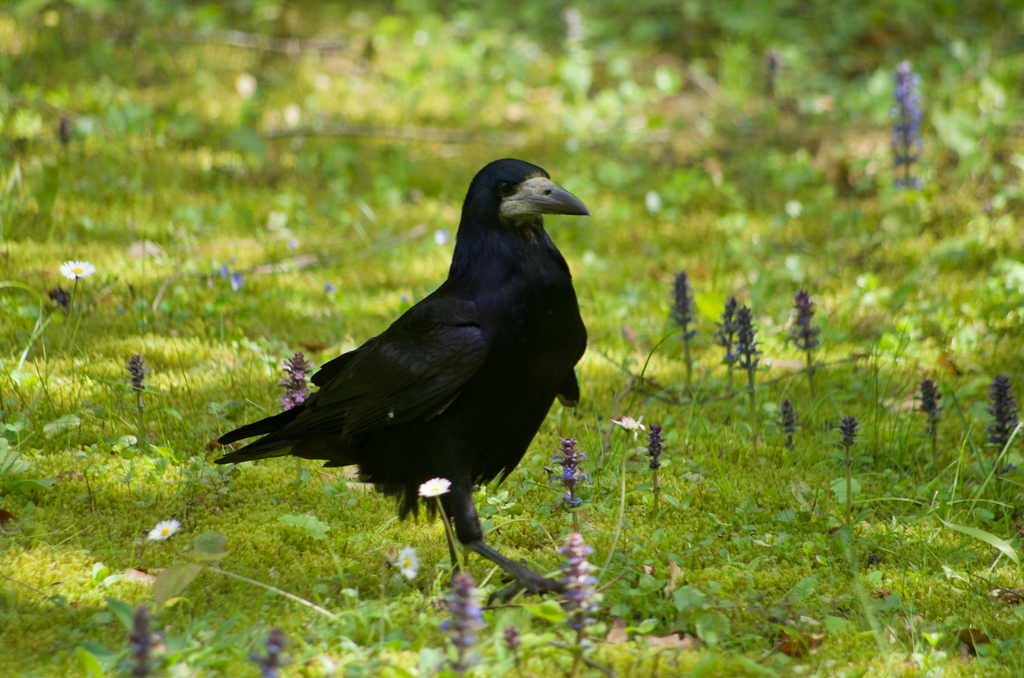
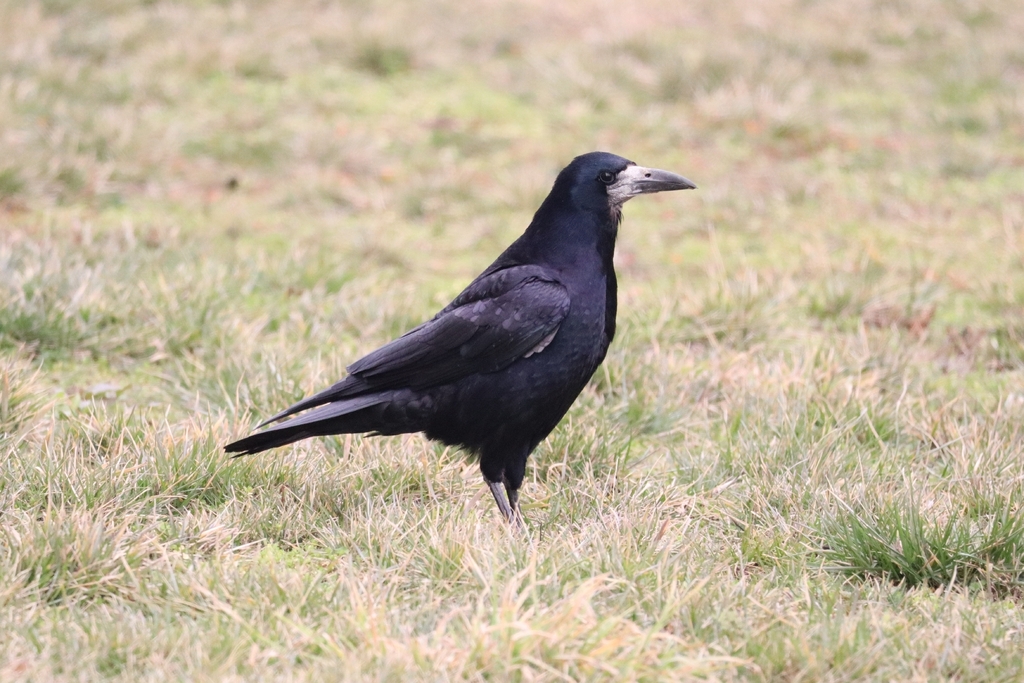
Its closest relatives
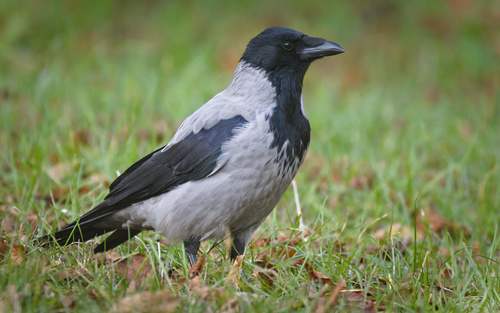
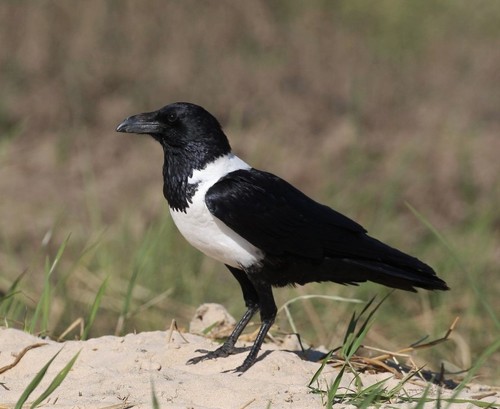
The other species of the genus Corvus.
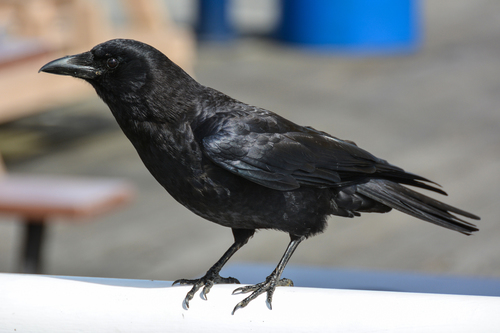
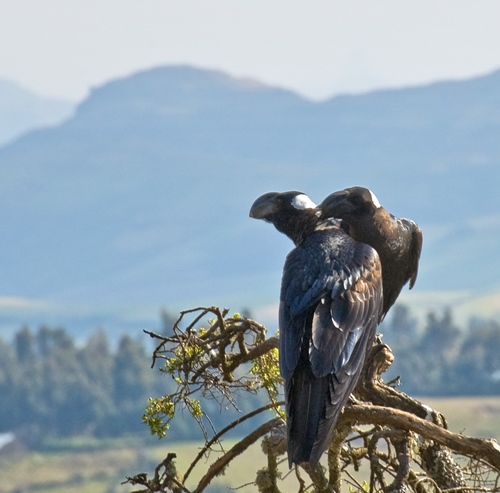
Seen a rook?
Share your photo on iNaturalist. Other naturalists help confirm it, and the record goes to GBIF, where scientists use it and where the maps on this page come from.
Questions people ask
What does the rook eat?
The rook has been recorded eating 3,966 different kinds of animals and plants, most of them plants, insects, birds and mammals. The ones recorded most often are wood bluegrass, tasteless water-pepper, northern raven, dill and buckwheat; records include animals eaten as carrion. Source: GloBI.
What eats the rook?
Recorded predators include northern raven, peregrine falcon, eurasian eagle-owl, common kestrel and eurasian sparrowhawk. Source: GloBI.
Where does the rook live?
People have recorded it in 71 countries; the most records come from United Kingdom, Ireland, Poland, Germany and Russia. Records show where people have seen it, not its full range.
When is the rook seen most?
In the northern hemisphere, the most records are made in April and the fewest in July. More people outdoors also means more records.
What are the rook's closest relatives?
It shares the genus Corvus with northern raven, hooded crow, carrion crow, pied crow and large-billed crow.
Sources and photo credits
- GBIF · Corvus frugilegus, 909,774 human observations
- GloBI · recorded interactions of Corvus frugilegus
- Wikidata · Rook (Q25386)
- Rook (Corvus frugilegus): hedera.baltica, CC BY-SA 4.0
- Rook (Corvus frugilegus): Anastasiia Samokhvalova, CC BY 4.0
- Rook (Corvus frugilegus): Austin 0201, CC BY 4.0
- Rook (Corvus frugilegus), 英國威爾特郡: Austin 0201, CC BY 4.0
- Rook (Corvus frugilegus), Tartu, Tartu, Estonia: Nicolás Tamargo, CC0
- Rook (Corvus frugilegus), 212 31 Malmö, Sverige: Carl Linnér, CC BY 4.0
- Rook (Corvus frugilegus), Middleton Town Centre, Middleton, Greater Manchester, UK: Charlie Farrell, CC0
- Rook (Corvus frugilegus), Gellert, 4052 Basel, Switzerland: Codrin Bucur, CC BY 4.0
- Rook (Corvus frugilegus), Romanești, Craiova, Romania: Radu Teodoreanu, CC BY 4.0
- Wood bluegrass: Douglas Goldman, CC BY-SA 4.0
- Tasteless water-pepper: Paul Cook, CC BY 4.0
- Northern raven: xulescu_g, CC BY-SA 4.0
- Dill: Sigfrid Lundberg, CC BY-SA 4.0
- Buckwheat: Gilles San Martin, CC BY-SA 4.0
- Bilberry: Benjamin Zwittnig, CC BY 4.0
- Opium poppy: Nicolás Villaseca Merino, CC BY-SA 4.0
- Chicory: Sergey Basalaev, CC BY 4.0
- Wormwood: Matt Lavin, CC BY-SA 4.0
- Carrion crow: Charlotte Kirchner, CC BY 4.0
- Coltsfoot: Ole Husby, CC BY-SA 4.0
- Common valerian: Lynn Harper, CC0
- Peregrine falcon: Nicolás Villaseca Merino, CC BY-SA 4.0
- Common kestrel: Frank Vassen, CC BY 4.0
- Eurasian sparrowhawk: Stanislav Murashkin, CC BY 4.0
- Western barn owl: john.purvis, CC BY 4.0
- Common buzzard: Christoph Moning, CC BY 4.0
- Adder: xulescu_g, CC BY-SA 4.0
- Hooded crow: hedera.baltica, CC BY-SA 4.0
- Pied crow: no rights reserved, uploaded by Dave Brown, CC0
- Large-billed crow: Hopeland, CC BY 4.0
- American crow: Gordon Leggett, CC BY-SA 4.0
- Thick-billed raven: A.Davey, CC BY 4.0
Records show where people have seen and shared the rook, not its full range, and some countries and months are recorded far more than others. The food web lists interactions that studies have recorded somewhere in the world (GloBI), not everything it eats in one place.
Checked 2026-11-22.