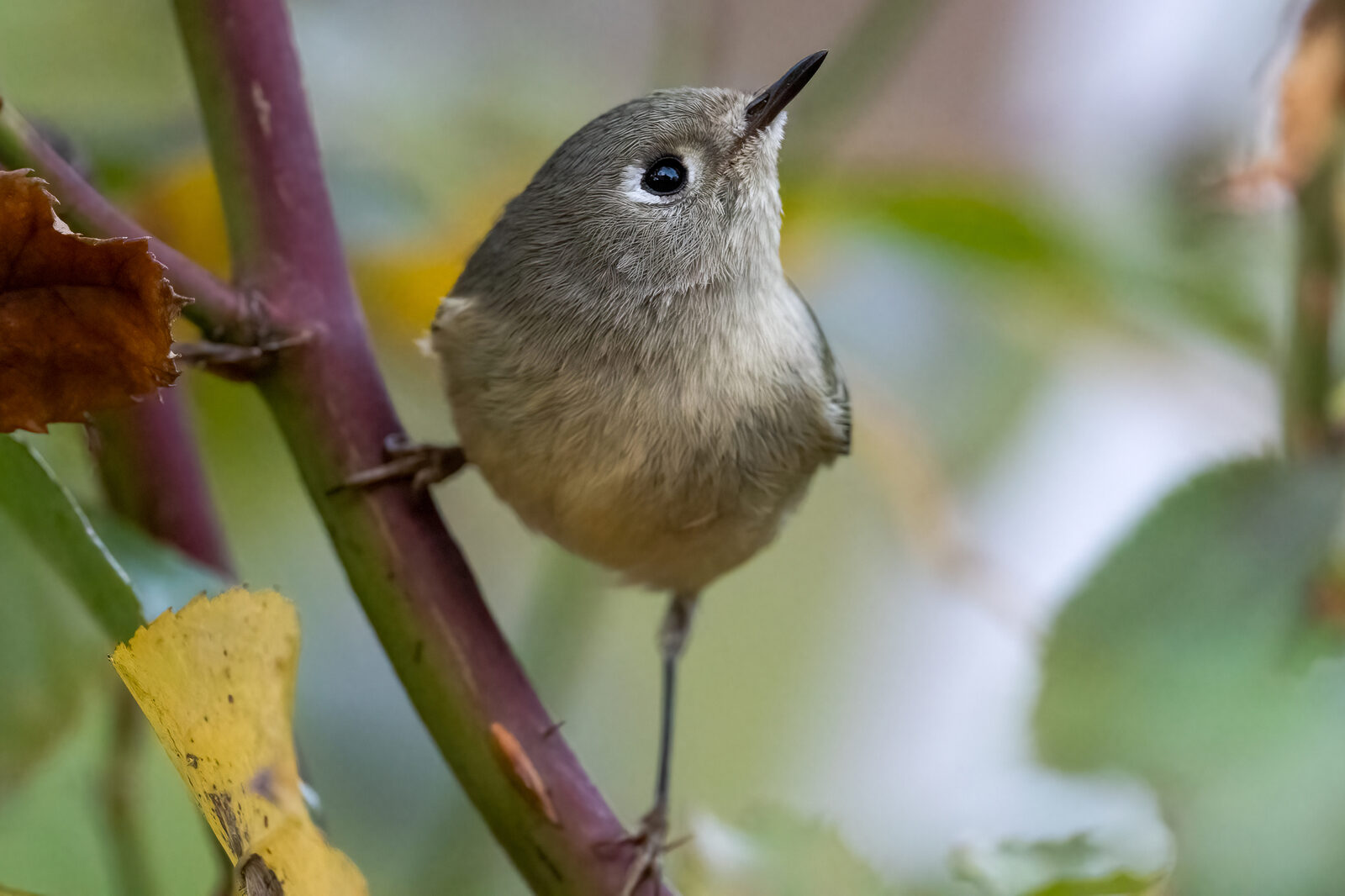
Ruby-crowned kinglet
Corthylio calendula
- Status
- IUCN Red List
- Eats
- poison ivy, wax myrtle, American beautyberry and 43 more
- Where
- 12 countries
People have shared 6,863,635 records of the ruby-crowned kinglet with GBIF, from 12 countries, most of them from United States, Canada and Mexico. Records collected by GloBI show it eating 46 different kinds of animals and plants.
In the northern hemisphere, people record it most in April and least in August. It belongs to the genus Regulus in the family Regulidae.
What the ruby-crowned kinglet eats, and what eats it
Studies have recorded it eating 46 kinds of animals and plants. Tap any of them to follow the food chain.
- Plants 39
- Insects 6
Ruby-crowned kinglet
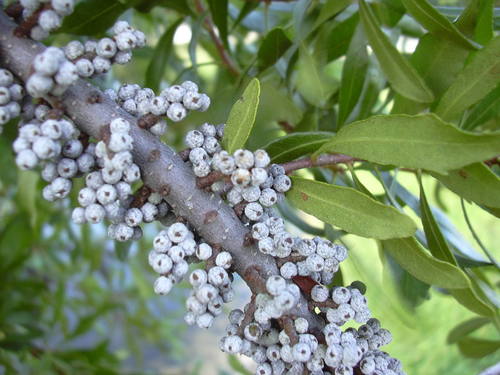
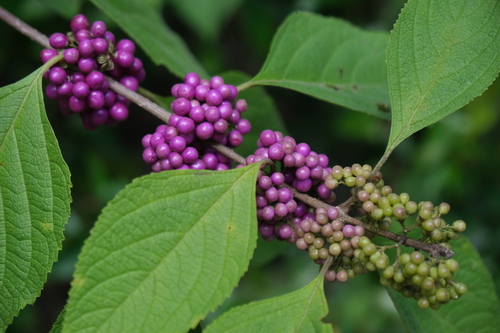
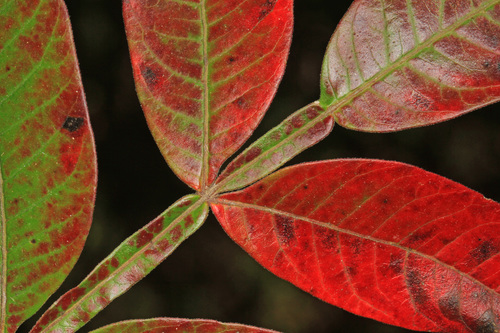
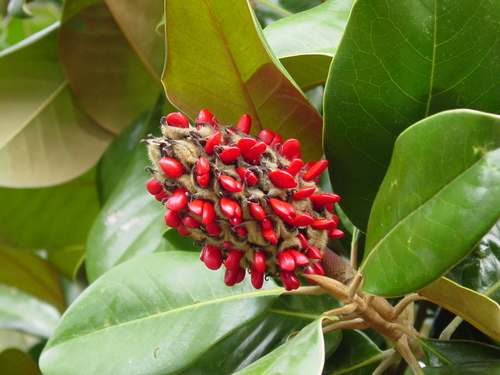


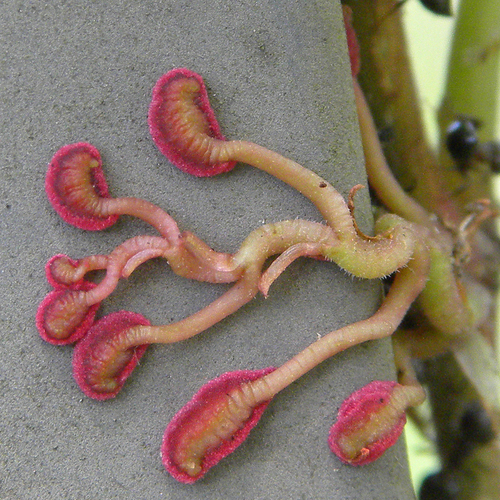
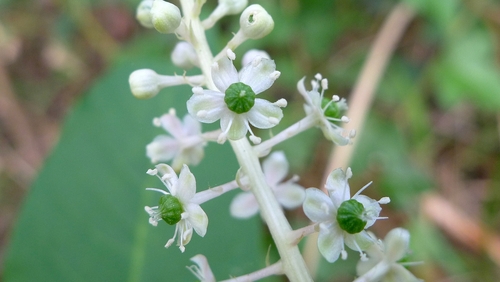

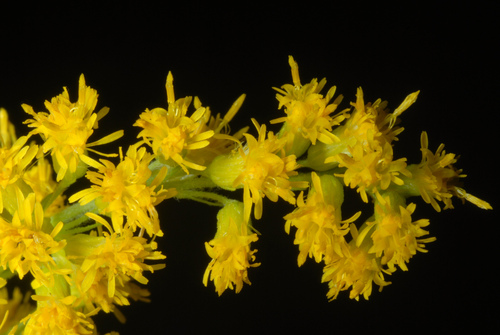

Records from studies worldwide, collected by GloBI. They include animals eaten as carrion, and they are not everything it eats in one place.
Where people see the ruby-crowned kinglet
People have shared 6,863,635 records from 12 countries.
Records show where people have seen it and shared it, not its full range. Country names open their page in Atlas.
When it is seen
Records per month in the northern hemisphere. More people outdoors also means more records.
Watch and listen
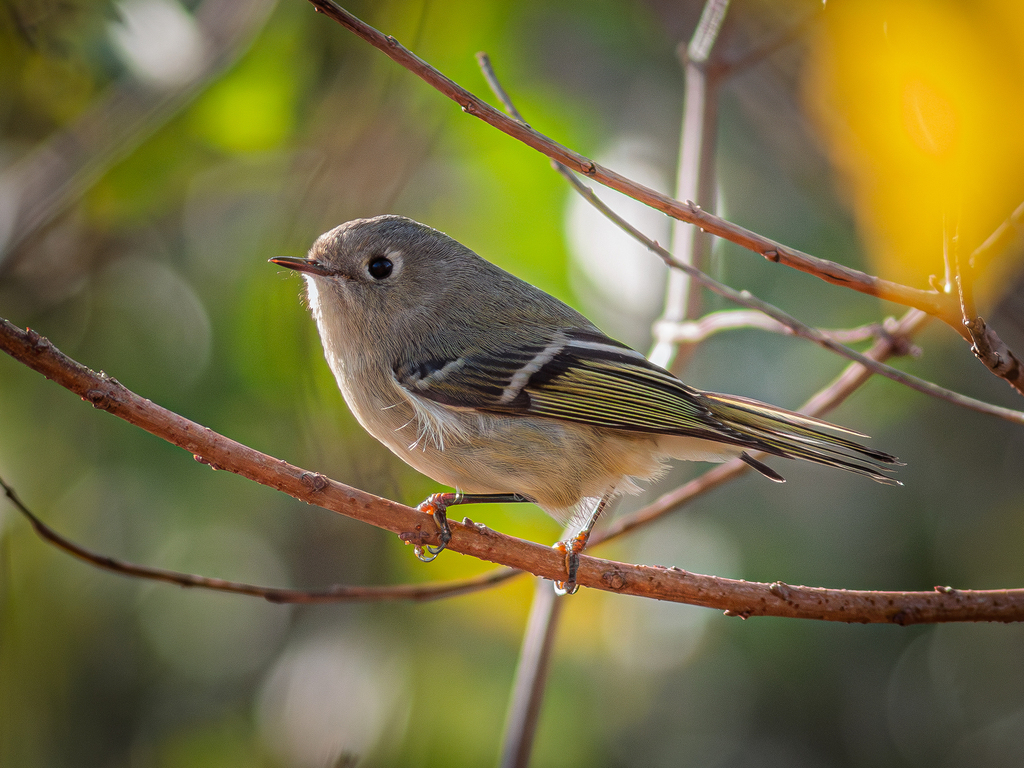
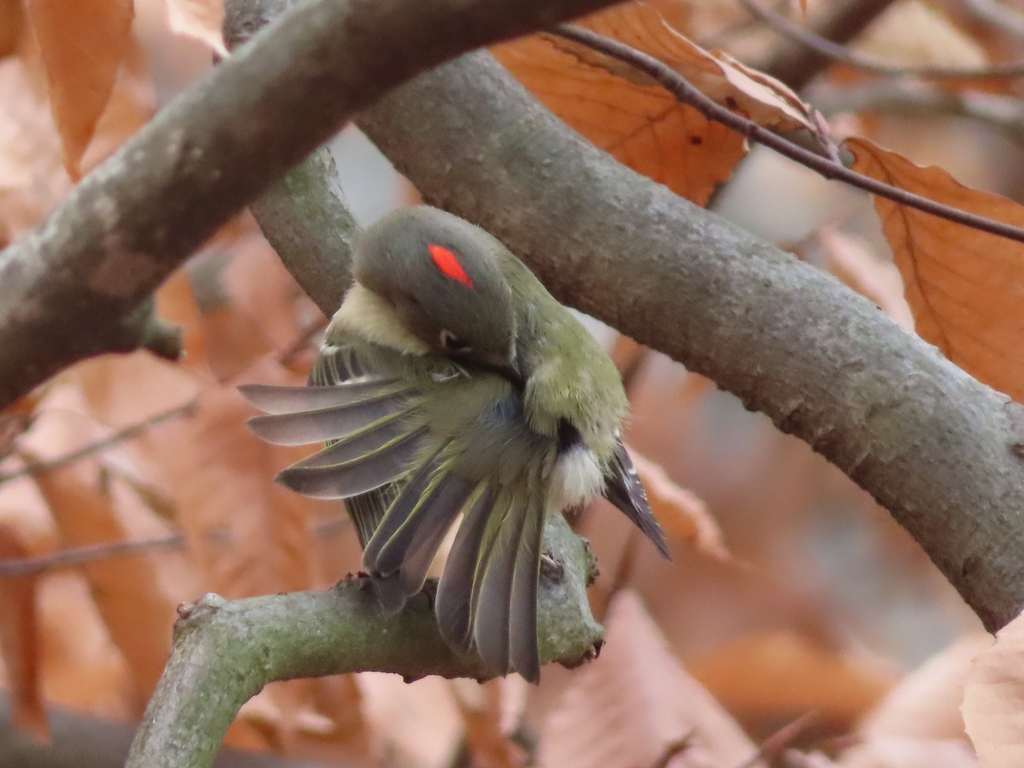
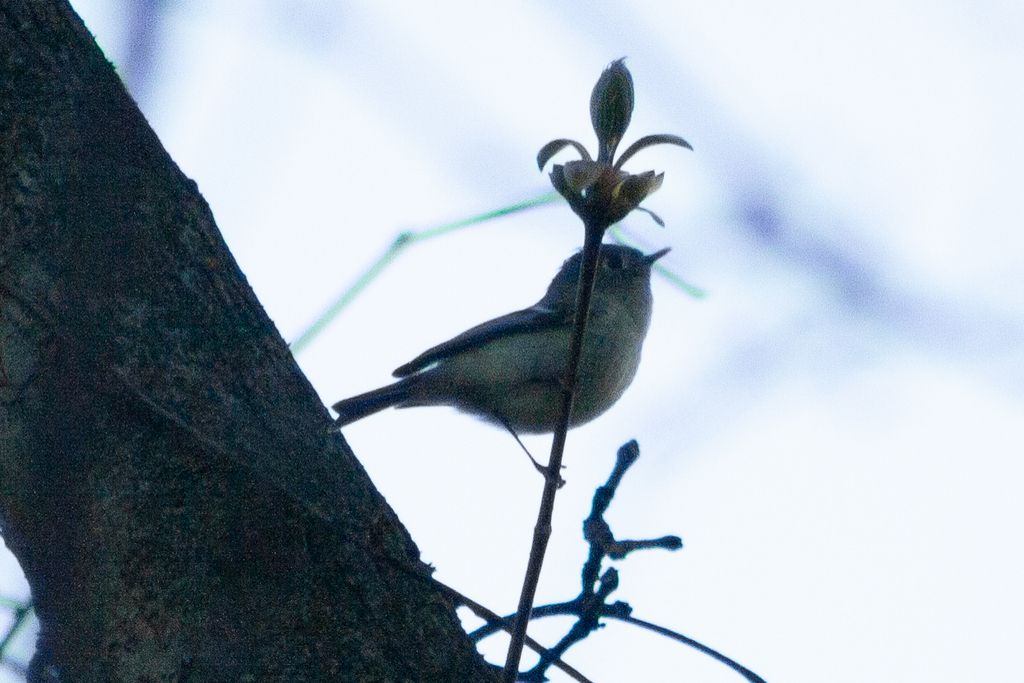
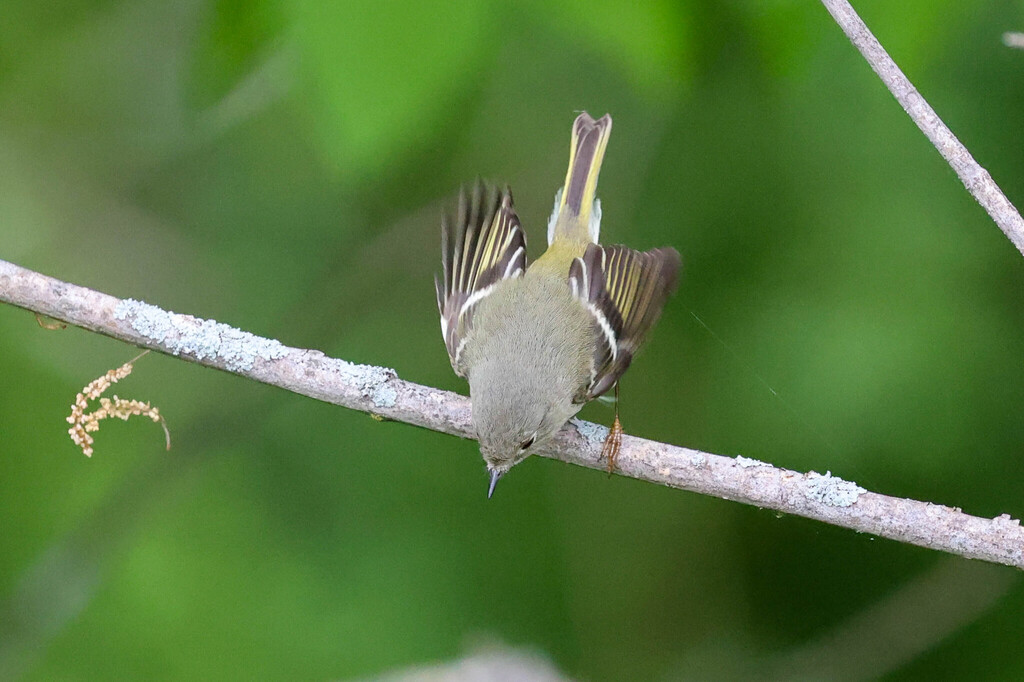
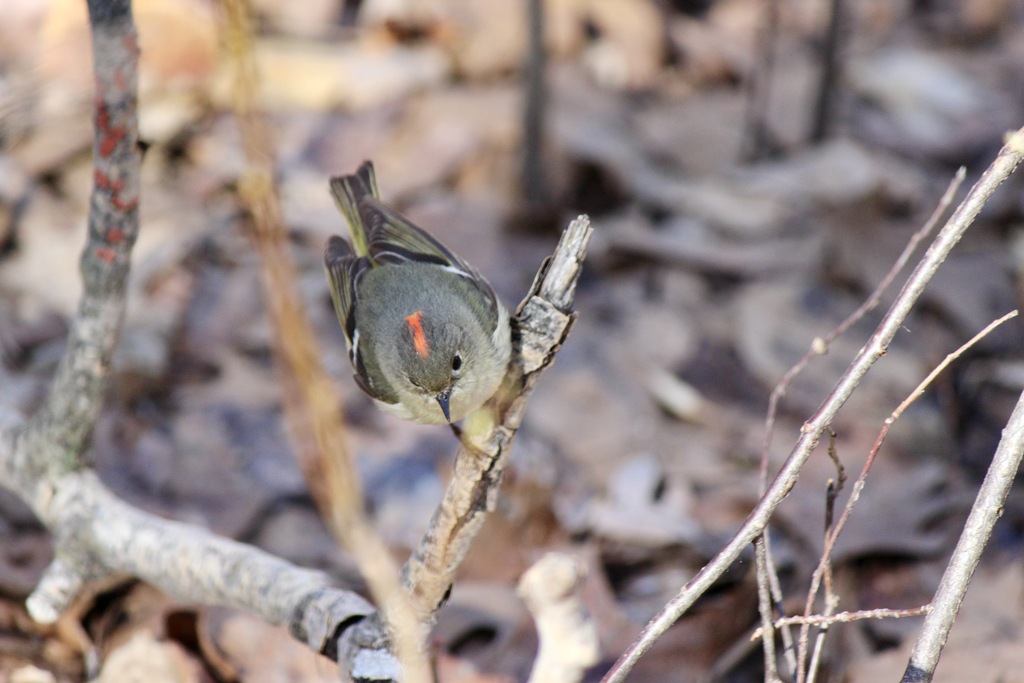
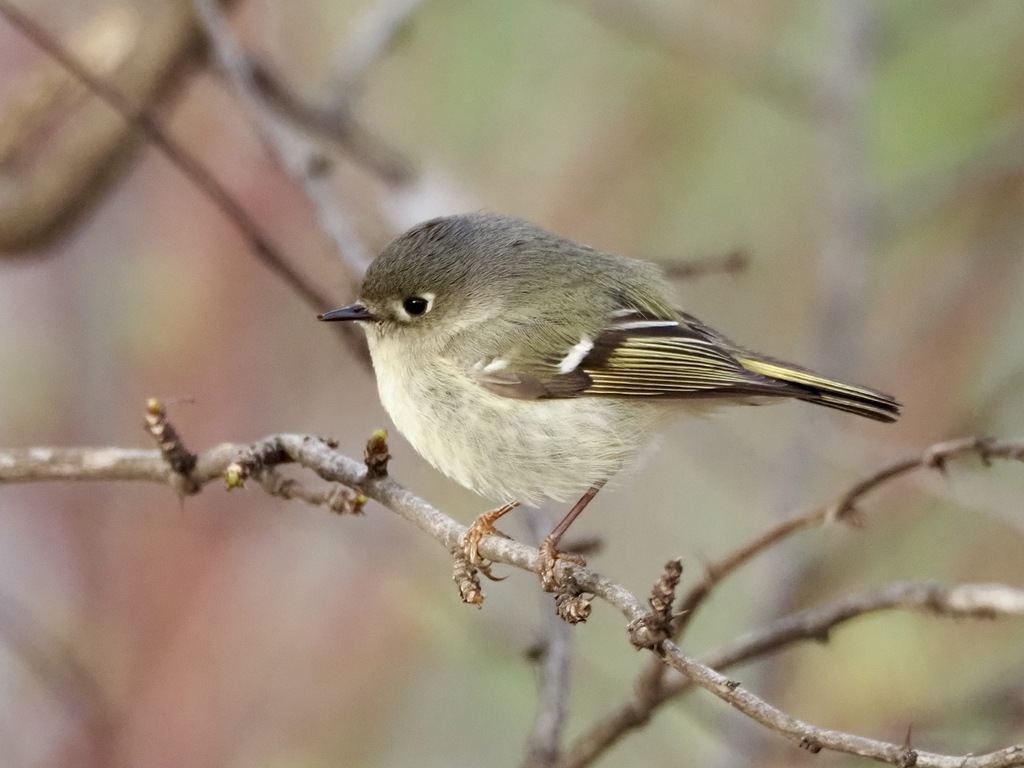
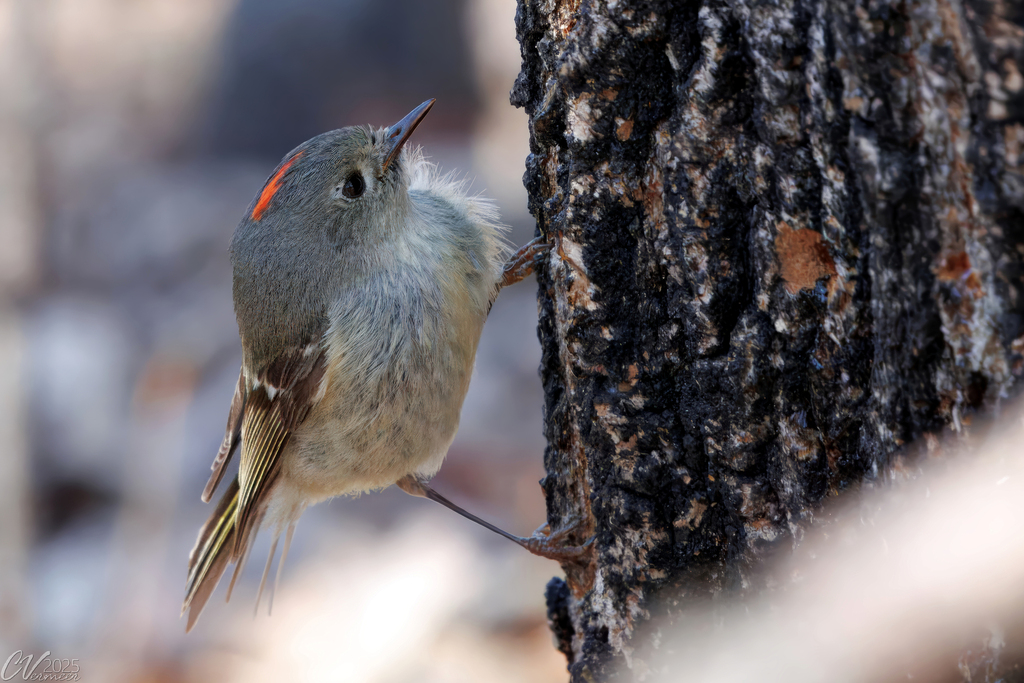
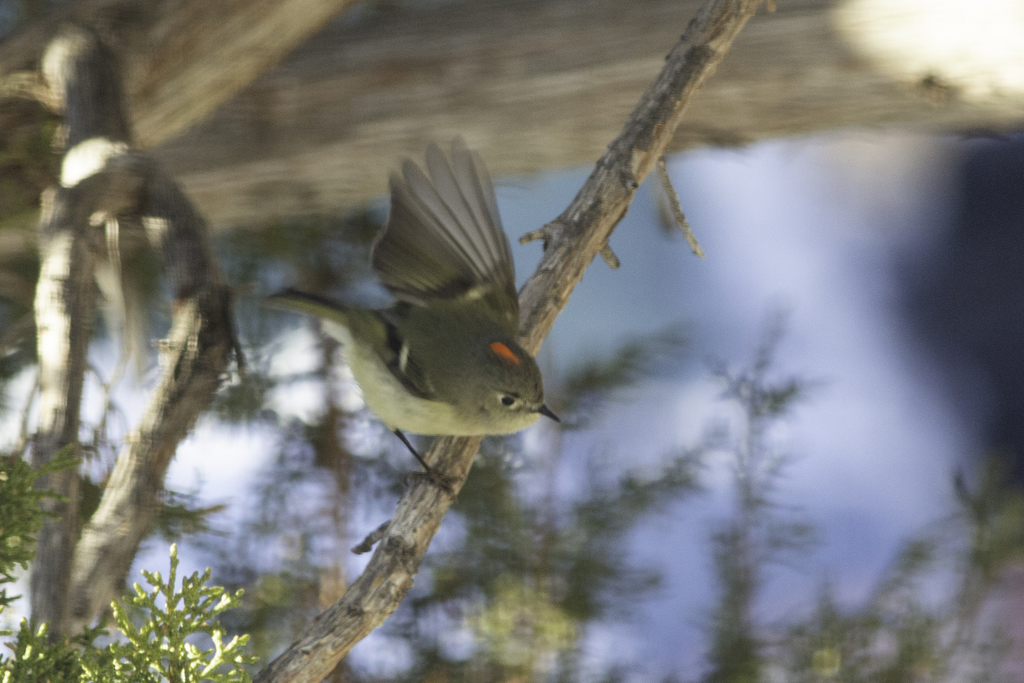
Its closest relatives
The other species of the genus Regulus.

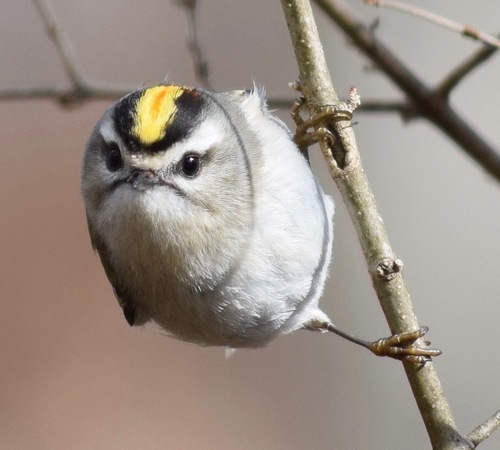
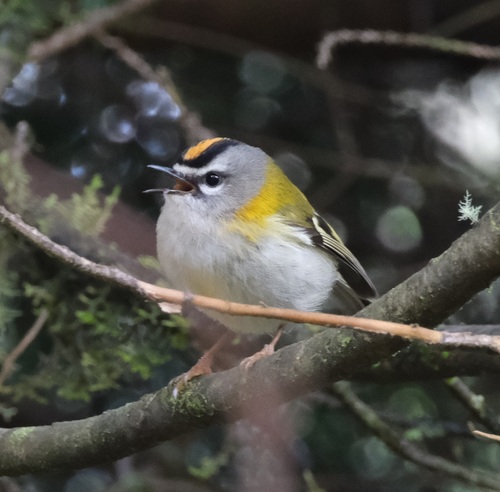

Seen a ruby-crowned kinglet?
Share your photo on iNaturalist. Other naturalists help confirm it, and the record goes to GBIF, where scientists use it and where the maps on this page come from.
Put this species on your site
The card names every source and links back here.
<iframe src="https://4planetatlas.com/place/embed/species/ruby-crowned-kinglet" title="Ruby-crowned kinglet (Corthylio calendula), 4PLANET Species" width="100%" height="600" style="border:0;max-width:640px" loading="lazy"></iframe>
<p><a href="https://4species.com/ruby-crowned-kinglet">Ruby-crowned kinglet on 4PLANET Species</a></p>Questions people ask
What does the ruby-crowned kinglet eat?
The ruby-crowned kinglet has been recorded eating 46 different kinds of animals and plants, most of them plants and insects. The ones recorded most often are poison ivy, wax myrtle, american beautyberry, shining sumac and southern magnolia; records include animals eaten as carrion. Source: GloBI.
Where does the ruby-crowned kinglet live?
People have recorded it in 12 countries; the most records come from United States, Canada, Mexico, St. Pierre & Miquelon and Bermuda. Records show where people have seen it, not its full range.
When is the ruby-crowned kinglet seen most?
In the northern hemisphere, the most records are made in April and the fewest in August. More people outdoors also means more records.
What are the ruby-crowned kinglet's closest relatives?
It shares the genus Regulus with goldcrest, golden-crowned kinglet, madeira firecrest and flamecrest.
Sources and photo credits
- GBIF · Corthylio calendula, 6,863,635 human observations
- GloBI · recorded interactions of Corthylio calendula
- Wikidata · Ruby-crowned kinglet (Q117266977)
- Ruby-crowned kinglet (Corthylio calendula): Jonathan Eisen, CC BY 4.0
- Ruby-crowned kinglet (Corthylio calendula), Calcasieu Parish, LA, USA: Dillon LeDoux, CC0
- Ruby-crowned kinglet (Corthylio calendula), Lake Arbor, MD, USA: Ken Clark, CC BY 4.0
- Ruby-crowned kinglet (Corthylio calendula), Baldwin, PA, USA: cigazze, CC BY 4.0
- Ruby-crowned kinglet (Corthylio calendula), Frederick County, MD, USA: Tom Field, CC BY 4.0
- Ruby-crowned kinglet (Corthylio calendula), Plymouth, MN, USA: Thomas Boe, CC BY 4.0
- Ruby-crowned kinglet (Corthylio calendula), Plymouth, MN, USA: Thomas Boe, CC BY 4.0
- Ruby-crowned kinglet (Corthylio calendula), River East, Winnipeg, MB R2G, Canada: Carol Ann Vermeer, CC BY 4.0
- Ruby-crowned kinglet (Corthylio calendula), Perimeter Trail, Los Alamos, NM: Craig Martin, CC0
- Poison ivy: Randy A Nonenmacher, CC BY 4.0
- Wax myrtle: Forest and Kim Starr, CC BY 4.0
- American beautyberry: Alex Abair, CC BY 4.0
- Shining sumac: Judy Gallagher, CC BY 4.0
- Southern magnolia: Pmsyyz, CC BY-SA 4.0
- Southern blue-gum: Forest and Kim Starr, CC BY 4.0
- Eastern red-cedar: Douglas Goldman, CC BY-SA 4.0
- Virginia creeper: M. Whitson, CC BY 4.0
- American pokeweed: John Tann, CC BY 4.0
- Candelabra aloe: Ton Rulkens, CC BY-SA 4.0
- Canada goldenrod: Douglas Goldman, CC BY-SA 4.0
- Flowering dogwood: Juan Cruzado Cortés, CC BY-SA 4.0
- Goldcrest: Cliff Watkinson, CC BY-SA 4.0
- Golden-crowned kinglet: skitterbug, CC BY 4.0
- Madeira firecrest: Lars Falkdalen Lindahl, CC BY-SA 4.0
- Flamecrest: Christoph Moning, CC BY 4.0
Records show where people have seen and shared the ruby-crowned kinglet, not its full range, and some countries and months are recorded far more than others. The food web lists interactions that studies have recorded somewhere in the world (GloBI), not everything it eats in one place.
Checked 2026-11-27.