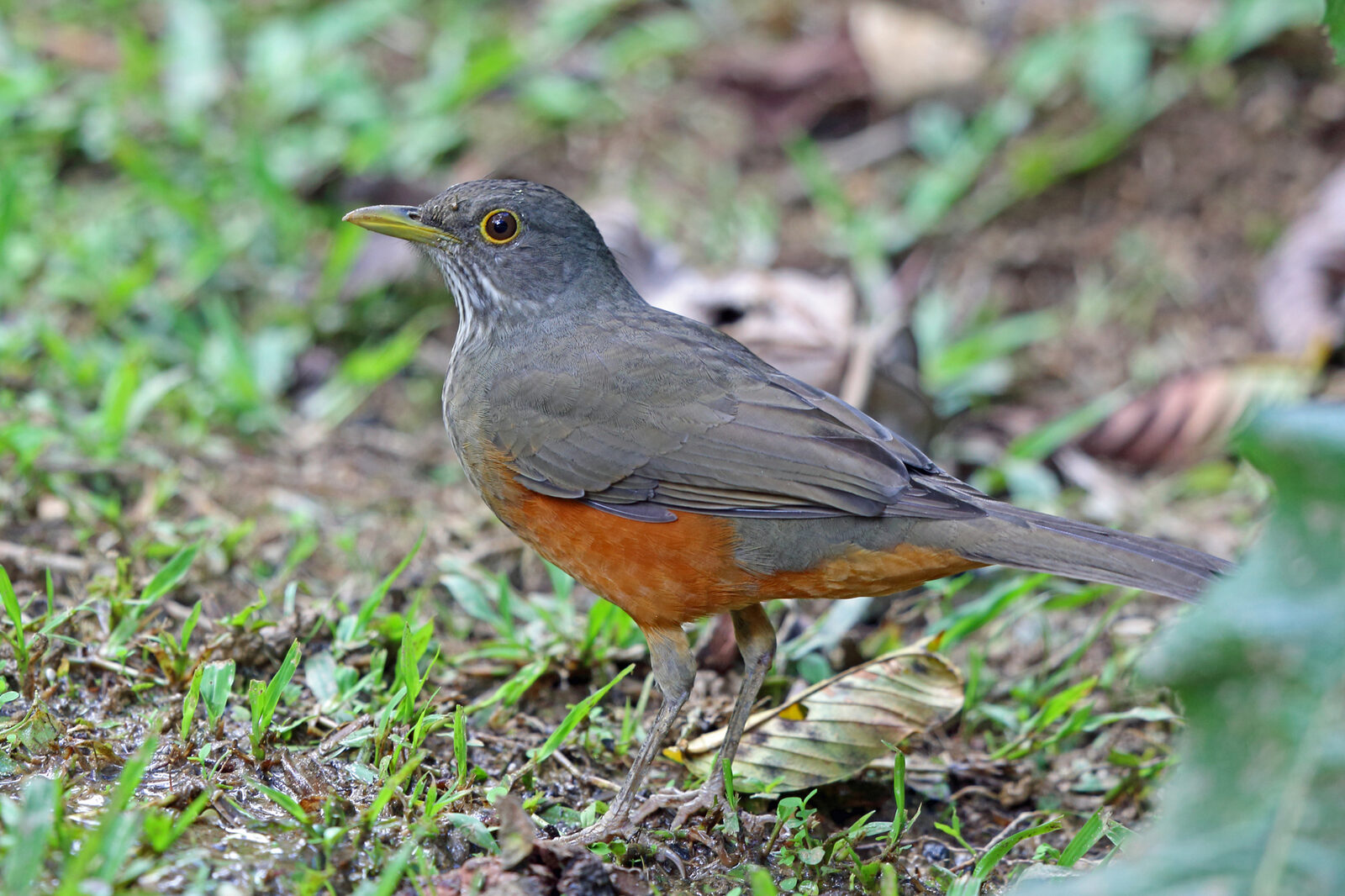
Rufous-bellied thrush
Turdus rufiventris
A thrush with an orange belly; it is the national bird of Brazil.
- Status
- Least Concern IUCN Red List
- Eats
- assai palm, hieronyma alchorneoides, miconia sellowiana and 459 more
- Where
- 5 countries
On 4Planet Atlas it is among the wildlife people record most around Brasília, Buenos Aires and Montevideo, and 2 more of the cities we cover.
People have shared 467,540 records of the rufous-bellied thrush with GBIF, from 5 countries, most of them from Brazil, Argentina and Uruguay. Records collected by GloBI show it eating 462 different kinds of animals and plants, and being eaten by 1.
What the rufous-bellied thrush eats, and what eats it
Studies have recorded it eating 462 kinds of animals and plants, and 1 kinds of animals eating it. Tap any of them to follow the food chain.
- Plants 440
Rufous-bellied thrush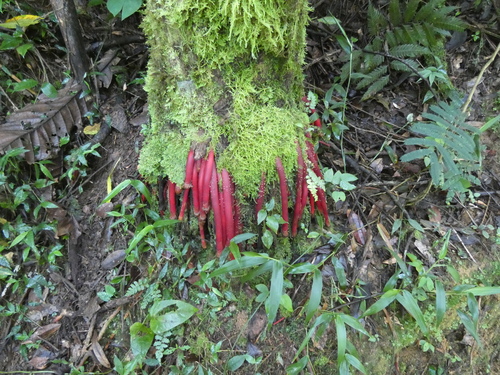
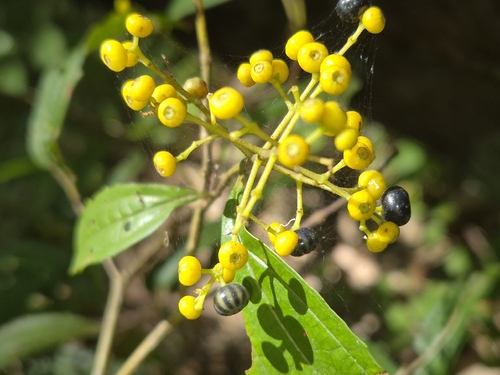
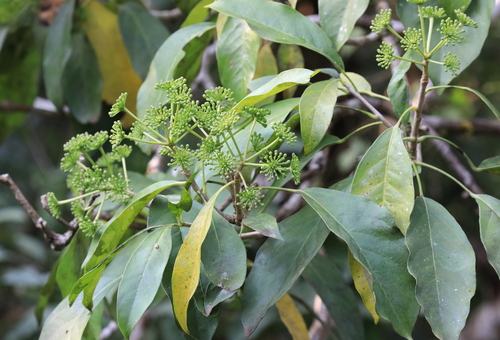
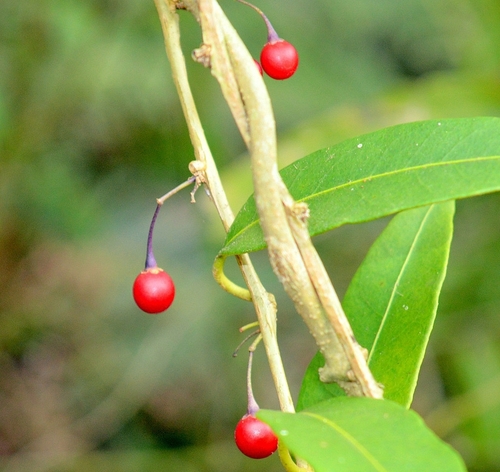
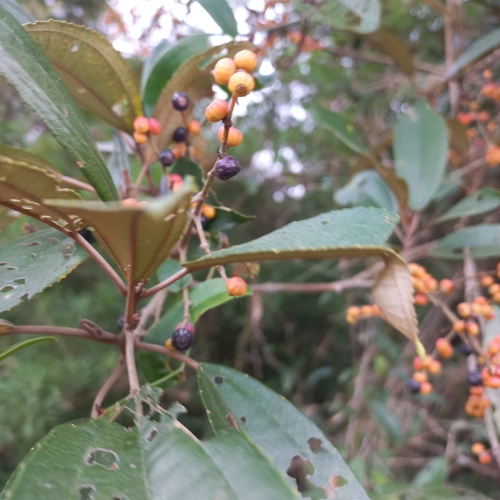
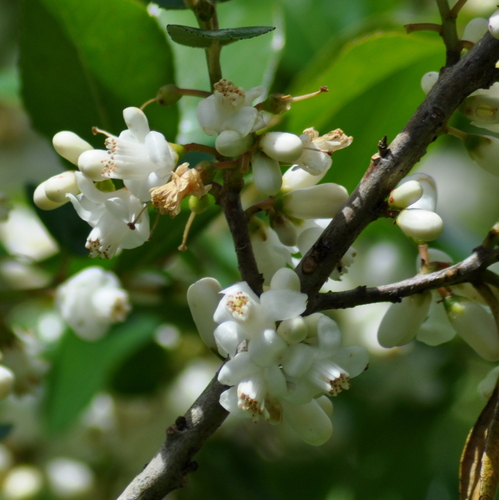
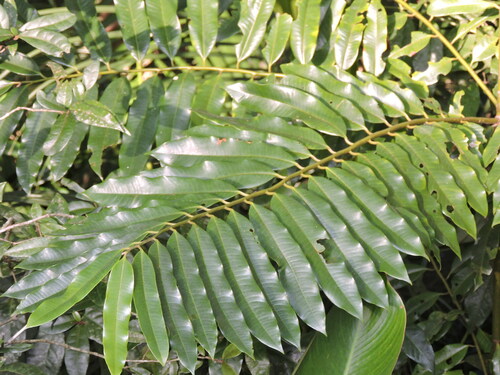
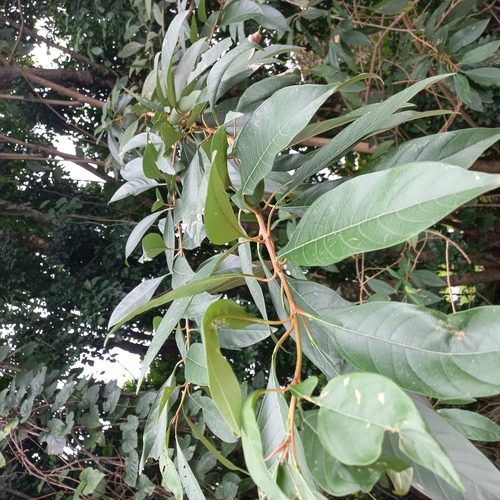
Records from studies worldwide, collected by GloBI. They include animals eaten as carrion, and they are not everything it eats in one place.
Where people see the rufous-bellied thrush
People have shared 467,540 records from 5 countries.
Near a city: Brasília, Buenos Aires, Montevideo, Rio de Janeiro, São Paulo.
Records show where people have seen it and shared it, not its full range. Country names open their page in Atlas.
When it is seen
Records per month in the southern hemisphere. More people outdoors also means more records.
Watch and listen

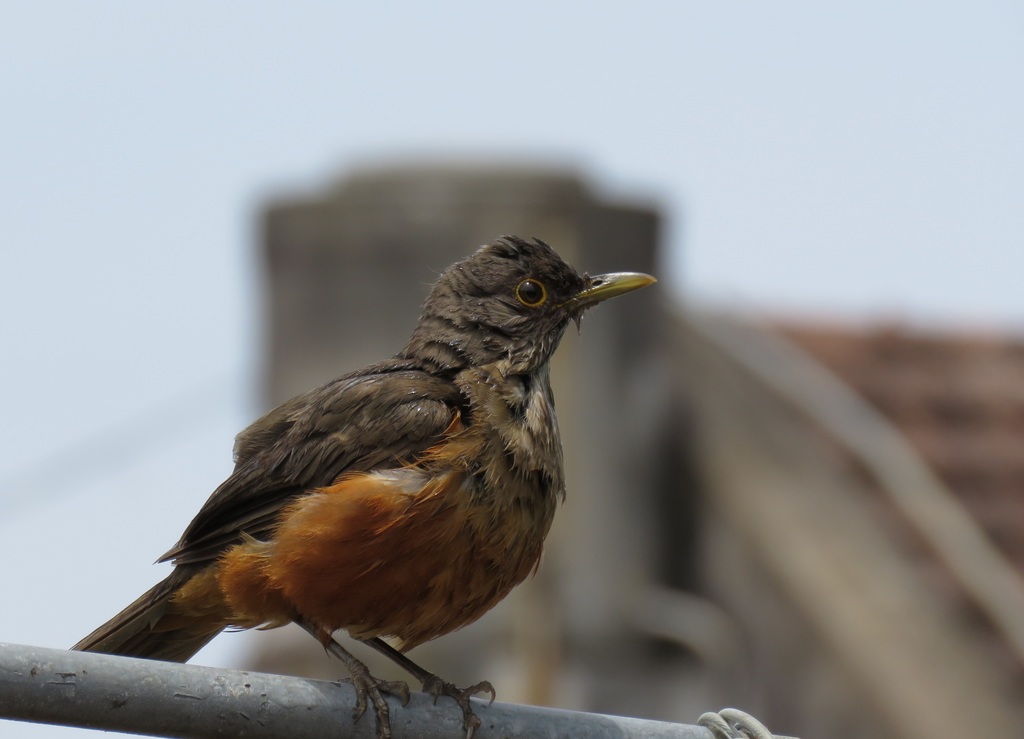
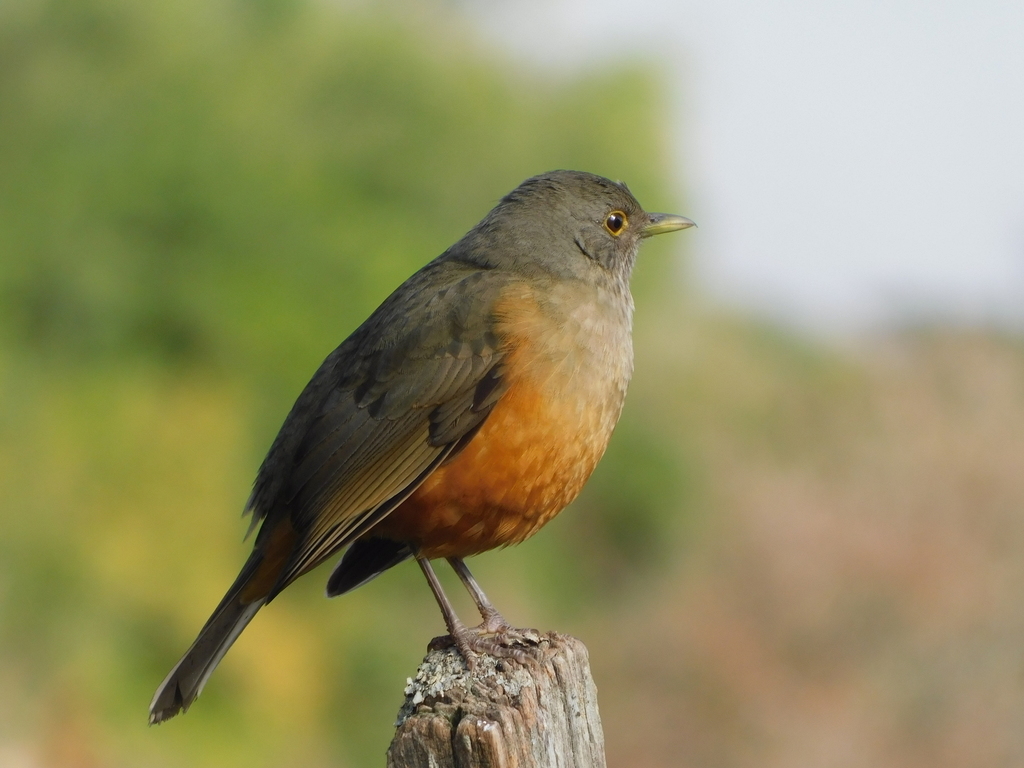
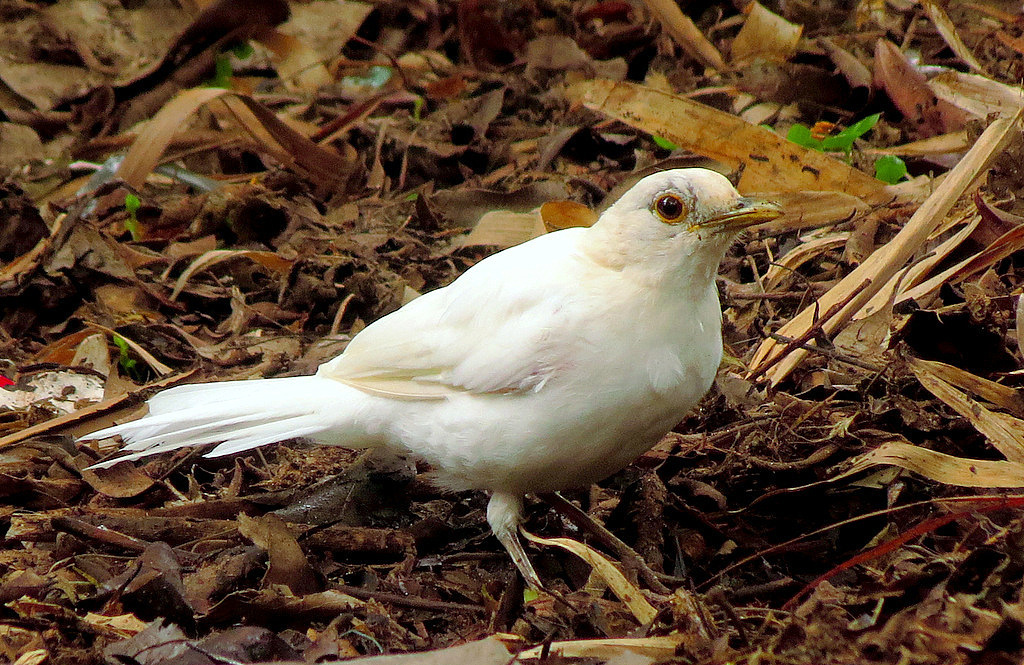
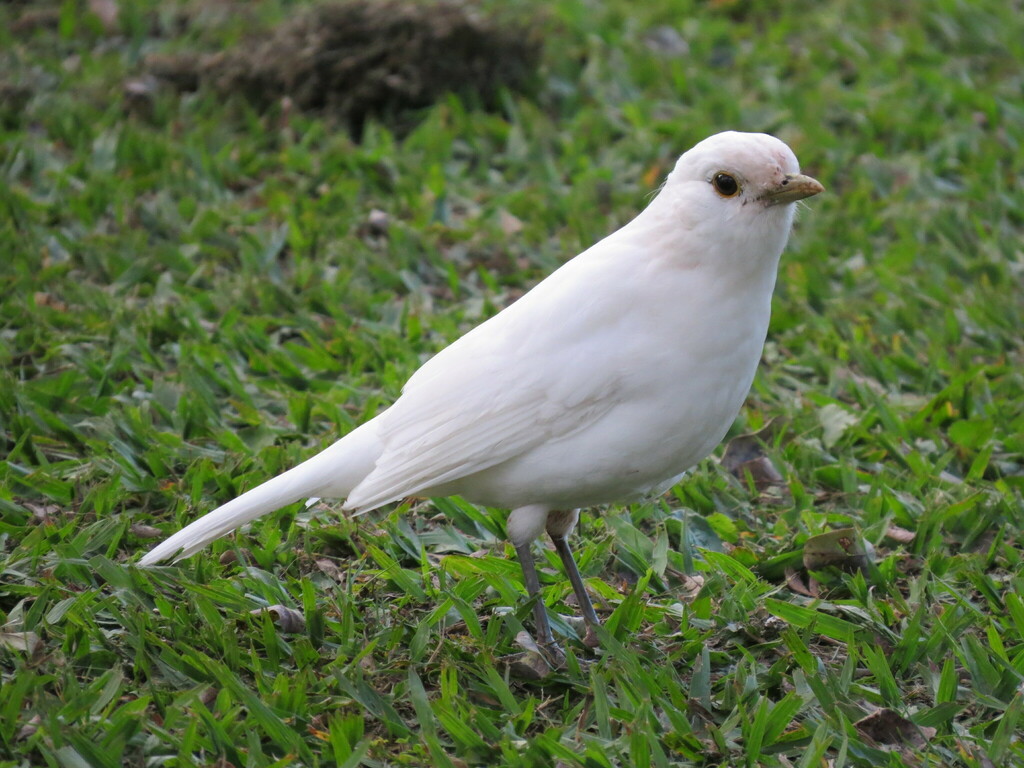
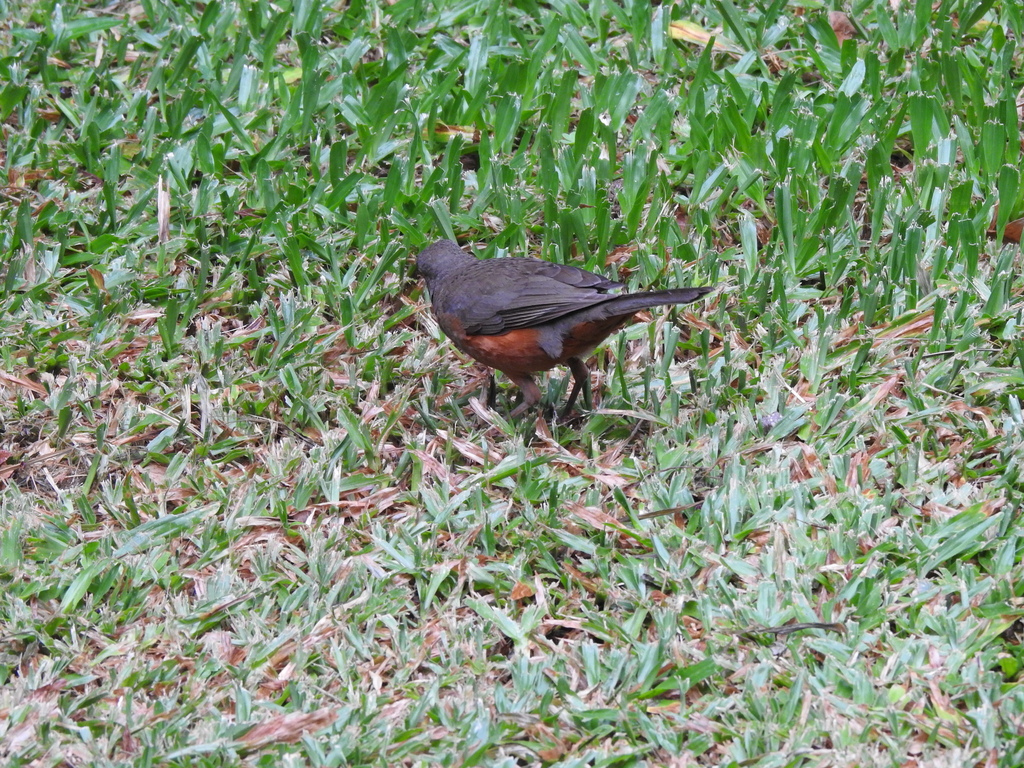
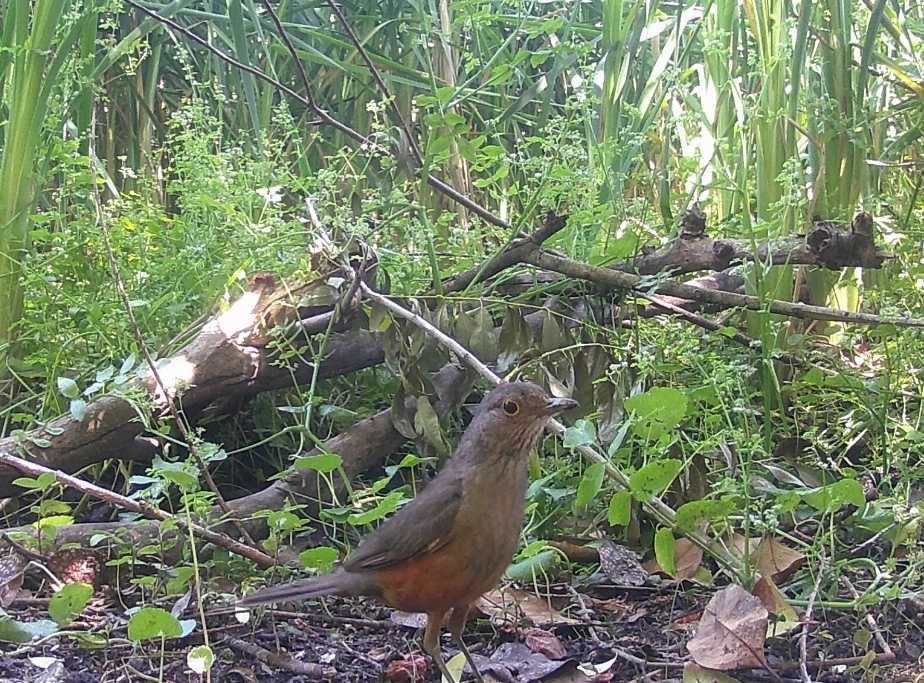
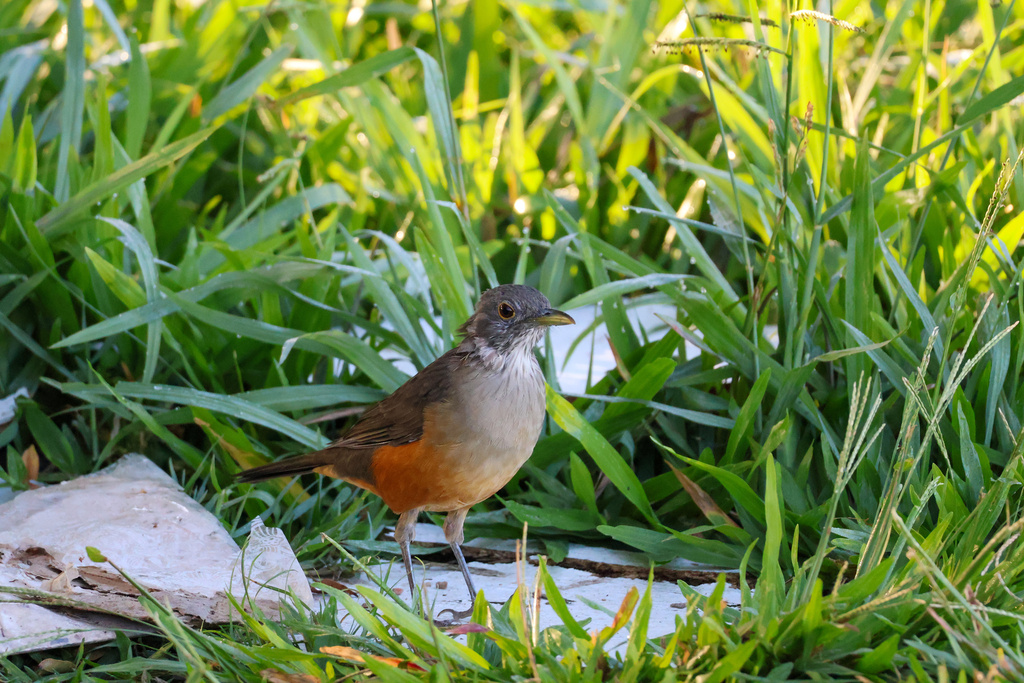
Its closest relatives
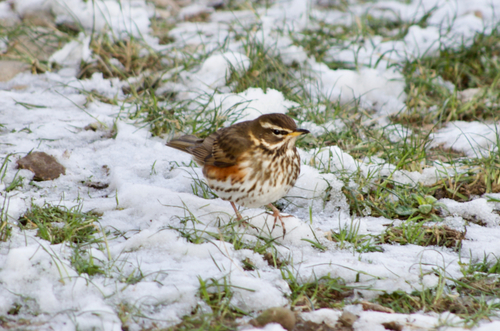
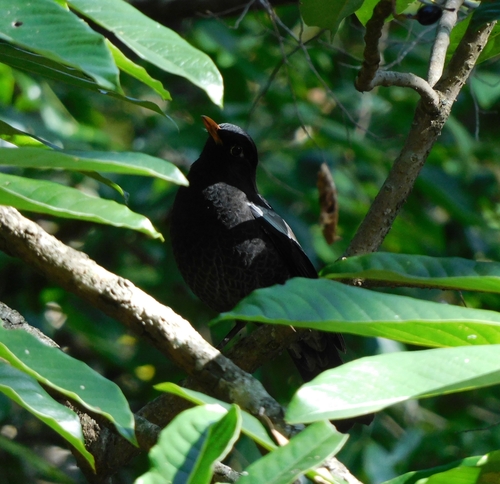
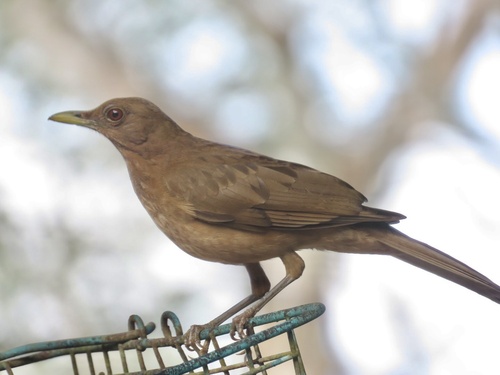
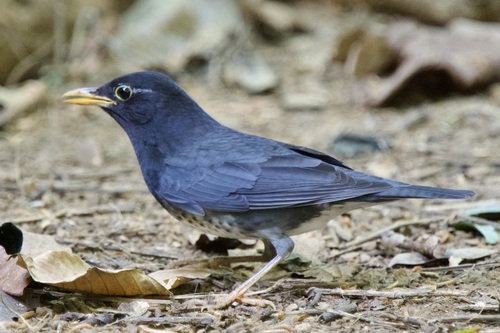
The other species of the genus Turdus.




Seen a rufous-bellied thrush?
Share your photo on iNaturalist. Other naturalists help confirm it, and the record goes to GBIF, where scientists use it and where the maps on this page come from.
Questions people ask
What does the rufous-bellied thrush eat?
The rufous-bellied thrush has been recorded eating 462 different kinds of animals and plants, most of them plants. The ones recorded most often are assai palm, hieronyma alchorneoides, miconia sellowiana, dendropanax cuneatus and solanum inodorum; records include animals eaten as carrion. Source: GloBI.
What eats the rufous-bellied thrush?
Recorded predators include . Source: GloBI.
Where does the rufous-bellied thrush live?
People have recorded it in 5 countries; the most records come from Brazil, Argentina, Uruguay, Paraguay and Bolivia. Records show where people have seen it, not its full range.
When is the rufous-bellied thrush seen most?
In the southern hemisphere, the most records are made in October and the fewest in February. More people outdoors also means more records.
What are the rufous-bellied thrush's closest relatives?
It shares the genus Turdus with redwing, black-throated thrush, dusky thrush, grey-winged blackbird and clay-colored thrush.
Sources and photo credits
- GBIF · Turdus rufiventris, 467,540 human observations
- GloBI · recorded interactions of Turdus rufiventris
- Wikidata · Rufous-bellied thrush (Q609283)
- Rufous-bellied thrush (Turdus rufiventris): Nigel Voaden, CC BY 4.0
- Rufous-bellied thrush (Turdus rufiventris): Dario Sanches, CC BY-SA 4.0
- Rufous-bellied thrush (Turdus rufiventris): Nicolas Olejnik, CC BY 4.0
- Rufous-bellied thrush (Turdus rufiventris): no rights reserved, uploaded by Francisco Liguori, CC0
- Rufous-bellied thrush (Turdus rufiventris), Vila Mariana, São Paulo - SP, Brasil: Rodrigo Paiva Lázaro, CC BY 4.0
- Rufous-bellied thrush (Turdus rufiventris), Jardim das Américas, Curitiba - PR, 82590-300, Brasil: Lucas Mantelo Cruz, CC BY 4.0
- Rufous-bellied thrush (Turdus rufiventris), Villa Cabello, Posadas, Misiones, Argentina: Cecilia Fer Díaz, CC BY 4.0
- Rufous-bellied thrush (Turdus rufiventris), 80000 San José, Departamento de San José, Uruguay: Karina Viera, CC BY 4.0
- Rufous-bellied thrush (Turdus rufiventris), Praça Monsenhor Antonino Dutra, Porto Alegre, RS, BR: Luciano Silveira, CC BY-SA 4.0
- Assai palm: agujaceratops, CC BY 4.0
- Miconia sellowiana: Fernando Sessegolo, CC0
- Dendropanax cuneatus: Darren Obbard, CC BY 4.0
- Solanum inodorum: Rodrigo Paiva Lázaro, CC BY 4.0
- Miconia cinerascens: Patrícia Mees, CC BY 4.0
- Symplocos uniflora: vinicius_s_domingues, CC BY 4.0
- Virola bicuhyba: Fabrício Mil Homens Riella, CC BY 4.0
- Citharexylum myrianthum: Patrícia Mees, CC BY 4.0
- Redwing: Codrin Bucur, CC BY 4.0
- Black-throated thrush: Kudaibergen Amirekul, CC BY-SA 4.0
- Dusky thrush: Lip Kee, CC BY-SA 4.0
- Grey-winged blackbird: Jagdish Singh Negi, CC BY 4.0
- Clay-colored thrush: no rights reserved, uploaded by Irene, CC0
- Japanese thrush: Jiro Iguchi, CC BY 4.0
- Brown-headed thrush: Kim, Hyun-tae, CC BY 4.0
- Black-breasted thrush: JJ Harrison, CC BY-SA 4.0
Records show where people have seen and shared the rufous-bellied thrush, not its full range, and some countries and months are recorded far more than others. The food web lists interactions that studies have recorded somewhere in the world (GloBI), not everything it eats in one place.
Checked 2026-11-22.