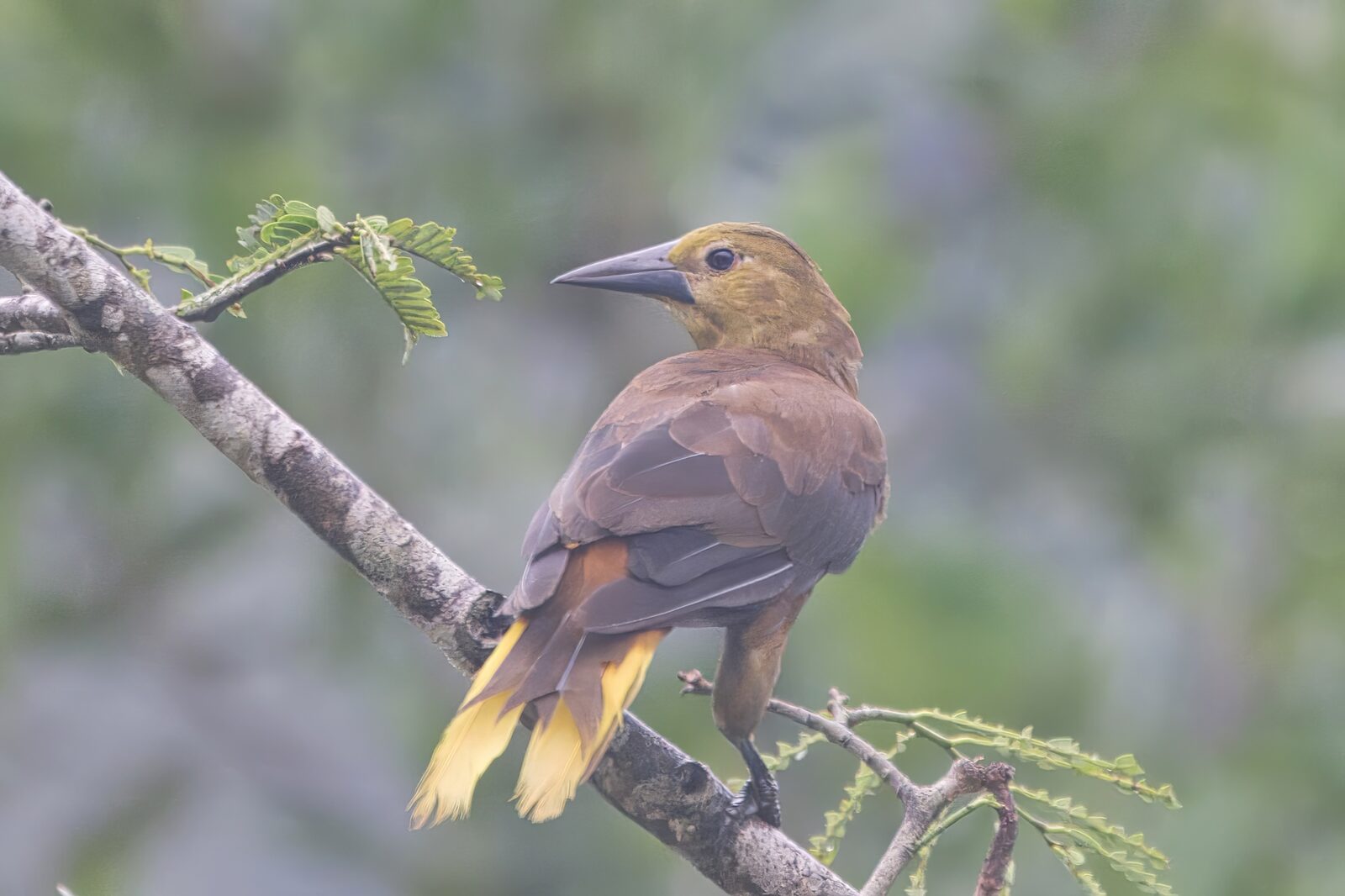
Russet-backed oropendola
Psarocolius angustifrons
A large blackbird of South American forests that weaves long hanging nests in colonies.
- Status
- Least Concern IUCN Red List
- Eats
- abiu, hog plum, ice cream bean and 110 more
- Where
- 6 countries · Amazon rainforest
People have shared 137,175 records of the russet-backed oropendola with GBIF, from 6 countries, most of them from Ecuador, Colombia and Peru. Records collected by GloBI show it eating 113 different kinds of animals and plants.
In the southern hemisphere, people record it most in October and least in April. It belongs to the genus Psarocolius in the family Icteridae.
Habitats
What the russet-backed oropendola eats, and what eats it
Studies have recorded it eating 113 kinds of animals and plants. Tap any of them to follow the food chain.
- Plants 110
Russet-backed oropendola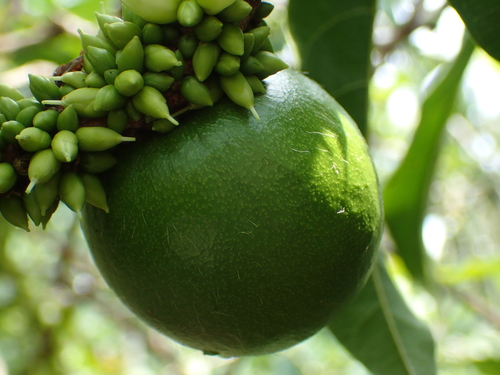
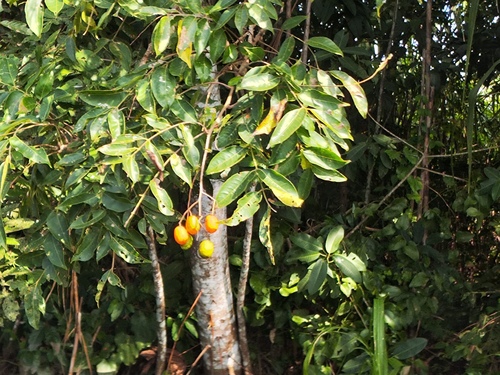
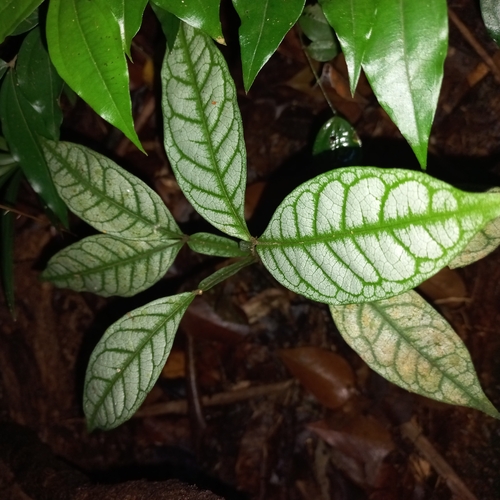
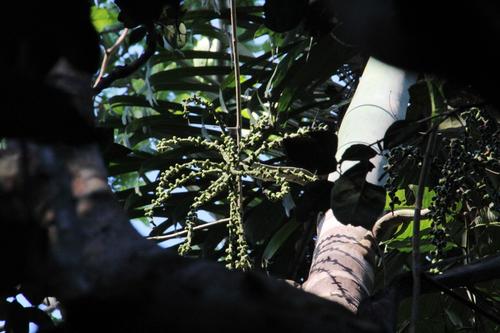
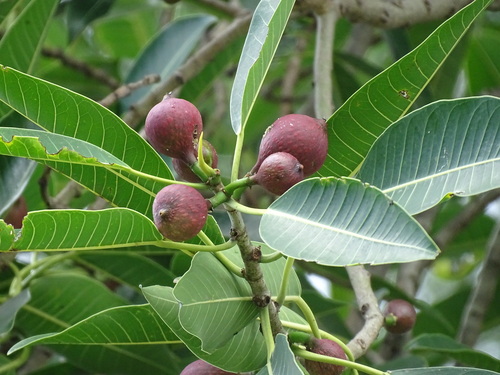
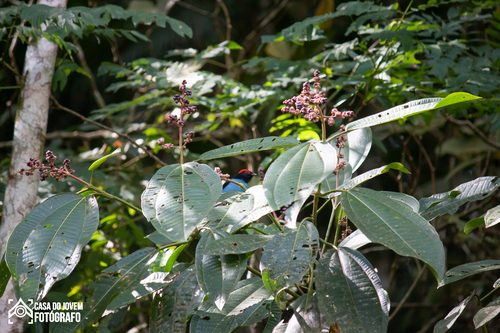
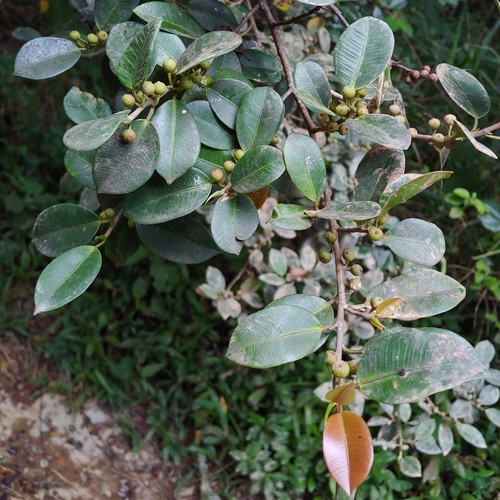

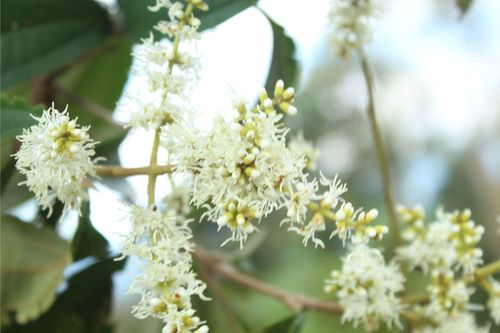
Records from studies worldwide, collected by GloBI. They include animals eaten as carrion, and they are not everything it eats in one place.
Where people see the russet-backed oropendola
People have shared 137,175 records from 6 countries.
Records show where people have seen it and shared it, not its full range. Country names open their page in Atlas.
When it is seen
Records per month in the southern hemisphere. More people outdoors also means more records.
Watch and listen
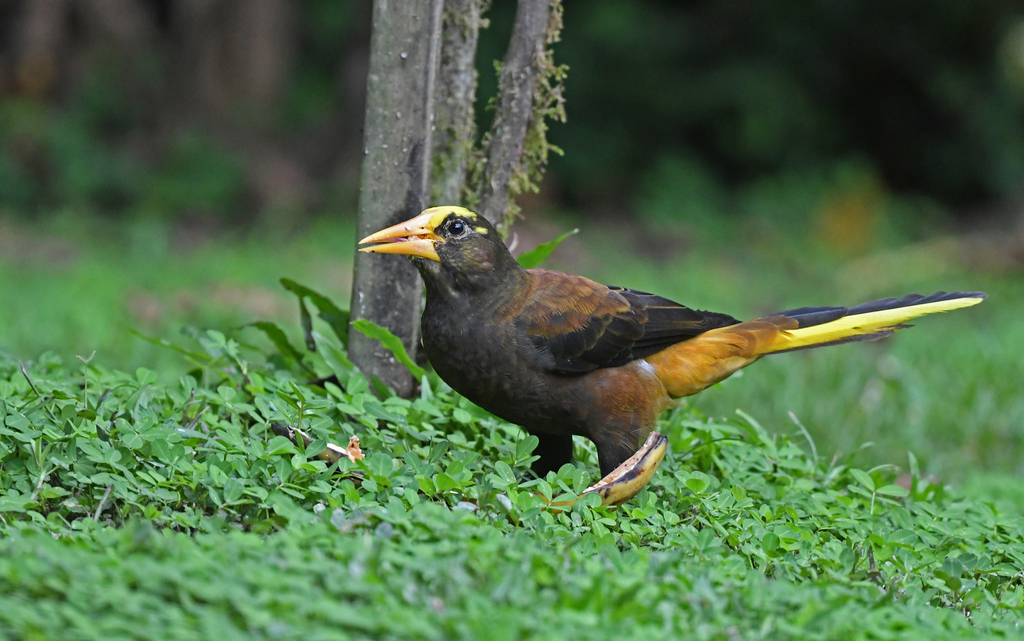
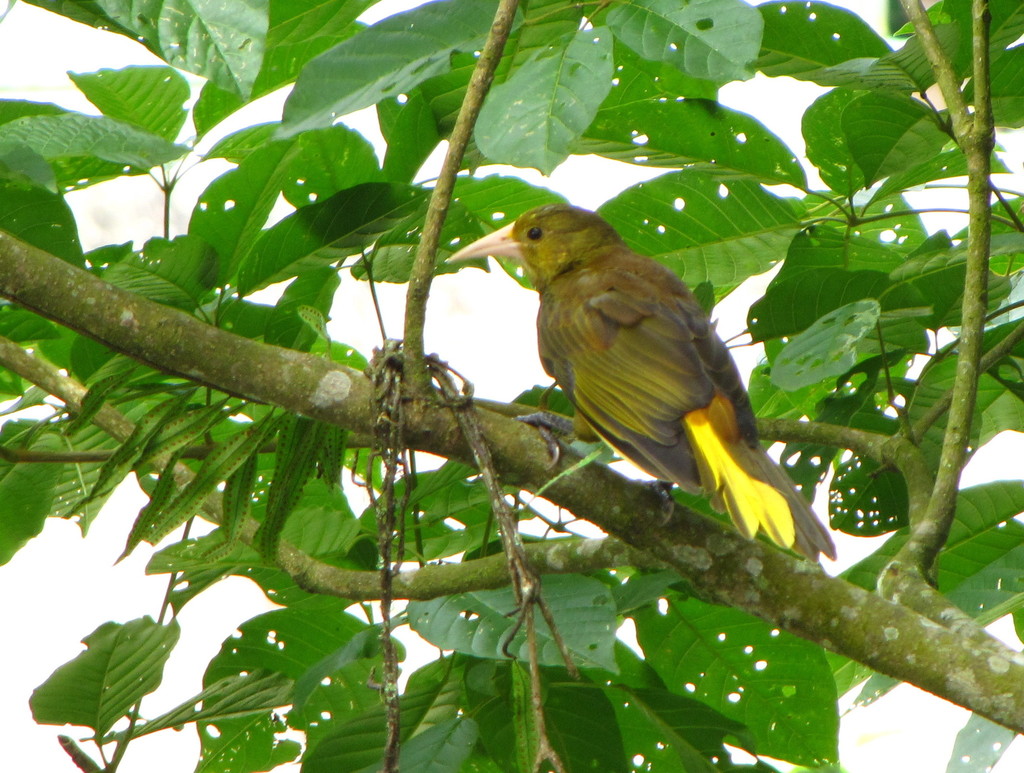
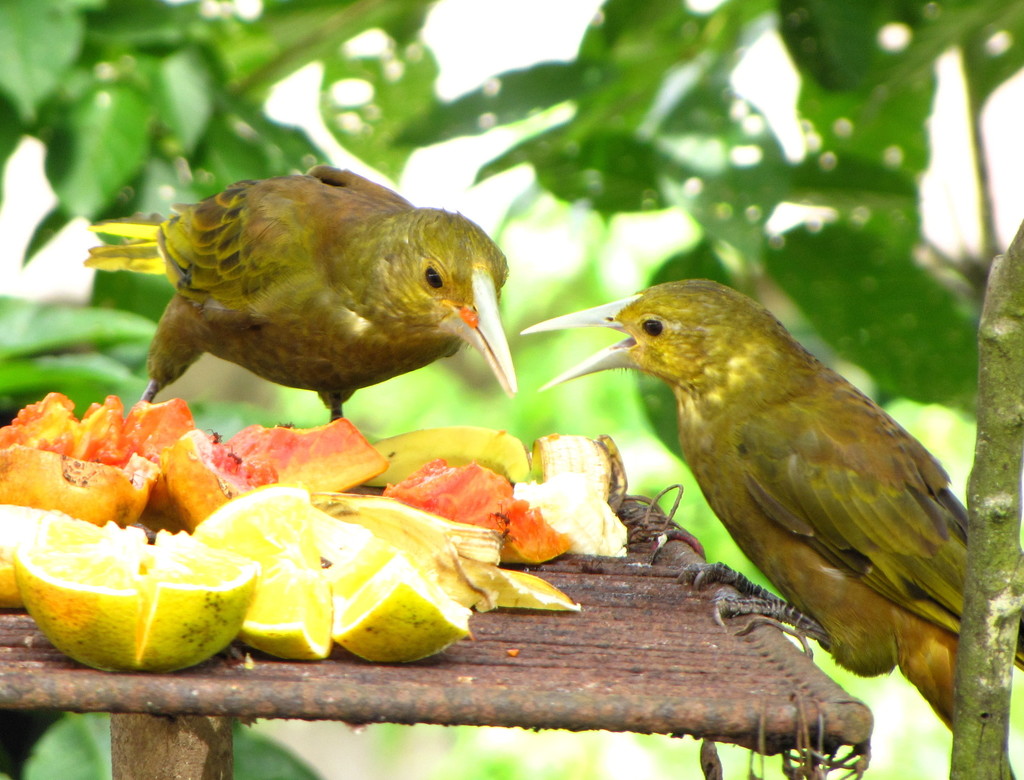
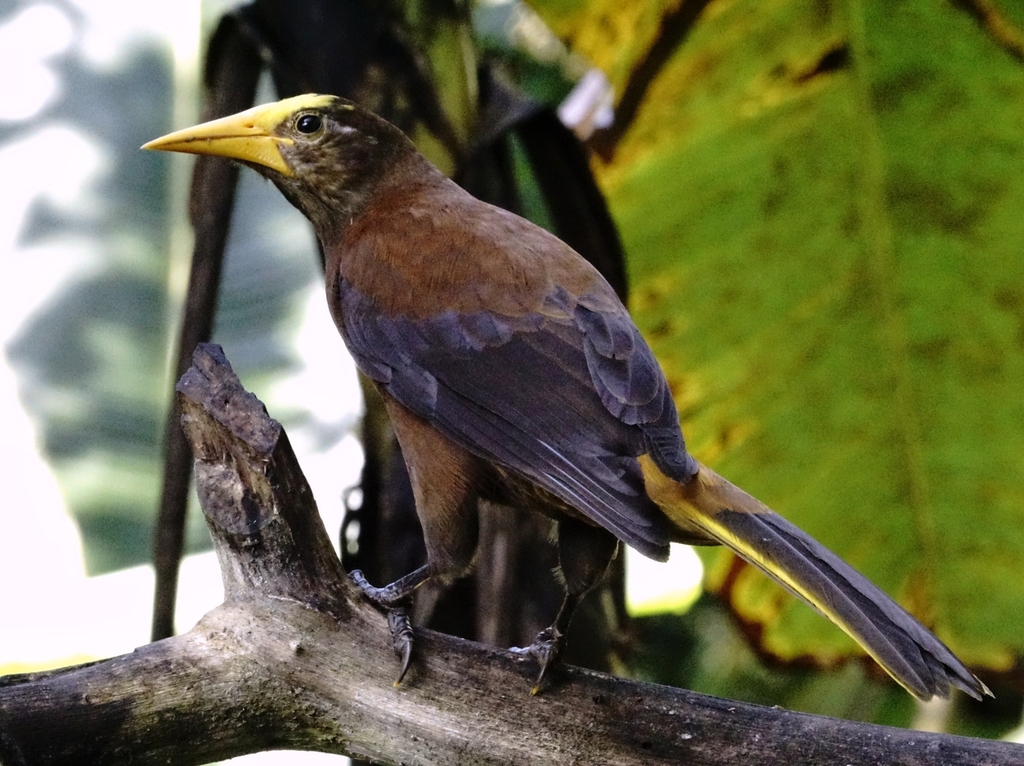
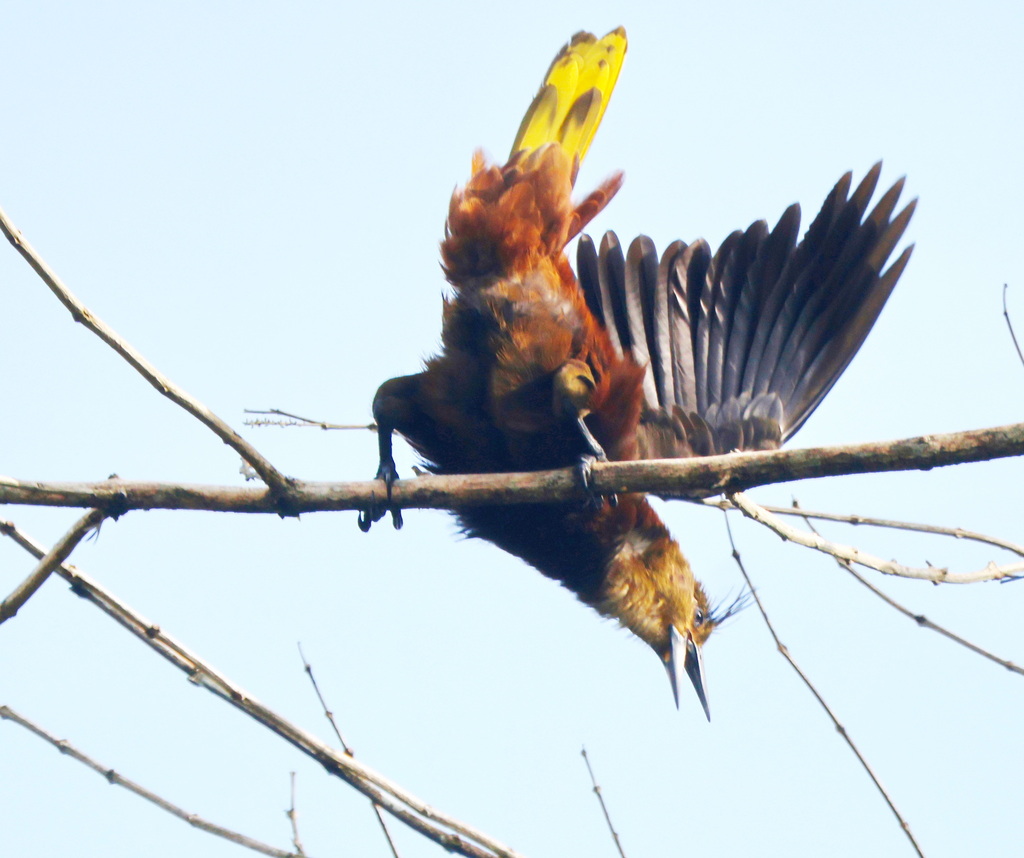
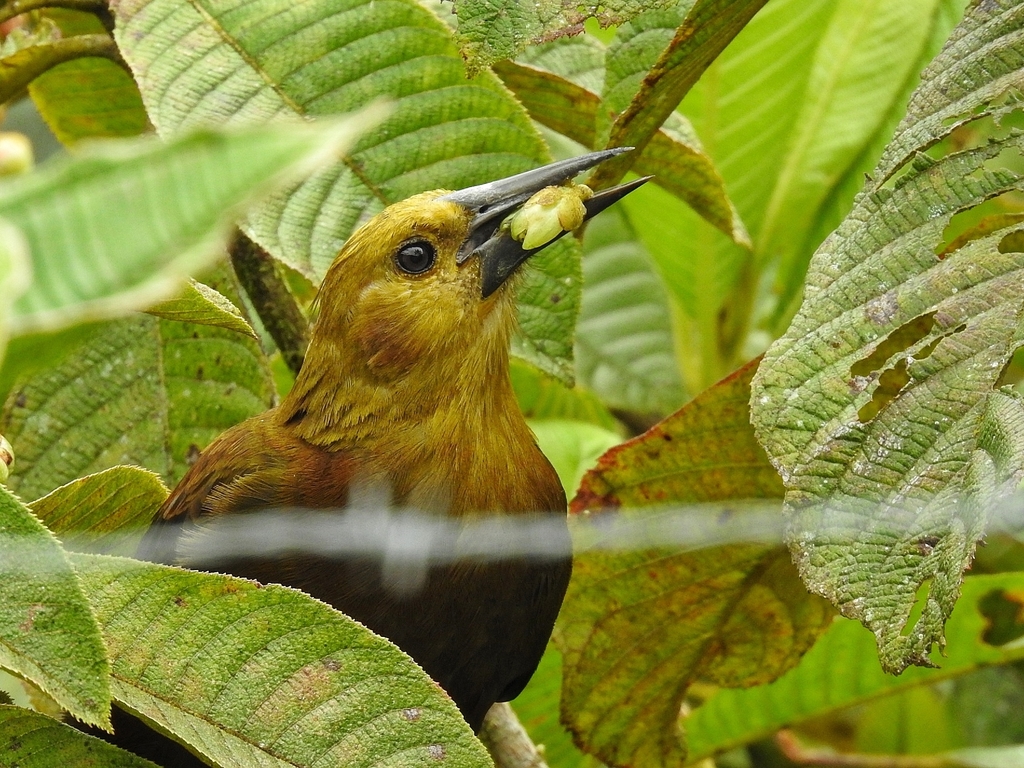
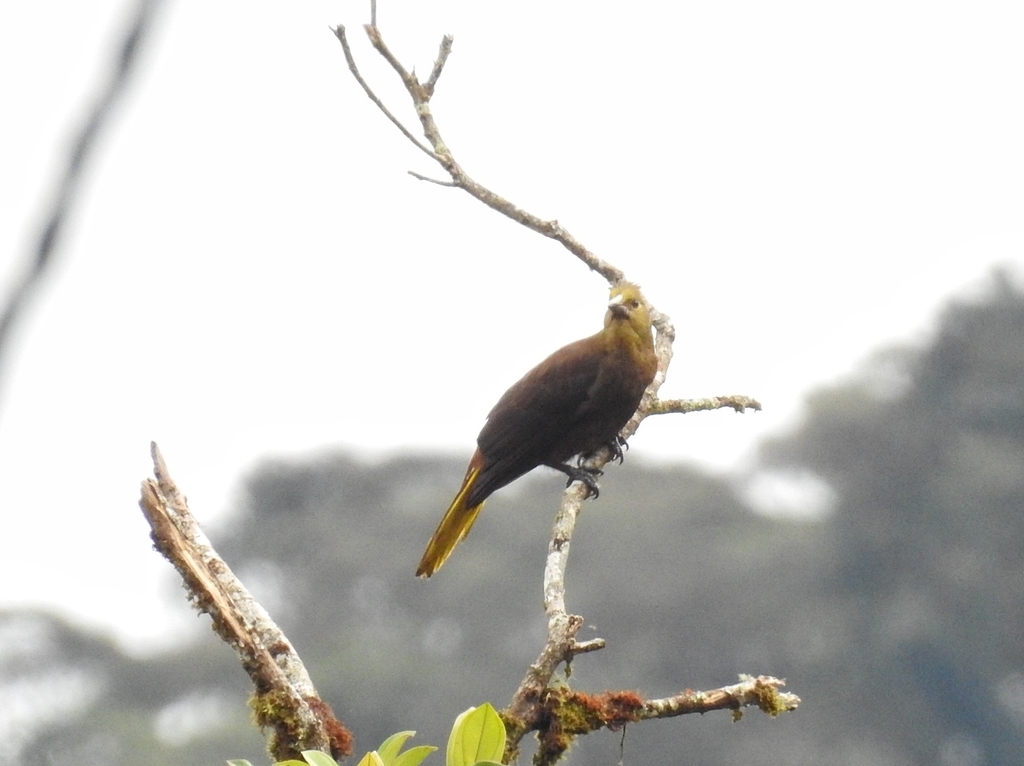
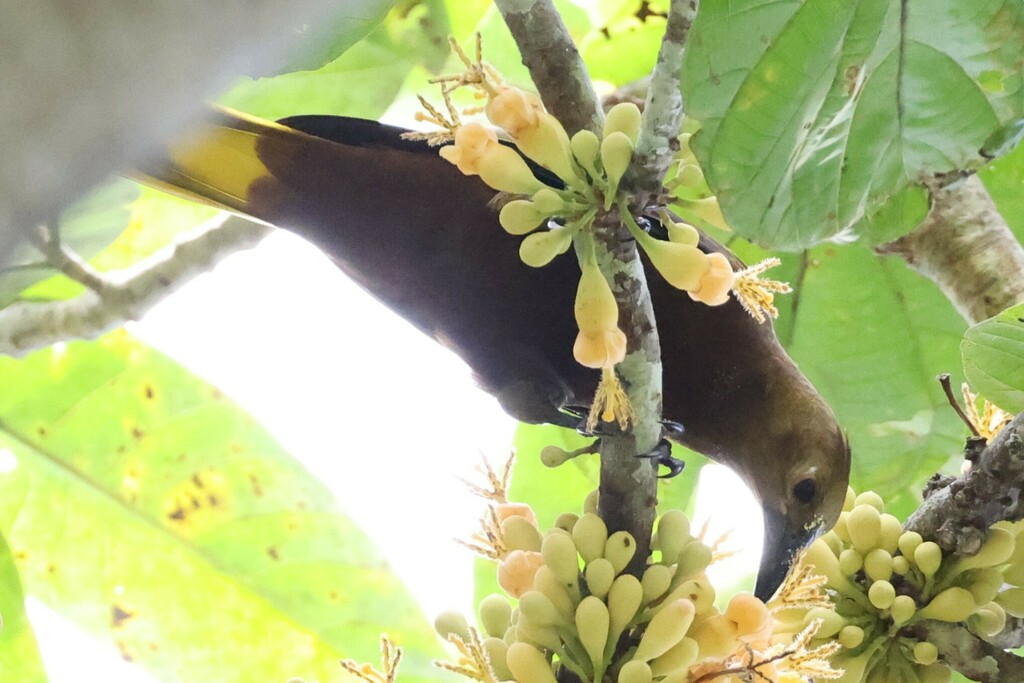
Its closest relatives
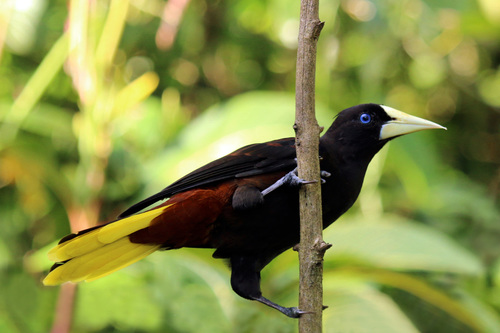
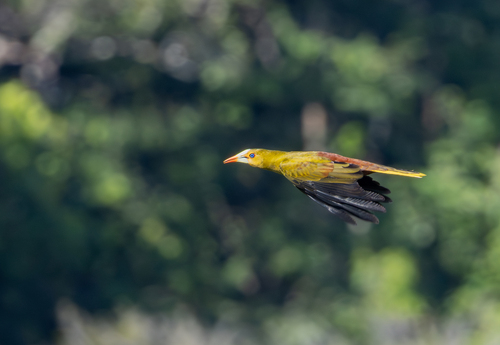
The other species of the genus Psarocolius.

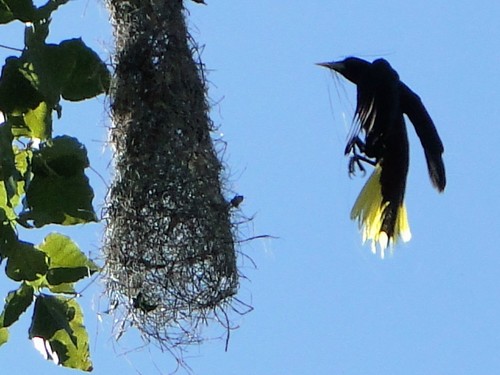
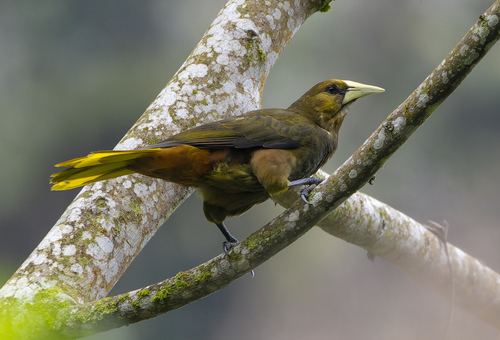
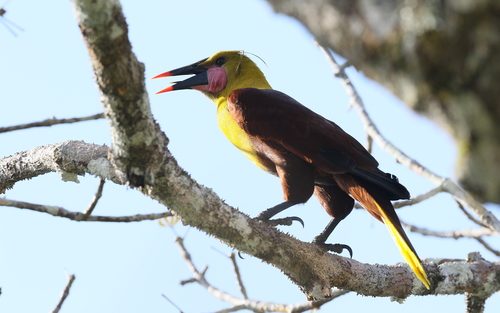
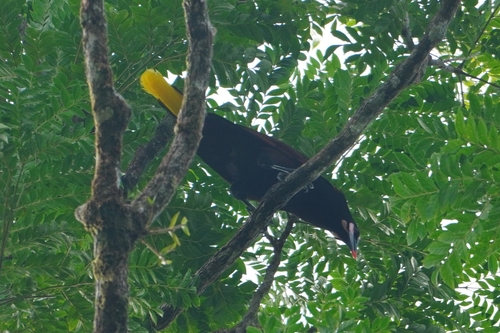
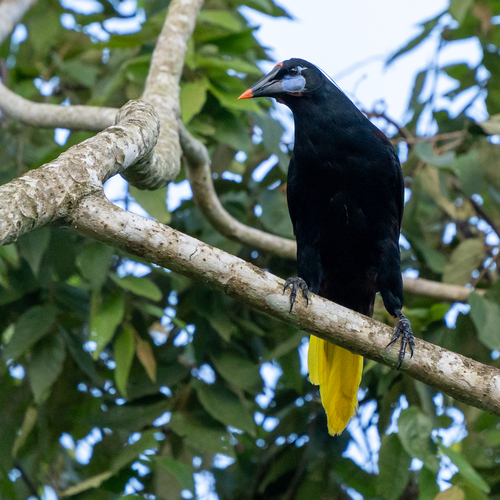
Seen a russet-backed oropendola?
Share your photo on iNaturalist. Other naturalists help confirm it, and the record goes to GBIF, where scientists use it and where the maps on this page come from.
Put this species on your site
The card names every source and links back here.
<iframe src="https://4planetatlas.com/place/embed/species/russet-backed-oropendola" title="Russet-backed oropendola (Psarocolius angustifrons), 4PLANET Species" width="100%" height="600" style="border:0;max-width:640px" loading="lazy"></iframe>
<p><a href="https://4species.com/russet-backed-oropendola">Russet-backed oropendola on 4PLANET Species</a></p>Explore next
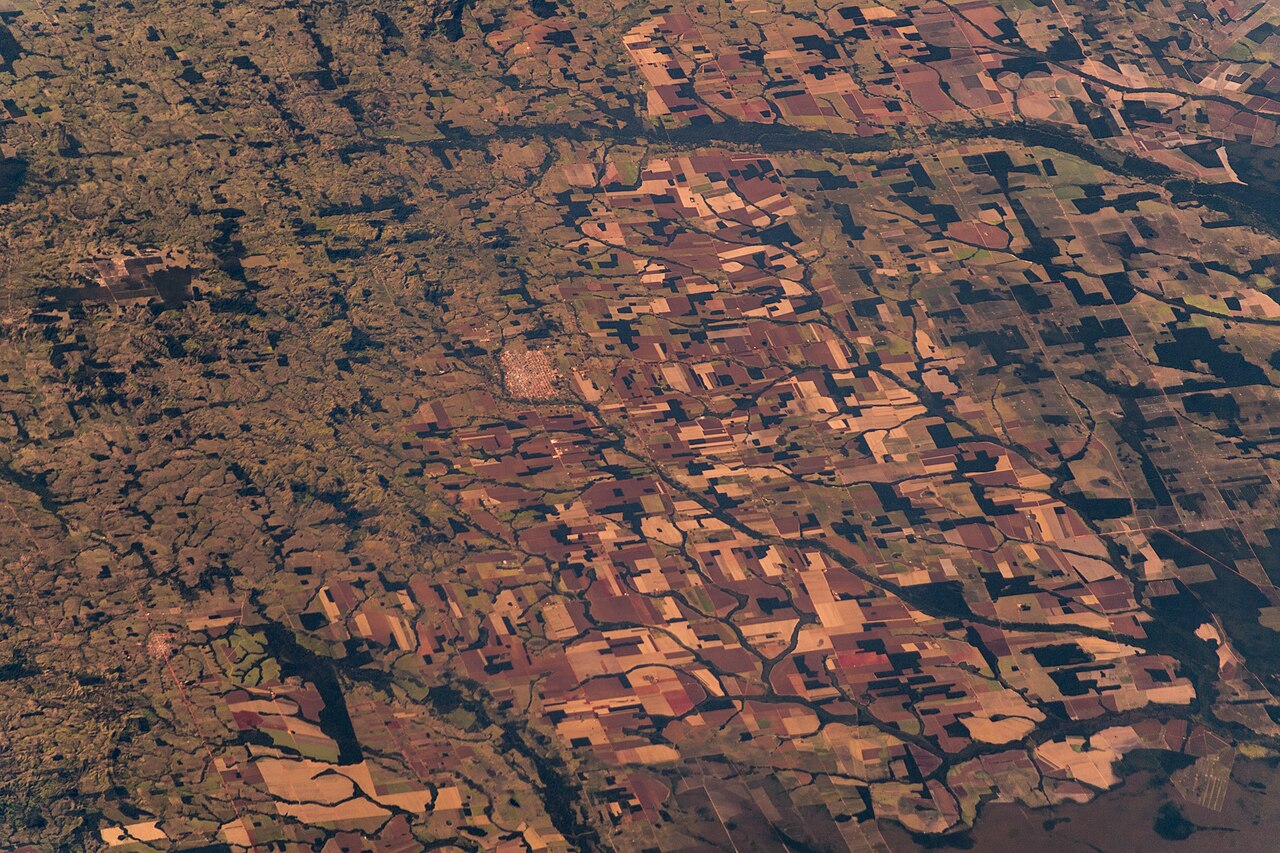
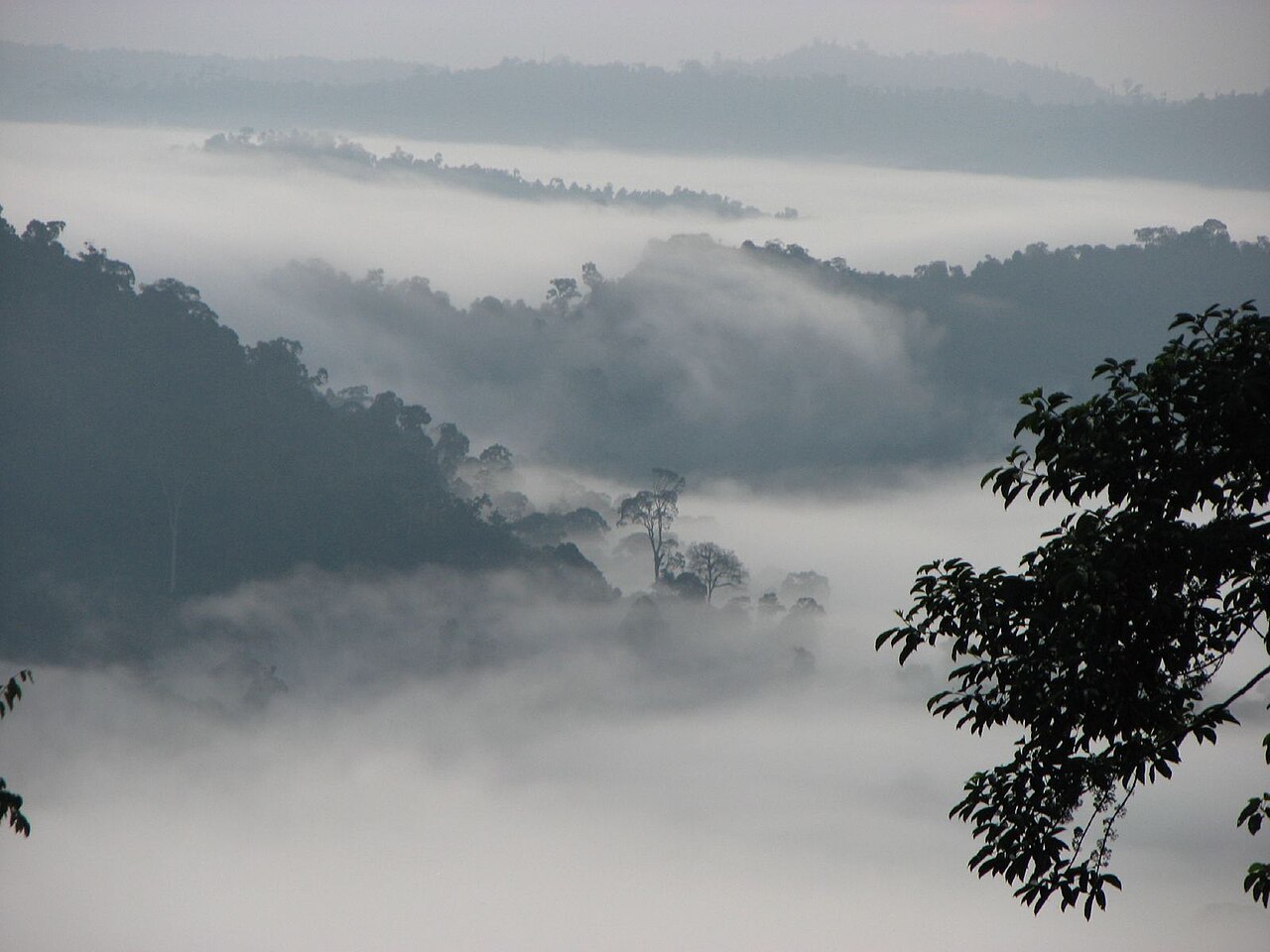
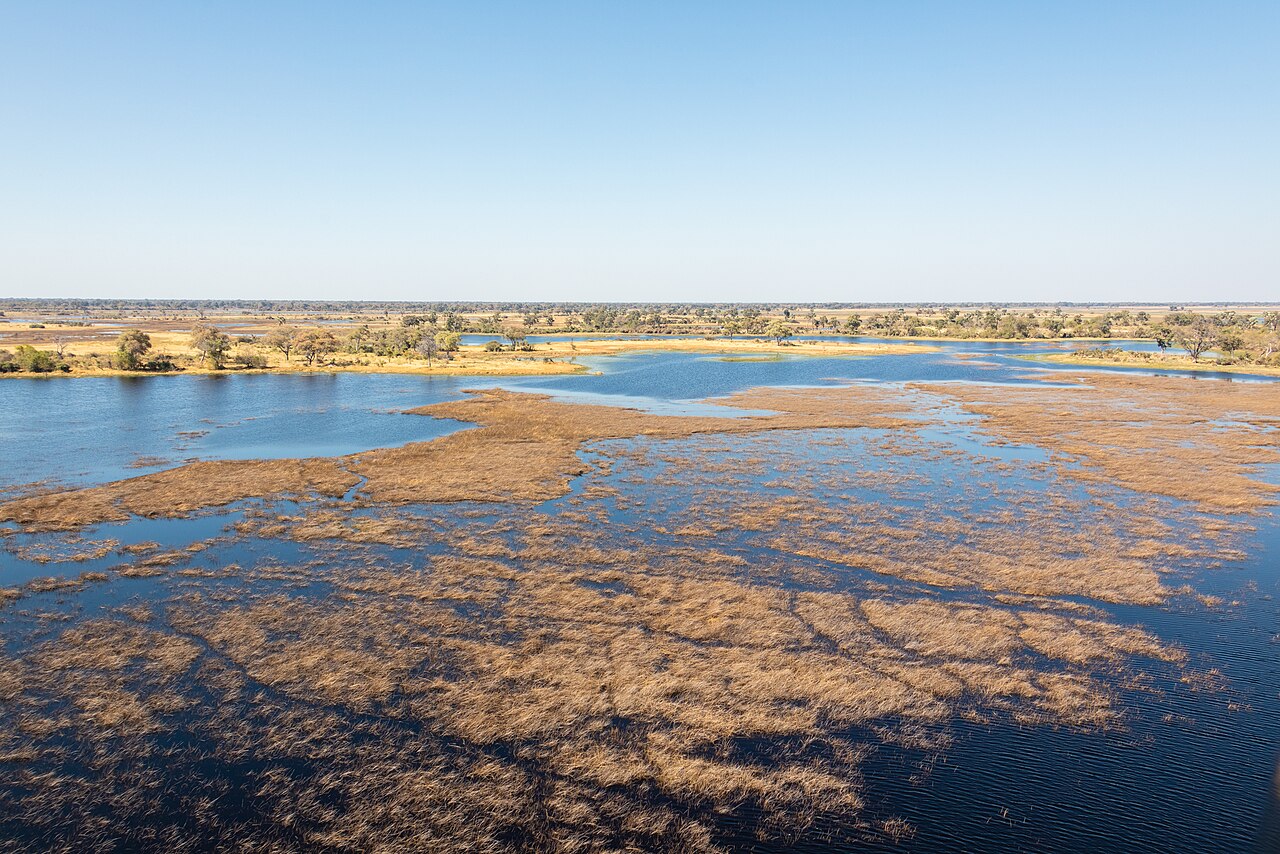
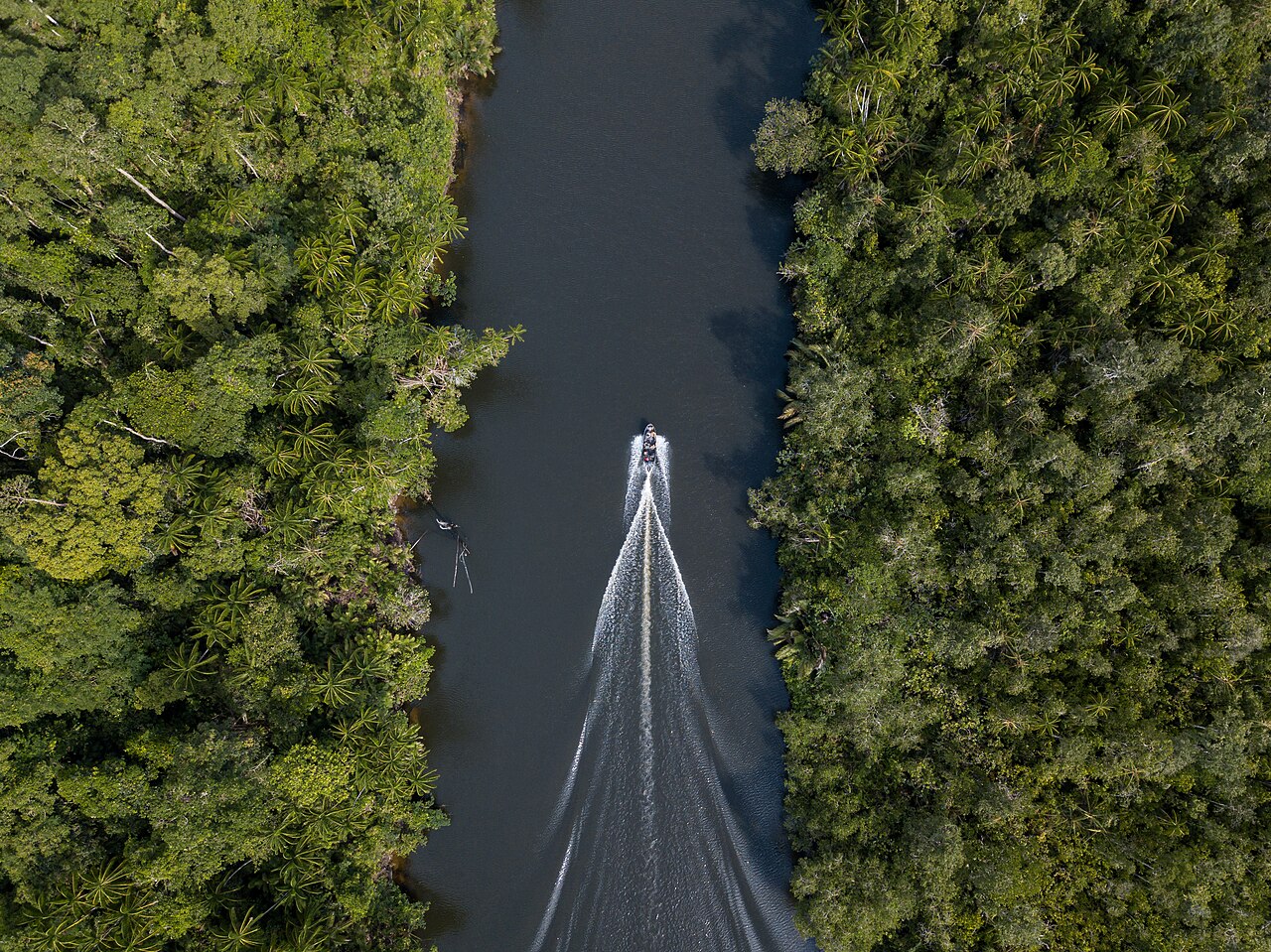
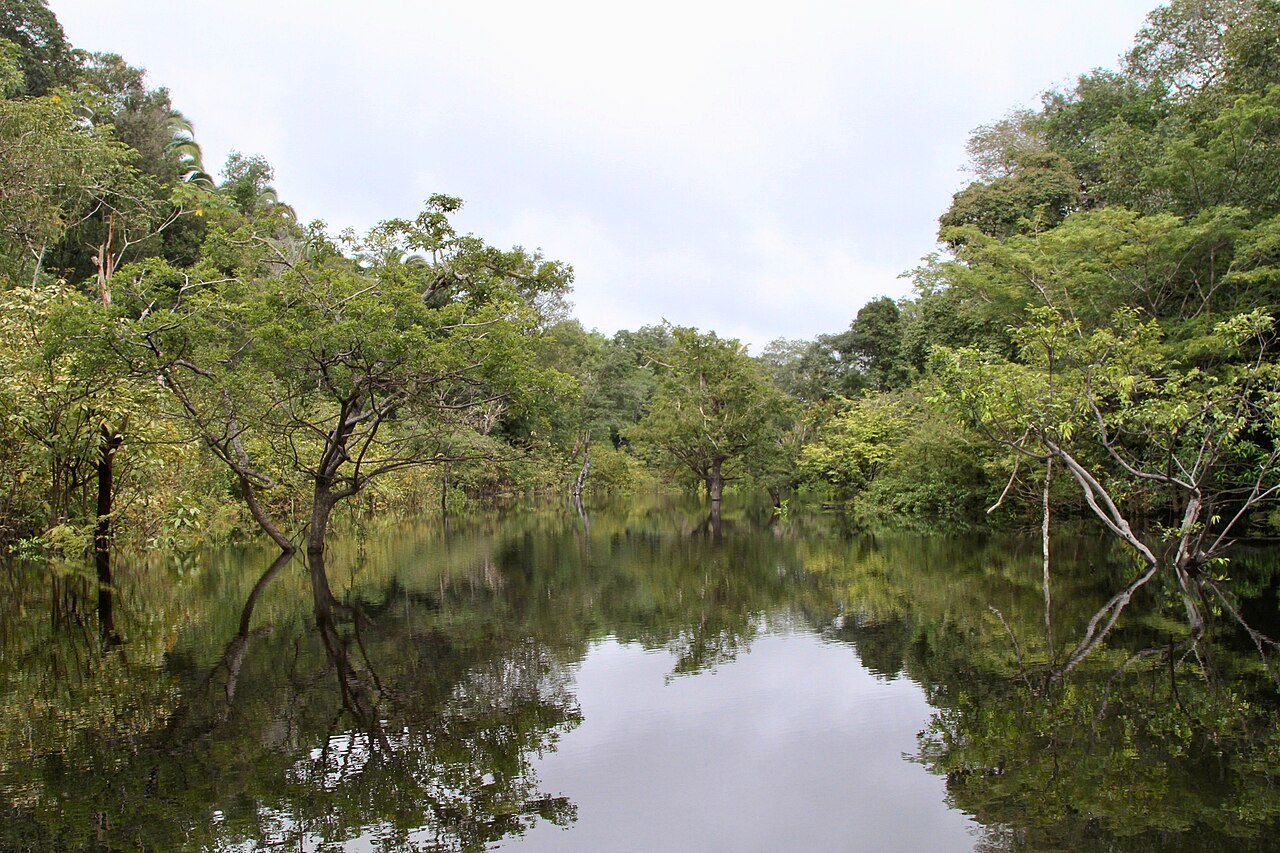
What puts the russet-backed oropendola under pressure, what helps, and who works on it.

Questions people ask
What does the russet-backed oropendola eat?
The russet-backed oropendola has been recorded eating 113 different kinds of animals and plants, most of them plants. The ones recorded most often are abiu, hog plum, ice cream bean, cashapona and breadnut; records include animals eaten as carrion. Source: GloBI.
Where does the russet-backed oropendola live?
People have recorded it in 6 countries; the most records come from Ecuador, Colombia, Peru, Venezuela and Bolivia. Records show where people have seen it, not its full range.
When is the russet-backed oropendola seen most?
In the southern hemisphere, the most records are made in October and the fewest in April. More people outdoors also means more records.
What are the russet-backed oropendola's closest relatives?
It shares the genus Psarocolius with crested oropendola, montezuma oropendola, green oropendola, chestnut-headed oropendola and dusky-green oropendola.
Sources and photo credits
- GBIF · Psarocolius angustifrons, 137,175 human observations
- GloBI · recorded interactions of Psarocolius angustifrons
- Wikidata · Russet-backed oropendola (Q1317712)
- Russet-backed oropendola (Psarocolius angustifrons): Bill Levine, CC BY 4.0
- Russet-backed oropendola (Psarocolius angustifrons): Christoph Moning, CC BY 4.0
- Russet-backed oropendola (Psarocolius angustifrons): Cristóbal Alvarado Minic, CC BY 4.0
- Russet-backed oropendola (Psarocolius angustifrons): Cristóbal Alvarado Minic, CC BY 4.0
- Russet-backed oropendola (Psarocolius angustifrons): Esteban Poveda, CC BY 4.0
- Russet-backed oropendola (Psarocolius angustifrons): Susan Blayney, CC BY 4.0
- Russet-backed oropendola (Psarocolius angustifrons), Rio Negro, Ecuador: Esteban Poveda, CC BY 4.0
- Russet-backed oropendola (Psarocolius angustifrons), Rio Negro, Ecuador: Esteban Poveda, CC BY 4.0
- Russet-backed oropendola (Psarocolius angustifrons), FWQP+XJR, Indiana 16200, Peru: Kathy Richardson, CC BY 4.0
- Abiu: no rights reserved, uploaded by 葉子, CC0
- Hog plum: Silvia Ten, CC BY 4.0
- Ice cream bean: Patrícia Mees, CC BY 4.0
- Cashapona: Tony Rebelo, CC BY-SA 4.0
- Breadnut: Neptalí Ramírez Marcial, CC BY 4.0
- Wild fig: Alexis López Hernández, CC BY 4.0
- Purple plague: Diogo Luiz, CC BY 4.0
- Jamaican cherry fig: Kurt Miller, CC BY-SA 4.0
- Bastard breadnut: Eduardo Chacón Madrigal, CC BY 4.0
- Granadillo bobo: Andrés Ramírez-Barrera, CC BY 4.0
- Crested oropendola: Charles J Sharp, CC BY-SA 4.0
- Montezuma oropendola: Paulo Philippidis, CC BY 4.0
- Green oropendola: Kevin Brix, CC BY-SA 4.0
- Chestnut-headed oropendola: Roberto Galindo Deshays, CC BY-SA 4.0
- Dusky-green oropendola: David F. Belmonte, CC BY 4.0
- Amazonian oropendola: Christoph Moning, CC BY 4.0
- Baudó oropendola: Ben Costamagna, CC BY 4.0
- Black oropendola: Anthony Batista, CC BY 4.0
Records show where people have seen and shared the russet-backed oropendola, not its full range, and some countries and months are recorded far more than others. The food web lists interactions that studies have recorded somewhere in the world (GloBI), not everything it eats in one place.
Checked 2026-11-22.