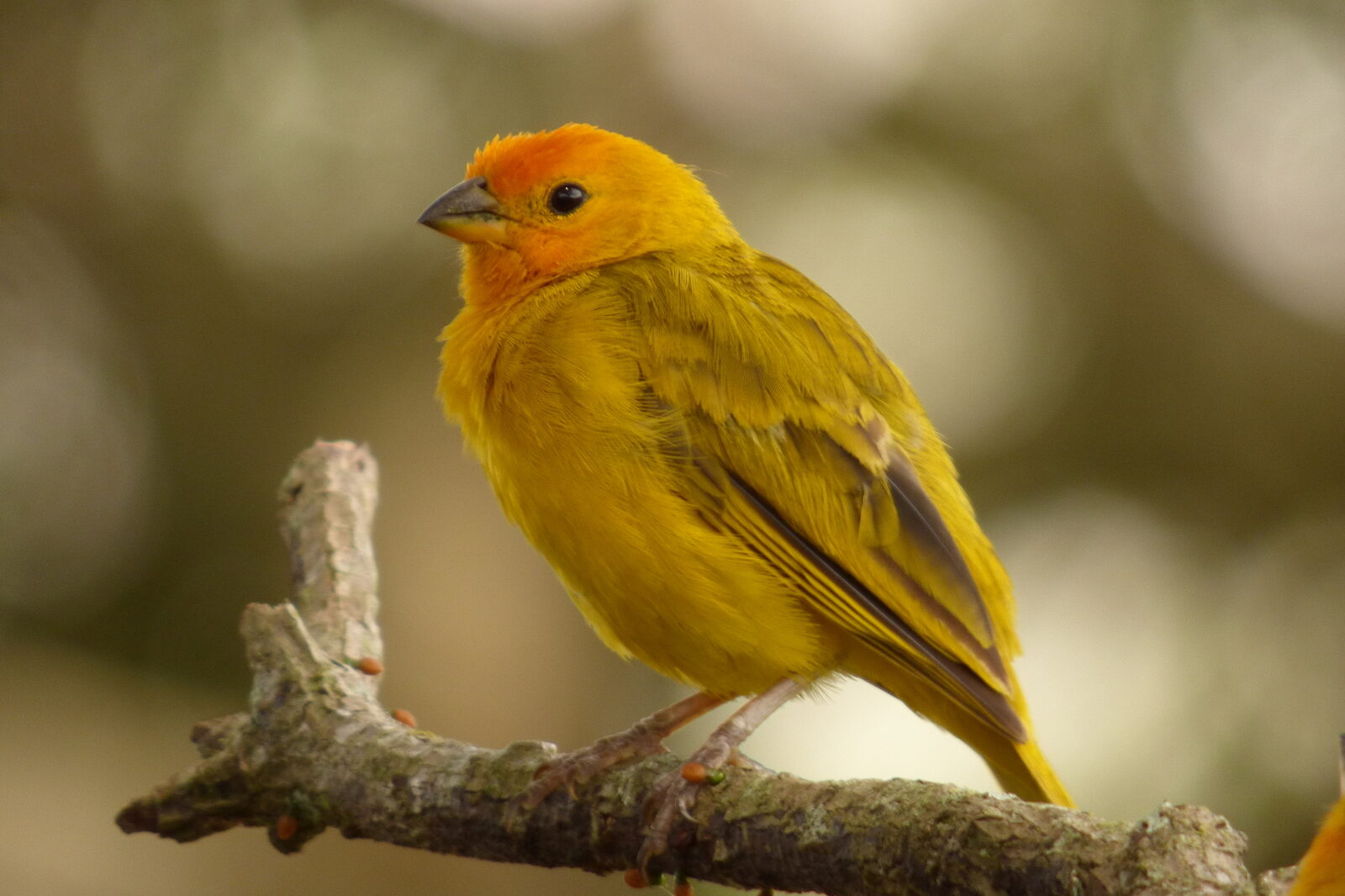
Saffron finch
Sicalis flaveola
- Status
- Least Concern IUCN Red List
- Eats
- white mulberry, weeping fig, blue passionflower and 14 more
- Eaten by
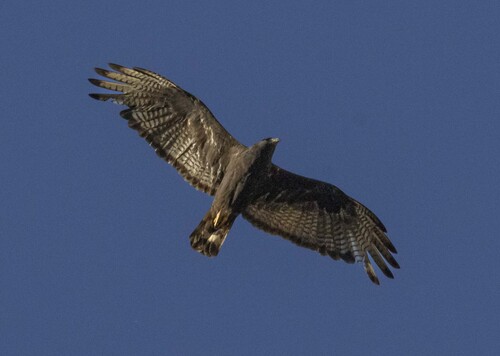
- guira cuckoo, zone-tailed hawk
- Where
- 27 countries
On 4Planet Atlas it is among the wildlife people record most around Asunción, Bogotá and Brasília, and 14 more of the cities we cover.
People have shared 822,581 records of the saffron finch with GBIF, from 27 countries, most of them from Brazil, Colombia and Argentina. Records collected by GloBI show it eating 17 different kinds of animals and plants, and being eaten by 3.
What the saffron finch eats, and what eats it
Studies have recorded it eating 17 kinds of animals and plants, and 3 kinds of animals eating it. Tap any of them to follow the food chain.
- Plants 17
Eaten by

 Saffron finch
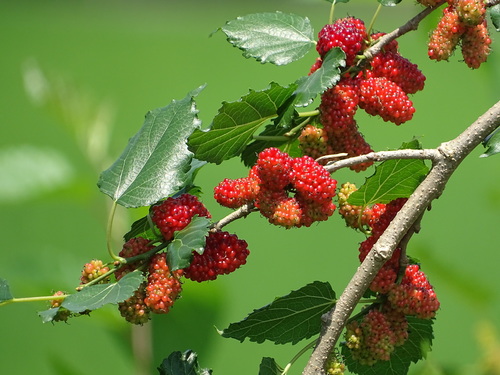
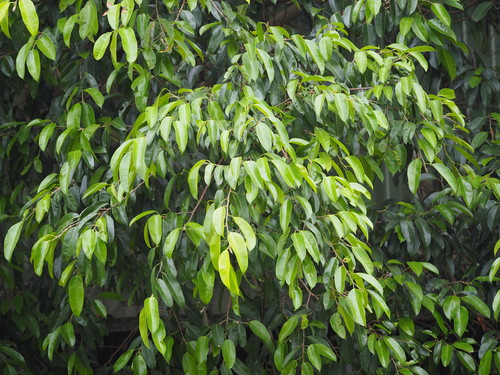
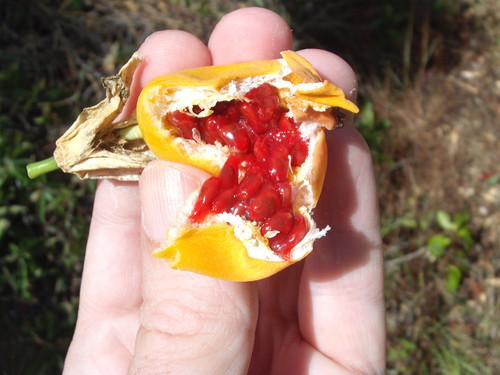

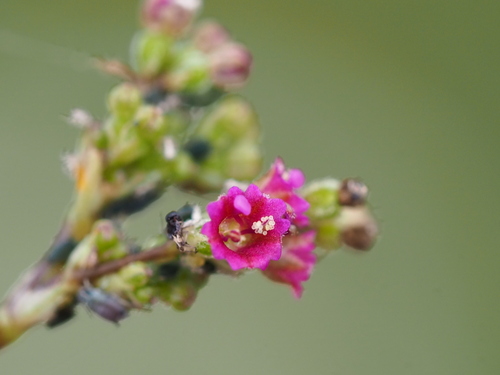
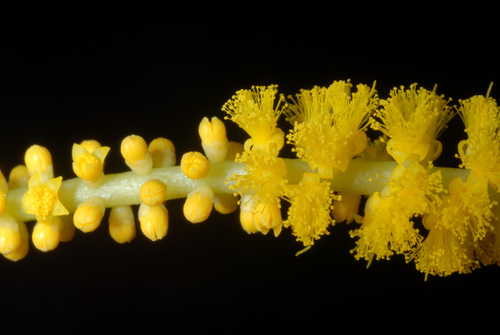
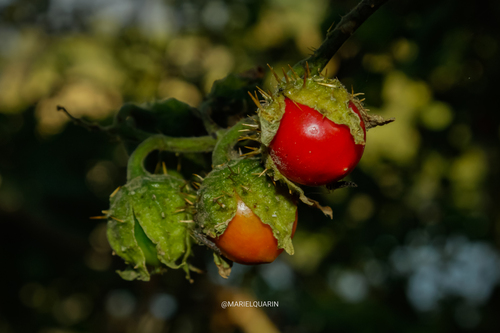

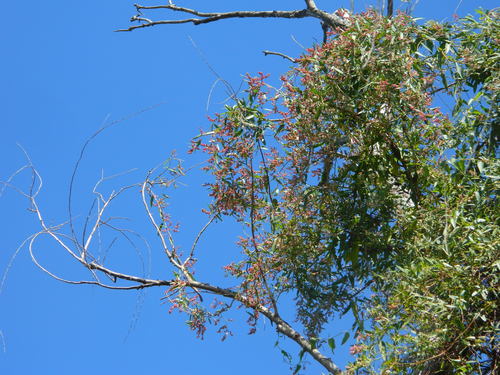
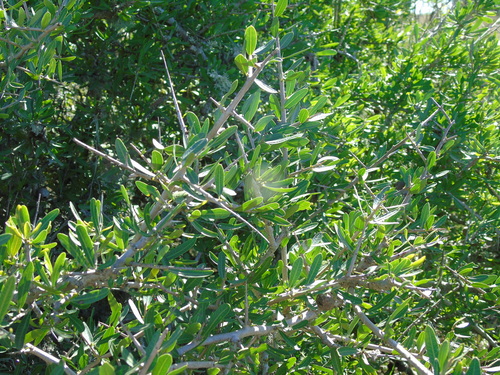
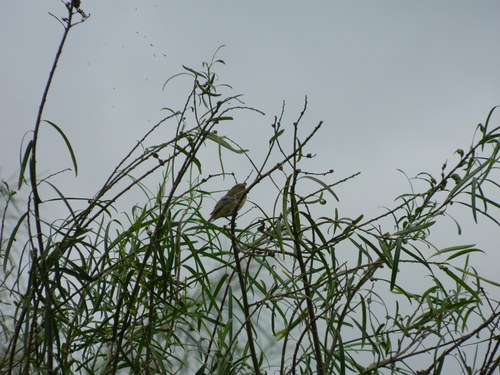
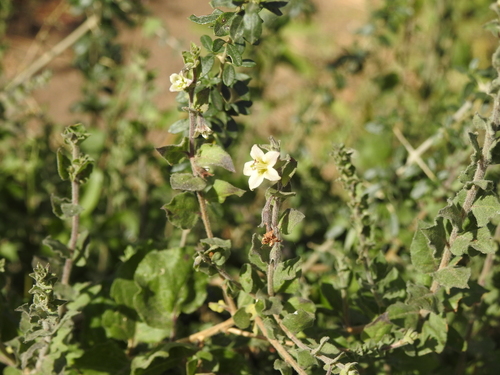
Records from studies worldwide, collected by GloBI. They include animals eaten as carrion, and they are not everything it eats in one place.
Where people see the saffron finch
People have shared 822,581 records from 27 countries.
Near a city: Asunción, Bogotá, Brasília, Buenos Aires, Caracas, Curitiba, Honolulu, Kingston, Lima, Medellín, Montevideo, Panama City, Port of Spain, Quito, Rio de Janeiro, São Paulo, Sucre.
Records show where people have seen it and shared it, not its full range. Country names open their page in Atlas.
When it is seen
Records per month in the southern hemisphere. More people outdoors also means more records.
Watch and listen
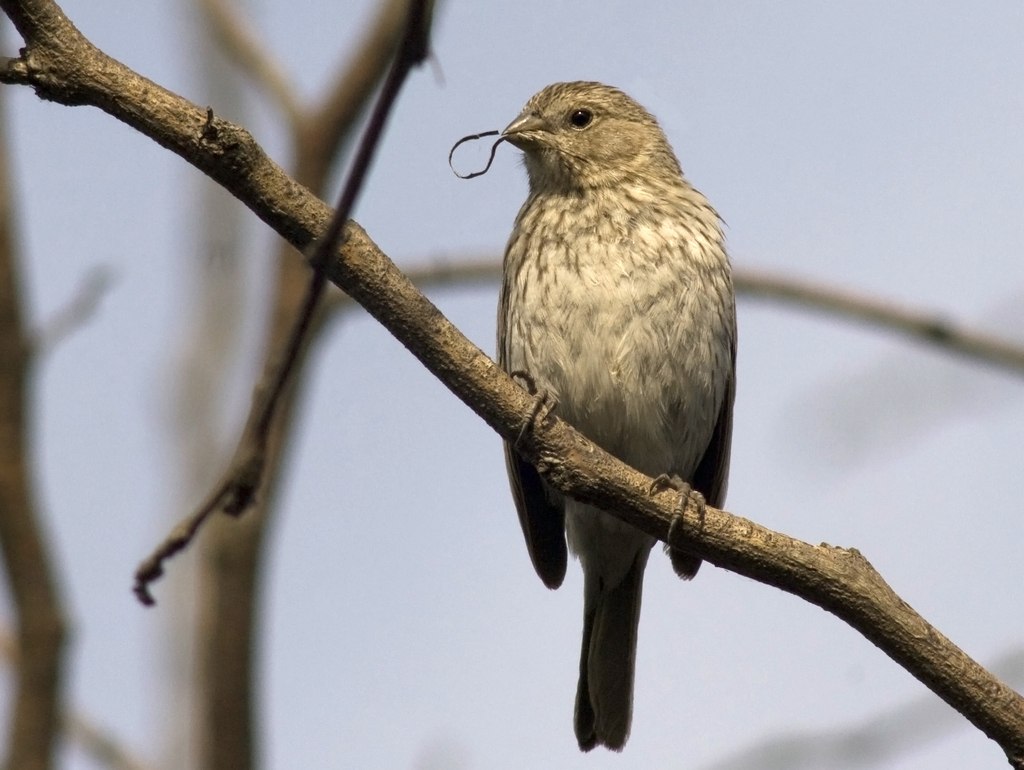
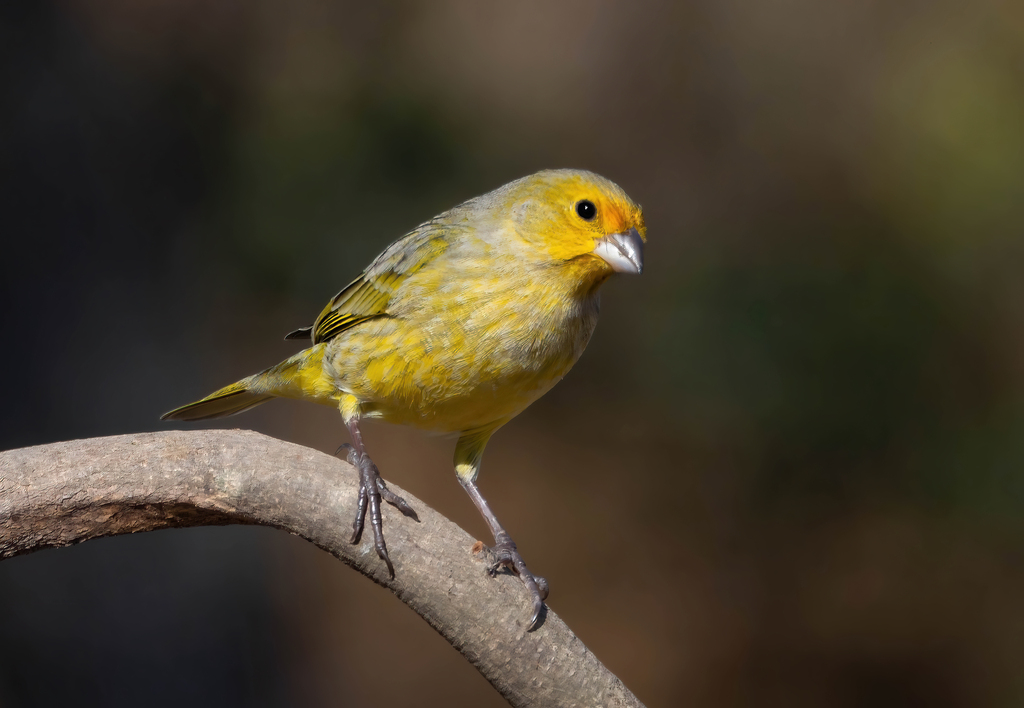
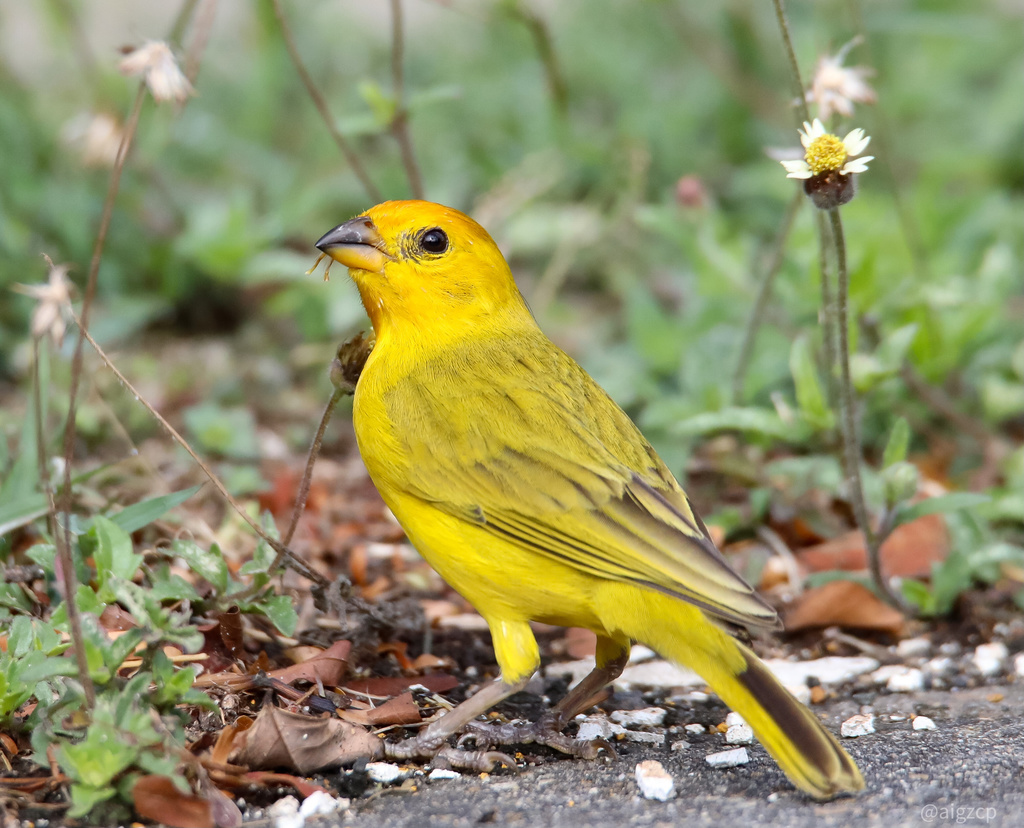
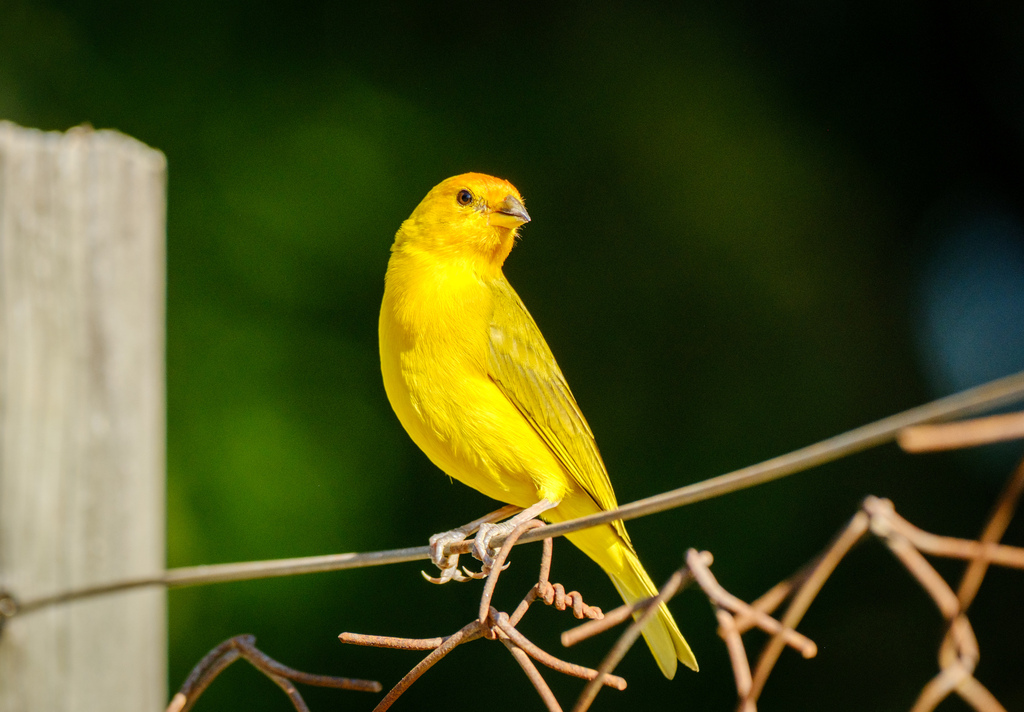
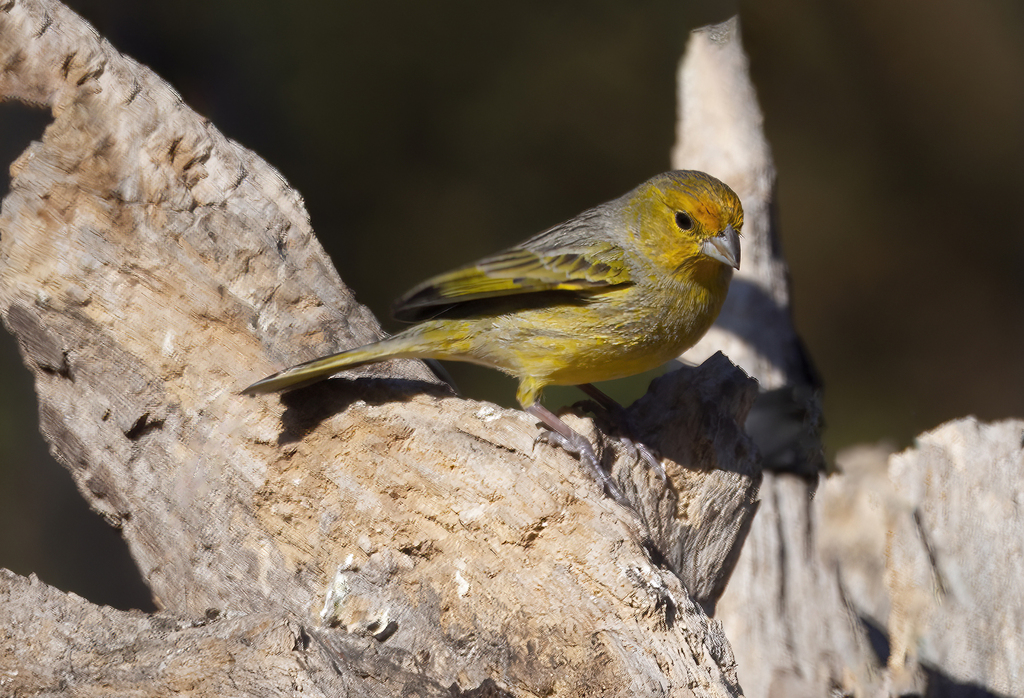
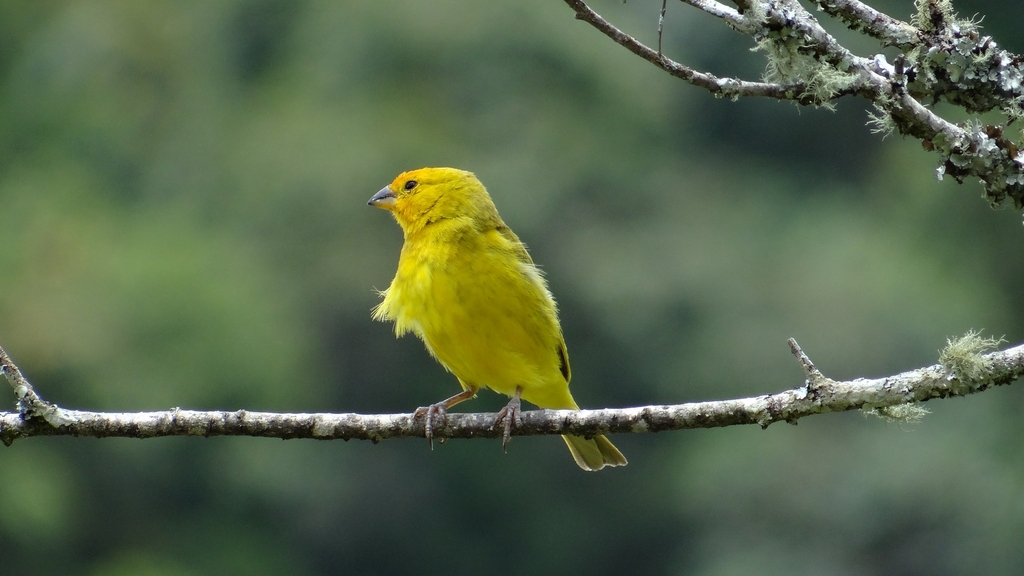
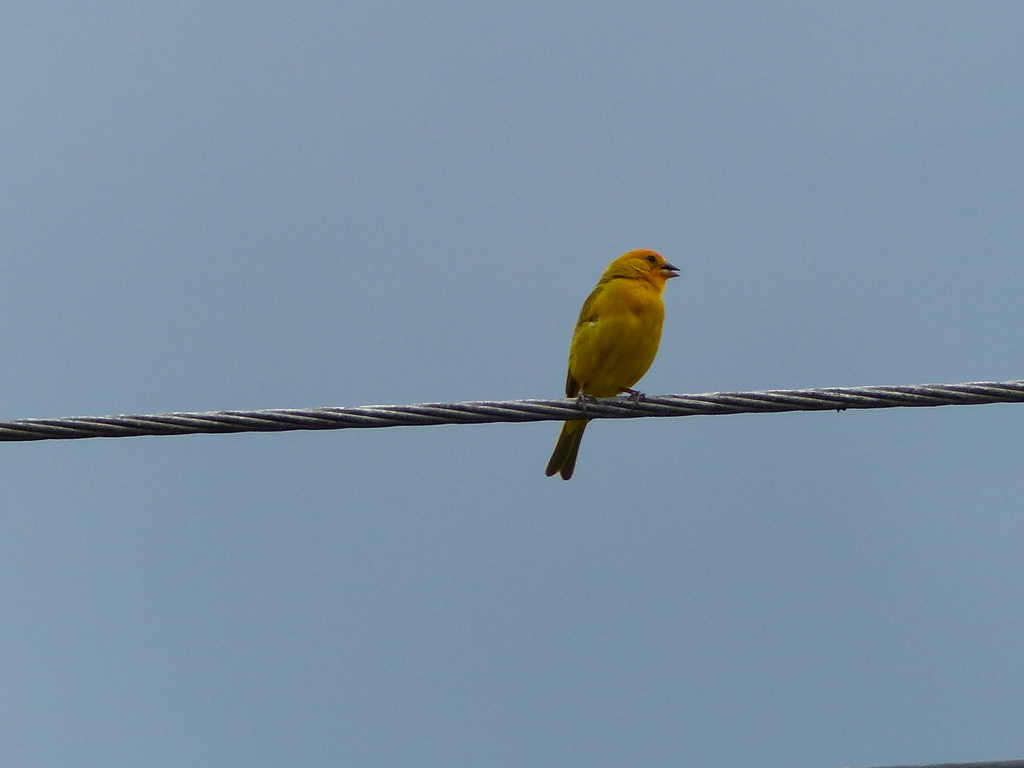
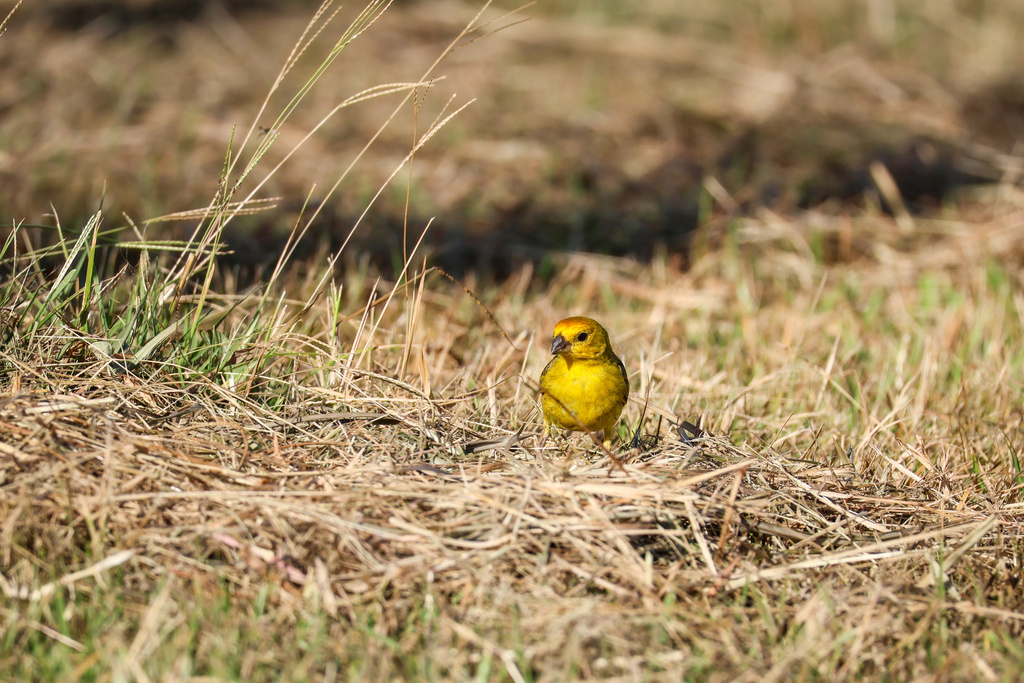
Its closest relatives
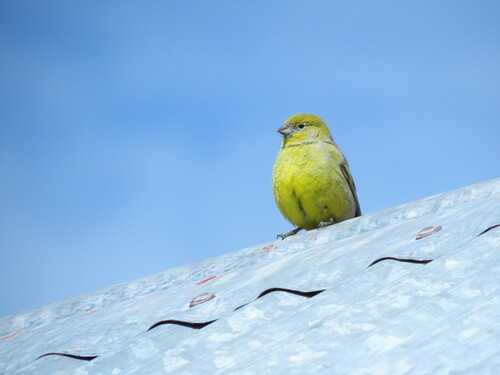
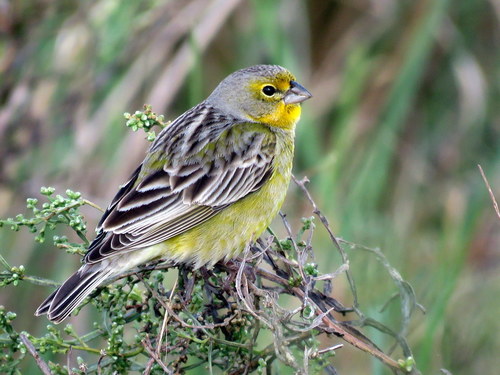
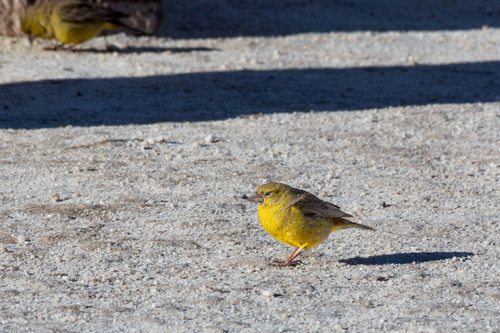
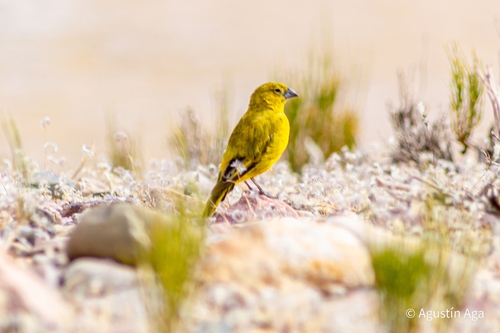
The other species of the genus Sicalis.

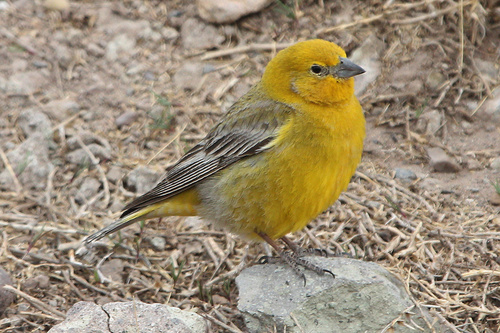

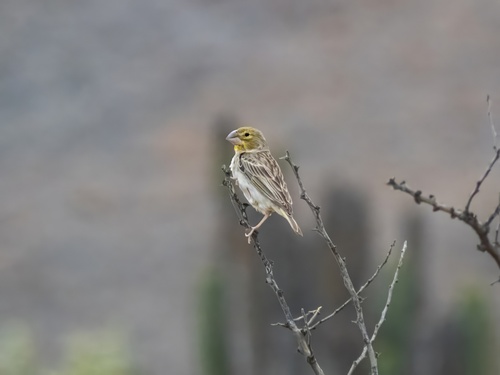
Seen a saffron finch?
Share your photo on iNaturalist. Other naturalists help confirm it, and the record goes to GBIF, where scientists use it and where the maps on this page come from.
Put this species on your site
The card names every source and links back here.
<iframe src="https://4planetatlas.com/place/embed/species/saffron-finch" title="Saffron finch (Sicalis flaveola), 4PLANET Species" width="100%" height="600" style="border:0;max-width:640px" loading="lazy"></iframe>
<p><a href="https://4species.com/saffron-finch">Saffron finch on 4PLANET Species</a></p>Questions people ask
What does the saffron finch eat?
The saffron finch has been recorded eating 17 different kinds of animals and plants, most of them plants. The ones recorded most often are white mulberry, weeping fig, blue passionflower, johnson grass and red spiderling; records include animals eaten as carrion. Source: GloBI.
What eats the saffron finch?
Recorded predators include guira cuckoo and zone-tailed hawk. Source: GloBI.
Where does the saffron finch live?
People have recorded it in 27 countries; the most records come from Brazil, Colombia, Argentina, Venezuela and United States. Records show where people have seen it, not its full range.
When is the saffron finch seen most?
In the southern hemisphere, the most records are made in October and the fewest in April. More people outdoors also means more records.
What are the saffron finch's closest relatives?
It shares the genus Sicalis with orange-fronted yellow finch, patagonian yellow finch, grassland yellow finch, bright-rumped yellow finch and puna yellow finch.
Sources and photo credits
- GBIF · Sicalis flaveola, 822,581 human observations
- GloBI · recorded interactions of Sicalis flaveola
- Wikidata · Saffron finch (Q1064372)
- Saffron finch (Sicalis flaveola): Alejandro Bayer Tamayo, CC BY-SA 4.0
- Saffron finch (Sicalis flaveola): Nicolas Olejnik, CC BY 4.0
- Saffron finch (Sicalis flaveola): Gabriel Brachetti, CC BY 4.0
- Saffron finch (Sicalis flaveola): Aitor, CC BY 4.0
- Saffron finch (Sicalis flaveola), Barra Velha, Ilhabela - SP, 11630-000, Brazil: Jer Clarke, CC BY 4.0
- Saffron finch (Sicalis flaveola), Laguna Mar Chiquita, Argentina: Gabriel Brachetti, CC BY 4.0
- Saffron finch (Sicalis flaveola), Bocaina de Minas, MG, Brasil: Lucas Lopes, CC BY 4.0
- Saffron finch (Sicalis flaveola), Av. Ernesto Diederichsen, 2962 - Vila Matilde, Campos do Jordão - SP, 12460-000, Brasil: Helio Lourencini, CC BY 4.0
- Saffron finch (Sicalis flaveola), Praca Jornalista Orlando Loureiro, Porto Alegre, RS, BR: Luciano Silveira, CC BY-SA 4.0
- White mulberry: no rights reserved, uploaded by 葉子, CC0
- Weeping fig: no rights reserved, uploaded by 葉子, CC0
- Blue passionflower: Stephen Thorpe, CC BY 4.0
- Johnson grass: Harry Rose, CC BY 4.0
- Red spiderling: no rights reserved, uploaded by 葉子, CC0
- Earleaf acacia: Douglas Goldman, CC BY-SA 4.0
- Red buffalo-bur: Lourdes Mariel Quarin, CC BY 4.0
- Cock's eggs: Alice Shanks, CC BY 4.0
- Muehlenbeckia sagittifolia: Eduardo Luis Beltrocco, CC BY 4.0
- Longleaf peppertree: Daniel Dias, CC BY-SA 4.0
- Sapium haematospermum: Eduardo Luis Beltrocco, CC BY 4.0
- Lycium ciliatum: Eduardo Luis Beltrocco, CC BY 4.0
- Guira cuckoo: Nicolas Olejnik, CC BY 4.0
- Zone-tailed hawk: Brooke J., CC BY 4.0
- Orange-fronted yellow finch: Zemlinki!, CC BY 4.0
- Patagonian yellow finch: no rights reserved, uploaded by Federico Muñoz, CC0
- Grassland yellow finch: no rights reserved, uploaded by Diego Carús, CC0
- Bright-rumped yellow finch: João D'Andretta, CC BY 4.0
- Puna yellow finch: Agustin Aga, CC BY 4.0
- Greater yellow finch: Jan Ebr & Ivana Ebrová, CC BY 4.0
- Stripe-tailed yellow finch: Hector Bottai, CC BY-SA 4.0
- Sulphur-throated finch: Martin Vallejos, CC BY 4.0
Records show where people have seen and shared the saffron finch, not its full range, and some countries and months are recorded far more than others. The food web lists interactions that studies have recorded somewhere in the world (GloBI), not everything it eats in one place.
Checked 2026-11-27.