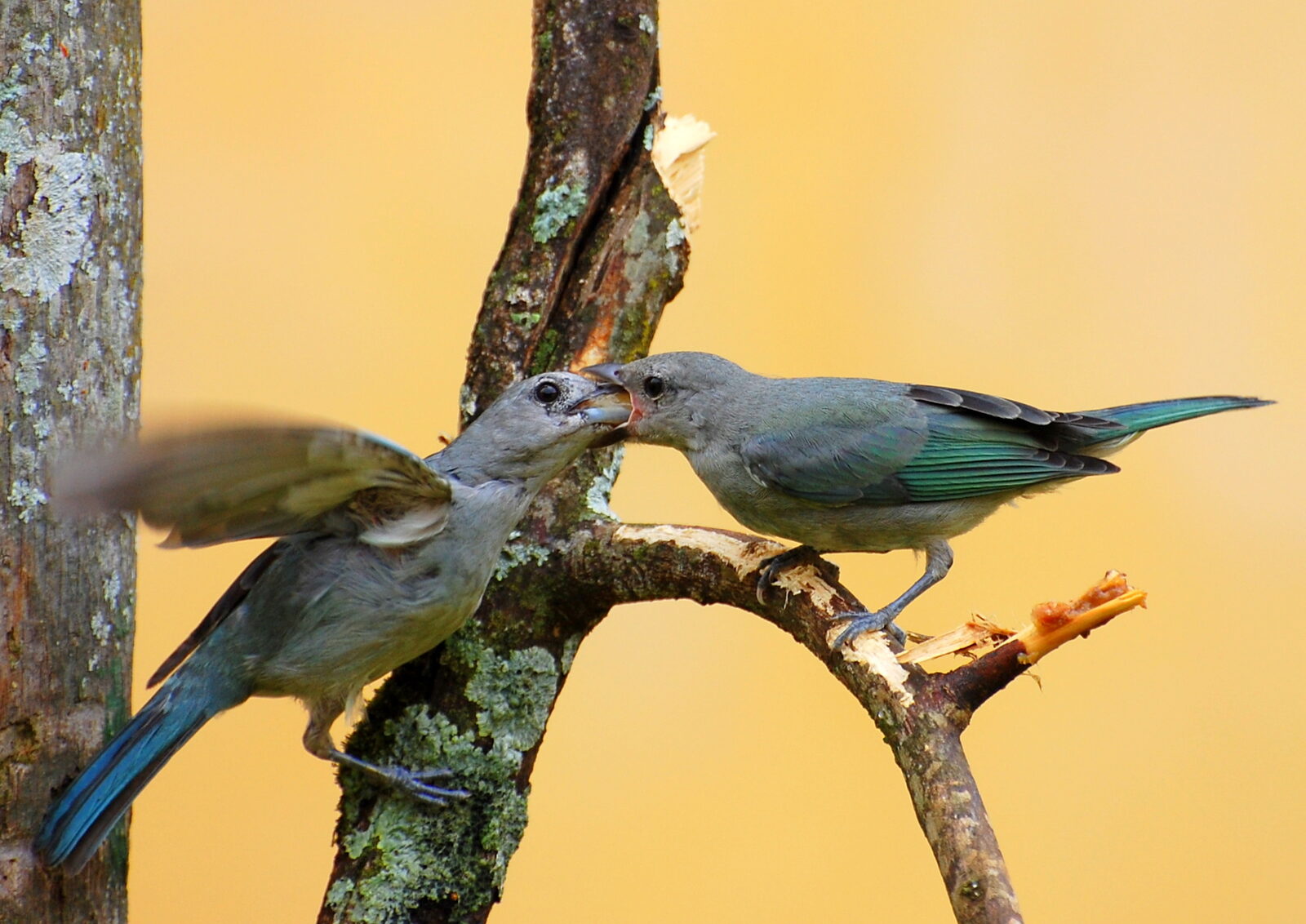
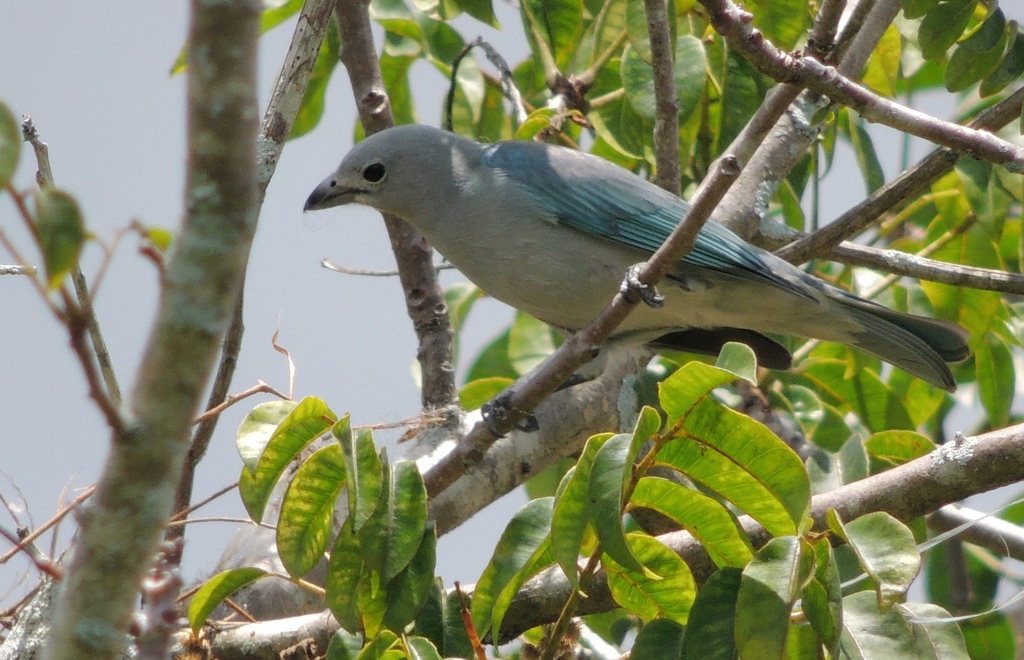
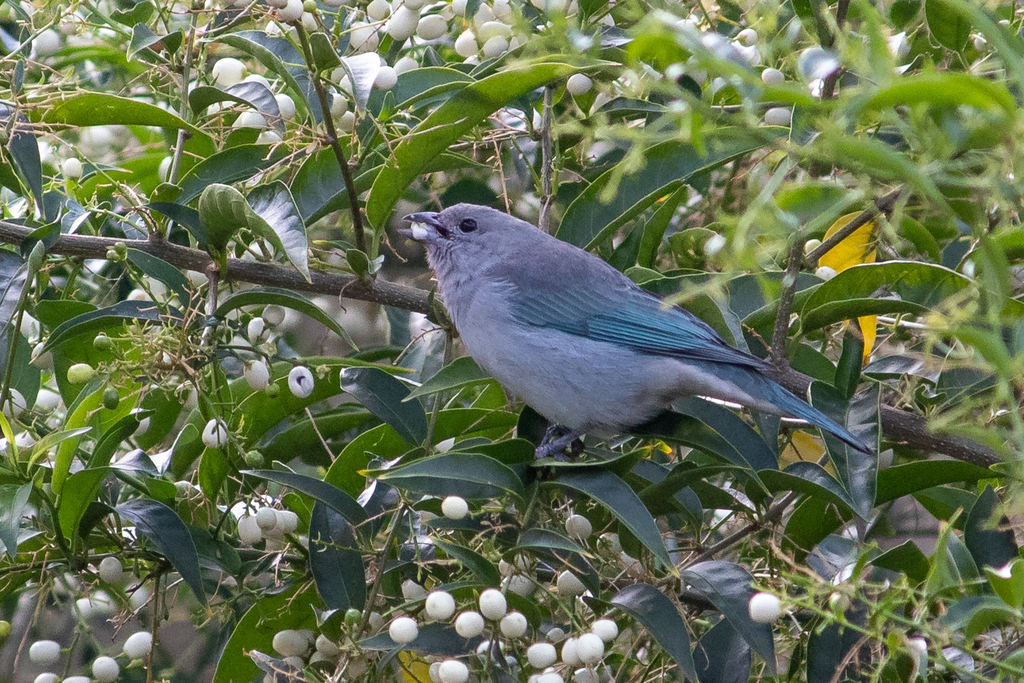
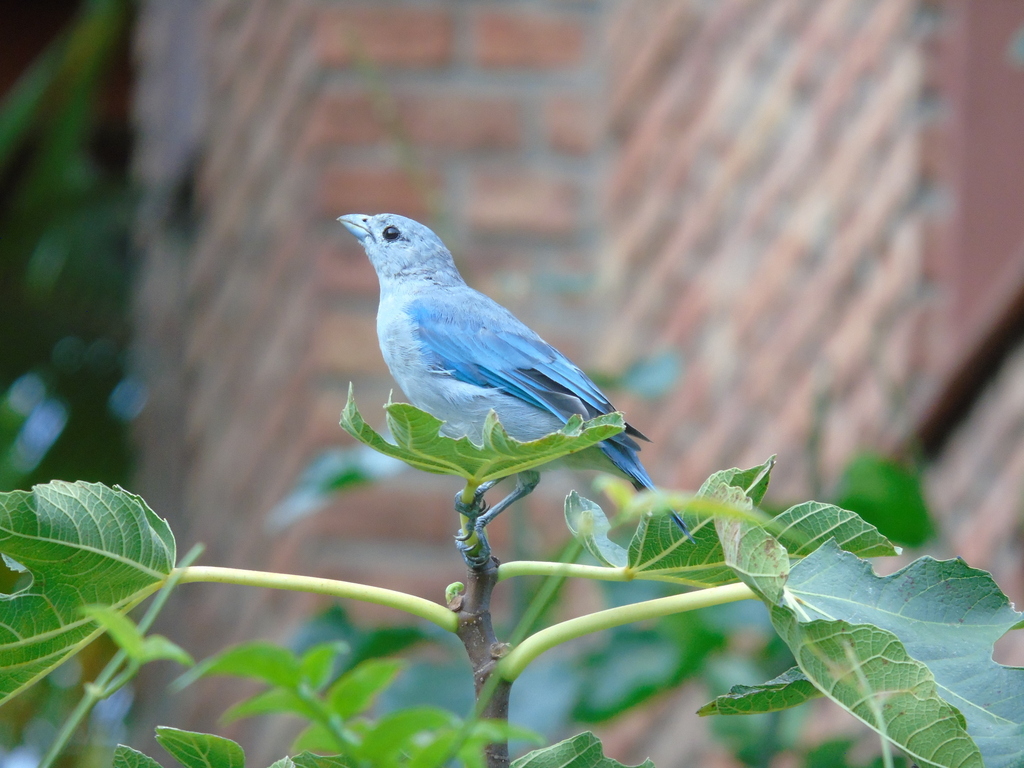
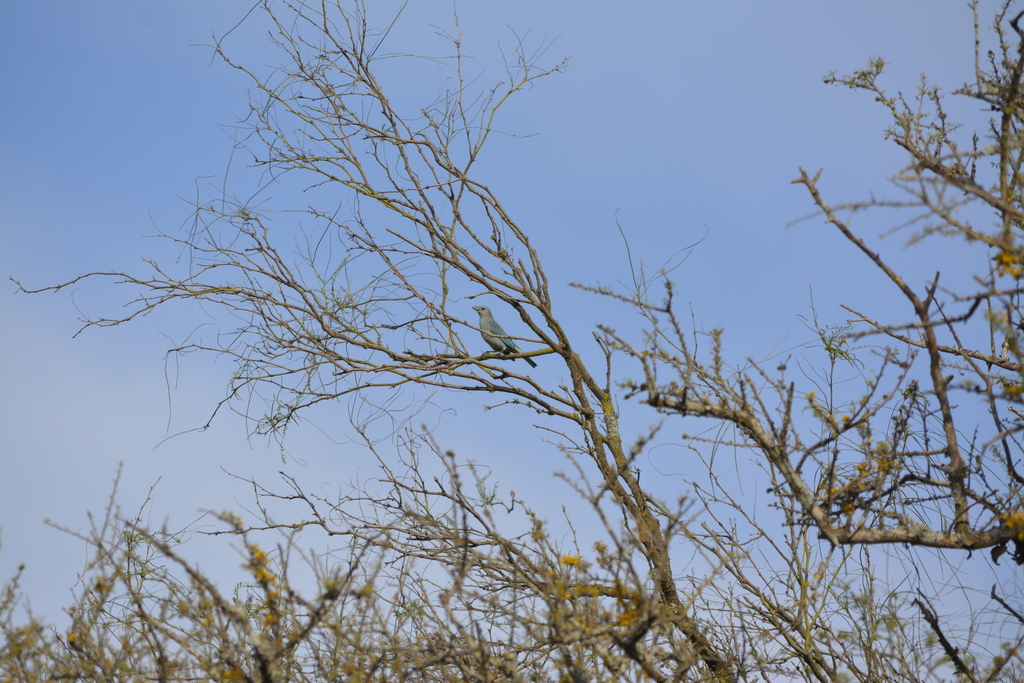
Sayaca tanager
Thraupis sayaca
- Status
- IUCN Red List
- Eats
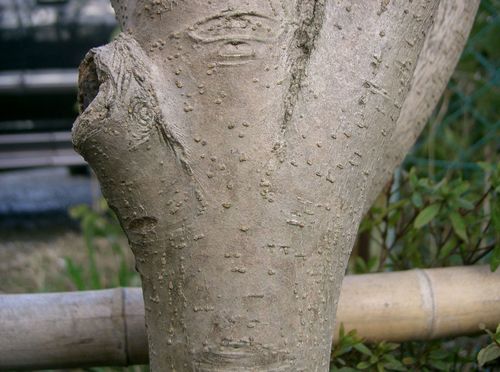
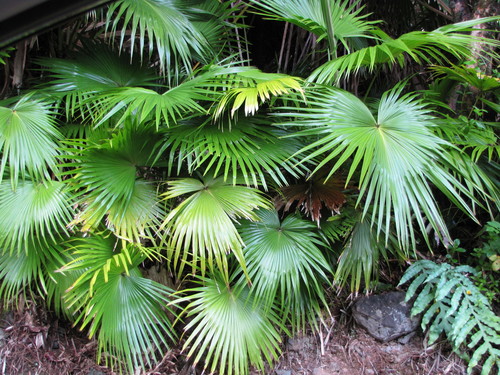
- glossy privet, Chinese fan palm, Japanese privet and 540 more
- Eaten by
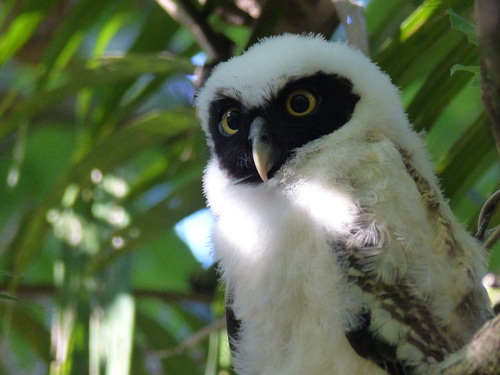
- spectacled owl
- Where
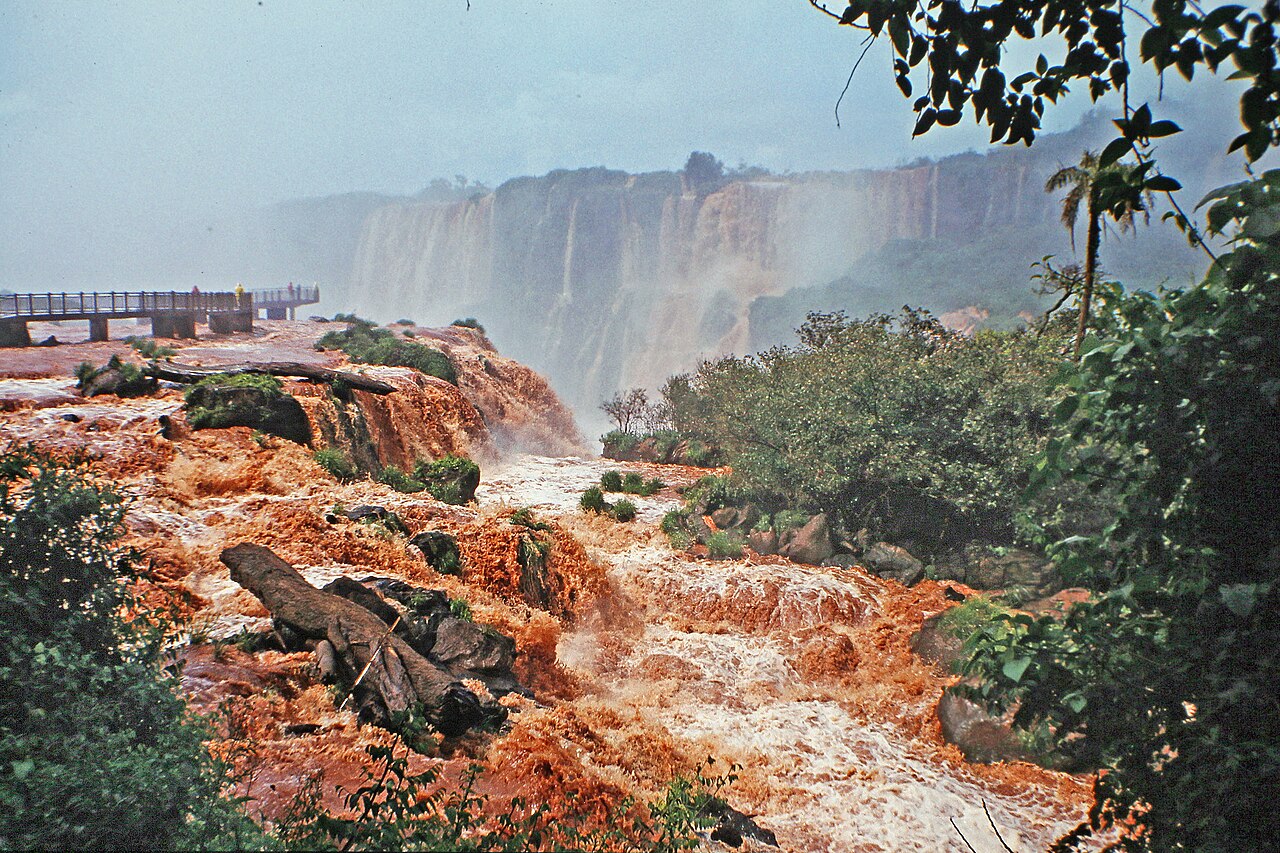
- 7 countries · iguazú Falls
On 4Planet Atlas it is among the wildlife people record most around Asunción, Brasília and Buenos Aires, and 5 more of the cities we cover.
People have shared 468,195 records of the sayaca tanager with GBIF, from 7 countries, most of them from Brazil, Argentina and Paraguay. Records collected by GloBI show it eating 543 different kinds of animals and plants, and being eaten by 2.
Habitats
What the sayaca tanager eats, and what eats it
Studies have recorded it eating 543 kinds of animals and plants, and 2 kinds of animals eating it. Tap any of them to follow the food chain.
- Plants 520
Eaten by
 Sayaca tanager
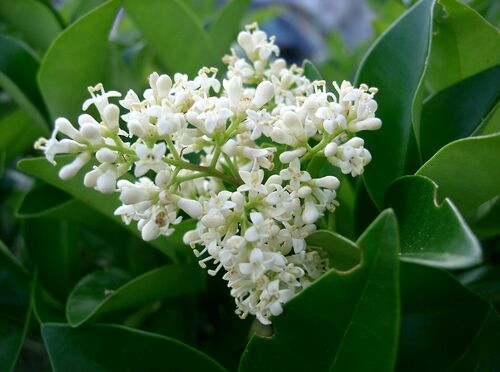
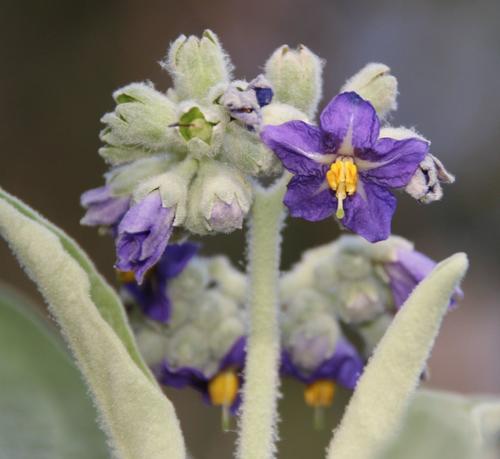
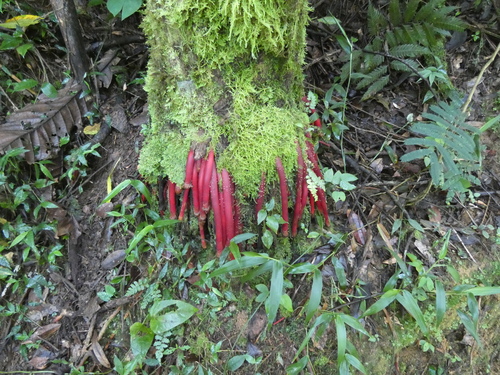
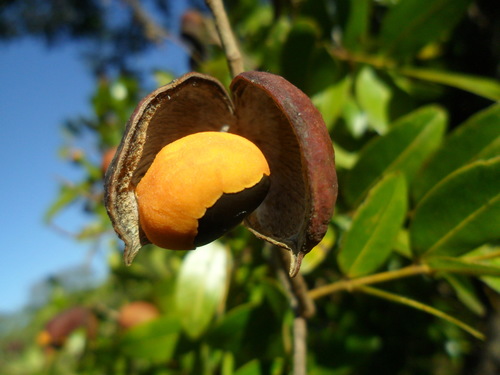
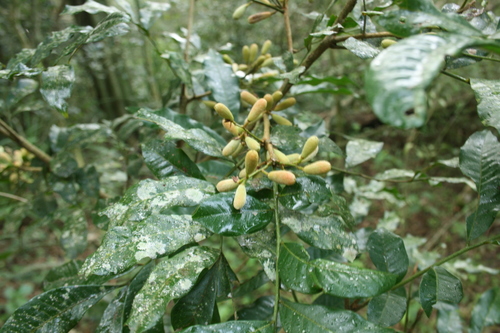
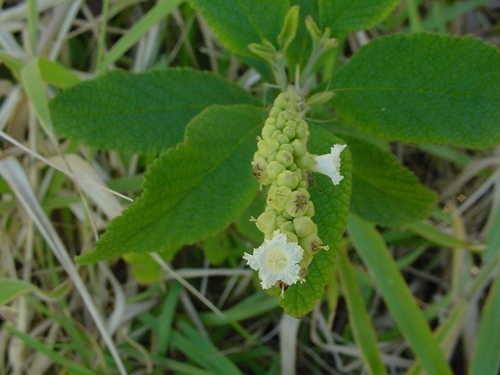
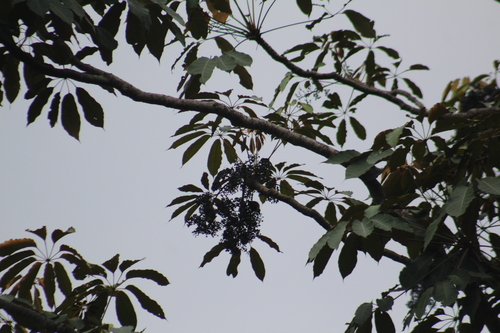
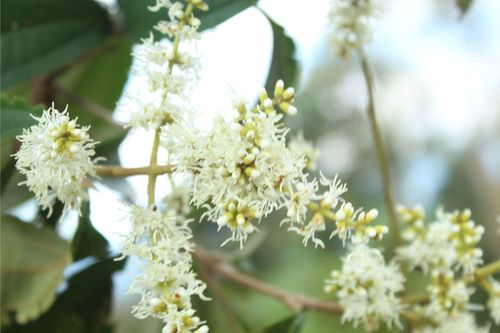
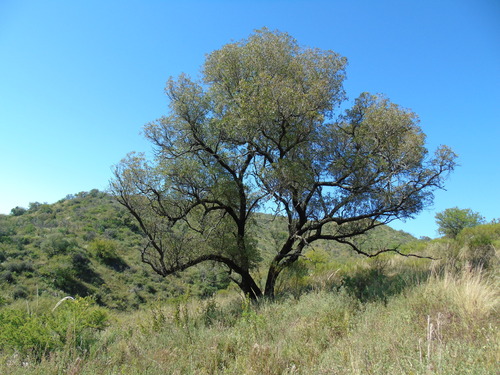
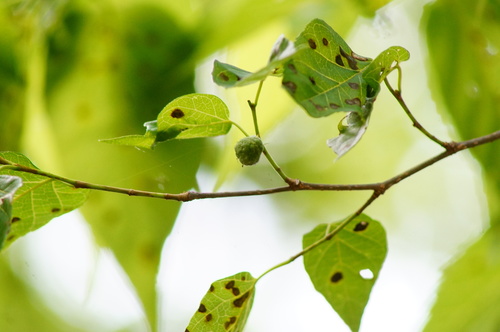
Records from studies worldwide, collected by GloBI. They include animals eaten as carrion, and they are not everything it eats in one place.
Where people see the sayaca tanager
People have shared 468,195 records from 7 countries.
Near a city: Asunción, Brasília, Buenos Aires, La Paz, Montevideo, Rio de Janeiro, São Paulo, Sucre.
Records show where people have seen it and shared it, not its full range. Country names open their page in Atlas.
When it is seen
Records per month in the southern hemisphere. More people outdoors also means more records.
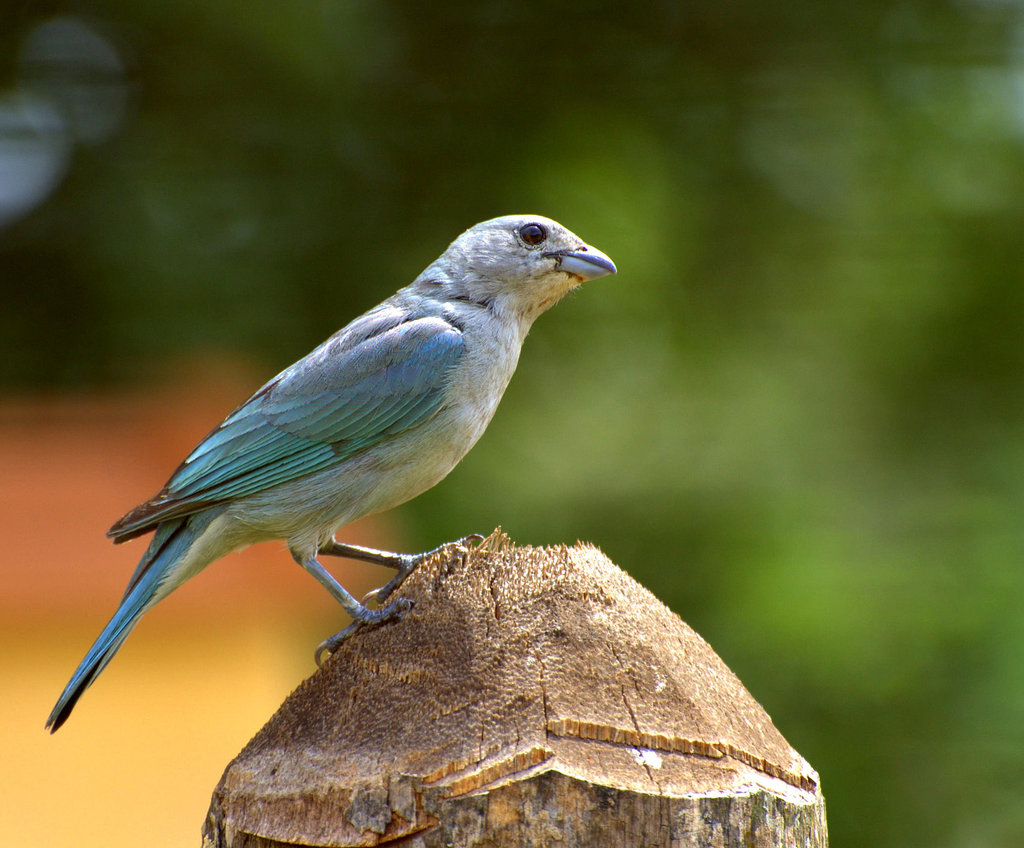
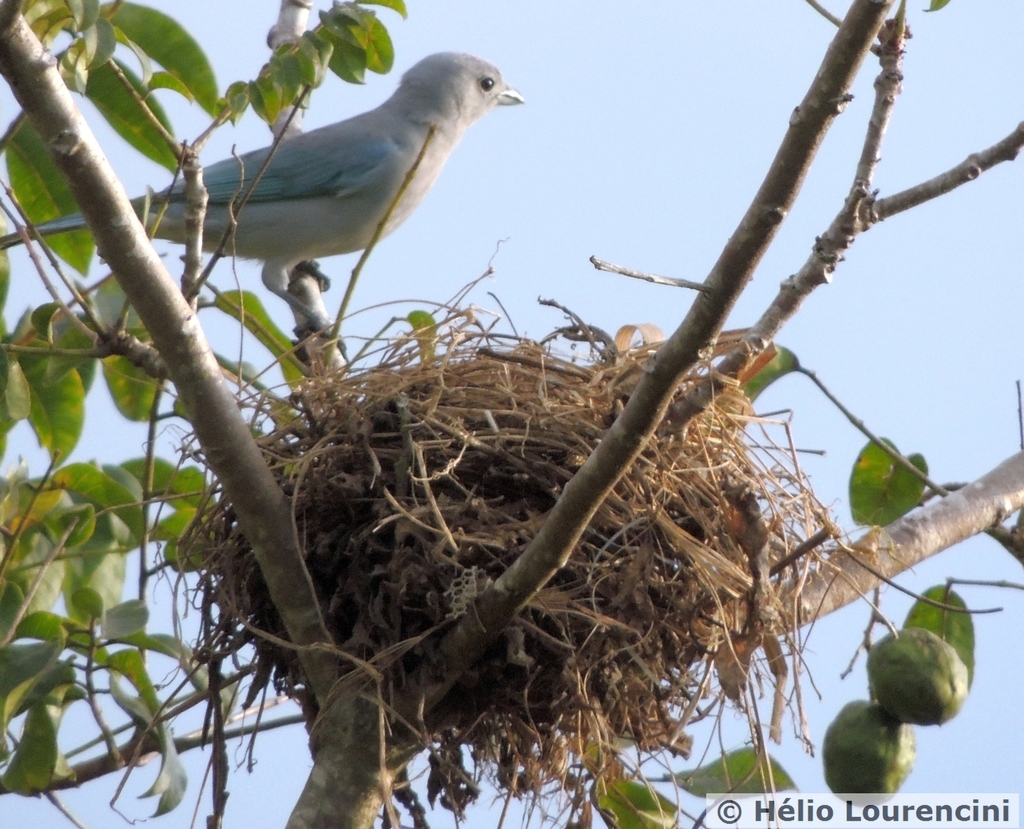
Watch and listen
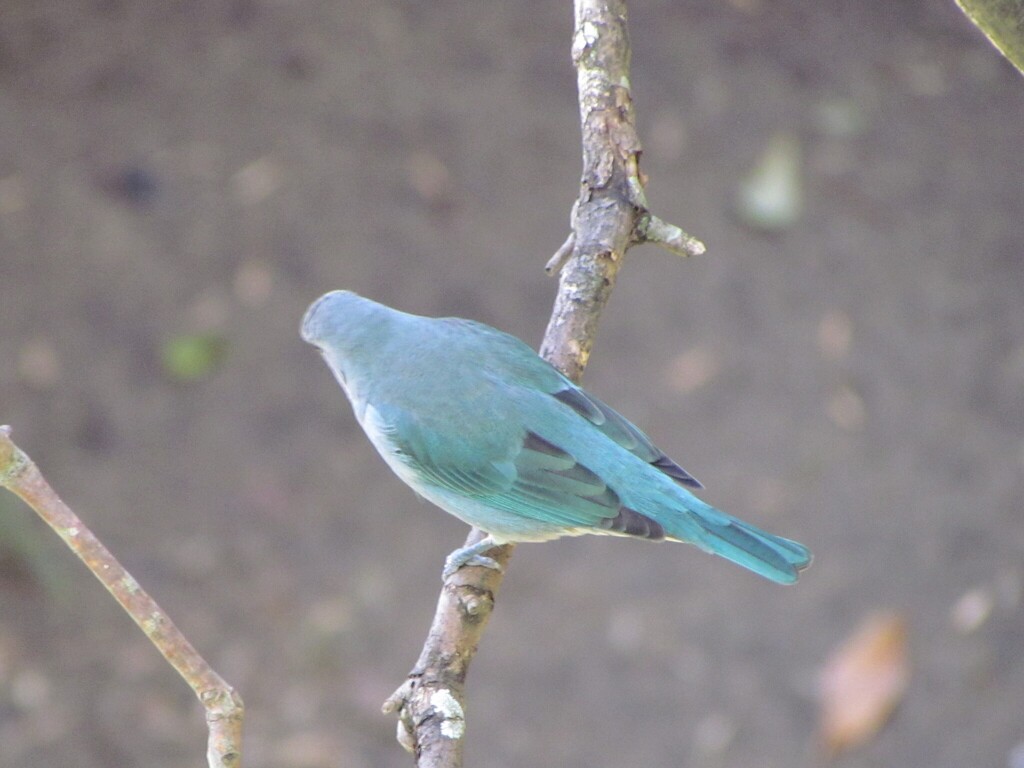
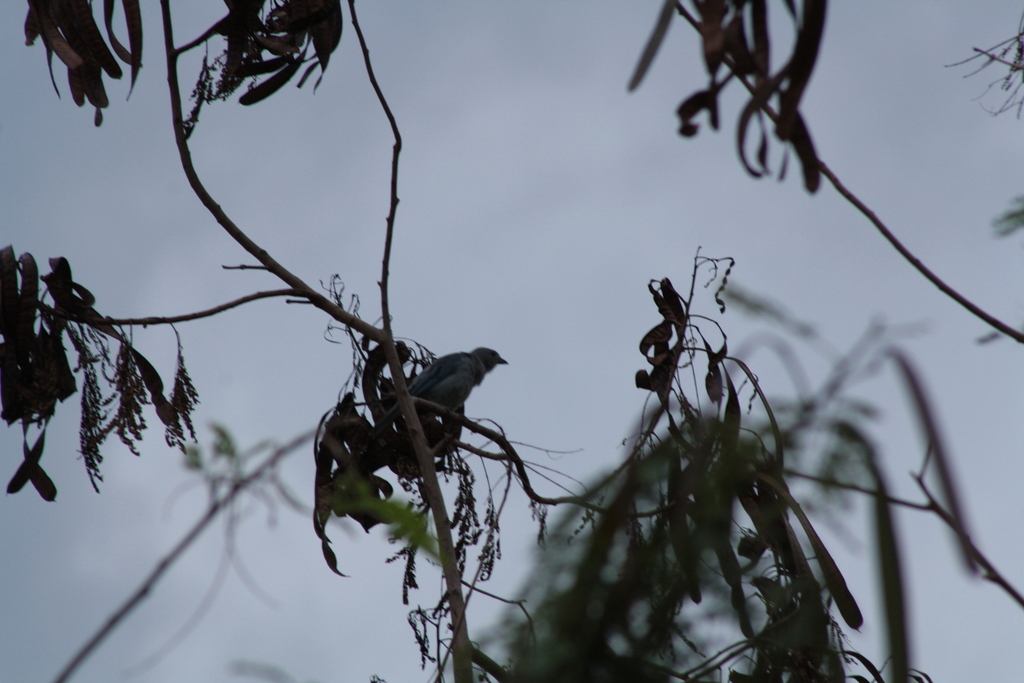
Its closest relatives
The other species of the genus Thraupis.
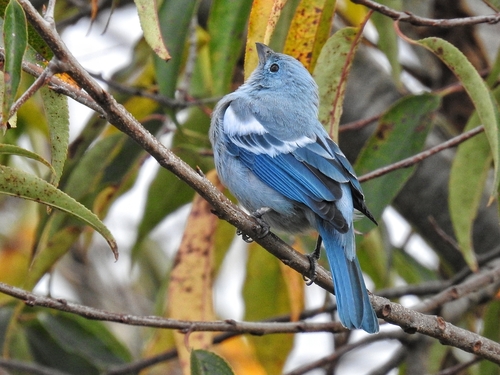
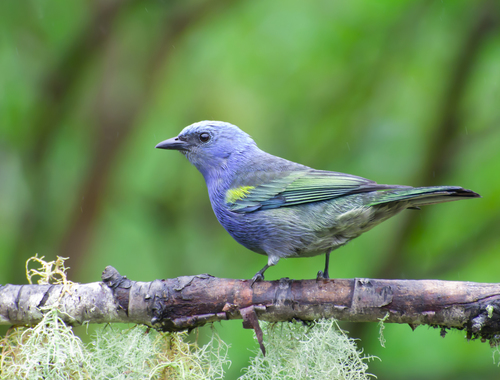
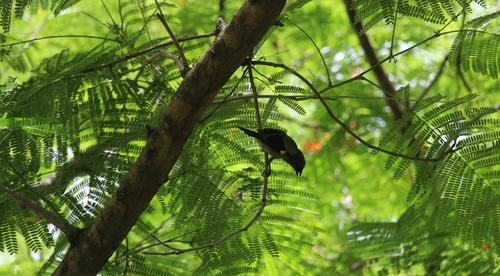
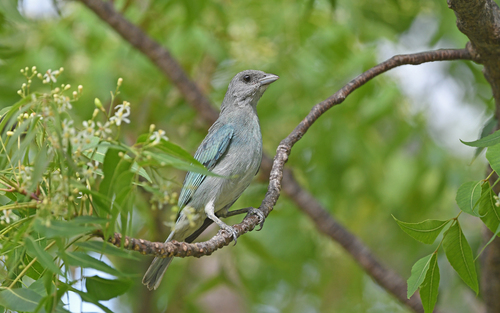
Seen a sayaca tanager?
Share your photo on iNaturalist. Other naturalists help confirm it, and the record goes to GBIF, where scientists use it and where the maps on this page come from.
Put this species on your site
The card names every source and links back here.
<iframe src="https://4planetatlas.com/place/embed/species/sayaca-tanager" title="Sayaca tanager (Thraupis sayaca), 4PLANET Species" width="100%" height="600" style="border:0;max-width:640px" loading="lazy"></iframe>
<p><a href="https://4species.com/sayaca-tanager">Sayaca tanager on 4PLANET Species</a></p>Explore next
What puts the sayaca tanager under pressure, what helps, and who works on it.
Questions people ask
What does the sayaca tanager eat?
The sayaca tanager has been recorded eating 543 different kinds of animals and plants, most of them plants. The ones recorded most often are glossy privet, chinese fan palm, japanese privet, earleaf nightshade and assai palm; records include animals eaten as carrion. Source: GloBI.
What eats the sayaca tanager?
Recorded predators include spectacled owl. Source: GloBI.
Where does the sayaca tanager live?
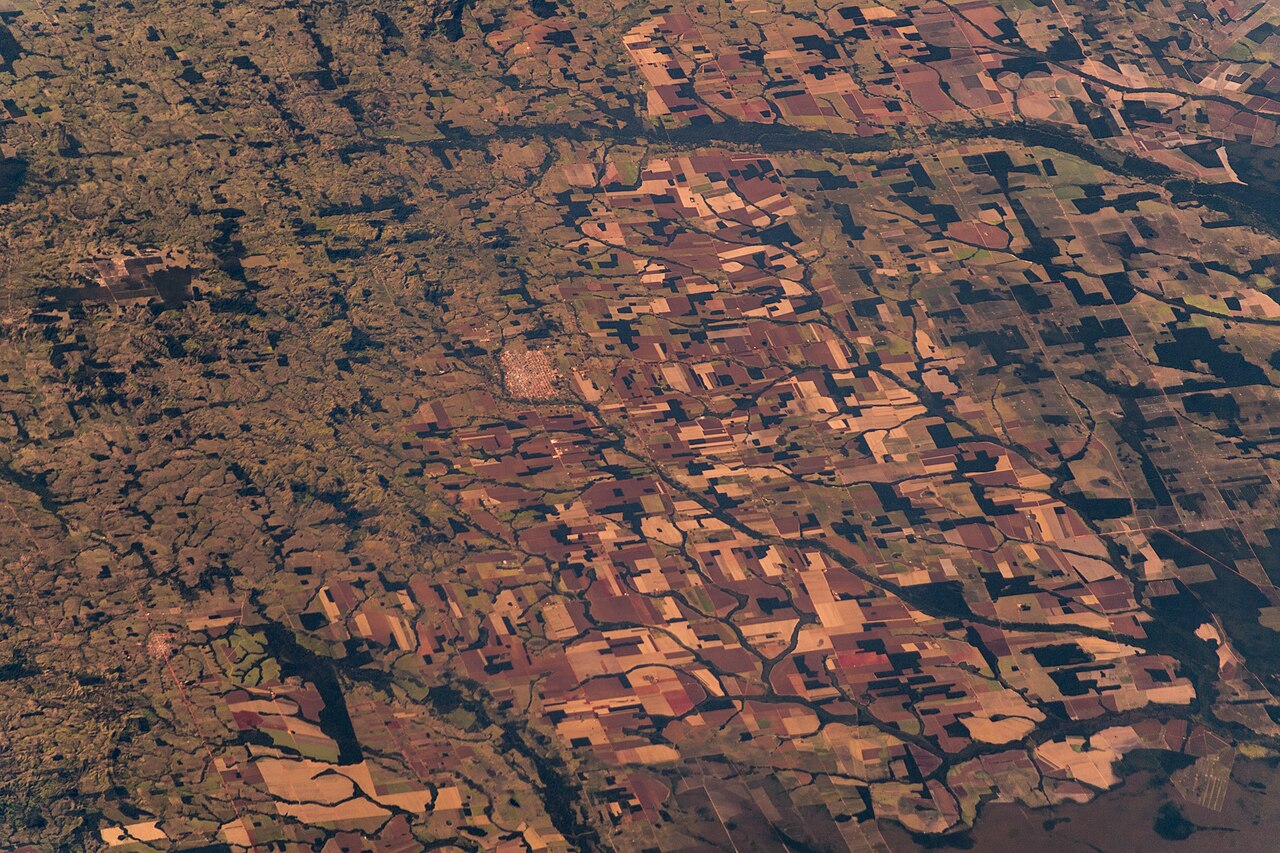
People have recorded it in 7 countries; the most records come from Brazil, Argentina, Paraguay, Bolivia and Uruguay. Records show where people have seen it, not its full range.
When is the sayaca tanager seen most?
In the southern hemisphere, the most records are made in October and the fewest in February. More people outdoors also means more records.
What are the sayaca tanager's closest relatives?
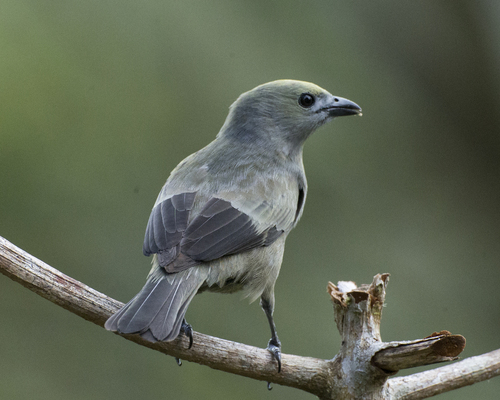
It shares the genus Thraupis with blue-grey tanager, golden-chevroned tanager, yellow-winged tanager, glaucous tanager and palm tanager.
Sources and photo credits
- GBIF · Thraupis sayaca, 468,195 human observations
- GloBI · recorded interactions of Thraupis sayaca
- Wikidata · Sayaca tanager (Q1588073)
- Sayaca tanager (Thraupis sayaca): Dario Sanches, CC BY-SA 4.0
- Sayaca tanager (Thraupis sayaca): Dario Sanches, CC BY-SA 4.0
- Sayaca tanager (Thraupis sayaca), Zona rural de Paudalho - Pernambuco: Helio Lourencini, CC BY 4.0
- Sayaca tanager (Thraupis sayaca), Zona rural de Paudalho - Pernambuco: Helio Lourencini, CC BY 4.0
- Sayaca tanager (Thraupis sayaca), Av. Romualdo Villani - Jardim Ipanema, São Carlos - SP, 13563-651: Arthur Bruck, CC BY 4.0
- Sayaca tanager (Thraupis sayaca), San Isidro, Provincia de Buenos Aires, Argentina: Lucila Trussi, CC BY 4.0
- Sayaca tanager (Thraupis sayaca), Las Colonias, Santa Fe, Argentina: María Zeta, CC BY 4.0
- Sayaca tanager (Thraupis sayaca), Vicente López, Buenos Aires Province, Argentina: Naelin, CC BY 4.0
- Sayaca tanager (Thraupis sayaca), Jardim Conceicao (Nova Veneza), Sumaré - SP, Brasil: Ronaldo Pedrão, CC BY 4.0
- Glossy privet: KENPEI, CC BY-SA 4.0
- Chinese fan palm: Forest and Kim Starr, CC BY 4.0
- Japanese privet: KENPEI, CC BY-SA 4.0
- Earleaf nightshade: Tony Rebelo, CC BY-SA 4.0
- Assai palm: agujaceratops, CC BY 4.0
- Langsdorf's copaifera: Márcia Martins, CC BY 4.0
- Trichilia catigua: Patricio Cowper Coles, CC BY 4.0
- Black-sage: Marcia Stefani, CC BY 4.0
- Matchwood: GERMAN LEONEL SARMIENTO CRUZ, CC BY 4.0
- Granadillo bobo: Andrés Ramírez-Barrera, CC BY 4.0
- Lithraea molleoides: Lucas Carbone, CC BY 4.0
- Old fustic: Carlos Domínguez-Rodríguez, CC BY 4.0
- Spectacled owl: Ariel Gallego, CC BY 4.0
- Blue-grey tanager: Esteban Poveda, CC BY 4.0
- Golden-chevroned tanager: Dario Sanches, CC BY-SA 4.0
- Yellow-winged tanager: Ricard Busquets Reverte, CC BY 4.0
- Glaucous tanager: Christoph Moning, CC BY 4.0
- Palm tanager: Lip Kee, CC BY-SA 4.0
Records show where people have seen and shared the sayaca tanager, not its full range, and some countries and months are recorded far more than others. The food web lists interactions that studies have recorded somewhere in the world (GloBI), not everything it eats in one place.
Checked 2026-11-22.