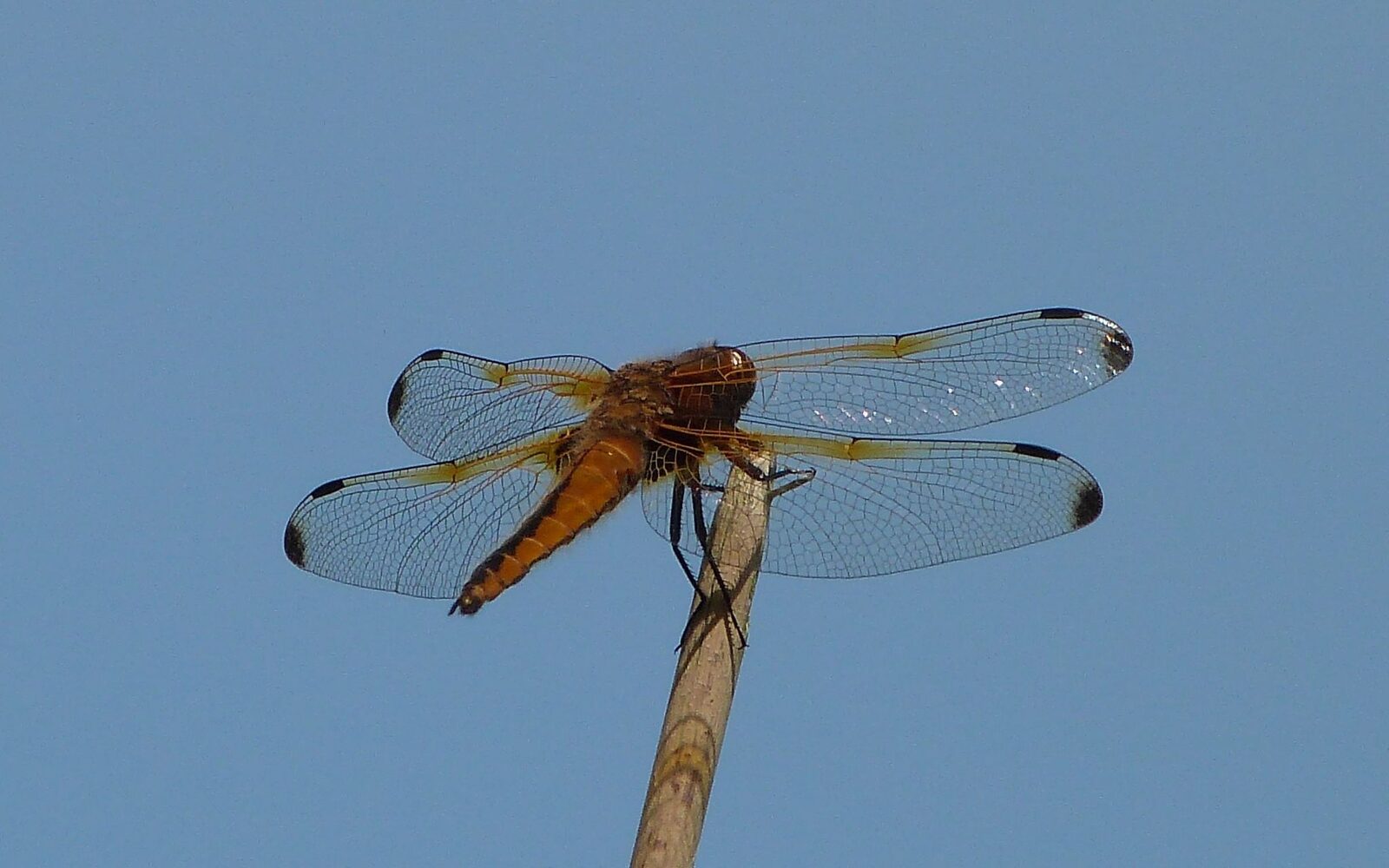
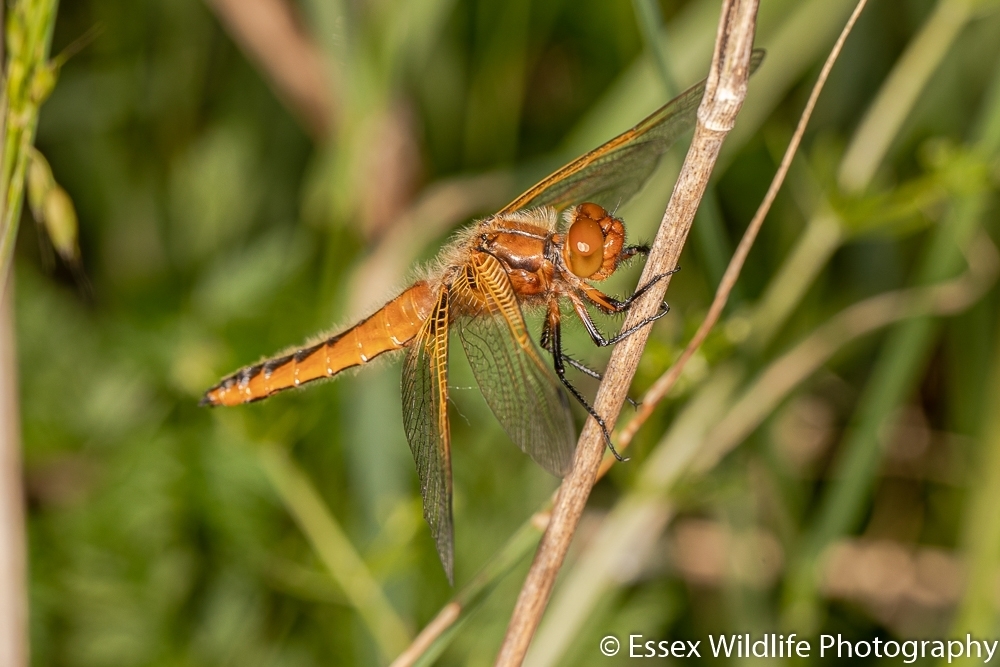
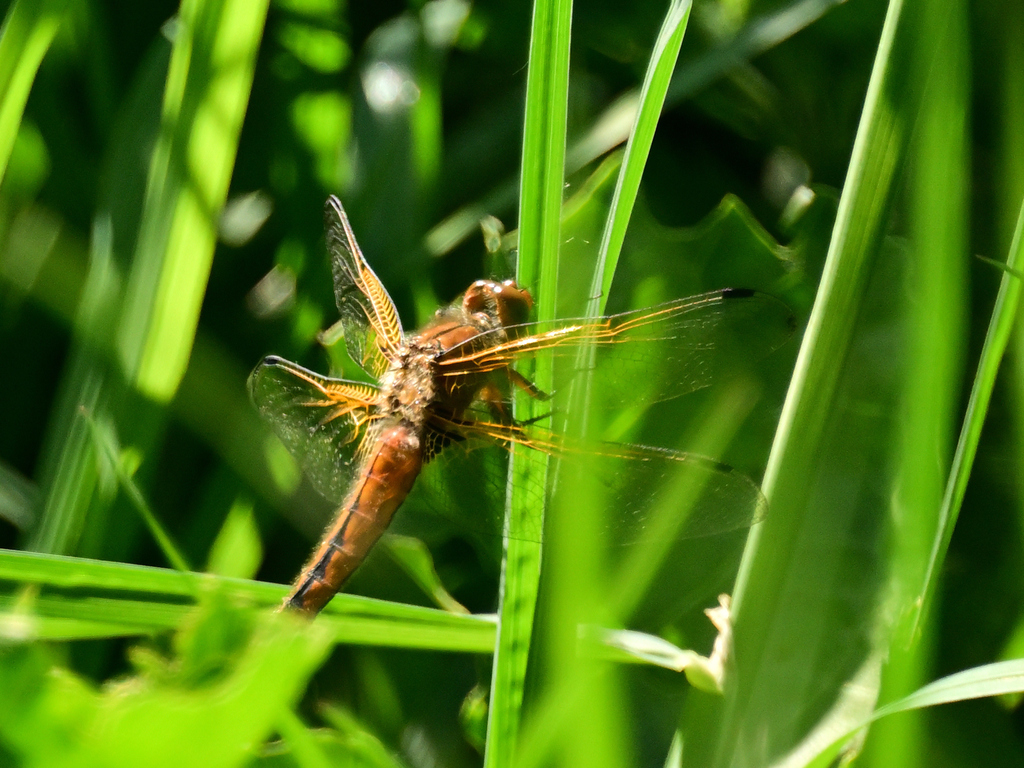
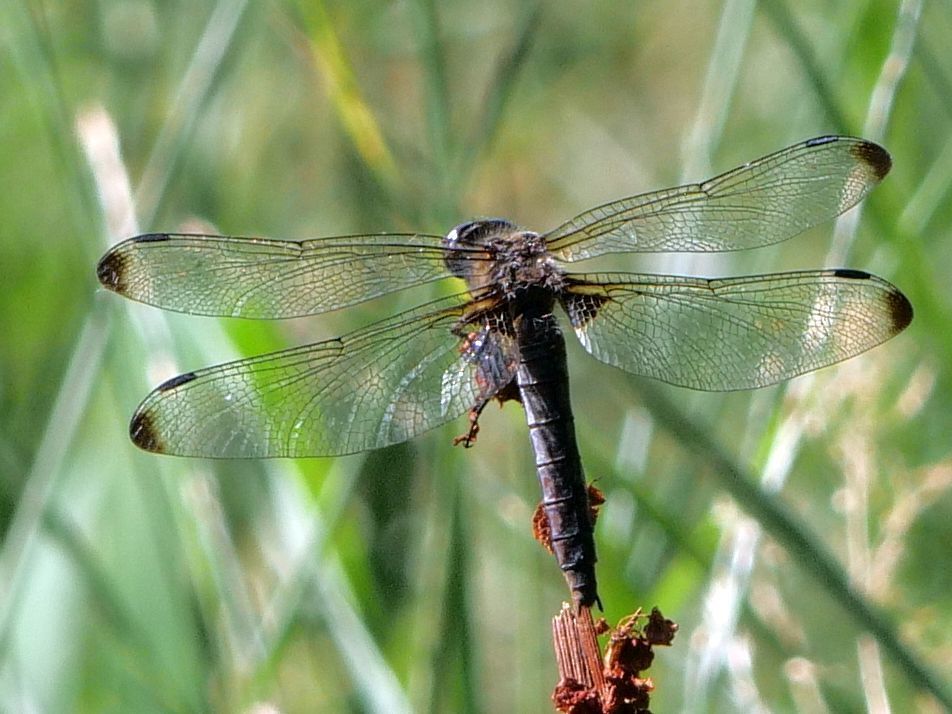
Scarce Chaser
Libellula fulva
- Status
- Least Concern IUCN Red List
- Eaten by
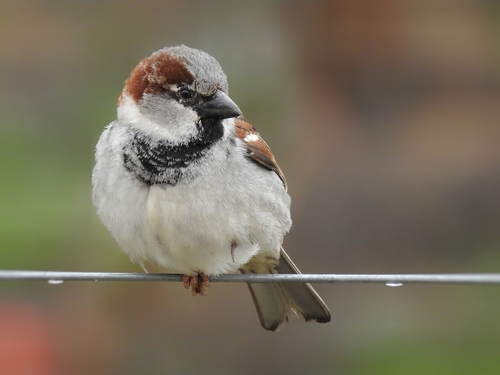
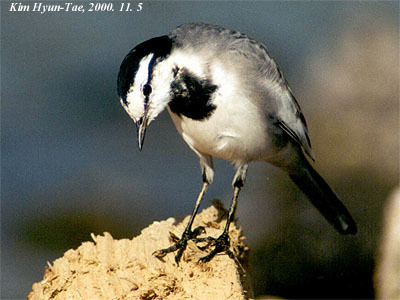
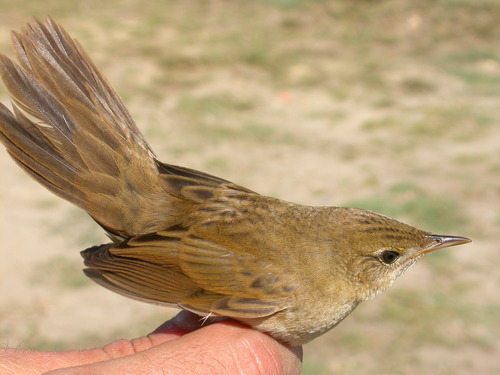
- house sparrow, white wagtail, Eurasian hobby
- Where
- 37 countries · plitvice Lakes National Park
On 4Planet Atlas it is among the wildlife people record most around Rostov-on-Don and Vilnius.
People have shared 11,225 records of the Scarce Chaser with GBIF, from 37 countries, most of them from France, Germany and Russia.
In the northern hemisphere, people record it most in June and least in December. It belongs to the genus Libellula in the family Libellulidae.
Habitats
What the scarce Chaser eats, and what eats it
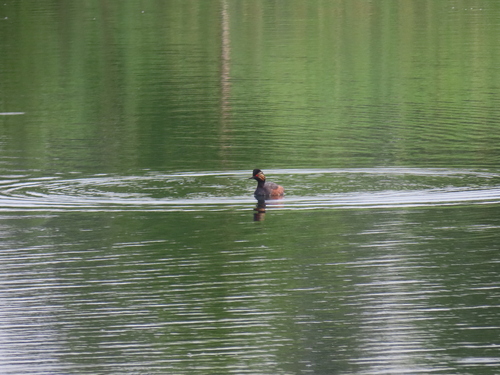
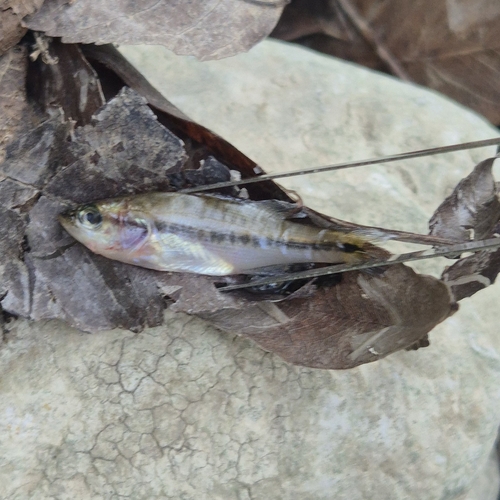
Studies have recorded it eating 0 kinds of animals and plants, and 8 kinds of animals eating it. Tap any of them to follow the food chain.
Eaten by

 Scarce Chaser
Records from studies worldwide, collected by GloBI. They include animals eaten as carrion, and they are not everything it eats in one place.
Where people see the scarce Chaser
People have shared 11,225 records from 37 countries.
Near a city: Rostov-on-Don, Vilnius.
Records show where people have seen it and shared it, not its full range. Country names open their page in Atlas.
When it is seen
Records per month in the northern hemisphere. More people outdoors also means more records.
Watch and listen
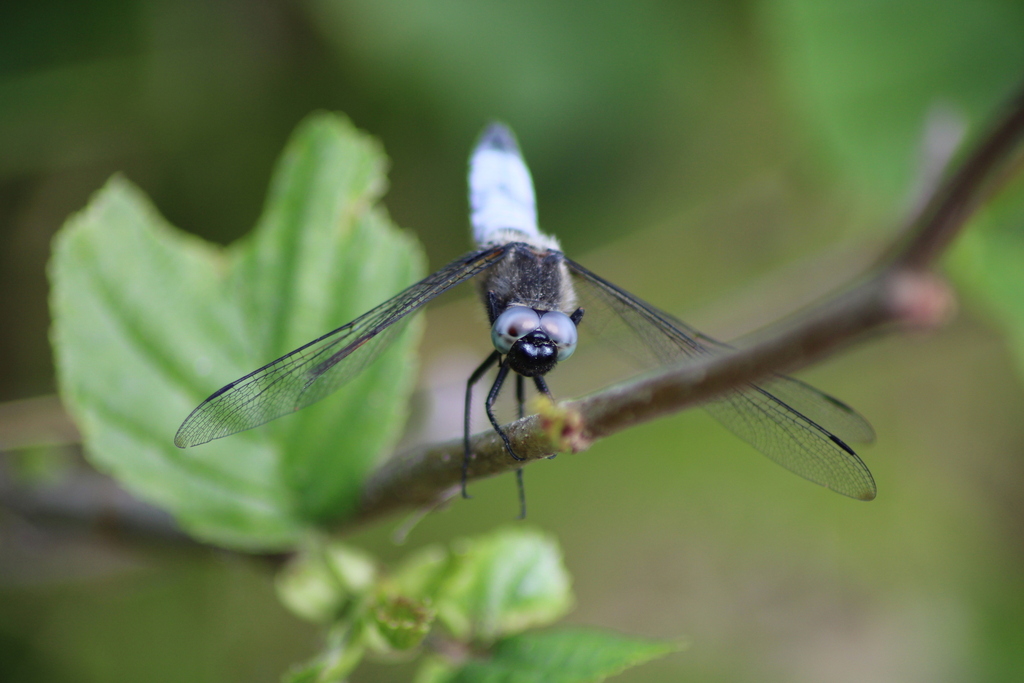
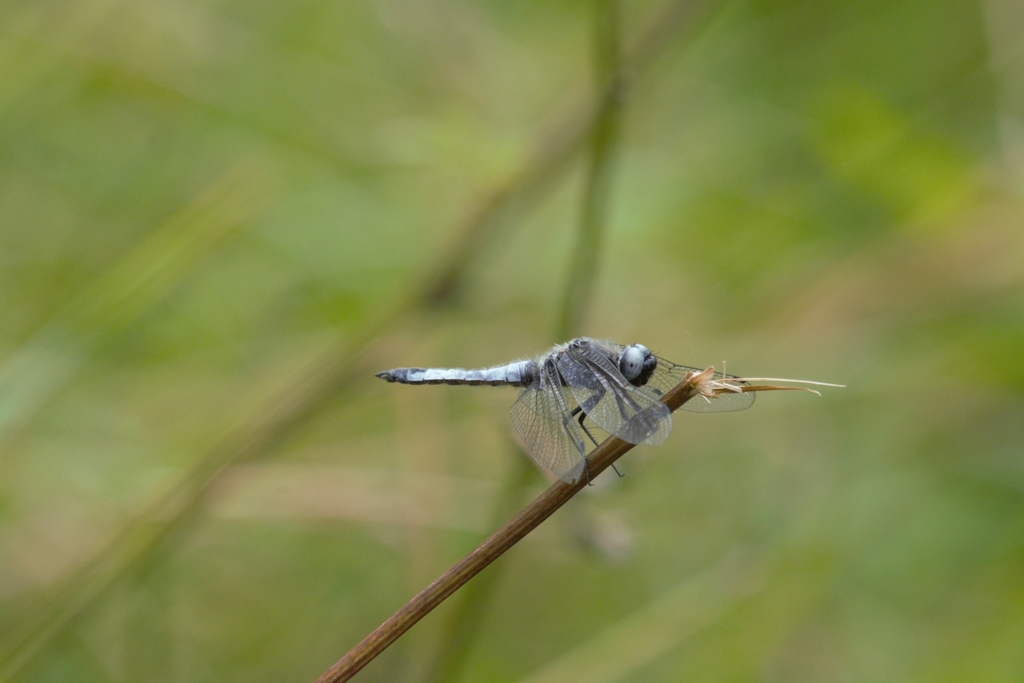
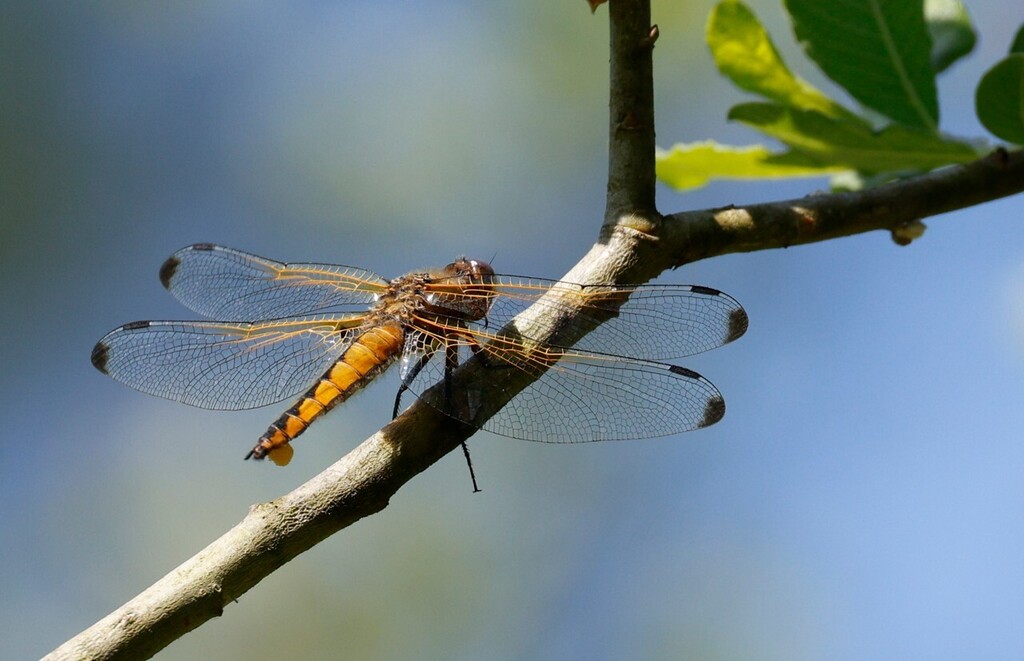
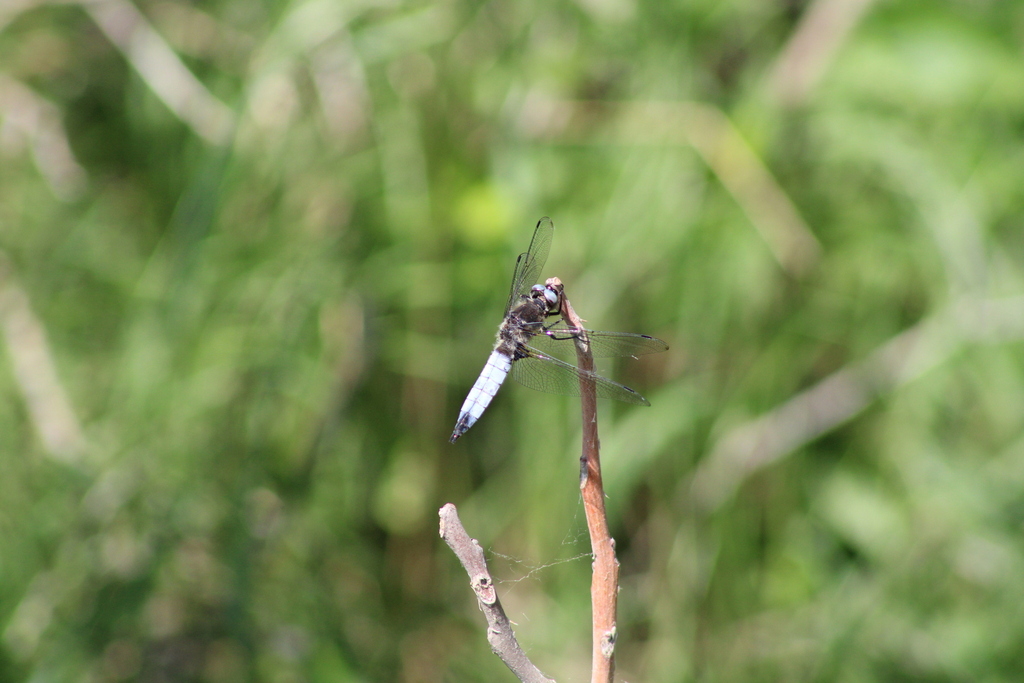
Its closest relatives
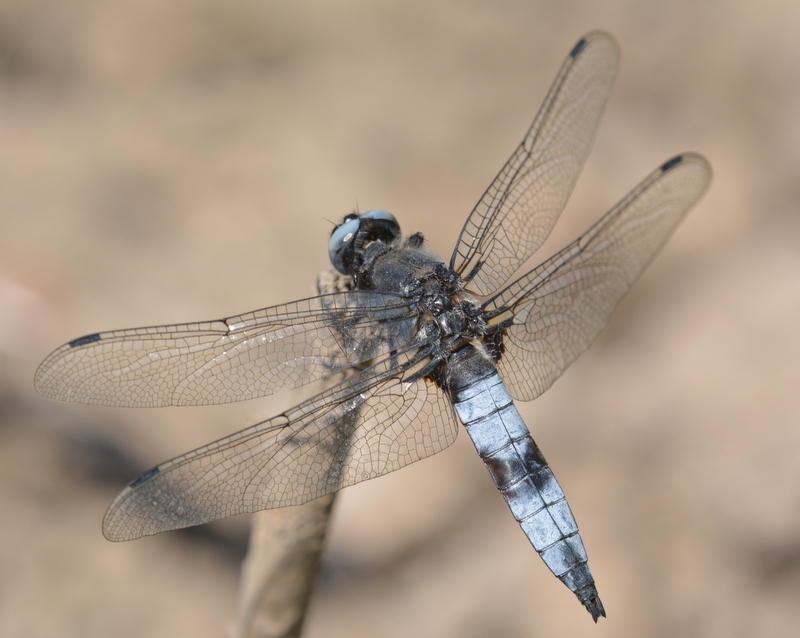
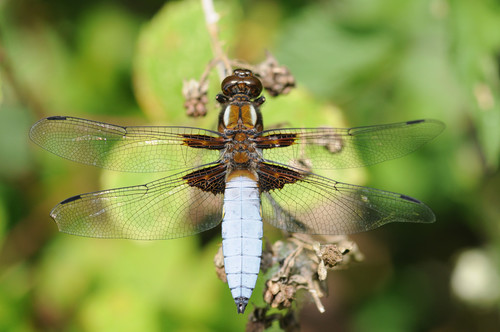
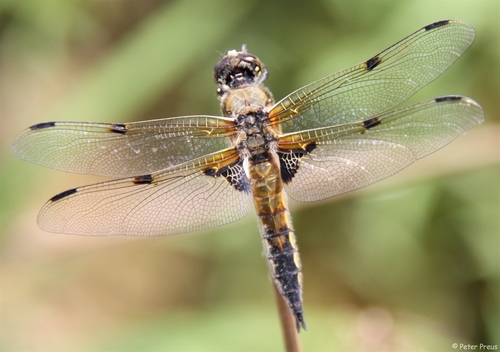
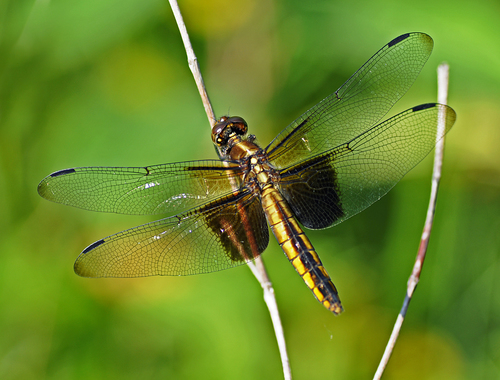
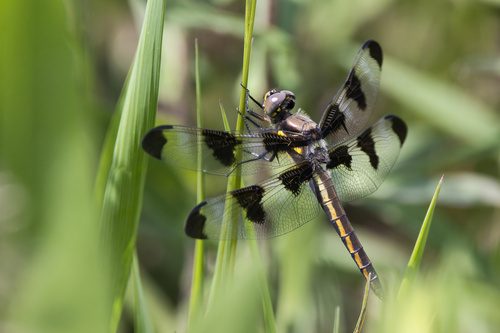
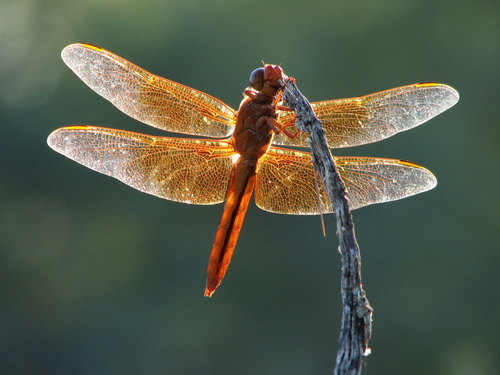
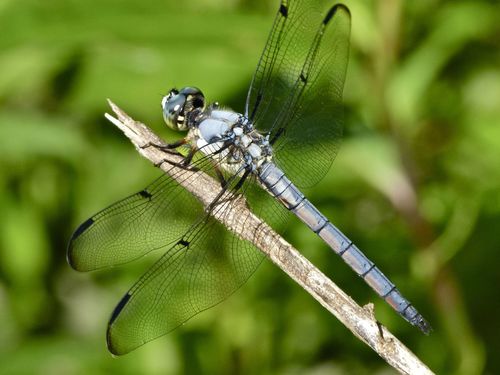
The other species of the genus Libellula.


Seen a scarce Chaser?
Share your photo on iNaturalist. Other naturalists help confirm it, and the record goes to GBIF, where scientists use it and where the maps on this page come from.
Put this species on your site
The card names every source and links back here.
<iframe src="https://4planetatlas.com/place/embed/species/scarce-chaser" title="Scarce Chaser (Libellula fulva), 4PLANET Species" width="100%" height="600" style="border:0;max-width:640px" loading="lazy"></iframe>
<p><a href="https://4species.com/scarce-chaser">Scarce Chaser on 4PLANET Species</a></p>Questions people ask
What eats the Scarce Chaser?
Recorded predators include house sparrow, white wagtail, eurasian hobby, black-necked grebe and common grasshopper warbler. Source: GloBI.
Where does the Scarce Chaser live?
People have recorded it in 37 countries; the most records come from France, Germany, Russia, United Kingdom and Italy. Records show where people have seen it, not its full range.
When is the Scarce Chaser seen most?
In the northern hemisphere, the most records are made in June and the fewest in December. More people outdoors also means more records.
What are the Scarce Chaser's closest relatives?
It shares the genus Libellula with broad-bodied chaser, four-spotted chaser, widow skimmer, twelve-spotted skimmer and flame skimmer.
Sources and photo credits
- GBIF · Libellula fulva, 11,225 human observations
- GloBI · recorded interactions of Libellula fulva
- Wikidata · Scarce Chaser (Q1050665)
- Scarce Chaser (Libellula fulva): Mike Kerry, CC BY 4.0
- Scarce Chaser (Libellula fulva): no rights reserved, uploaded by Simon Tonge, CC0
- Scarce Chaser (Libellula fulva), Colchester CO3 4AZ, UK: Andy Cockett, CC BY 4.0
- Scarce Chaser (Libellula fulva), Bezirk Spandau, Berlin, Deutschland: Philip Schaffer, CC BY 4.0
- Scarce Chaser (Libellula fulva), Weymouth, UK: Will Taylor, CC BY 4.0
- Scarce Chaser (Libellula fulva), Kopstal, Luxemburg: Claude Kolwelter, CC BY 4.0
- Scarce Chaser (Libellula fulva), Neusiedl am See, Österreich: Philip Schaffer, CC BY 4.0
- Scarce Chaser (Libellula fulva), Shapwick Heath, Somerset, UK: Sophie Hale, CC BY 4.0
- Scarce Chaser (Libellula fulva), Udine, Friuli-Venezia Giulia, IT: olrett, CC BY 4.0
- House sparrow: Esteban Poveda, CC BY 4.0
- White wagtail: Kim, Hyun-tae, CC BY 4.0
- Eurasian hobby: Ani Sarkisyan, CC BY 4.0
- Black-necked grebe: Дмитрий Кошелев, CC BY 4.0
- Common grasshopper warbler: franciscodocampo, CC BY 4.0
- Florida bass: Trevor Hollister, CC0
- Broad-bodied chaser: Thomas Bresson, CC BY 4.0
- Four-spotted chaser: Peter Preus, CC BY 4.0
- Widow skimmer: Rodney Campbell, CC BY 4.0
- Twelve-spotted skimmer: Lauren McLaurin, CC BY 4.0
- Flame skimmer: Katja Schulz, CC BY 4.0
- Eight-spotted skimmer: Koji Shiraiwa, CC BY 4.0
- Great blue skimmer: Steve Kerr, CC BY 4.0
- Purple skimmer: Laura Gaudette, CC BY 4.0
Records show where people have seen and shared the Scarce Chaser, not its full range, and some countries and months are recorded far more than others. The food web lists interactions that studies have recorded somewhere in the world (GloBI), not everything it eats in one place.
Checked 2026-11-28.