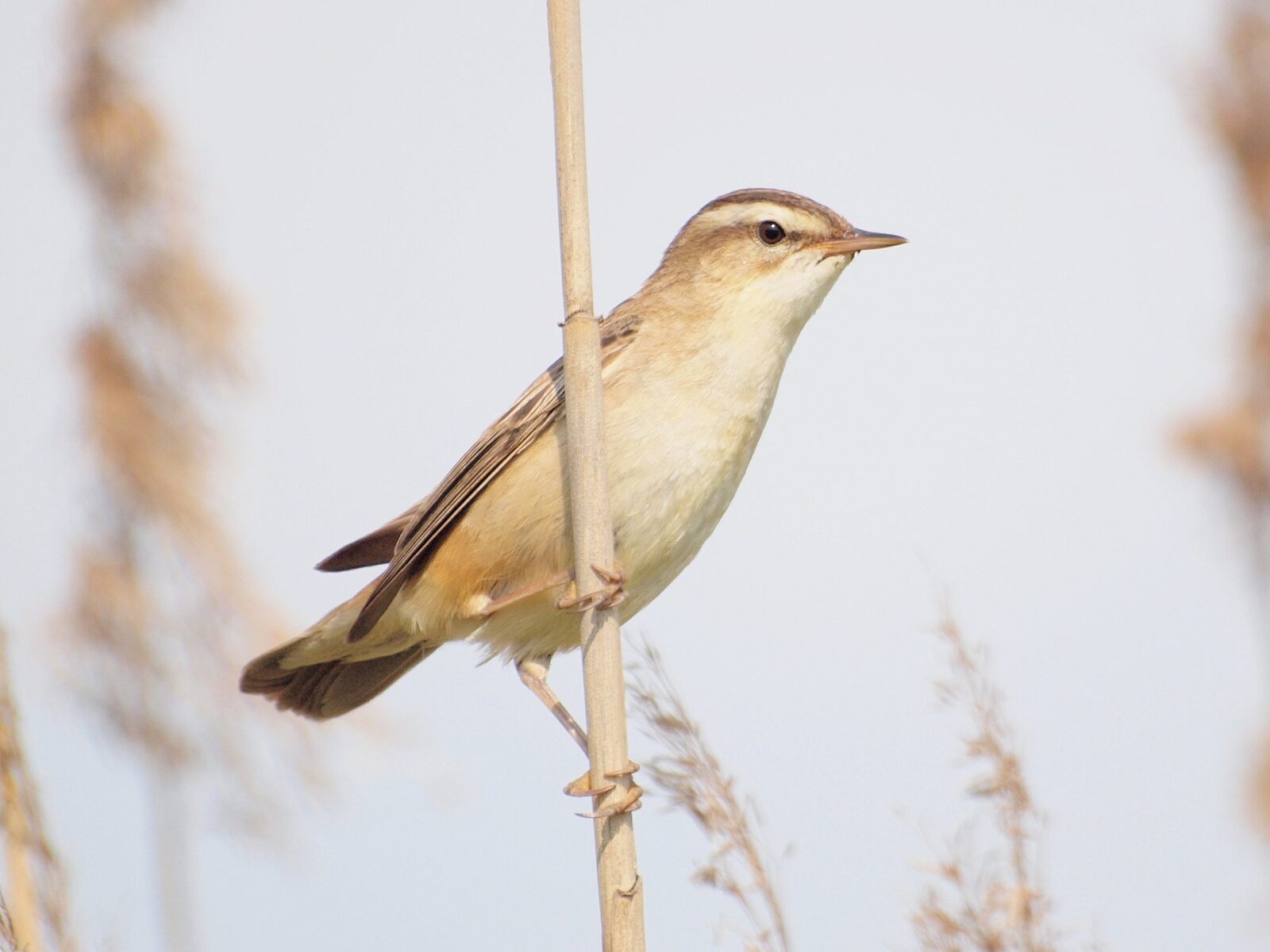
Sedge warbler
Acrocephalus schoenobaenus
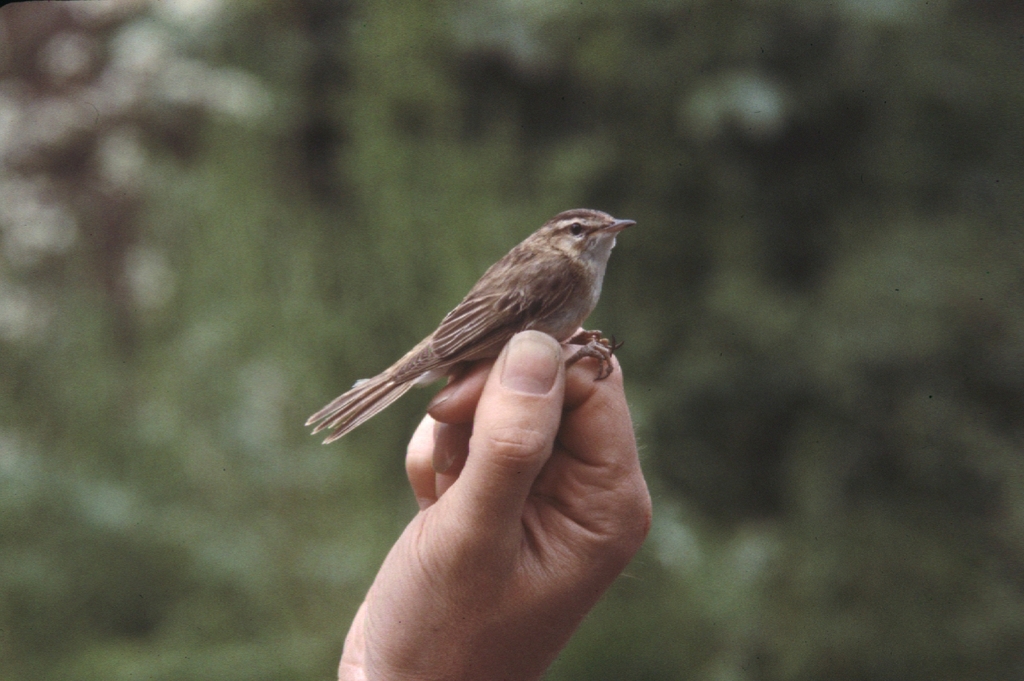
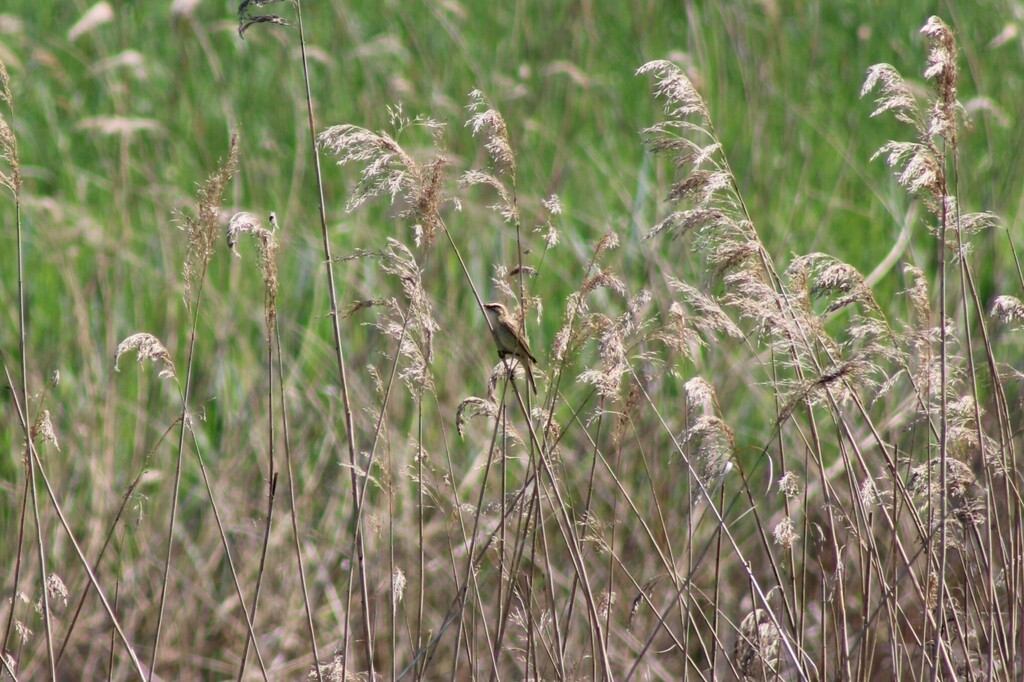
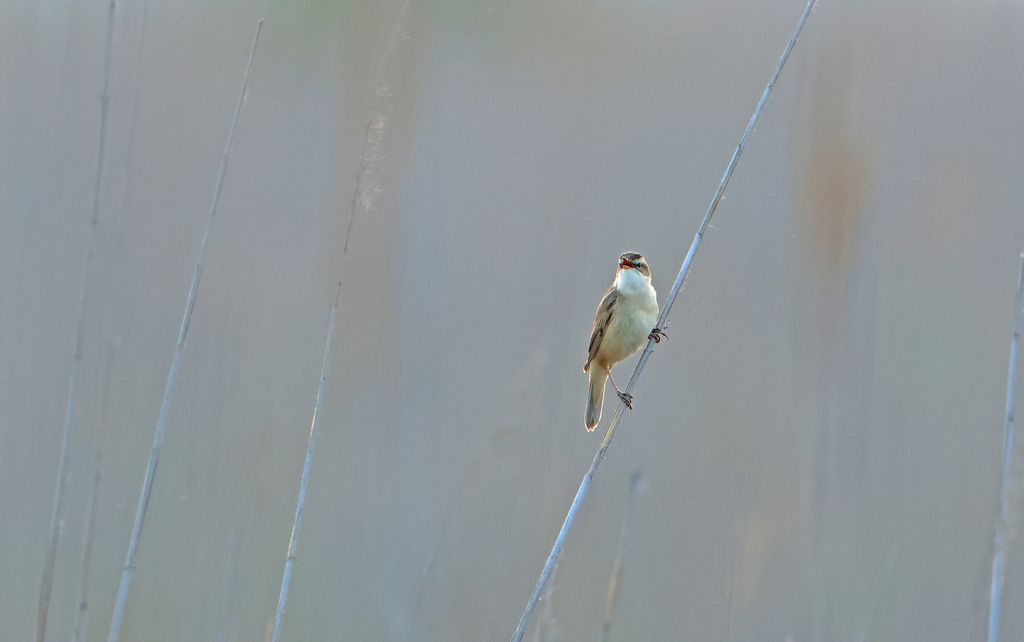
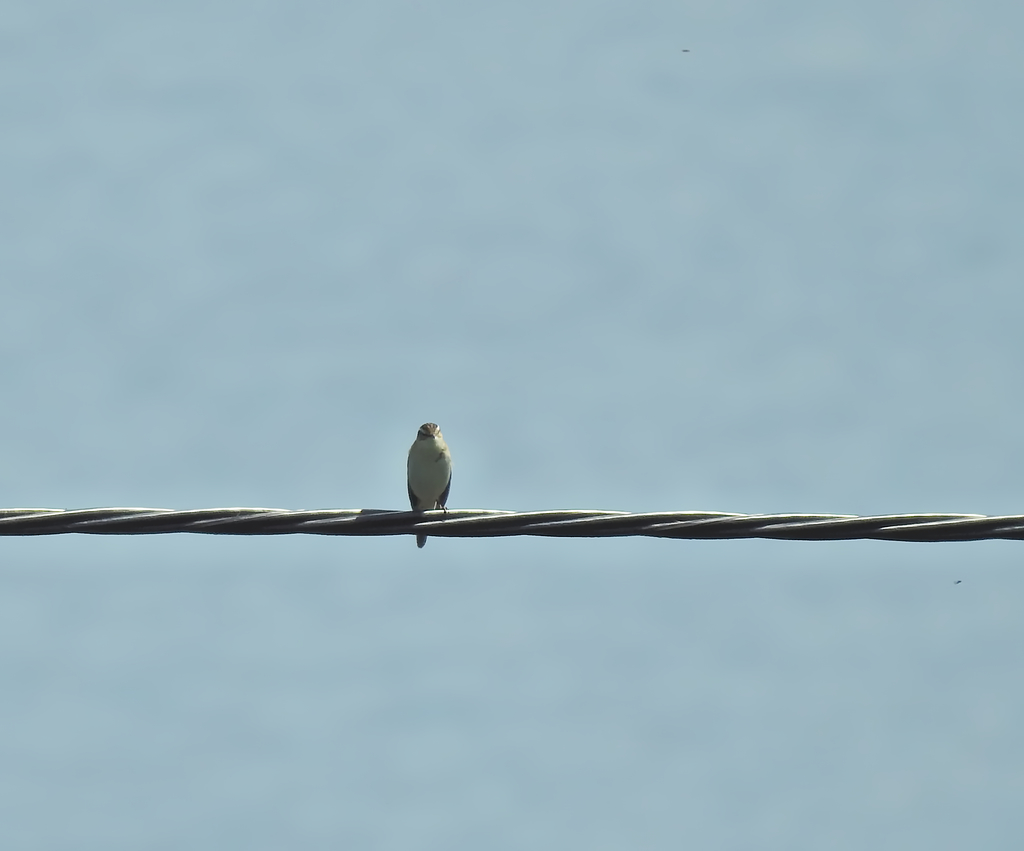
A streaky warbler with a bold pale eyebrow and a fast, chattering song.
- Status
- Least Concern IUCN Red List
- Eaten by
- grey wolf, red fox, common cuckoo
- Where
- 119 countries
On 4Planet Atlas it is among the wildlife people record most around Amsterdam, Astana and Athens, and 26 more of the cities we cover.
People have shared 326,170 records of the sedge warbler with GBIF, from 119 countries, most of them from United Kingdom, Poland and Israel. Records collected by GloBI show it eating 1 different kinds of animals and plants, and being eaten by 31.
What the sedge warbler eats, and what eats it
Studies have recorded it eating 1 kinds of animals and plants, and 31 kinds of animals eating it. Tap any of them to follow the food chain.
- Insects 1
Eaten by

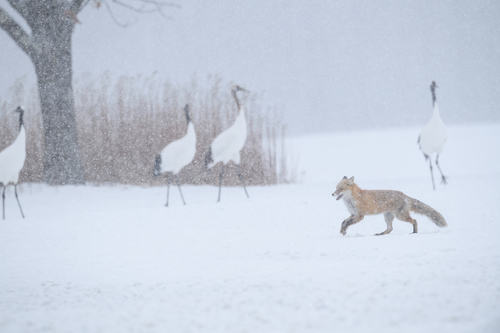
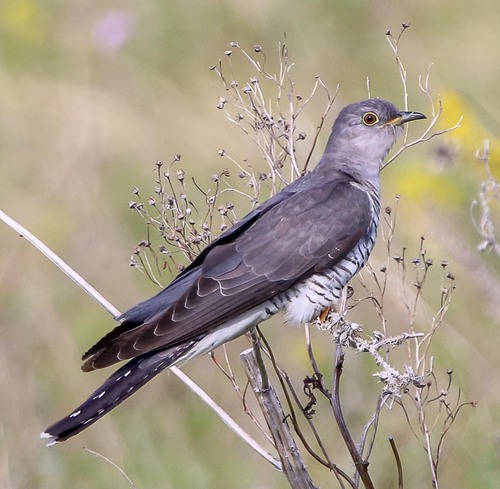
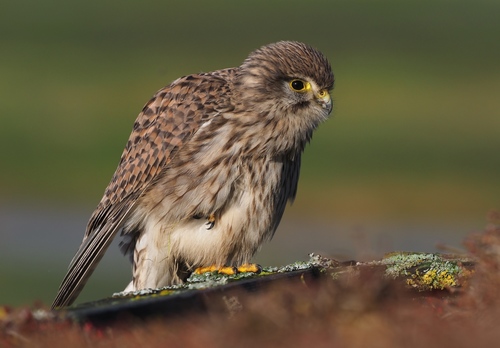

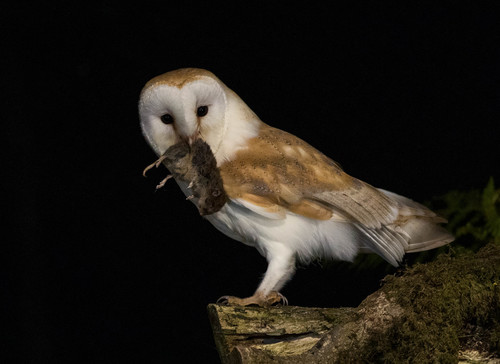
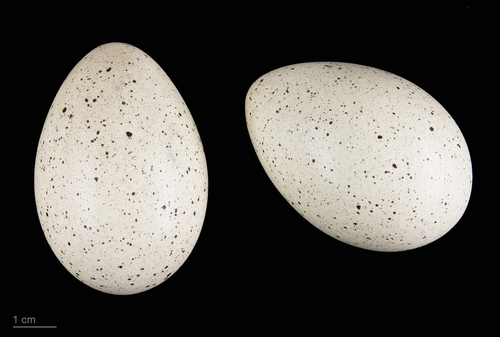 Sedge warbler
Records from studies worldwide, collected by GloBI. They include animals eaten as carrion, and they are not everything it eats in one place.
Where people see the sedge warbler
People have shared 326,170 records from 119 countries.
Near a city: Amsterdam, Astana, Athens, Bergen, Bratislava, Bucharest, Budapest, Cairo, Chișinău, Copenhagen, Dublin, Helsinki, Kyiv, Ljubljana, London, Luxembourg City, Minsk, Moscow, Prague, Riga, Sarajevo, Skopje, Sofia, Stockholm, Tallinn, Valletta, Vilnius, Warsaw, Zagreb.
Records show where people have seen it and shared it, not its full range. Country names open their page in Atlas.
When it is seen
Records per month in the northern hemisphere. More people outdoors also means more records.
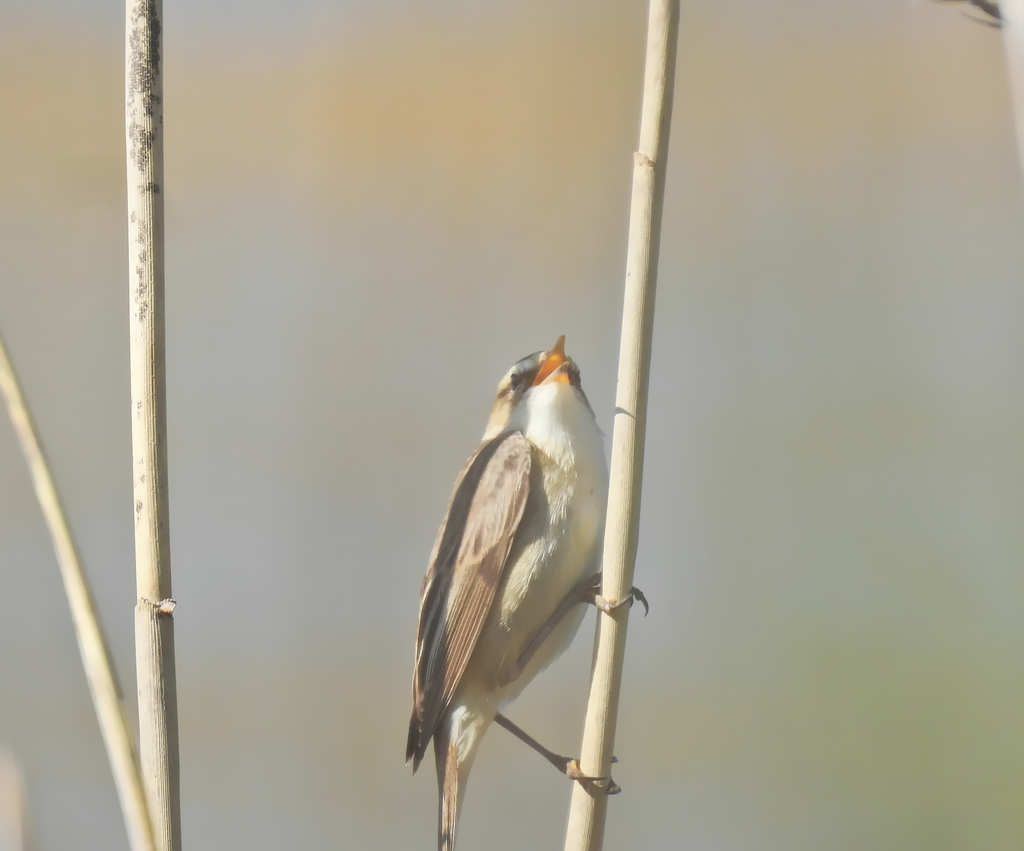
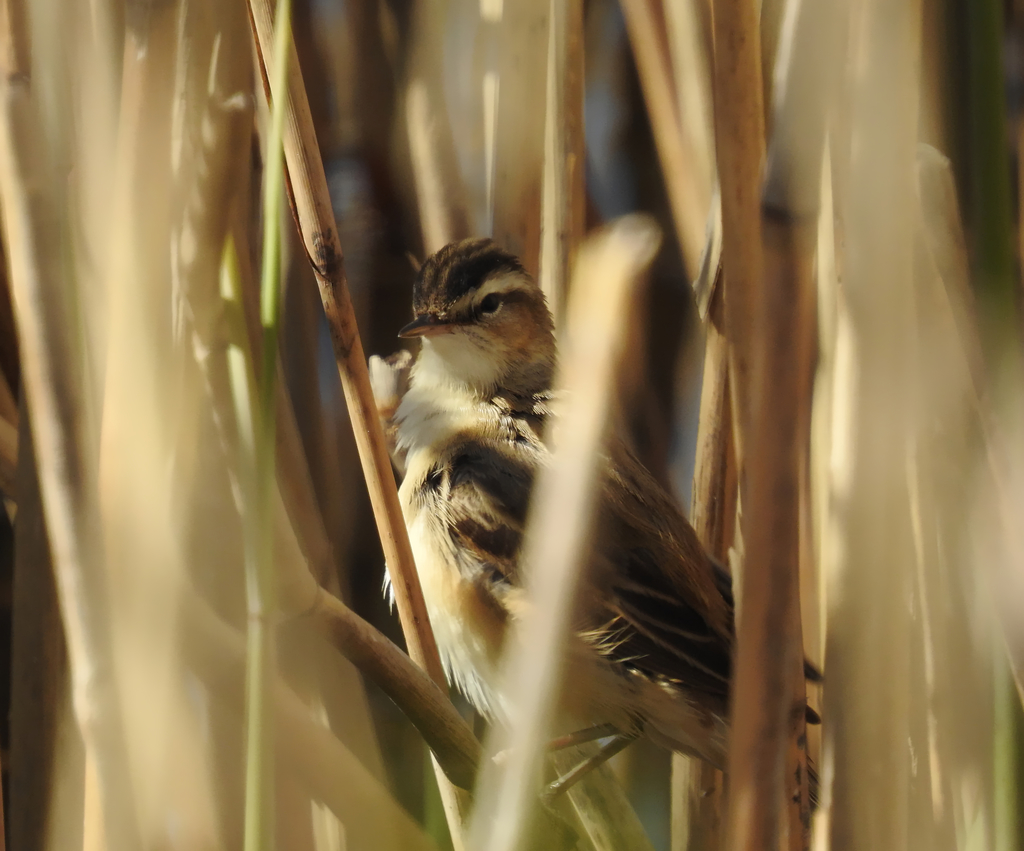
Watch and listen
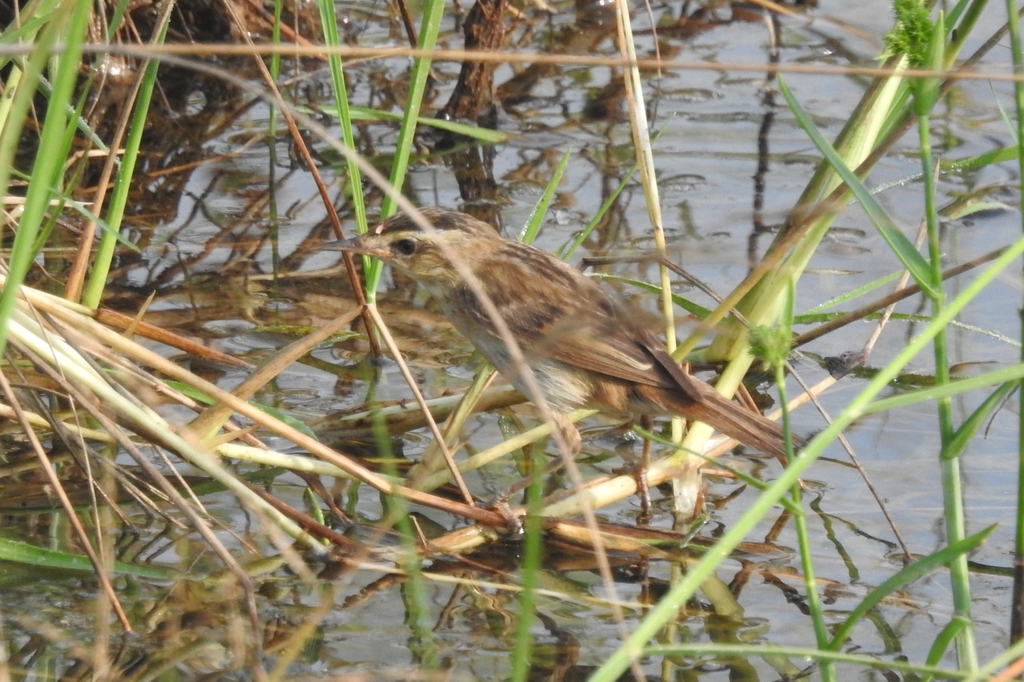
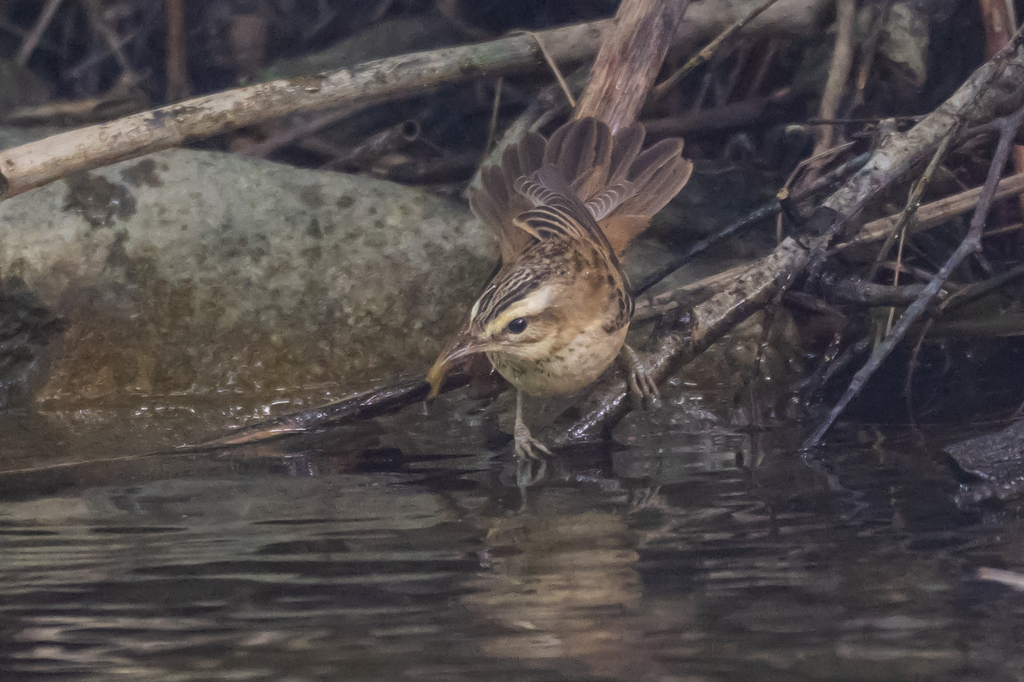
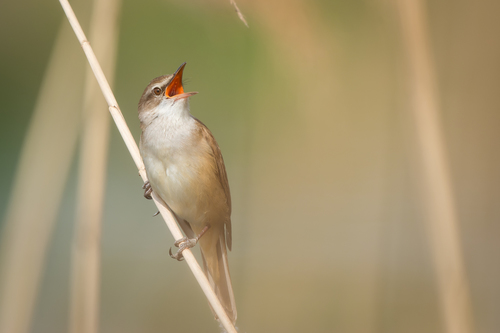
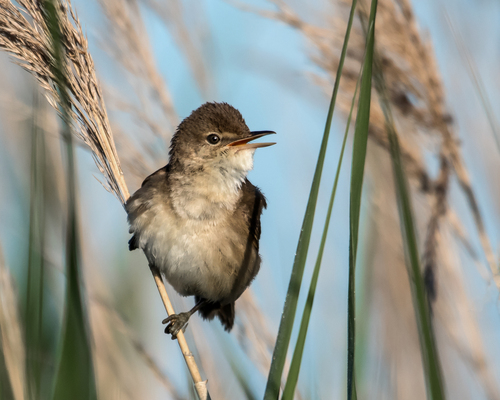
Its closest relatives
The other species of the genus Acrocephalus.
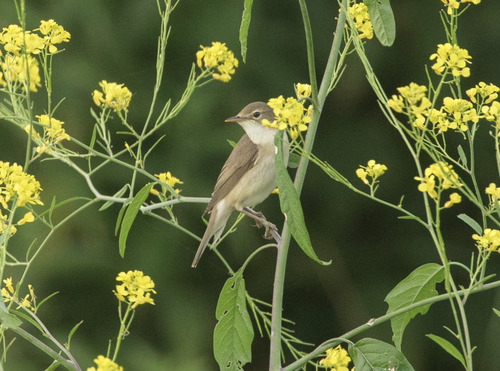
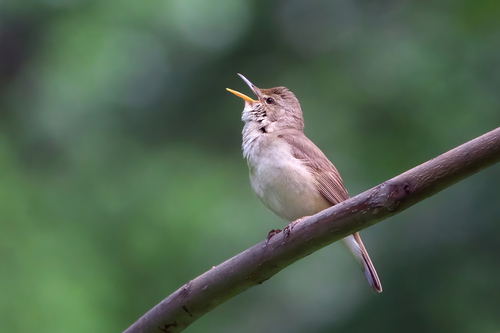
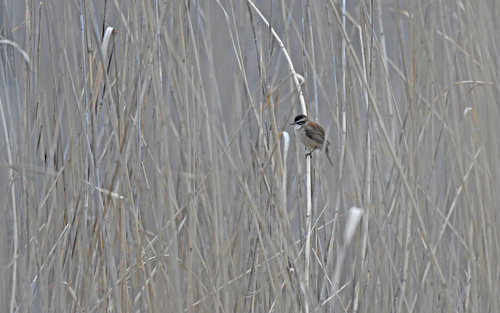

Seen a sedge warbler?
Share your photo on iNaturalist. Other naturalists help confirm it, and the record goes to GBIF, where scientists use it and where the maps on this page come from.
Questions people ask
What does the sedge warbler eat?
The sedge warbler has been recorded eating 1 different kinds of animals and plants, most of them insects. The ones recorded most often are ; records include animals eaten as carrion. Source: GloBI.
What eats the sedge warbler?
Recorded predators include grey wolf, red fox, common cuckoo, common kestrel and eurasian sparrowhawk. Source: GloBI.
Where does the sedge warbler live?
People have recorded it in 119 countries; the most records come from United Kingdom, Poland, Israel, Spain and Netherlands. Records show where people have seen it, not its full range.
When is the sedge warbler seen most?
In the northern hemisphere, the most records are made in May and the fewest in December. More people outdoors also means more records.
What are the sedge warbler's closest relatives?
It shares the genus Acrocephalus with great reed warbler, eurasian reed warbler, marsh warbler, blyth’s reed warbler and moustached warbler.
Sources and photo credits
- GBIF · Acrocephalus schoenobaenus, 326,170 human observations
- GloBI · recorded interactions of Acrocephalus schoenobaenus
- Wikidata · Sedge warbler (Q27236)
- Sedge warbler (Acrocephalus schoenobaenus): Billy Lindblom, CC BY 4.0
- Sedge warbler (Acrocephalus schoenobaenus), Ezhome: Manoj Karingamadathil, CC BY-SA 4.0
- Sedge warbler (Acrocephalus schoenobaenus), Goms, Switzerland: Codrin Bucur, CC BY 4.0
- Sedge warbler (Acrocephalus schoenobaenus), Welches Dam, March, UK: Ann McKenzie, CC0
- Sedge warbler (Acrocephalus schoenobaenus), Zalavár, 8392 Ungarn: Philip Schaffer, CC BY 4.0
- Sedge warbler (Acrocephalus schoenobaenus), Eisenstadt-Umgebung, Österreich: Christoph Moning, CC BY 4.0
- Sedge warbler (Acrocephalus schoenobaenus), Tähtvere, Tartu, Estonia: Nicolás Tamargo, CC0
- Sedge warbler (Acrocephalus schoenobaenus), Tartu, Tartu, Estonia: Nicolás Tamargo, CC0
- Sedge warbler (Acrocephalus schoenobaenus), Tartu, Tartu, Estonia: Nicolás Tamargo, CC0
- Grey wolf: Andrew Simon, CC BY 4.0
- Red fox: Morten Ross, CC BY 4.0
- Common cuckoo: no rights reserved, uploaded by Юрий Носков, CC0
- Common kestrel: Frank Vassen, CC BY 4.0
- Eurasian sparrowhawk: Stanislav Murashkin, CC BY 4.0
- Western barn owl: john.purvis, CC BY 4.0
- Common coot: Roger Culos, CC BY-SA 4.0
- Great reed warbler: Tomas Broucek, CC BY 4.0
- Eurasian reed warbler: Alan Shearman, CC BY 4.0
- Marsh warbler: Paolo Zucca, CC BY 4.0
- Blyth’s reed warbler: Andrey Gulivanov, CC BY 4.0
- Moustached warbler: Christoph Moning, CC BY 4.0
- Clamorous reed warbler: Aryan K, CC BY 4.0
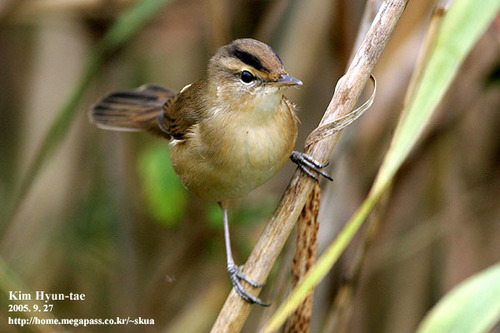
- Black-browed reed warbler: Kim, Hyun-tae, CC BY 4.0
- Blunt-winged warbler: J.M.Garg, bazı hakları saklıdır (CC BY-SA), CC BY-SA 4.0
Records show where people have seen and shared the sedge warbler, not its full range, and some countries and months are recorded far more than others. The food web lists interactions that studies have recorded somewhere in the world (GloBI), not everything it eats in one place.
Checked 2026-11-22.