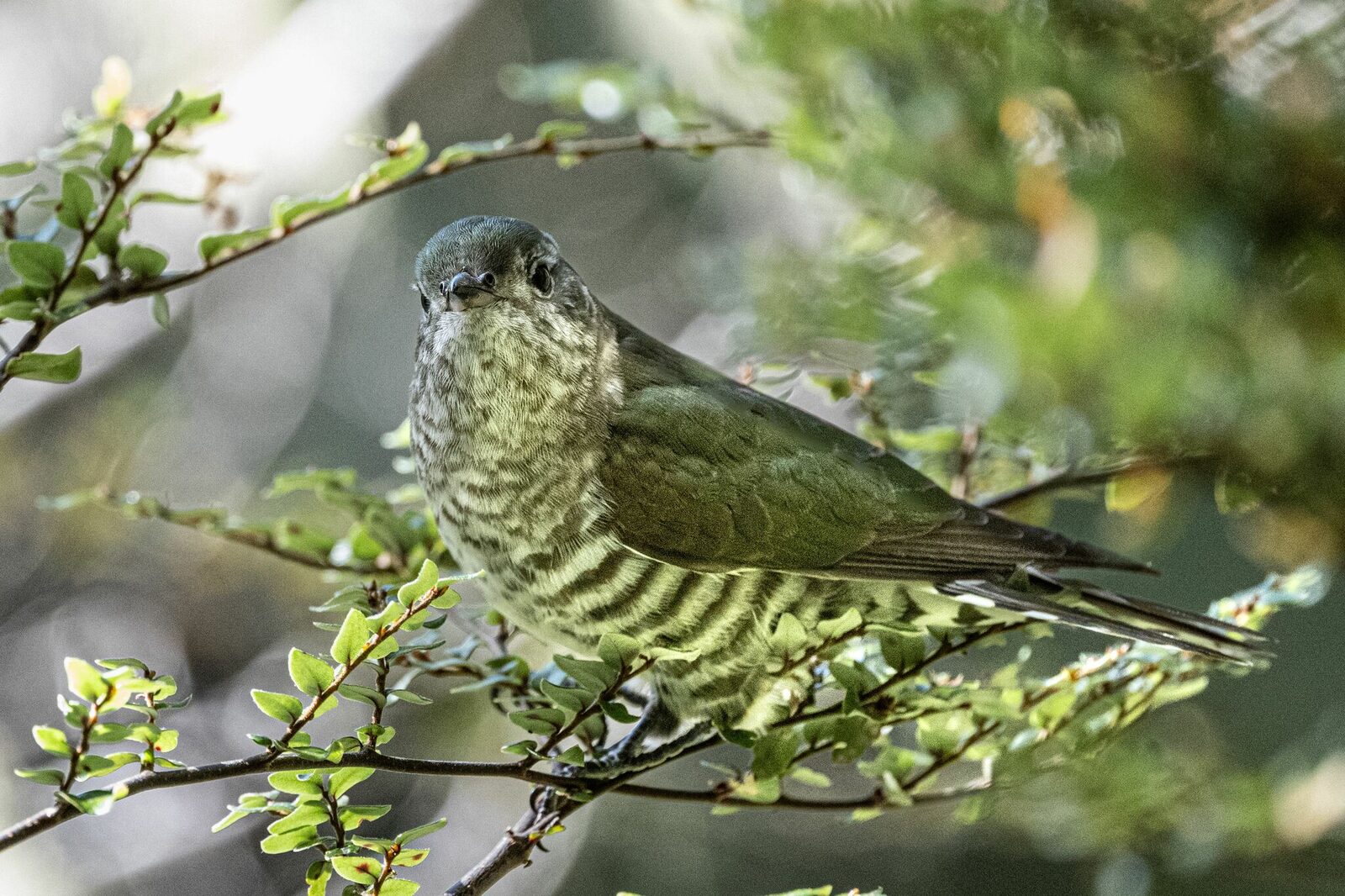
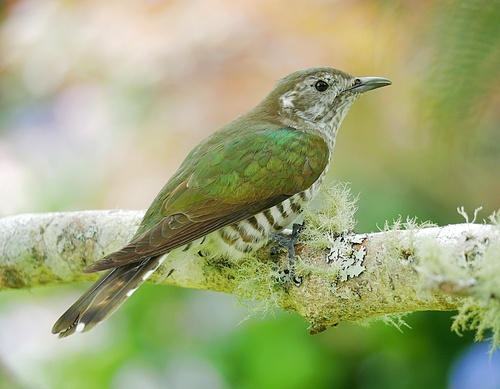
Shining bronze cuckoo
Chrysococcyx lucidus
- Status
- Least Concern IUCN Red List
- Eats
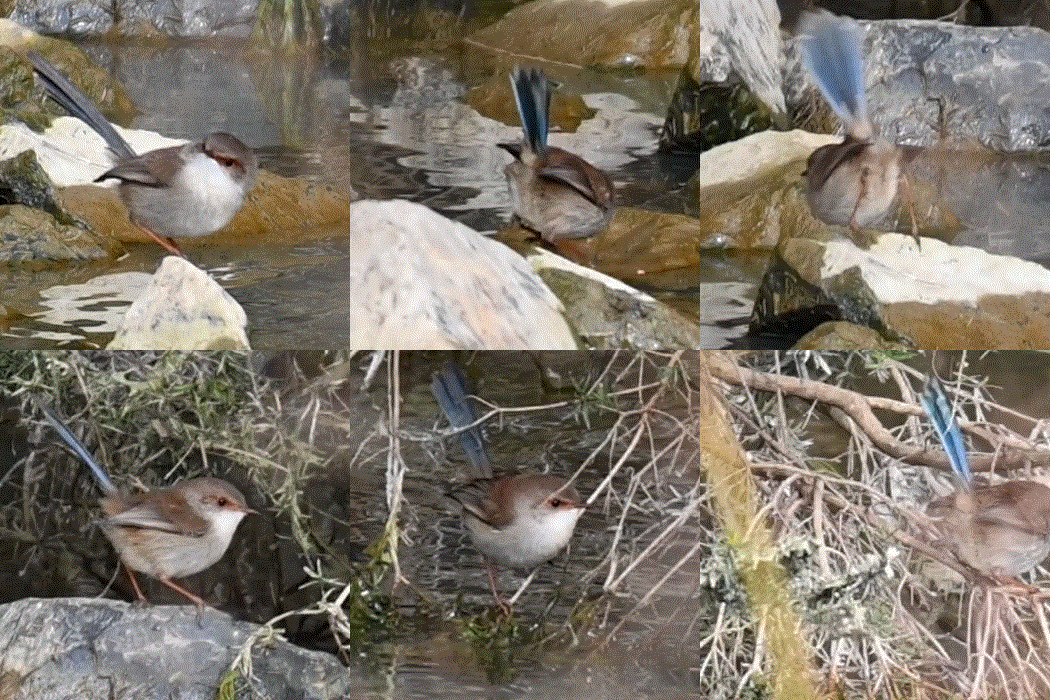
- shining bronze cuckoo, superb fairywren, fan-tailed gerygone and 4 more
- Eaten by
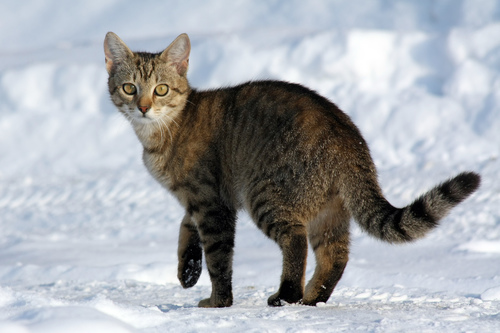
- cat, shining bronze cuckoo
- Where
- 9 countries
On 4Planet Atlas it is among the wildlife people record most around Auckland, Canberra and Honiara, and 2 more of the cities we cover.
People have shared 113,826 records of the shining bronze cuckoo with GBIF, from 9 countries, most of them from Australia, New Zealand and New Caledonia. Records collected by GloBI show it eating 7 different kinds of animals and plants, and being eaten by 2.
What the shining bronze cuckoo eats, and what eats it
Studies have recorded it eating 7 kinds of animals and plants, and 2 kinds of animals eating it. Tap any of them to follow the food chain.
- Birds 5
- Insects 1
- Plants 1
Eaten by
 Shining bronze cuckoo
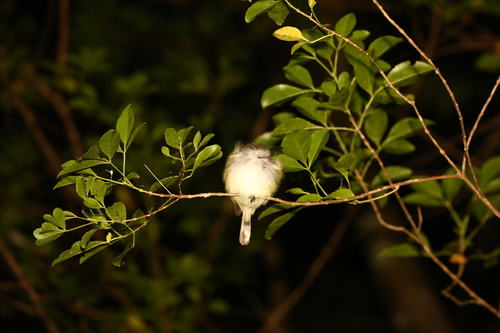
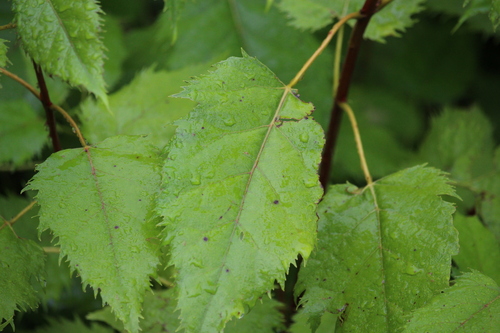
Records from studies worldwide, collected by GloBI. They include animals eaten as carrion, and they are not everything it eats in one place.
Where people see the shining bronze cuckoo
People have shared 113,826 records from 9 countries.
Near a city: Auckland, Canberra, Honiara, Melbourne, Wellington.
Records show where people have seen it and shared it, not its full range. Country names open their page in Atlas.
When it is seen
Records per month in the southern hemisphere. More people outdoors also means more records.
Watch and listen
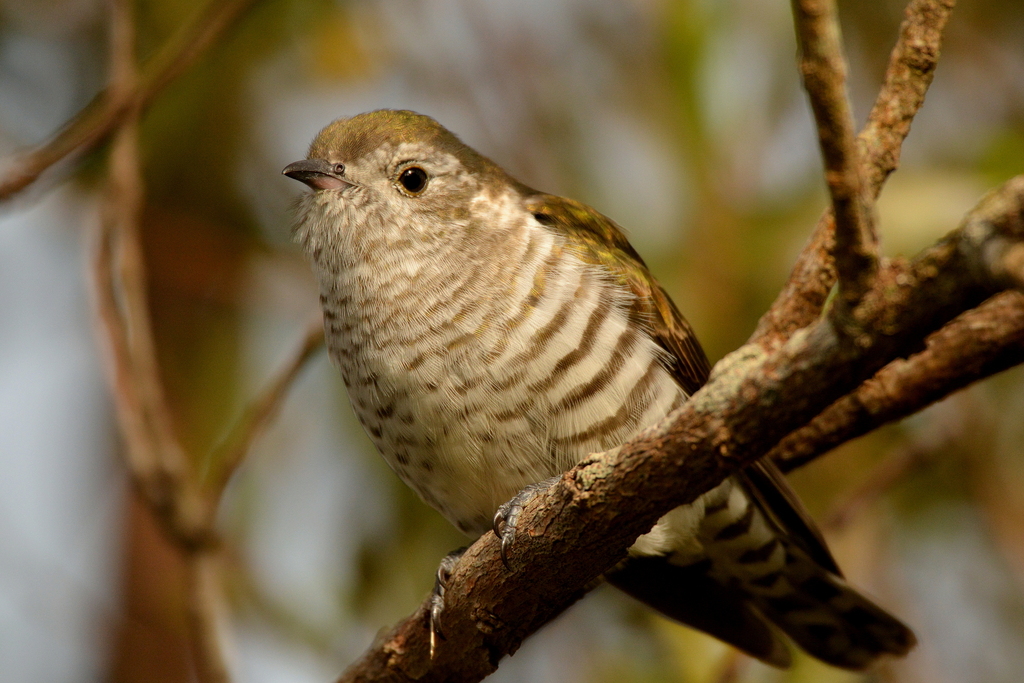
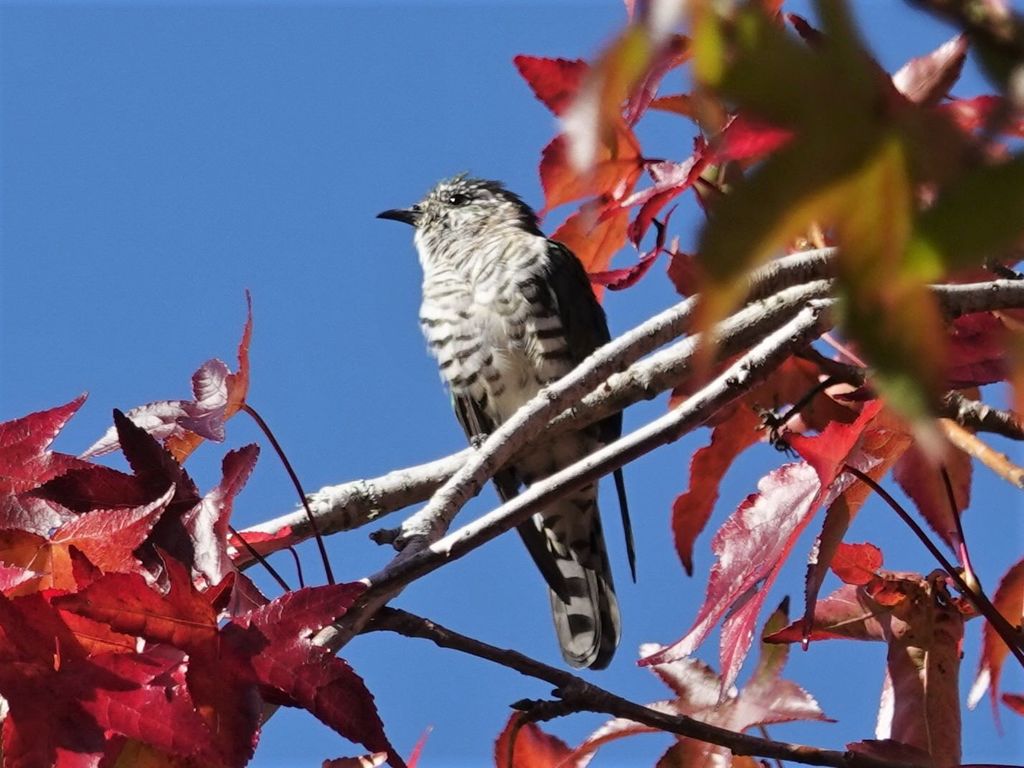

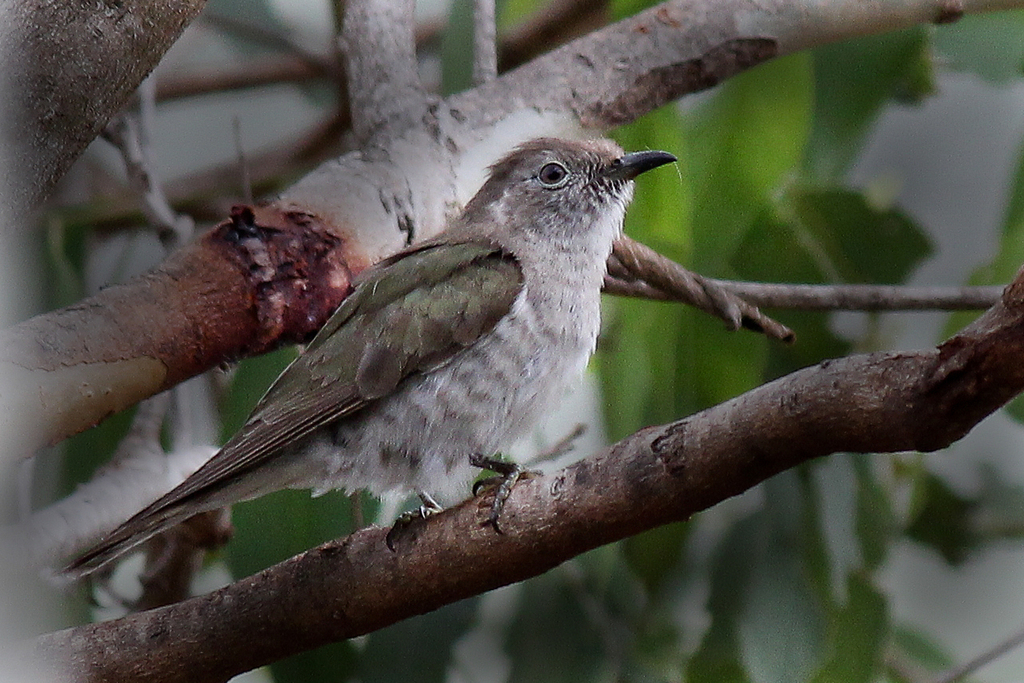
Its closest relatives
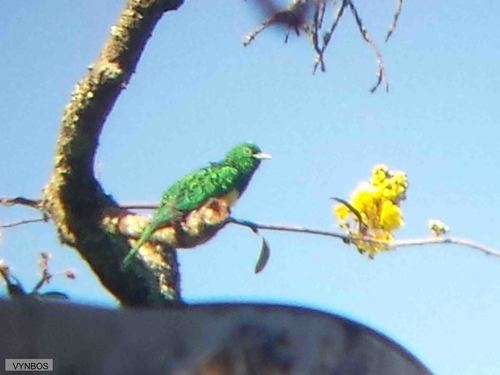
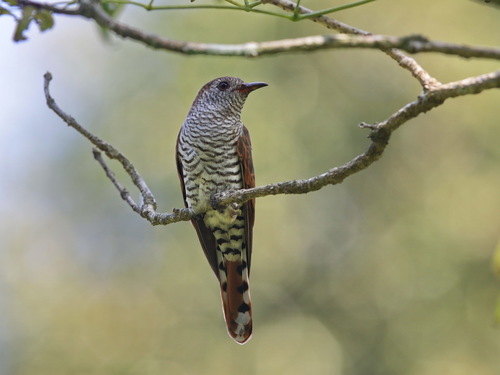
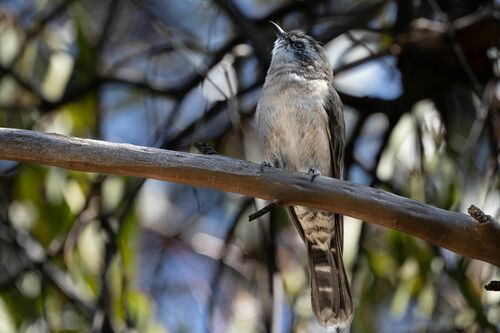
The other species of the genus Chrysococcyx.


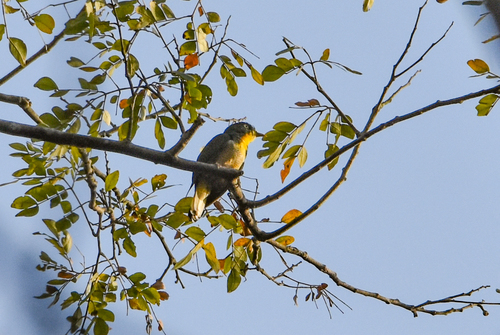
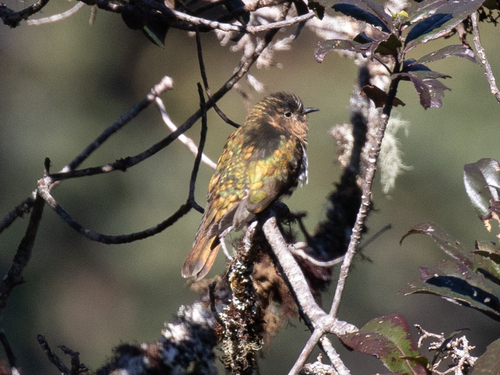
Seen a shining bronze cuckoo?
Share your photo on iNaturalist. Other naturalists help confirm it, and the record goes to GBIF, where scientists use it and where the maps on this page come from.
Put this species on your site
The card names every source and links back here.
<iframe src="https://4planetatlas.com/place/embed/species/shining-bronze-cuckoo" title="Shining bronze cuckoo (Chrysococcyx lucidus), 4PLANET Species" width="100%" height="600" style="border:0;max-width:640px" loading="lazy"></iframe>
<p><a href="https://4species.com/shining-bronze-cuckoo">Shining bronze cuckoo on 4PLANET Species</a></p>Questions people ask
What does the shining bronze cuckoo eat?
The shining bronze cuckoo has been recorded eating 7 different kinds of animals and plants, most of them birds, insects and plants. The ones recorded most often are shining bronze cuckoo, superb fairywren, fan-tailed gerygone and wineberry; records include animals eaten as carrion. Source: GloBI.
What eats the shining bronze cuckoo?
Recorded predators include cat and shining bronze cuckoo. Source: GloBI.
Where does the shining bronze cuckoo live?
People have recorded it in 9 countries; the most records come from Australia, New Zealand, New Caledonia, Papua New Guinea and Solomon Islands. Records show where people have seen it, not its full range.
When is the shining bronze cuckoo seen most?
In the southern hemisphere, the most records are made in October and the fewest in February. More people outdoors also means more records.
What are the shining bronze cuckoo's closest relatives?
It shares the genus Chrysococcyx with asian emerald cuckoo, african emerald cuckoo, diederic cuckoo, klaas's cuckoo and violet cuckoo.
Sources and photo credits
- GBIF · Chrysococcyx lucidus, 113,826 human observations
- GloBI · recorded interactions of Chrysococcyx lucidus
- Wikidata · Shining bronze cuckoo (Q796741)
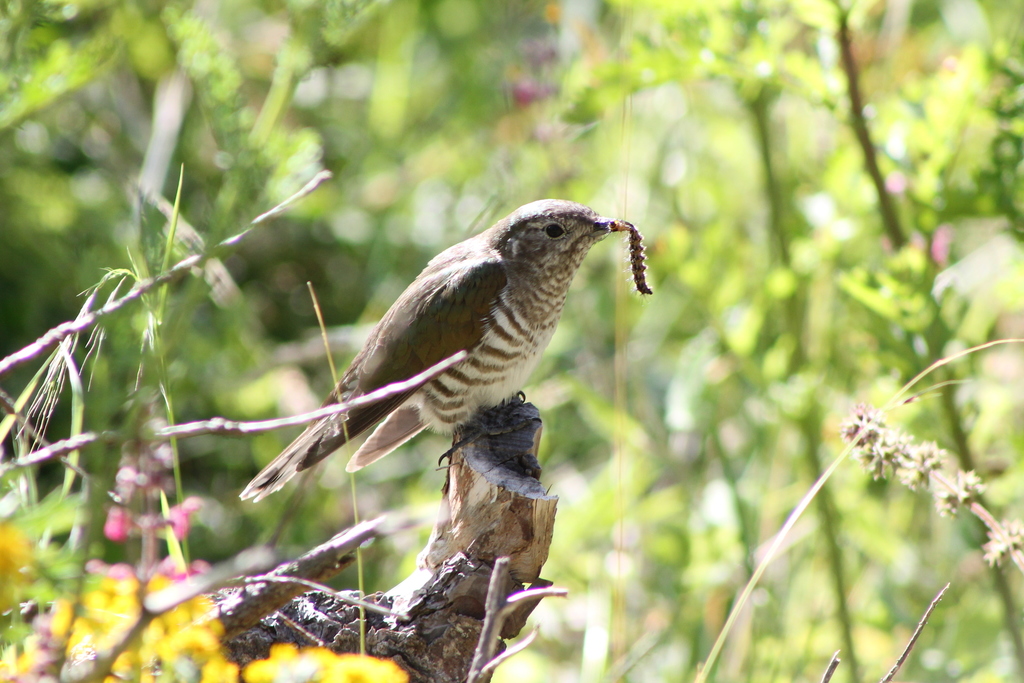
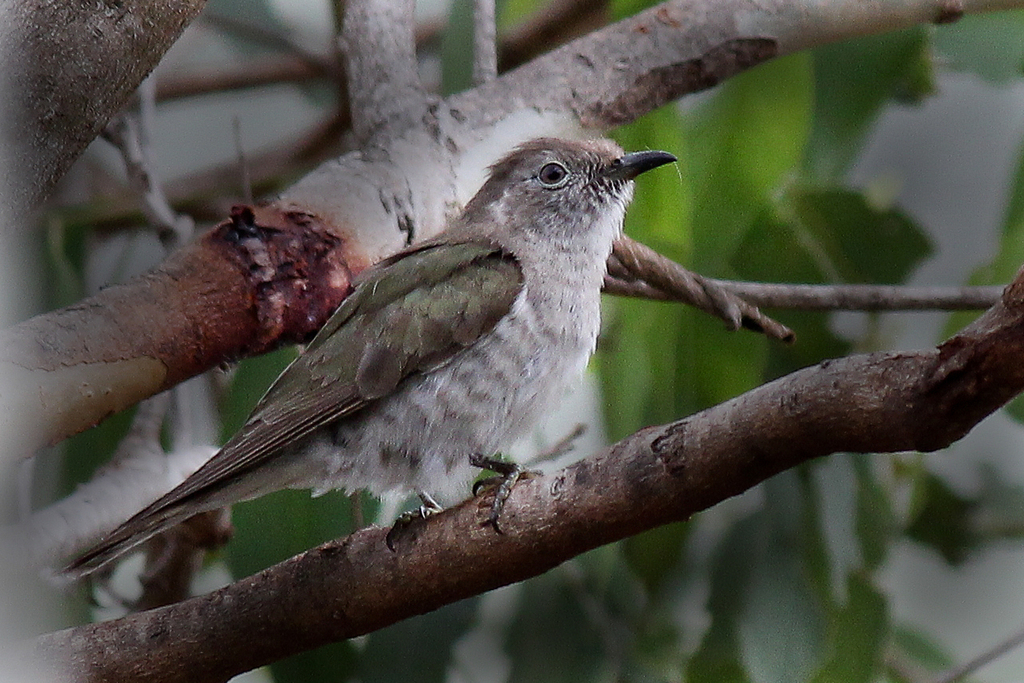
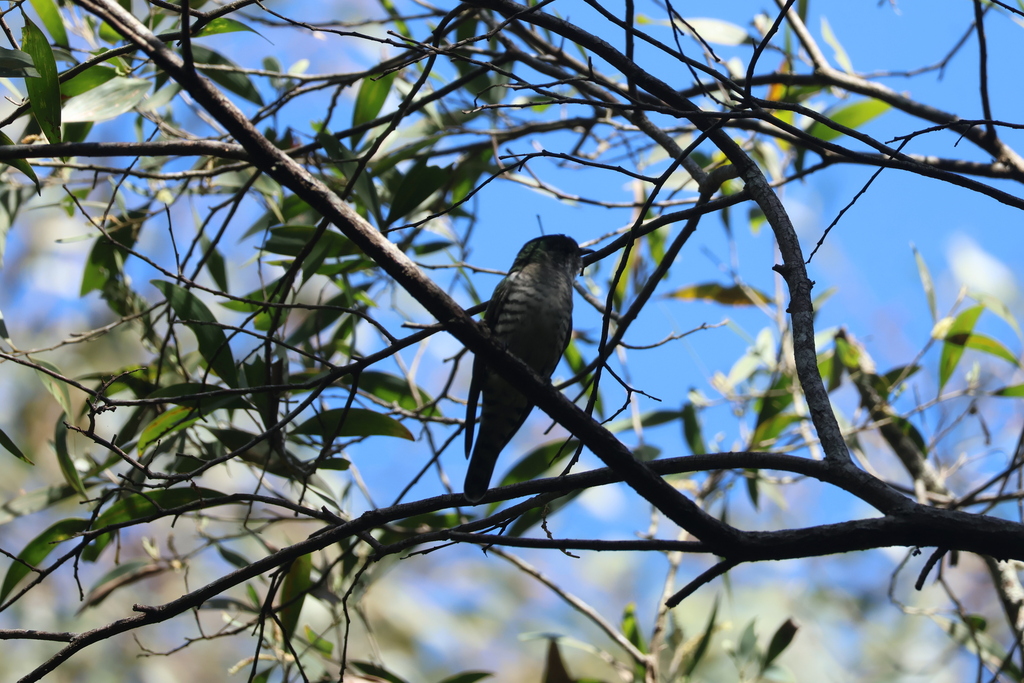
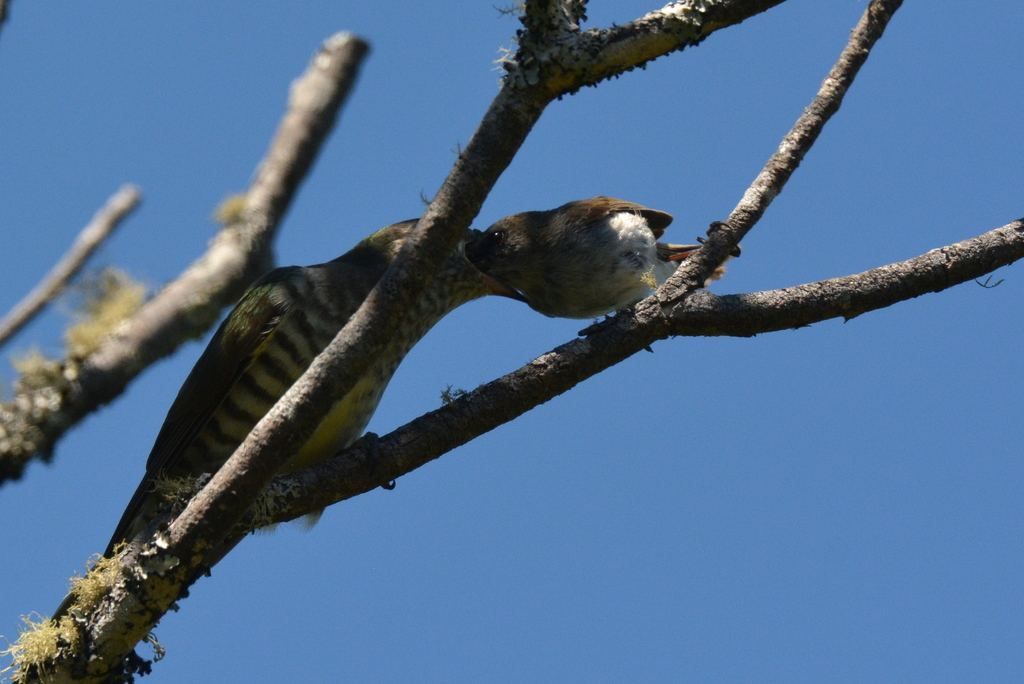
- Shining bronze cuckoo (Chrysococcyx lucidus): Alan Bell, CC BY 4.0
- Shining bronze cuckoo (Chrysococcyx lucidus), Karori, Wellington, New Zealand: Christopher Stephens, CC BY-SA 4.0
- Shining bronze cuckoo (Chrysococcyx lucidus), Swanson, Auckland, New Zealand: Jacqui Geux, CC BY 4.0
- Shining bronze cuckoo (Chrysococcyx lucidus), Te Mata 3575, New Zealand: catchwords, CC BY 4.0
- Shining bronze cuckoo (Chrysococcyx lucidus), Dowse Lagoon, Sandgate QLD 4017, Australia: Barb, CC0
- Shining bronze cuckoo (Chrysococcyx lucidus), Zealandia, Wellington, New Zealand: Tony Wills, CC BY-SA 4.0
- Shining bronze cuckoo (Chrysococcyx lucidus), Enoggera Reservoir QLD 4520, Australia: Patrick Connolly, CC BY 4.0
- Shining bronze cuckoo (Chrysococcyx lucidus), Karori, Wellington, New Zealand: Christopher Stephens, CC BY-SA 4.0
- Shining bronze cuckoo (Chrysococcyx lucidus), Dowse Lagoon, Sandgate QLD 4017, Australia: Barb, CC0
- Shining bronze cuckoo: Tom, CC BY 4.0
- Superb fairywren: Thomas Jaeger, CC BY 4.0
- Fan-tailed gerygone: Lennart Hudel, CC BY 4.0
- Wineberry: Joe Potter Butler, CC BY 4.0
- Cat: Von.grzanka, CC BY-SA 4.0
- African emerald cuckoo: Chris Vynbos, CC BY-SA 4.0
- Diederic cuckoo: Rudolph Steenkamp, CC BY-SA 4.0
- Klaas's cuckoo: Lip Kee, CC BY-SA 4.0
- Violet cuckoo: Ian Dugdale, CC BY 4.0
- Black-eared cuckoo: Alan Bell, CC BY 4.0
- Yellow-throated cuckoo: Jay Pruett, CC BY 4.0
- Rufous-throated bronze cuckoo: avocat, CC BY 4.0
Records show where people have seen and shared the shining bronze cuckoo, not its full range, and some countries and months are recorded far more than others. The food web lists interactions that studies have recorded somewhere in the world (GloBI), not everything it eats in one place.
Checked 2026-11-22.