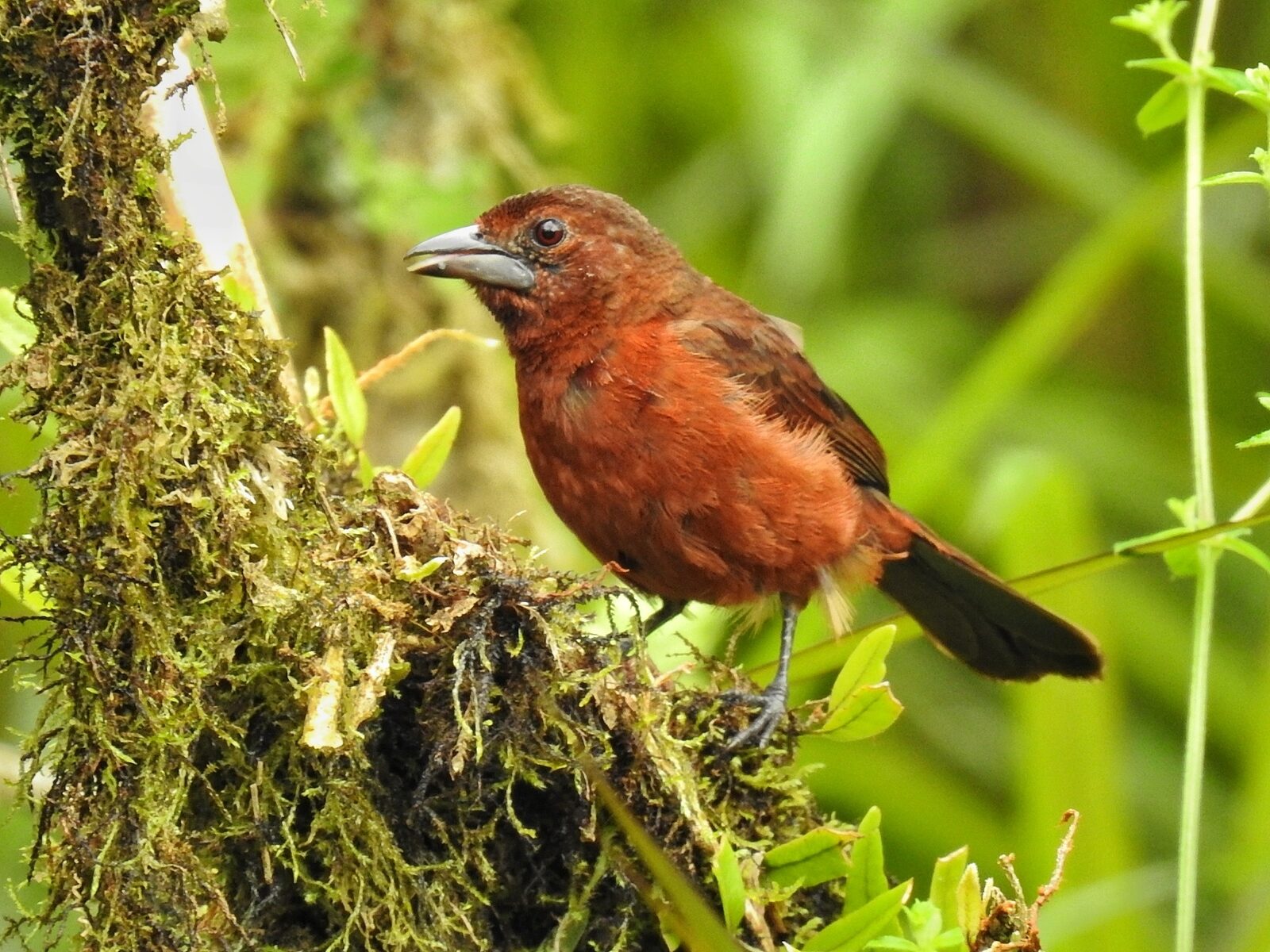
Silver-beaked tanager
Ramphocelus carbo
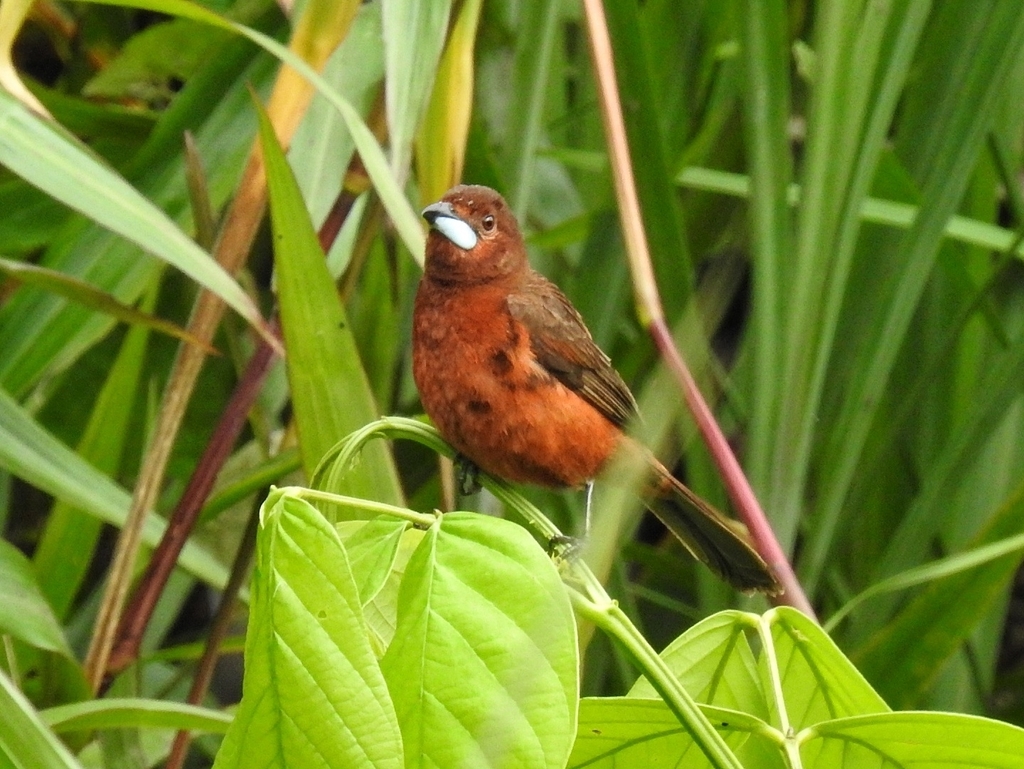
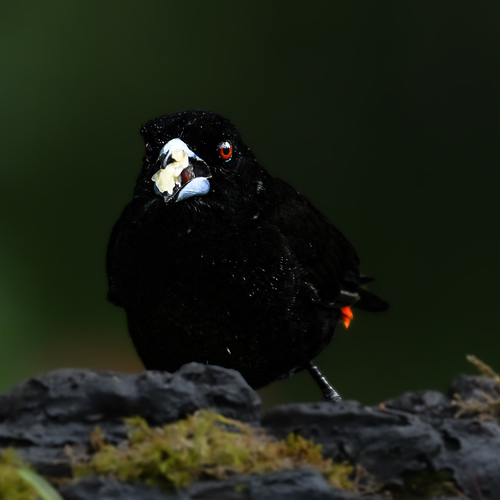
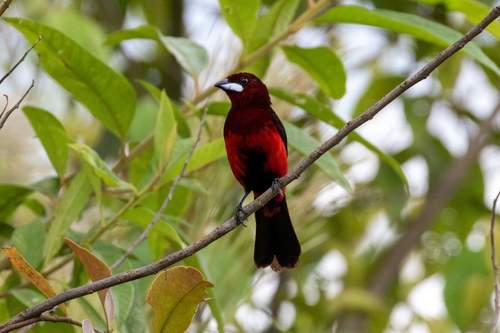
A common South American tanager; the male is deep crimson-black with a gleaming silver bill.
- Status
- Least Concern IUCN Red List
- Eats
- callicarpa nudiflora, trichilia catigua, citharexylum myrianthum and 289 more
- Where
- 13 countries · Amazon rainforest
On 4Planet Atlas it is among the wildlife people record most around Caracas and Paramaribo.
People have shared 193,292 records of the silver-beaked tanager with GBIF, from 13 countries, most of them from Brazil, Colombia and Peru. Records collected by GloBI show it eating 292 different kinds of animals and plants, and being eaten by 1.
Habitats
What the silver-beaked tanager eats, and what eats it
Studies have recorded it eating 292 kinds of animals and plants, and 1 kinds of animals eating it. Tap any of them to follow the food chain.
- Plants 279
Silver-beaked tanager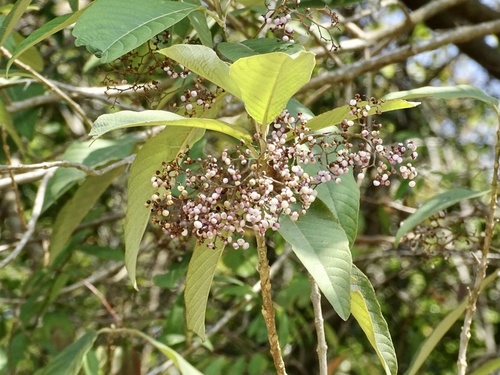
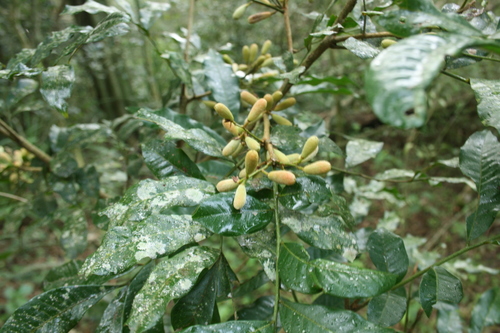
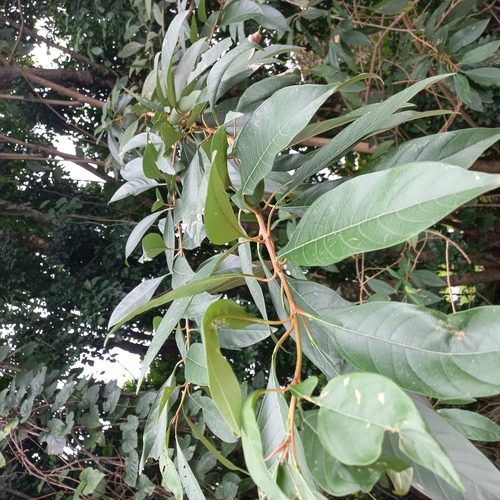
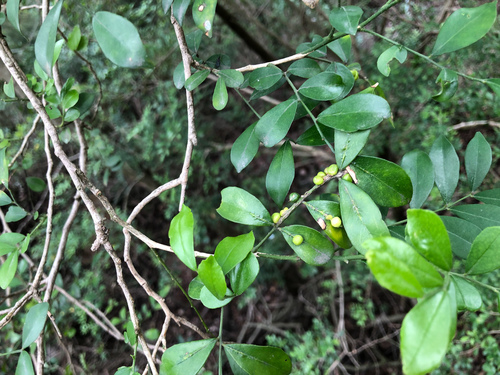
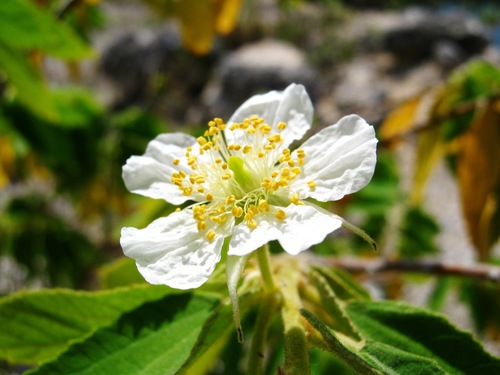
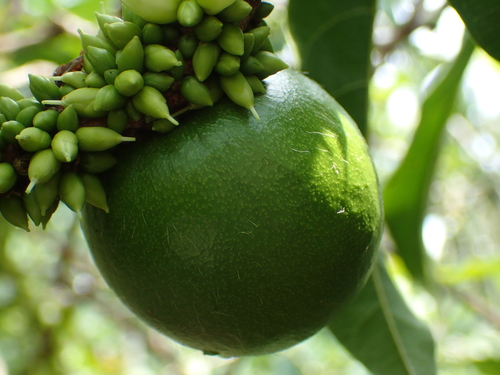
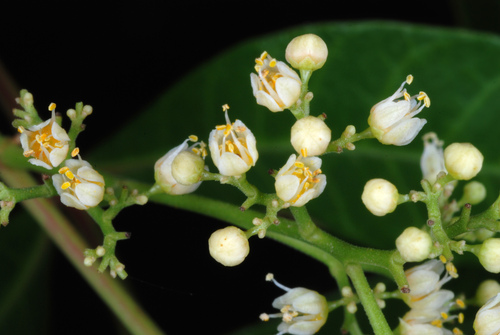
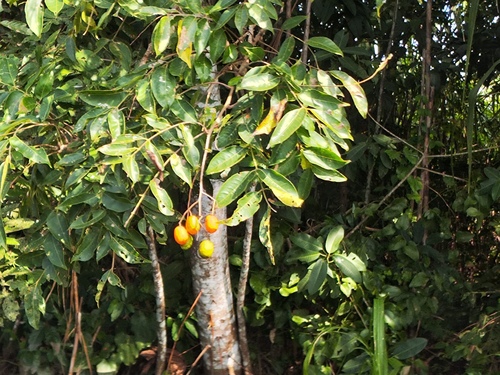
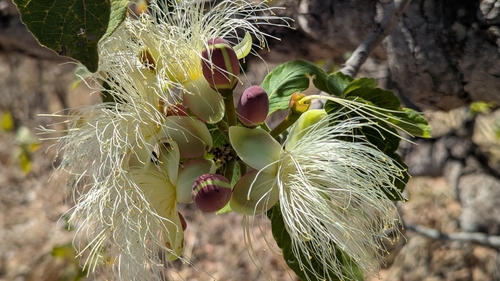
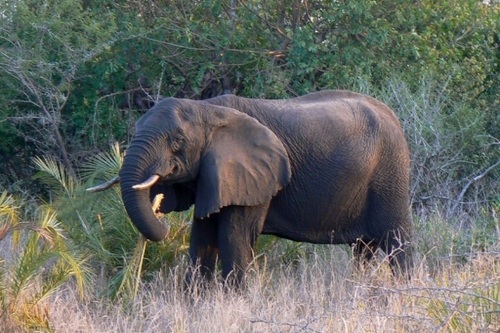
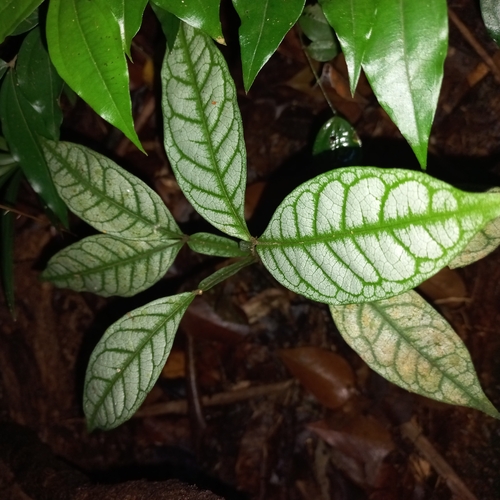
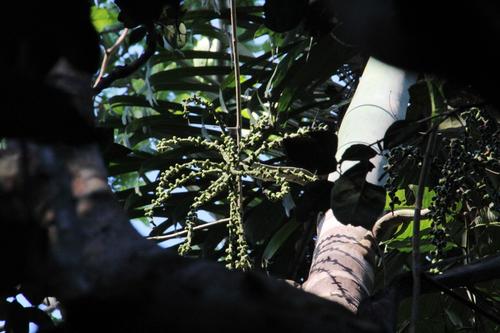
Records from studies worldwide, collected by GloBI. They include animals eaten as carrion, and they are not everything it eats in one place.
Where people see the silver-beaked tanager
People have shared 193,292 records from 13 countries.
Near a city: Caracas, Paramaribo.
Records show where people have seen it and shared it, not its full range. Country names open their page in Atlas.
When it is seen
Records per month in the southern hemisphere. More people outdoors also means more records.
Watch and listen
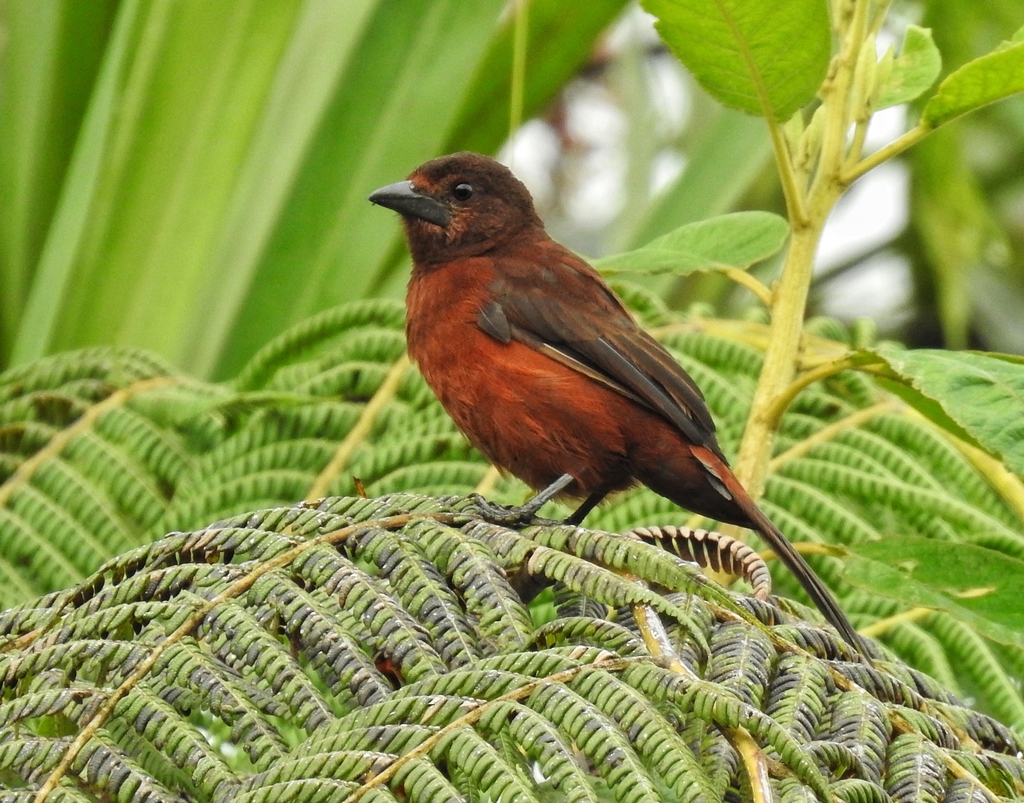
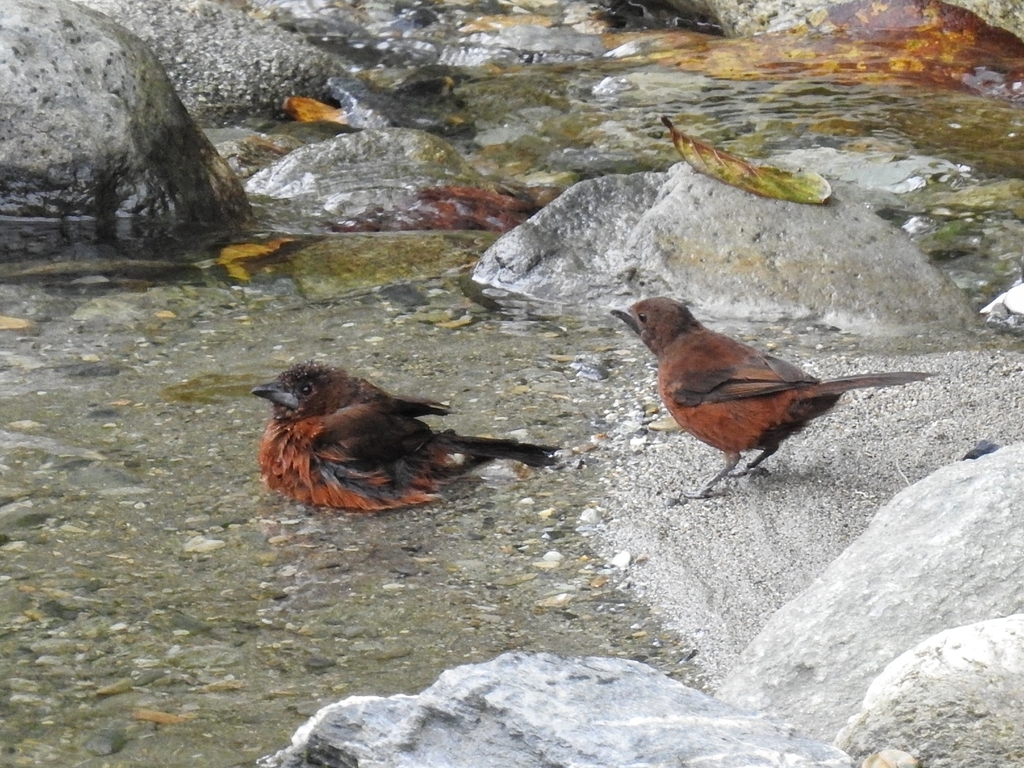
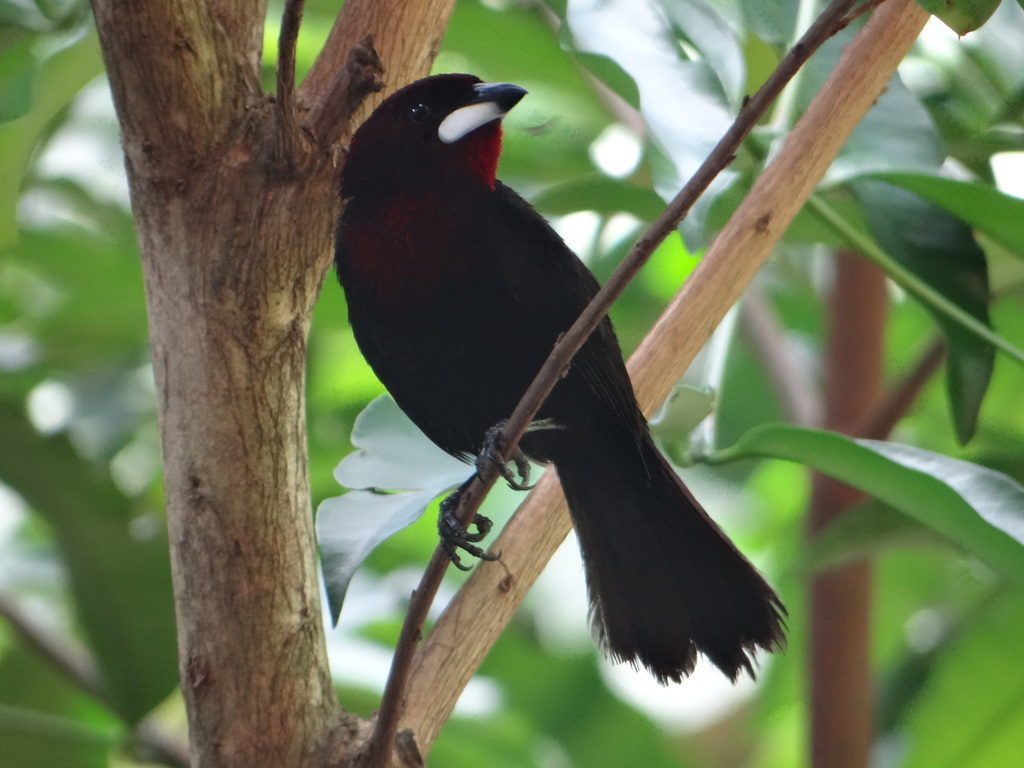
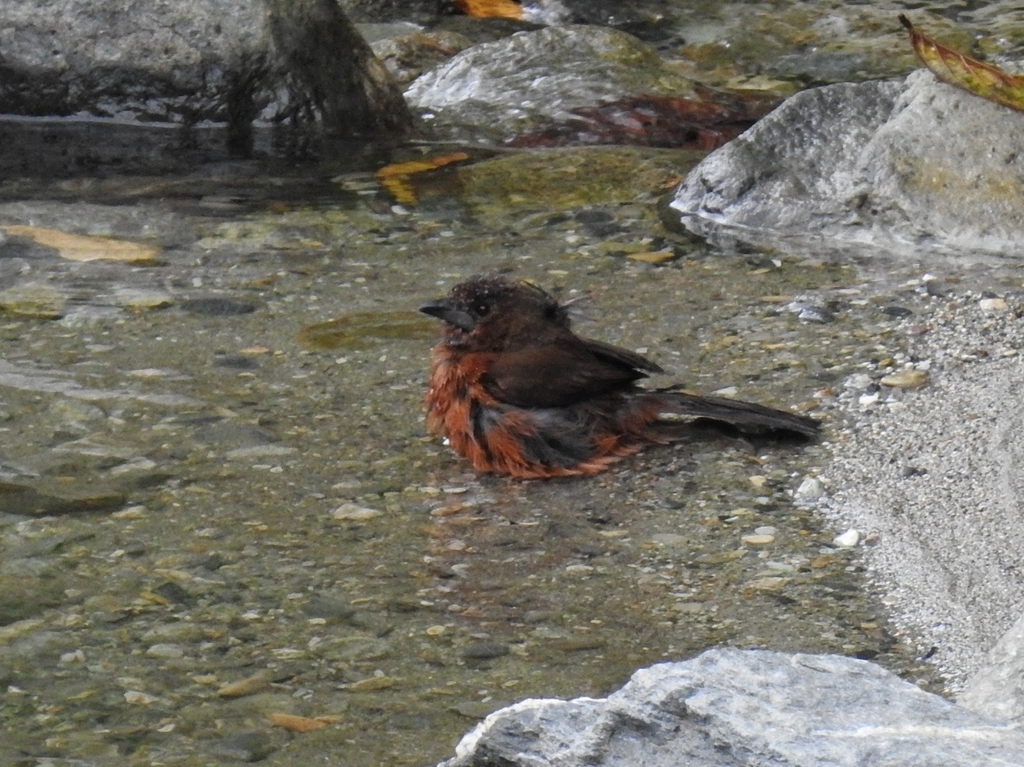
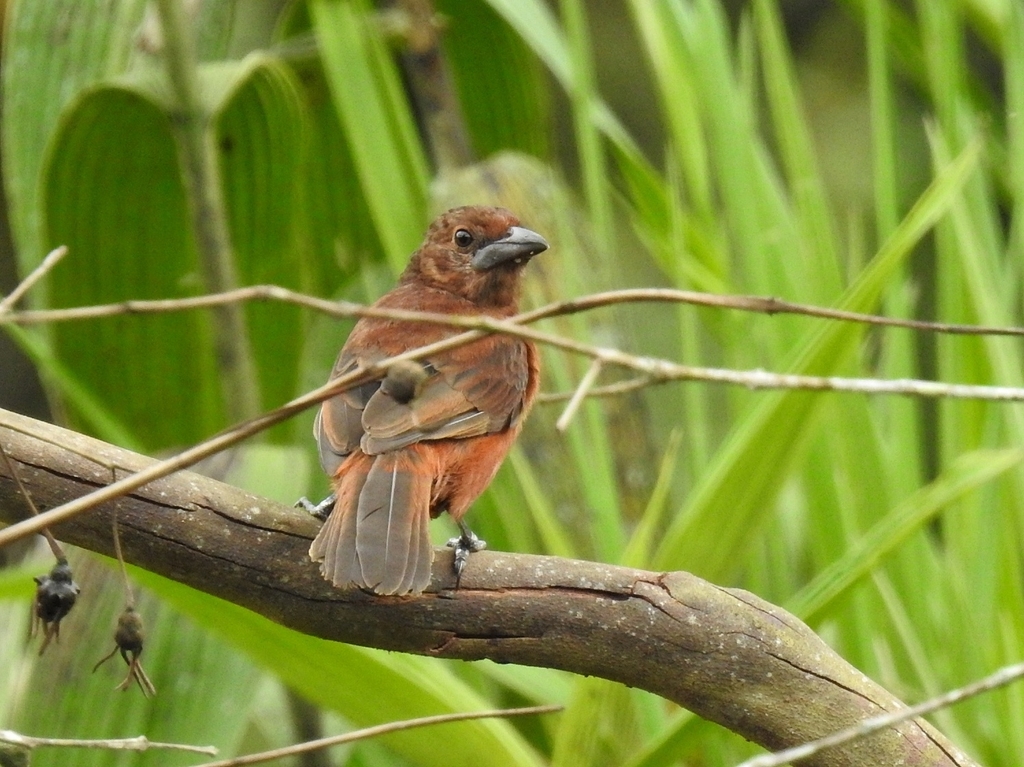
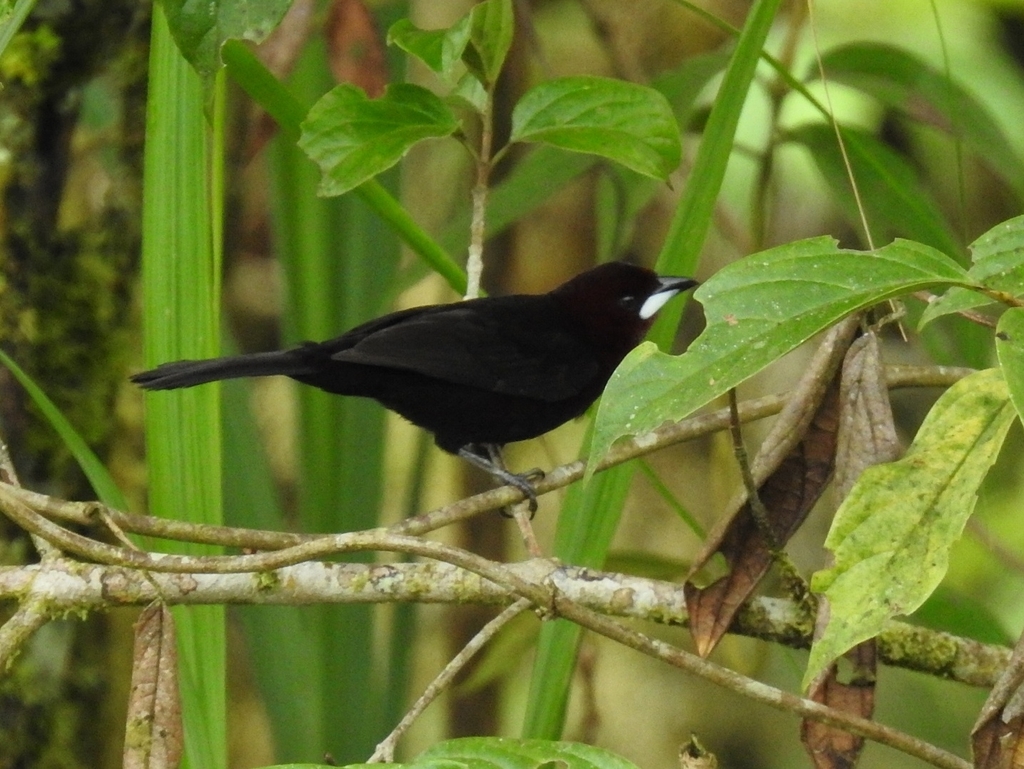
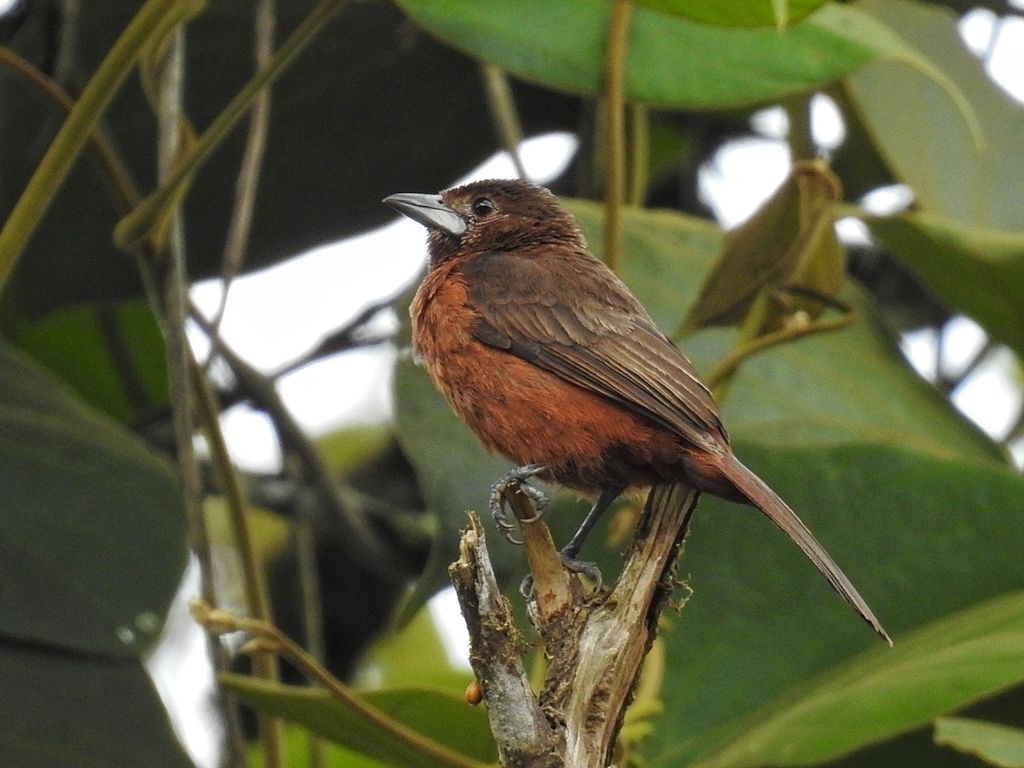
Its closest relatives
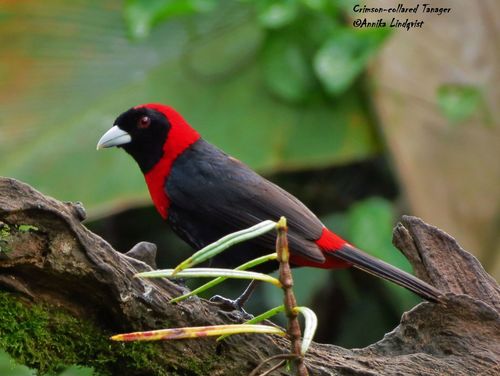
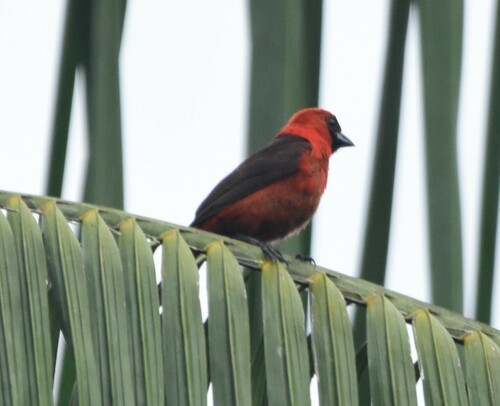
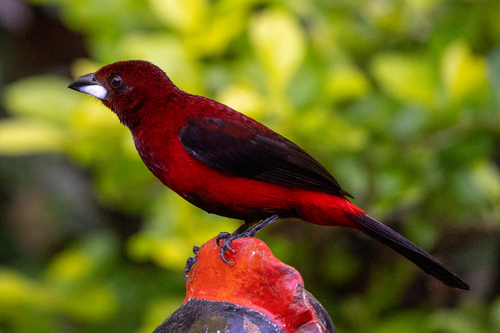
The other species of the genus Ramphocelus.
Seen a silver-beaked tanager?
Share your photo on iNaturalist. Other naturalists help confirm it, and the record goes to GBIF, where scientists use it and where the maps on this page come from.
Put this species on your site
The card names every source and links back here.
<iframe src="https://4planetatlas.com/place/embed/species/silver-beaked-tanager" title="Silver-beaked tanager (Ramphocelus carbo), 4PLANET Species" width="100%" height="600" style="border:0;max-width:640px" loading="lazy"></iframe>
<p><a href="https://4species.com/silver-beaked-tanager">Silver-beaked tanager on 4PLANET Species</a></p>Explore next
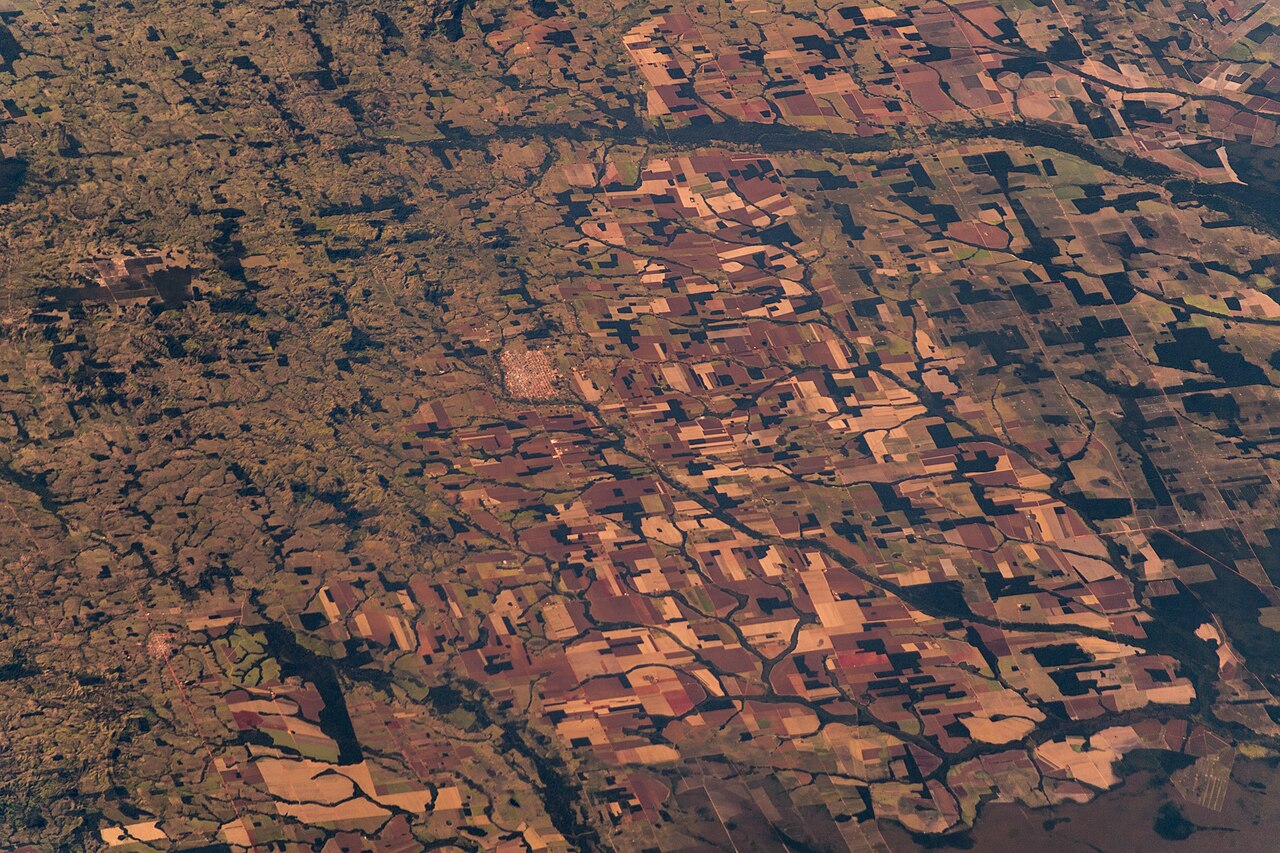
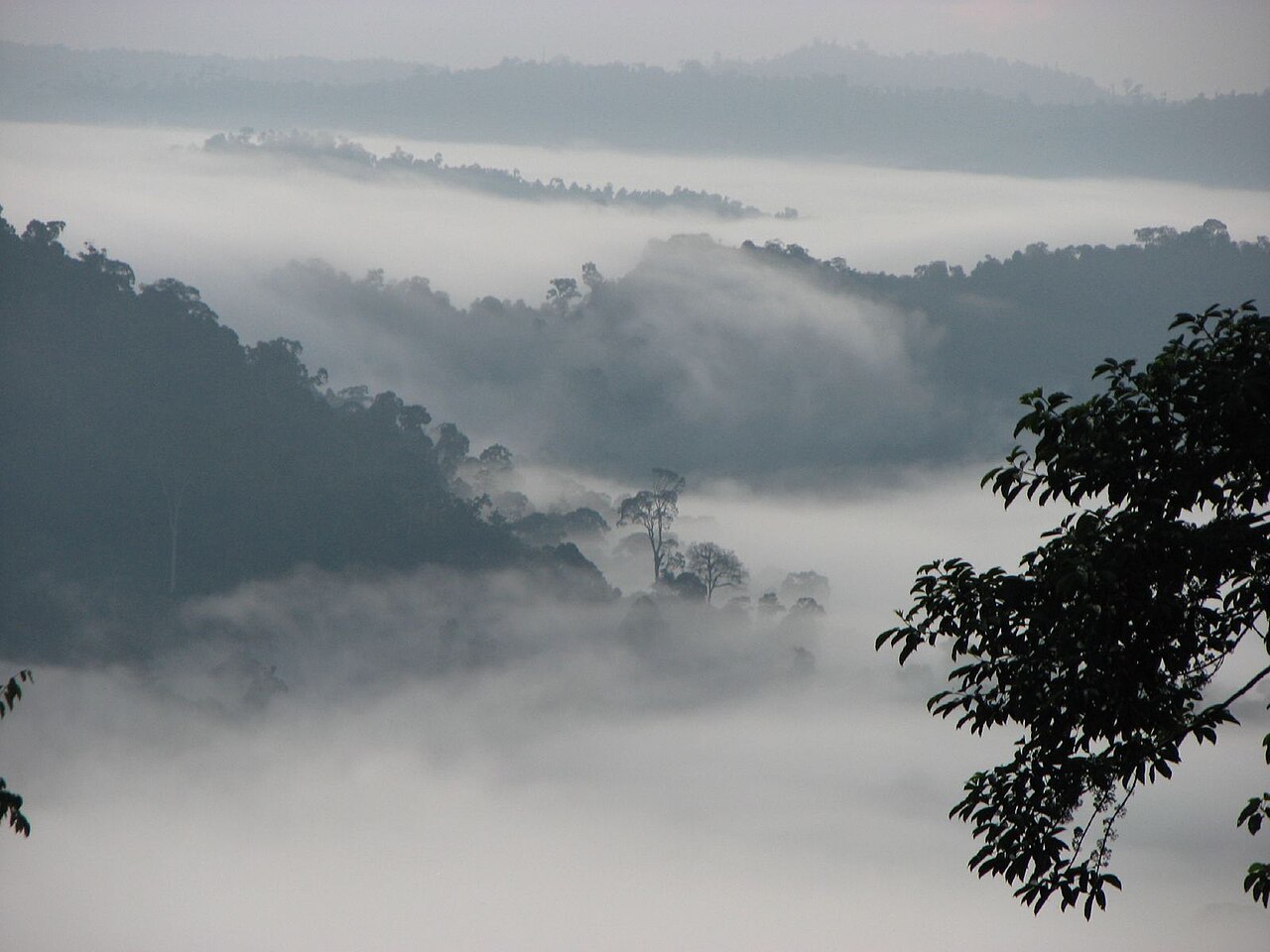
What puts the silver-beaked tanager under pressure, what helps, and who works on it.

Questions people ask
What does the silver-beaked tanager eat?
The silver-beaked tanager has been recorded eating 292 different kinds of animals and plants, most of them plants. The ones recorded most often are callicarpa nudiflora, trichilia catigua, citharexylum myrianthum, murraya paniculata and strawberrytree; records include animals eaten as carrion. Source: GloBI.
What eats the silver-beaked tanager?
Recorded predators include . Source: GloBI.
Where does the silver-beaked tanager live?
People have recorded it in 13 countries; the most records come from Brazil, Colombia, Peru, Ecuador and Venezuela. Records show where people have seen it, not its full range.
When is the silver-beaked tanager seen most?
In the southern hemisphere, the most records are made in October and the fewest in April. More people outdoors also means more records.
What are the silver-beaked tanager's closest relatives?
It shares the genus Ramphocelus with crimson-collared tanager, brazilian tanager, masked crimson tanager, crimson-backed tanager and passerini's tanager.
Sources and photo credits
- GBIF · Ramphocelus carbo, 193,292 human observations
- GloBI · recorded interactions of Ramphocelus carbo
- Wikidata · Silver-beaked tanager (Q906965)
- Silver-beaked tanager (Ramphocelus carbo): Esteban Poveda, CC BY 4.0
- Silver-beaked tanager (Ramphocelus carbo): Esteban Poveda, CC BY 4.0
- Silver-beaked tanager (Ramphocelus carbo): Esteban Poveda, CC BY 4.0
- Silver-beaked tanager (Ramphocelus carbo): Vincent A. Vos, CC BY 4.0
- Silver-beaked tanager (Ramphocelus carbo), Rio Negro, Ecuador: Esteban Poveda, CC BY 4.0
- Silver-beaked tanager (Ramphocelus carbo), Rio Negro, Ecuador: Esteban Poveda, CC BY 4.0
- Silver-beaked tanager (Ramphocelus carbo), Rio Negro, Ecuador: Esteban Poveda, CC BY 4.0
- Silver-beaked tanager (Ramphocelus carbo), Rio Negro, Ecuador: Esteban Poveda, CC BY 4.0
- Silver-beaked tanager (Ramphocelus carbo), Rio Negro, Ecuador: Esteban Poveda, CC BY 4.0
- Callicarpa nudiflora: Toby Y, CC BY 4.0
- Trichilia catigua: Patricio Cowper Coles, CC BY 4.0
- Citharexylum myrianthum: Patrícia Mees, CC BY 4.0
- Murraya paniculata: Cheng-Tao Lin, CC BY 4.0
- Strawberrytree: Jorge Armín Escalante-Pasos, CC BY 4.0
- Abiu: no rights reserved, uploaded by 葉子, CC0
- Brazilian peppertree: Douglas Goldman, CC BY-SA 4.0
- Hog plum: Silvia Ten, CC BY 4.0
- Pekea nut: Libris Simas Ferraz, CC BY 4.0
- Senegal date palm: traianbertau, CC BY 4.0
- Ice cream bean: Patrícia Mees, CC BY 4.0
- Cashapona: Tony Rebelo, CC BY-SA 4.0
- Crimson-collared tanager: Annika Lindqvist, CC BY 4.0
- Masked crimson tanager: Zac Peterson, CC BY 4.0
- Crimson-backed tanager: Anthony Batista, CC BY 4.0
- Passerini's tanager: Catriona Hall, CC0
- Huallaga tanager: Thibaud Aronson, CC BY-SA 4.0
Records show where people have seen and shared the silver-beaked tanager, not its full range, and some countries and months are recorded far more than others. The food web lists interactions that studies have recorded somewhere in the world (GloBI), not everything it eats in one place.
Checked 2026-11-22.