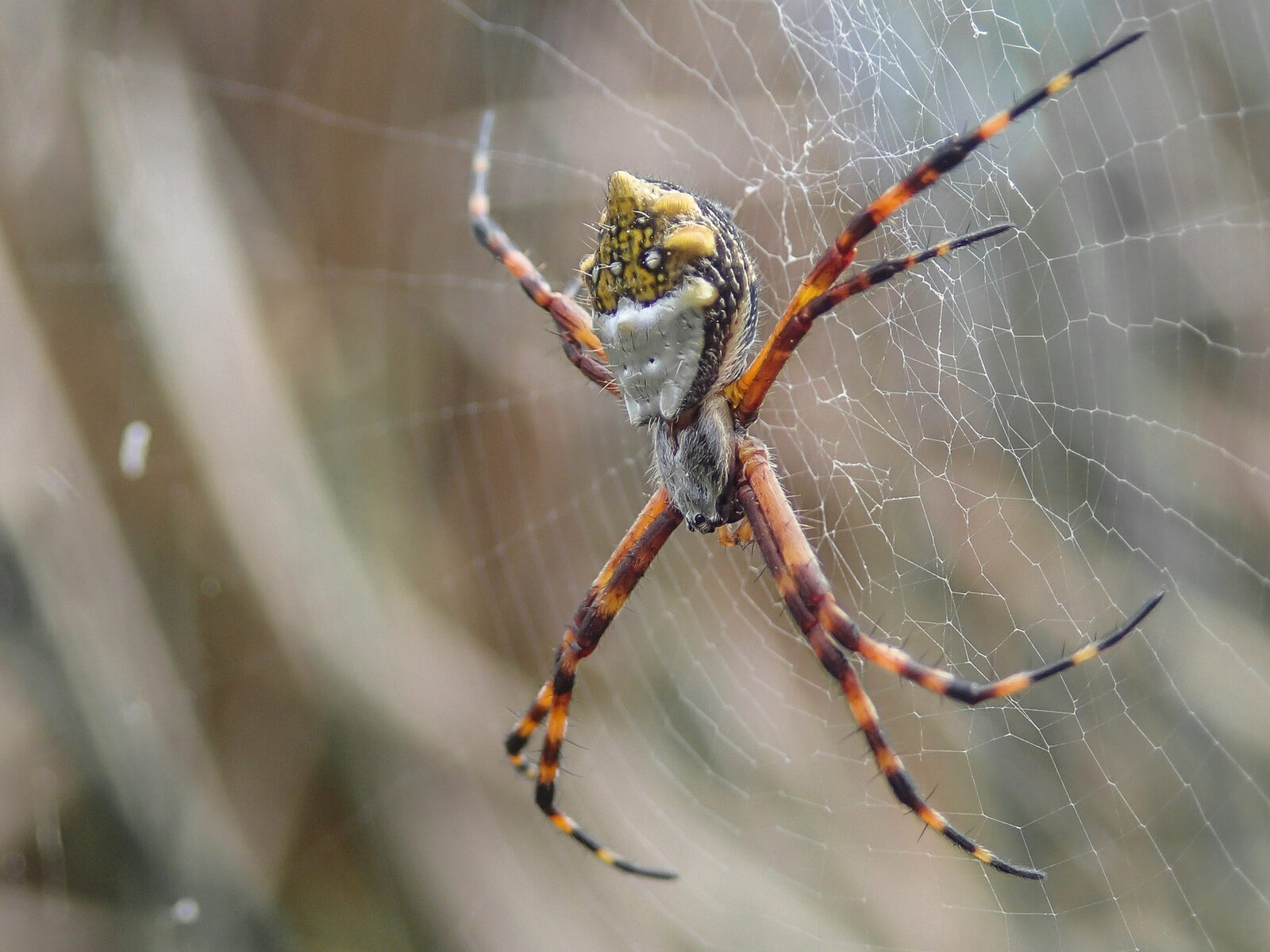
Silver garden spider
Argiope argentata
A silver-backed orb-weaving spider that often decorates its web with zigzag silk.
- Status
- IUCN Red List
- Eats
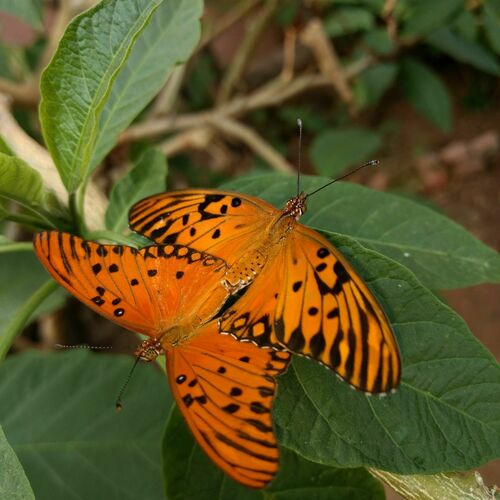
- florida carpenter ant, gulf fritillary, margined leatherwing beetle and 81 more
- Eaten by
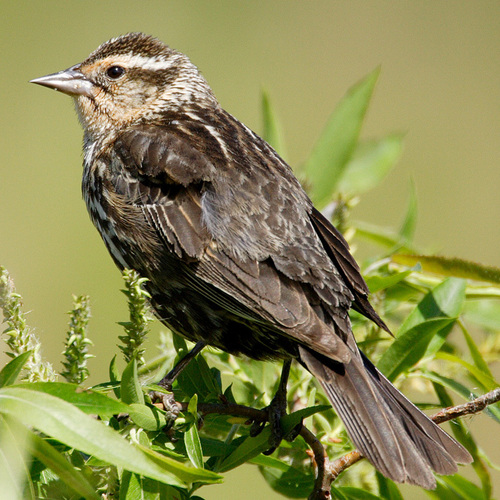
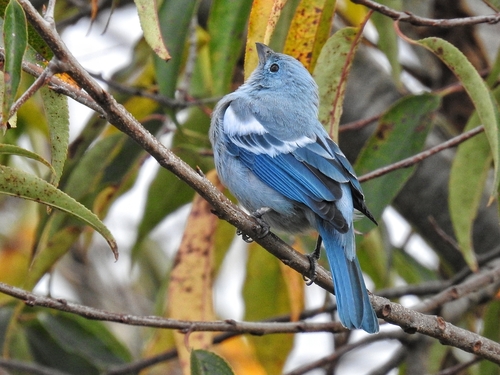
- red-winged blackbird, blue-grey tanager
- Where
- 49 countries
On 4Planet Atlas it is among the wildlife people record most around Brasília, Bridgetown and Lima.
People have shared 32,663 records of the silver garden spider with GBIF, from 49 countries, most of them from United States, Brazil and Argentina. Records collected by GloBI show it eating 84 different kinds of animals and plants, and being eaten by 3.
What the silver garden spider eats, and what eats it
Studies have recorded it eating 84 kinds of animals and plants, and 3 kinds of animals eating it. Tap any of them to follow the food chain.
- Insects 72
 Silver garden spider


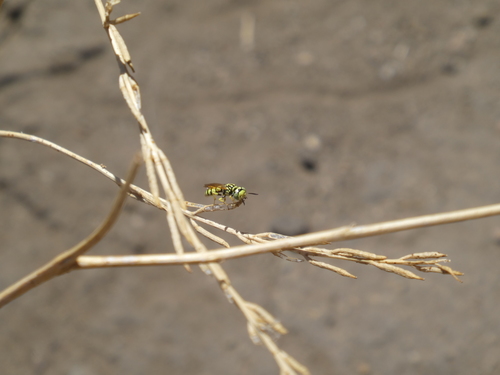
Records from studies worldwide, collected by GloBI. They include animals eaten as carrion, and they are not everything it eats in one place.
Where people see the silver garden spider
People have shared 32,663 records from 49 countries.
Near a city: Brasília, Bridgetown, Lima.
Records show where people have seen it and shared it, not its full range. Country names open their page in Atlas.
When it is seen
Records per month in the northern hemisphere. More people outdoors also means more records.
Watch and listen

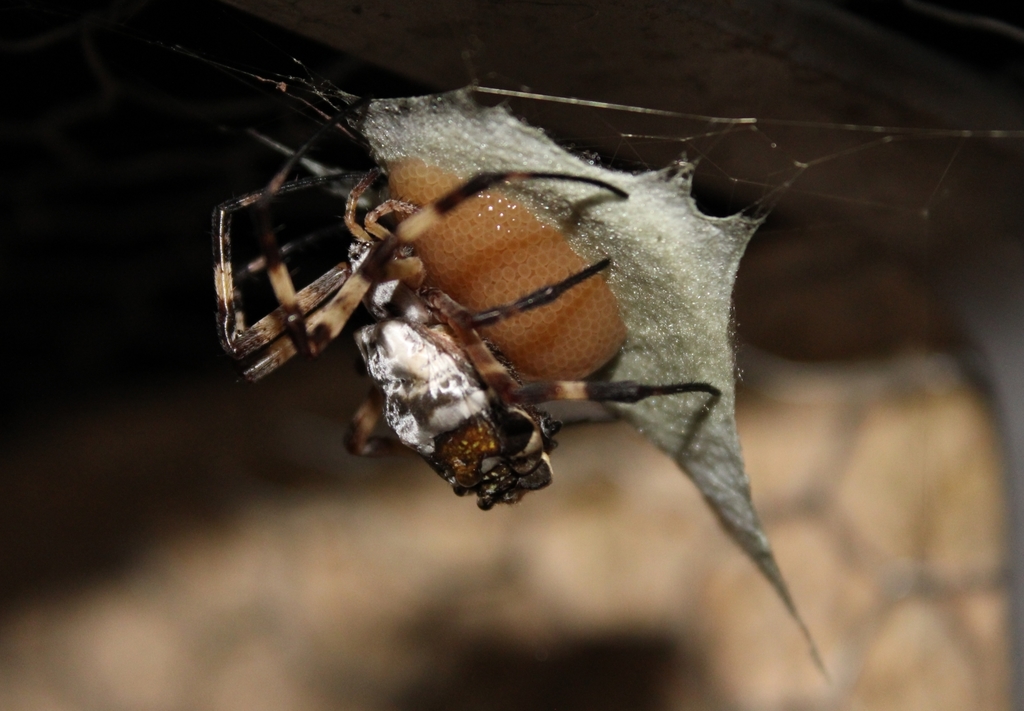
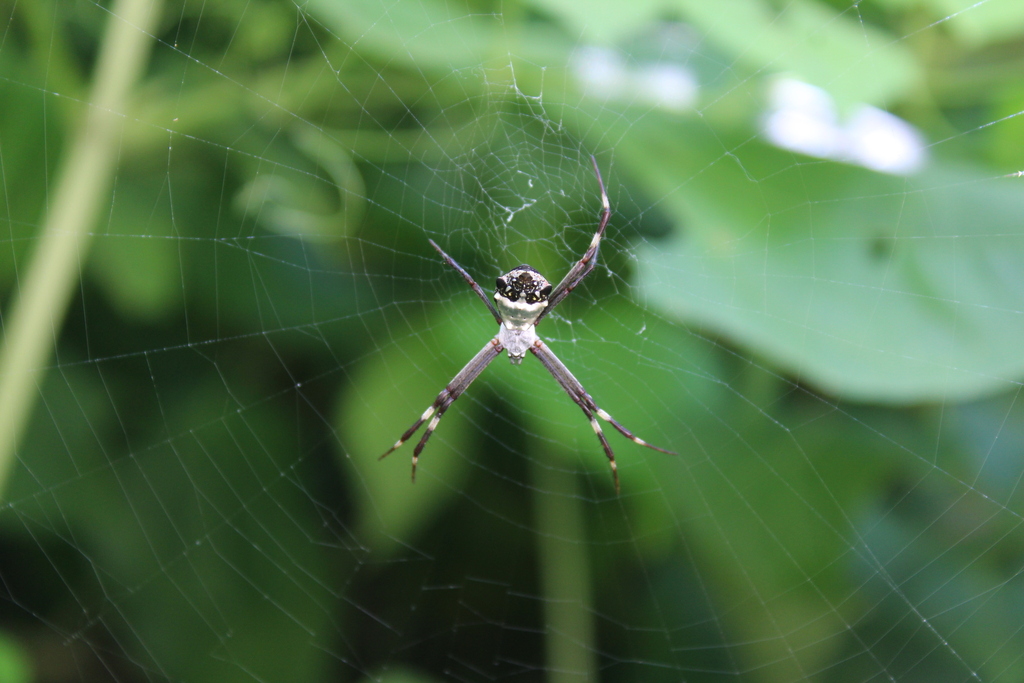
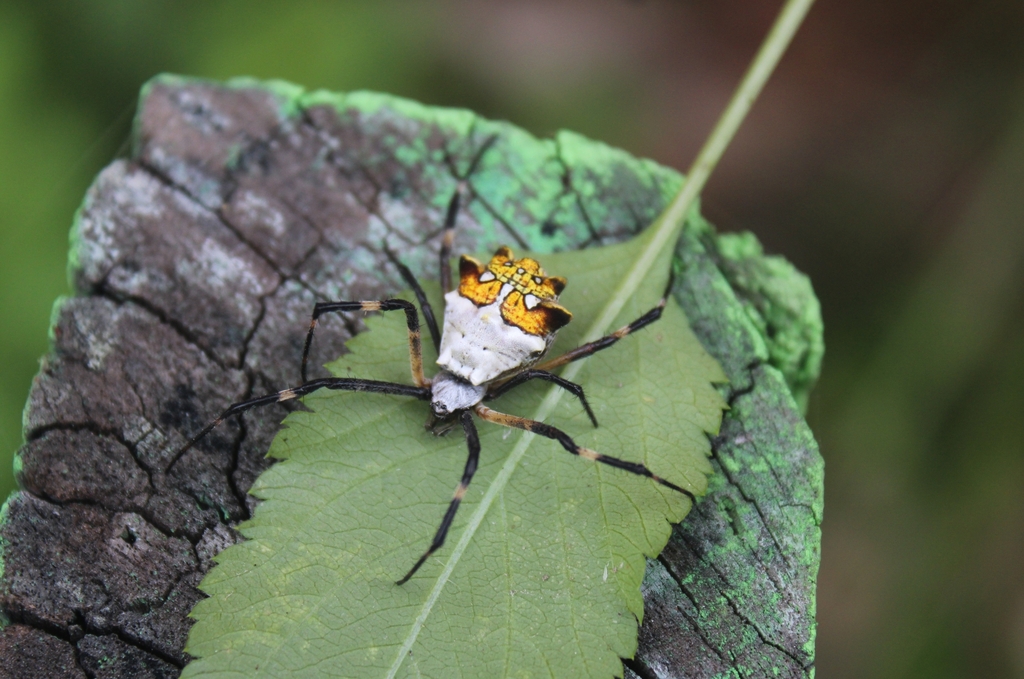
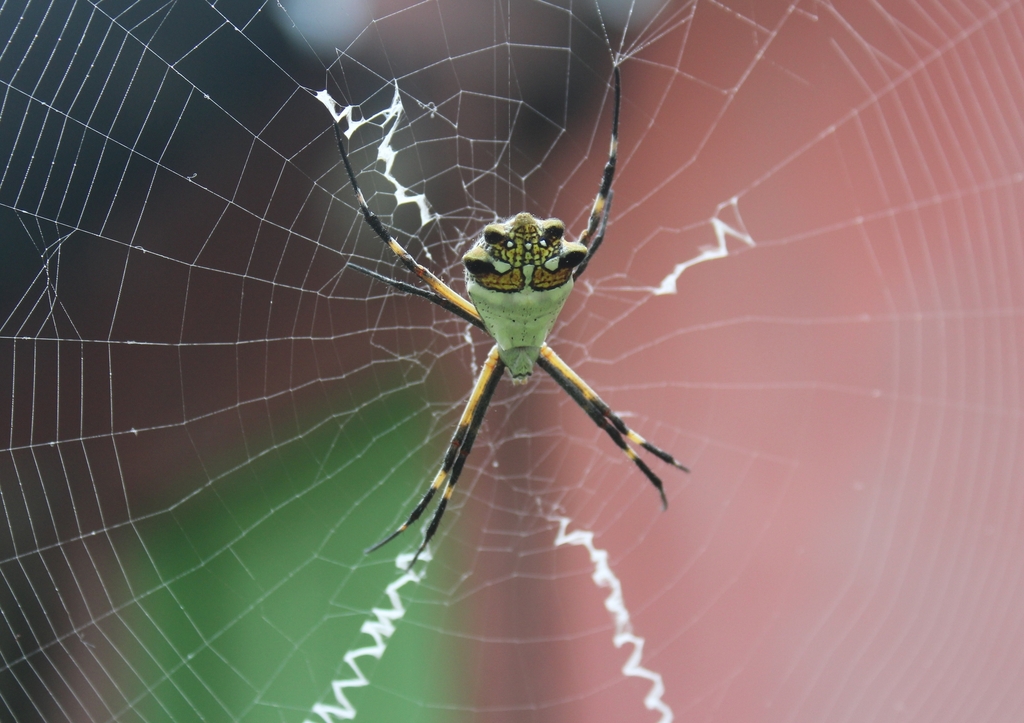
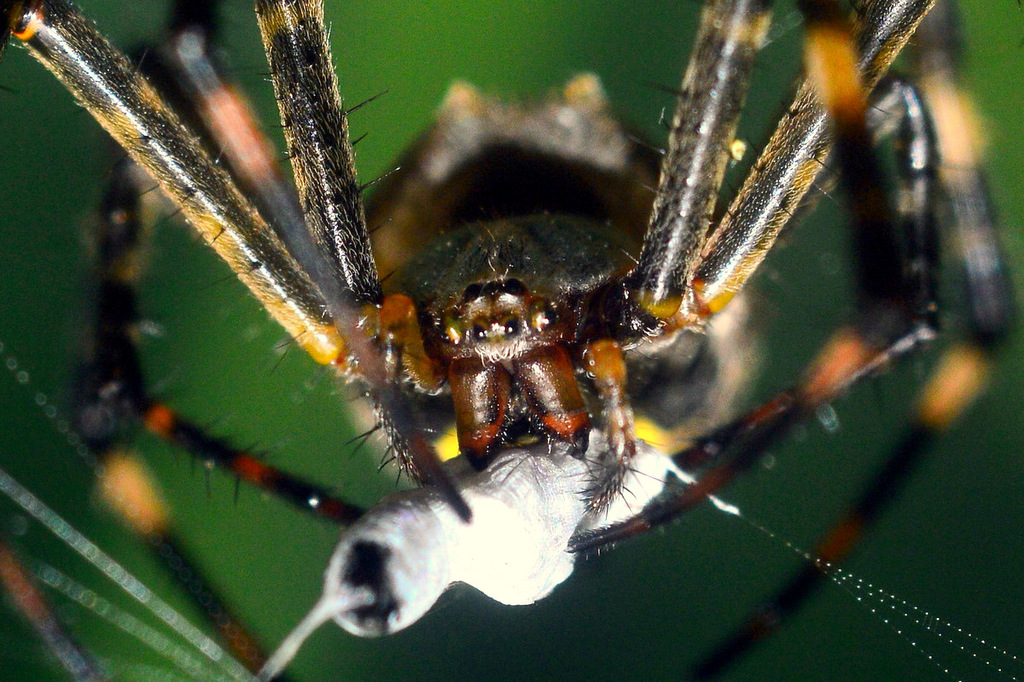
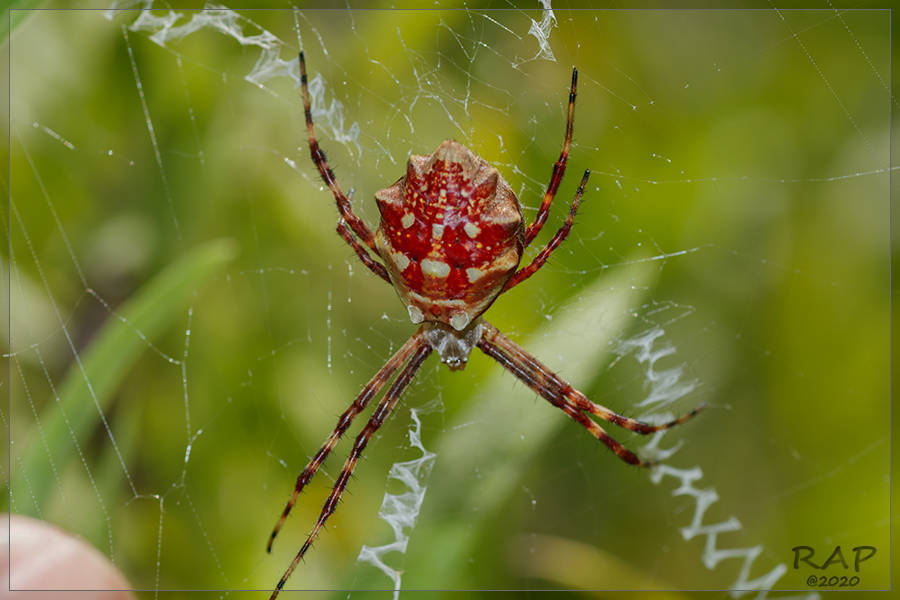
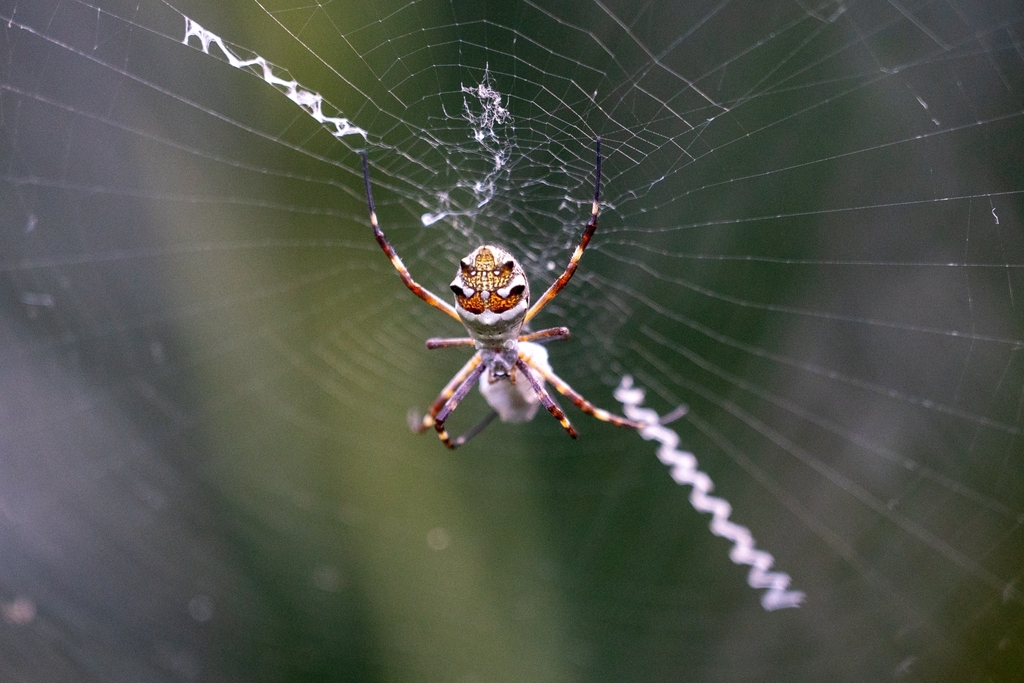
Seen a silver garden spider?
Share your photo on iNaturalist. Other naturalists help confirm it, and the record goes to GBIF, where scientists use it and where the maps on this page come from.
Questions people ask
What does the silver garden spider eat?
The silver garden spider has been recorded eating 84 different kinds of animals and plants, most of them insects. The ones recorded most often are florida carpenter ant, gulf fritillary, margined leatherwing beetle and pacific burrowing wasp; records include animals eaten as carrion. Source: GloBI.
What eats the silver garden spider?
Recorded predators include red-winged blackbird and blue-grey tanager. Source: GloBI.
Where does the silver garden spider live?
People have recorded it in 49 countries; the most records come from United States, Brazil, Argentina, Ecuador and Mexico. Records show where people have seen it, not its full range.
When is the silver garden spider seen most?
In the northern hemisphere, the most records are made in September and the fewest in February. More people outdoors also means more records.
Sources and photo credits
- GBIF · Argiope argentata, 32,663 human observations
- GloBI · recorded interactions of Argiope argentata
- Wikidata · Silver garden spider (Q138440)
- Silver garden spider (Argiope argentata): Manuel Vicente Miranda del Solar, CC BY 4.0
- Silver garden spider (Argiope argentata), Los pantanos de villa: Manuel Vicente Miranda del Solar, CC BY 4.0
- Silver garden spider (Argiope argentata), Rua Padre José Hermano Torres Portugal: Cristiane Colodel, CC BY 4.0
- Silver garden spider (Argiope argentata), El Remate, Guatemala: Ricard Busquets Reverte, CC BY 4.0
- Silver garden spider (Argiope argentata), El Remate, Guatemala: Ricard Busquets Reverte, CC BY 4.0
- Silver garden spider (Argiope argentata), El Remate, Guatemala: Ricard Busquets Reverte, CC BY 4.0
- Silver garden spider (Argiope argentata), Jardim Barbacena, Cotia - SP, Brasil: Rodrigo Paiva Lázaro, CC BY 4.0
- Silver garden spider (Argiope argentata), Acassuso, Buenos Aires, Argentina: RAP, CC BY 4.0
- Silver garden spider (Argiope argentata), Chácara Saude, Leme - SP, Brasil: Jean Martins, CC BY 4.0
- Florida carpenter ant: Bob Peterson, CC BY-SA 4.0
- Gulf fritillary: ISAAC FELIPE 8425, CC BY-SA 4.0
- Margined leatherwing beetle: Bill Keim, CC BY 4.0
- Pacific burrowing wasp: Eric Johnson, CC BY 4.0
- Red-winged blackbird: anonymous, CC BY-SA 4.0
- Blue-grey tanager: Esteban Poveda, CC BY 4.0
Records show where people have seen and shared the silver garden spider, not its full range, and some countries and months are recorded far more than others. The food web lists interactions that studies have recorded somewhere in the world (GloBI), not everything it eats in one place.
Checked 2026-11-21.