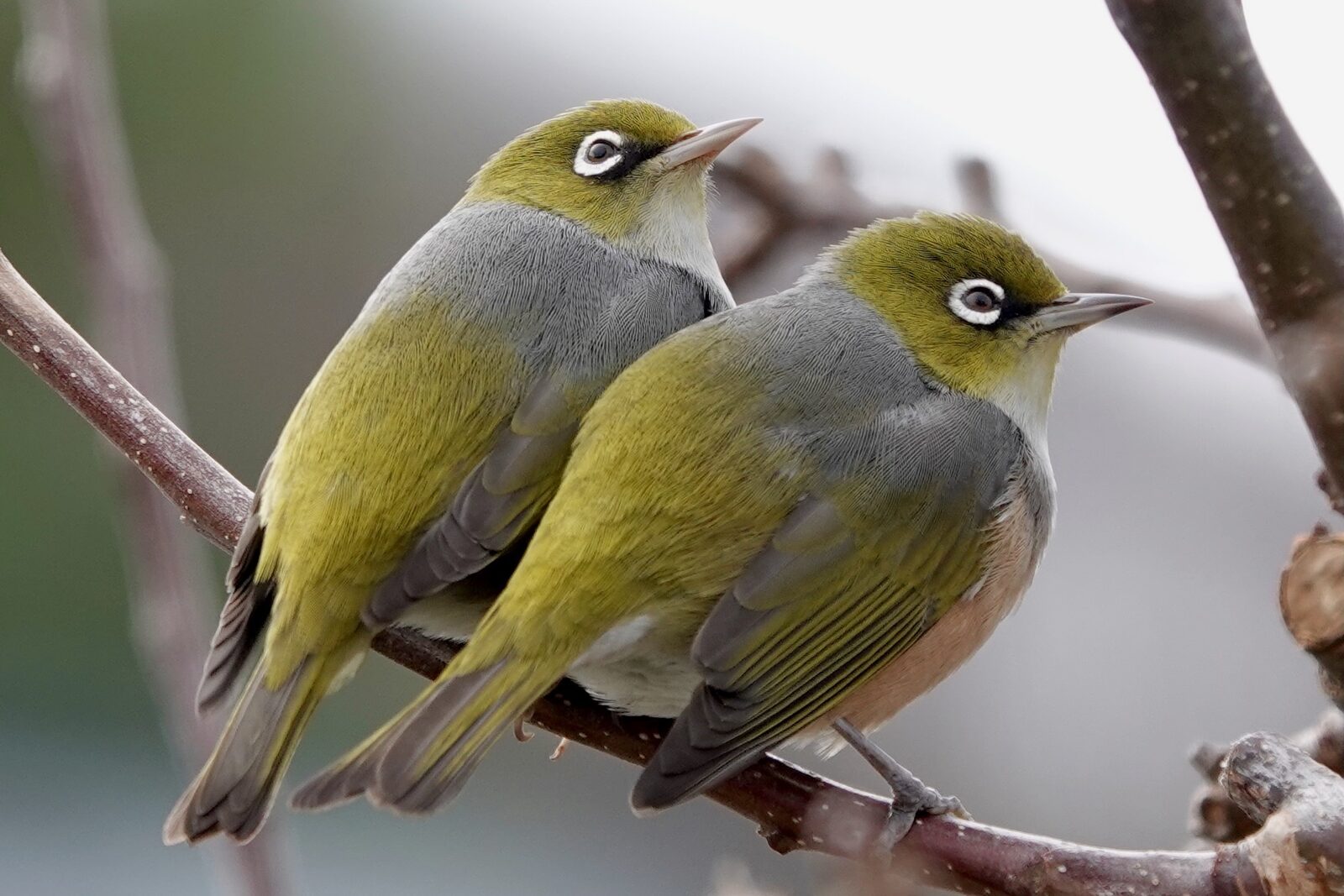
Silvereye
Zosterops lateralis
- Status
- Least Concern IUCN Red List
- Eats
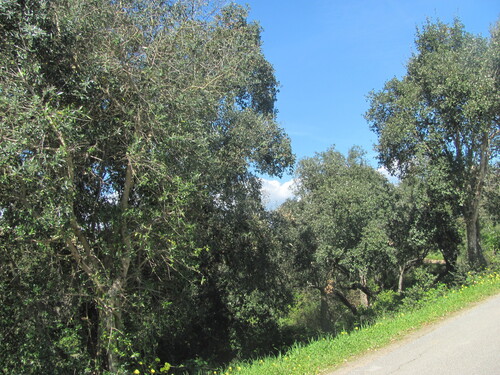
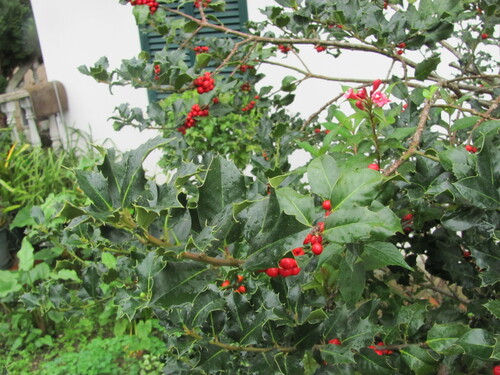
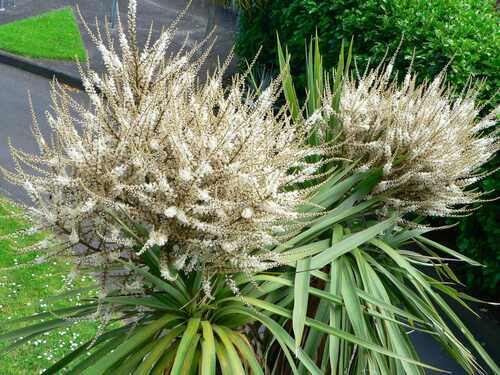
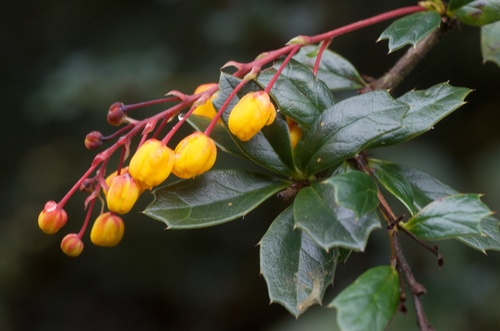
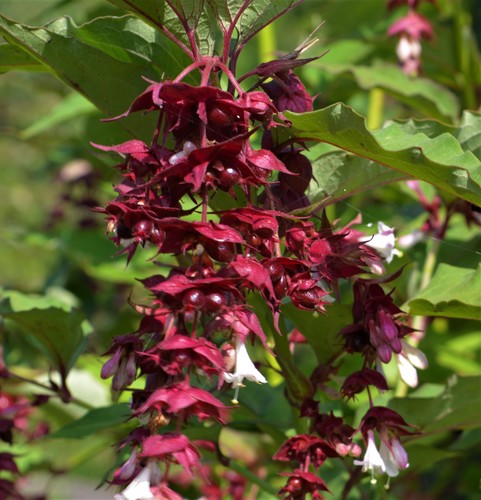
- olive, english holly, cabbage tree and 135 more
- Eaten by
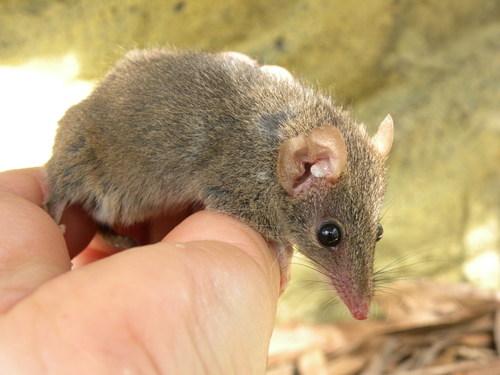
- brown antechinus
- Where
- 8 countries · lord Howe Island Group
On 4Planet Atlas it is among the wildlife people record most around Auckland, Brisbane and Canberra, and 6 more of the cities we cover.
People have shared 793,034 records of the silvereye with GBIF, from 8 countries, most of them from Australia, New Zealand and Fiji. Records collected by GloBI show it eating 138 different kinds of animals and plants, and being eaten by 2.
Habitats
What the silvereye eats, and what eats it
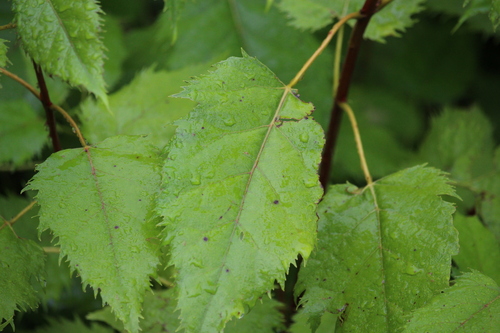
Studies have recorded it eating 138 kinds of animals and plants, and 2 kinds of animals eating it. Tap any of them to follow the food chain.
- Plants 132
- Insects 2
- Spiders and mites 1
Eaten by
 Silvereye
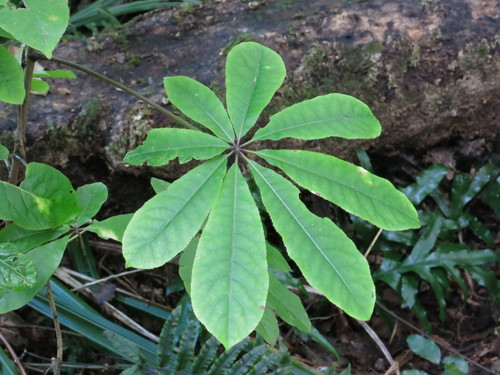
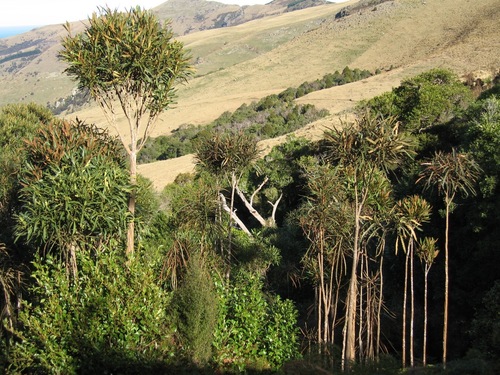
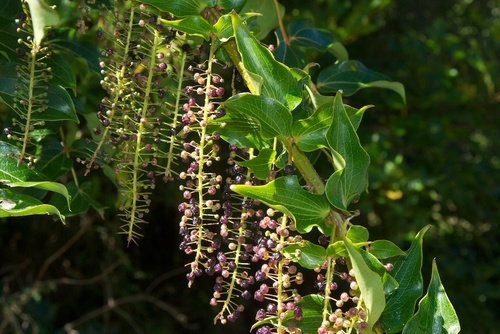
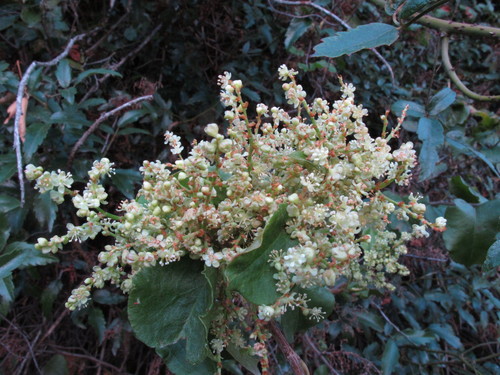
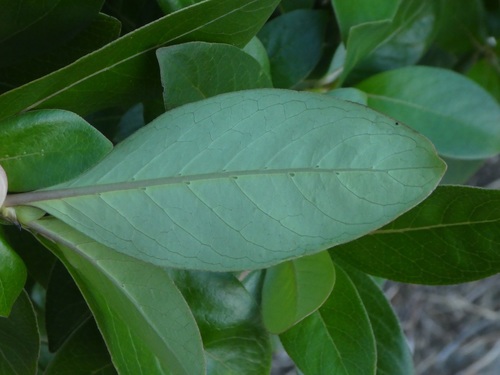
Records from studies worldwide, collected by GloBI. They include animals eaten as carrion, and they are not everything it eats in one place.
Where people see the silvereye
People have shared 793,034 records from 8 countries.
Near a city: Auckland, Brisbane, Canberra, Melbourne, Perth, Port Vila, Suva, Sydney, Wellington.
Records show where people have seen it and shared it, not its full range. Country names open their page in Atlas.
When it is seen
Records per month in the southern hemisphere. More people outdoors also means more records.
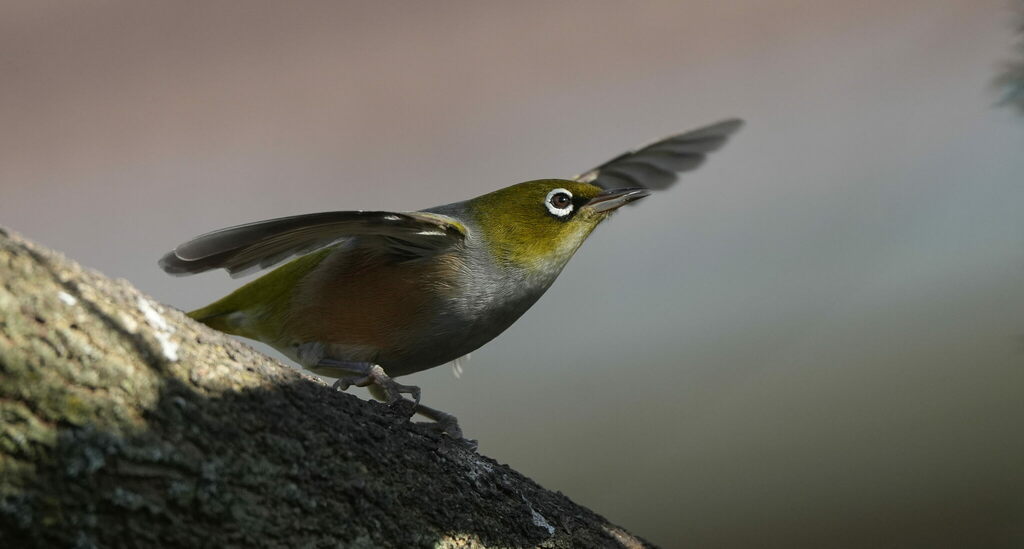
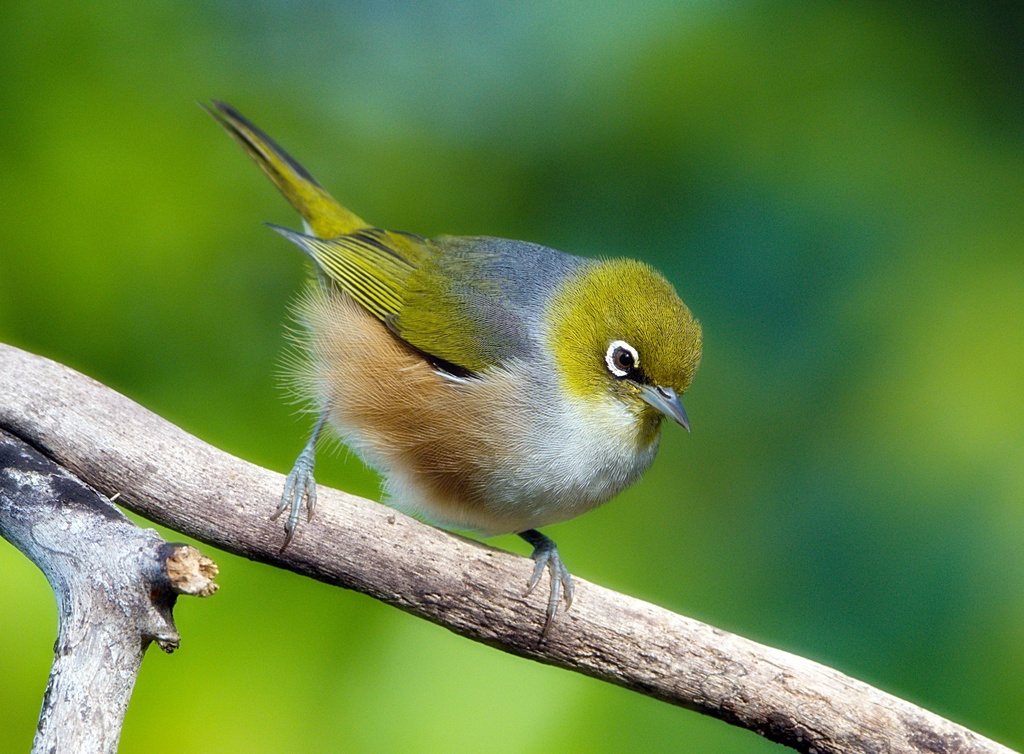
Watch and listen
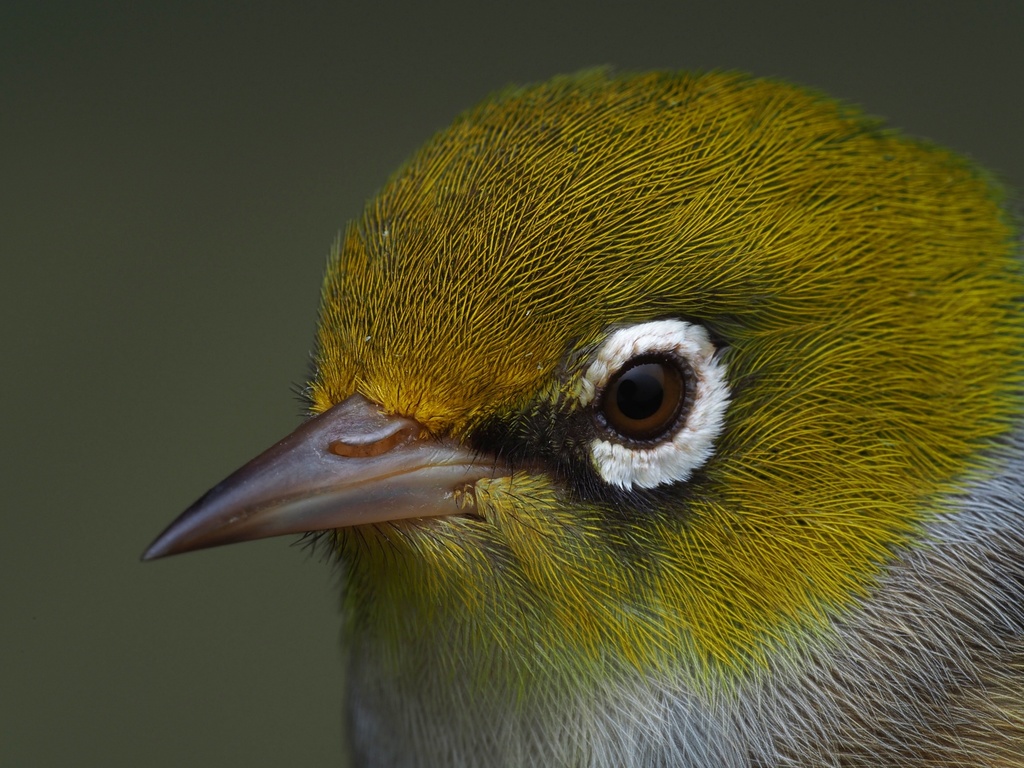
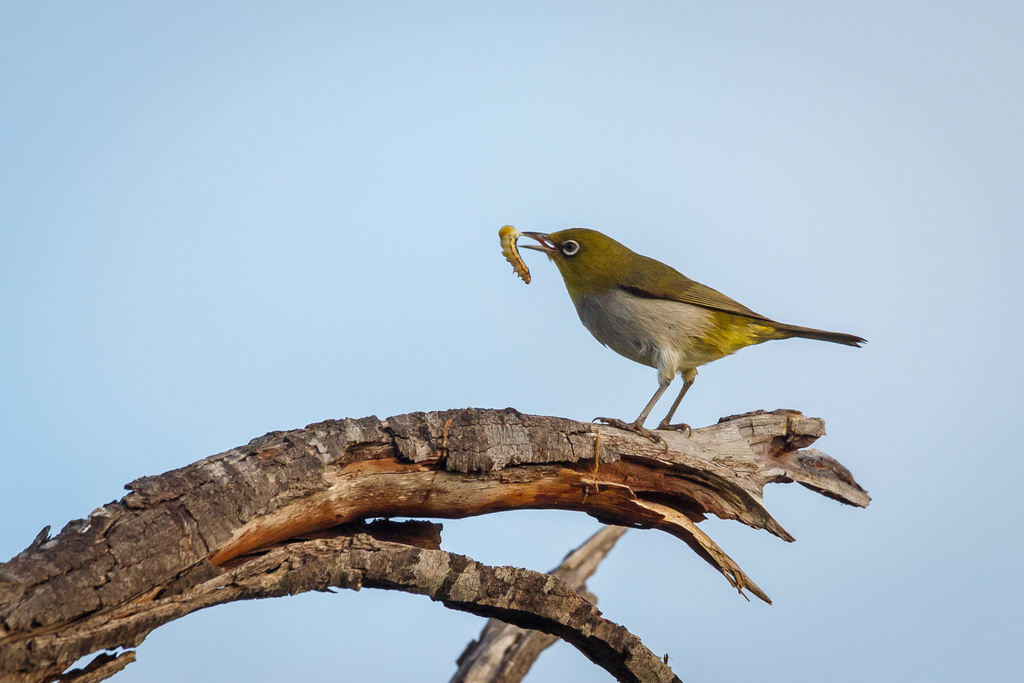
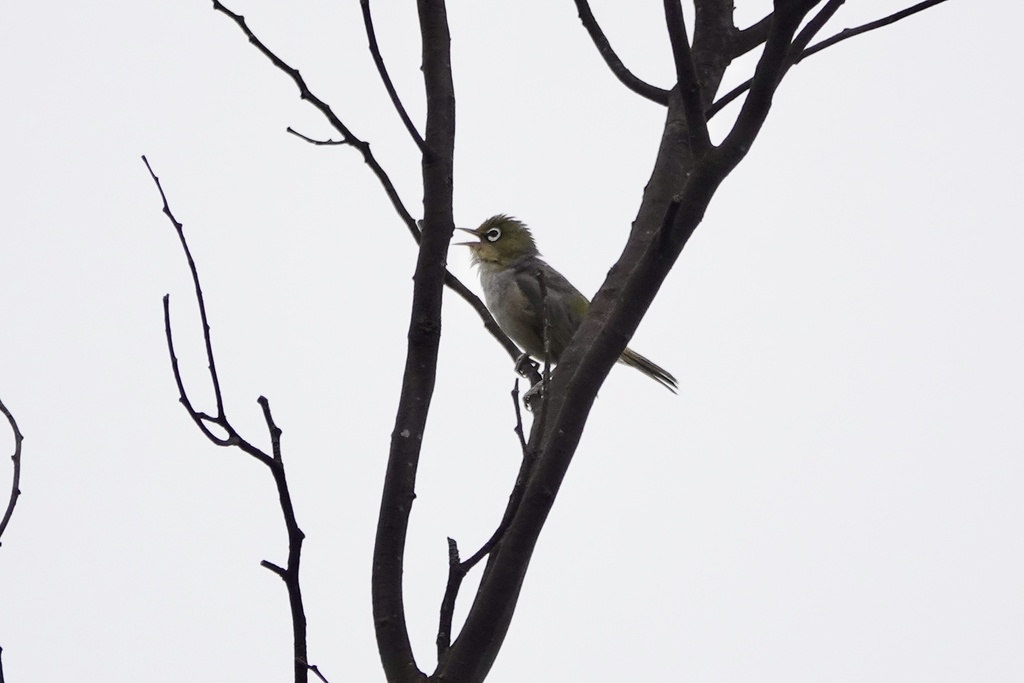
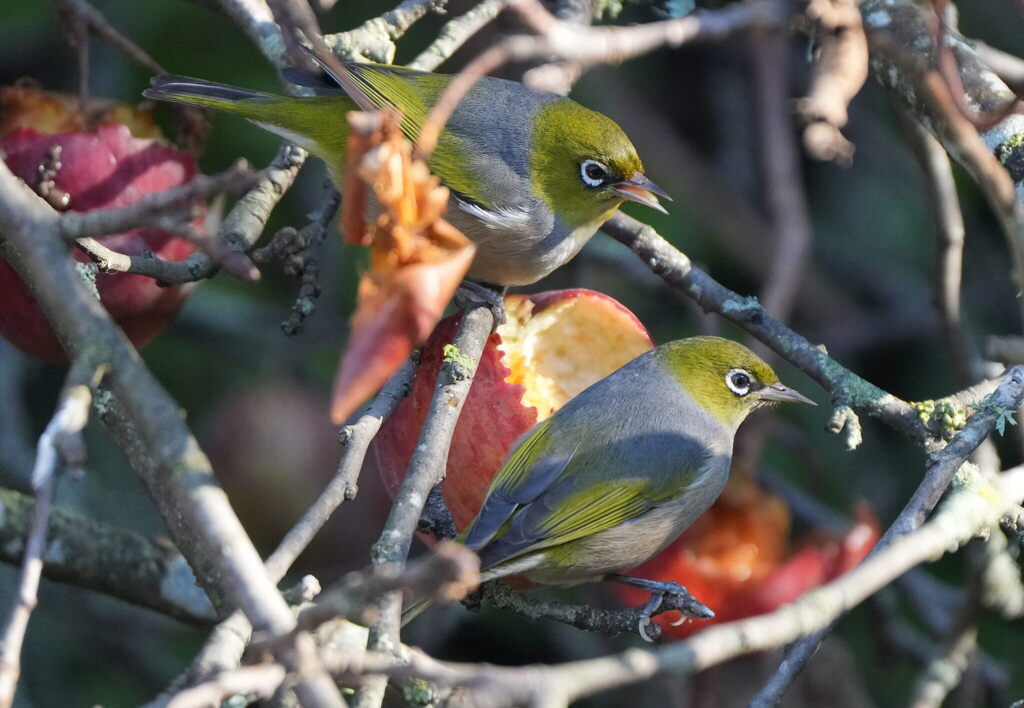
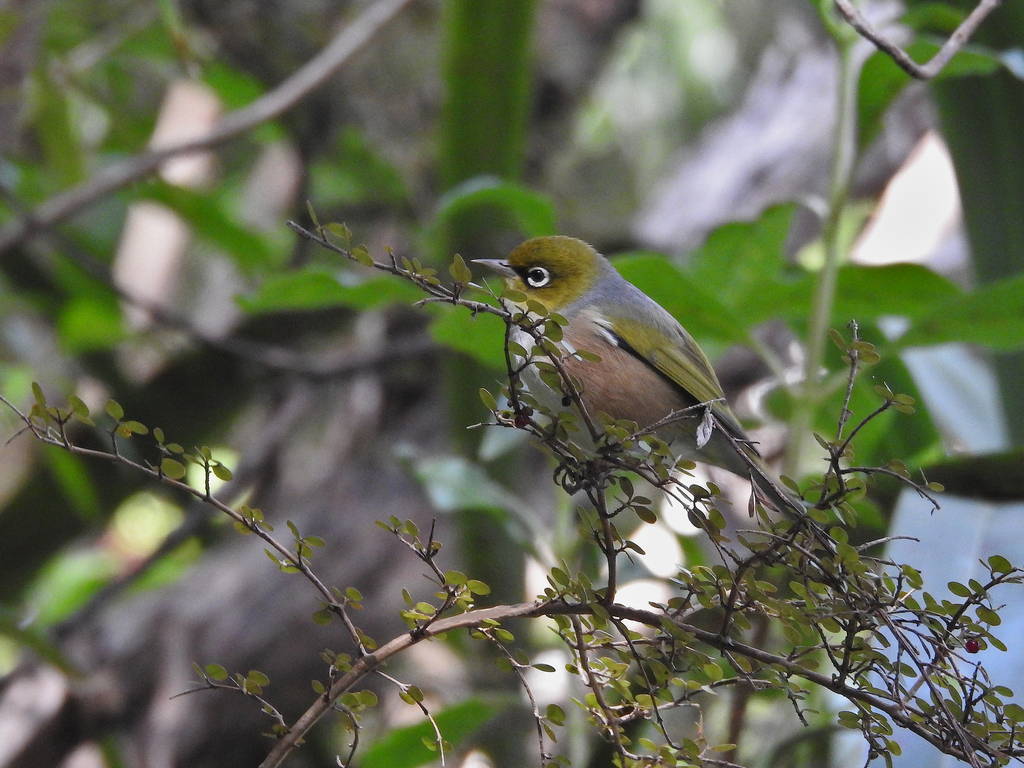
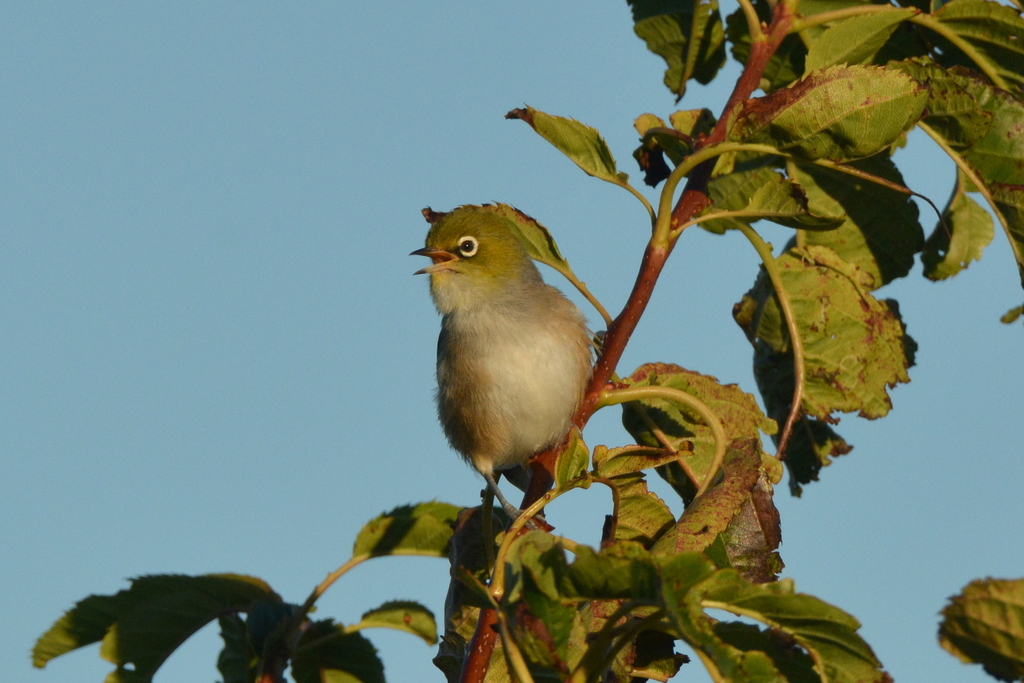
Its closest relatives
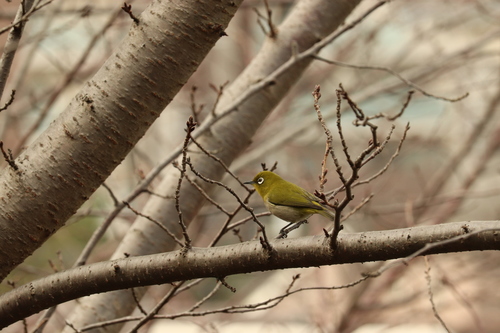
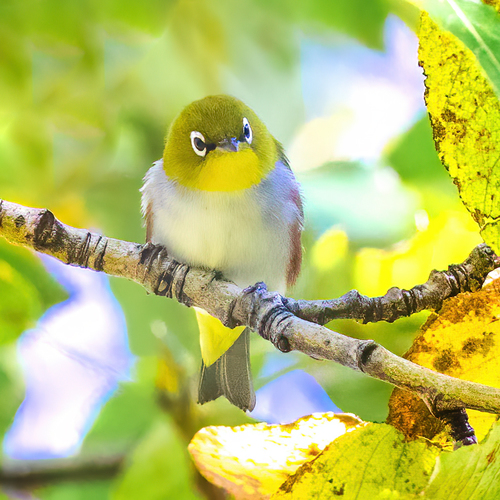
The other species of the genus Zosterops.

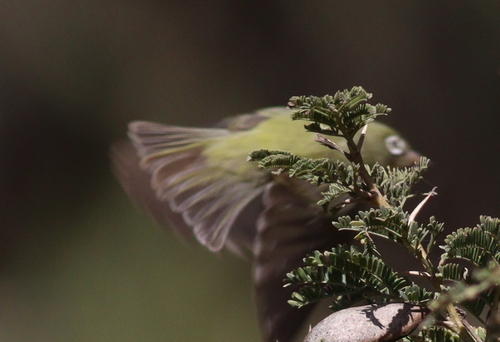
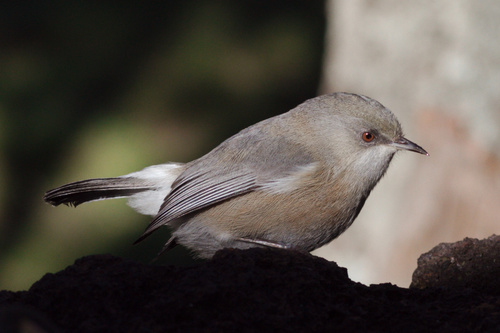

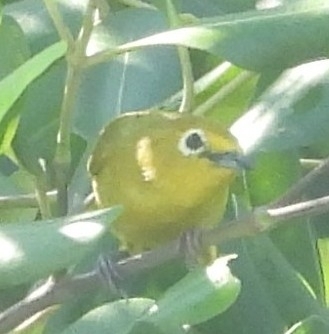
Seen a silvereye?
Share your photo on iNaturalist. Other naturalists help confirm it, and the record goes to GBIF, where scientists use it and where the maps on this page come from.
Put this species on your site
The card names every source and links back here.
<iframe src="https://4planetatlas.com/place/embed/species/silvereye" title="Silvereye (Zosterops lateralis), 4PLANET Species" width="100%" height="600" style="border:0;max-width:640px" loading="lazy"></iframe>
<p><a href="https://4species.com/silvereye">Silvereye on 4PLANET Species</a></p>Questions people ask
What does the silvereye eat?
The silvereye has been recorded eating 138 different kinds of animals and plants, most of them plants, insects and spiders and mites. The ones recorded most often are olive, english holly, cabbage tree, darwin's barberry and himalayan honeysuckle; records include animals eaten as carrion. Source: GloBI.
What eats the silvereye?
Recorded predators include brown antechinus. Source: GloBI.
Where does the silvereye live?
People have recorded it in 8 countries; the most records come from Australia, New Zealand, Fiji, Norfolk Island and Vanuatu. Records show where people have seen it, not its full range.
When is the silvereye seen most?
In the southern hemisphere, the most records are made in January and the fewest in August. More people outdoors also means more records.
What are the silvereye's closest relatives?
It shares the genus Zosterops with warbling white-eye, mauritius olive white-eye, chestnut-flanked white-eye, white-chested white-eye and abyssinian white-eye.
Sources and photo credits
- GBIF · Zosterops lateralis, 793,034 human observations
- GloBI · recorded interactions of Zosterops lateralis
- Wikidata · Silvereye (Q313394)
- Silvereye (Zosterops lateralis): BIHNZ, CC BY 4.0
- Silvereye (Zosterops lateralis): Tom, CC BY 4.0
- Silvereye (Zosterops lateralis), Ajana WA 6532, Australia: Cal Wood, CC BY 4.0
- Silvereye (Zosterops lateralis), Eastlink Trl, Ringwood, VIC, AU: John Cull, CC0
- Silvereye (Zosterops lateralis), Leeston, New Zealand: William Harland, CC BY 4.0
- Silvereye (Zosterops lateralis), Waitakere Ranges. Nature Trail, Nihotupu, Auckland, North Island, New Zealand: Saryu Mae 前 朝琉, CC BY 4.0
- Silvereye (Zosterops lateralis), Karori, Wellington, New Zealand: Christopher Stephens, CC BY-SA 4.0
- Silvereye (Zosterops lateralis), Leeston, New Zealand: William Harland, CC BY 4.0
- Silvereye (Zosterops lateralis), Ruawai, New Zealand: Tom, CC BY 4.0
- Olive: zebedeugalinha, CC BY 4.0
- English holly: zebedeugalinha, CC BY 4.0
- Cabbage tree: Sandy Austin, CC BY 4.0
- Darwin's barberry: Jon Sullivan, CC BY 4.0
- Himalayan honeysuckle: Phil James, CC BY 4.0
- Wineberry: Joe Potter Butler, CC BY 4.0
- Pate: John Barkla, CC BY 4.0
- Lancewood: Jon Sullivan, CC BY 4.0
- Tree tutu: Jon Sullivan, CC BY 4.0
- Pōhuehue: John Barkla, CC BY 4.0
- Glossy karamū: Doug Miller, CC BY 4.0
- Mapou: Joe Dillon, CC BY 4.0
- Brown antechinus: Alan Couch, CC BY 4.0
- Warbling white-eye: Se Lena, CC BY 4.0
- Mauritius olive white-eye: Eliane Küpfer, CC BY-SA 4.0
- Chestnut-flanked white-eye: egorbirder, CC BY 4.0
- Abyssinian white-eye: Jan Ebr & Ivana Ebrová, CC BY 4.0
- Réunion grey white-eye: Benoit NABHOLZ, CC BY-SA 4.0
- Bridled white-eye: Peter, CC BY-SA 4.0
- Javan white-eye: Octavianti Shanna, CC BY 4.0
Records show where people have seen and shared the silvereye, not its full range, and some countries and months are recorded far more than others. The food web lists interactions that studies have recorded somewhere in the world (GloBI), not everything it eats in one place.
Checked 2026-11-27.