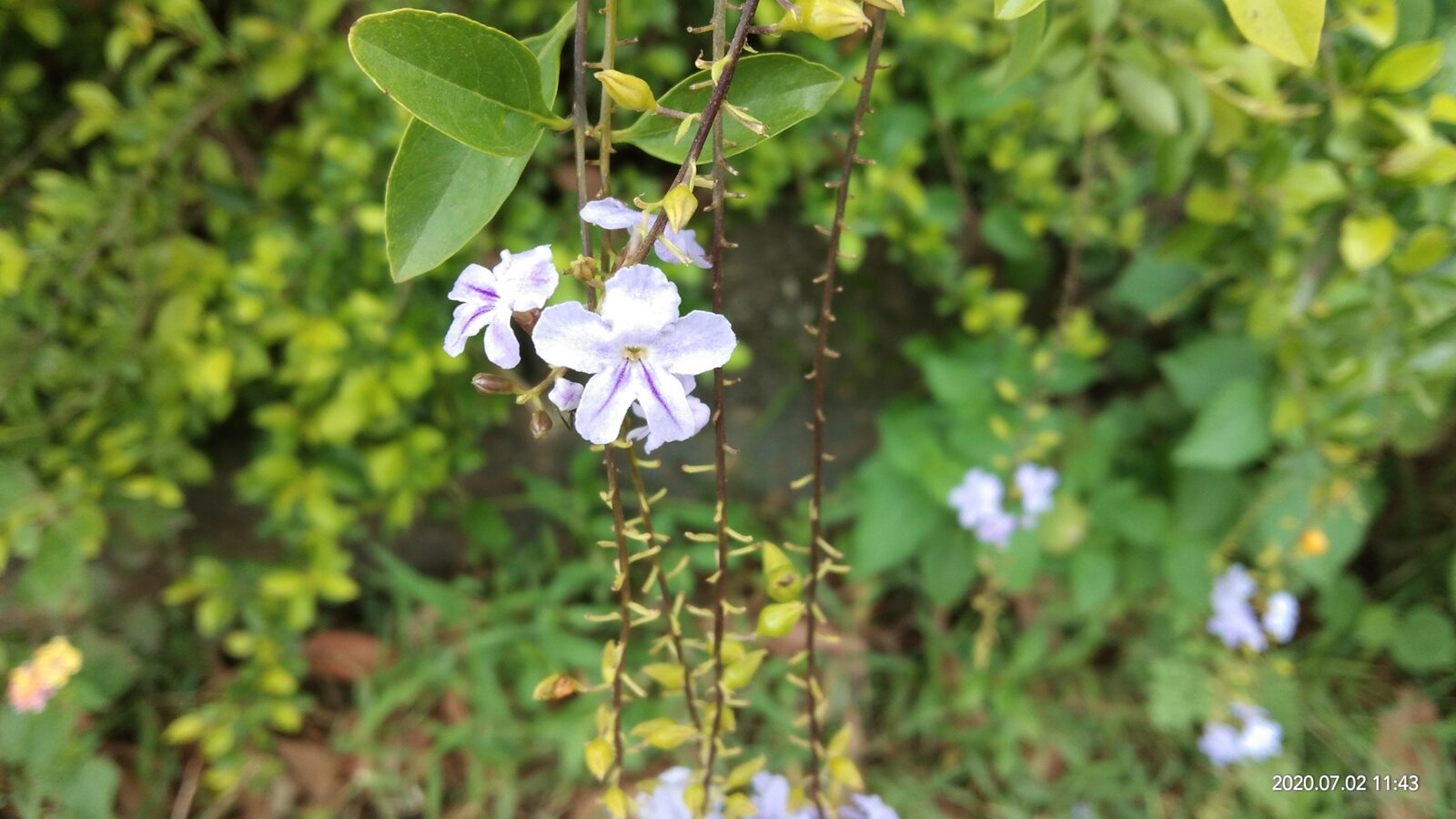
Skyflower
Duranta erecta
- Status
- Least Concern IUCN Red List
- Where
- 110 countries
People have shared 5,171 records of the skyflower with GBIF, from 110 countries, most of them from Hong Kong SAR China, United States and Australia.
In the northern hemisphere, people record it most in April and least in February. It belongs to the genus Duranta in the family Verbenaceae.
Where people see the skyflower
People have shared 5,171 records from 110 countries.
Records show where people have seen it and shared it, not its full range. Country names open their page in Atlas.
When it is seen
Records per month in the northern hemisphere. More people outdoors also means more records.
Watch and listen
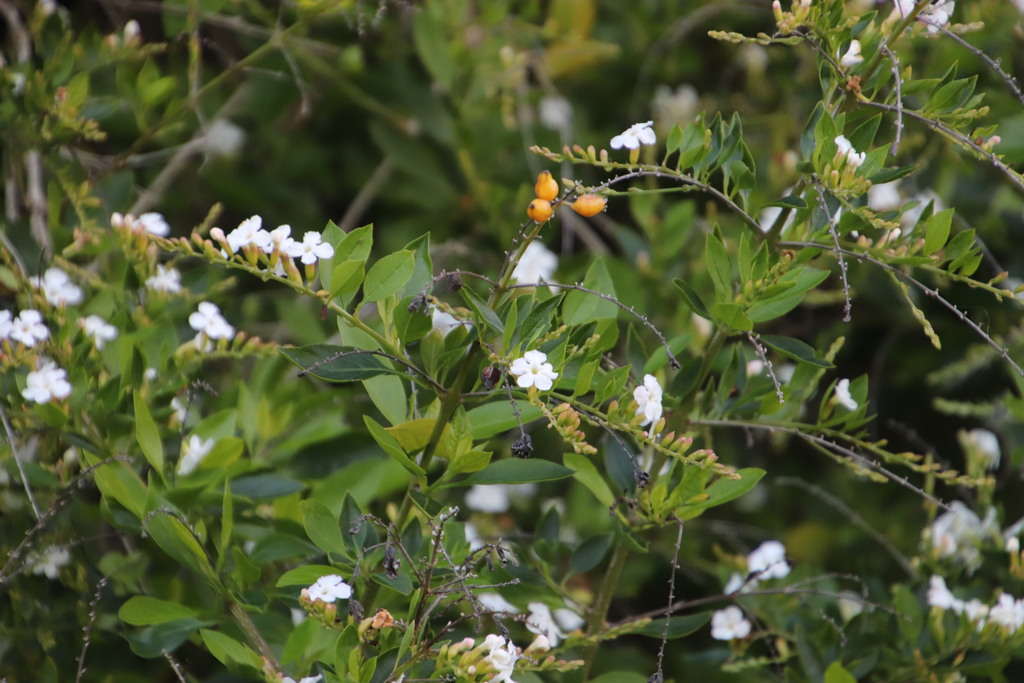
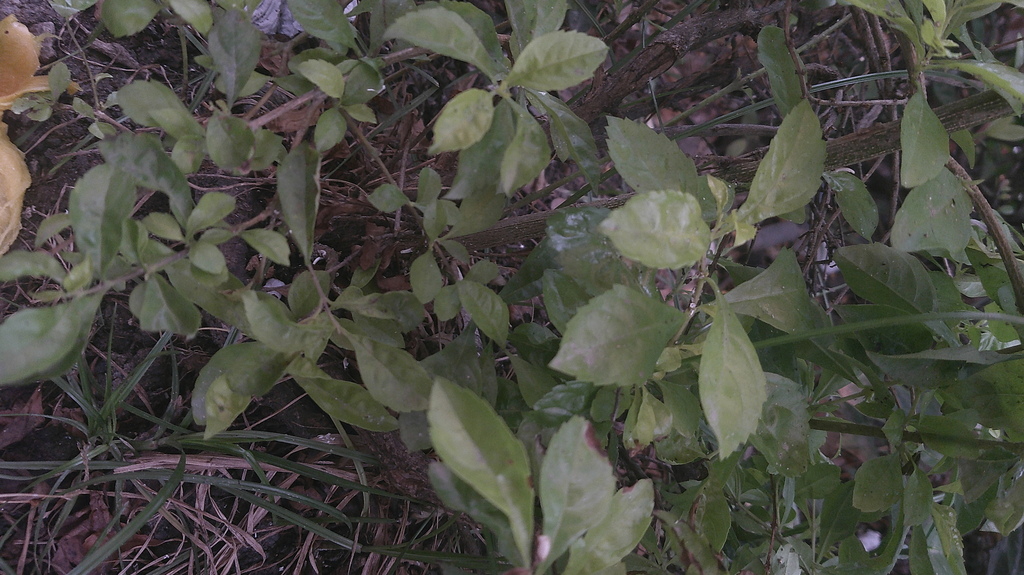
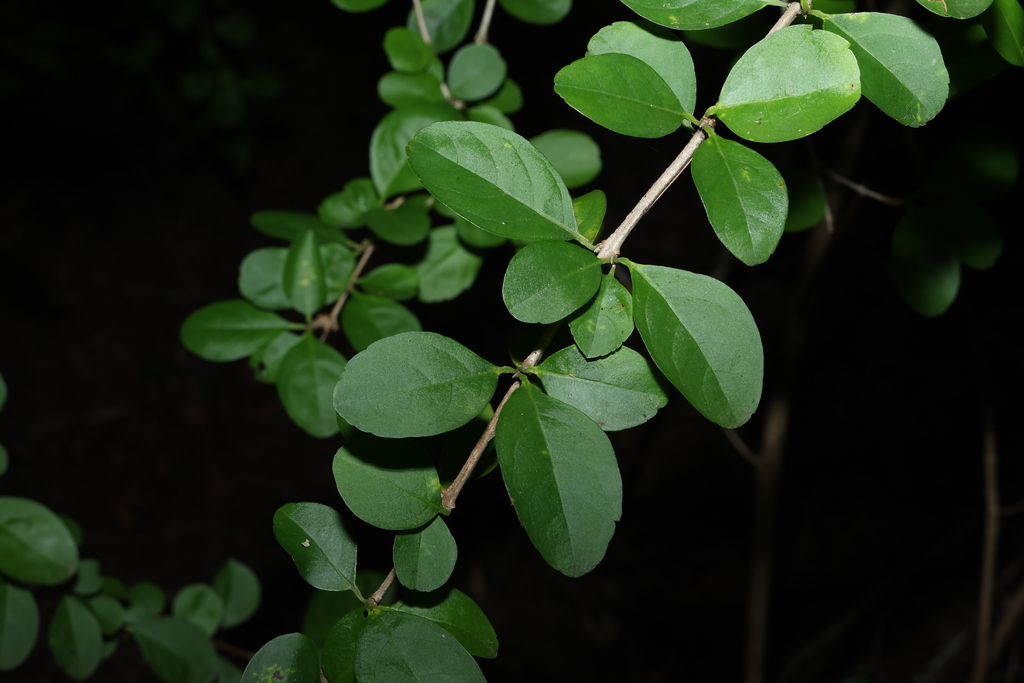
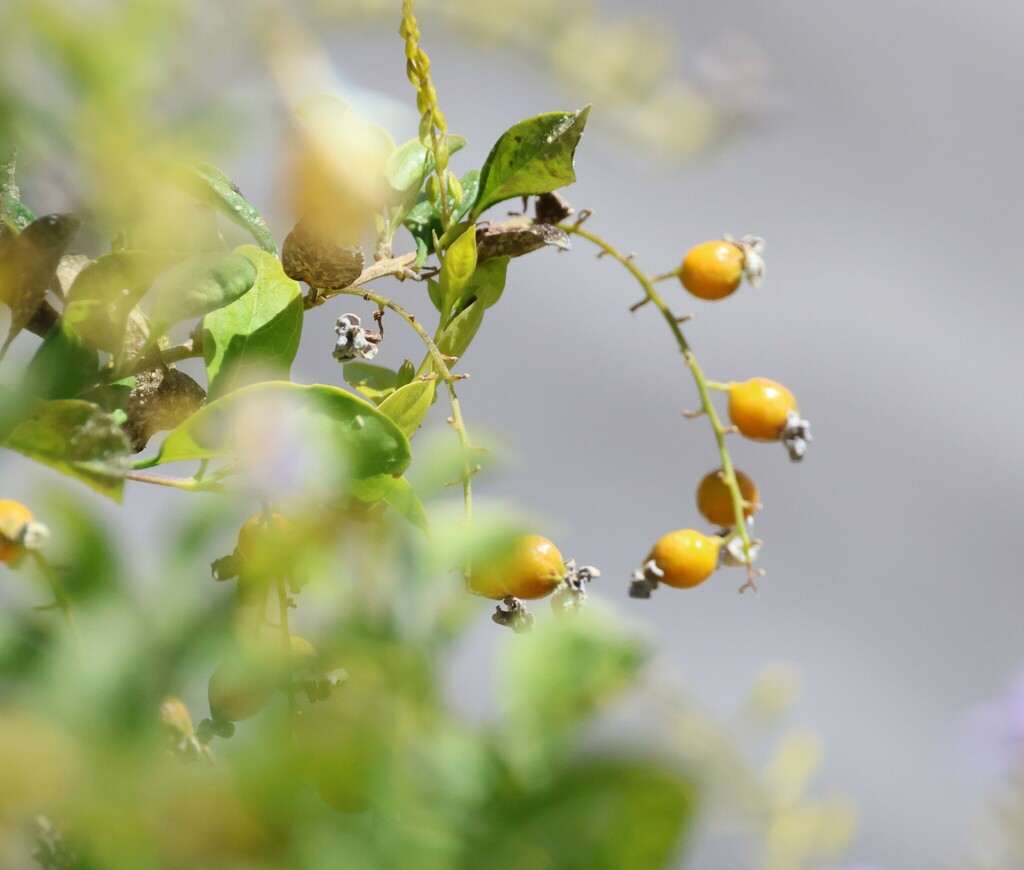
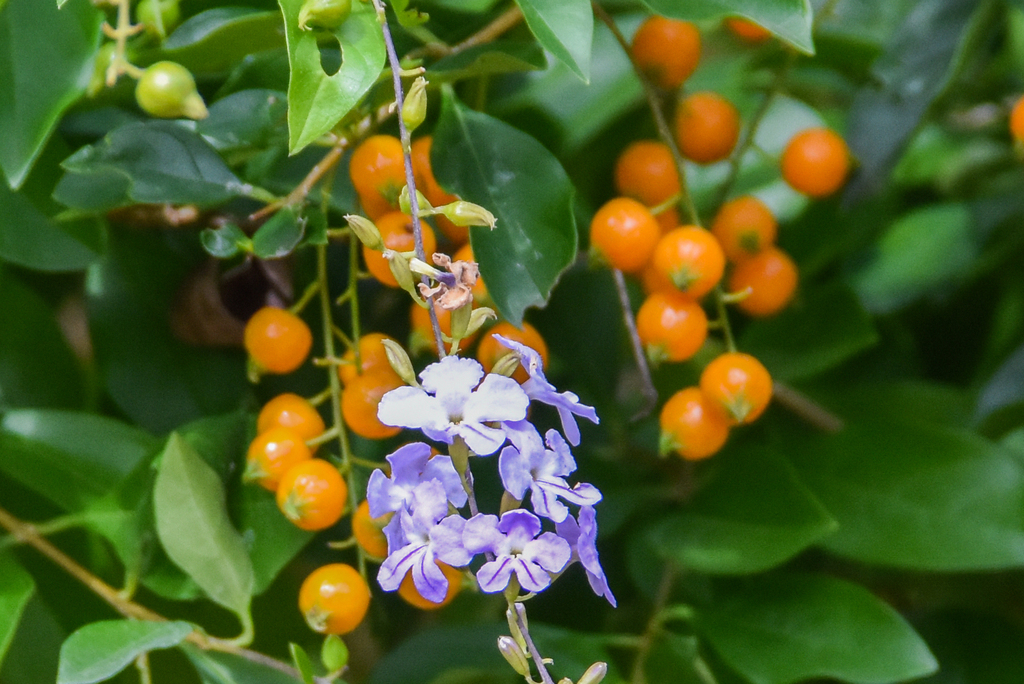
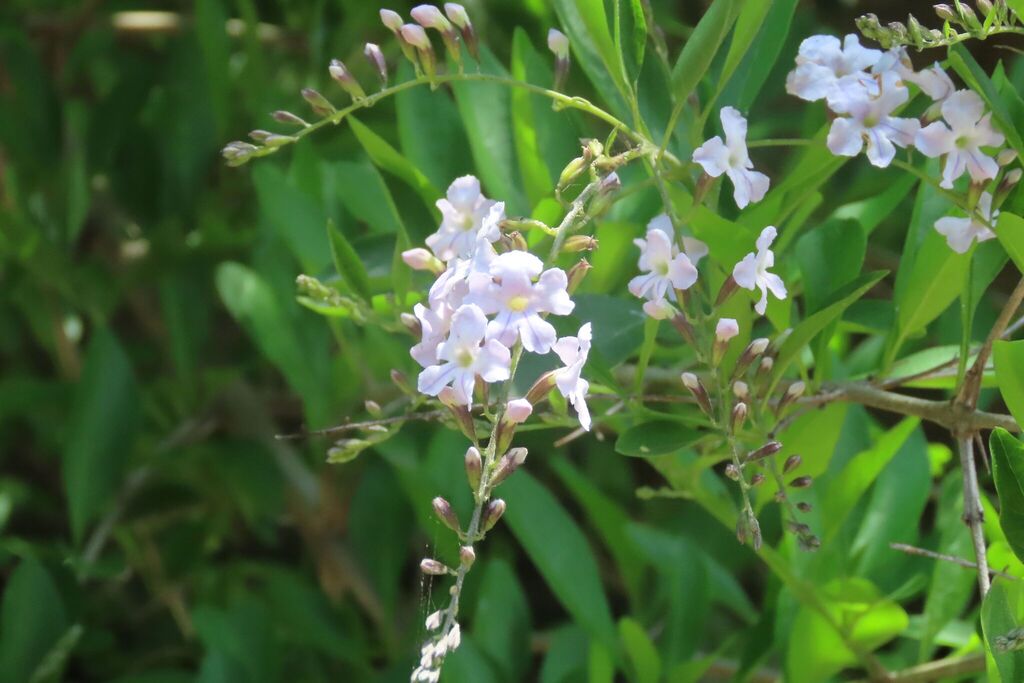
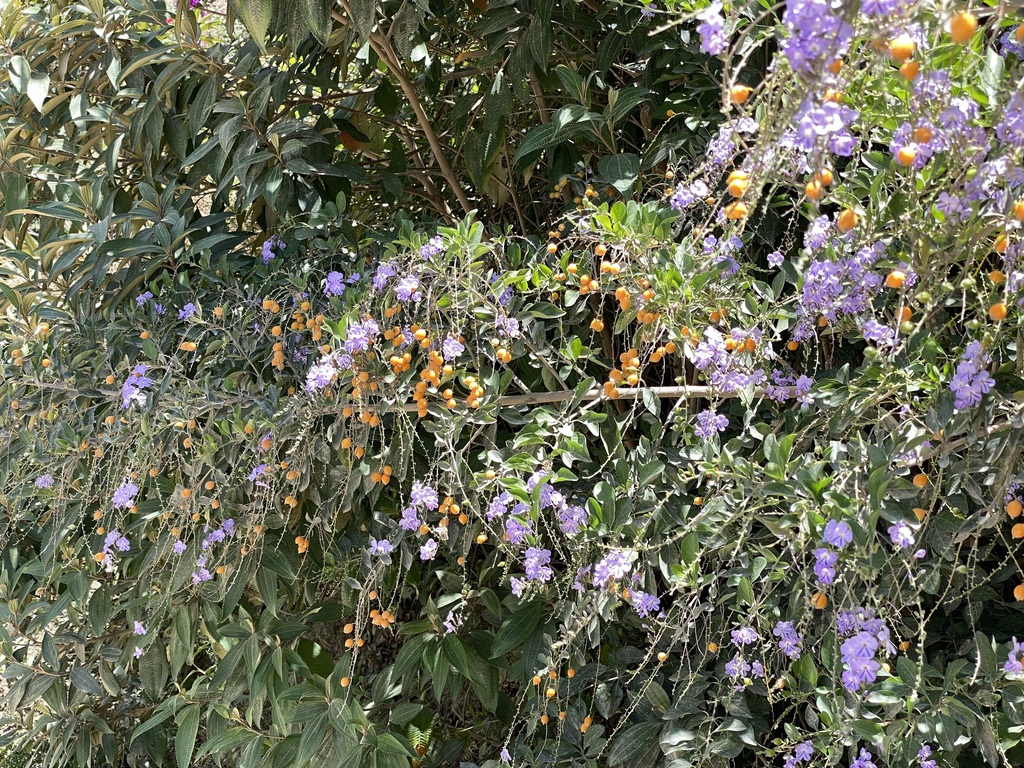
Seen a skyflower?
Share your photo on iNaturalist. Other naturalists help confirm it, and the record goes to GBIF, where scientists use it and where the maps on this page come from.
Put this species on your site
The card names every source and links back here.
<iframe src="https://4planetatlas.com/place/embed/species/skyflower" title="Skyflower (Duranta erecta), 4PLANET Species" width="100%" height="600" style="border:0;max-width:640px" loading="lazy"></iframe>
<p><a href="https://4species.com/skyflower">Skyflower on 4PLANET Species</a></p>Questions people ask
Where does the skyflower live?
People have recorded it in 110 countries; the most records come from Hong Kong SAR China, United States, Australia, India and South Africa. Records show where people have seen it, not its full range.
When is the skyflower seen most?
In the northern hemisphere, the most records are made in April and the fewest in February. More people outdoors also means more records.
Sources and photo credits
- GBIF · Duranta erecta, 5,171 human observations
- GloBI · recorded interactions of Duranta erecta
- Wikidata · Skyflower (Q2732360)
- Skyflower (Duranta erecta): Swarochi Tathagath, CC BY 4.0
- Skyflower (Duranta erecta), Pagasvlei Trail, Constantia Valley Green Belt: Tony Rebelo, CC BY-SA 4.0
- Skyflower (Duranta erecta), Nobol, Ecuador: Raúl A. Ruiz M., CC BY 4.0
- Skyflower (Duranta erecta), Gold Coast QLD, Australia: Greg Tasney, CC BY-SA 4.0
- Skyflower (Duranta erecta), Okaukuejo, Namibia: scaup, CC BY 4.0
- Skyflower (Duranta erecta), Varirata Nat'l Park, Kairuku-Hiri District, Papua New Guinea: Jay Pruett, CC BY 4.0
- Skyflower (Duranta erecta), Weir Arboretum: Bruno - Yolande Zanette, CC BY 4.0
- Skyflower (Duranta erecta), Puntarenas Province, Monteverde, Costa Rica: maureen_c-m, CC BY 4.0
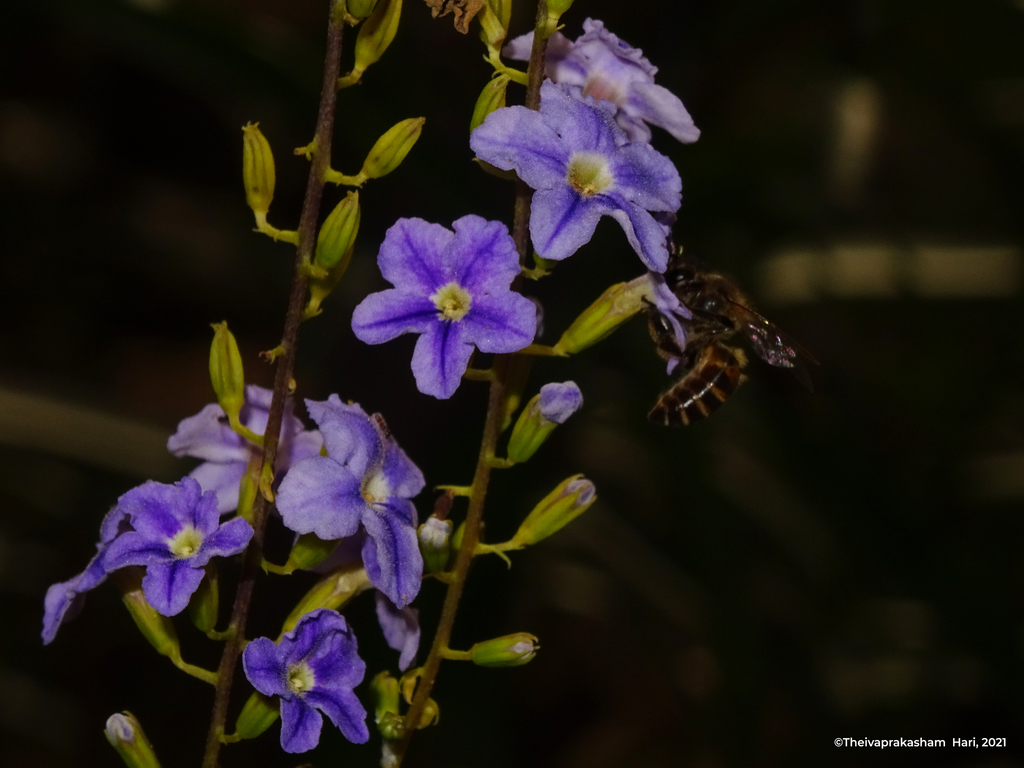
- Skyflower (Duranta erecta), Vadavalli, Tamil Nadu, India: Theivaprakasham Hari, CC BY 4.0
Records show where people have seen and shared the skyflower, not its full range, and some countries and months are recorded far more than others. The food web lists interactions that studies have recorded somewhere in the world (GloBI), not everything it eats in one place.
Checked 2026-11-28.