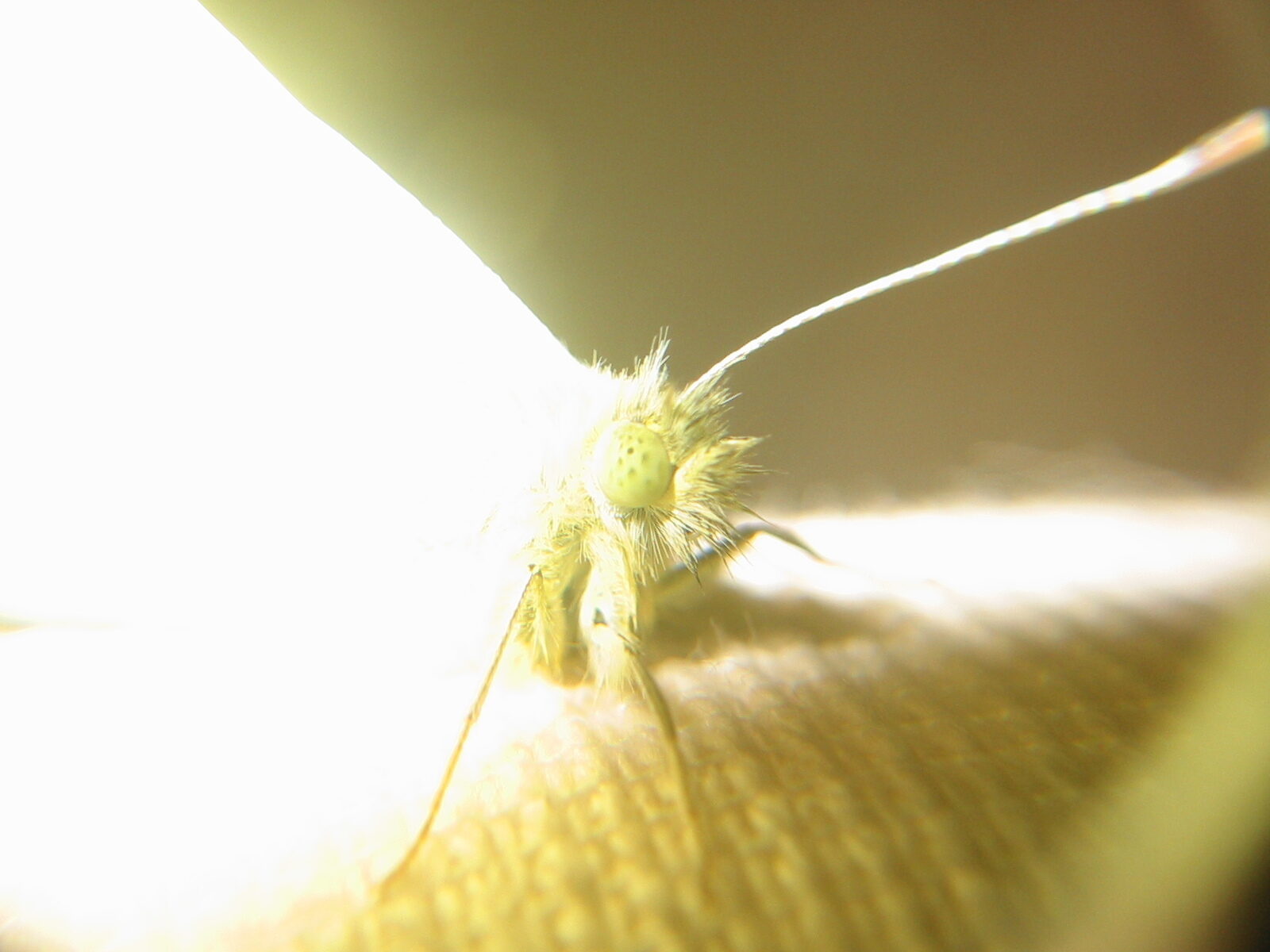
Small white
Pieris rapae
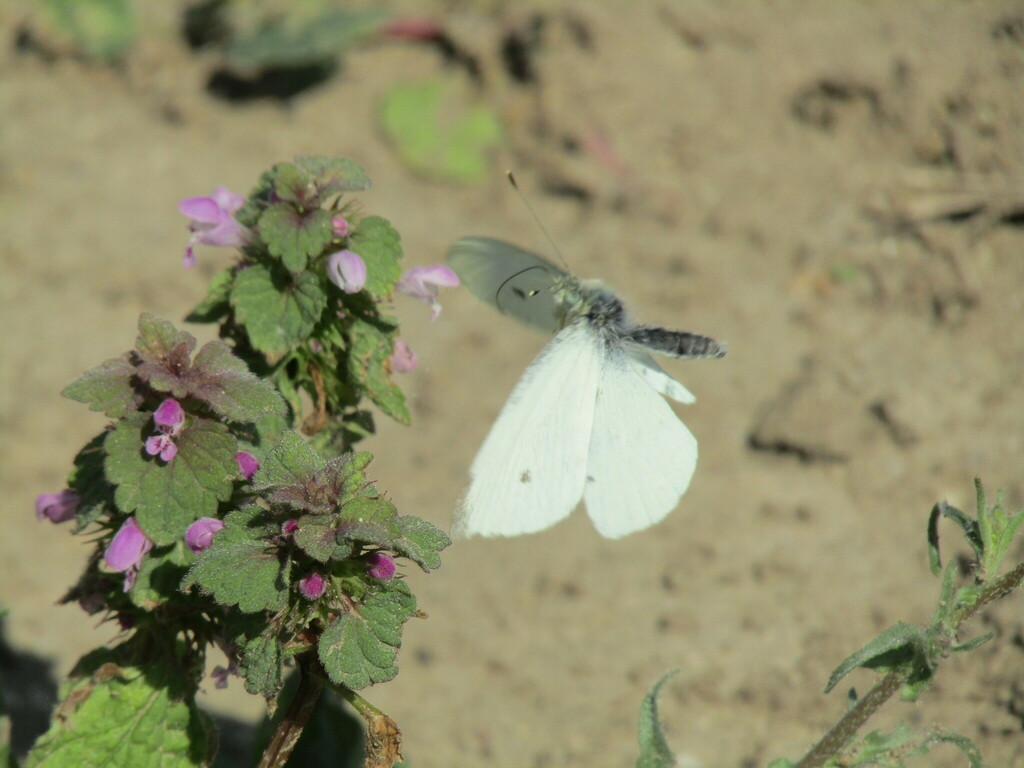
A white butterfly with black wing tips whose green caterpillars feed on cabbages and other cress-family plants.
- Status
- IUCN Red List
- Eats
- Shepherd's-purse, rape, horseradish and 788 more
- Eaten by
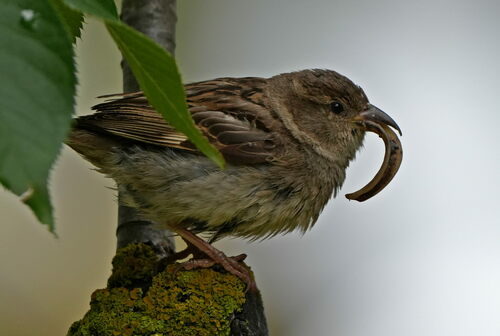
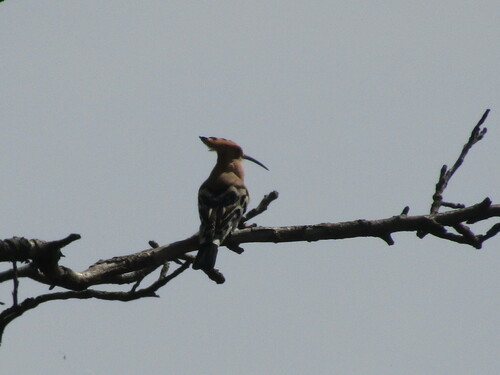
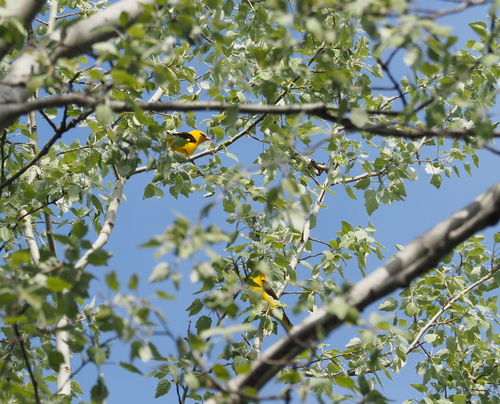
- house sparrow, Eurasian magpie, Eurasian hoopoe
- Where
- 86 countries
On 4Planet Atlas it is among the wildlife people record most around Amsterdam, Berlin and Brussels, and 4 more of the cities we cover.
People have shared 183,829 records of the small white with GBIF, from 86 countries, most of them from United States, Canada and Australia. Records collected by GloBI show it eating 791 different kinds of animals and plants, and being eaten by 101.
What the small white eats, and what eats it
Studies have recorded it eating 791 kinds of animals and plants, and 101 kinds of animals eating it. Tap any of them to follow the food chain.
- Plants 775
- Birds 1
Eaten by

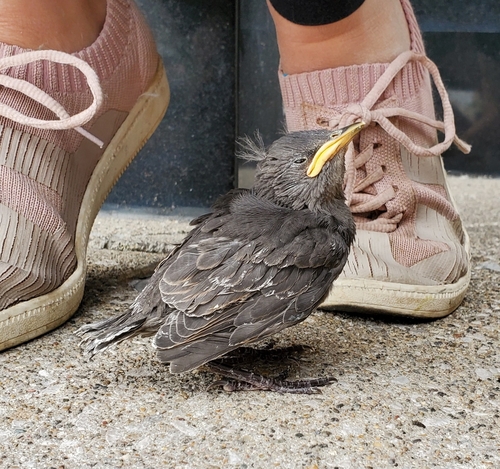
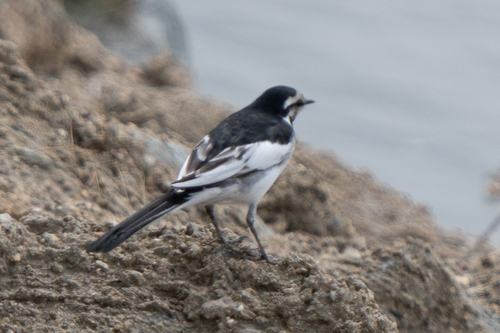
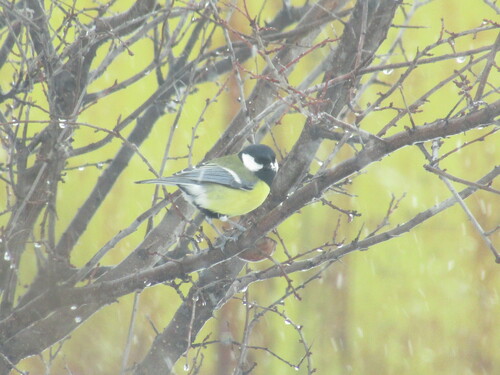 Small white
Records from studies worldwide, collected by GloBI. They include animals eaten as carrion, and they are not everything it eats in one place.
Where people see the small white
People have shared 183,829 records from 86 countries.
Near a city: Amsterdam, Berlin, Brussels, London, Paris, Prague, Tokyo.
Records show where people have seen it and shared it, not its full range. Country names open their page in Atlas.
When it is seen
Records per month in the northern hemisphere. More people outdoors also means more records.
Watch and listen
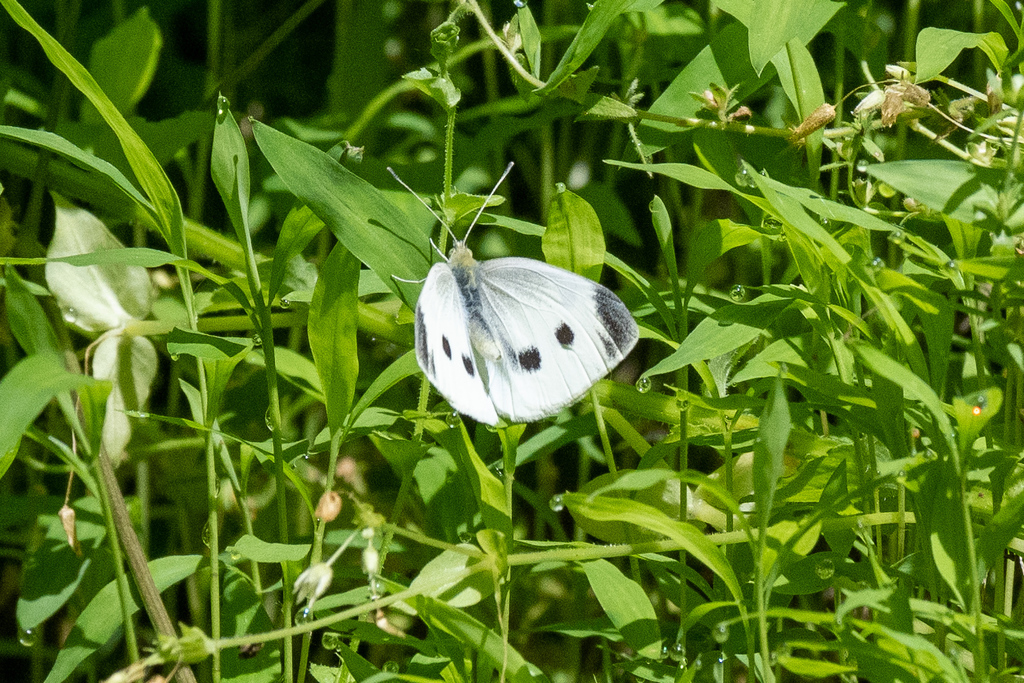
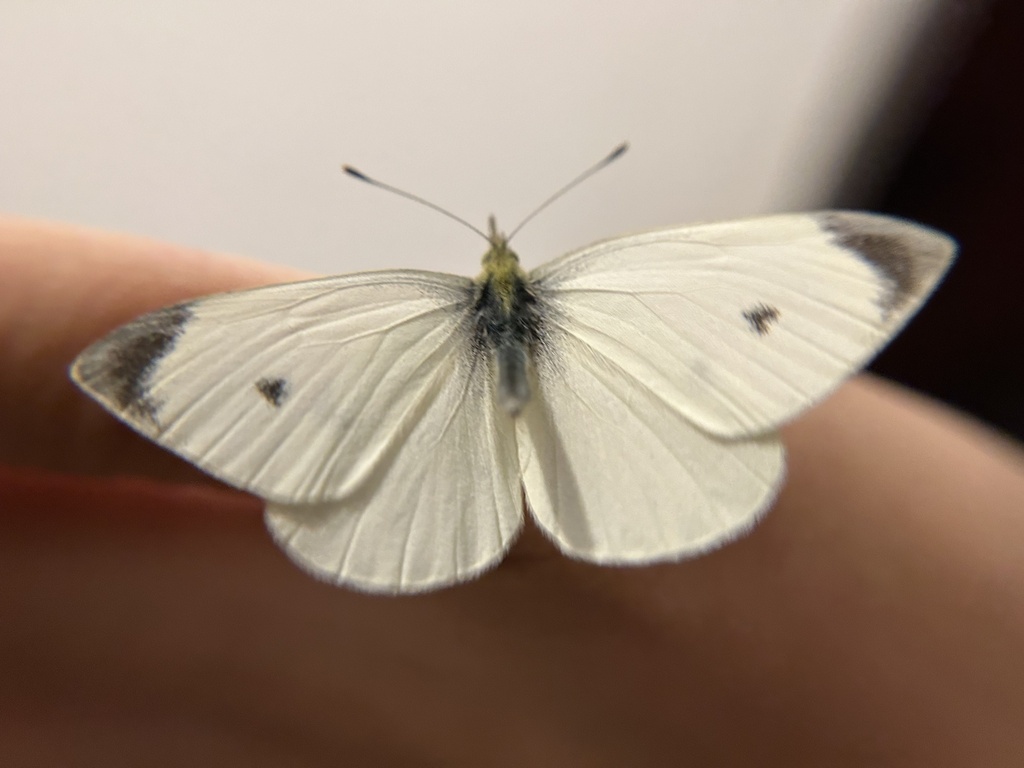
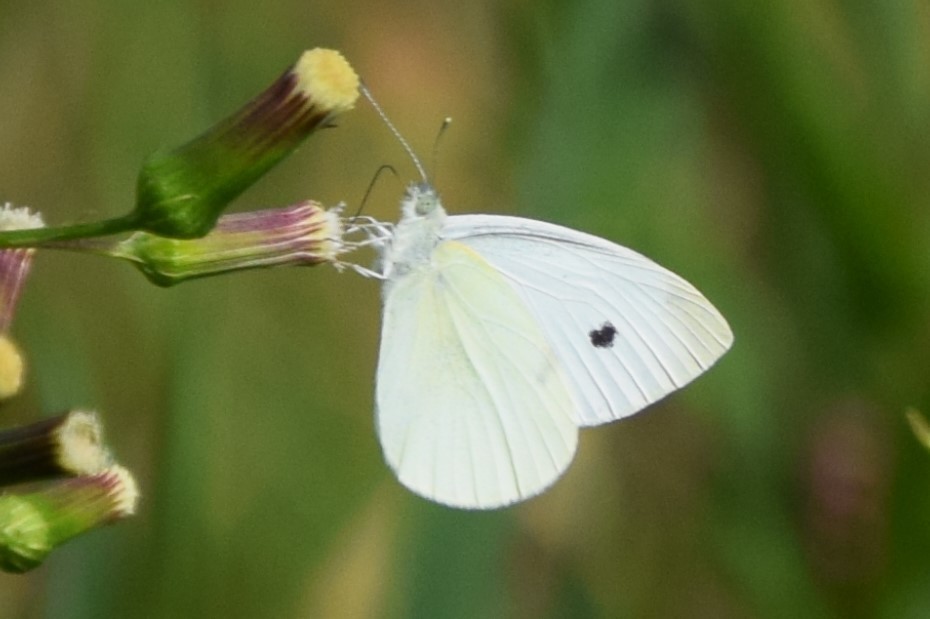
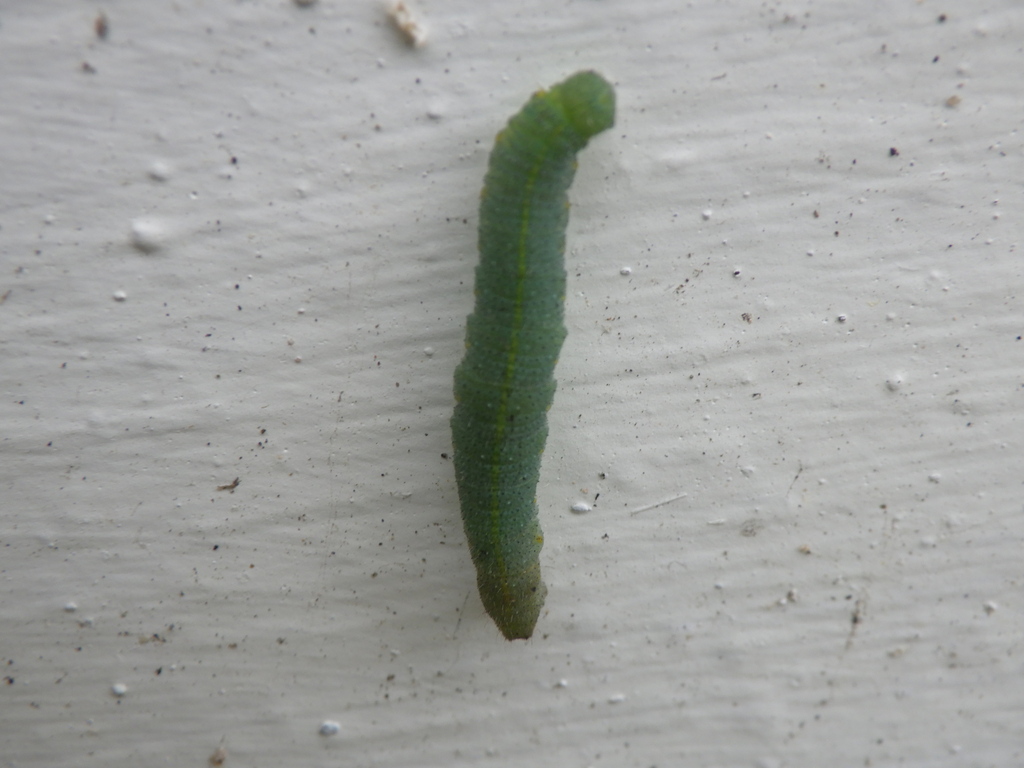
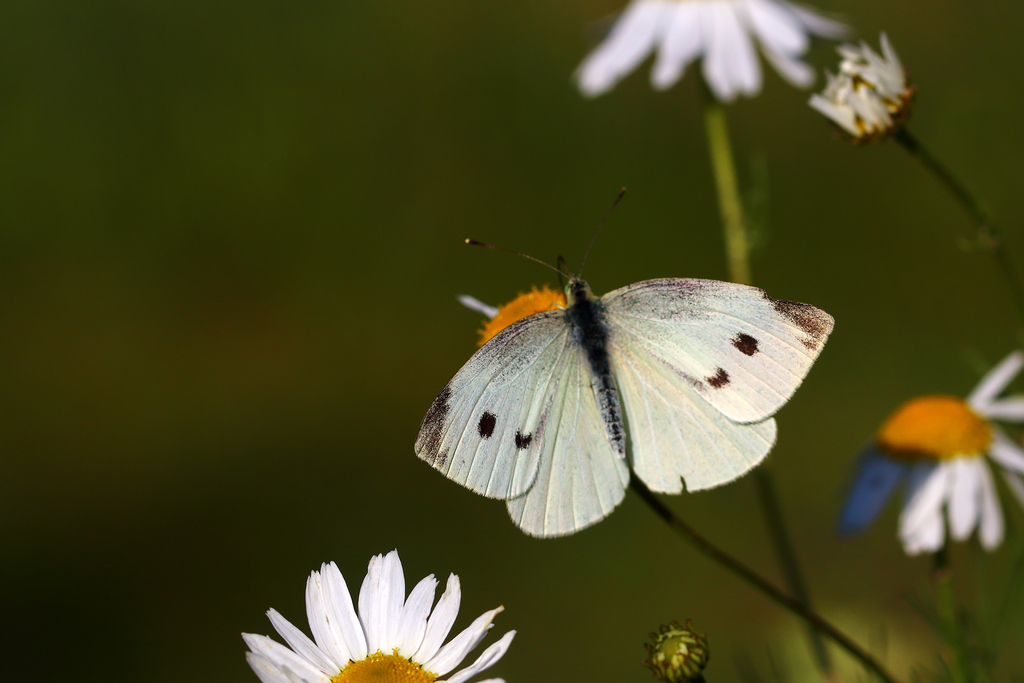
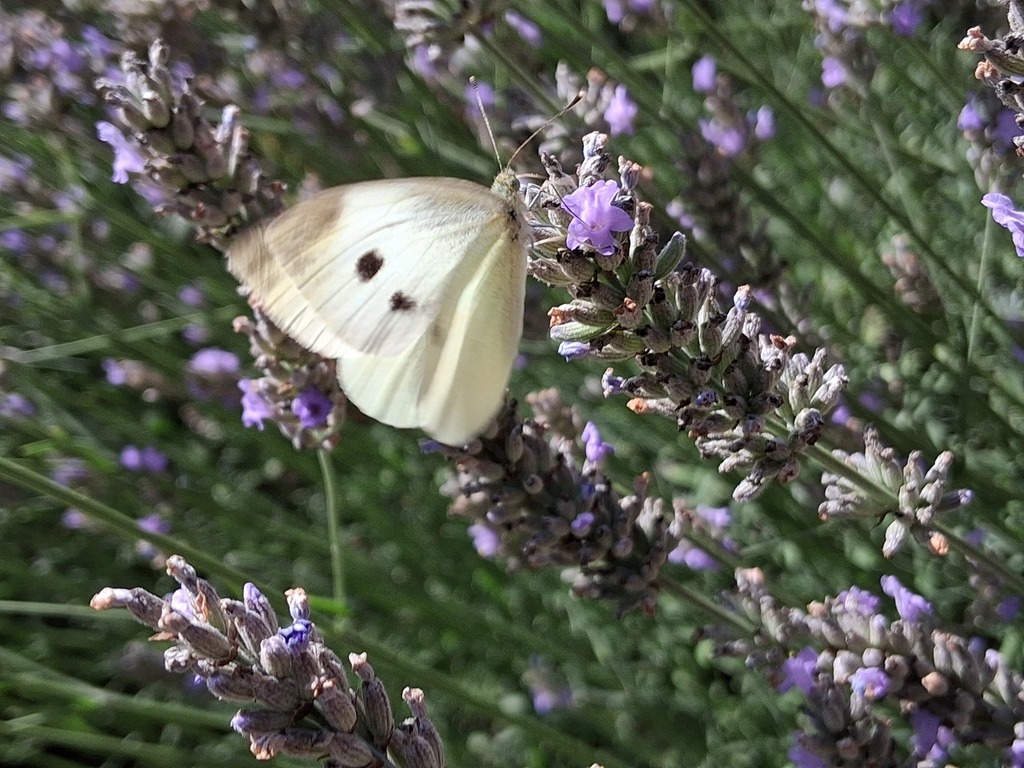
Its closest relatives
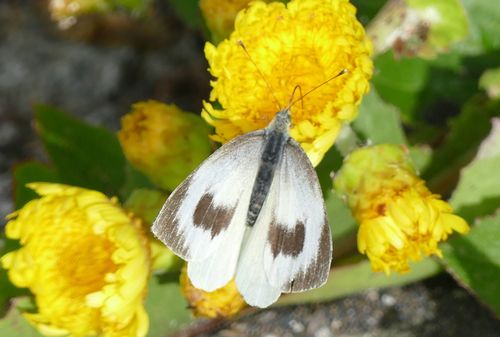
The other species of the genus Pieris.
Seen a small white?
Share your photo on iNaturalist. Other naturalists help confirm it, and the record goes to GBIF, where scientists use it and where the maps on this page come from.
Questions people ask
What does the small white eat?
The small white has been recorded eating 791 different kinds of animals and plants, most of them plants and birds. The ones recorded most often are shepherd's-purse, rape, horseradish, watercress and chinese mustard; records include animals eaten as carrion. Source: GloBI.
What eats the small white?
Recorded predators include house sparrow, eurasian magpie, eurasian hoopoe, common blackbird and eurasian golden oriole. Source: GloBI.
Where does the small white live?
People have recorded it in 86 countries; the most records come from United States, Canada, Australia, United Kingdom and Spain. Records show where people have seen it, not its full range.
When is the small white seen most?
In the northern hemisphere, the most records are made in July and the fewest in December. More people outdoors also means more records.
What are the small white's closest relatives?
It shares the genus Pieris with canary islands large white.
Sources and photo credits
- GBIF · Pieris rapae, 183,829 human observations
- GloBI · recorded interactions of Pieris rapae
- Wikidata · Small white (Q27653)
- Small white (Pieris rapae): Jon Sullivan, CC BY 4.0
- Small white (Pieris rapae), 4292 Dobri Dol, Bulgaria: SteveM4560, CC BY 4.0
- Small white (Pieris rapae), Shenks Ferry Wildlife Preserve, Lancaster, Pennsylvania, United States: David Eberly, CC0
- Small white (Pieris rapae), Elk Grove, CA 95757, USA: r171, CC BY 4.0
- Small white (Pieris rapae), United States: Branson Khounvichith, CC BY-SA 4.0
- Small white (Pieris rapae), Smyth County, VA, USA: Robert Harris, CC BY 4.0
- Small white (Pieris rapae), Cumbria, England, GB: Andrew Fielding, CC BY 4.0
- Small white (Pieris rapae), 6640 Lunderskov, Danmark: Tina Ellegaard Poulsen, CC BY 4.0
- Small white (Pieris rapae), Gressenhall Farm & Workhouse, Beetley Meadows, Beetley, Dereham, UK: olmagon, CC BY 4.0
- House sparrow: William Harland, CC BY 4.0
- Eurasian hoopoe: SteveM4560, CC BY 4.0
- Common blackbird: Alexis Tinker-Tsavalas, CC BY 4.0
- Eurasian golden oriole: carnifex, CC BY 4.0
- Common starling: Whitney Mattila, CC BY 4.0
- White wagtail: jubileej, CC0
- Great tit: SteveM4560, CC BY 4.0
- Canary islands large white: Mike Kerry, CC BY 4.0
Records show where people have seen and shared the small white, not its full range, and some countries and months are recorded far more than others. The food web lists interactions that studies have recorded somewhere in the world (GloBI), not everything it eats in one place.
Checked 2026-11-20.