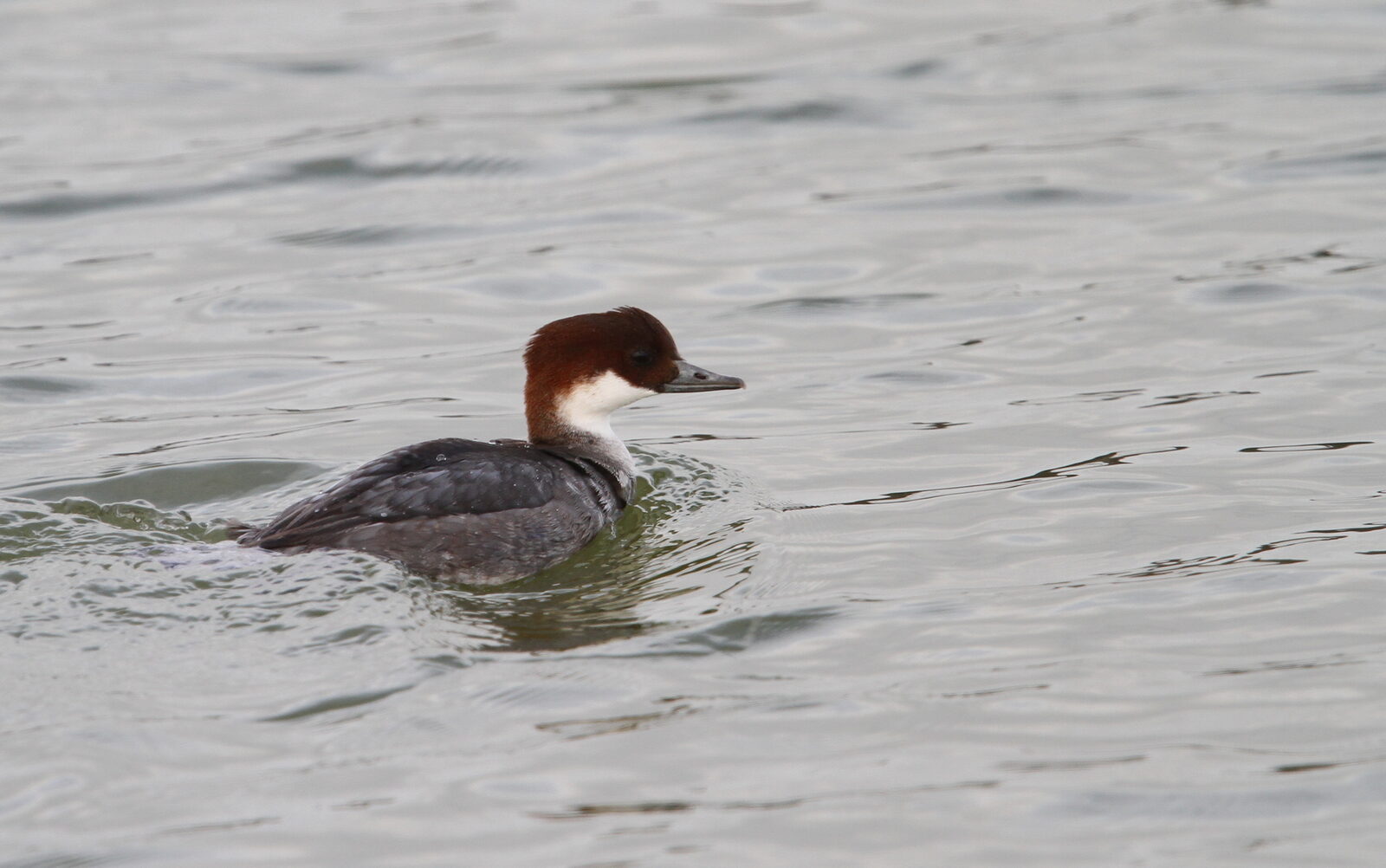
Smew
Mergellus albellus
A small diving duck; the drake is white with fine black lines.
- Status
- Least Concern IUCN Red List
- Eats
- common toad, common frog, marsh frog and 44 more
- Eaten by
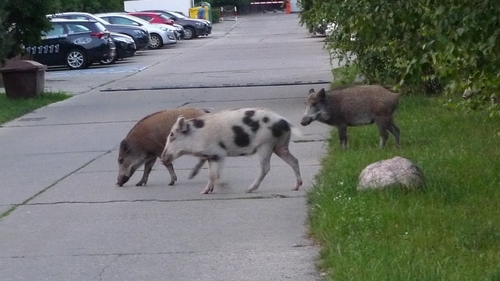
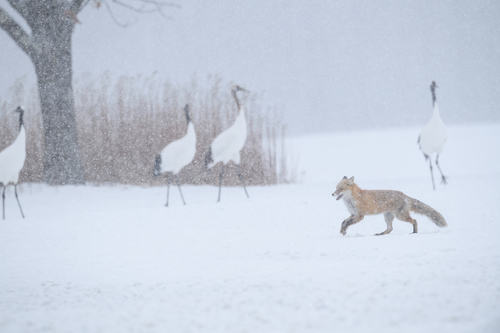
- wild boar, red fox, brown bear
- Where
- 61 countries
On 4Planet Atlas it is among the wildlife people record most around Amsterdam, Beijing and Copenhagen, and 7 more of the cities we cover.
People have shared 83,710 records of the smew with GBIF, from 61 countries, most of them from United Kingdom, Finland and Sweden. Records collected by GloBI show it eating 47 different kinds of animals and plants, and being eaten by 24.
What the smew eats, and what eats it
Studies have recorded it eating 47 kinds of animals and plants, and 24 kinds of animals eating it. Tap any of them to follow the food chain.
- Amphibians 37
Eaten by

 Smew

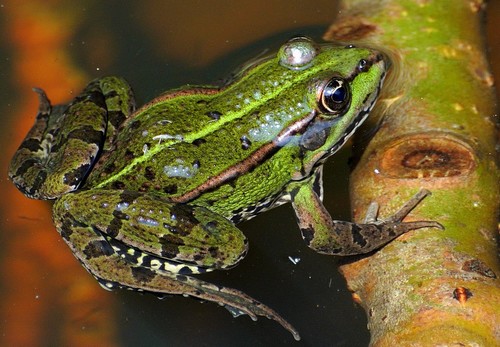


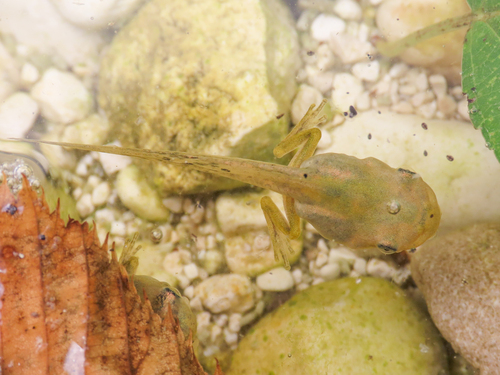
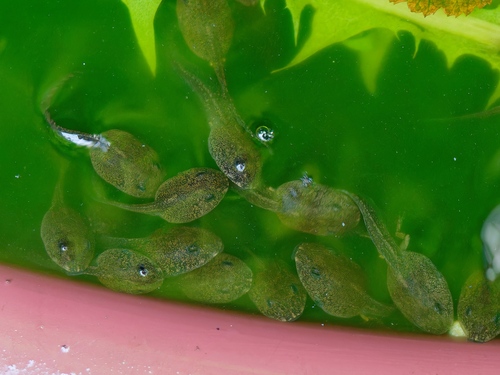
Records from studies worldwide, collected by GloBI. They include animals eaten as carrion, and they are not everything it eats in one place.
Where people see the smew
People have shared 83,710 records from 61 countries.
Near a city: Amsterdam, Beijing, Copenhagen, Helsinki, Minsk, Moscow, Riga, Seoul, Stockholm, Tokyo.
Records show where people have seen it and shared it, not its full range. Country names open their page in Atlas.
When it is seen
Records per month in the northern hemisphere. More people outdoors also means more records.
Watch and listen
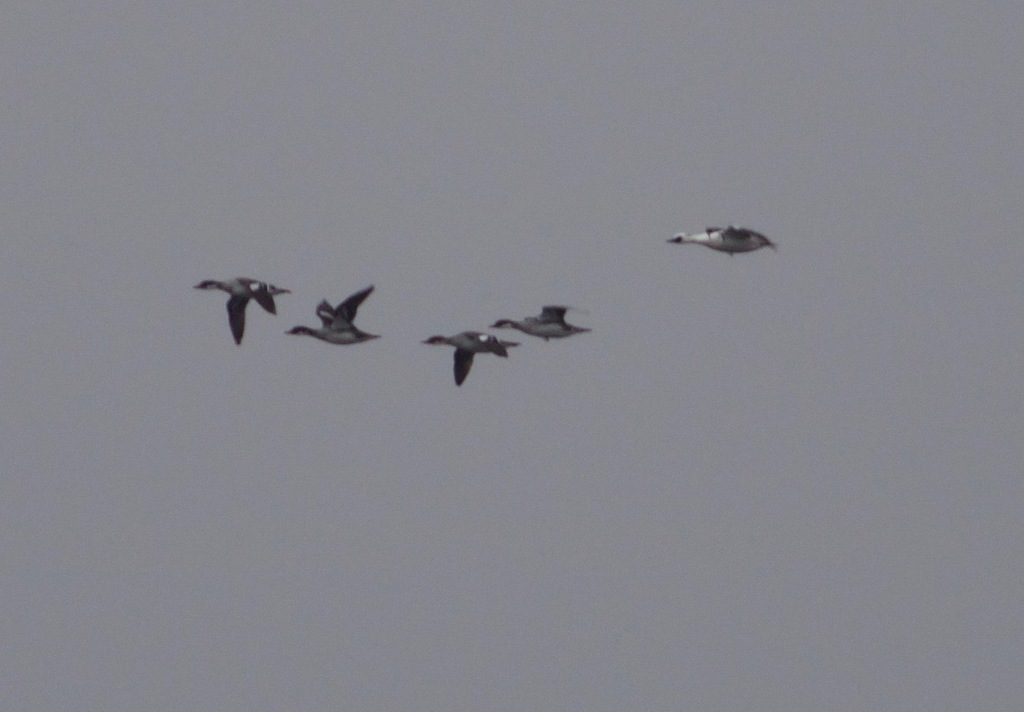
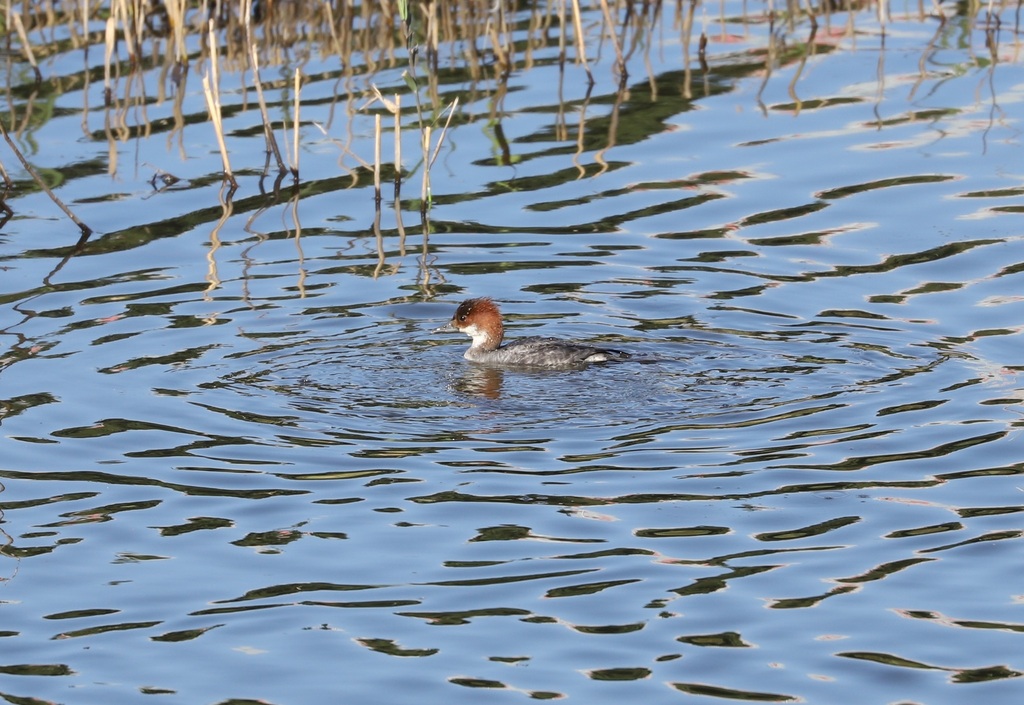
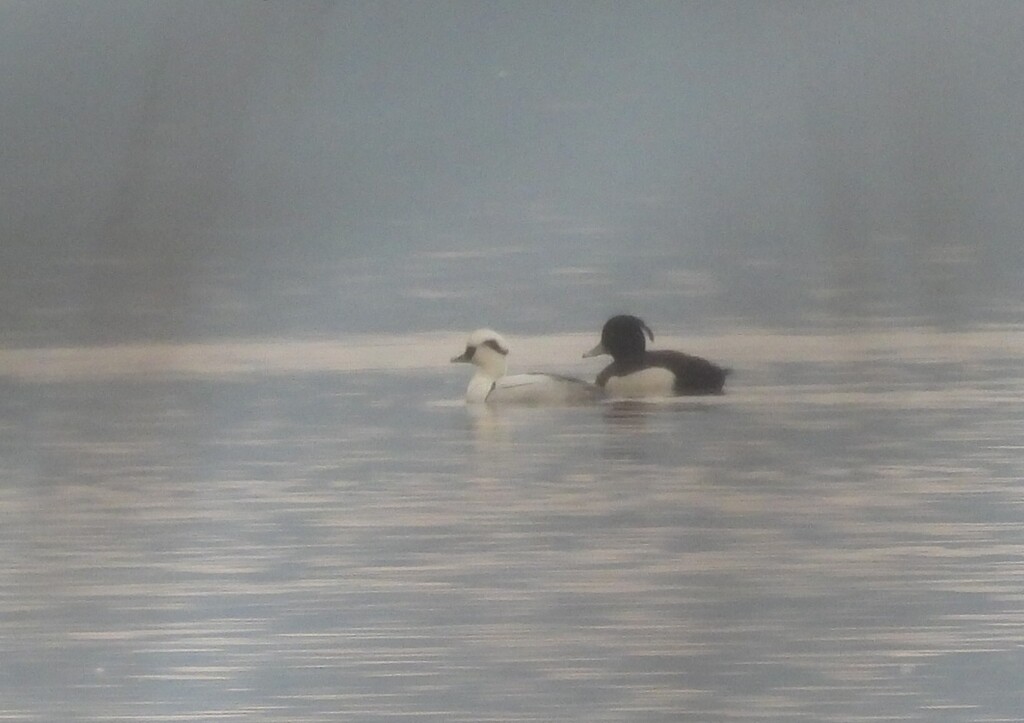
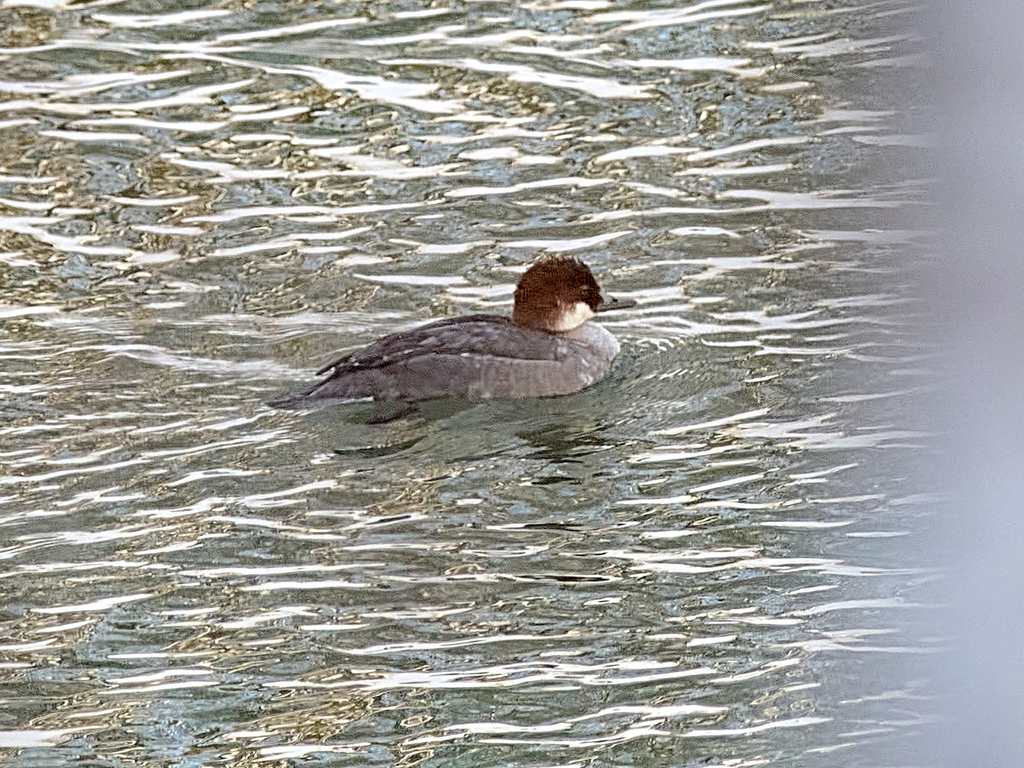
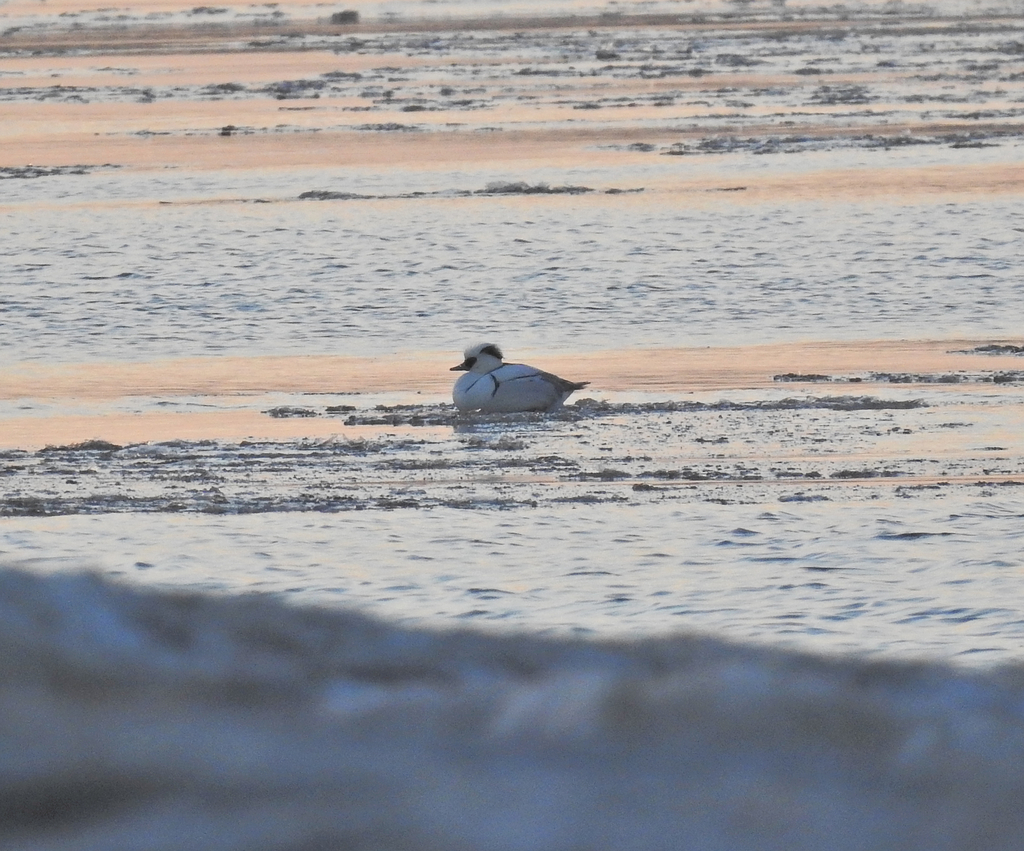
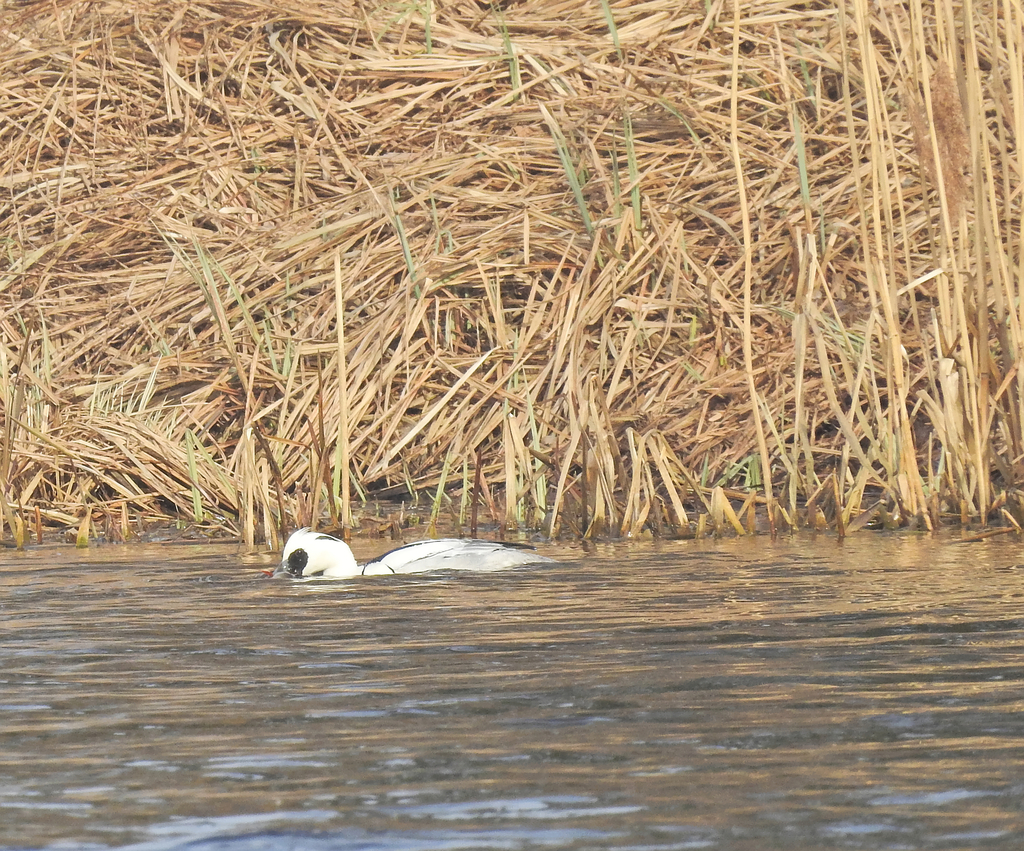
Seen a smew?
Share your photo on iNaturalist. Other naturalists help confirm it, and the record goes to GBIF, where scientists use it and where the maps on this page come from.
Questions people ask
What does the smew eat?
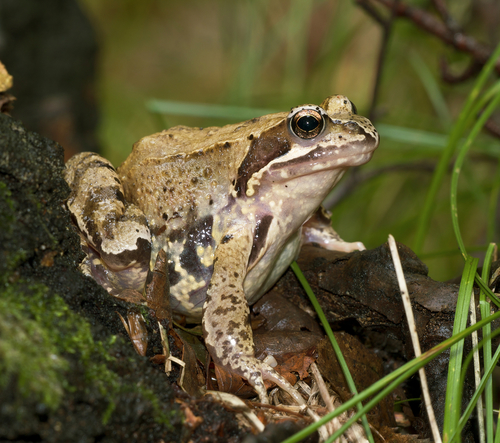
The smew has been recorded eating 47 different kinds of animals and plants, most of them amphibians. The ones recorded most often are common toad, common frog, marsh frog, edible frog and natterjack toad; records include animals eaten as carrion. Source: GloBI.
What eats the smew?
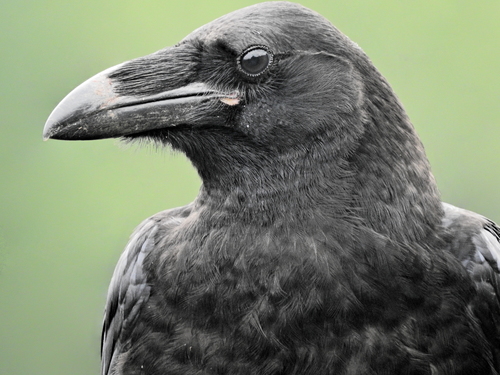
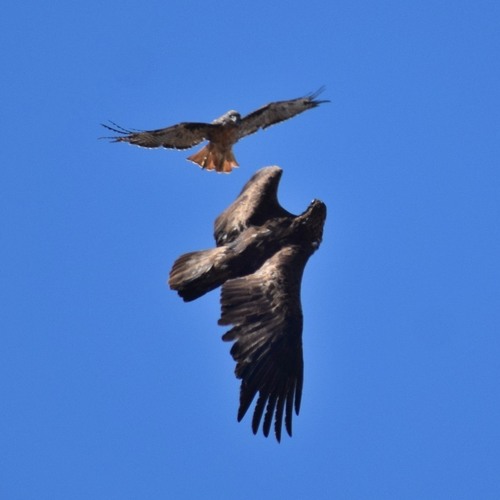
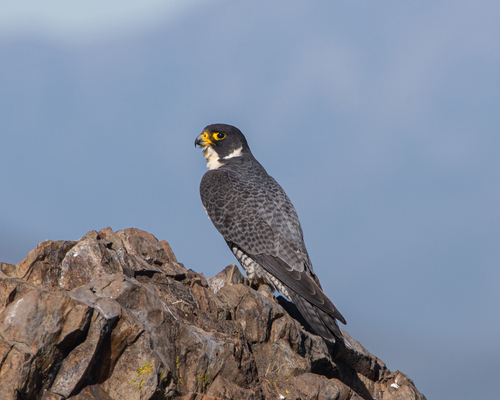
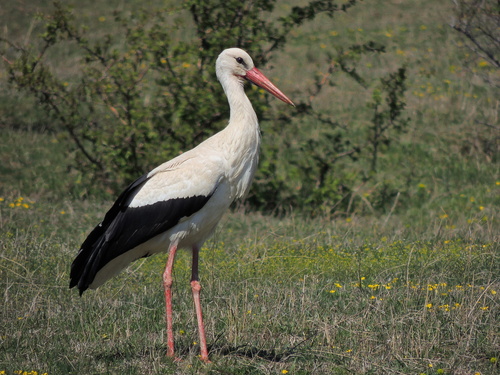
Recorded predators include wild boar, red fox, brown bear, northern raven and golden eagle. Source: GloBI.
Where does the smew live?
People have recorded it in 61 countries; the most records come from United Kingdom, Finland, Sweden, Japan and Germany. Records show where people have seen it, not its full range.
When is the smew seen most?
In the northern hemisphere, the most records are made in January and the fewest in July. More people outdoors also means more records.
Sources and photo credits
- GBIF · Mergellus albellus, 83,710 human observations
- GloBI · recorded interactions of Mergellus albellus
- Wikidata · Smew (Q200646)
- Smew (Mergellus albellus): Christoph Moning, CC BY 4.0
- Smew (Mergellus albellus), Pitkyarantskiy, RU-KI, RU: Vsevolod Rudyi, CC BY 4.0
- Smew (Mergellus albellus), Токай, Ота, Токио 143-0001, Япония: Se Lena, CC BY 4.0
- Smew (Mergellus albellus), Provincia di Varese, Italia: Simone Bocca, CC BY-SA 4.0
- Smew (Mergellus albellus), Казань, Респ. Татарстан, Россия: Сергей Неклюдов, CC BY 4.0
- Smew (Mergellus albellus), Vihula, Lääne-Viru, Estonia: Nicolás Tamargo, CC0
- Smew (Mergellus albellus), Tähtvere, Tartu, Estonia: Nicolás Tamargo, CC0
- Smew (Mergellus albellus), Нижний Тагил, Свердловская обл., Россия: Дарья Орлова, CC BY 4.0
- Smew (Mergellus albellus), Раменский муниципальный округ, Московская обл., Россия: Fyodor Pudovikov, CC BY 4.0
- Common frog: Jörg Hempel, CC BY-SA 4.0
- Marsh frog: Petra & Wilfried, CC BY 4.0
- Edible frog: Luciano 95, CC BY 4.0
- Natterjack toad: Gilles San Martin, CC BY-SA 4.0
- Yellow-bellied toad: Kostas Zontanos, CC BY 4.0
- Agile frog: Laurent Lebois, CC BY 4.0
- Italian tree frog: Emanuele Santarelli, CC BY-SA 4.0
- Italian agile frog: olrett, CC BY 4.0
- Wild boar: aga_l_, CC BY 4.0
- Red fox: Morten Ross, CC BY 4.0
- Brown bear: Nathan Ruser, CC BY 4.0
- Northern raven: xulescu_g, CC BY-SA 4.0
- Golden eagle: Anne Parsons, CC0
- Peregrine falcon: Nicolás Villaseca Merino, CC BY-SA 4.0
- White stork: xulescu_g, CC BY-SA 4.0
Records show where people have seen and shared the smew, not its full range, and some countries and months are recorded far more than others. The food web lists interactions that studies have recorded somewhere in the world (GloBI), not everything it eats in one place.
Checked 2026-11-22.