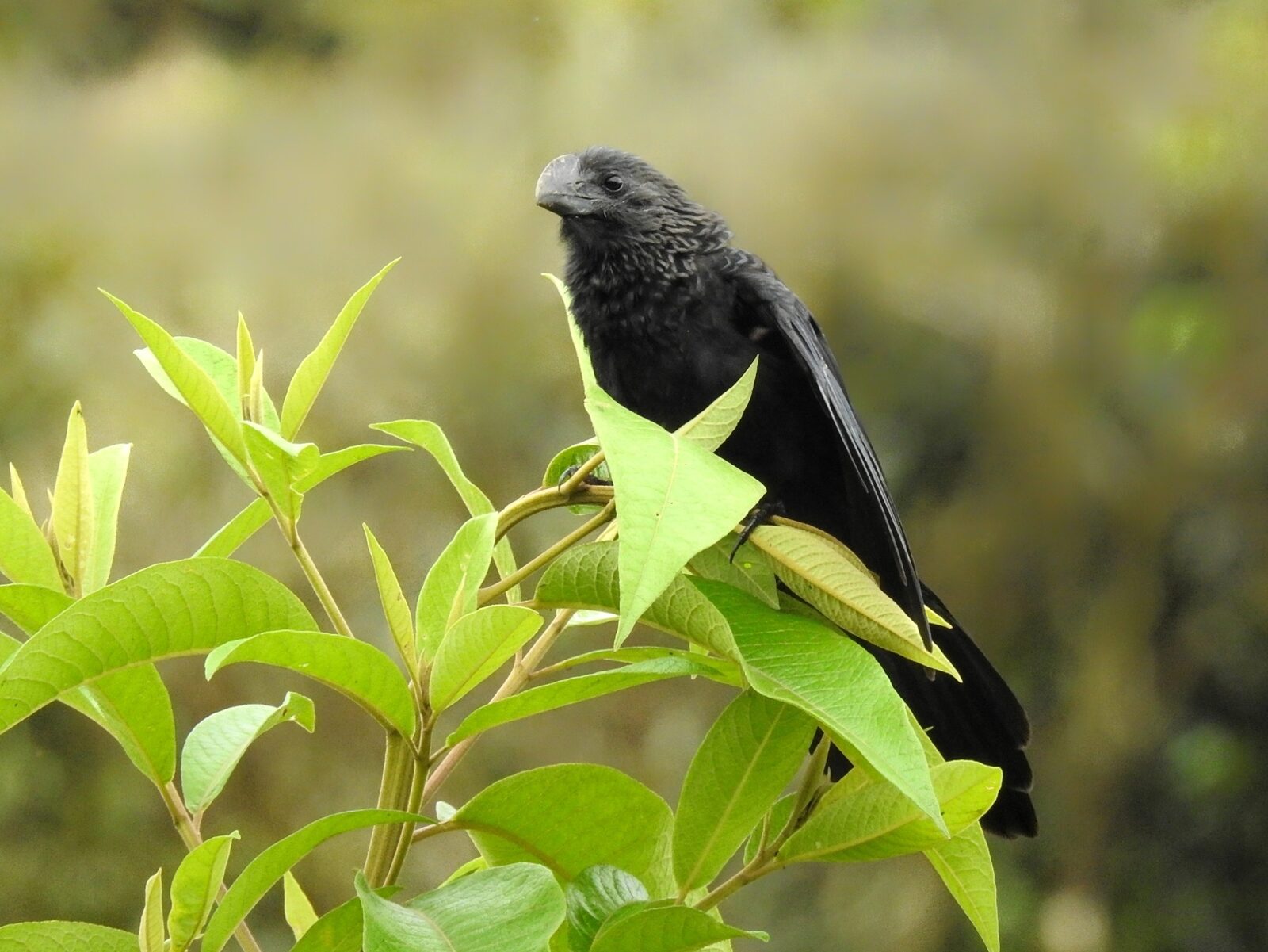
Smooth-billed Ani
Crotophaga ani
- Status
- Least Concern IUCN Red List
- Eats
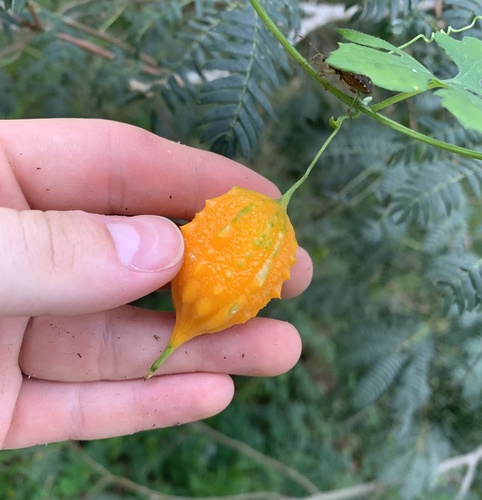
- balsam pear, black mulberry, common lantana and 55 more
- Eaten by
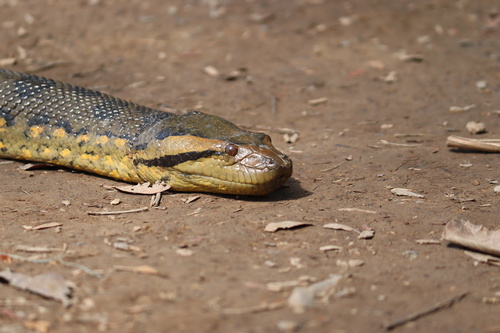
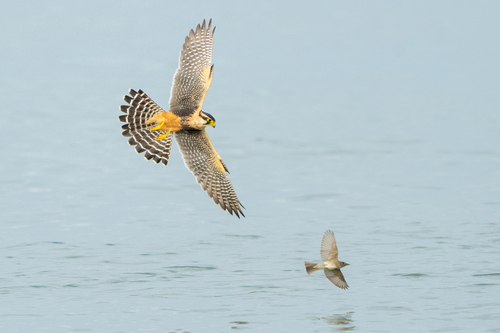
- green anaconda, aplomado falcon
- Where
- 43 countries · galápagos Islands
On 4Planet Atlas it is among the wildlife people record most around Asunción, Bogotá and Brasília, and 16 more of the cities we cover.
People have shared 547,881 records of the Smooth-billed Ani with GBIF, from 43 countries, most of them from Brazil, Colombia and Ecuador. Records collected by GloBI show it eating 58 different kinds of animals and plants, and being eaten by 3.
Habitats
What the smooth-billed Ani eats, and what eats it
Studies have recorded it eating 58 kinds of animals and plants, and 3 kinds of animals eating it. Tap any of them to follow the food chain.
- Plants 39
- Insects 15
- Spiders and mites 2
- Reptiles 1
Eaten by
 Smooth-billed Ani
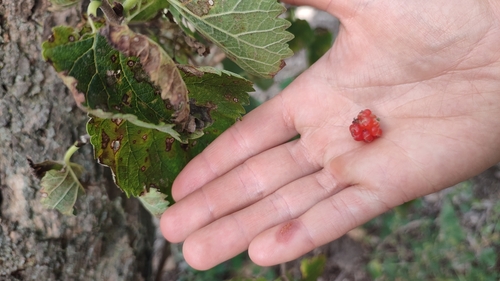
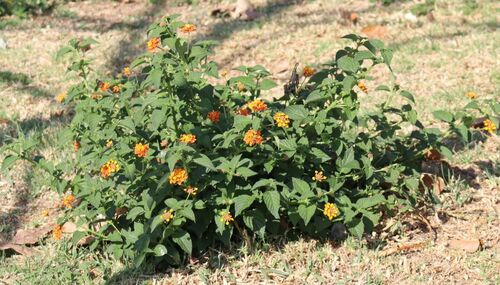
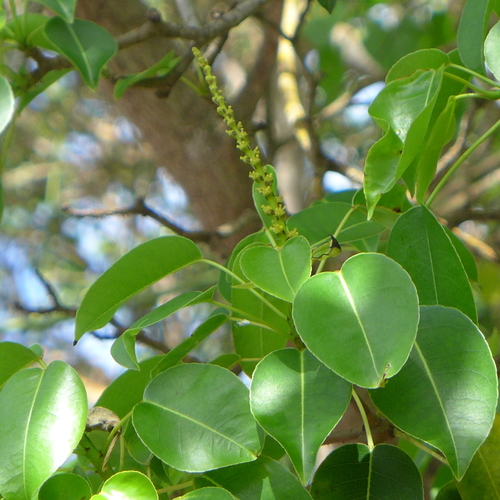
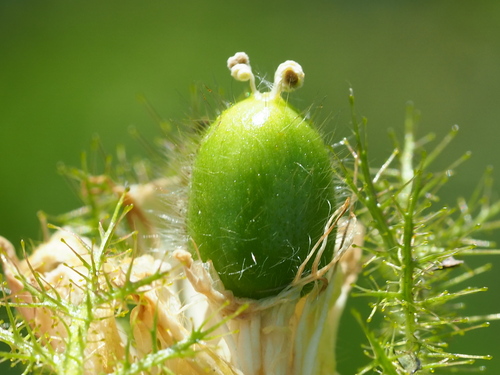
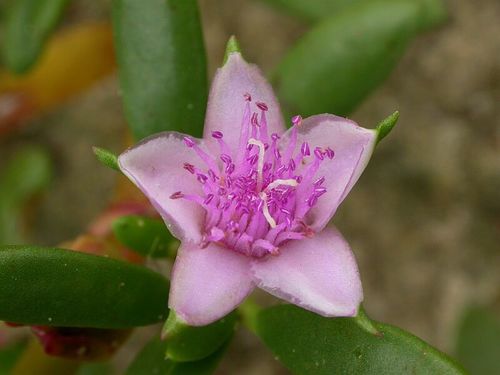
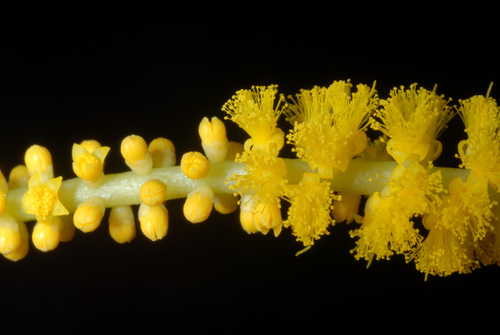

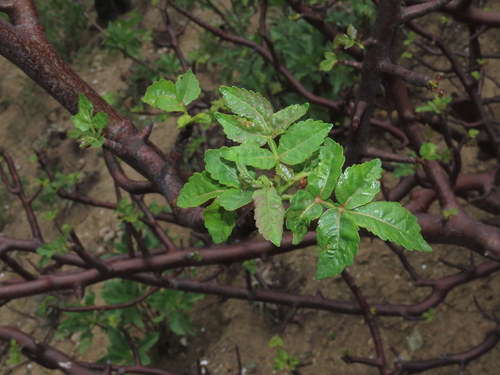
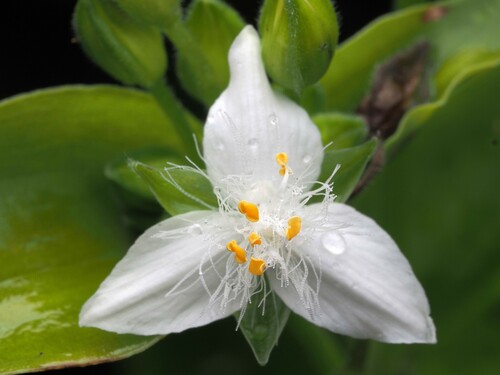
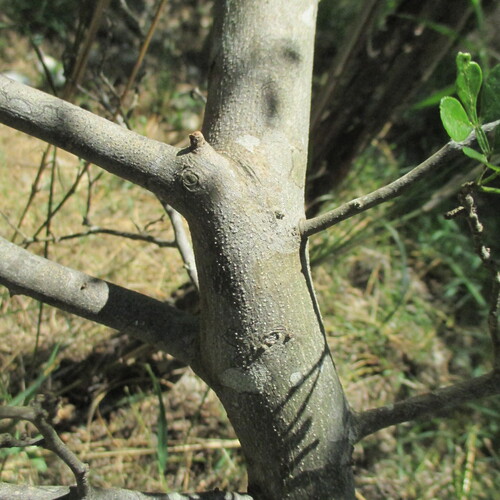
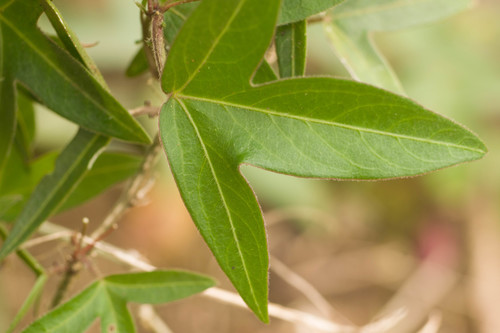
Records from studies worldwide, collected by GloBI. They include animals eaten as carrion, and they are not everything it eats in one place.
Where people see the smooth-billed Ani
People have shared 547,881 records from 43 countries.
Near a city: Asunción, Bogotá, Brasília, Caracas, Georgetown, Havana, Kingston, Kingstown, Medellín, Nassau, Panama City, Paramaribo, Port-au-Prince, Port of Spain, Rio de Janeiro, Roseau, Santo Domingo, São Paulo, St. George's.
Records show where people have seen it and shared it, not its full range. Country names open their page in Atlas.
When it is seen
Records per month in the northern hemisphere. More people outdoors also means more records.
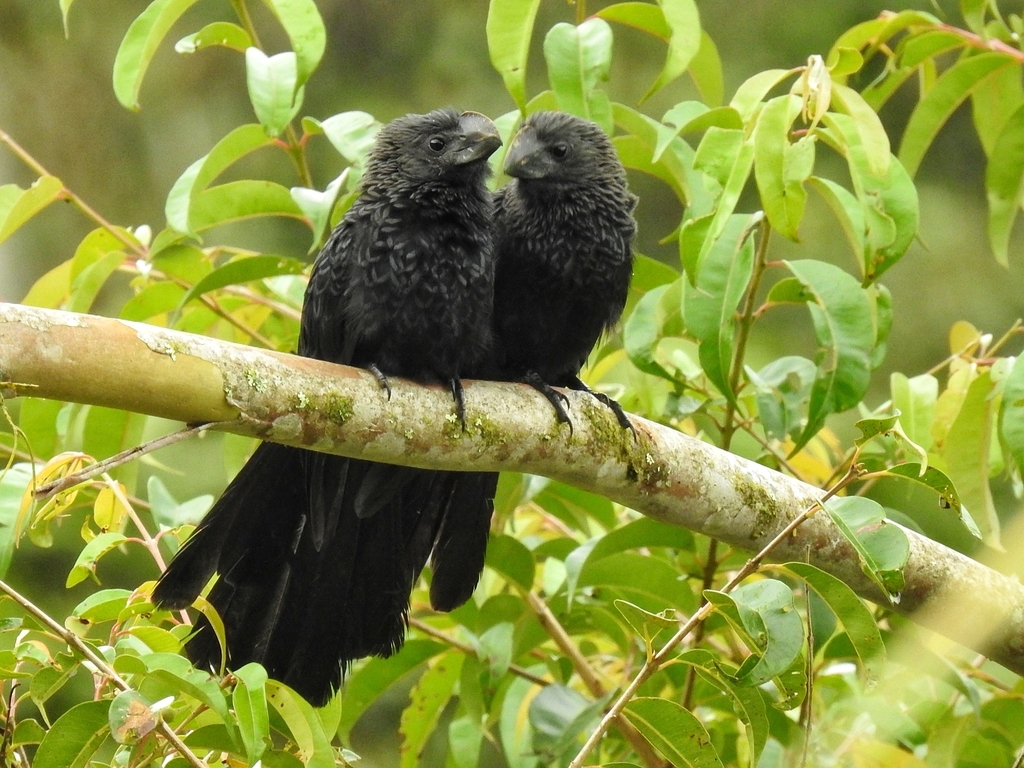
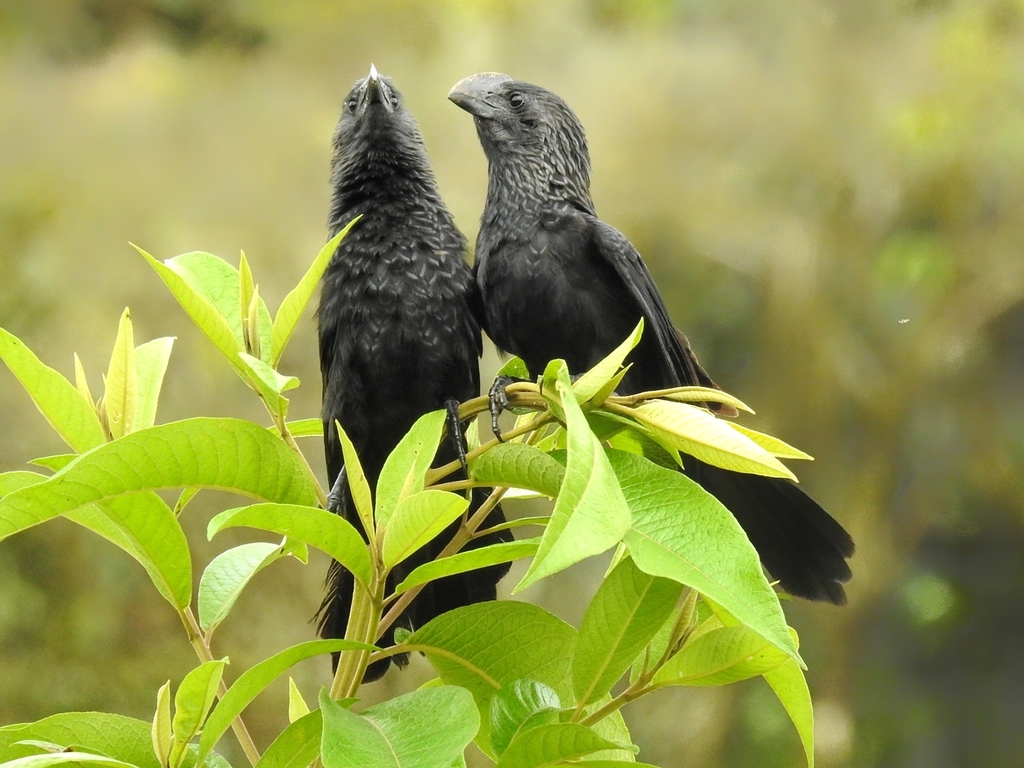
Watch and listen
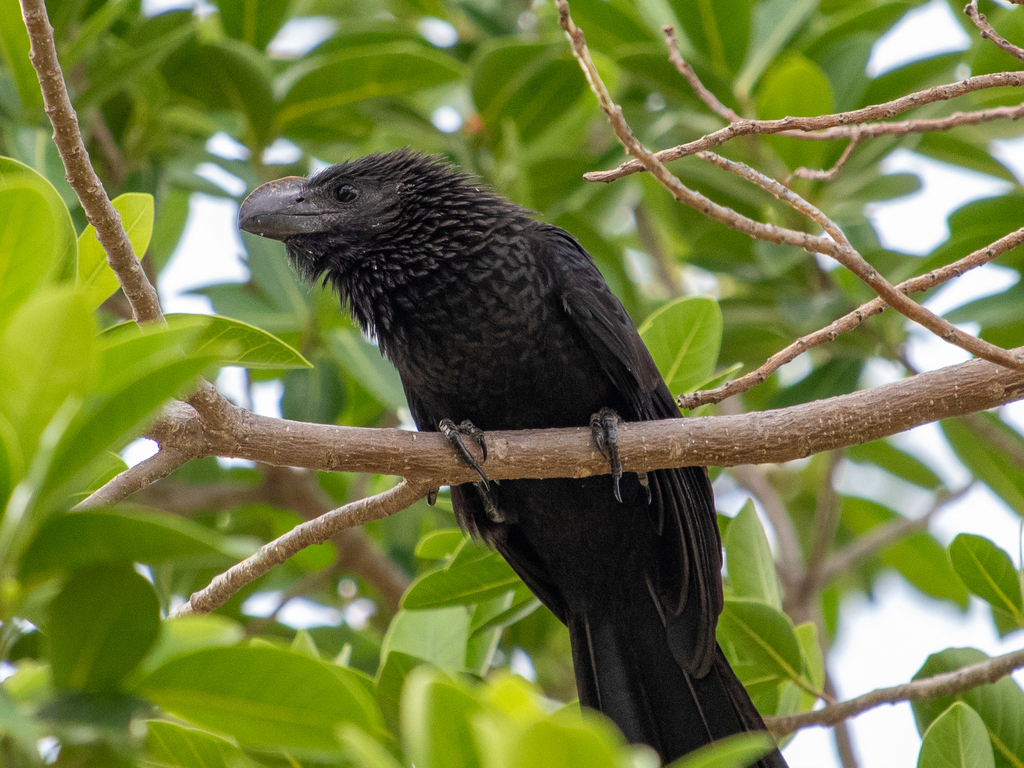
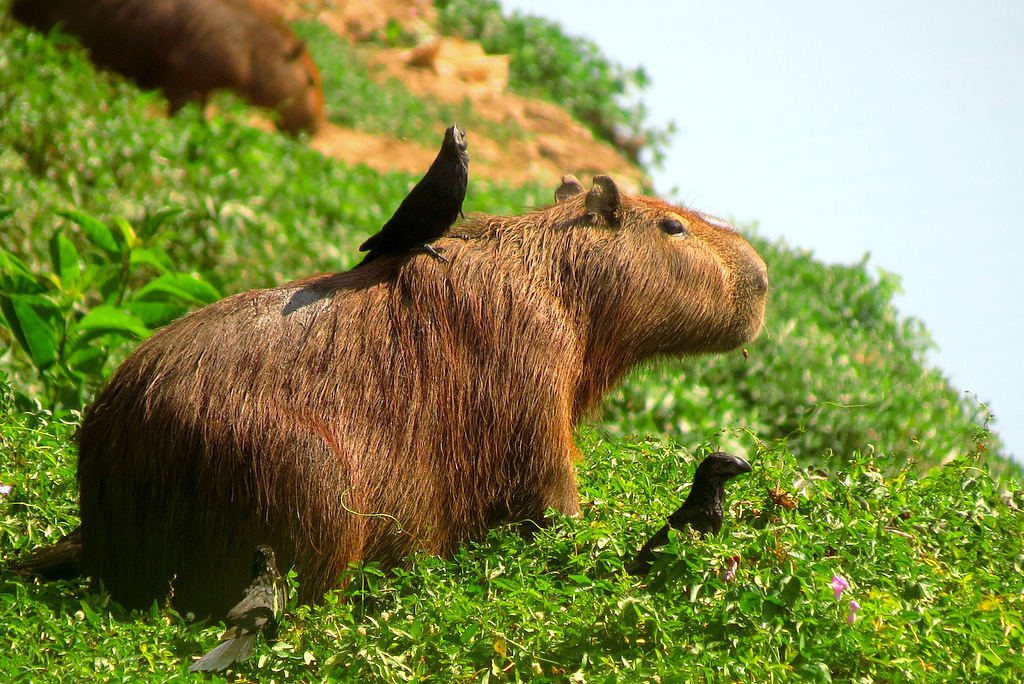
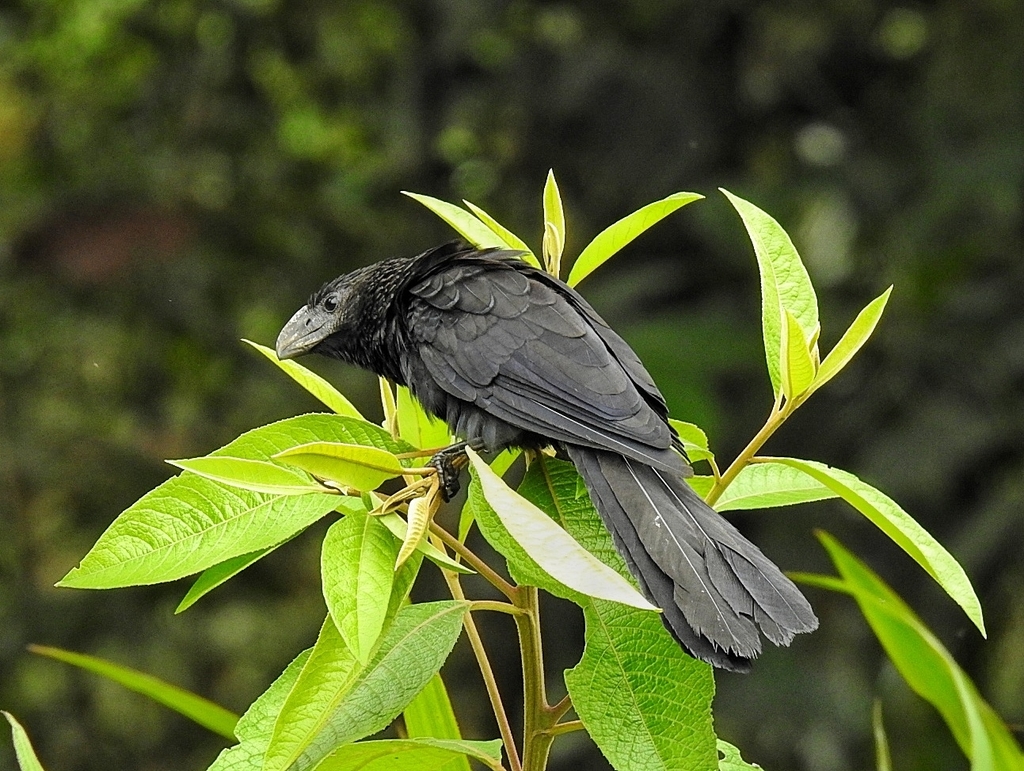
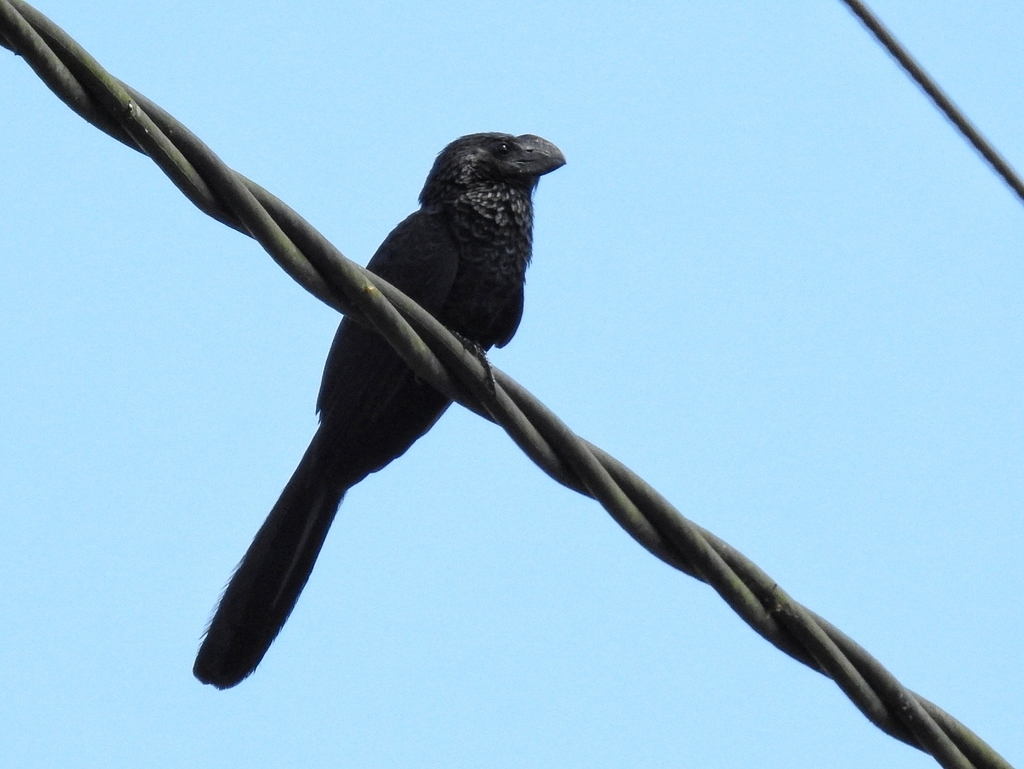
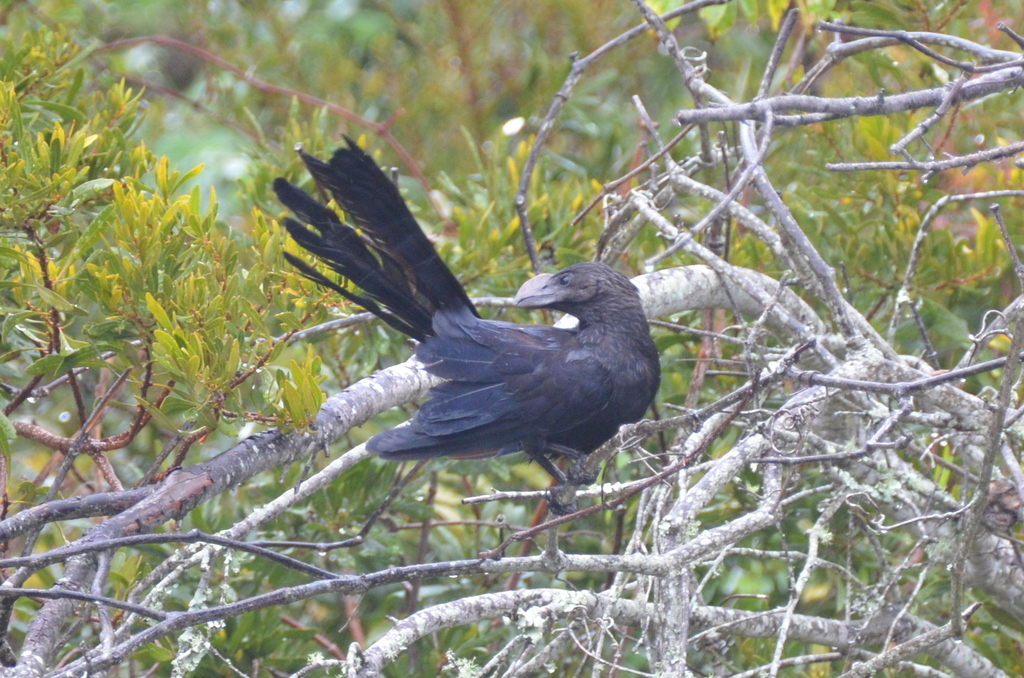
Its closest relatives
The other species of the genus Crotophaga.
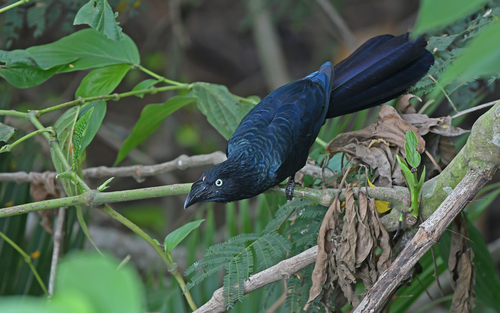
Seen a smooth-billed Ani?
Share your photo on iNaturalist. Other naturalists help confirm it, and the record goes to GBIF, where scientists use it and where the maps on this page come from.
Put this species on your site
The card names every source and links back here.
<iframe src="https://4planetatlas.com/place/embed/species/smooth-billed-ani" title="Smooth-billed Ani (Crotophaga ani), 4PLANET Species" width="100%" height="600" style="border:0;max-width:640px" loading="lazy"></iframe>
<p><a href="https://4species.com/smooth-billed-ani">Smooth-billed Ani on 4PLANET Species</a></p>Explore next
What puts the smooth-billed Ani under pressure, what helps, and who works on it.



Questions people ask
What does the Smooth-billed Ani eat?
The Smooth-billed Ani has been recorded eating 58 different kinds of animals and plants, most of them plants, insects, spiders and mites and reptiles. The ones recorded most often are balsam pear, black mulberry, common lantana, manchineel and stinking passionflower; records include animals eaten as carrion. Source: GloBI.
What eats the Smooth-billed Ani?
Recorded predators include green anaconda and aplomado falcon. Source: GloBI.
Where does the Smooth-billed Ani live?
People have recorded it in 43 countries; the most records come from Brazil, Colombia, Ecuador, Panama and Puerto Rico. Records show where people have seen it, not its full range.
When is the Smooth-billed Ani seen most?
In the northern hemisphere, the most records are made in May and the fewest in June. More people outdoors also means more records.
What are the Smooth-billed Ani's closest relatives?
It shares the genus Crotophaga with greater ani.
Sources and photo credits
- GBIF · Crotophaga ani, 547,881 human observations
- GloBI · recorded interactions of Crotophaga ani
- Wikidata · Smooth-billed Ani (Q256046)
- Smooth-billed Ani (Crotophaga ani): Esteban Poveda, CC BY 4.0
- Smooth-billed Ani (Crotophaga ani): Esteban Poveda, CC BY 4.0
- Smooth-billed Ani (Crotophaga ani), Rio Negro, Ecuador: Esteban Poveda, CC BY 4.0
- Smooth-billed Ani (Crotophaga ani), George Town, Cayman Islands: Dan Schofield, CC BY 4.0
- Smooth-billed Ani (Crotophaga ani), Terras de Santa Rosa, Salto - SP, Brasil: Rodrigo Paiva Lázaro, CC BY 4.0
- Smooth-billed Ani (Crotophaga ani), Rio Negro, Ecuador: Esteban Poveda, CC BY 4.0
- Smooth-billed Ani (Crotophaga ani), Estación Biológica Pindo Mirador: Esteban Poveda, CC BY 4.0
- Smooth-billed Ani (Crotophaga ani), Biloxi, MS, USA: Jody Shugart, CC BY 4.0
- Balsam pear: natalie, CC0
- Black mulberry: Josh, CC BY 4.0
- Common lantana: no rights reserved, uploaded by Dave Brown, CC0
- Manchineel: John Hibbard, CC BY 4.0
- Stinking passionflower: no rights reserved, uploaded by 葉子, CC0
- Shoreline seapurslane: Nick Block, CC BY 4.0
- Earleaf acacia: Douglas Goldman, CC BY-SA 4.0
- American black nightshade: Cricket Raspet, CC BY 4.0
- Incense tree: Manuel Roncal, CC0
- Small-leaf spiderwort: Saryu Mae 前 朝琉, CC BY 4.0
- Lime pricklyash: Ricardo Jaimes-López, CC BY 4.0
- Corkystem passionflower: Kevin Faccenda, CC BY 4.0
- Green anaconda: Conrado Pável de Oliveira, CC BY 4.0
- Aplomado falcon: Anthony Batista, CC BY 4.0
- Greater ani: Christoph Moning, CC BY 4.0
Records show where people have seen and shared the Smooth-billed Ani, not its full range, and some countries and months are recorded far more than others. The food web lists interactions that studies have recorded somewhere in the world (GloBI), not everything it eats in one place.
Checked 2026-11-27.