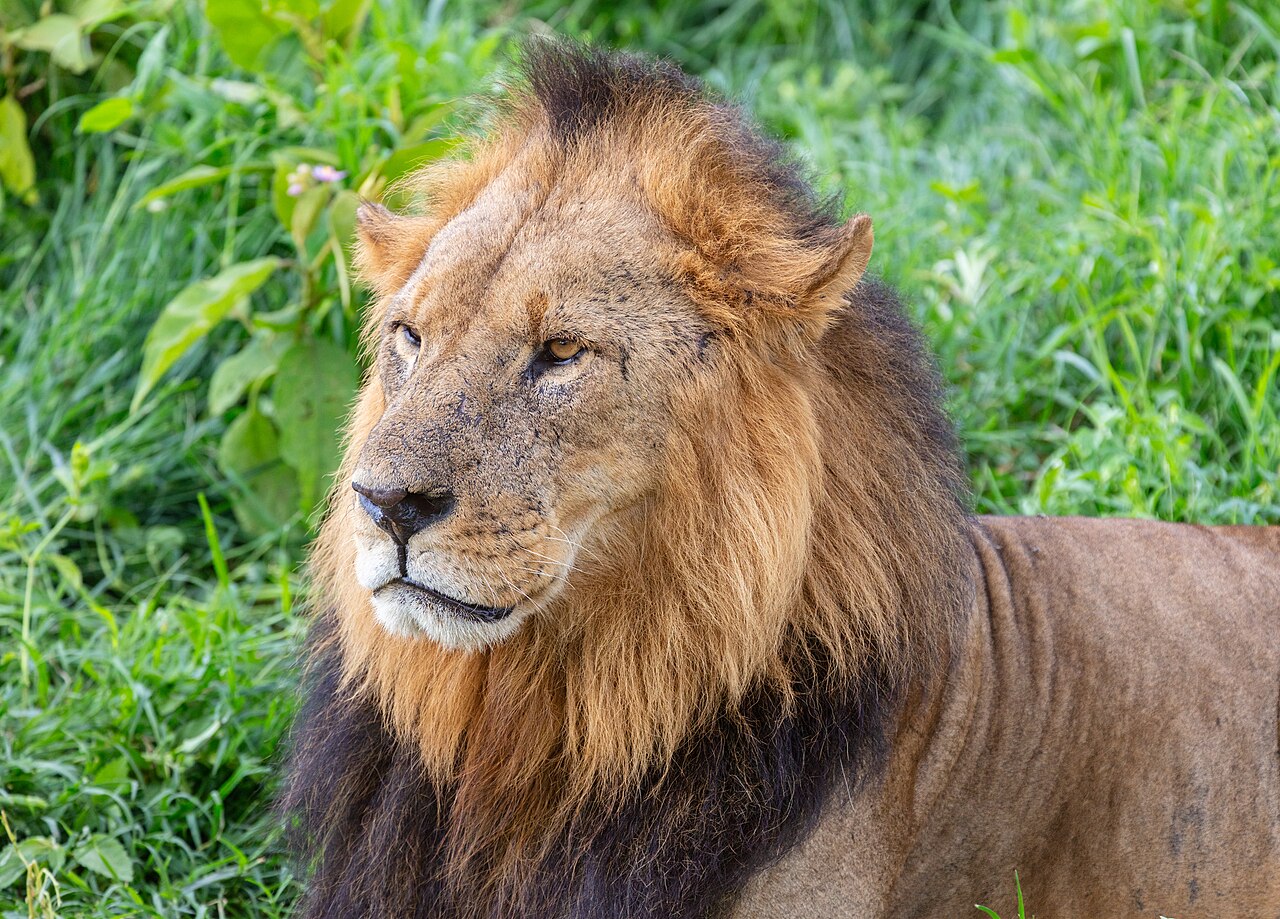
Lion
Panthera leo
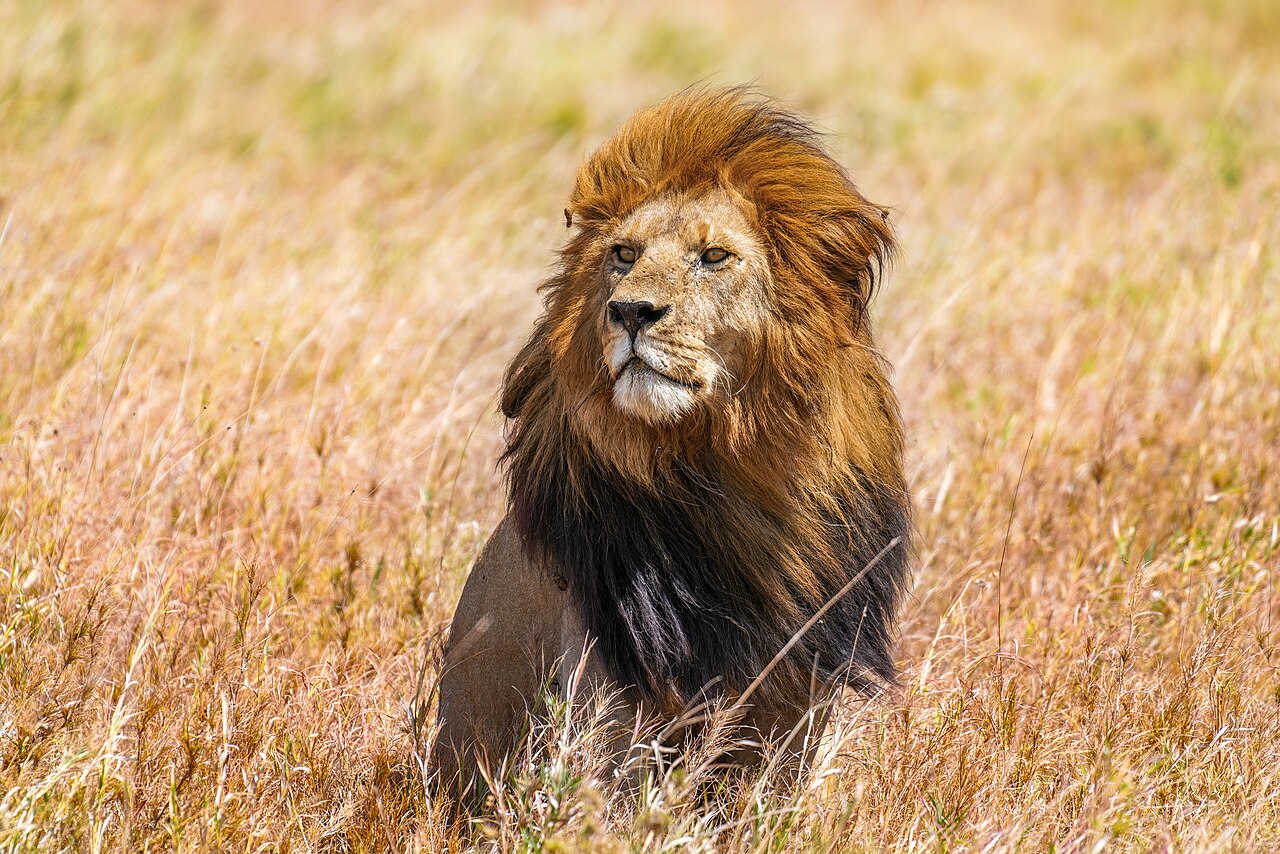
Unlike most cats, lions live and hunt in social groups called prides.
- Status
- Vulnerable IUCN Red List
- Weight
- About 159 kg (adult average)
- Length
- About 1.8 m, head and body
- Lifespan
- Up to 30 years recorded
- Young
- About 3 per litter, after 109 days
- Eats
- Nile hippopotamus, waterbuck, African buffalo and 88 more
- Where
- 26 countries · savannas
A lion’s territory is also a social world. Prides live, rest and hunt together, while males and females play different roles.
People have shared 15,804 records of the lion with GBIF, from 26 countries, most of them from South Africa, Kenya and Tanzania. Records collected by GloBI show it eating 91 different kinds of animals and plants.
Habitats
What the lion eats, and what eats it
Studies have recorded it eating 91 kinds of animals and plants. Tap any of them to follow the food chain.
- Mammals 87
- Birds 1
Lion
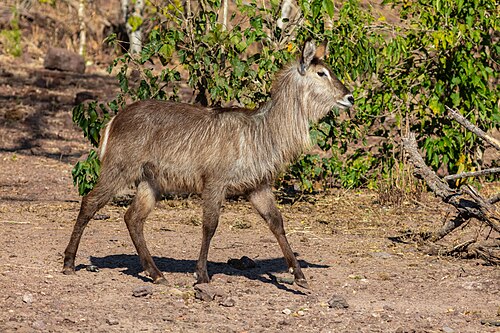
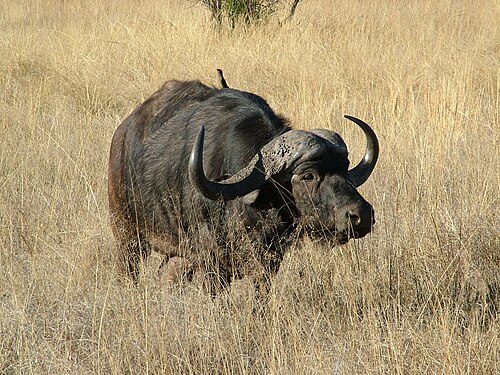
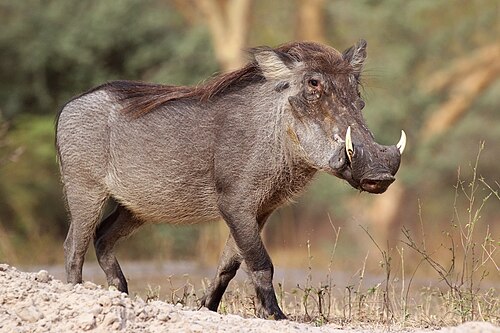
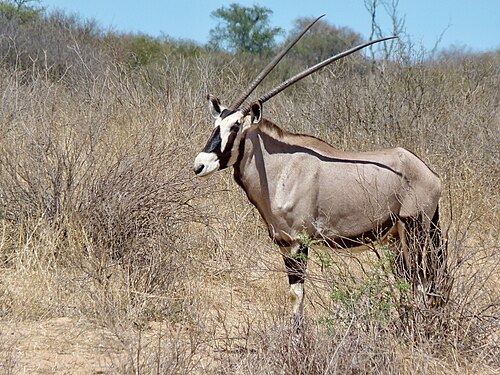
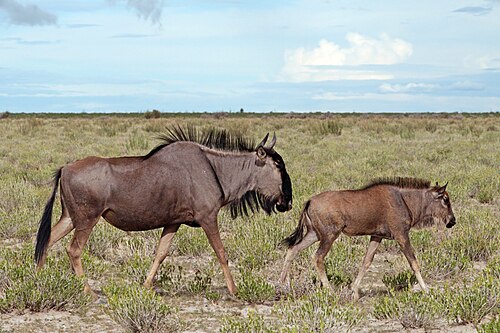
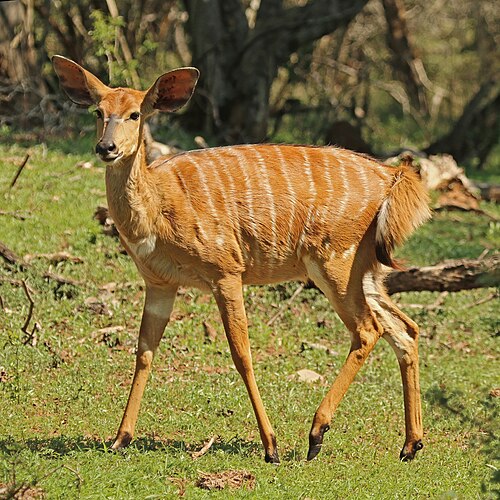

Records from studies worldwide, collected by GloBI. They include animals eaten as carrion, and they are not everything it eats in one place.
Where people see the lion
People have shared 15,804 records from 26 countries.
Records show where people have seen it and shared it, not its full range. Country names open their page in Atlas.
When it is seen
Records per month in the southern hemisphere. More people outdoors also means more records.
Watch and listen
Its closest relatives
The other species of the genus Panthera.


Seen a lion?
Share your photo on iNaturalist. Other naturalists help confirm it, and the record goes to GBIF, where scientists use it and where the maps on this page come from.
Put this species on your site
The card names every source and links back here.
<iframe src="https://4planetatlas.com/place/embed/species/lion" title="Lion (Panthera leo), 4PLANET Species" width="100%" height="600" style="border:0;max-width:640px" loading="lazy"></iframe>
<p><a href="https://4species.com/lion">Lion on 4PLANET Species</a></p>Explore next
What puts the lion under pressure, what helps, and who works on it.



Questions people ask
How big is the lion?
An adult lion averages about 1.8 m long and 159 kg, according to the PanTHERIA database of species averages. Individuals vary.
What does the lion eat?
The lion has been recorded eating 91 different kinds of animals and plants, most of them mammals and birds. The ones recorded most often are nile hippopotamus, waterbuck, african buffalo, impala and common warthog; records include animals eaten as carrion. Source: GloBI.
Where does the lion live?
People have recorded it in 26 countries; the most records come from South Africa, Kenya, Tanzania, Botswana and Namibia. Records show where people have seen it, not its full range.
When is the lion seen most?
In the southern hemisphere, the most records are made in August and the fewest in April. More people outdoors also means more records.
What are the lion's closest relatives?
It shares the genus Panthera with tiger, leopard, jaguar and european jaguar.
Sources and photo credits
- GBIF · Panthera leo, 15,804 human observations
- GloBI · recorded interactions of Panthera leo
- Wikidata · Lion (Q140)
- PanTHERIA · Jones et al. (2009), Ecology 90:2648, mammal size and life history
- WWF — Species profile
- Lion (Panthera leo): Diego Delso, CC BY-SA 4.0
- Nile hippopotamus: Muhammad Mahdi Karim, CC BY-SA 4.0
- Waterbuck: Diego Delso, CC BY-SA 4.0
- African buffalo: Paul M Rae, CC BY 2.5
- Common warthog: Charles J. Sharp, CC BY-SA 4.0
- Gemsbok: Bernard DUPONT from FRANCE, CC BY-SA 2.0
- Blue wildebeest: Charles J. Sharp, CC BY-SA 4.0
- Nyala: Charles J. Sharp, CC BY-SA 4.0
- Northern giraffe: Thomas Fuhrmann, CC BY-SA 4.0
- Tiger: Seemaleena, CC BY-SA 4.0
- Leopard: Sumeet Moghe, CC BY-SA 4.0
- Jaguar: Thiagomarcelcampi, CC BY-SA 4.0


Records show where people have seen and shared the lion, not its full range, and some countries and months are recorded far more than others. The food web lists interactions that studies have recorded somewhere in the world (GloBI), not everything it eats in one place.
Checked 2026-11-20.