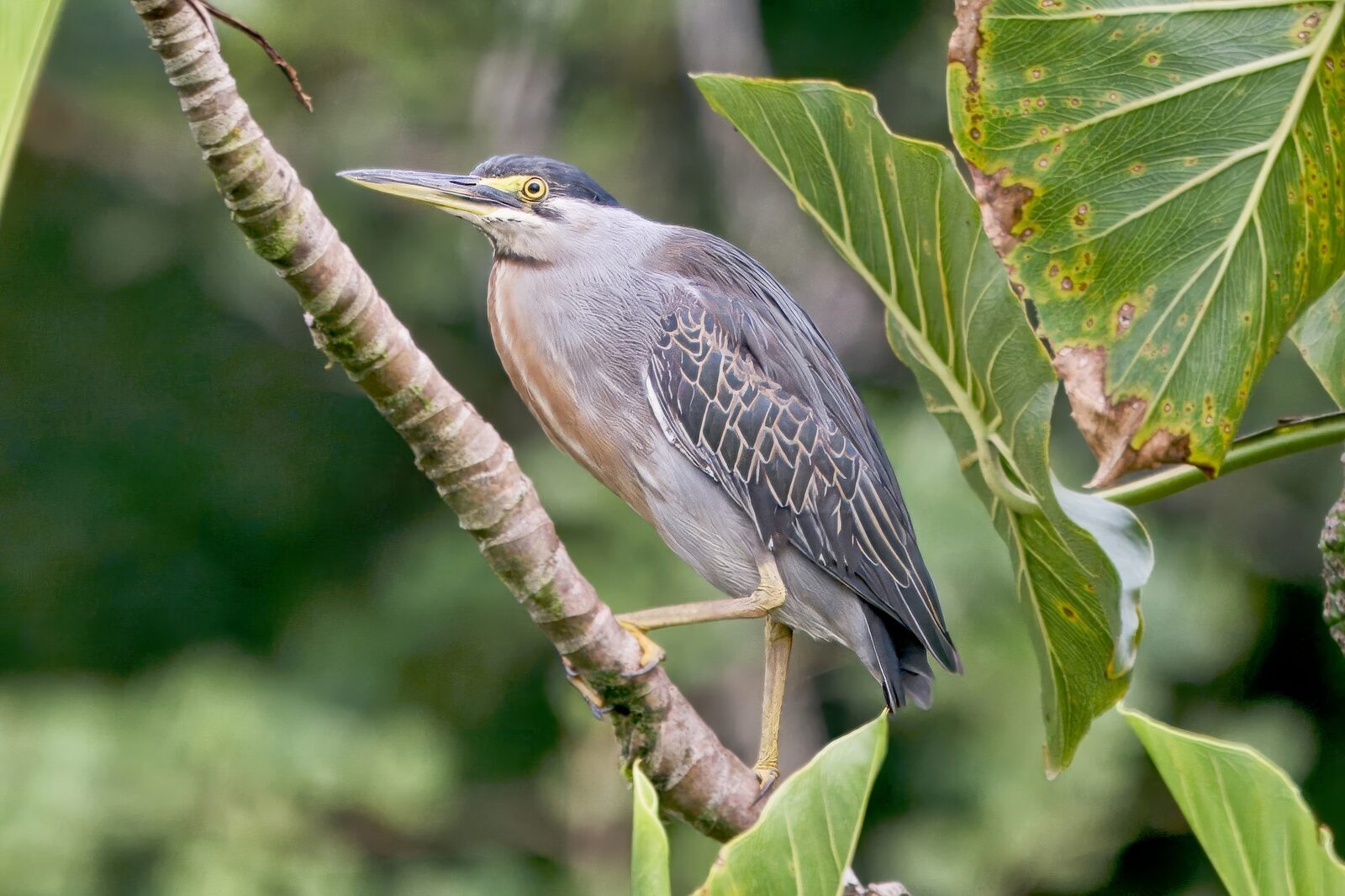
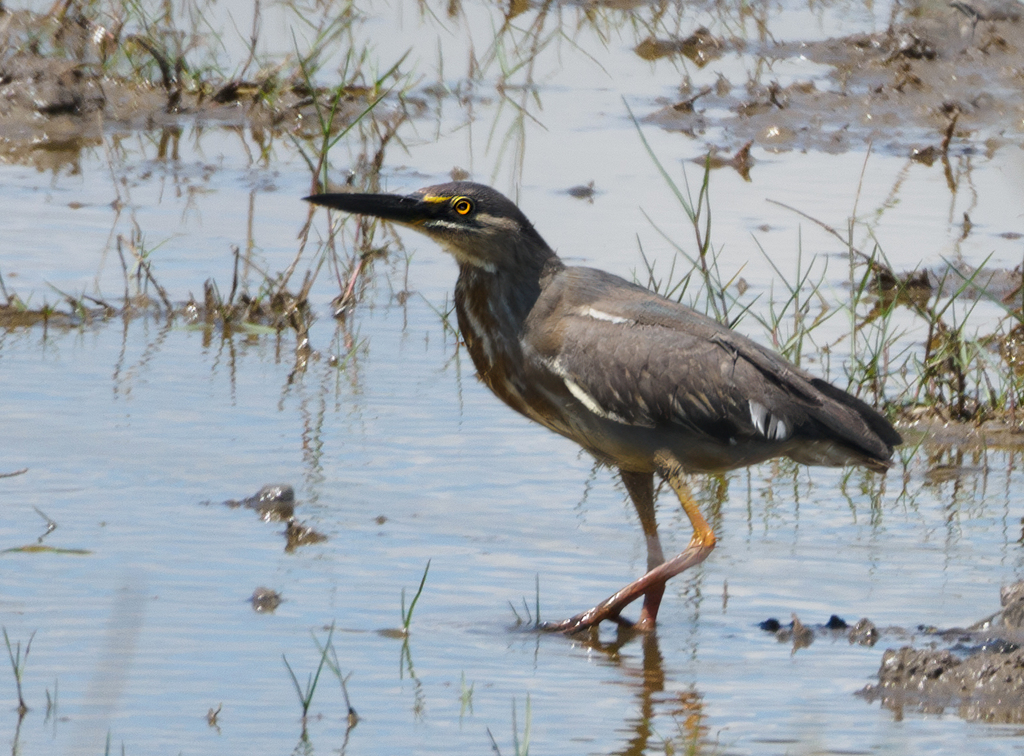
Striated heron
Butorides striata
- Status
- Least Concern IUCN Red List
- Eats
- pearl cichlid, tinfoil barb and 4 more
- Eaten by
- yellow anaconda
- Where
- 25 countries
On 4Planet Atlas it is among the wildlife people record most around Abuja, Asunción and Bogotá, and 17 more of the cities we cover.
People have shared 206,529 records of the striated heron with GBIF, from 25 countries, most of them from Brazil, Colombia and Peru. Records collected by GloBI show it eating 6 different kinds of animals and plants, and being eaten by 1.
What the striated heron eats, and what eats it
Studies have recorded it eating 6 kinds of animals and plants, and 1 kinds of animals eating it. Tap any of them to follow the food chain.
- Fish 5
- Crustaceans 1
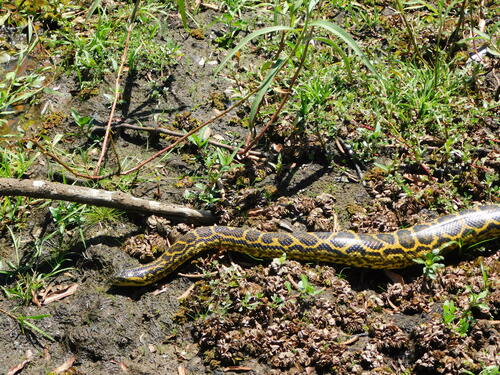
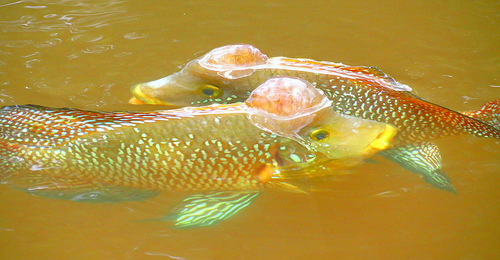
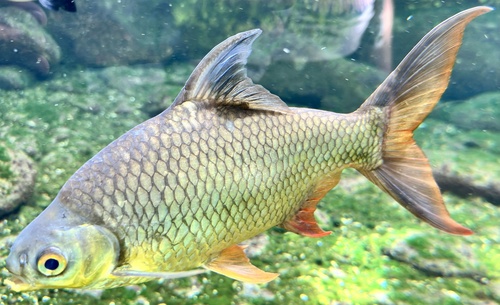
Records from studies worldwide, collected by GloBI. They include animals eaten as carrion, and they are not everything it eats in one place.
Where people see the striated heron
People have shared 206,529 records from 25 countries.
Near a city: Abuja, Asunción, Bogotá, Brasília, Bridgetown, Buenos Aires, Caracas, Curitiba, Georgetown, Lagos, Lima, Montevideo, Paramaribo, Port Louis, Port of Spain, Porto-Novo, Pretoria, Rio de Janeiro, São Paulo, Victoria.
Records show where people have seen it and shared it, not its full range. Country names open their page in Atlas.
When it is seen
Records per month in the southern hemisphere. More people outdoors also means more records.
Watch and listen
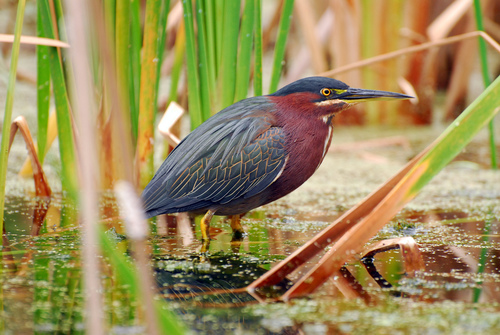
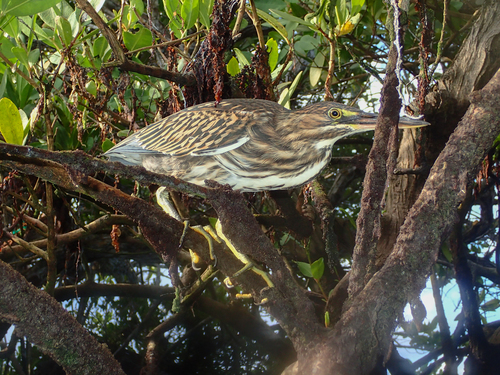
Its closest relatives
The other species of the genus Butorides.
Seen a striated heron?
Share your photo on iNaturalist. Other naturalists help confirm it, and the record goes to GBIF, where scientists use it and where the maps on this page come from.
Put this species on your site
The card names every source and links back here.
<iframe src="https://4planetatlas.com/place/embed/species/striated-heron" title="Striated heron (Butorides striata), 4PLANET Species" width="100%" height="600" style="border:0;max-width:640px" loading="lazy"></iframe>
<p><a href="https://4species.com/striated-heron">Striated heron on 4PLANET Species</a></p>Questions people ask
What does the striated heron eat?
The striated heron has been recorded eating 6 different kinds of animals and plants, most of them fish and crustaceans. The ones recorded most often are pearl cichlid and tinfoil barb; records include animals eaten as carrion. Source: GloBI.
What eats the striated heron?
Recorded predators include yellow anaconda. Source: GloBI.
Where does the striated heron live?
People have recorded it in 25 countries; the most records come from Brazil, Colombia, Peru, Argentina and Ecuador. Records show where people have seen it, not its full range.
When is the striated heron seen most?
In the southern hemisphere, the most records are made in October and the fewest in April. More people outdoors also means more records.
What are the striated heron's closest relatives?
It shares the genus Butorides with green heron and lava heron.
Sources and photo credits
- GBIF · Butorides striata, 206,529 human observations
- GloBI · recorded interactions of Butorides striata
- Wikidata · Striated heron (Q270722)
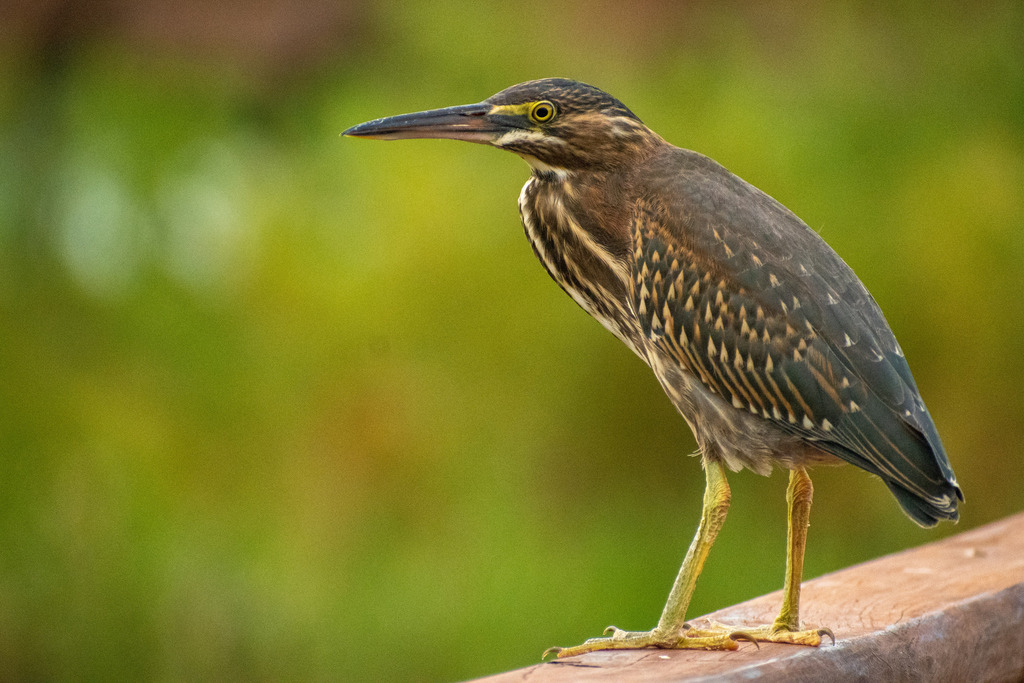
- Striated heron (Butorides striata): Bill Levine, CC BY 4.0
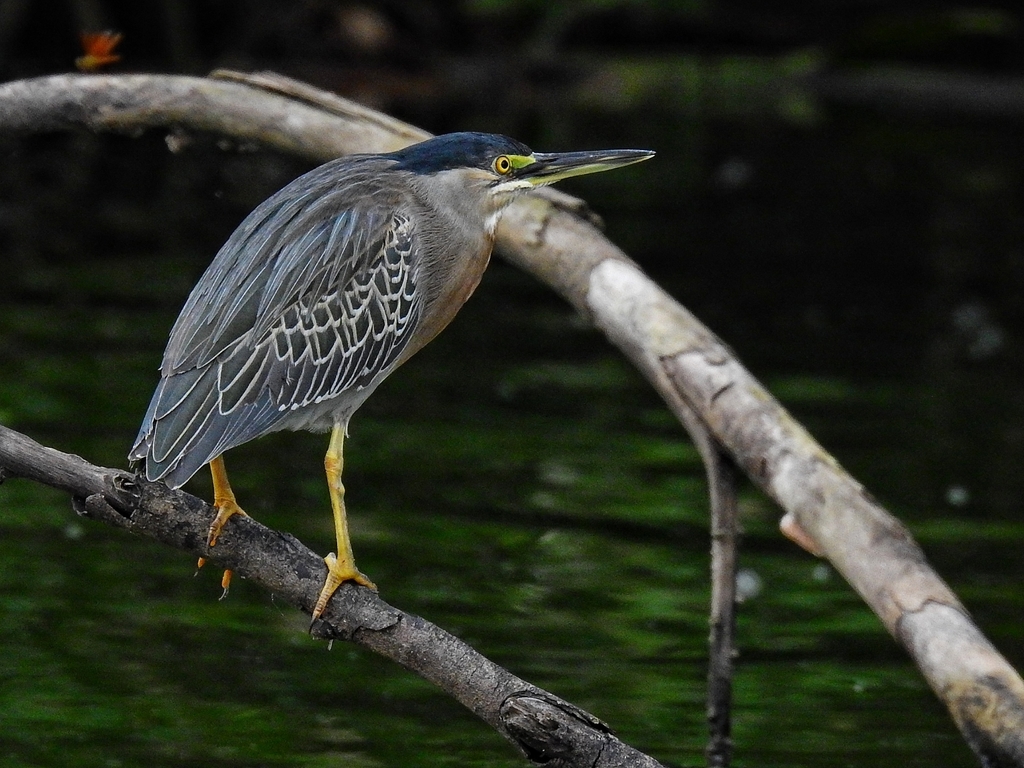
- Striated heron (Butorides striata): Ezequiel Racker, CC BY 4.0
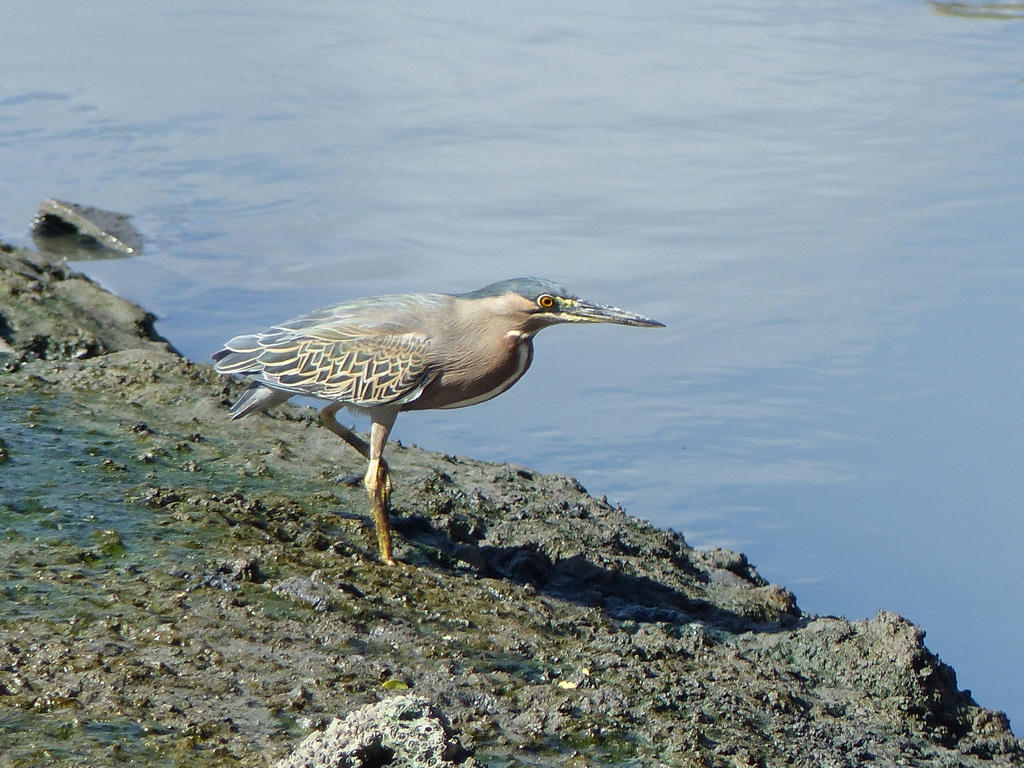
- Striated heron (Butorides striata): Esteban Poveda, CC BY 4.0
- Striated heron (Butorides striata), Praça da República, S/N - Santo Antônio, Recife - PE, 50010-928, Brasil: Helio Lourencini, CC BY 4.0
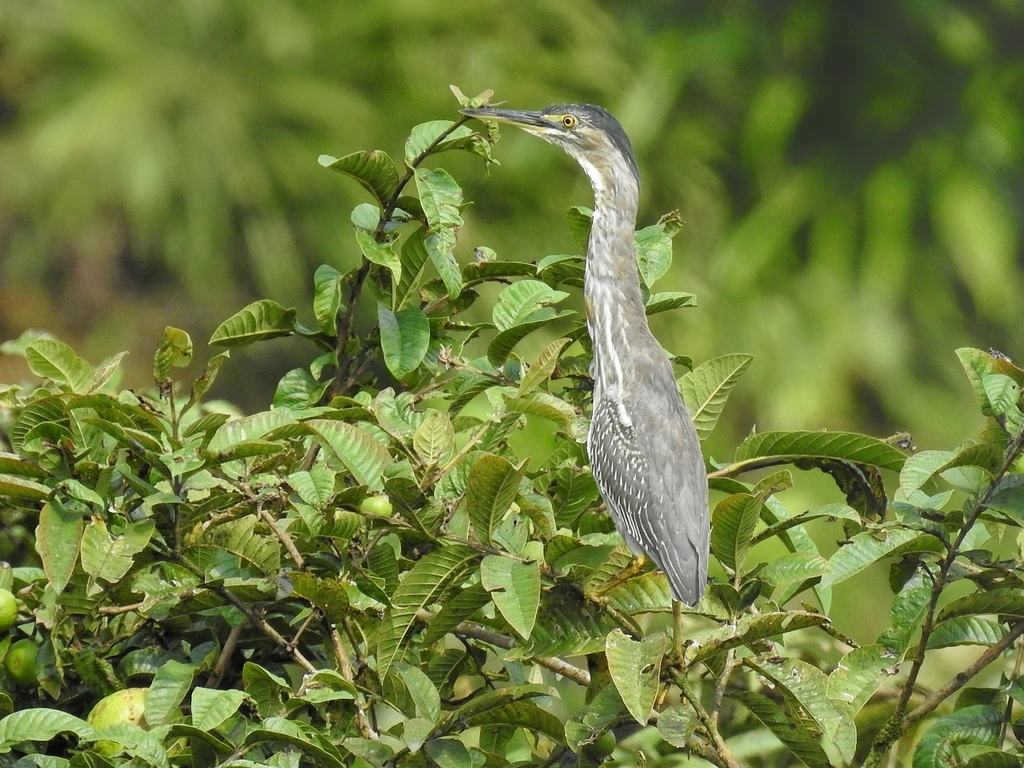
- Striated heron (Butorides striata), Estación Biológica Pindo Mirador: Esteban Poveda, CC BY 4.0
- Striated heron (Butorides striata), Cam. a Punta Rasa, B7105 San Clemente del Tuyu, Provincia de Buenos Aires, Argentina: Gabriel Brachetti, CC BY 4.0
- Pearl cichlid: Rodrigo Paiva Lázaro, CC BY 4.0
- Tinfoil barb: Nick T., CC BY-SA 4.0
- Yellow anaconda: Sebastián Gómez Barboza Silveira, CC0
- Green heron: Tom Kennedy, CC BY 4.0
- Lava heron: Julien Renoult, CC BY 4.0
Records show where people have seen and shared the striated heron, not its full range, and some countries and months are recorded far more than others. The food web lists interactions that studies have recorded somewhere in the world (GloBI), not everything it eats in one place.
Checked 2026-11-24.