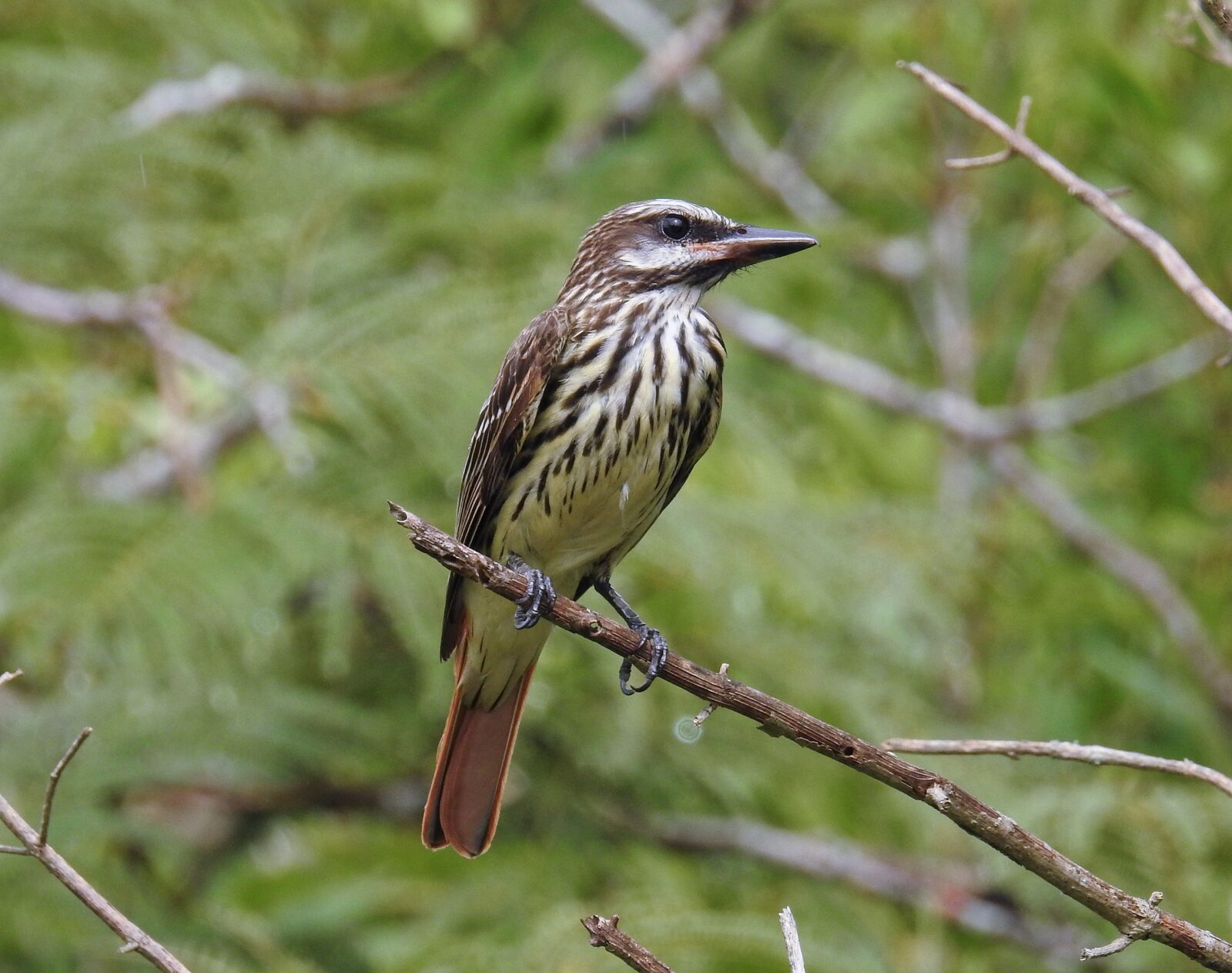
Sulphur-bellied flycatcher
Myiodynastes luteiventris
- Status
- Least Concern IUCN Red List
- Eats
- coco plum, west Indian birch, erect prickly pear and 136 more
- Where
- 17 countries
On 4Planet Atlas it is among the wildlife people record most around Belmopan, Managua and San José, and 2 more of the cities we cover.
People have shared 120,878 records of the sulphur-bellied flycatcher with GBIF, from 17 countries, most of them from Costa Rica, United States and Mexico. Records collected by GloBI show it eating 139 different kinds of animals and plants.
What the sulphur-bellied flycatcher eats, and what eats it
Studies have recorded it eating 139 kinds of animals and plants. Tap any of them to follow the food chain.
- Plants 133
Sulphur-bellied flycatcher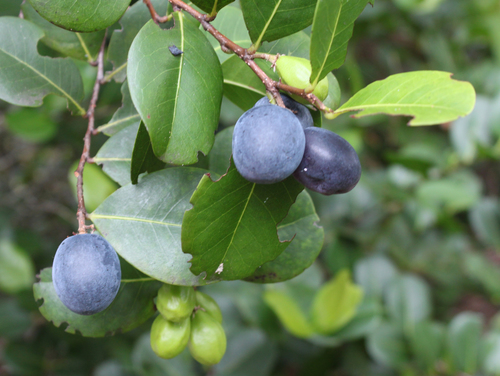
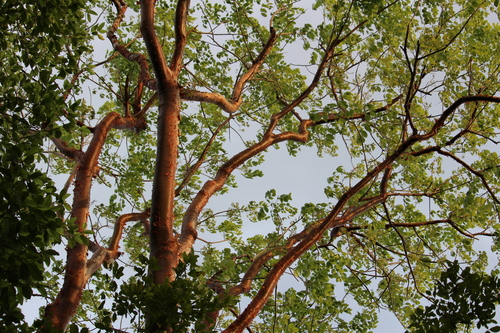
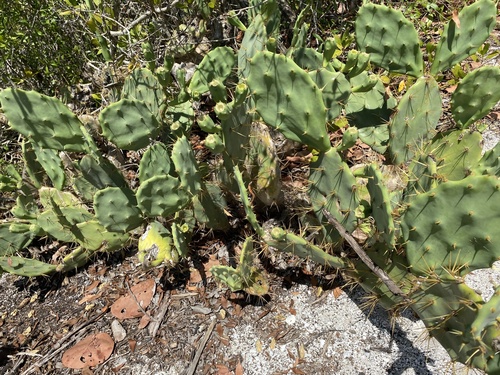
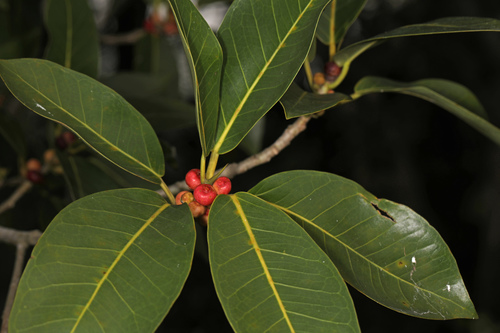
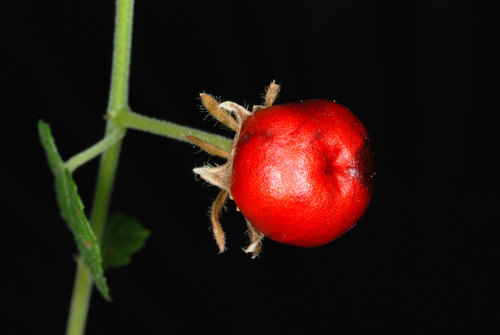
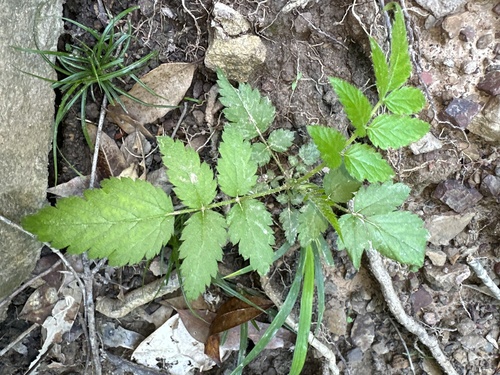
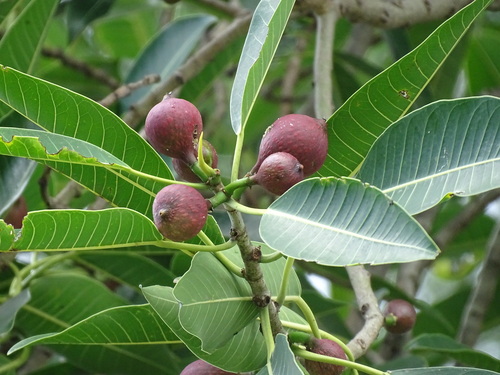
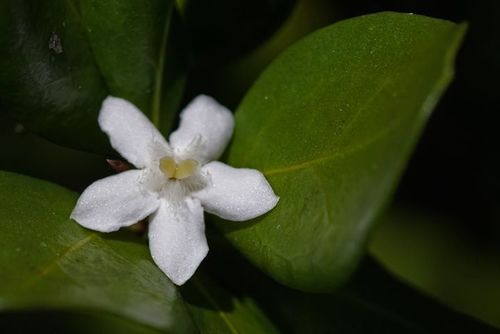
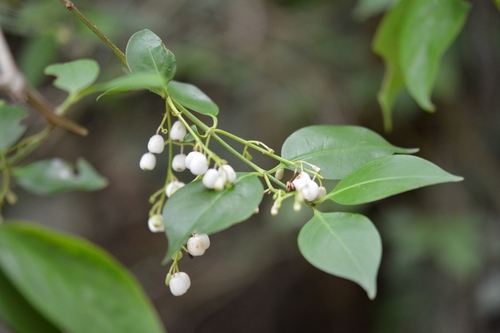
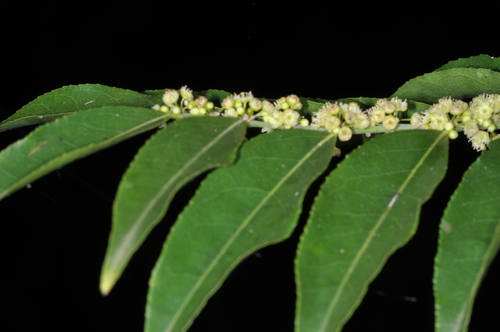
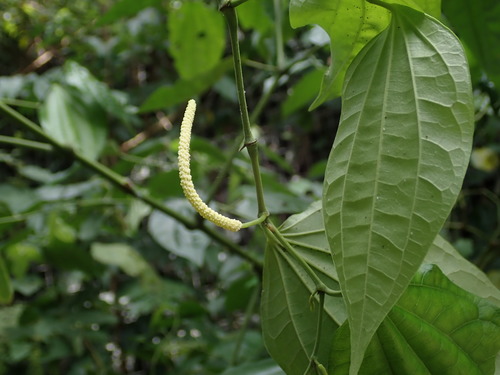
Records from studies worldwide, collected by GloBI. They include animals eaten as carrion, and they are not everything it eats in one place.
Where people see the sulphur-bellied flycatcher
People have shared 120,878 records from 17 countries.
Near a city: Belmopan, Managua, San José, San Salvador, Tegucigalpa.
Records show where people have seen it and shared it, not its full range. Country names open their page in Atlas.
When it is seen
Records per month in the northern hemisphere. More people outdoors also means more records.
Watch and listen
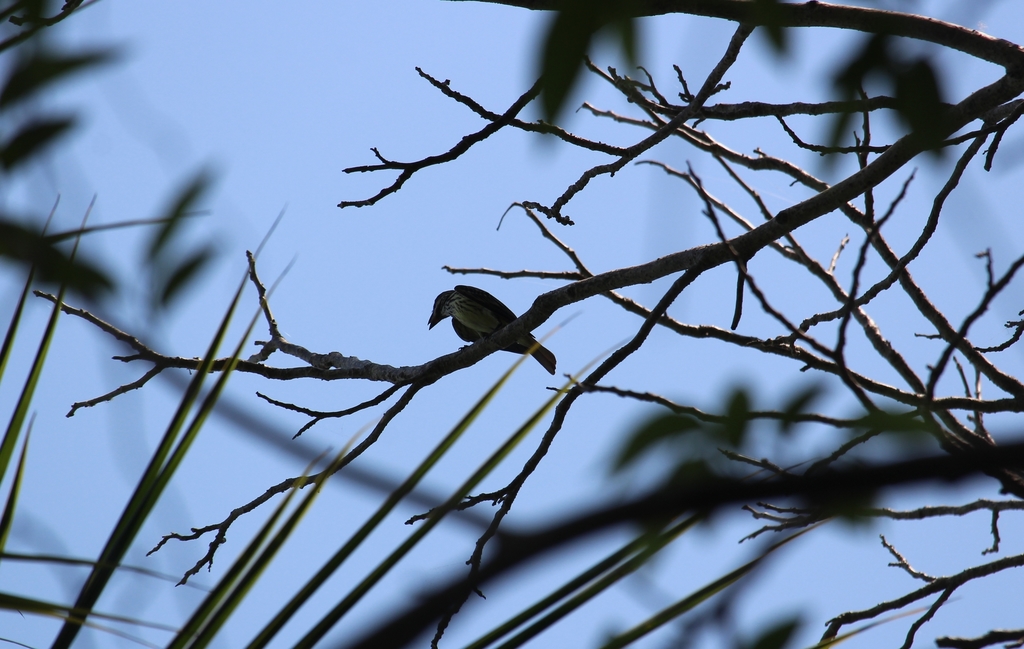
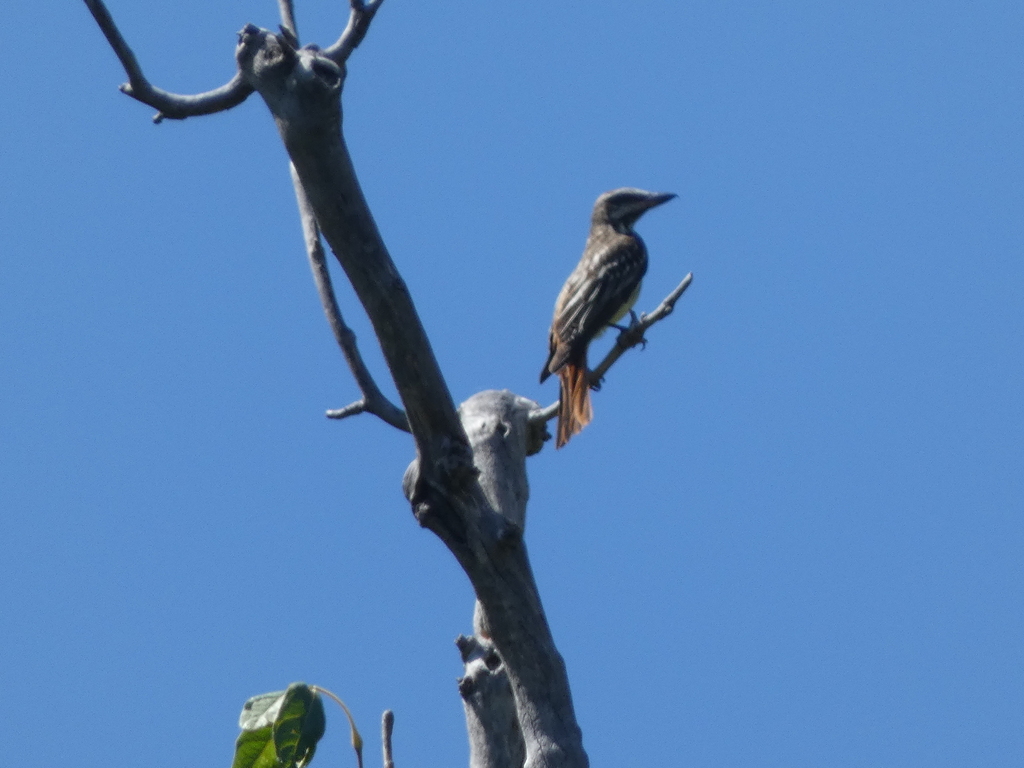
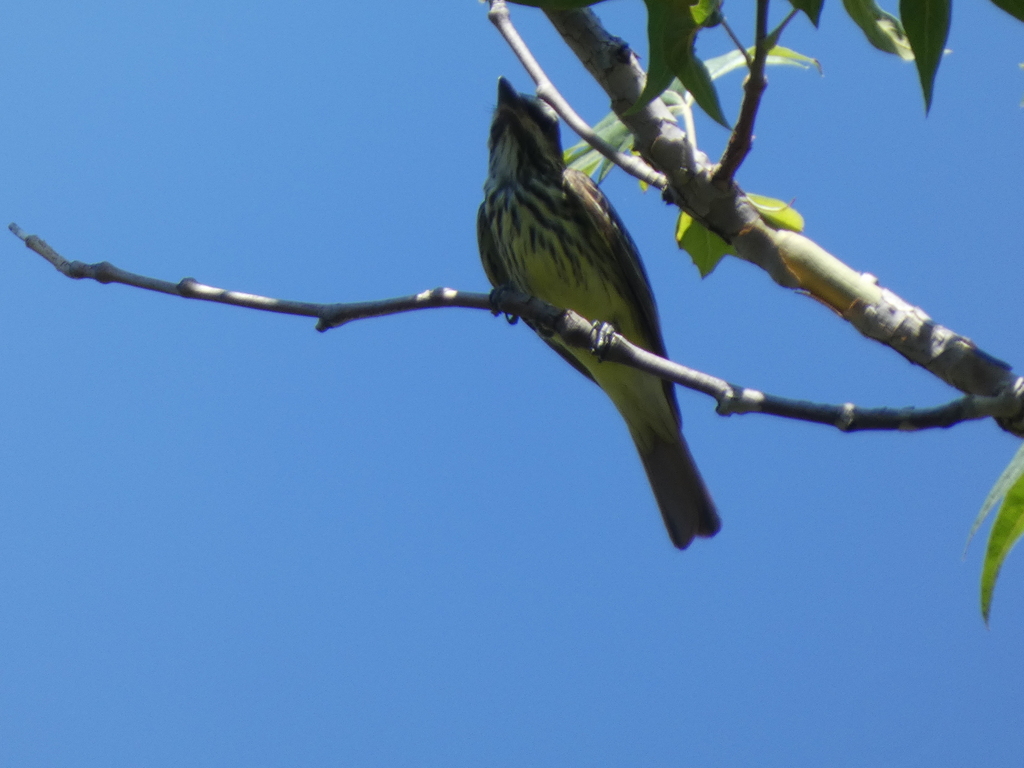
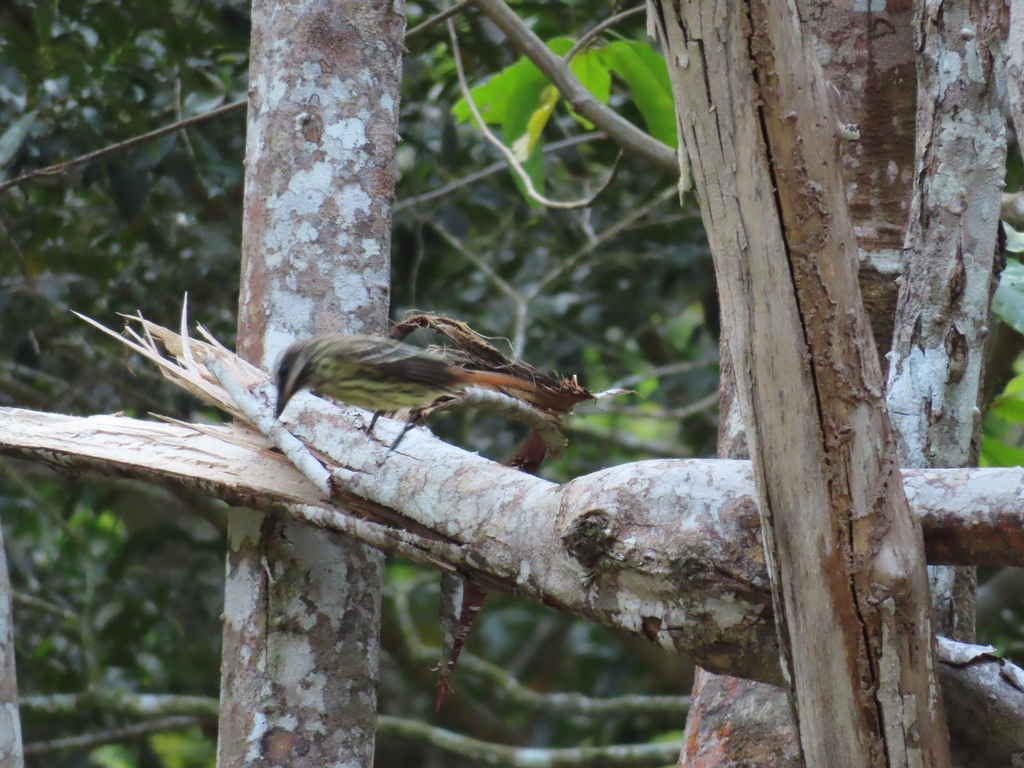
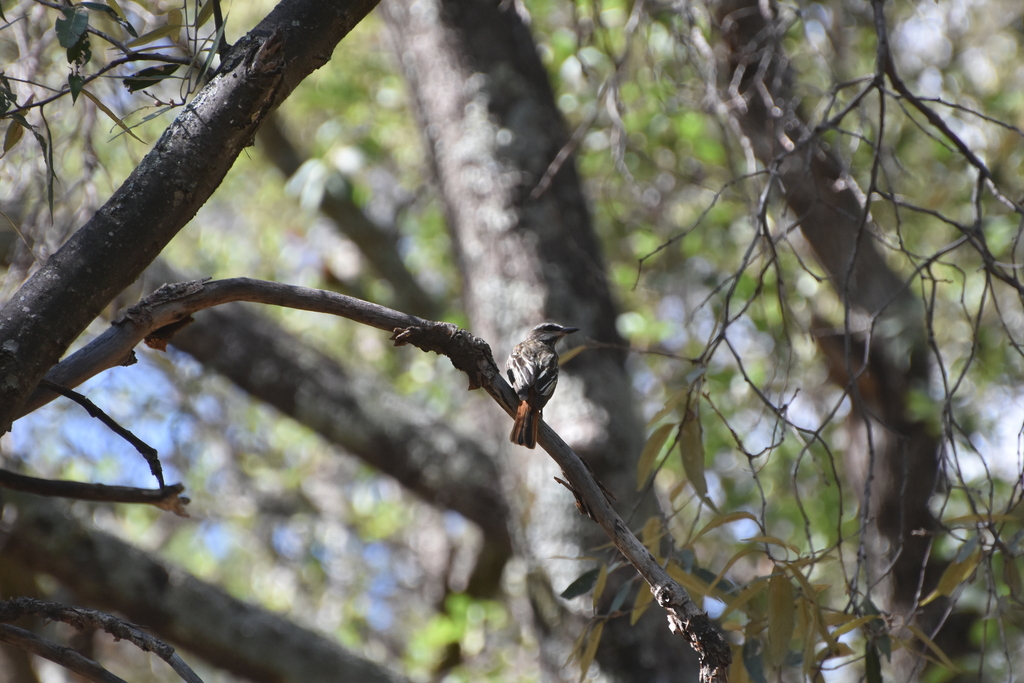
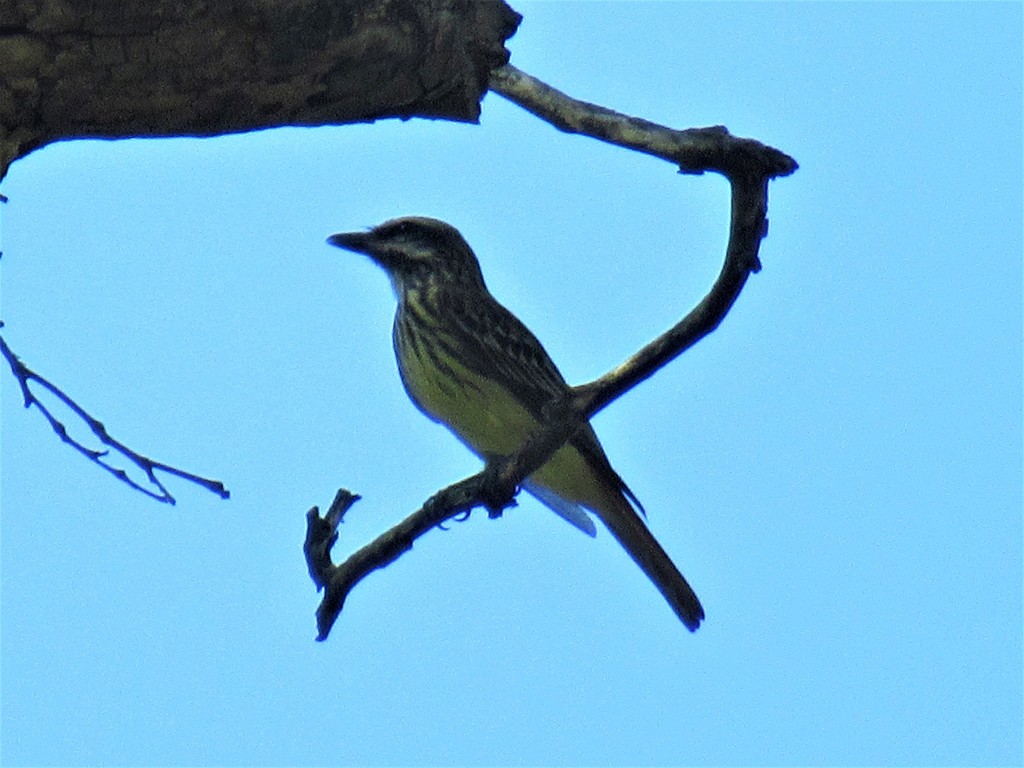
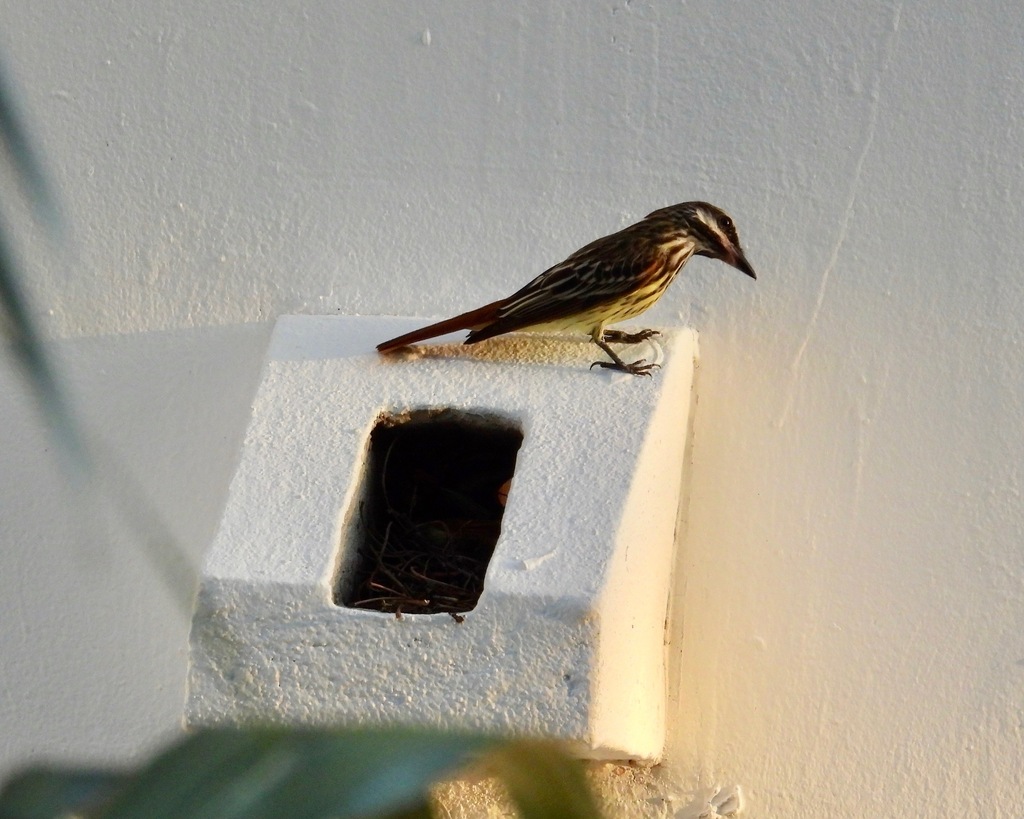
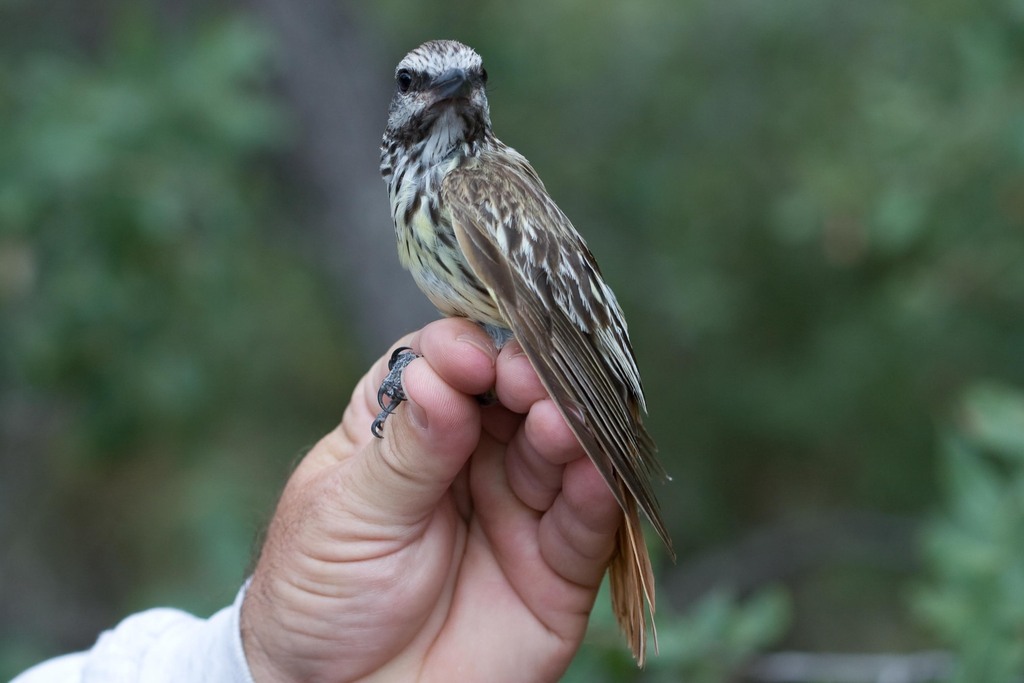
Its closest relatives
The other species of the genus Myiodynastes.
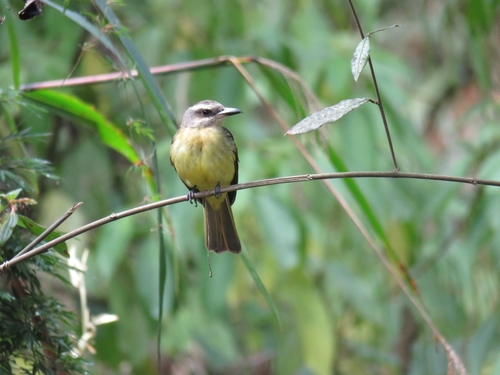
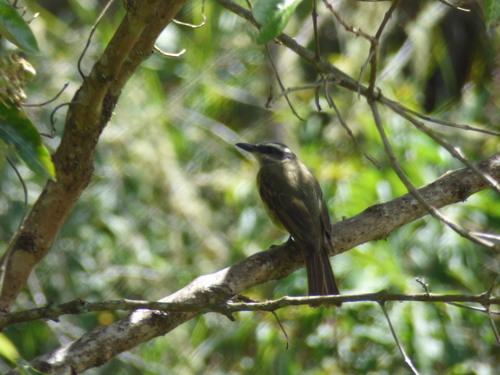
Seen a sulphur-bellied flycatcher?
Share your photo on iNaturalist. Other naturalists help confirm it, and the record goes to GBIF, where scientists use it and where the maps on this page come from.
Put this species on your site
The card names every source and links back here.
<iframe src="https://4planetatlas.com/place/embed/species/sulphur-bellied-flycatcher" title="Sulphur-bellied flycatcher (Myiodynastes luteiventris), 4PLANET Species" width="100%" height="600" style="border:0;max-width:640px" loading="lazy"></iframe>
<p><a href="https://4species.com/sulphur-bellied-flycatcher">Sulphur-bellied flycatcher on 4PLANET Species</a></p>Questions people ask
What does the sulphur-bellied flycatcher eat?
The sulphur-bellied flycatcher has been recorded eating 139 different kinds of animals and plants, most of them plants. The ones recorded most often are coco plum, west indian birch, erect prickly pear, florida strangler fig and wax mallow; records include animals eaten as carrion. Source: GloBI.
Where does the sulphur-bellied flycatcher live?
People have recorded it in 17 countries; the most records come from Costa Rica, United States, Mexico, Belize and Guatemala. Records show where people have seen it, not its full range.
When is the sulphur-bellied flycatcher seen most?
In the northern hemisphere, the most records are made in May and the fewest in December. More people outdoors also means more records.
What are the sulphur-bellied flycatcher's closest relatives?
It shares the genus Myiodynastes with golden-crowned flycatcher, baird's flycatcher and golden-bellied flycatcher.
Sources and photo credits
- GBIF · Myiodynastes luteiventris, 120,878 human observations
- GloBI · recorded interactions of Myiodynastes luteiventris
- Wikidata · Sulphur-bellied flycatcher (Q779576)
- Sulphur-bellied flycatcher (Myiodynastes luteiventris): Matteo Cassella, CC BY-SA 4.0
- Sulphur-bellied flycatcher (Myiodynastes luteiventris), San José, Guatemala: Ricard Busquets Reverte, CC BY 4.0
- Sulphur-bellied flycatcher (Myiodynastes luteiventris), Santa Cruz County, AZ, USA: datadan, CC BY 4.0
- Sulphur-bellied flycatcher (Myiodynastes luteiventris), Santa Cruz County, AZ, USA: datadan, CC BY 4.0
- Sulphur-bellied flycatcher (Myiodynastes luteiventris), Mollejon Rd, Belize: Jo Roberts, CC BY 4.0
- Sulphur-bellied flycatcher (Myiodynastes luteiventris), Santa Cruz County, US-AZ, US: Daniel, CC0
- Sulphur-bellied flycatcher (Myiodynastes luteiventris), 27 E Ramsey Canyon Rd, Hereford, AZ 85615, USA: sprcrkwild, CC BY 4.0
- Sulphur-bellied flycatcher (Myiodynastes luteiventris), Hotel Villa Maya: Grete Pasch, CC BY 4.0
- Sulphur-bellied flycatcher (Myiodynastes luteiventris), Cochise, Arizona, United States: Dan Harville, CC BY-SA 4.0
- Coco plum: Eridan Xharahi, CC BY 4.0
- West Indian birch: Ricard Busquets Reverte, CC BY 4.0
- Erect prickly pear: sarah caitlin williams, CC BY 4.0
- Florida strangler fig: Judy Gallagher, CC BY-SA 4.0
- Wax mallow: Douglas Goldman, CC BY-SA 4.0
- Roseleaf raspberry: prossington, CC BY 4.0
- Wild fig: Alexis López Hernández, CC BY 4.0
- Black cherry: Eridan Xharahi, CC BY 4.0
- West Indian milkberry: Neptalí Ramírez Marcial, CC BY 4.0
- Crackopen: aacocucci, CC BY 4.0
- Higuillo de limon: Daniel Cahen, CC BY 4.0
- Golden-crowned flycatcher: Pirataber, CC BY 4.0
- Baird's flycatcher: portioid, CC BY 4.0
- Golden-bellied flycatcher: Daniel van der Post, CC0
Records show where people have seen and shared the sulphur-bellied flycatcher, not its full range, and some countries and months are recorded far more than others. The food web lists interactions that studies have recorded somewhere in the world (GloBI), not everything it eats in one place.
Checked 2026-11-22.