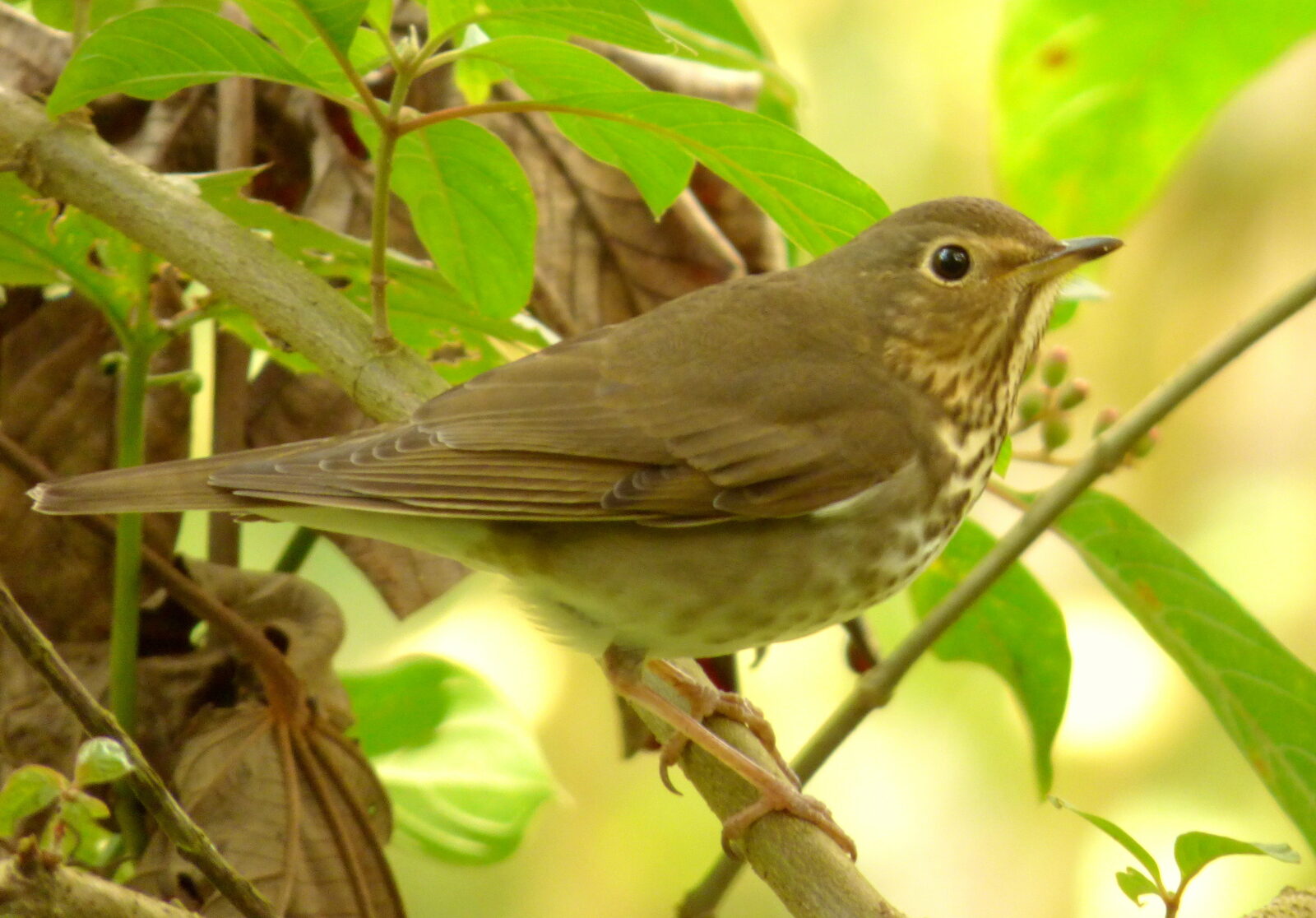
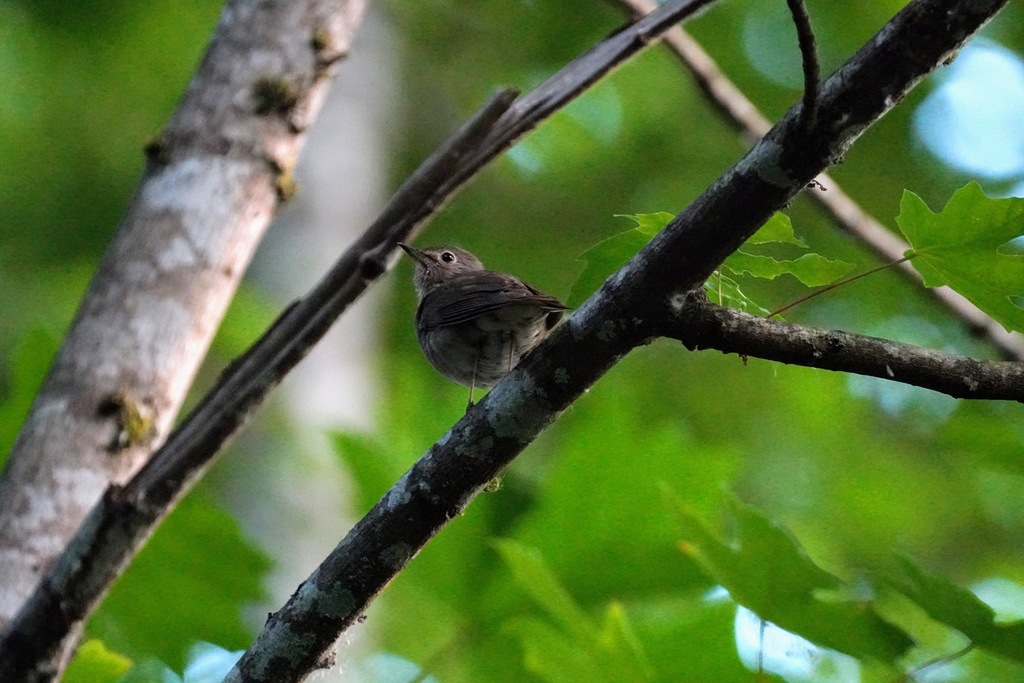
Swainson's thrush
Catharus ustulatus
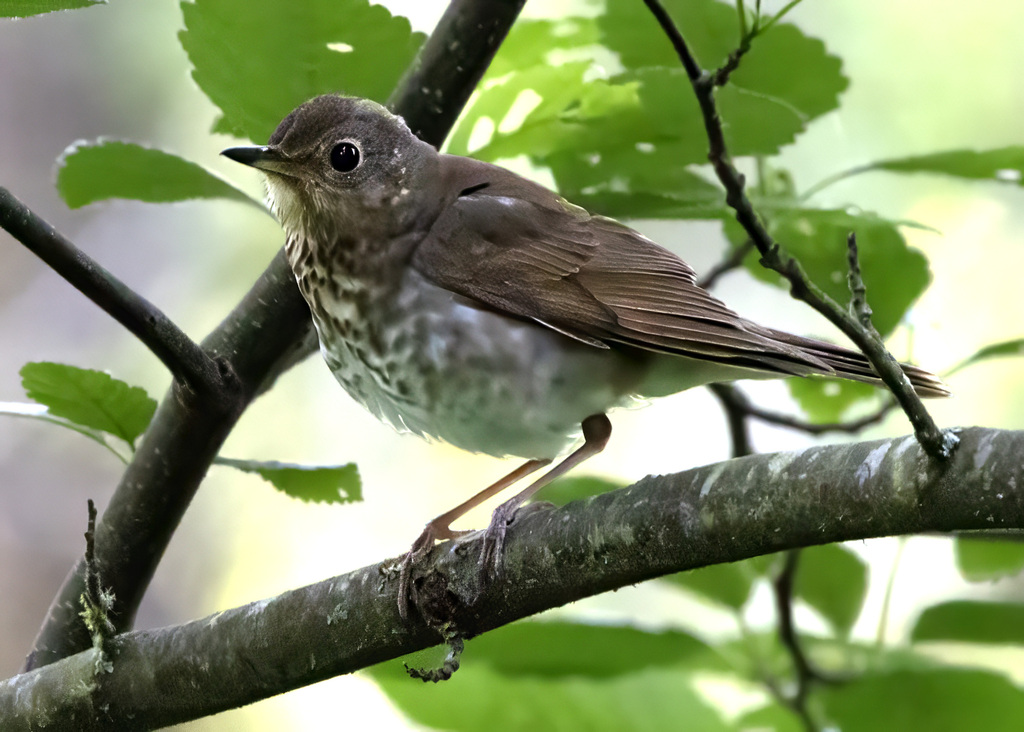
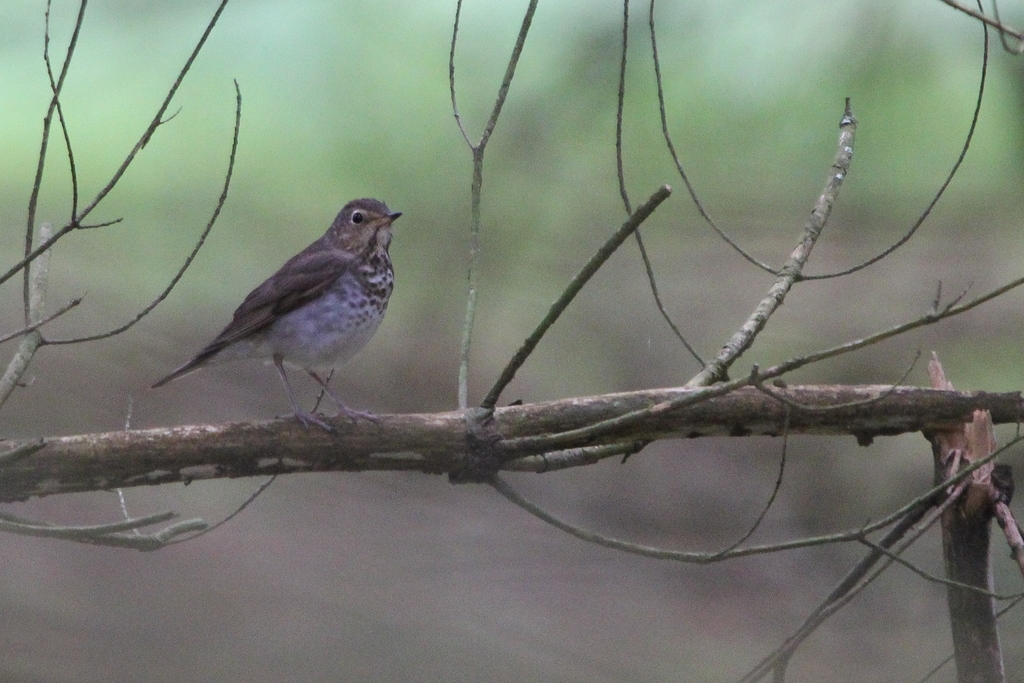
A brown thrush with a buffy eye ring whose song spirals upward.
- Status
- Least Concern IUCN Red List
- Eats
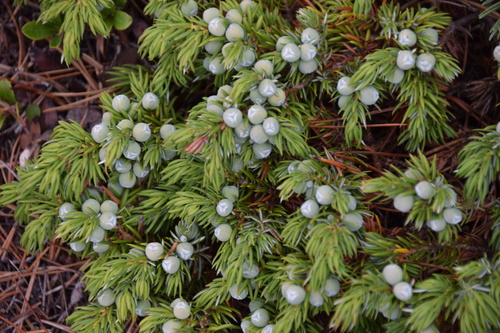
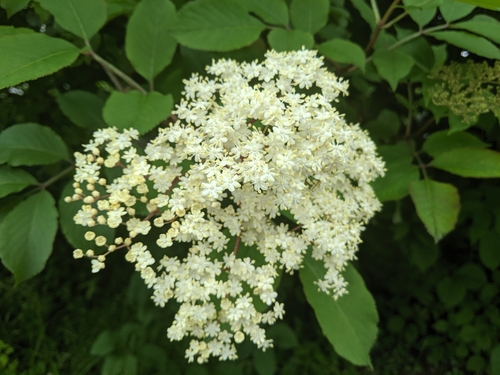
- common juniper, elder, colorado potato beetle and 612 more
- Where
- 41 countries
On 4Planet Atlas it is among the wildlife people record most around Bogotá, Havana and New York, and 4 more of the cities we cover.
People have shared 2,255,278 records of the swainson's thrush with GBIF, from 41 countries, most of them from United States, Canada and Colombia. Records collected by GloBI show it eating 615 different kinds of animals and plants, and being eaten by 2.
What the Swainson's thrush eats, and what eats it
Studies have recorded it eating 615 kinds of animals and plants, and 2 kinds of animals eating it. Tap any of them to follow the food chain.
- Plants 531
- Insects 46
 Swainson's thrush


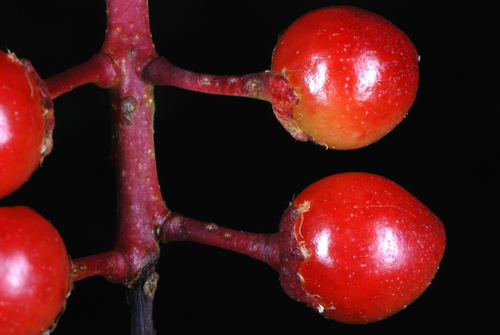
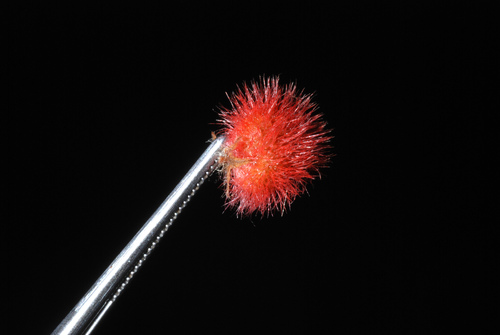
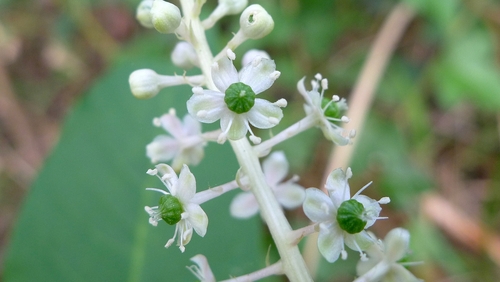


Records from studies worldwide, collected by GloBI. They include animals eaten as carrion, and they are not everything it eats in one place.
Where people see the Swainson's thrush
People have shared 2,255,278 records from 41 countries.
Near a city: Bogotá, Havana, New York, Ottawa, Toronto, Vancouver, Washington, D.C..
Records show where people have seen it and shared it, not its full range. Country names open their page in Atlas.
When it is seen
Records per month in the northern hemisphere. More people outdoors also means more records.
Watch and listen
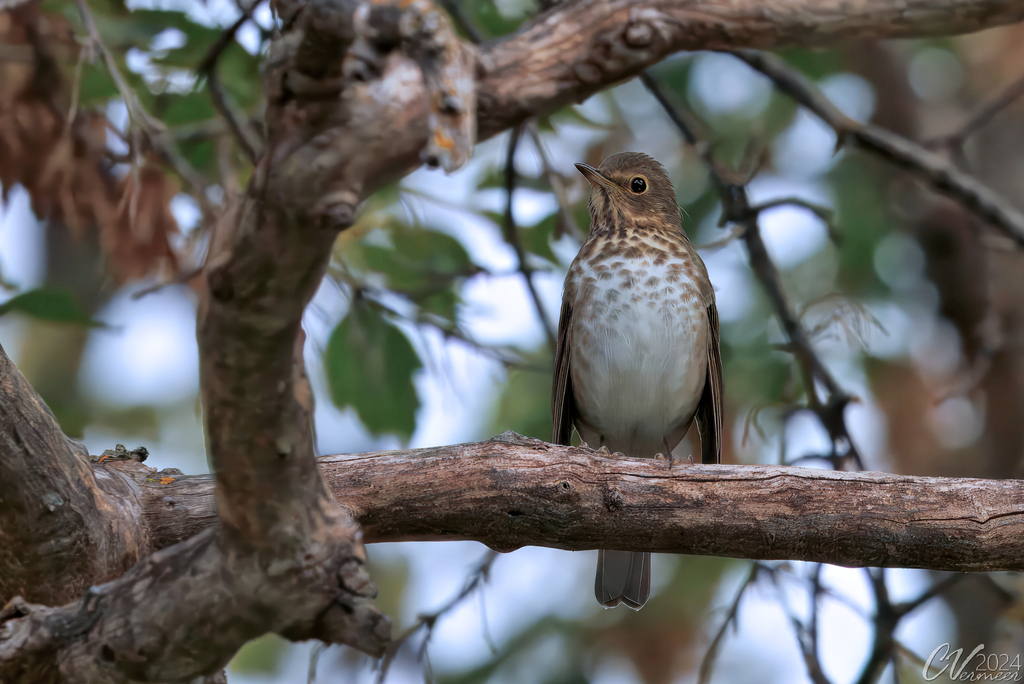
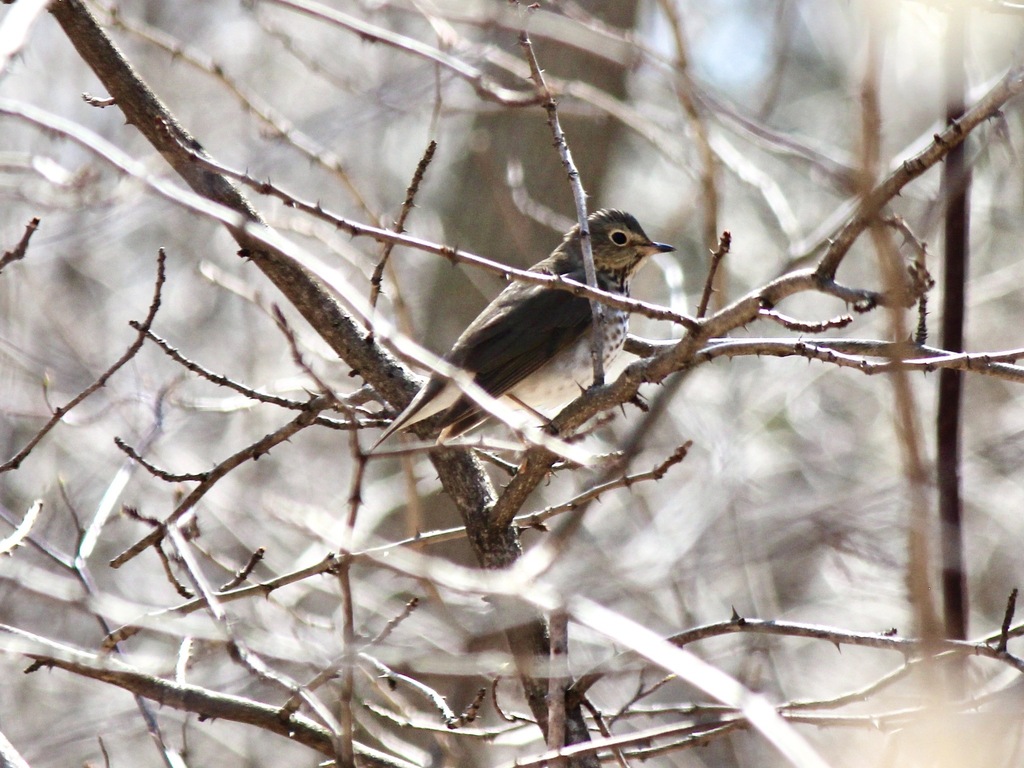
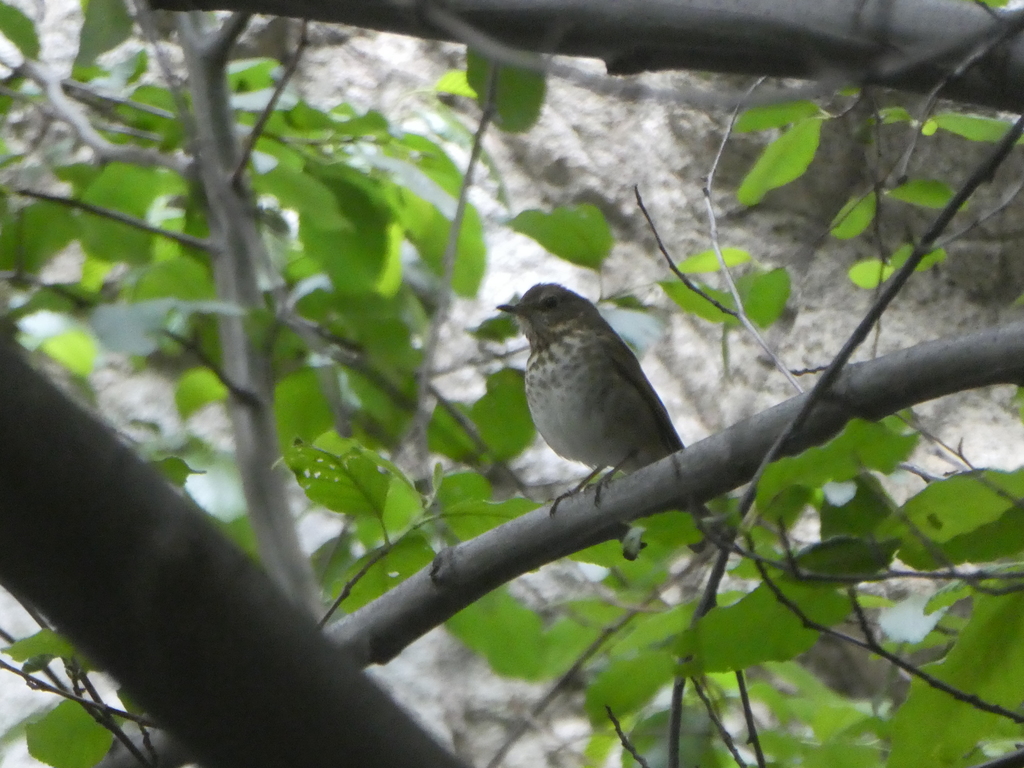
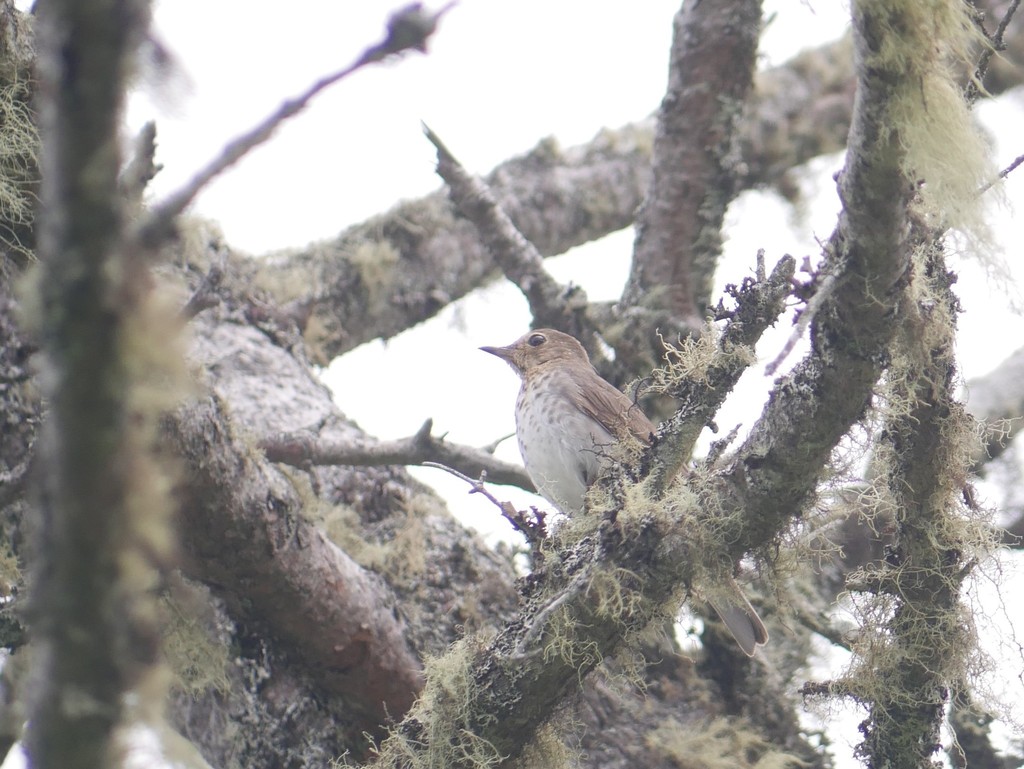
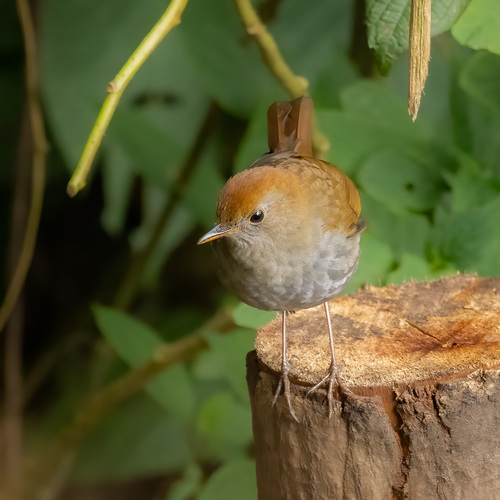
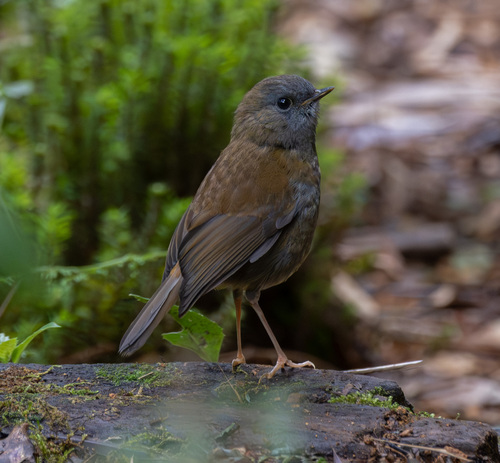
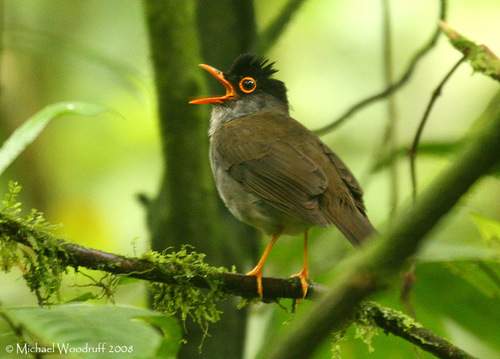
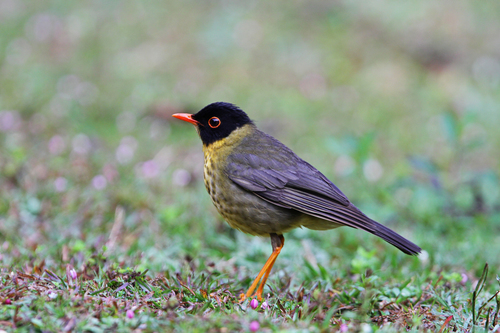
Its closest relatives
The other species of the genus Catharus.


Seen a Swainson's thrush?
Share your photo on iNaturalist. Other naturalists help confirm it, and the record goes to GBIF, where scientists use it and where the maps on this page come from.
Questions people ask
What does the swainson's thrush eat?
The swainson's thrush has been recorded eating 615 different kinds of animals and plants, most of them plants and insects. The ones recorded most often are common juniper, elder, colorado potato beetle, northern white cedar and red-berried elder; records include animals eaten as carrion. Source: GloBI.
What eats the swainson's thrush?
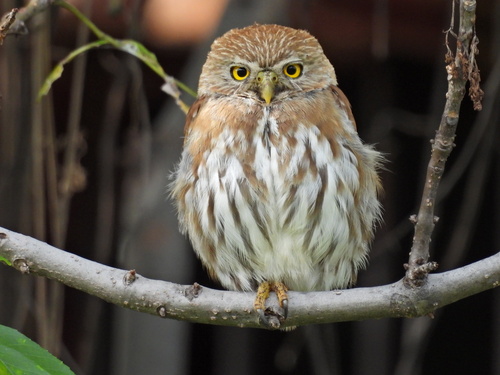
Recorded predators include ferruginous pygmy owl and california mountain kingsnake. Source: GloBI.
Where does the swainson's thrush live?
People have recorded it in 41 countries; the most records come from United States, Canada, Colombia, Costa Rica and Ecuador. Records show where people have seen it, not its full range.
When is the swainson's thrush seen most?
In the northern hemisphere, the most records are made in May and the fewest in February. More people outdoors also means more records.
What are the swainson's thrush's closest relatives?
It shares the genus Catharus with hermit thrush, veery, orange-billed nightingale-thrush, bicknell's thrush and ruddy-capped nightingale-thrush.
Sources and photo credits
- GBIF · Catharus ustulatus, 2,255,278 human observations
- GloBI · recorded interactions of Catharus ustulatus
- Wikidata · Swainson's thrush (Q545006)
- Swainson's thrush (Catharus ustulatus): Alejandro Bayer Tamayo, CC BY-SA 4.0
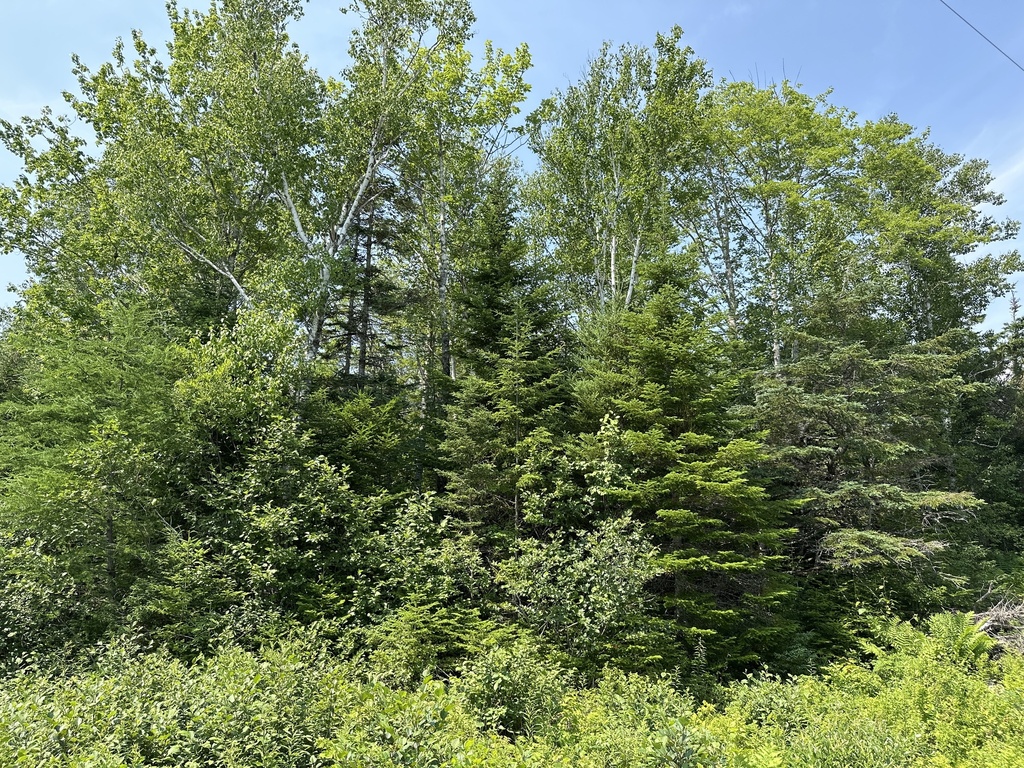
- Swainson's thrush (Catharus ustulatus), Squamish, BC, Canada: Steven Smethurst, CC0
- Swainson's thrush (Catharus ustulatus), River East, Winnipeg, MB R2G, Canada: Carol Ann Vermeer, CC BY 4.0
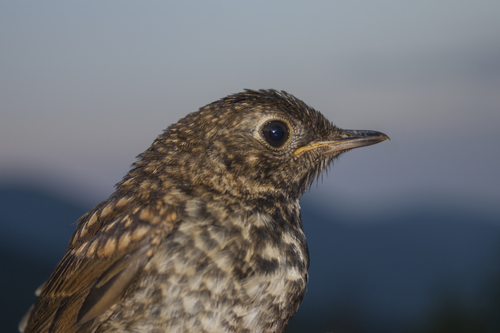
- Swainson's thrush (Catharus ustulatus), Hardenbergh - main area: Thomas Boe, CC BY 4.0
- Swainson's thrush (Catharus ustulatus), Millard Canyon, Altadena, Los Angeles County, CA, USA: Eric Johnson, CC BY 4.0
- Swainson's thrush (Catharus ustulatus), Lunenburg County, NS, Canada: Alexis Tinker-Tsavalas, CC BY 4.0
- Swainson's thrush (Catharus ustulatus), Whatcom County, WA, USA: Timothy McNitt, CC BY 4.0
- Swainson's thrush (Catharus ustulatus), Riverside Dr, St. Mary's, NS, CA: Mary E. Macaulay, P.Eng., CC BY 4.0
- Swainson's thrush (Catharus ustulatus), Wharton Township, PA, USA: Matt Schenck, CC BY 4.0
- Common juniper: Syd Cannings, CC BY 4.0
- Elder: Attila Oláh, CC BY 4.0
- Colorado potato beetle: Catherine C. Galley, CC BY 4.0
- Northern white cedar: botanygirl, CC BY 4.0
- Red-berried elder: Eric Lamb, CC BY 4.0
- Black cherry: Douglas Goldman, CC BY-SA 4.0
- Staghorn sumac: Douglas Goldman, CC BY-SA 4.0
- American pokeweed: John Tann, CC BY 4.0
- Snowberry: tomasz przechlewski, CC BY 4.0
- Flowering dogwood: Juan Cruzado Cortés, CC BY-SA 4.0
- Ferruginous pygmy owl: Oscar Alejandro Morales Juárez, CC BY-SA 4.0
- Hermit thrush: Gonzalo Zepeda Martínez, CC BY-SA 4.0
- Veery: Blake Ross, CC BY 4.0
- Orange-billed nightingale-thrush: Nigel Voaden, CC BY 4.0
- Bicknell's thrush: no rights reserved, uploaded by Kent P. McFarland, CC0
- Ruddy-capped nightingale-thrush: Derek Spencer, CC BY 4.0
- Black-billed nightingale-thrush: Alan Rockefeller, CC BY 4.0
- Black-headed nightingale-thrush: Michael Woodruff, CC BY-SA 4.0
- Spotted nightingale-thrush: Christoph Moning, CC BY 4.0
Records show where people have seen and shared the swainson's thrush, not its full range, and some countries and months are recorded far more than others. The food web lists interactions that studies have recorded somewhere in the world (GloBI), not everything it eats in one place.
Checked 2026-11-21.