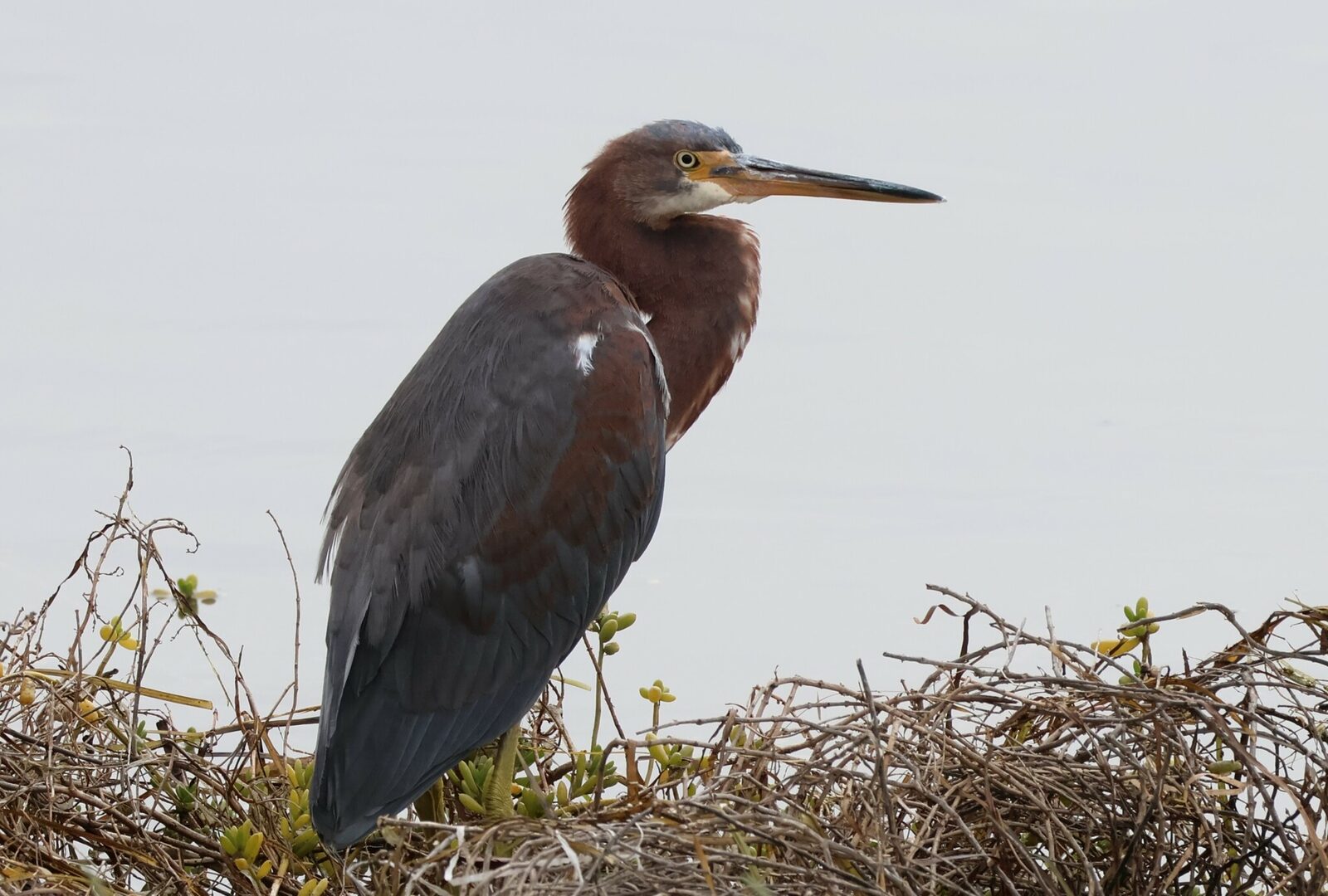
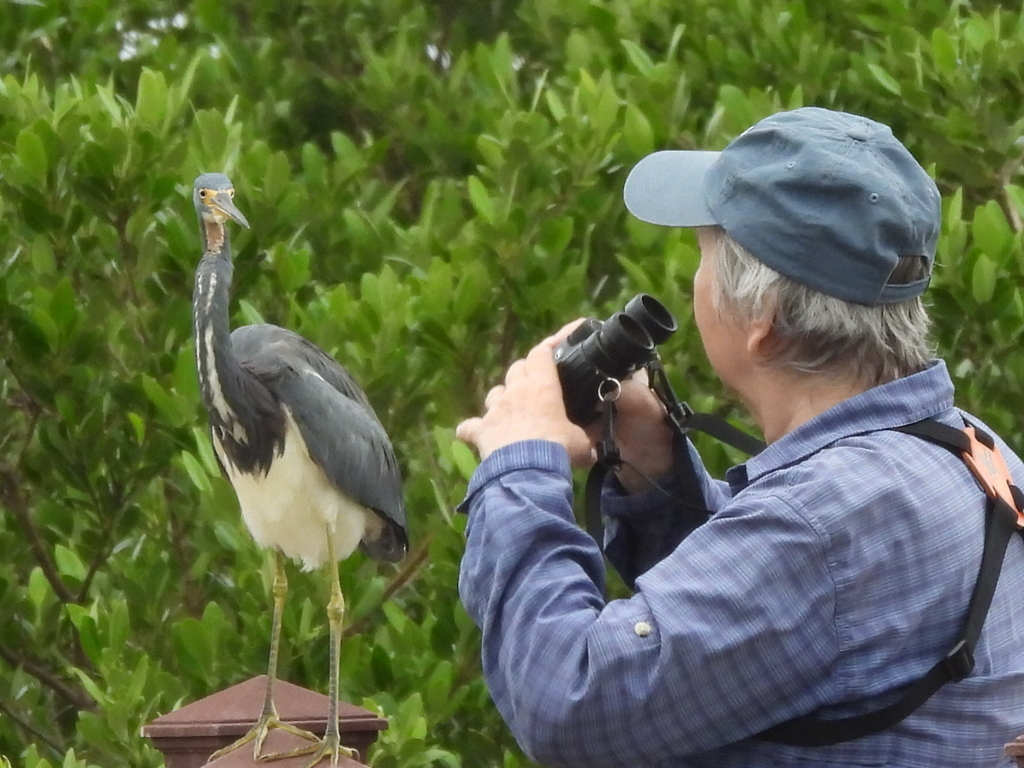
Tricolored heron
Egretta tricolor
- Status
- Least Concern IUCN Red List
- Eats
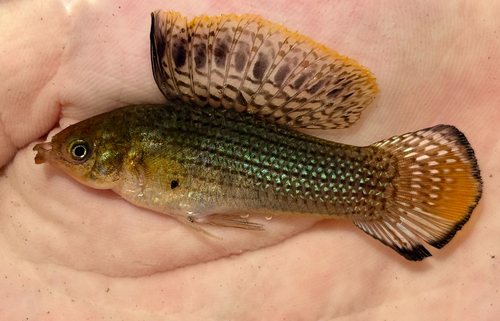
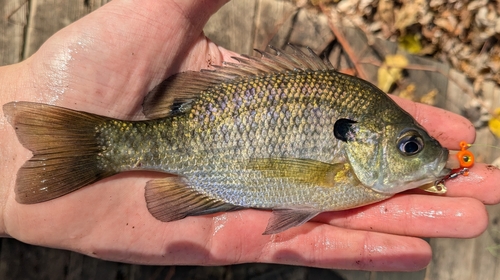
- sailfin molly, bluegill, flagfish and 69 more
- Eaten by
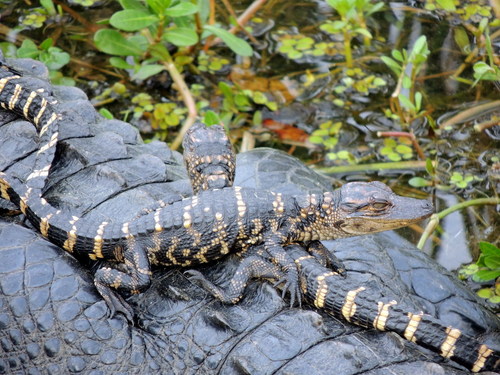
- American alligator
- Where
- 51 countries
On 4Planet Atlas it is among the wildlife people record most around Bridgetown, Castries and Georgetown, and 14 more of the cities we cover.
People have shared 1,436,034 records of the tricolored heron with GBIF, from 51 countries, most of them from United States, Mexico and Costa Rica. Records collected by GloBI show it eating 72 different kinds of animals and plants, and being eaten by 1.
What the tricolored heron eats, and what eats it
Studies have recorded it eating 72 kinds of animals and plants, and 1 kinds of animals eating it. Tap any of them to follow the food chain.
- Fish 61
- Crustaceans 6
- Amphibians 1
- Spiders and mites 1
- Insects 1
Eaten by
 Tricolored heron
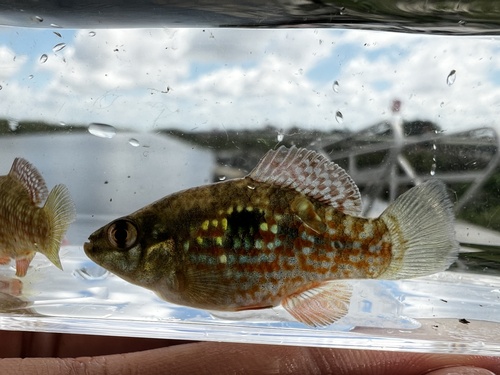
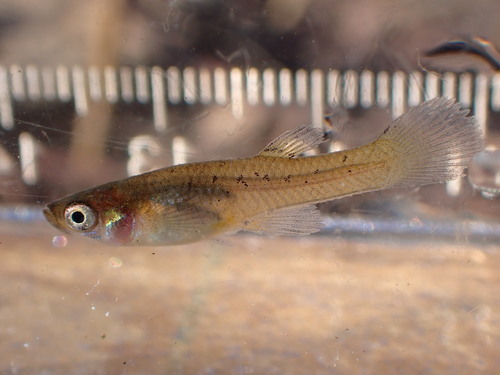
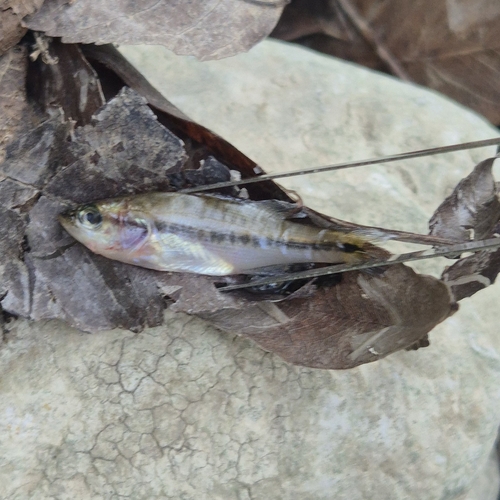

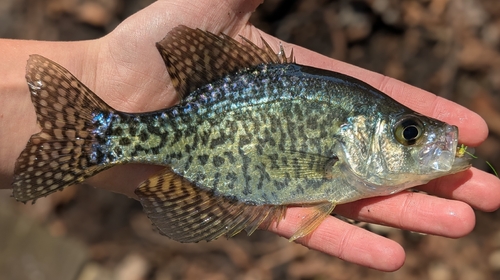
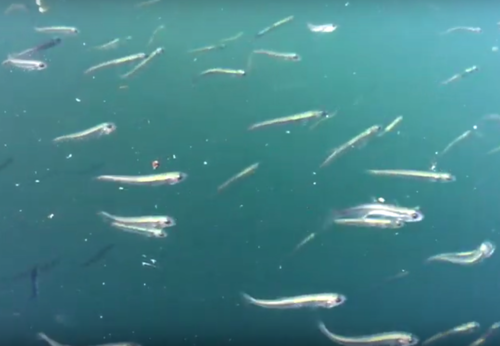
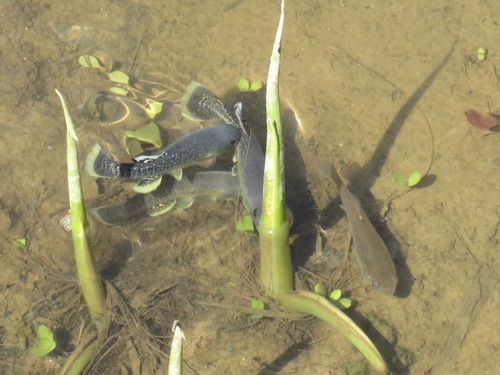

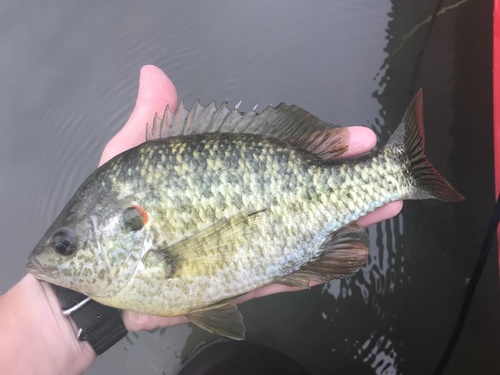
Records from studies worldwide, collected by GloBI. They include animals eaten as carrion, and they are not everything it eats in one place.
Where people see the tricolored heron
People have shared 1,436,034 records from 51 countries.
Near a city: Bridgetown, Castries, Georgetown, Guadalajara, Havana, Houston, Kingston, Kingstown, Managua, Nassau, Panama City, Paramaribo, Port-au-Prince, Port of Spain, San Salvador, Santo Domingo, St. George's.
Records show where people have seen it and shared it, not its full range. Country names open their page in Atlas.
When it is seen
Records per month in the northern hemisphere. More people outdoors also means more records.
Watch and listen
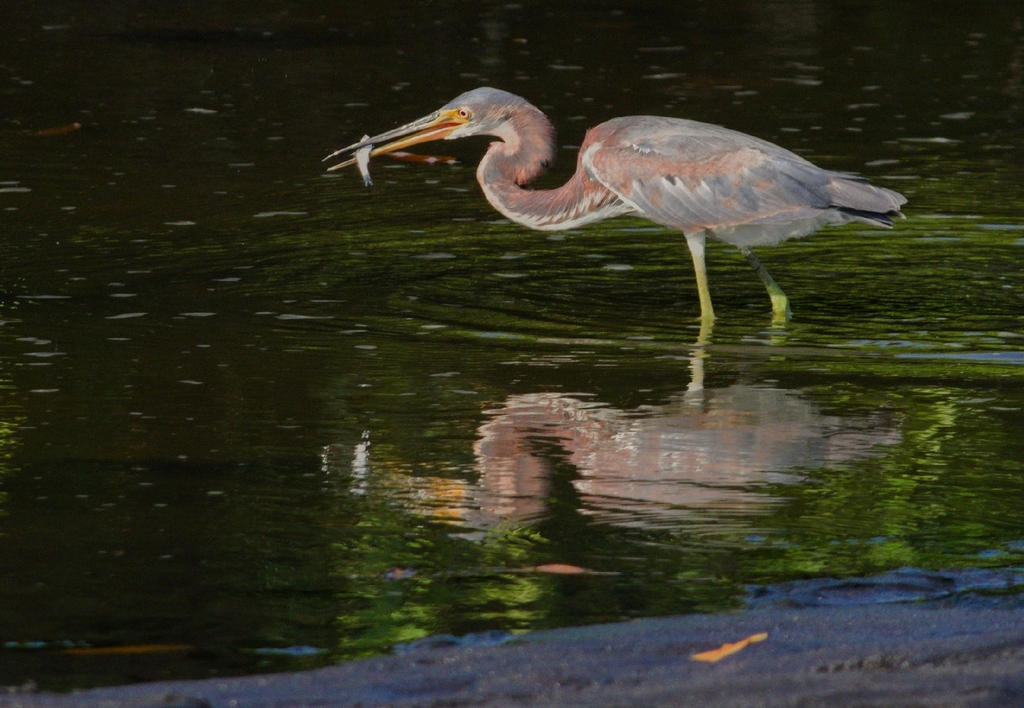
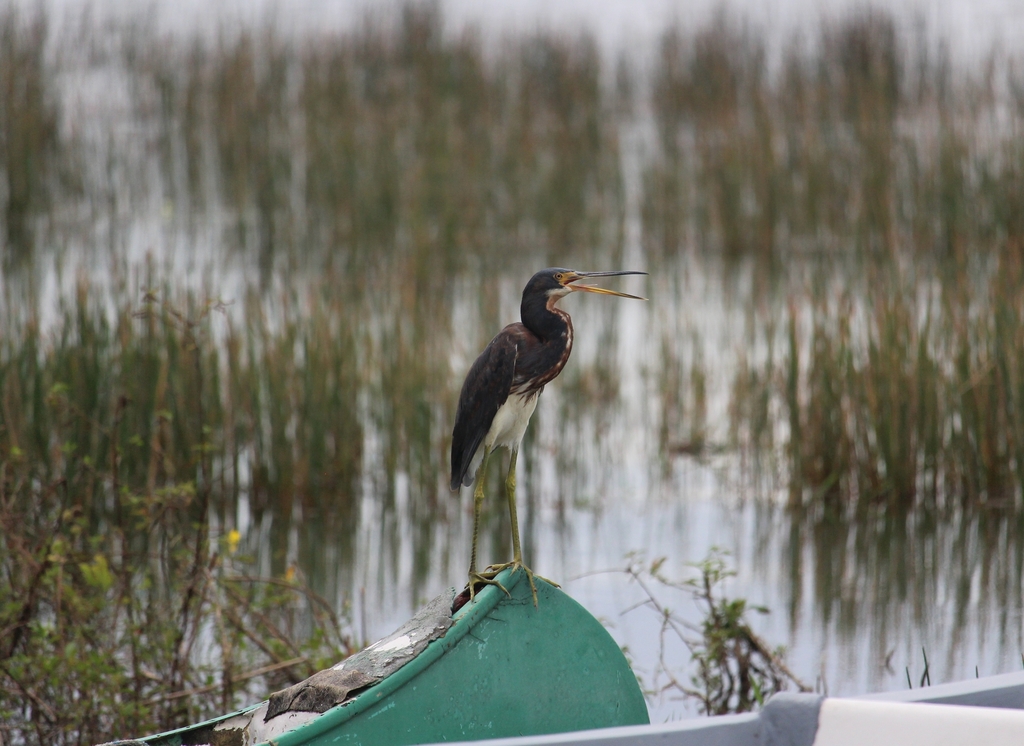
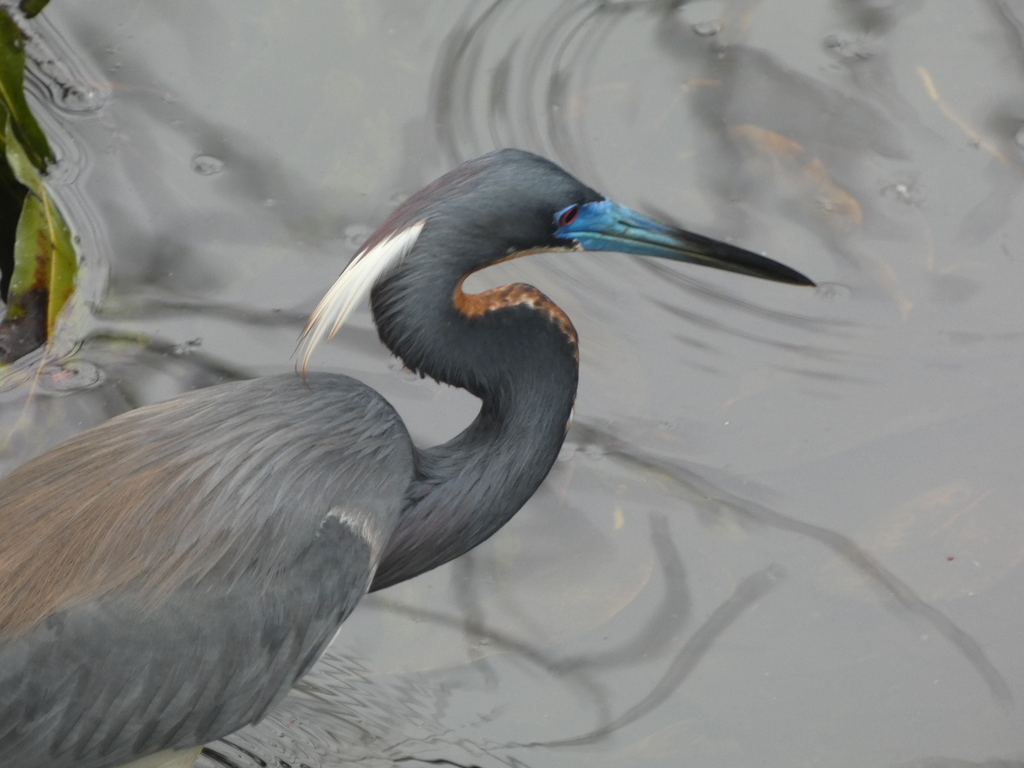
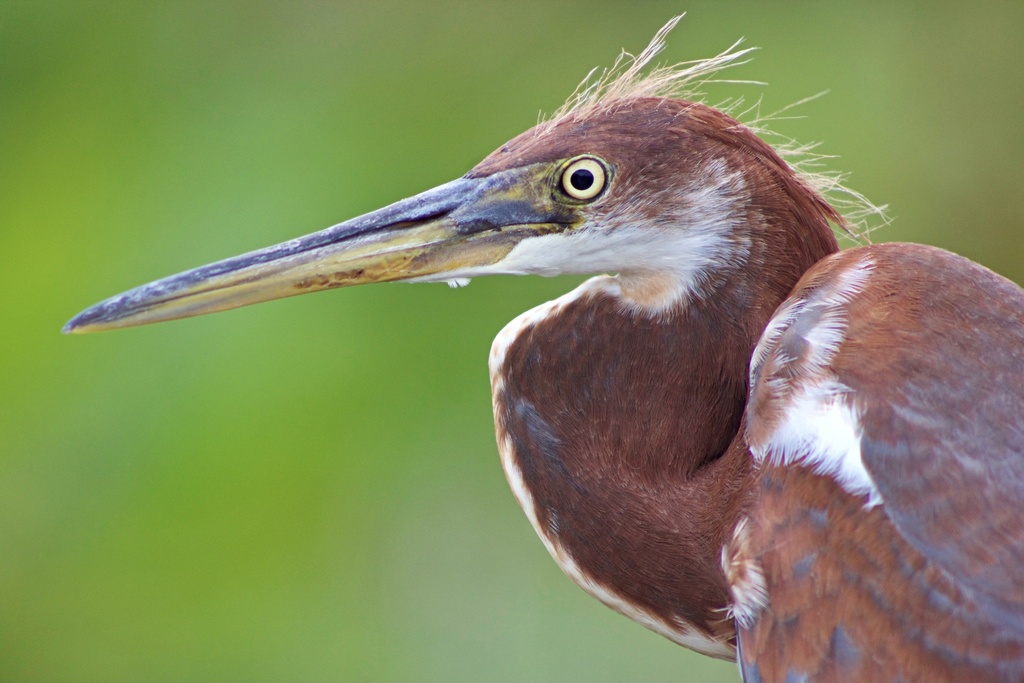
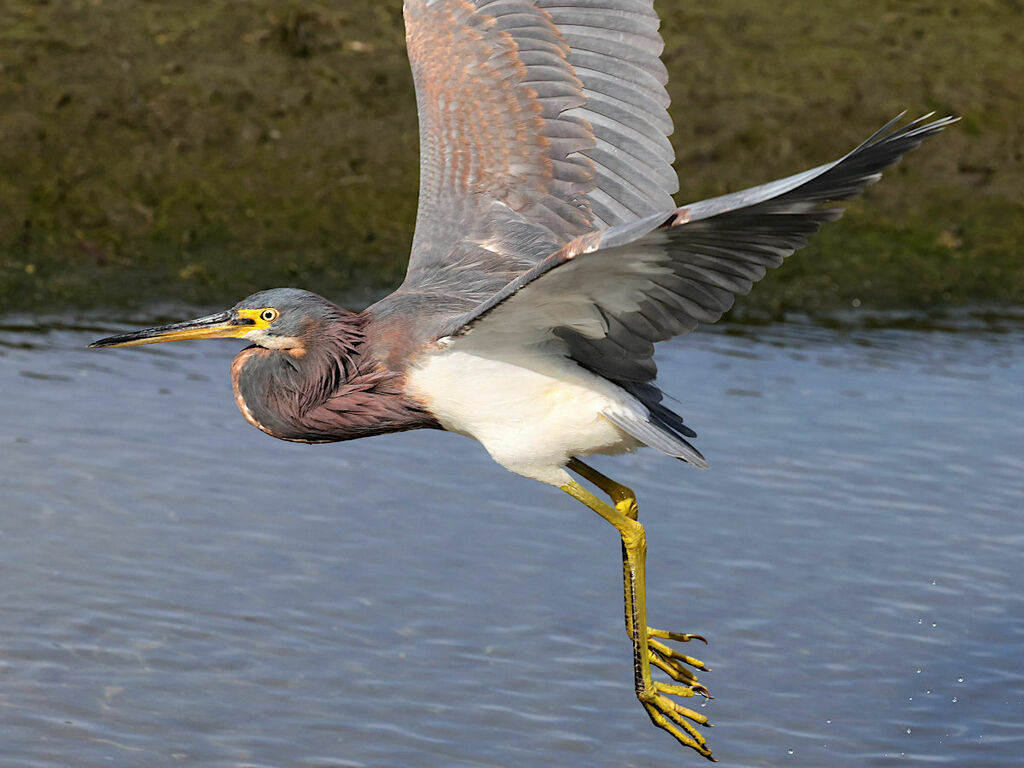
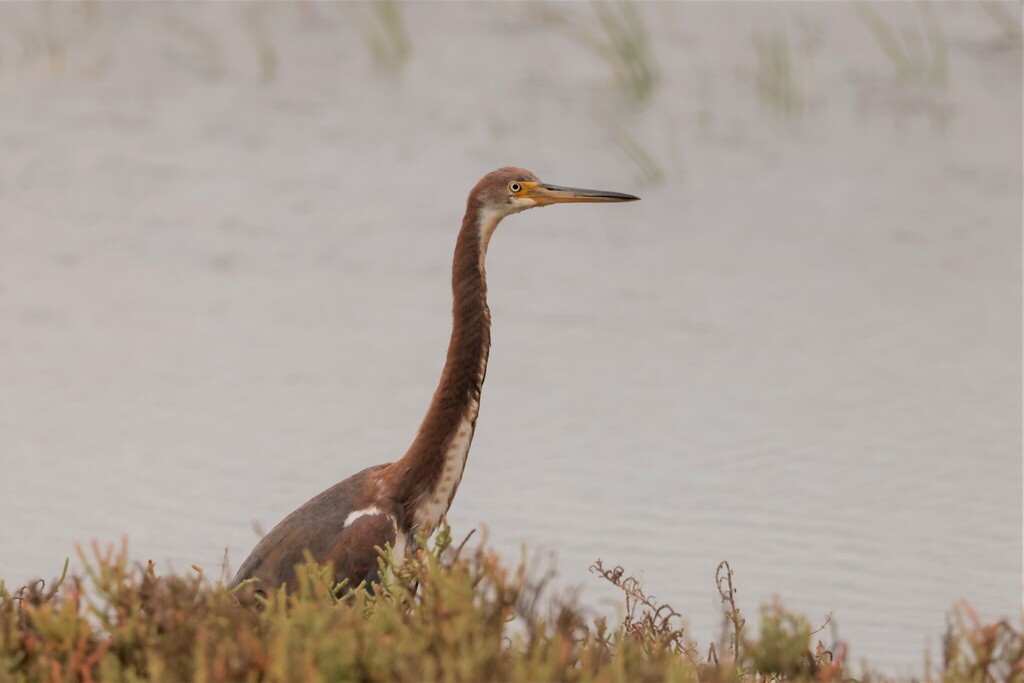
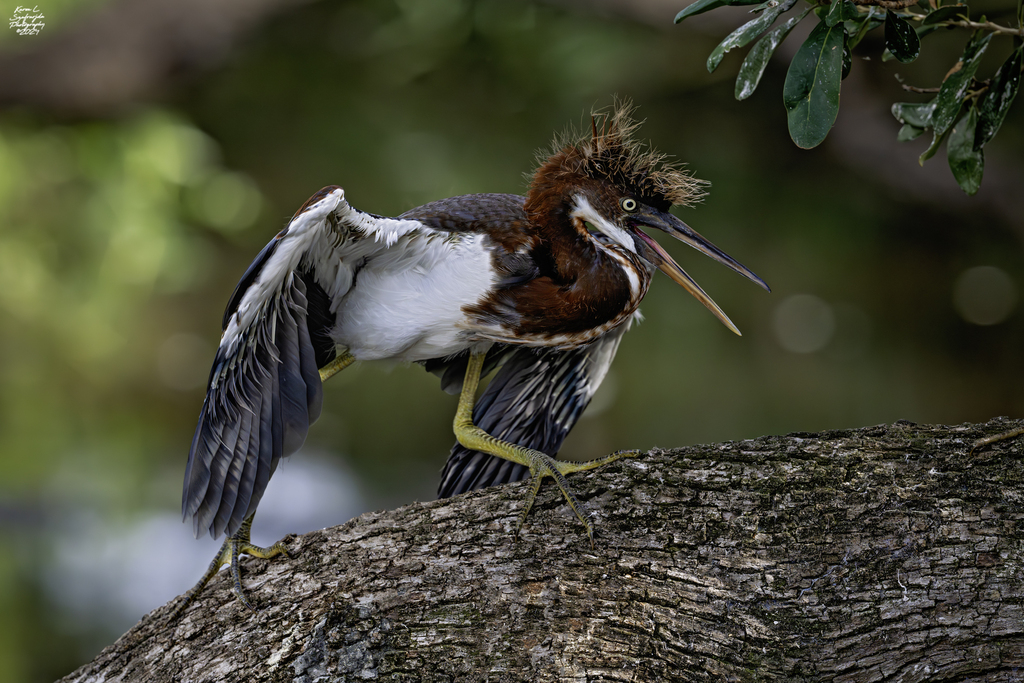
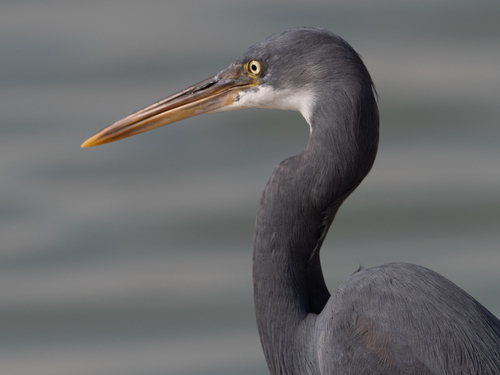
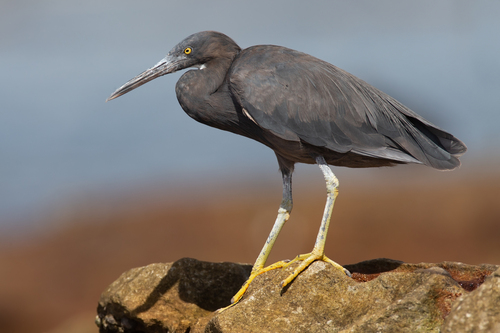
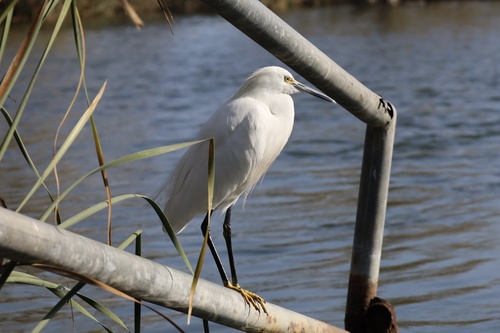
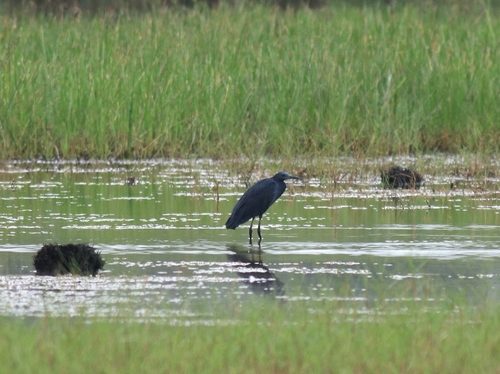
Its closest relatives
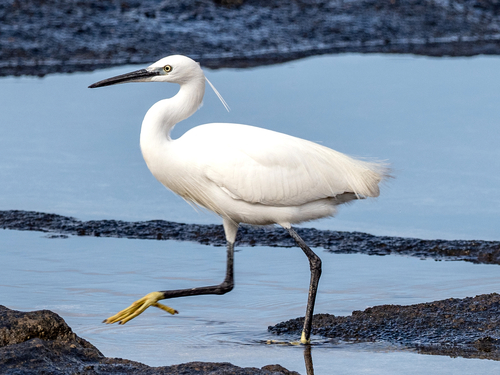
The other species of the genus Egretta.
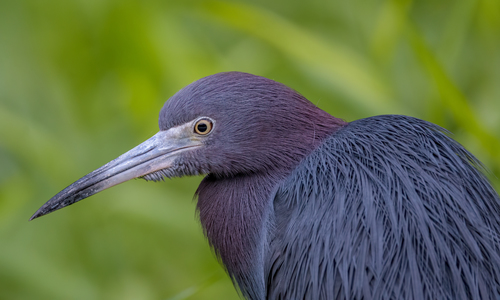
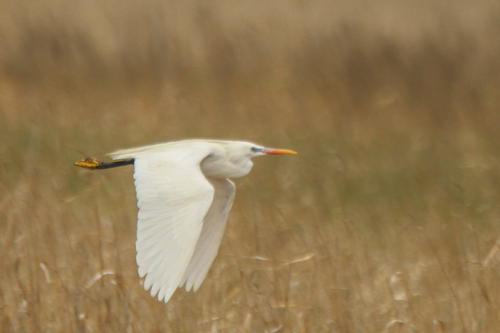
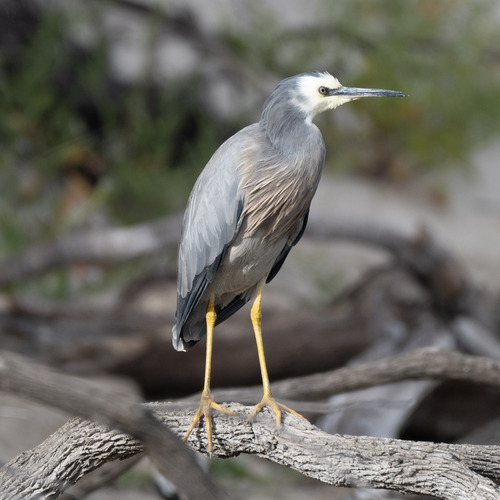
Seen a tricolored heron?
Share your photo on iNaturalist. Other naturalists help confirm it, and the record goes to GBIF, where scientists use it and where the maps on this page come from.
Put this species on your site
The card names every source and links back here.
<iframe src="https://4planetatlas.com/place/embed/species/tricolored-heron" title="Tricolored heron (Egretta tricolor), 4PLANET Species" width="100%" height="600" style="border:0;max-width:640px" loading="lazy"></iframe>
<p><a href="https://4species.com/tricolored-heron">Tricolored heron on 4PLANET Species</a></p>Questions people ask
What does the tricolored heron eat?
The tricolored heron has been recorded eating 72 different kinds of animals and plants, most of them fish, crustaceans, amphibians and spiders and mites. The ones recorded most often are sailfin molly, bluegill, flagfish, mosquitofish and florida bass; records include animals eaten as carrion. Source: GloBI.
What eats the tricolored heron?
Recorded predators include american alligator. Source: GloBI.
Where does the tricolored heron live?
People have recorded it in 51 countries; the most records come from United States, Mexico, Costa Rica, Belize and Colombia. Records show where people have seen it, not its full range.
When is the tricolored heron seen most?
In the northern hemisphere, the most records are made in April and the fewest in June. More people outdoors also means more records.
What are the tricolored heron's closest relatives?
It shares the genus Egretta with little egret, western reef heron, pacific reef heron, snowy egret and black heron.
Sources and photo credits
- GBIF · Egretta tricolor, 1,436,034 human observations
- GloBI · recorded interactions of Egretta tricolor
- Wikidata · Tricolored heron (Q392139)
- Tricolored heron (Egretta tricolor): Millie Basden, CC BY 4.0
- Tricolored heron (Egretta tricolor), South Padre Island, TX, USA: Sam Kieschnick, CC BY 4.0
- Tricolored heron (Egretta tricolor), 28937 Col., México: adel-fridus, CC0
- Tricolored heron (Egretta tricolor), Flores, Guatemala: Ricard Busquets Reverte, CC BY 4.0
- Tricolored heron (Egretta tricolor), Palm Beach County, FL, USA: datadan, CC BY 4.0
- Tricolored heron (Egretta tricolor), S Jog Rd, Delray Beach, FL, US: Matt Felperin, CC BY 4.0
- Tricolored heron (Egretta tricolor), Ocean Beach Estuary, San Diego, CA, USA: Peter Chen 2.0, CC BY 4.0
- Tricolored heron (Egretta tricolor), San Quintín, B.C., Mexico: Russ Namitz, CC0
- Tricolored heron (Egretta tricolor), Anastasia, St. Augustine, FL 32080, USA: Karen Szafrajda, CC BY 4.0
- Sailfin molly: Nigel Hoadley, CC BY 4.0
- Bluegill: Quinn, CC BY 4.0
- Flagfish: Nick Tobler (Cowturtle), CC BY 4.0
- Mosquitofish: Zakqary Roy, CC BY 4.0
- Florida bass: Trevor Hollister, CC0
- Firemouth cichlid: Konstantin Gerasimov, CC BY 4.0
- Black crappie: Quinn, CC BY 4.0
- Californian anchovy: Rudyard, CC BY 4.0
- Mummichog: jonsense, CC BY 4.0
- Least killifish: Brian Gratwicke, CC BY 4.0
- Redear sunfish: no rights reserved, uploaded by Nick Loveland, CC0
- American alligator: no rights reserved, uploaded by Vijay Barve, CC0
- Little egret: Bengt Nyman, CC BY 4.0
- Western reef heron: William Stephens, CC BY 4.0
- Pacific reef heron: JJ Harrison, CC BY-SA 4.0
- Snowy egret: Roberto Daniel Avila, CC BY 4.0
- Black heron: Afsar Nayakkan, CC BY 4.0
- Little blue heron: Becky Matsubara, CC BY 4.0
- Chinese egret: Andrew Bazdyrev, CC BY 4.0
- White-faced heron: jirau, CC BY-SA 4.0
Records show where people have seen and shared the tricolored heron, not its full range, and some countries and months are recorded far more than others. The food web lists interactions that studies have recorded somewhere in the world (GloBI), not everything it eats in one place.
Checked 2026-11-26.