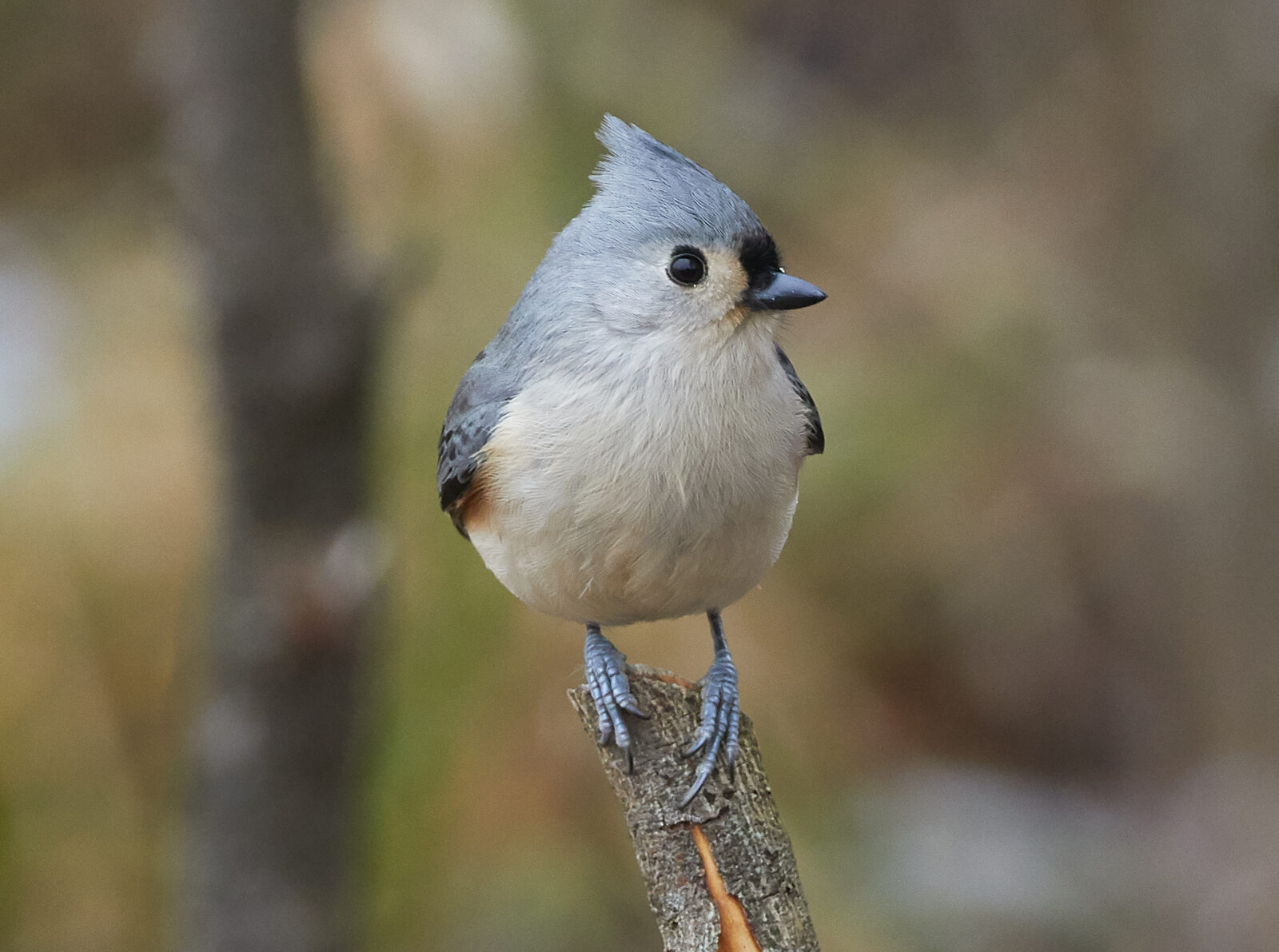
Tufted Titmouse
Baeolophus bicolor
- Status
- Least Concern IUCN Red List
- Eats
- black mulberry, colorado spruce, black cherry and 25 more
- Where
- 2 countries
On 4Planet Atlas it is among the wildlife people record most around Atlanta, Boston and Chicago, and 13 more of the cities we cover.
People have shared 13,194,064 records of the Tufted Titmouse with GBIF, from 2 countries, most of them from United States and Canada. Records collected by GloBI show it eating 28 different kinds of animals and plants, and being eaten by 6.
What the tufted Titmouse eats, and what eats it
Studies have recorded it eating 28 kinds of animals and plants, and 6 kinds of animals eating it. Tap any of them to follow the food chain.
- Plants 16
- Insects 9
- Mammals 1
- Birds 1
- Spiders and mites 1
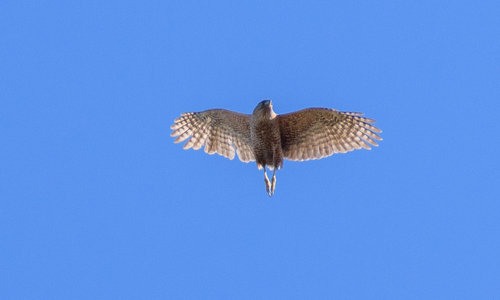
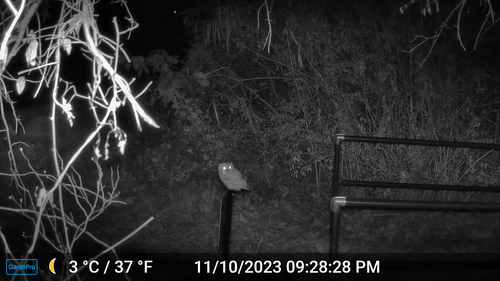
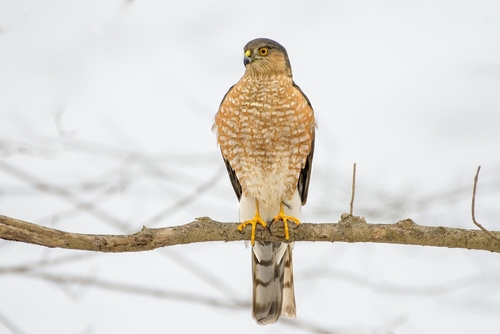
 Tufted Titmouse
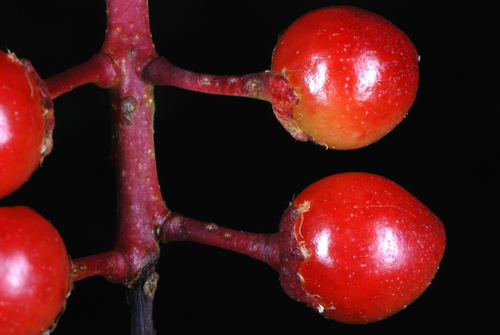
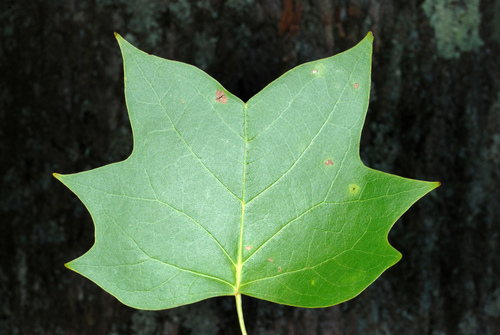
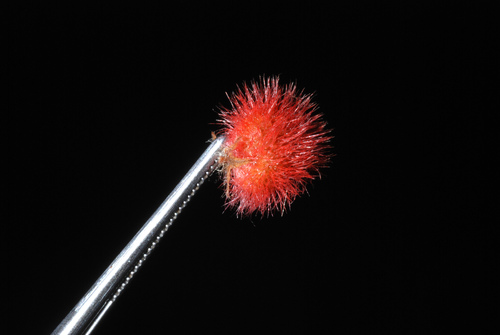
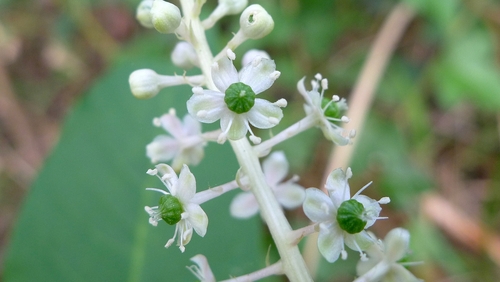
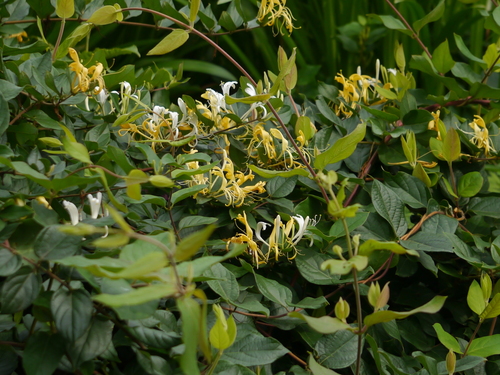


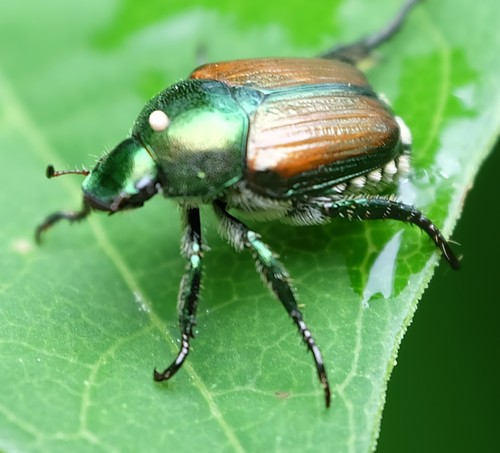
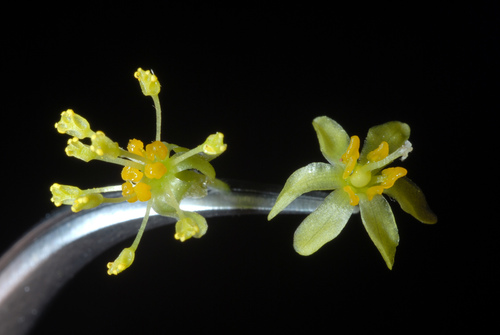
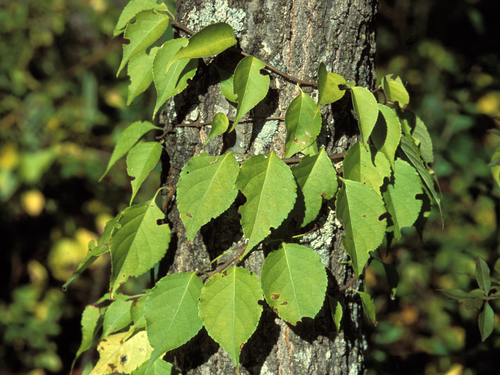
Records from studies worldwide, collected by GloBI. They include animals eaten as carrion, and they are not everything it eats in one place.
Where people see the tufted Titmouse
People have shared 13,194,064 records from 2 countries.
Near a city: Atlanta, Boston, Chicago, Columbus, Dallas, Detroit, Houston, Indianapolis, Memphis, Milwaukee, Montreal, Nashville, New York, Oklahoma City, Raleigh, Washington, D.C..
Records show where people have seen it and shared it, not its full range. Country names open their page in Atlas.
When it is seen
Records per month in the northern hemisphere. More people outdoors also means more records.
Watch and listen
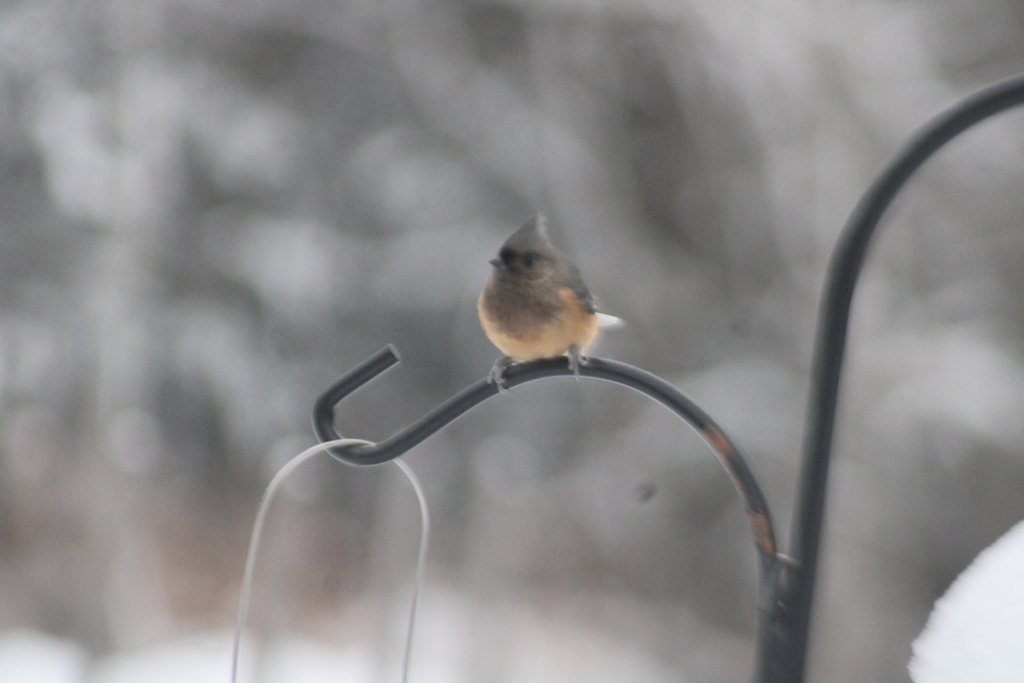
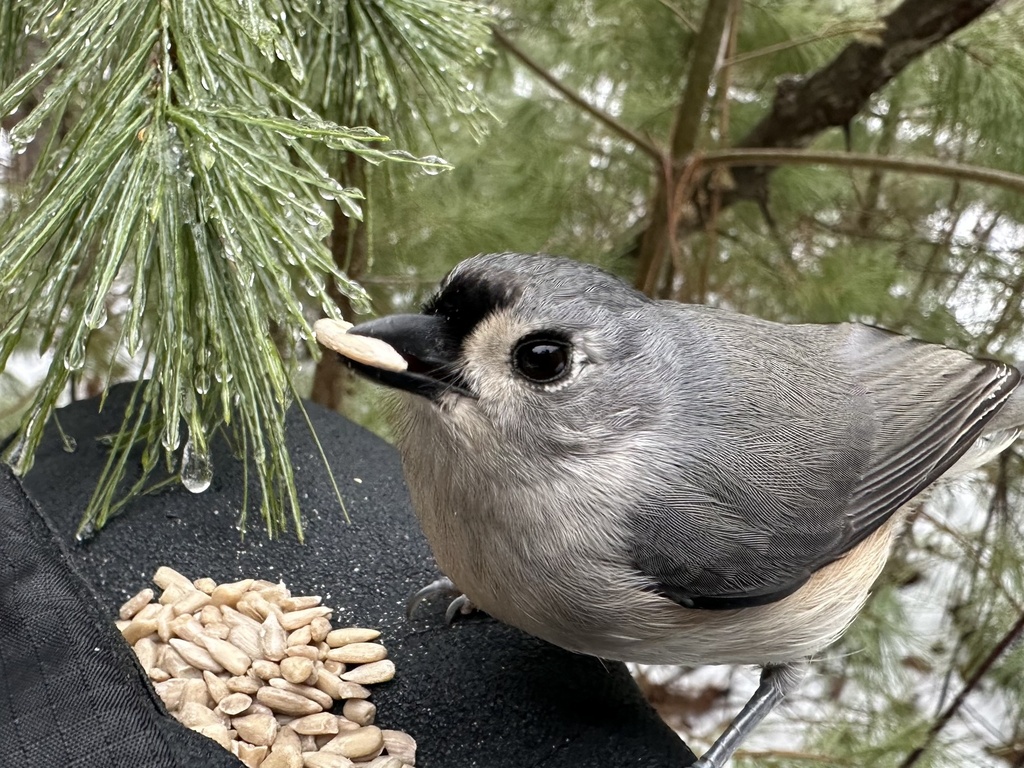
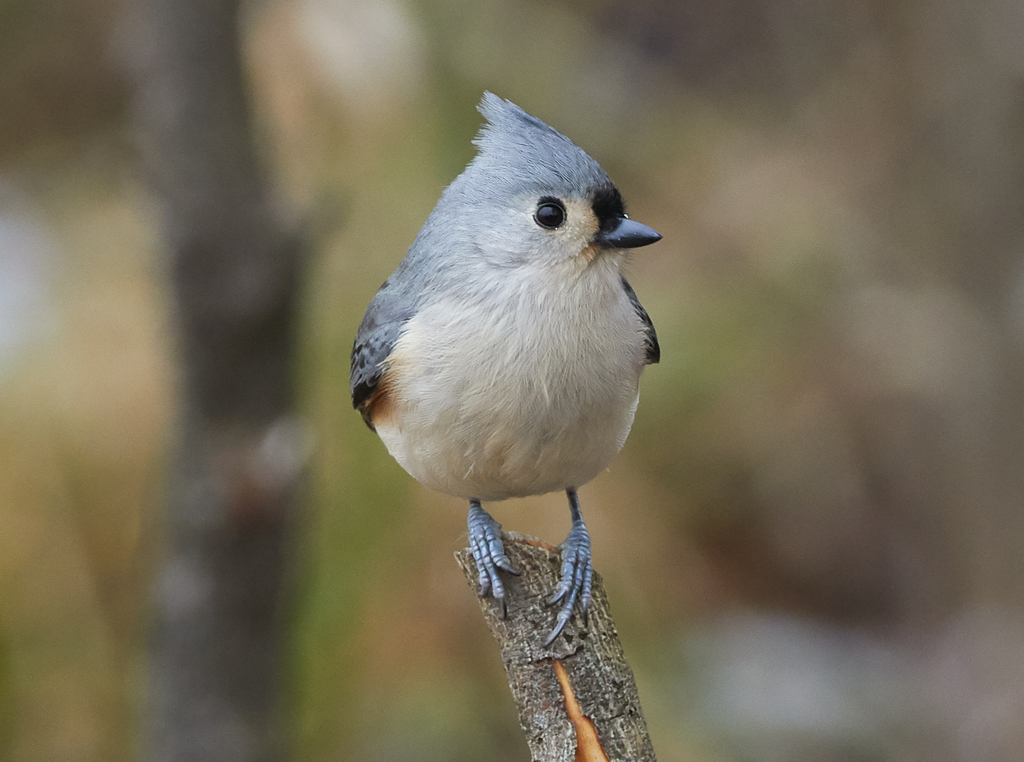
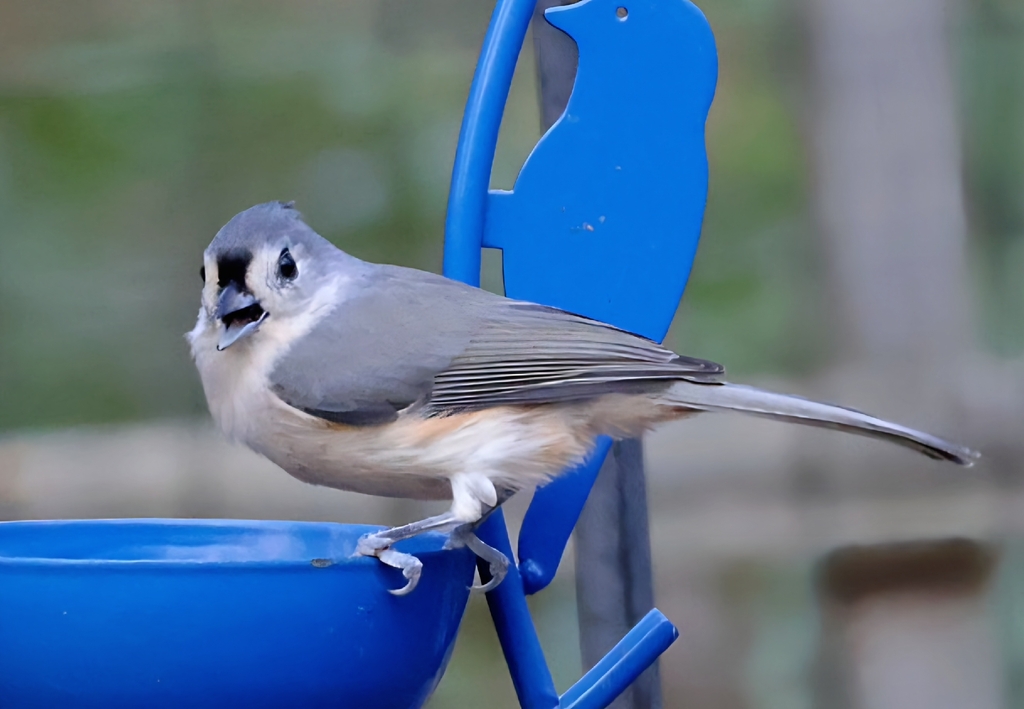
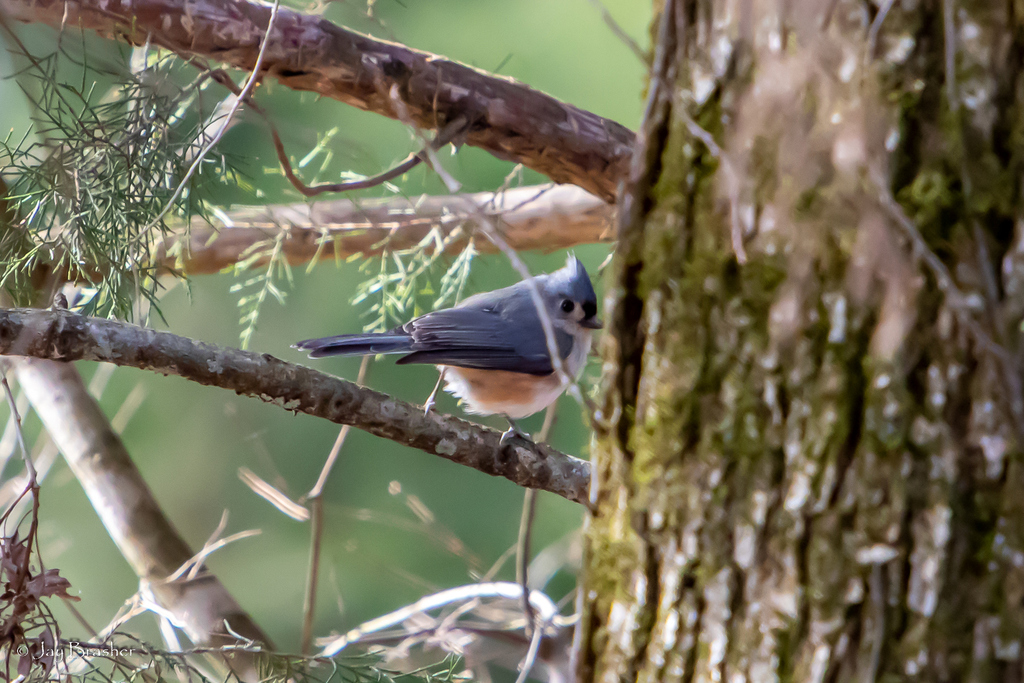
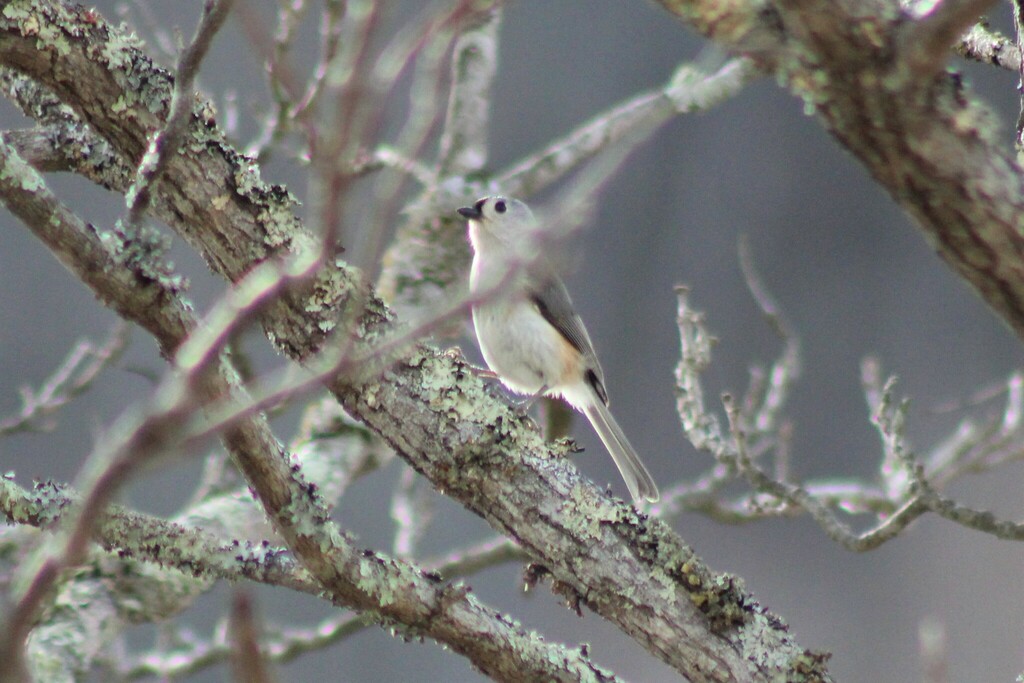
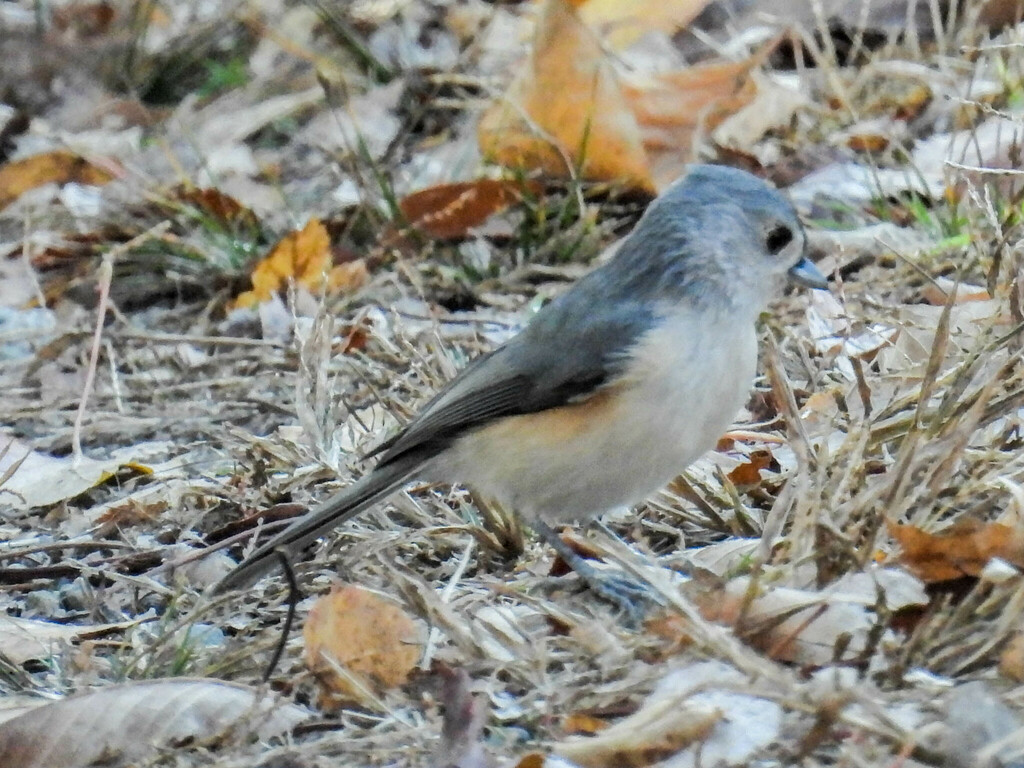
Its closest relatives
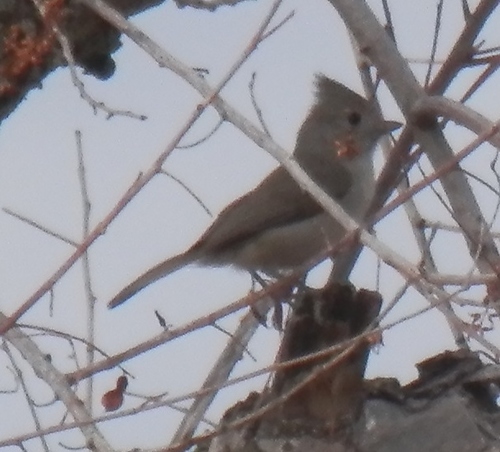
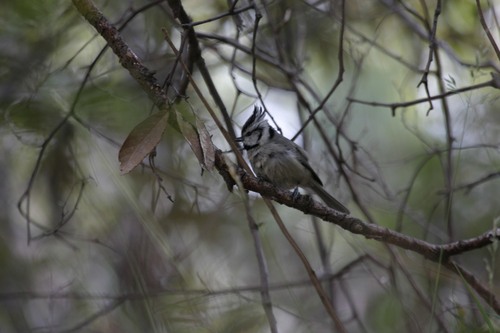
The other species of the genus Baeolophus.

Seen a tufted Titmouse?
Share your photo on iNaturalist. Other naturalists help confirm it, and the record goes to GBIF, where scientists use it and where the maps on this page come from.
Put this species on your site
The card names every source and links back here.
<iframe src="https://4planetatlas.com/place/embed/species/tufted-titmouse" title="Tufted Titmouse (Baeolophus bicolor), 4PLANET Species" width="100%" height="600" style="border:0;max-width:640px" loading="lazy"></iframe>
<p><a href="https://4species.com/tufted-titmouse">Tufted Titmouse on 4PLANET Species</a></p>Questions people ask
What does the Tufted Titmouse eat?
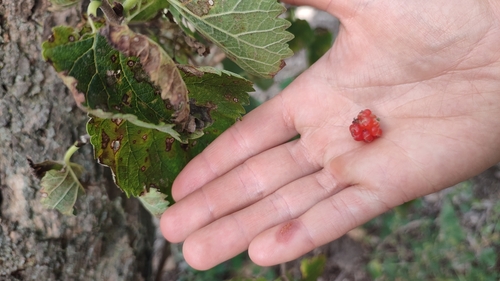
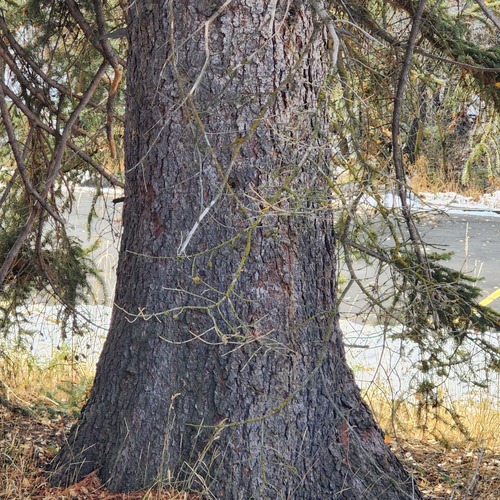
The Tufted Titmouse has been recorded eating 28 different kinds of animals and plants, most of them plants, insects, mammals and birds. The ones recorded most often are black mulberry, colorado spruce, black cherry, tulip tree and staghorn sumac; records include animals eaten as carrion. Source: GloBI.
What eats the Tufted Titmouse?
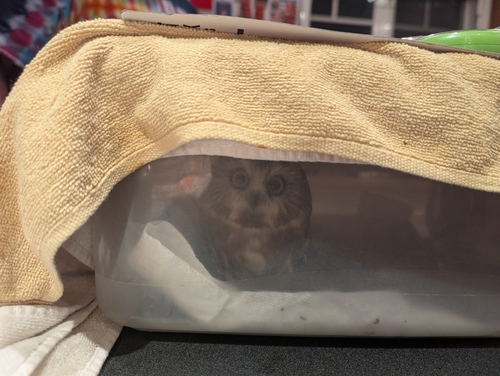
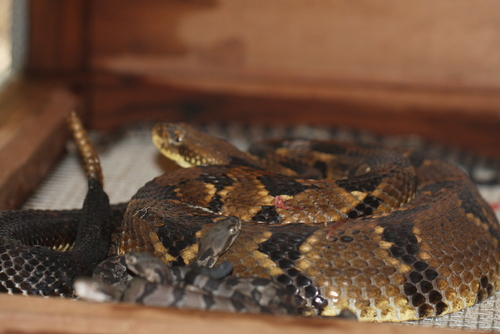
Recorded predators include cooper's hawk, eastern screech owl, sharp-shinned hawk, northern saw-whet owl and timber rattlesnake. Source: GloBI.
Where does the Tufted Titmouse live?
People have recorded it in 2 countries; the most records come from United States and Canada. Records show where people have seen it, not its full range.
When is the Tufted Titmouse seen most?
In the northern hemisphere, the most records are made in May and the fewest in August. More people outdoors also means more records.
What are the Tufted Titmouse's closest relatives?
It shares the genus Baeolophus with oak titmouse, bridled titmouse and juniper titmouse.
Sources and photo credits
- GBIF · Baeolophus bicolor, 13,194,064 human observations
- GloBI · recorded interactions of Baeolophus bicolor
- Wikidata · Tufted Titmouse (Q738534)
- Tufted Titmouse (Baeolophus bicolor): no rights reserved, uploaded by David Bird, CC0
- Tufted Titmouse (Baeolophus bicolor), Maine, US: oksanaetal, CC BY 4.0
- Tufted Titmouse (Baeolophus bicolor), Country Club Rd, Woburn, MA, US: joy4birds, CC0
- Tufted Titmouse (Baeolophus bicolor), Maine, US: oksanaetal, CC BY 4.0
- Tufted Titmouse (Baeolophus bicolor), Montgomery Bird Sanctuary, Brome-Missisquoi Regional County Municipality, QC, Canada: David Bird, CC0
- Tufted Titmouse (Baeolophus bicolor), Clarksville: froggymum, CC BY 4.0
- Tufted Titmouse (Baeolophus bicolor), Lincoln County, TN, USA: Jay Brasher, CC BY 4.0
- Tufted Titmouse (Baeolophus bicolor), Saltville, VA, USA: Robert Harris, CC BY 4.0
- Tufted Titmouse (Baeolophus bicolor), Westborough, MA, USA: Erik Schiff, CC0
- Black mulberry: Josh, CC BY 4.0
- Colorado spruce: Lyrae, CC BY 4.0
- Black cherry: Douglas Goldman, CC BY-SA 4.0
- Tulip tree: Douglas Goldman, CC BY-SA 4.0
- Staghorn sumac: Douglas Goldman, CC BY-SA 4.0
- American pokeweed: John Tann, CC BY 4.0
- Japanese honeysuckle: Dinesh Valke, CC BY-SA 4.0
- Poison ivy: Randy A Nonenmacher, CC BY 4.0
- Flowering dogwood: Juan Cruzado Cortés, CC BY-SA 4.0
- Japanese beetle: no rights reserved, uploaded by Stari Plativky, CC0
- Sassafras: Douglas Goldman, CC BY-SA 4.0
- Oriental bittersweet: James H. Miller, USDA Forest Service, Bugwood.org, CC BY 4.0
- Cooper's hawk: Becky Matsubara, CC BY 4.0
- Eastern screech owl: Eric Bartkowski, CC0
- Sharp-shinned hawk: Troy B, CC BY 4.0
- Northern saw-whet owl: Matt Muir, CC BY 4.0
- Timber rattlesnake: Ann McKenzie, CC0
- Oak titmouse: Justin Johnsen, CC BY 4.0
- Bridled titmouse: Dan Harville, CC BY-SA 4.0
- Juniper titmouse: Luca Fornasari, CC BY 4.0
Records show where people have seen and shared the Tufted Titmouse, not its full range, and some countries and months are recorded far more than others. The food web lists interactions that studies have recorded somewhere in the world (GloBI), not everything it eats in one place.
Checked 2026-11-27.