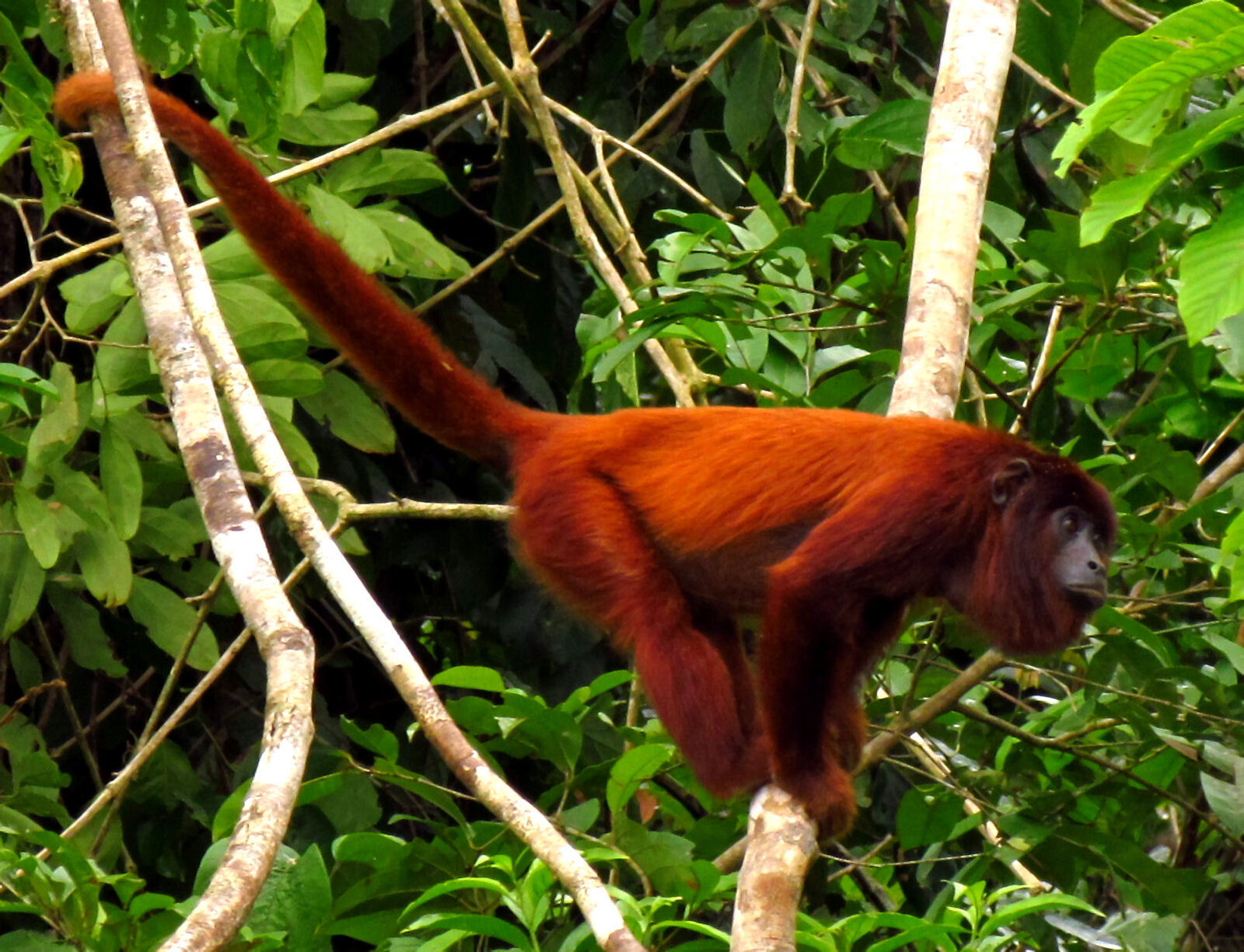
Venezuelan red howler
Alouatta seniculus
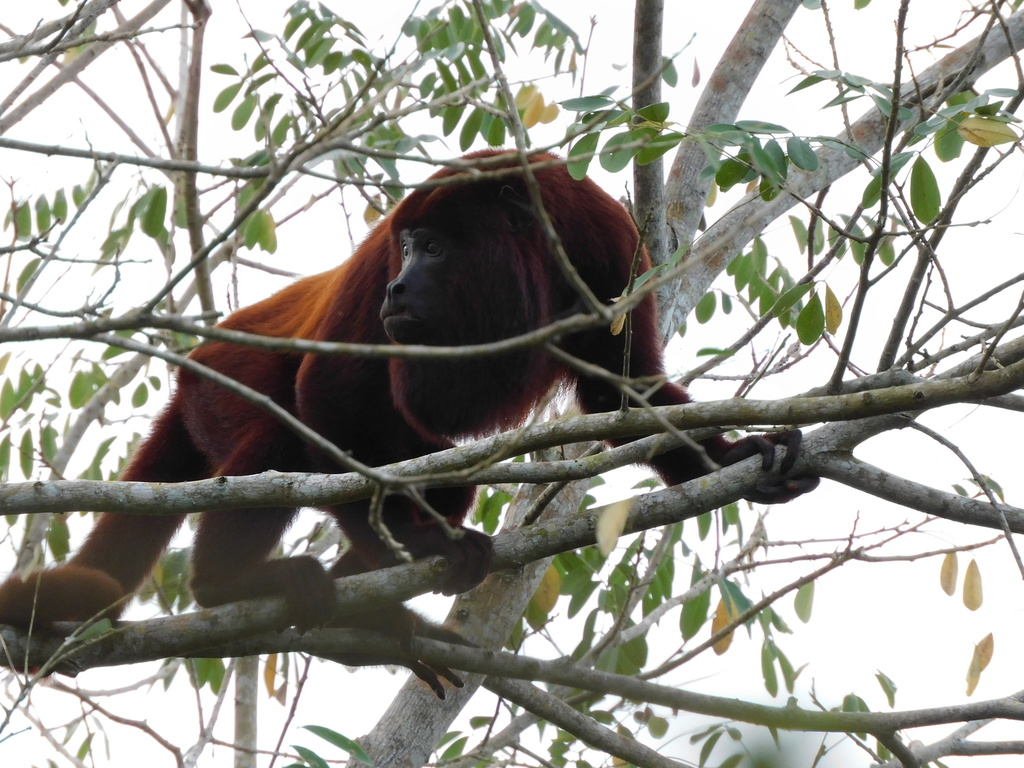
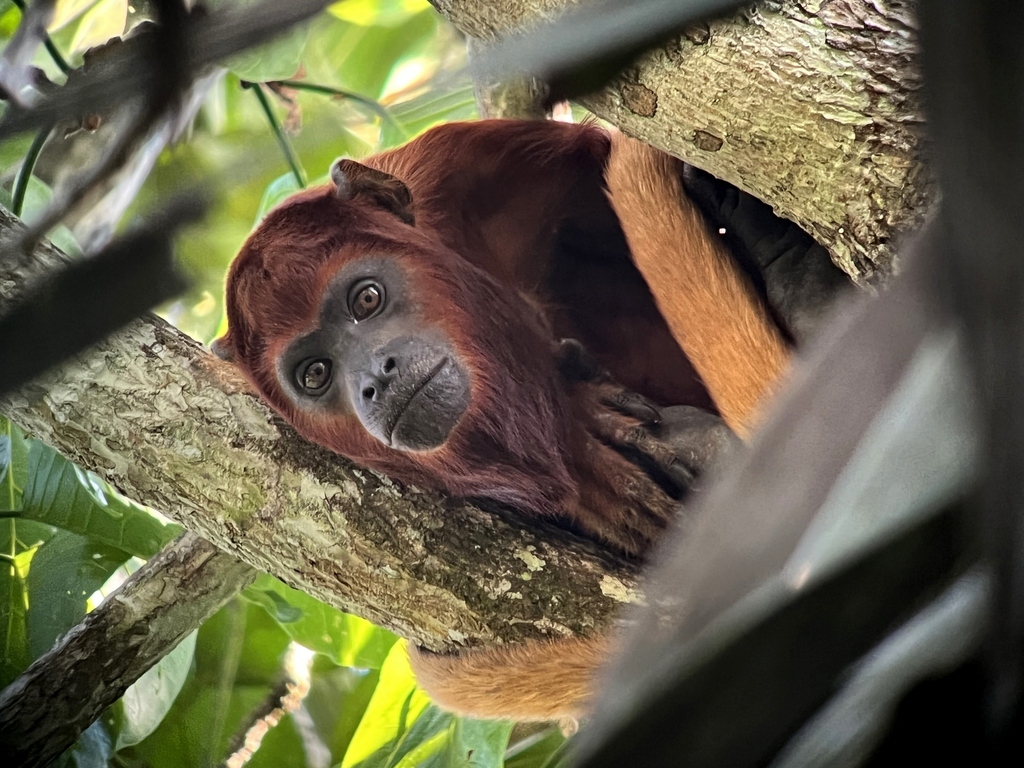
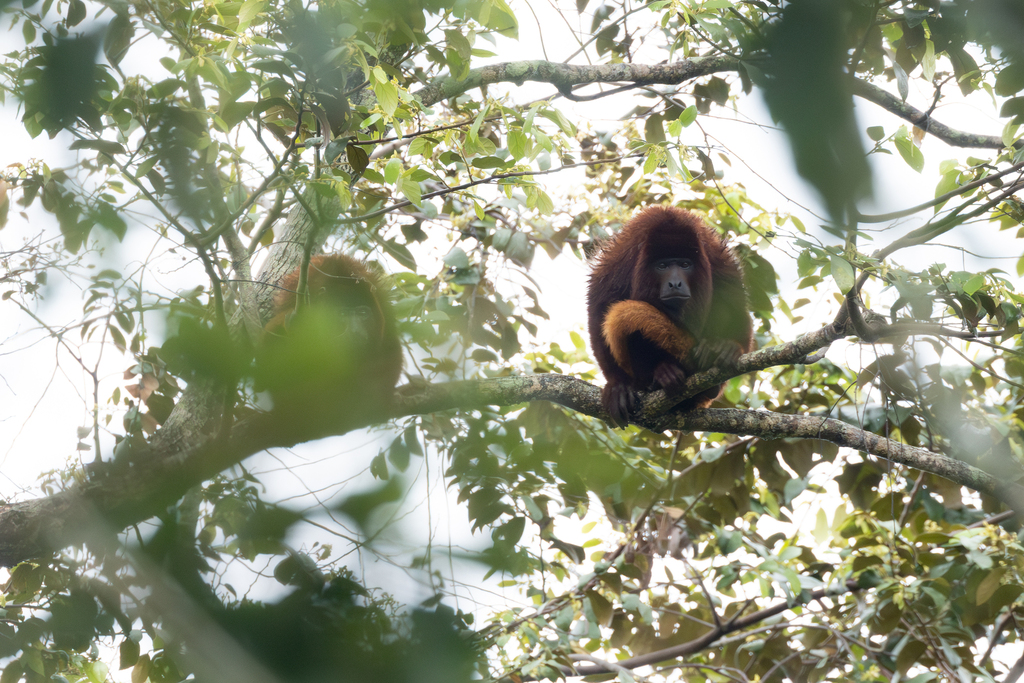
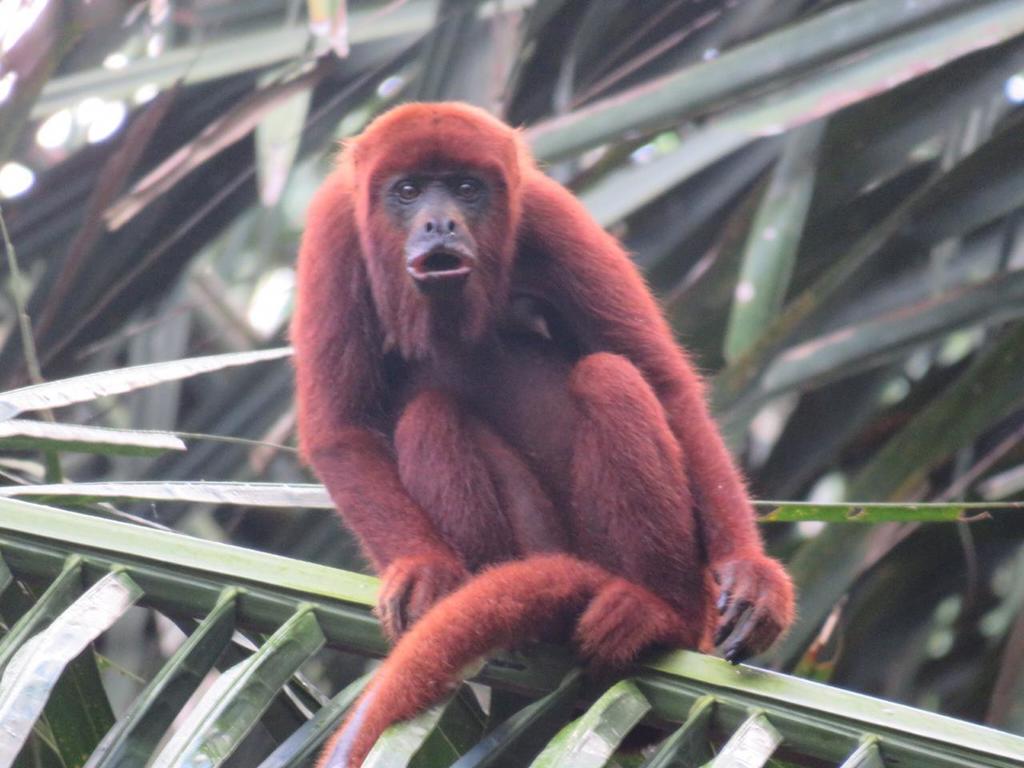
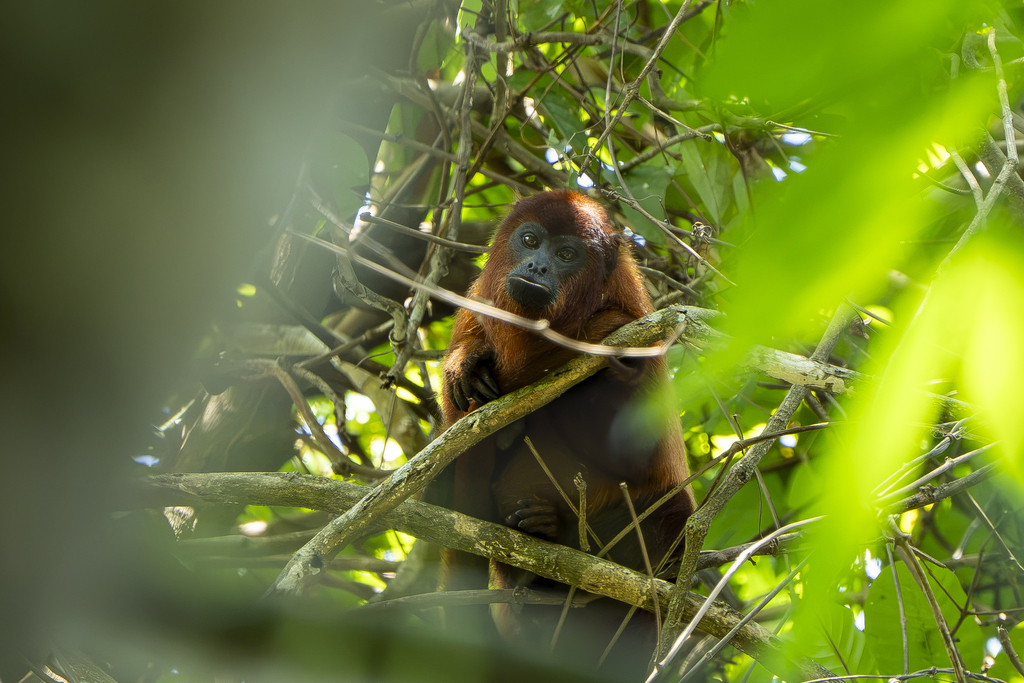
A monkey whose roar carries for kilometres through the South American forest.
- Status
- Least Concern IUCN Red List
- Eats
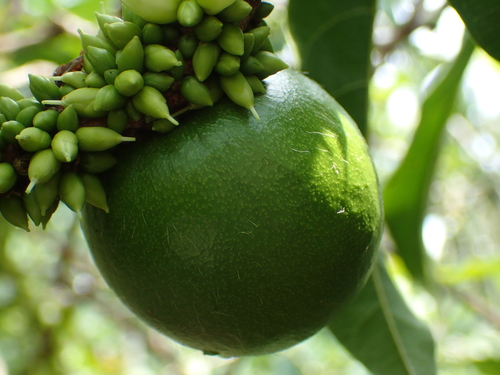
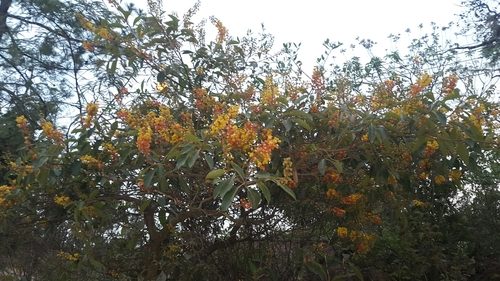
- hog plum, bastard breadnut, abiu and 109 more
- Where
- 5 countries · Amazon rainforest
People have shared 2,055 records of the venezuelan red howler with GBIF, from 5 countries, most of them from Colombia, Ecuador and Peru. Records collected by GloBI show it eating 112 different kinds of animals and plants.
In the northern hemisphere, people record it most in January and least in June. It belongs to the genus Alouatta in the family Atelidae.
Habitats
What the venezuelan red howler eats, and what eats it
Studies have recorded it eating 112 kinds of animals and plants. Tap any of them to follow the food chain.
- Plants 102
- Insects 1
- Snails and slugs 1
- Spiders and mites 1
Venezuelan red howler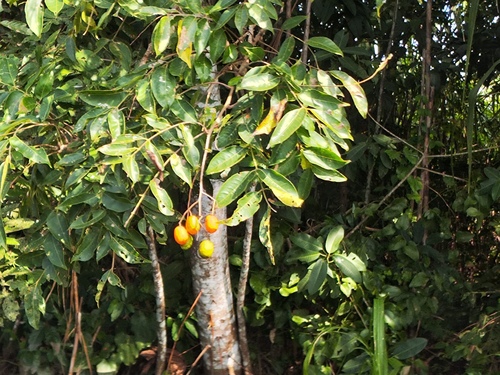

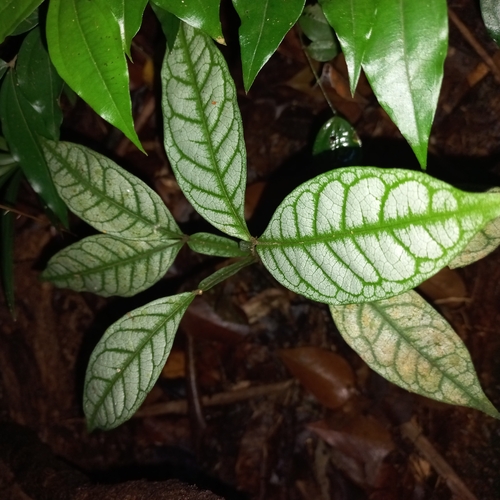
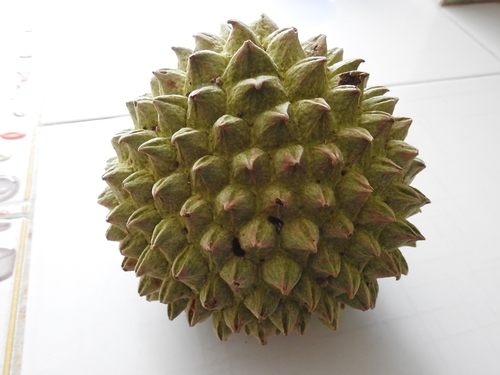
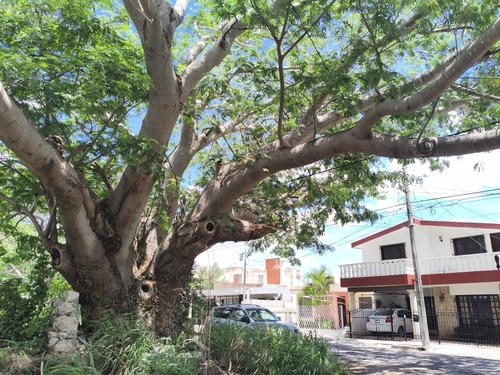
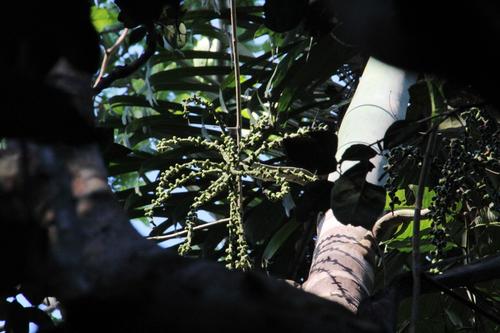
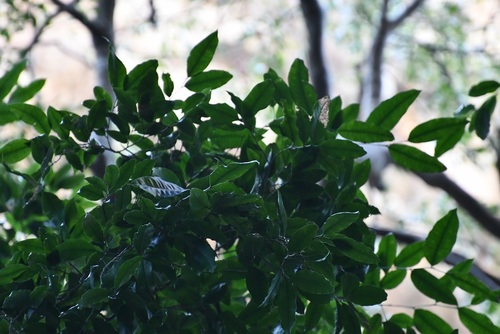
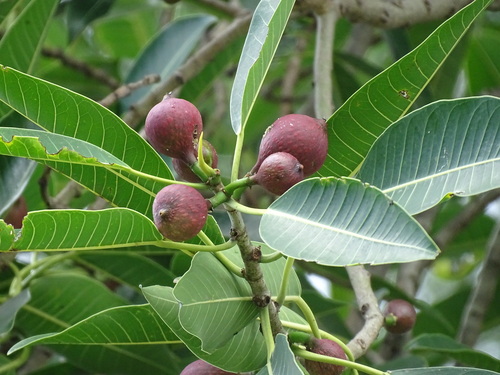
Records from studies worldwide, collected by GloBI. They include animals eaten as carrion, and they are not everything it eats in one place.
Where people see the venezuelan red howler
People have shared 2,055 records from 5 countries.
Records show where people have seen it and shared it, not its full range. Country names open their page in Atlas.
When it is seen
Records per month in the northern hemisphere. More people outdoors also means more records.
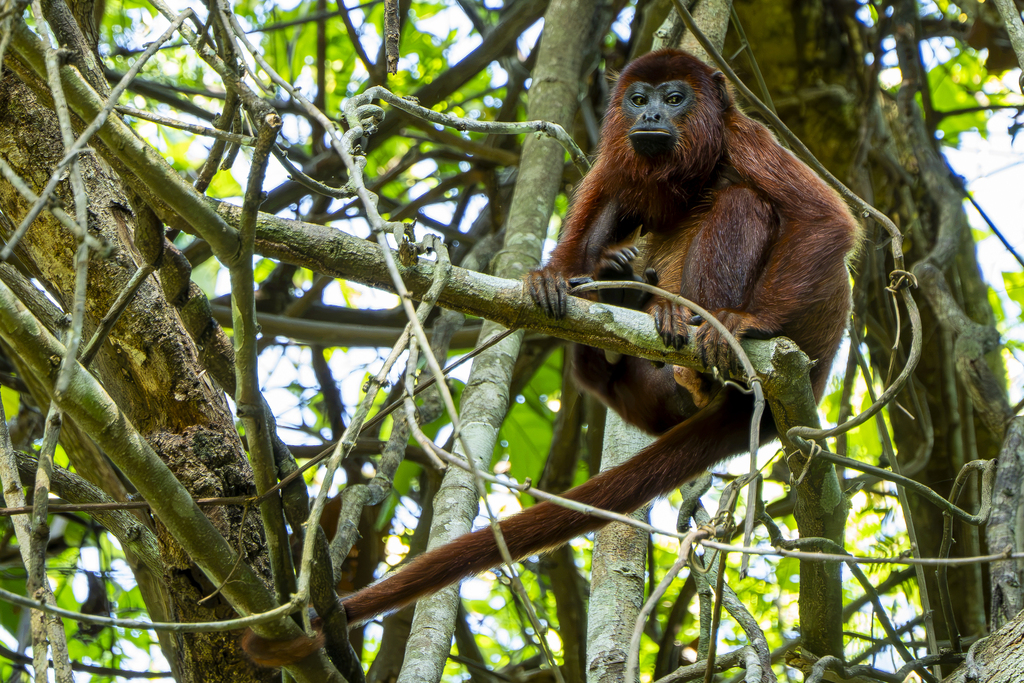
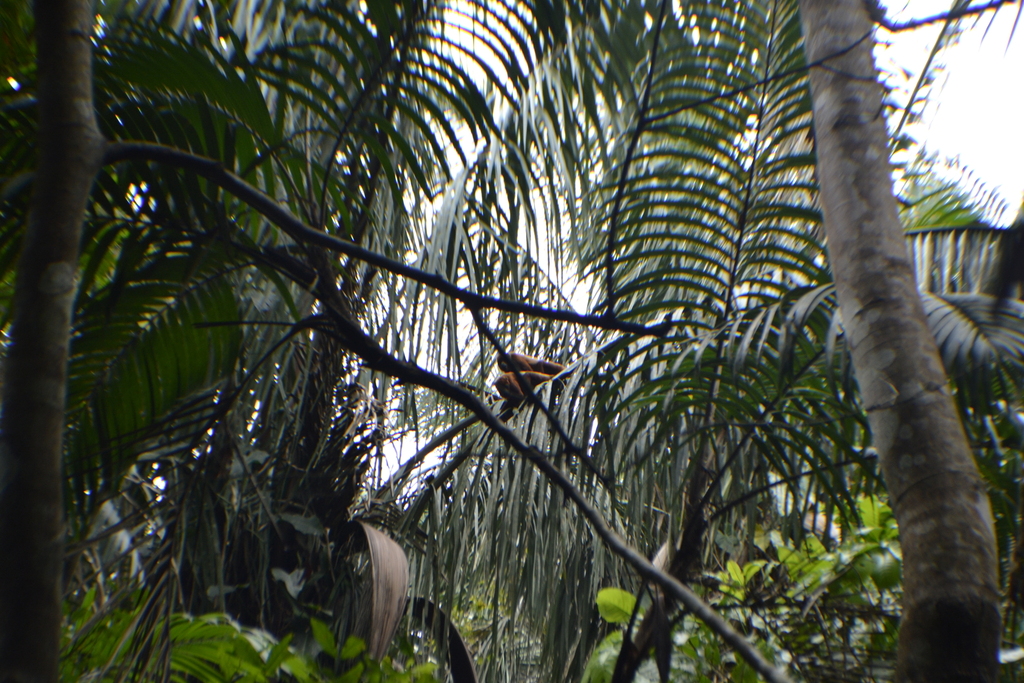
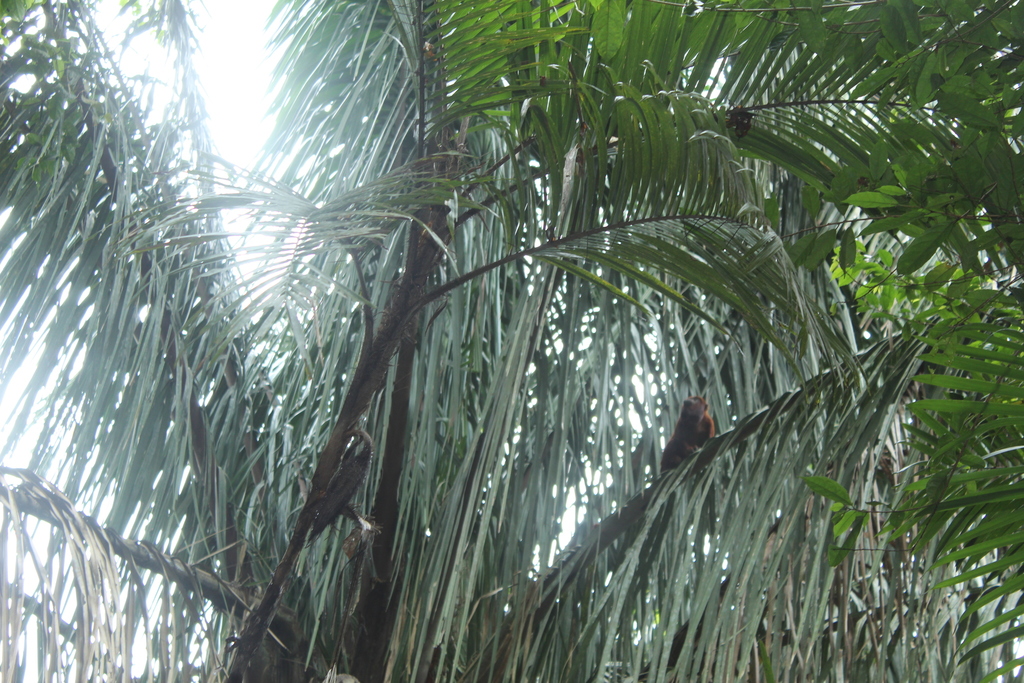
Watch and listen
Its closest relatives
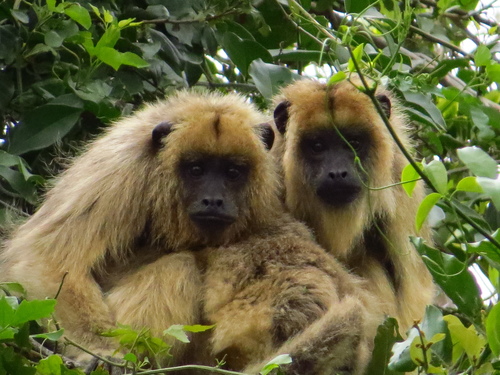
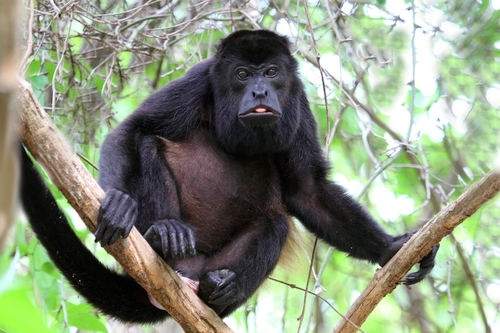
The other species of the genus Alouatta.
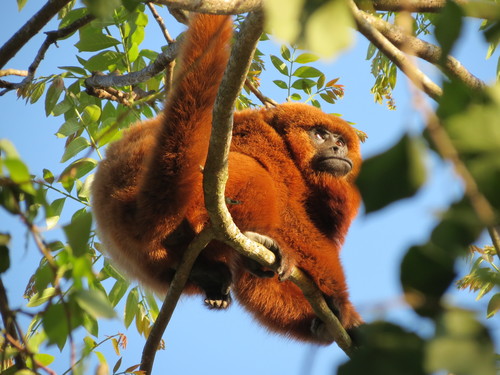
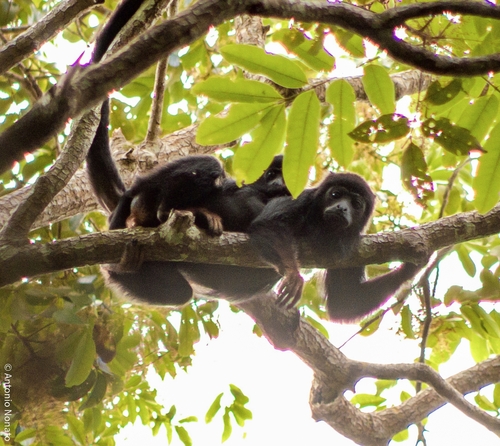
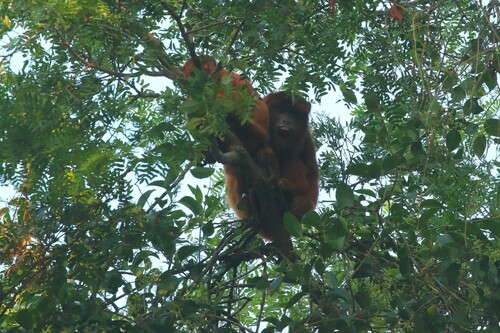
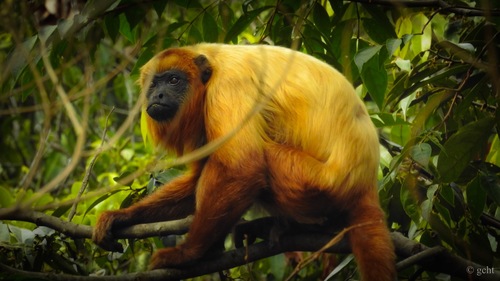
Seen a venezuelan red howler?
Share your photo on iNaturalist. Other naturalists help confirm it, and the record goes to GBIF, where scientists use it and where the maps on this page come from.
Put this species on your site
The card names every source and links back here.
<iframe src="https://4planetatlas.com/place/embed/species/venezuelan-red-howler" title="Venezuelan red howler (Alouatta seniculus), 4PLANET Species" width="100%" height="600" style="border:0;max-width:640px" loading="lazy"></iframe>
<p><a href="https://4species.com/venezuelan-red-howler">Venezuelan red howler on 4PLANET Species</a></p>Explore next
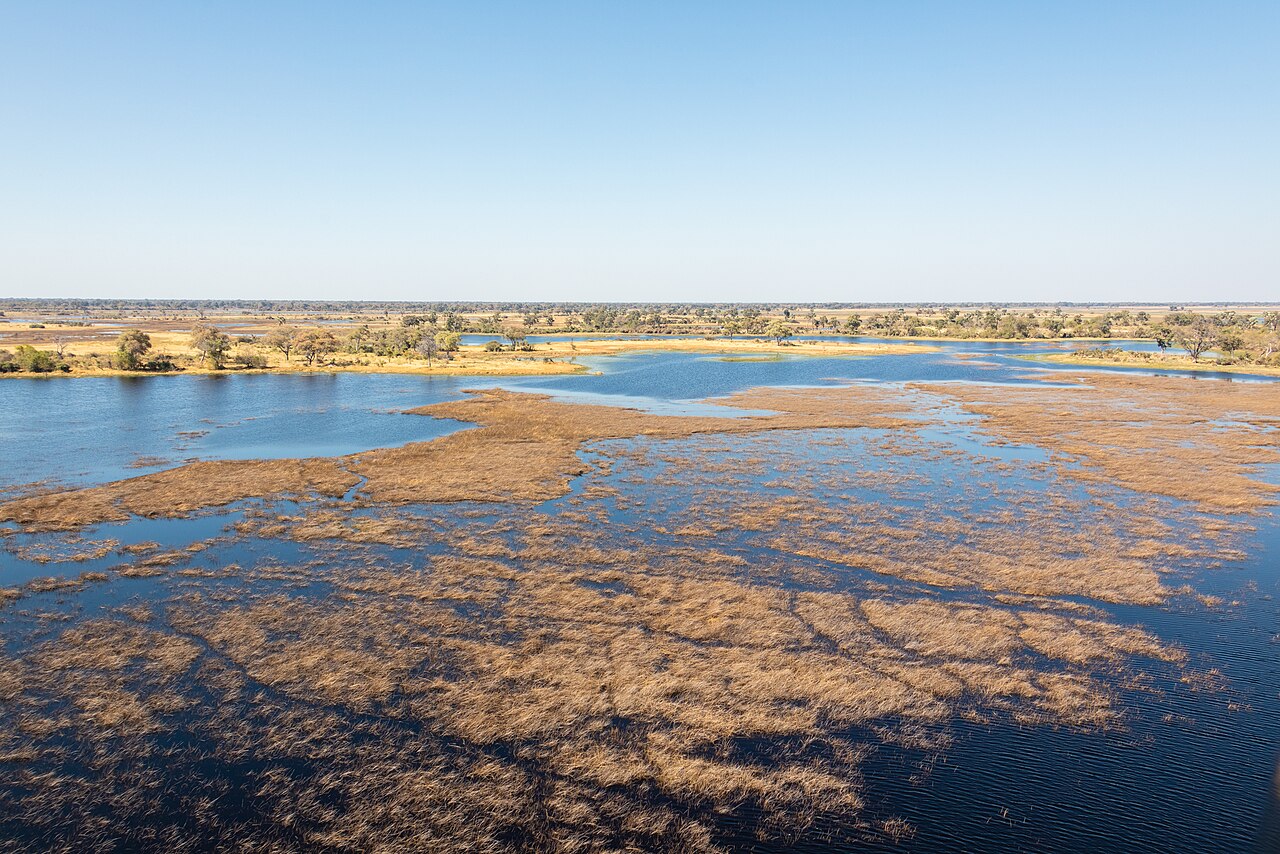
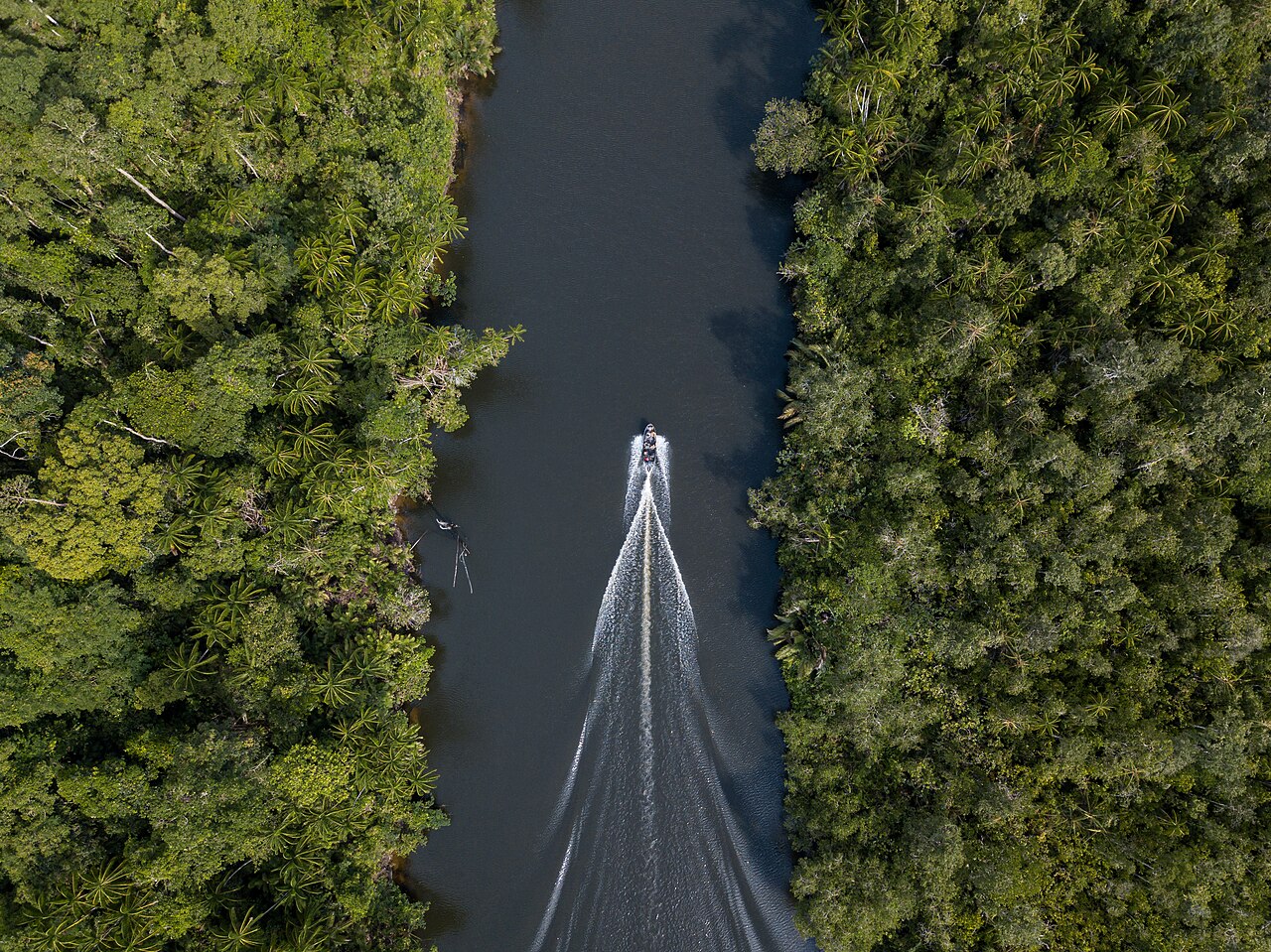
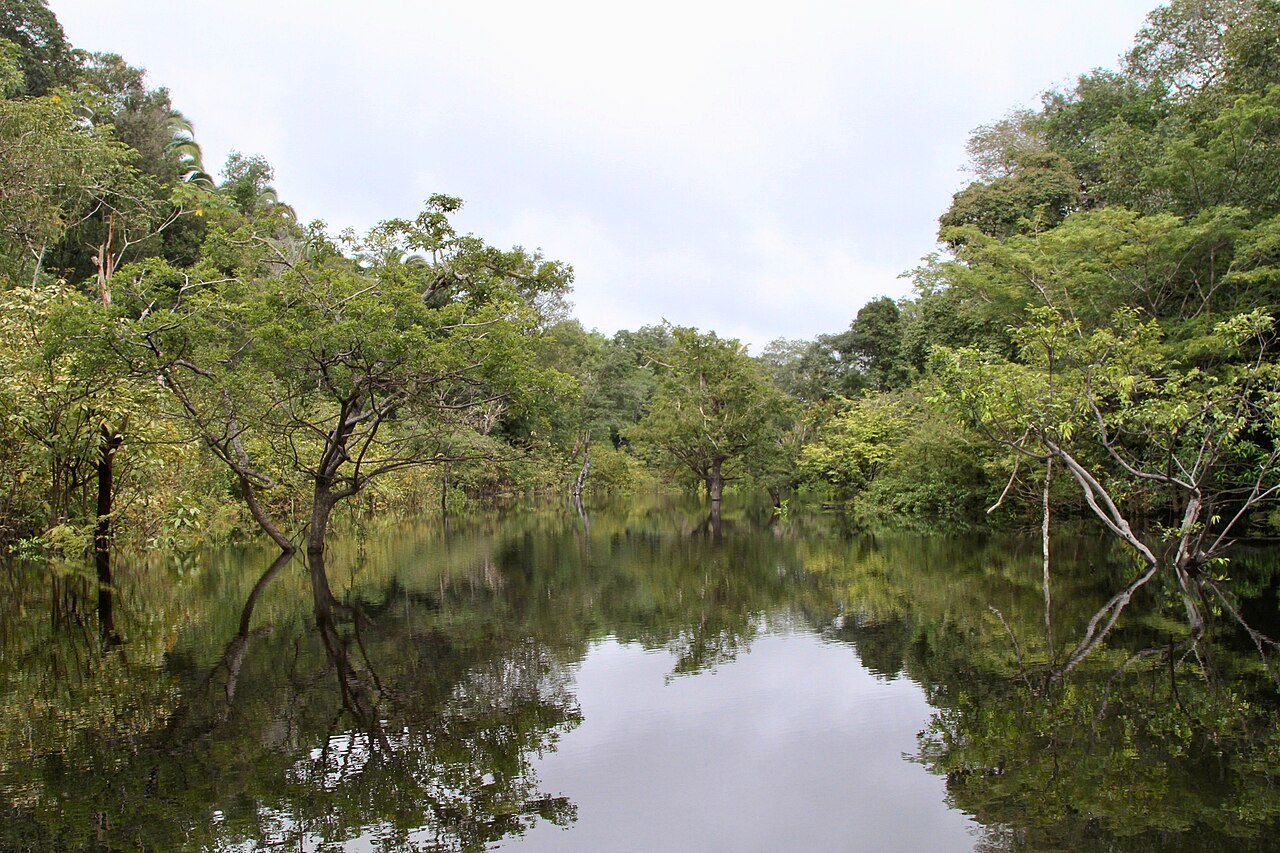
What puts the venezuelan red howler under pressure, what helps, and who works on it.

Questions people ask
What does the venezuelan red howler eat?
The venezuelan red howler has been recorded eating 112 different kinds of animals and plants, most of them plants, insects, snails and slugs and spiders and mites. The ones recorded most often are hog plum, bastard breadnut, abiu, golden spoon and ice cream bean; records include animals eaten as carrion. Source: GloBI.
Where does the venezuelan red howler live?
People have recorded it in 5 countries; the most records come from Colombia, Ecuador, Peru, Brazil and Venezuela. Records show where people have seen it, not its full range.
When is the venezuelan red howler seen most?
In the northern hemisphere, the most records are made in January and the fewest in June. More people outdoors also means more records.
What are the venezuelan red howler's closest relatives?
It shares the genus Alouatta with black howler, mantled howler, brown howler, red-handed howler and bolivian red howler.
Sources and photo credits
- GBIF · Alouatta seniculus, 2,055 human observations
- GloBI · recorded interactions of Alouatta seniculus
- Wikidata · Venezuelan red howler (Q583362)
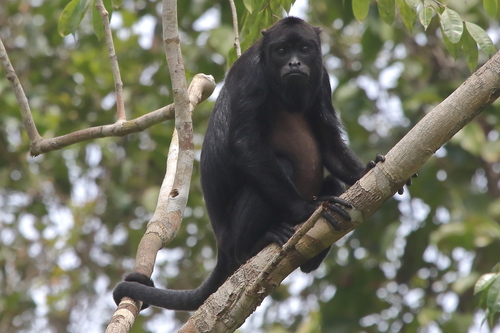
- Venezuelan red howler (Alouatta seniculus): D. Gordon E. Robertson, CC BY-SA 4.0
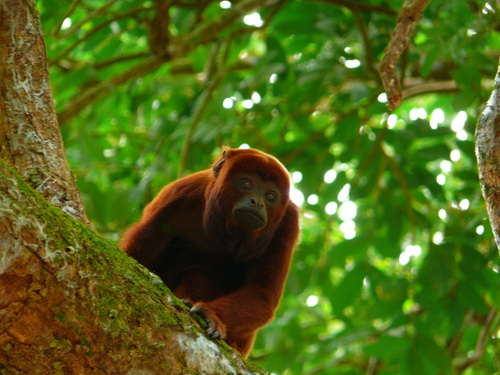
- Venezuelan red howler (Alouatta seniculus), Alta Floresta - MT, 78580-000, Brasil: Patrícia Hanate, CC BY-SA 4.0
- Venezuelan red howler (Alouatta seniculus), Hato Corozal, Casanare, Colombia: EstebanMH, CC BY 4.0
- Venezuelan red howler (Alouatta seniculus), San Carlos, Córdoba, Colombia: Álvaro Rivas Godin, CC BY 4.0
- Venezuelan red howler (Alouatta seniculus), Shushufindi, Ecuador: Ian Adams, CC BY 4.0
- Venezuelan red howler (Alouatta seniculus), Maní, Casanare, Colombia: Andrés Ramírez-Barrera, CC BY 4.0
- Venezuelan red howler (Alouatta seniculus), Puerto Boyacá, Boyaca, Colombia: Ryan F. Mandelbaum, CC BY 4.0
- Venezuelan red howler (Alouatta seniculus), finca: Andrés Ramírez-Barrera, CC BY 4.0
- Venezuelan red howler (Alouatta seniculus), Alta Floresta - MT, 78580-000, Brasil: Patrícia Hanate, CC BY-SA 4.0
- Hog plum: Silvia Ten, CC BY 4.0
- Bastard breadnut: Eduardo Chacón Madrigal, CC BY 4.0
- Abiu: no rights reserved, uploaded by 葉子, CC0
- Golden spoon: Martin Alfredo Murillo, CC BY 4.0
- Ice cream bean: Patrícia Mees, CC BY 4.0
- Negrohead: Neptalí Ramírez Marcial, CC BY 4.0
- Monkeysoap: Diego Puc Estrada, CC BY 4.0
- Cashapona: Tony Rebelo, CC BY-SA 4.0
- Breadnut: Neptalí Ramírez Marcial, CC BY 4.0
- Wild fig: Alexis López Hernández, CC BY 4.0
- Black howler: Leonel Roget, CC BY 4.0
- Mantled howler: Cephas, CC BY-SA 4.0
- Brown howler: Miguelrangeljr, CC BY-SA 4.0
- Red-handed howler: Antonio Nonato, CC BY 4.0
- Bolivian red howler: CaracalShan, CC BY 4.0
- Guyanan red howler: Gerardo Chavarri, CC BY 4.0
- Amazon black howler: Fábio Olmos, CC BY 4.0
- Ursine howler: Luis Zabala, CC BY 4.0
Records show where people have seen and shared the venezuelan red howler, not its full range, and some countries and months are recorded far more than others. The food web lists interactions that studies have recorded somewhere in the world (GloBI), not everything it eats in one place.
Checked 2026-11-22.