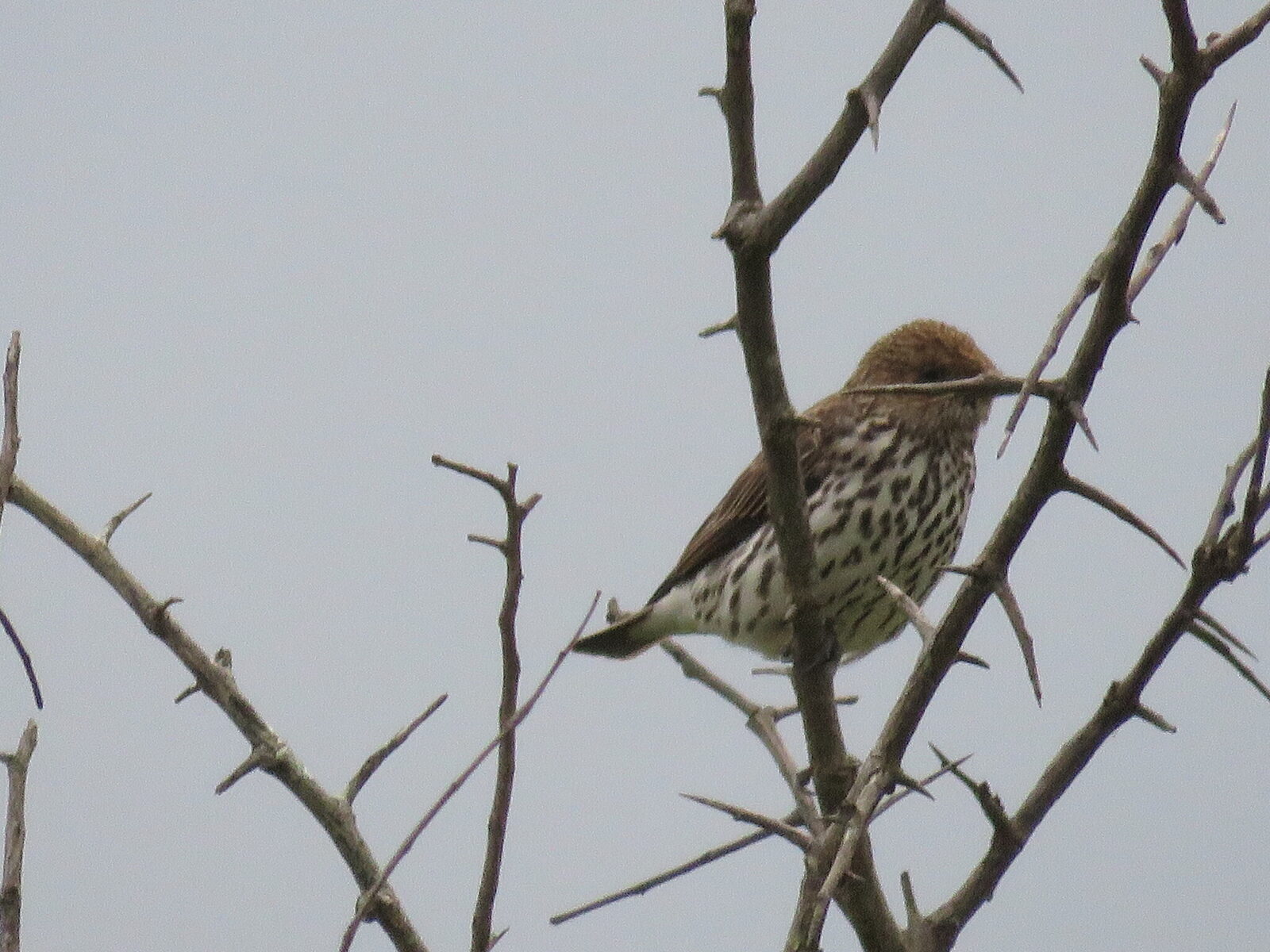
Violet-backed starling
Cinnyricinclus leucogaster
- Status
- Least Concern IUCN Red List
- Eats
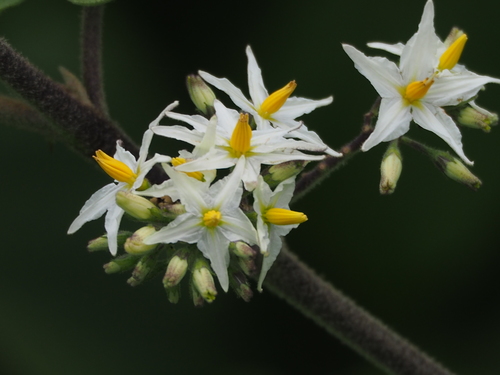
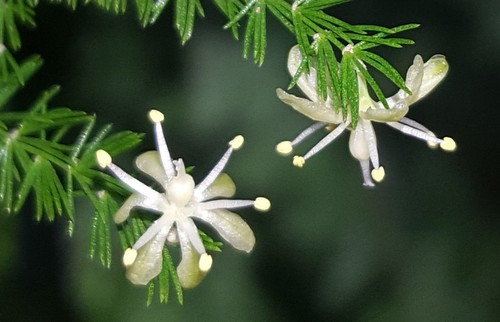
- olive, turkeyberry, common asparagus fern and 174 more
- Where
- 43 countries
On 4Planet Atlas it is among the wildlife people record most around Accra, Bissau and Dodoma, and 9 more of the cities we cover.
People have shared 40,990 records of the violet-backed starling with GBIF, from 43 countries, most of them from South Africa, Kenya and Tanzania. Records collected by GloBI show it eating 177 different kinds of animals and plants.
What the violet-backed starling eats, and what eats it
Studies have recorded it eating 177 kinds of animals and plants. Tap any of them to follow the food chain.
- Plants 164
Violet-backed starling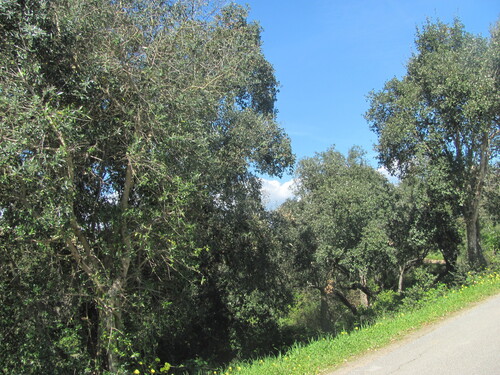
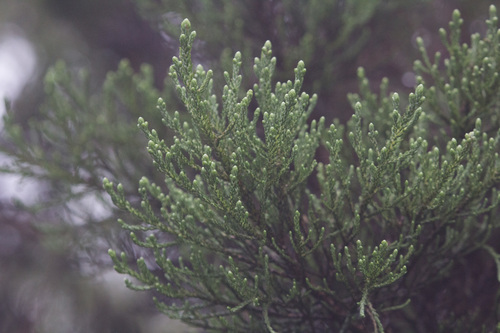
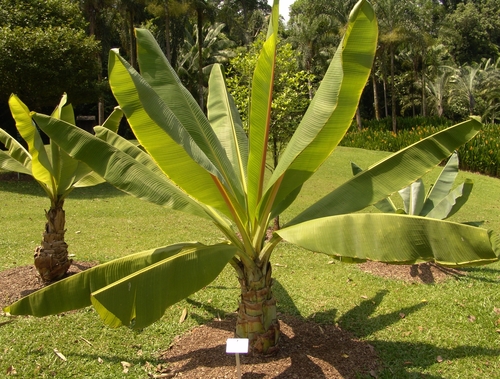
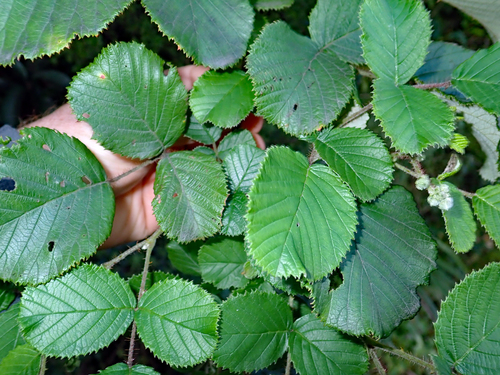


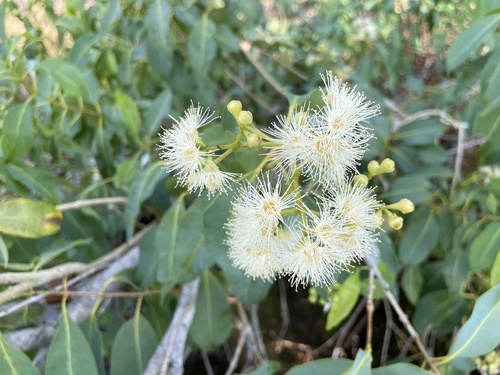

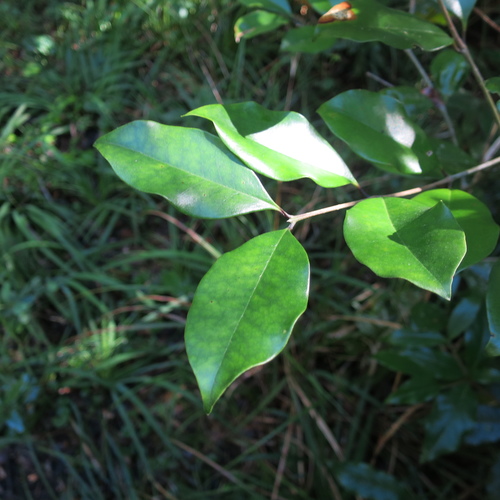
Records from studies worldwide, collected by GloBI. They include animals eaten as carrion, and they are not everything it eats in one place.
Where people see the violet-backed starling
People have shared 40,990 records from 43 countries.
Near a city: Accra, Bissau, Dodoma, Freetown, Gaborone, Harare, Kigali, Lilongwe, Lobamba, Lusaka, Mbabane, Porto-Novo.
Records show where people have seen it and shared it, not its full range. Country names open their page in Atlas.
When it is seen
Records per month in the southern hemisphere. More people outdoors also means more records.
Watch and listen
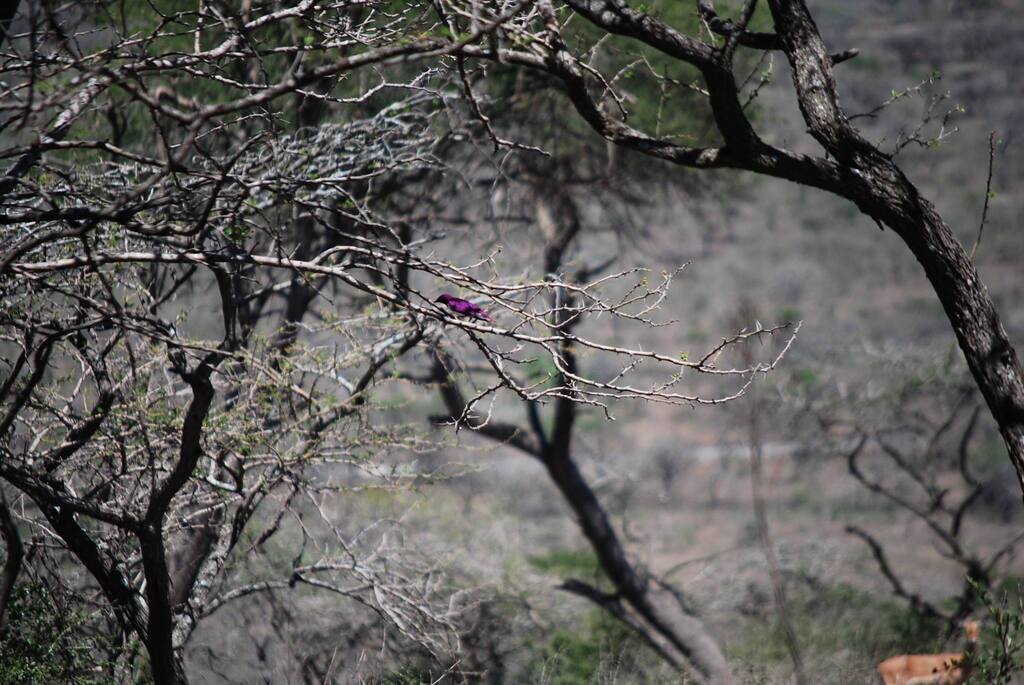
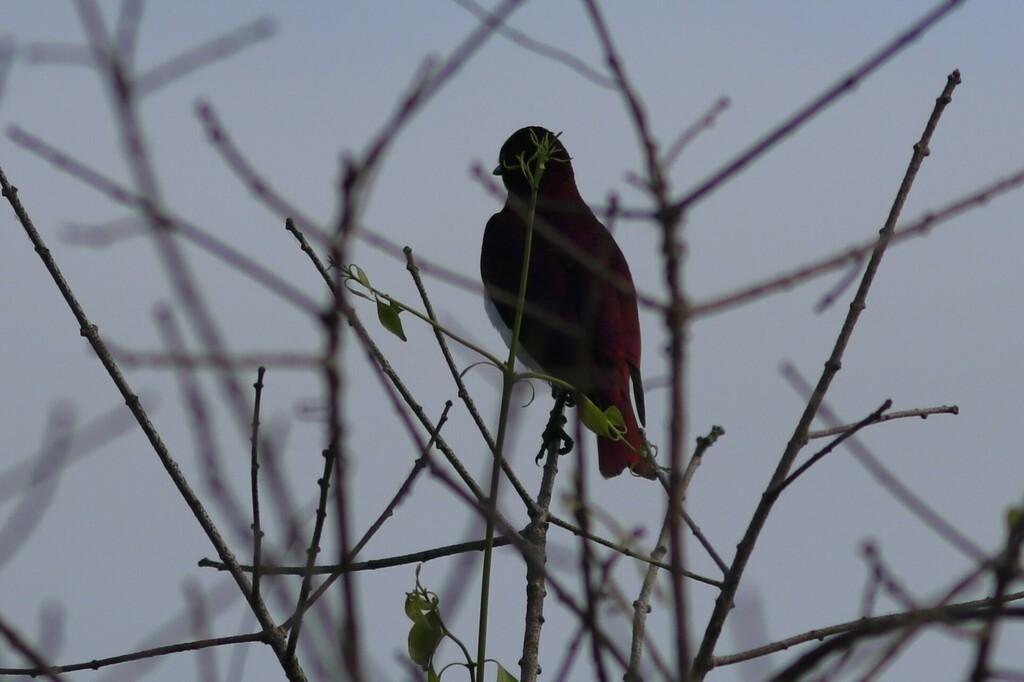
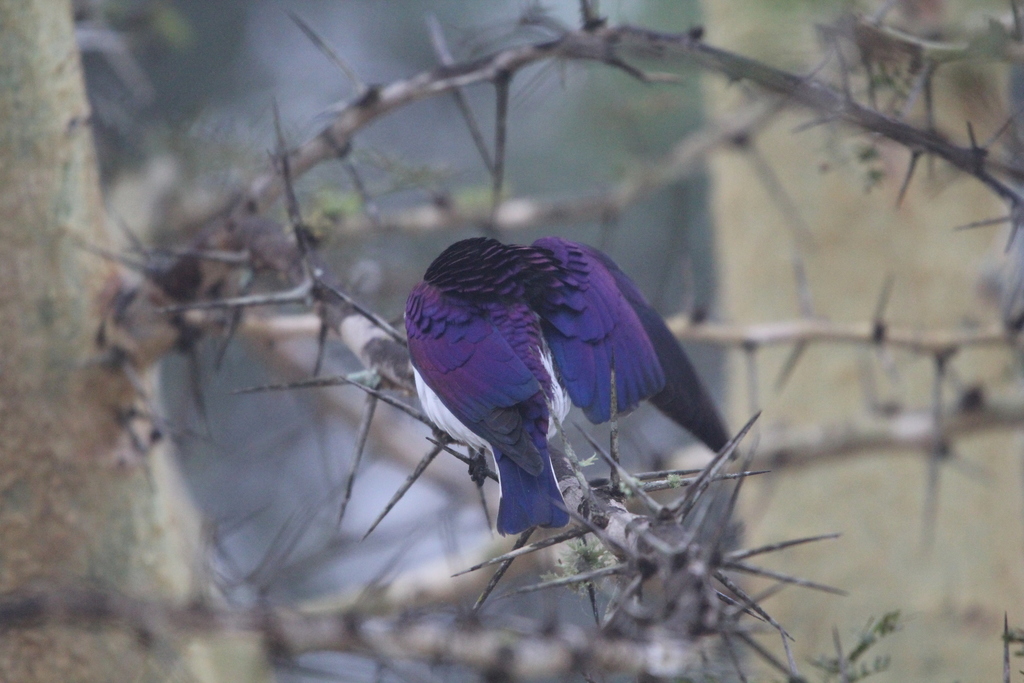
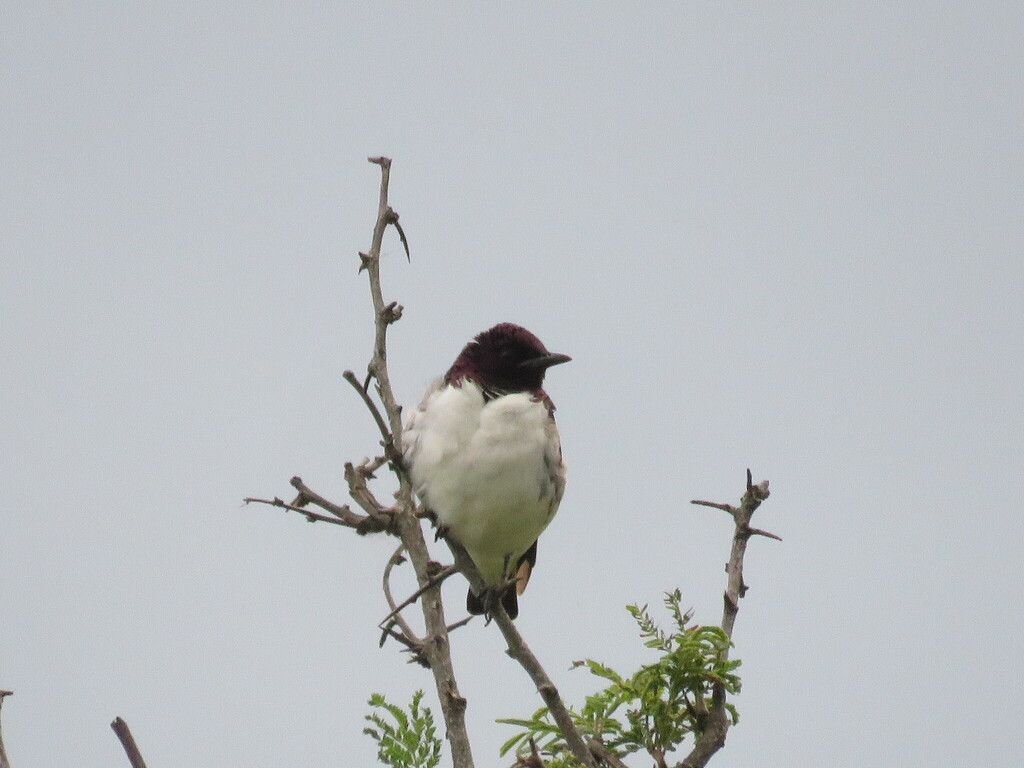
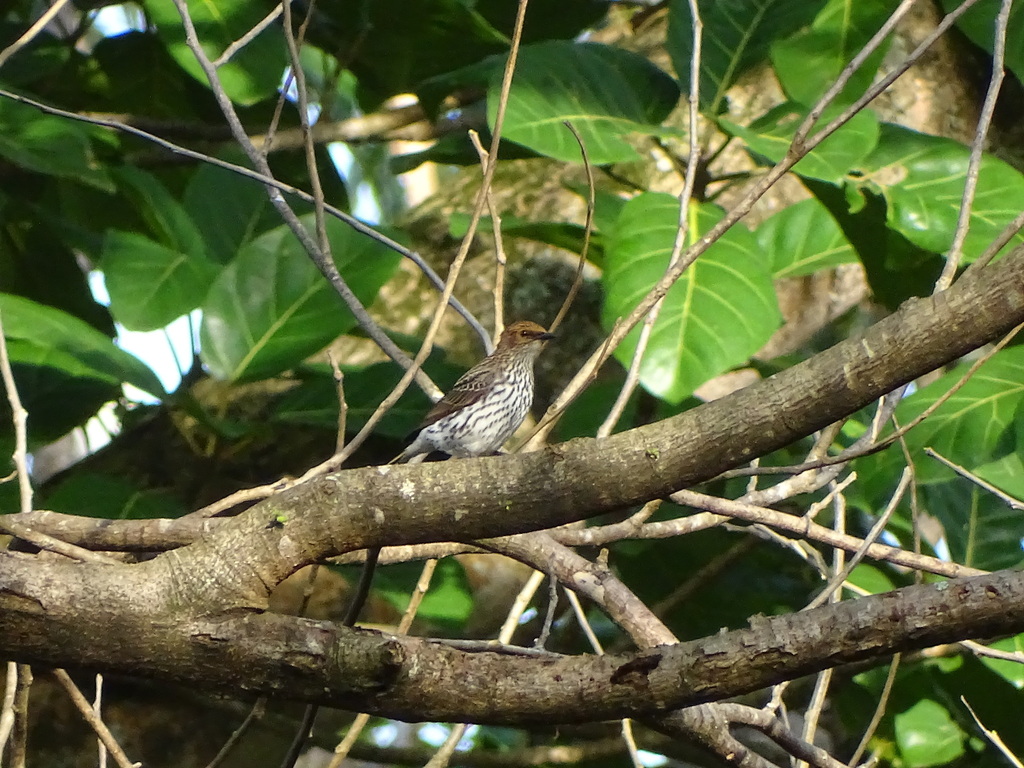
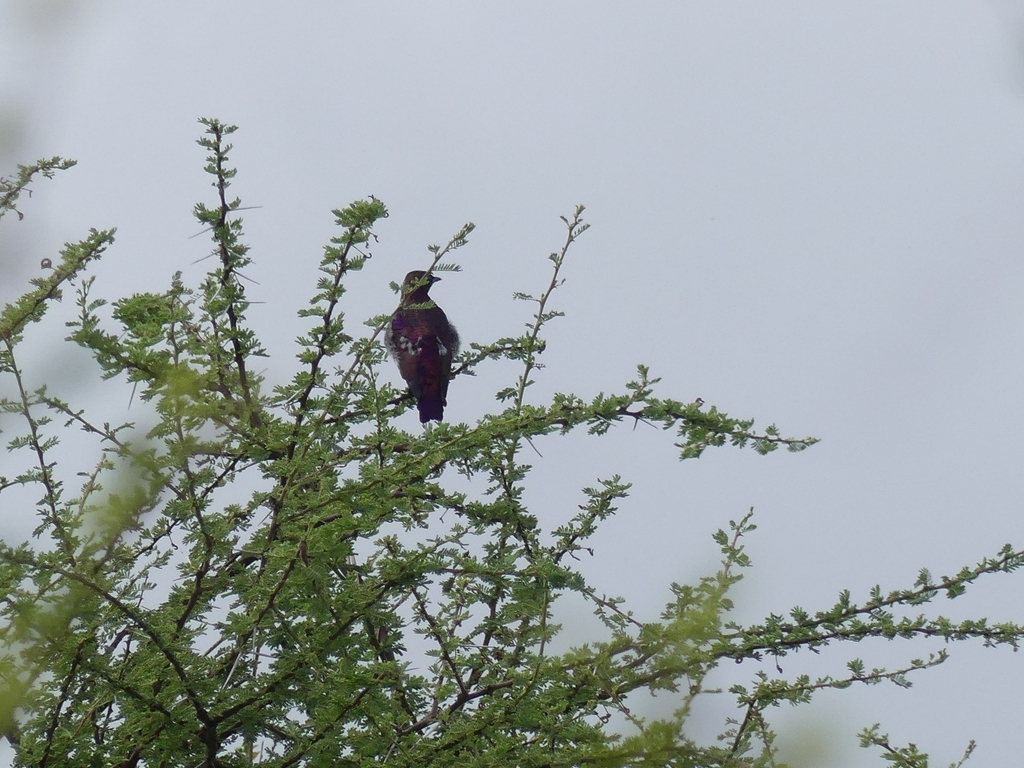
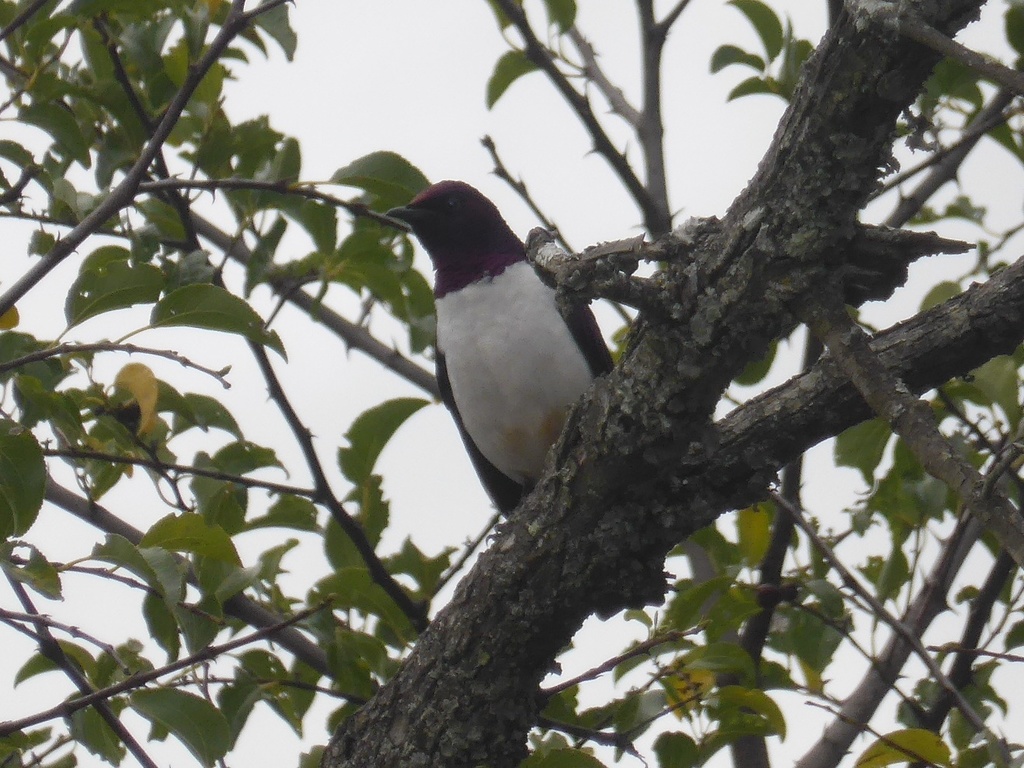
Seen a violet-backed starling?
Share your photo on iNaturalist. Other naturalists help confirm it, and the record goes to GBIF, where scientists use it and where the maps on this page come from.
Put this species on your site
The card names every source and links back here.
<iframe src="https://4planetatlas.com/place/embed/species/violet-backed-starling" title="Violet-backed starling (Cinnyricinclus leucogaster), 4PLANET Species" width="100%" height="600" style="border:0;max-width:640px" loading="lazy"></iframe>
<p><a href="https://4species.com/violet-backed-starling">Violet-backed starling on 4PLANET Species</a></p>Questions people ask
What does the violet-backed starling eat?
The violet-backed starling has been recorded eating 177 different kinds of animals and plants, most of them plants. The ones recorded most often are olive, turkeyberry, common asparagus fern, african juniper and abyssinian banana; records include animals eaten as carrion. Source: GloBI.
Where does the violet-backed starling live?
People have recorded it in 43 countries; the most records come from South Africa, Kenya, Tanzania, Zambia and Uganda. Records show where people have seen it, not its full range.
When is the violet-backed starling seen most?
In the southern hemisphere, the most records are made in November and the fewest in June. More people outdoors also means more records.
Sources and photo credits
- GBIF · Cinnyricinclus leucogaster, 40,990 human observations
- GloBI · recorded interactions of Cinnyricinclus leucogaster
- Wikidata · Violet-backed starling (Q694756)
- Violet-backed starling (Cinnyricinclus leucogaster): Bruno - Yolande Zanette, CC BY 4.0
- Violet-backed starling (Cinnyricinclus leucogaster), Westgate, Pietermaritzburg, 3201, South Africa: Martyn Drabik-Hamshare, CC0
- Violet-backed starling (Cinnyricinclus leucogaster), Chuo cha Ualimu Vikonje, Tanzania: Martin Tlustos, CC0
- Violet-backed starling (Cinnyricinclus leucogaster), Ehlanzeni District Municipality, South Africa: Karen Eichholz, CC BY 4.0
- Violet-backed starling (Cinnyricinclus leucogaster), Kieni, Nyeri, Kenya: Stefan Haag, CC BY 4.0
- Violet-backed starling (Cinnyricinclus leucogaster), uMkhanyakude District Municipality, South Africa: Bruno - Yolande Zanette, CC BY 4.0
- Violet-backed starling (Cinnyricinclus leucogaster), King Cetshwayo District Municipality, South Africa: Shaun Swanepoel, CC BY 4.0
- Violet-backed starling (Cinnyricinclus leucogaster), Chuo cha Ualimu Vikonje, Tanzania: Martin Tlustos, CC0
- Violet-backed starling (Cinnyricinclus leucogaster), Zululand DC, Afrique du Sud: Tommy Andriollo, CC BY 4.0
- Olive: zebedeugalinha, CC BY 4.0
- Turkeyberry: no rights reserved, uploaded by 葉子, CC0
- Common asparagus fern: alessandradalia, CC BY-SA 4.0
- African juniper: avocat, CC BY 4.0
- Abyssinian banana: Drew Avery, CC BY 4.0
- Sacred garlic pear: P Jeganathan, CC BY 4.0
- Yellow himalayan raspberry: Peter de Lange, CC0
- True yellowwood: Tony Rebelo, CC BY-SA 4.0
- Ebony diospyros: Tony Rebelo, CC BY-SA 4.0
- Water-pear: Robert Taylor, CC BY 4.0
- Hissing tree: Brian Gratwicke, CC BY 4.0
- Black ironwood: no rights reserved, uploaded by Di Turner, CC0
Records show where people have seen and shared the violet-backed starling, not its full range, and some countries and months are recorded far more than others. The food web lists interactions that studies have recorded somewhere in the world (GloBI), not everything it eats in one place.
Checked 2026-11-22.