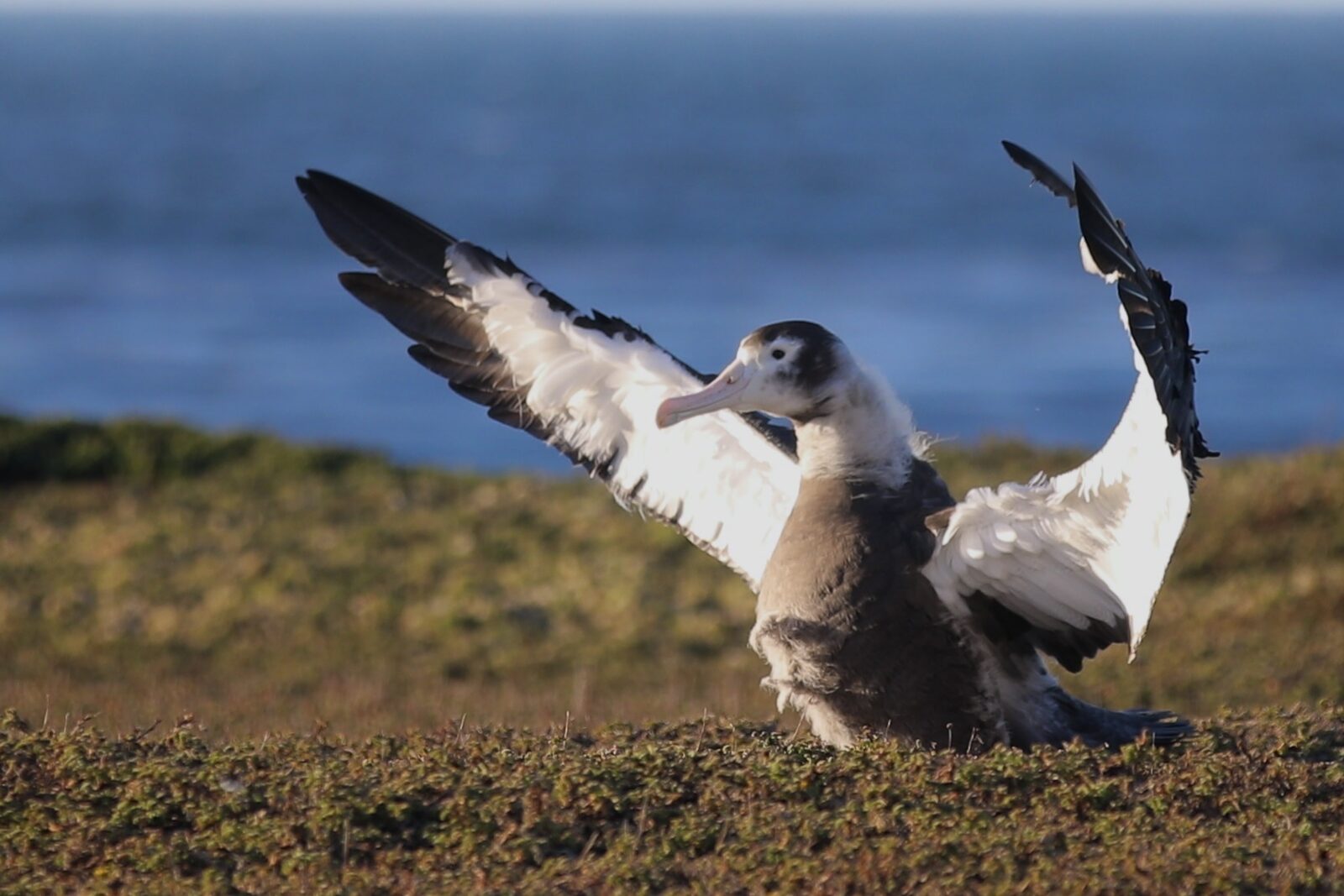
Wandering albatross
Diomedea exulans
- Status
- Vulnerable IUCN Red List
- Eats
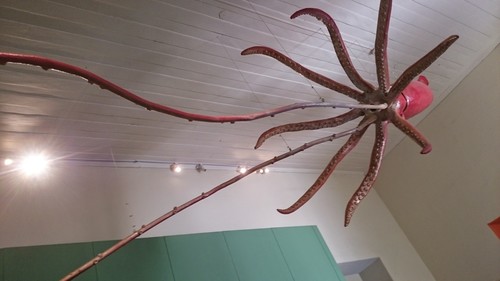
- Antarctic krill, argentine shortfin squid, colossal squid and 62 more
- Where
- 15 countries
People have shared 6,916 records of the wandering albatross with GBIF, from 15 countries, most of them from Unknown Region, South Georgia & South Sandwich Islands and Australia. Records collected by GloBI show it eating 65 different kinds of animals and plants.
In the southern hemisphere, people record it most in January and least in August. It belongs to the genus Diomedea in the family Diomedeidae.
What the wandering albatross eats, and what eats it
Studies have recorded it eating 65 kinds of animals and plants. Tap any of them to follow the food chain.
- Octopus and squid 45
- Fish 12
- Crustaceans 3
Wandering albatross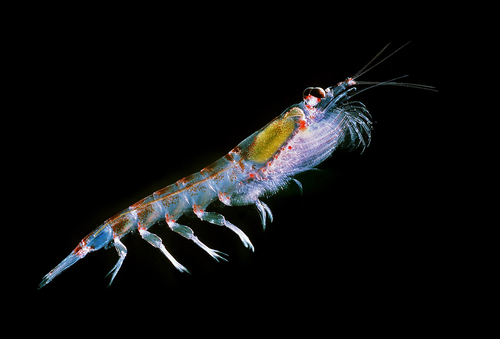
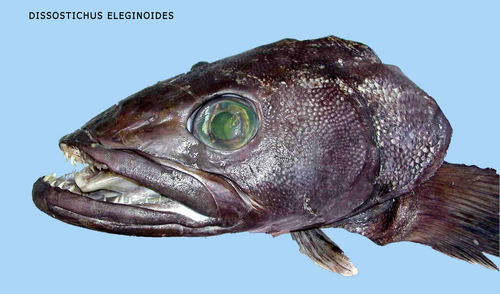
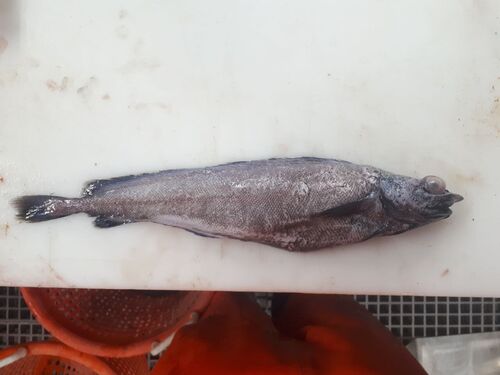
Records from studies worldwide, collected by GloBI. They include animals eaten as carrion, and they are not everything it eats in one place.
Where people see the wandering albatross
People have shared 6,916 records from 15 countries.
Records show where people have seen it and shared it, not its full range. Country names open their page in Atlas.
When it is seen
Records per month in the southern hemisphere. More people outdoors also means more records.
Watch and listen
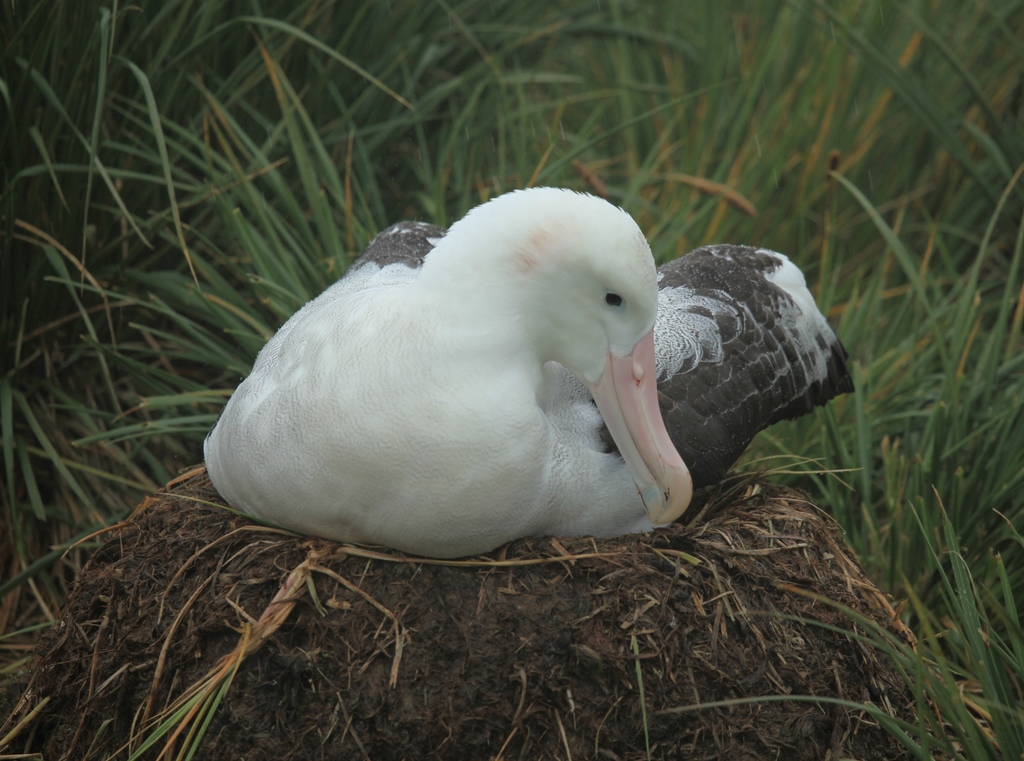
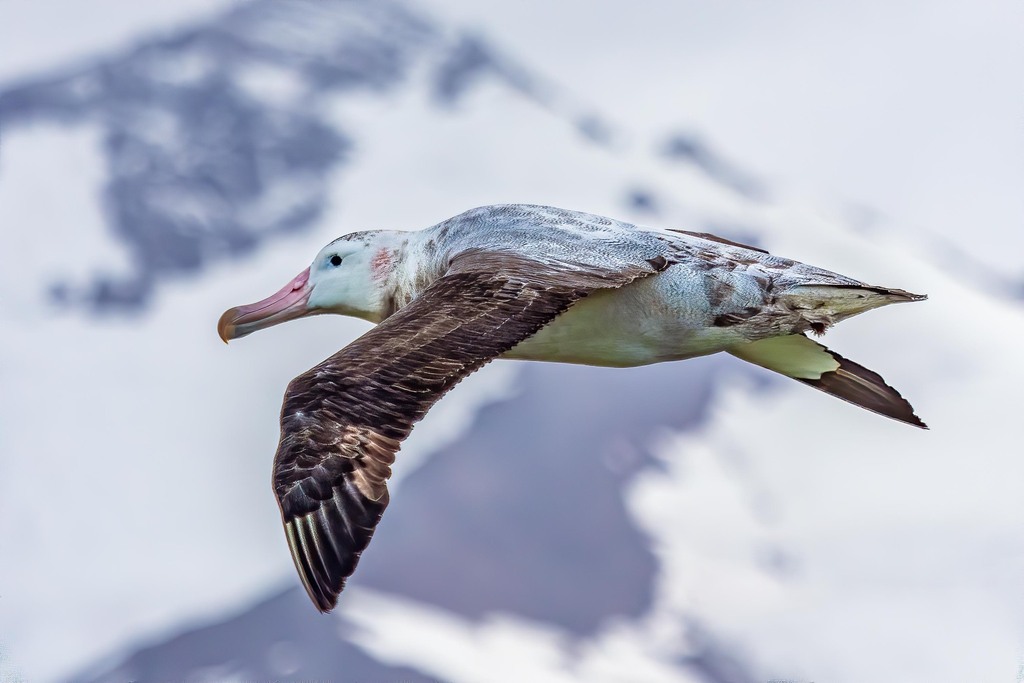
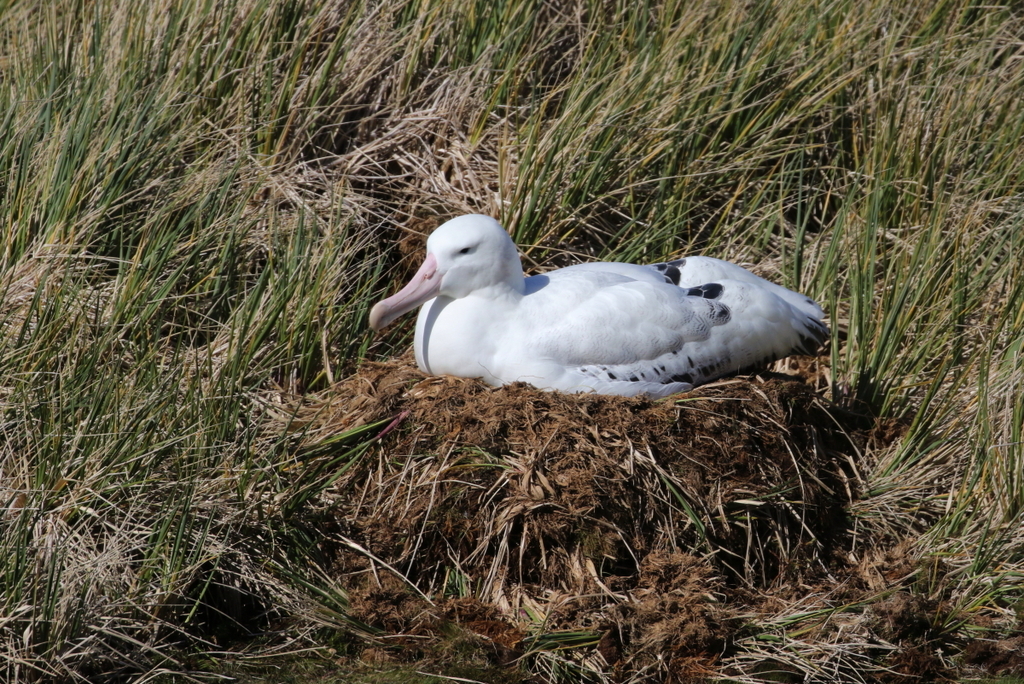
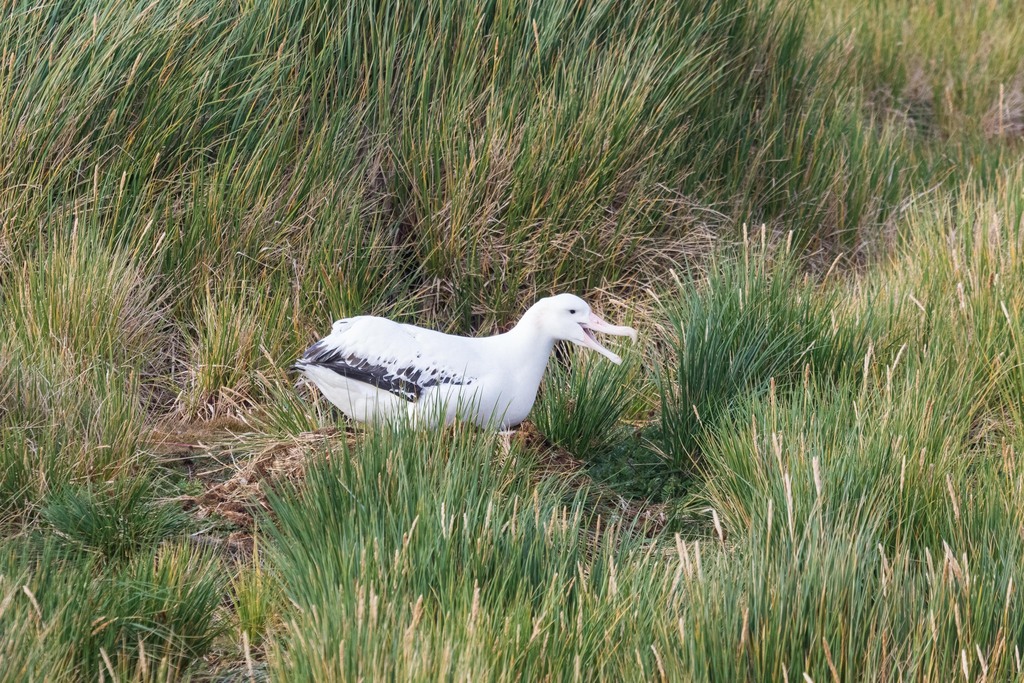
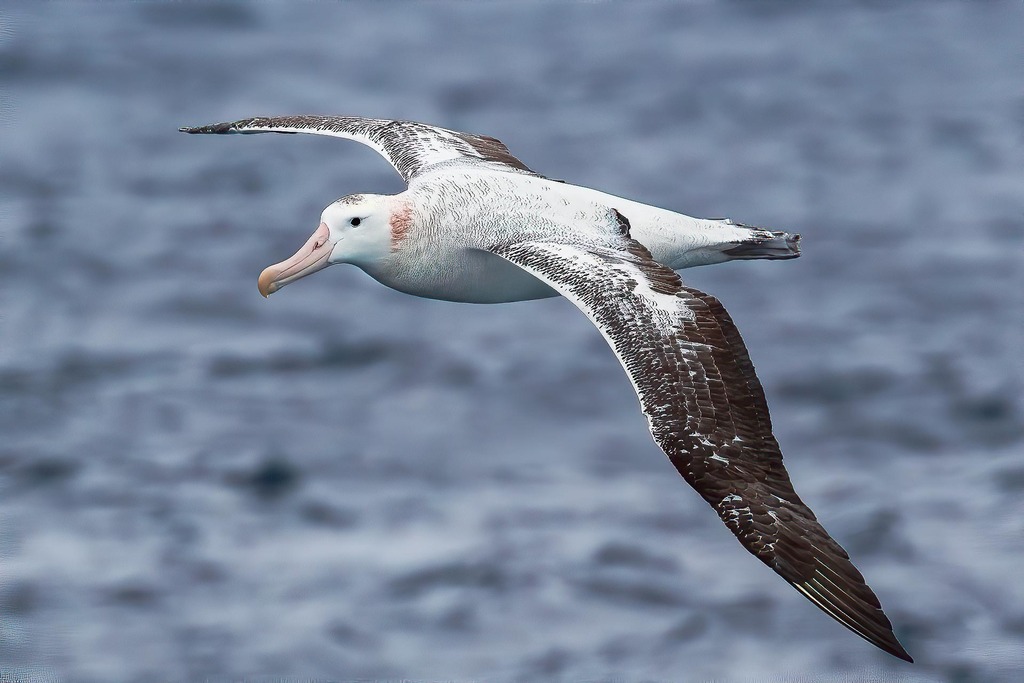
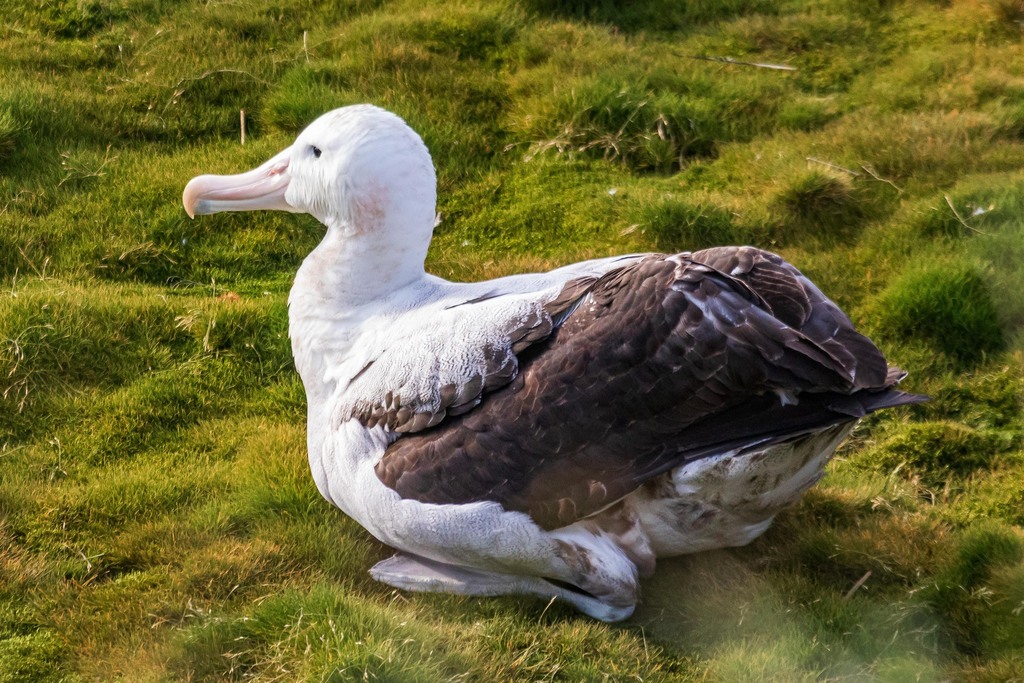
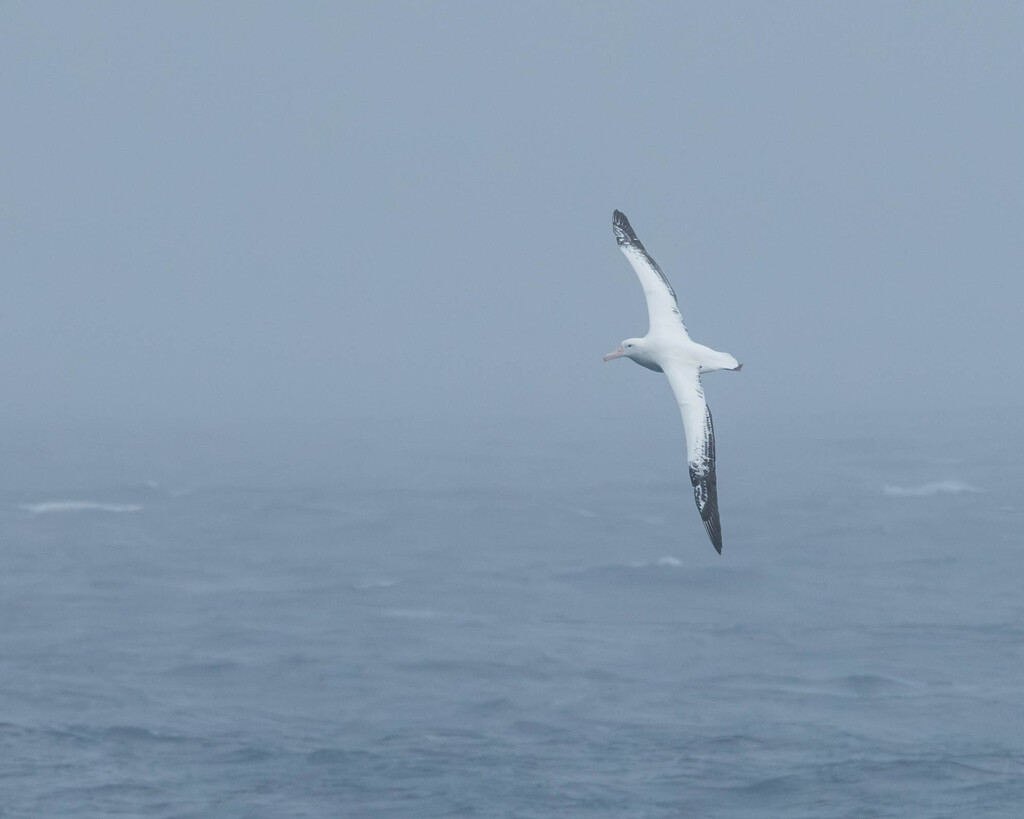
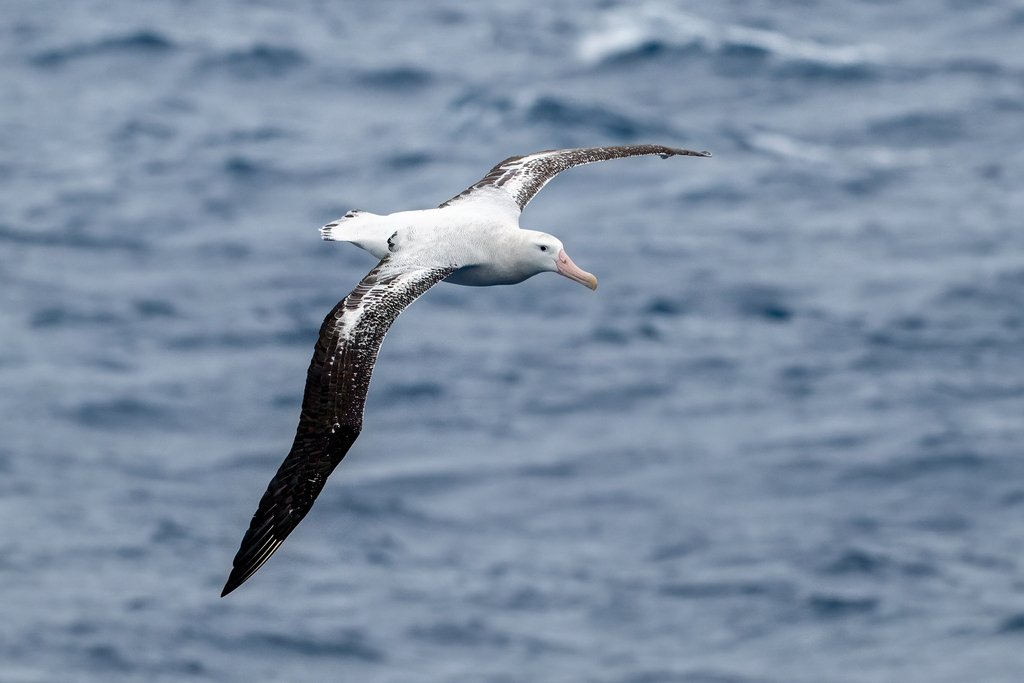
Its closest relatives
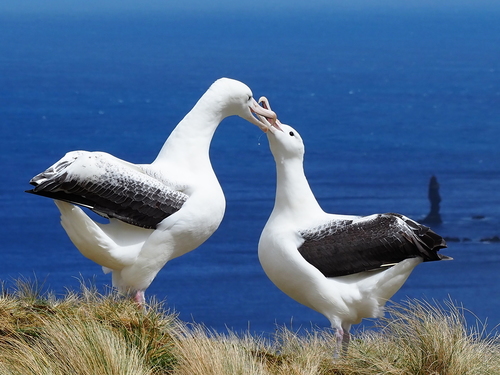
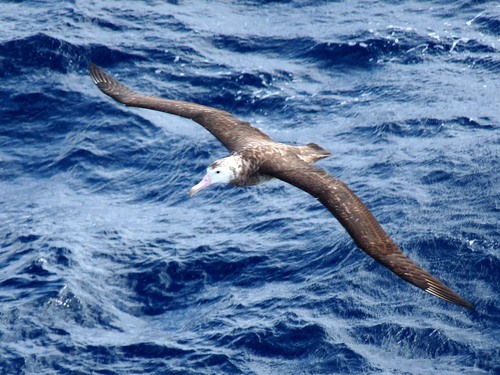
The other species of the genus Diomedea.

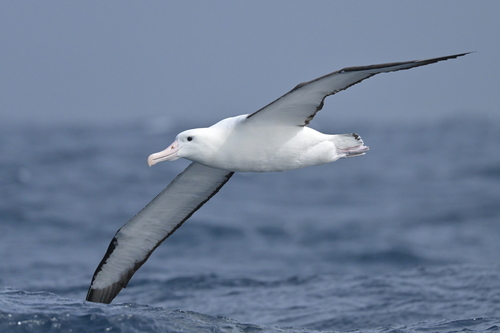
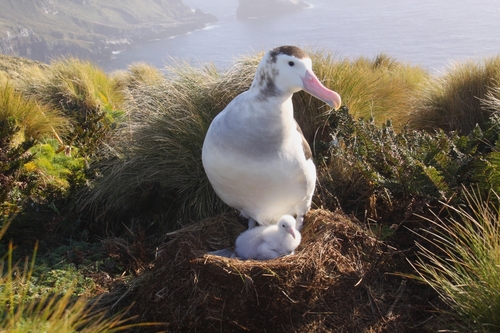
Follow the wandering albatross into its world
The stories it is part of, with the threats and what helps.
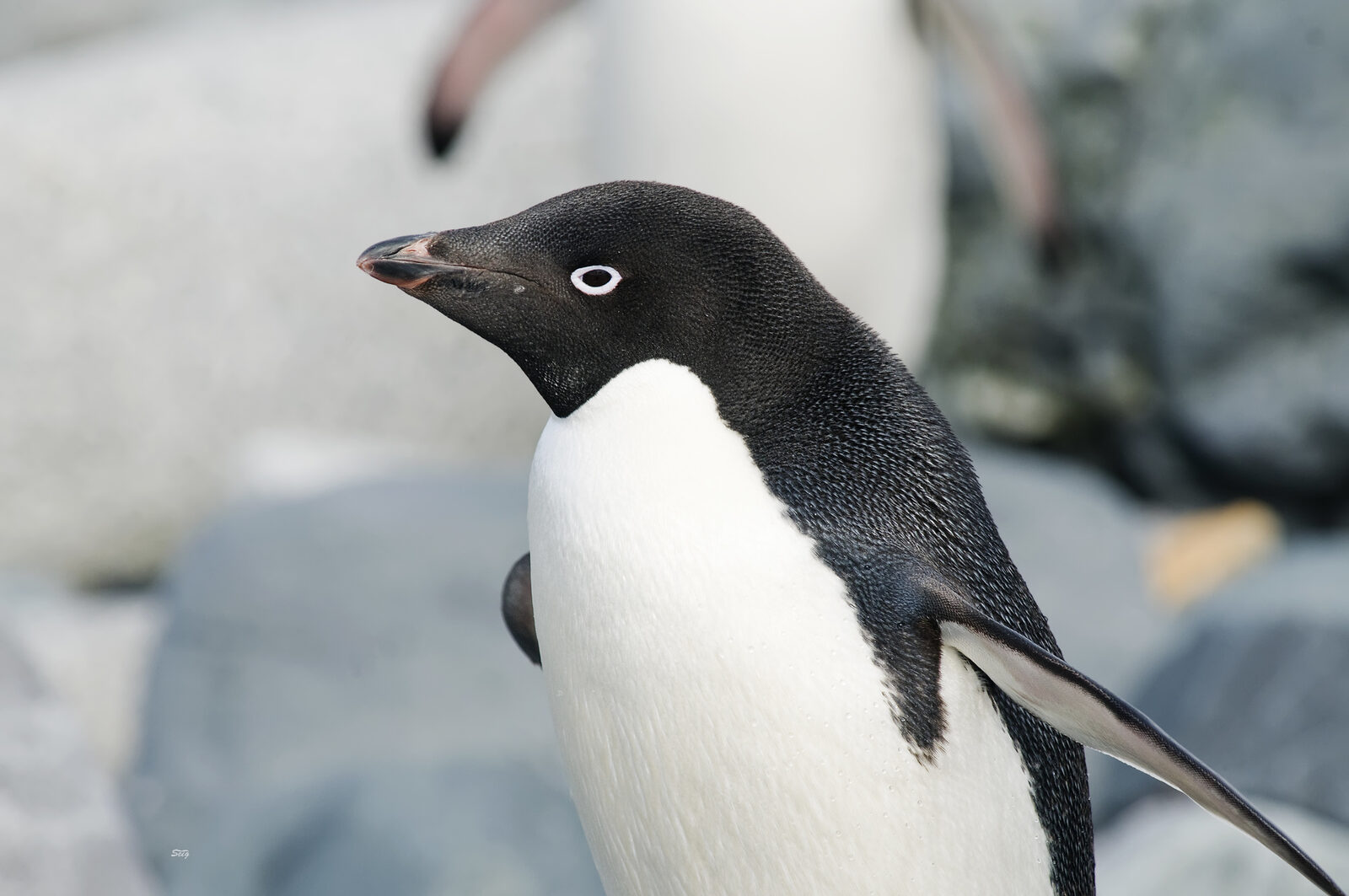
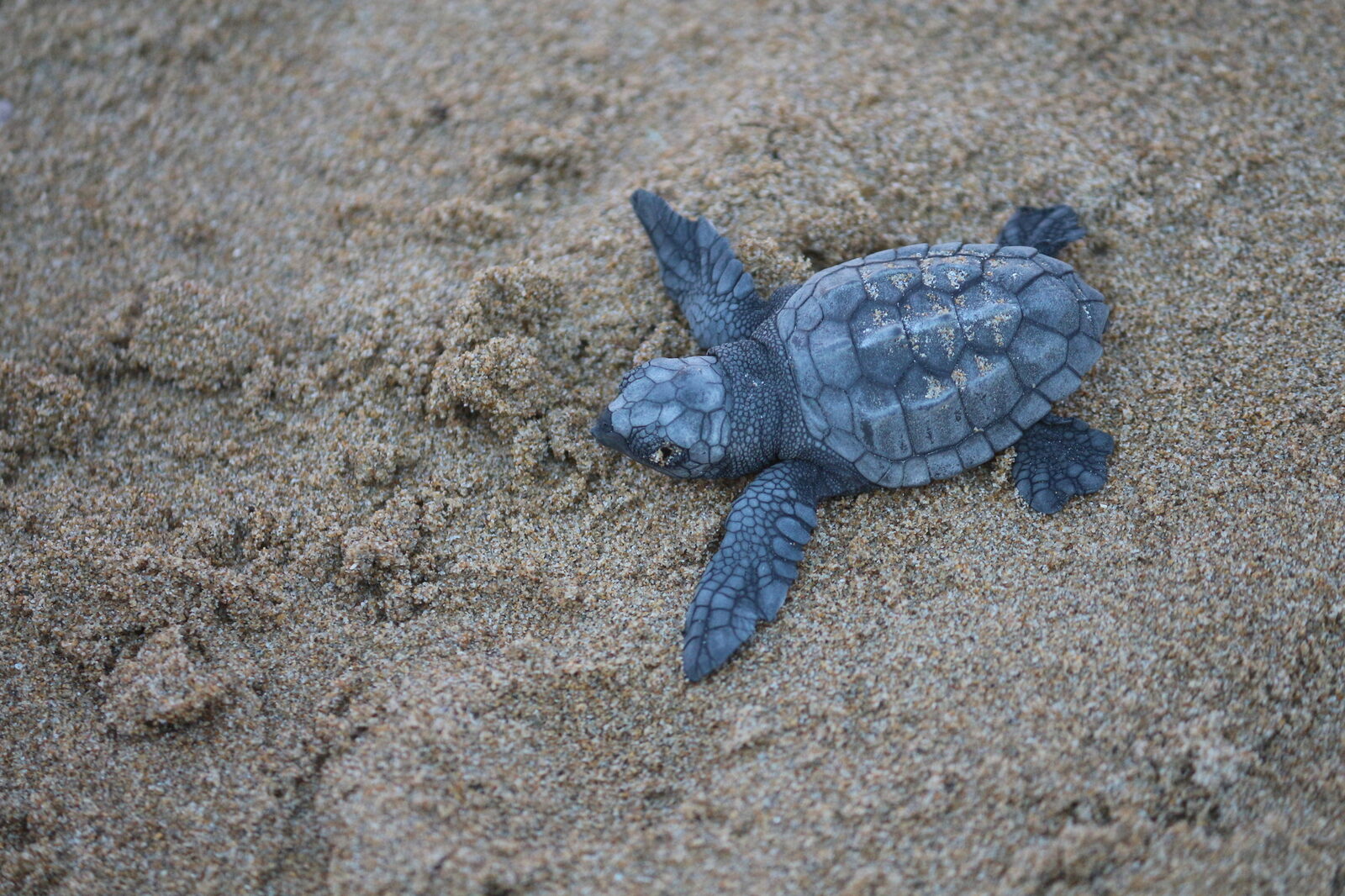
Seen a wandering albatross?
Share your photo on iNaturalist. Other naturalists help confirm it, and the record goes to GBIF, where scientists use it and where the maps on this page come from.
Put this species on your site
The card names every source and links back here.
<iframe src="https://4planetatlas.com/place/embed/species/wandering-albatross" title="Wandering albatross (Diomedea exulans), 4PLANET Species" width="100%" height="600" style="border:0;max-width:640px" loading="lazy"></iframe>
<p><a href="https://4species.com/wandering-albatross">Wandering albatross on 4PLANET Species</a></p>Questions people ask
What does the wandering albatross eat?
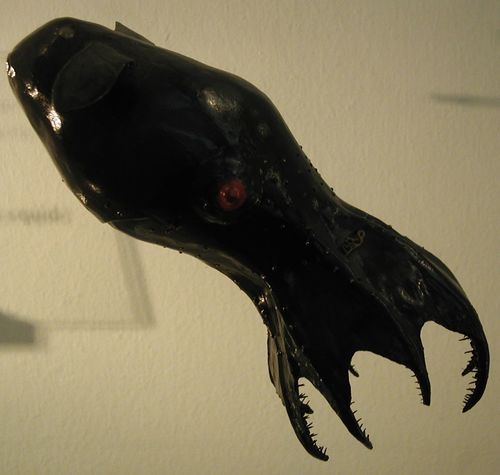
The wandering albatross has been recorded eating 65 different kinds of animals and plants, most of them octopus and squid, fish and crustaceans. The ones recorded most often are antarctic krill, argentine shortfin squid, colossal squid, vampire squid and patagonian toothfish; records include animals eaten as carrion. Source: GloBI.
Where does the wandering albatross live?
People have recorded it in 15 countries; the most records come from Unknown Region, South Georgia & South Sandwich Islands, Australia, Chile and Falkland Islands. Records show where people have seen it, not its full range.
When is the wandering albatross seen most?
In the southern hemisphere, the most records are made in January and the fewest in August. More people outdoors also means more records.
What are the wandering albatross's closest relatives?
It shares the genus Diomedea with southern royal albatross, amsterdam albatross, tristan albatross, northern royal albatross and antipodean albatross.
Sources and photo credits
- GBIF · Diomedea exulans, 6,916 human observations
- GloBI · recorded interactions of Diomedea exulans
- Wikidata · Wandering albatross (Q208682)
- Wandering albatross (Diomedea exulans): eloise kerroux, CC BY 4.0
- Adélie penguin (Pygoscelis adeliae): Seig, CC BY 4.0
- Loggerhead sea turtle (Caretta caretta): Radu Teodoreanu, CC BY 4.0
- Wandering albatross (Diomedea exulans), Prion Island, South Georgia: Liam Quinn, CC BY-SA 4.0
- Wandering albatross (Diomedea exulans), Bay of Isles, South Georgia and the South Sandwich Islands: Dan Harville, CC BY-SA 4.0
- Wandering albatross (Diomedea exulans), Prion Island, SIQQ 1ZZ, South Georgia and the South Sandwich Islands: Brooke Smith, CC BY 4.0
- Wandering albatross (Diomedea exulans), Bay of Isles, South Georgia and the South Sandwich Islands: Dan Harville, CC BY-SA 4.0
- Wandering albatross (Diomedea exulans): Dan Harville, CC BY-SA 4.0
- Wandering albatross (Diomedea exulans), Bay of Isles, South Georgia and the South Sandwich Islands: Dan Harville, CC BY-SA 4.0
- Wandering albatross (Diomedea exulans): Kyle Bowman, CC0
- Wandering albatross (Diomedea exulans): Emily Turteltaub Nelson, CC BY 4.0
- Antarctic krill: Krill666.jpg, CC BY-SA 4.0
- Colossal squid: Victoria Klarissa de Souza, CC BY-SA 4.0
- Vampire squid: Anne-Lise Heinrichs, CC BY 4.0
- Patagonian toothfish: Francis Letourmy, CC BY-SA 4.0
- Blue antimora: Julien Savoie, CC BY 4.0
- Southern royal albatross: Alex Fergus, CC BY 4.0
- Amsterdam albatross: JJ Harrison, CC BY-SA 4.0
- Tristan albatross: michael clarke stuff, CC BY-SA 4.0
- Northern royal albatross: Christopher Stephens, CC BY-SA 4.0
- Antipodean albatross: no rights reserved, uploaded by Mark Fraser, CC0
Records show where people have seen and shared the wandering albatross, not its full range, and some countries and months are recorded far more than others. The food web lists interactions that studies have recorded somewhere in the world (GloBI), not everything it eats in one place.
Checked 2026-11-24.