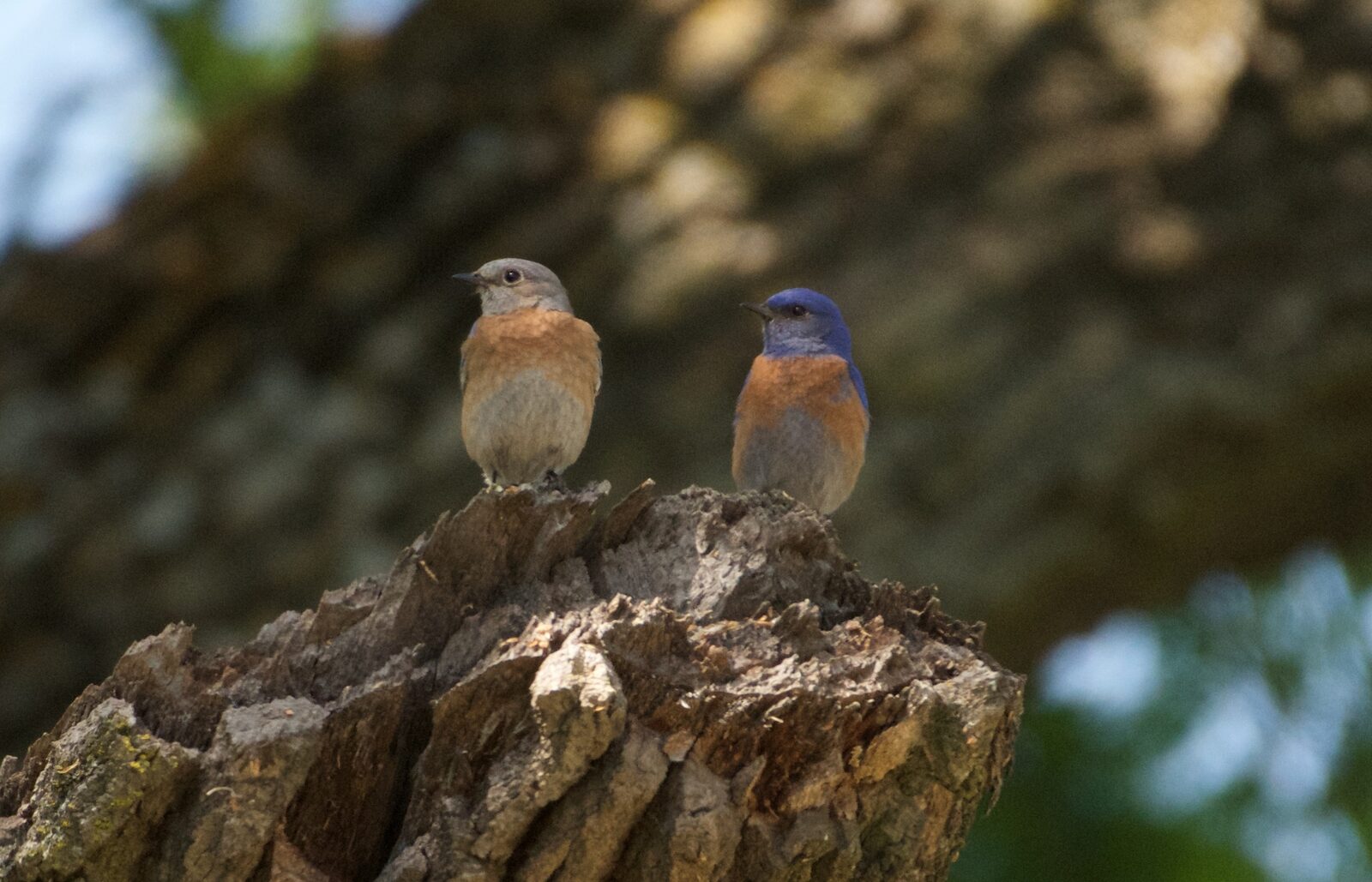
Western Bluebird
Sialia mexicana
- Status
- Least Concern IUCN Red List
- Eats
- Pacific poison oak, peppertree, Pacific serviceberry and 40 more
- Where
- 3 countries
On 4Planet Atlas it is among the wildlife people record most around Albuquerque, Denver and Las Vegas, and 4 more of the cities we cover.
People have shared 1,508,574 records of the Western Bluebird with GBIF, from 3 countries, most of them from United States, Canada and Mexico. Records collected by GloBI show it eating 43 different kinds of animals and plants.
What the western Bluebird eats, and what eats it
Studies have recorded it eating 43 kinds of animals and plants. Tap any of them to follow the food chain.
- Insects 24
- Plants 14
- Crustaceans 1
- Earthworms 1
- Spiders and mites 1
Western Bluebird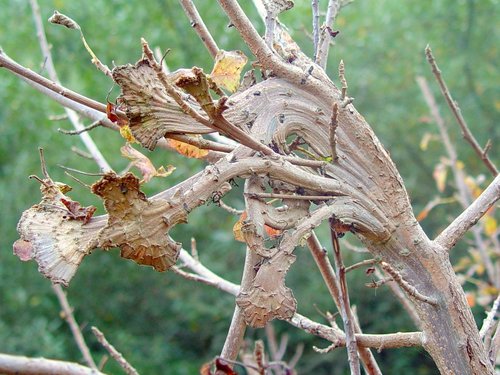
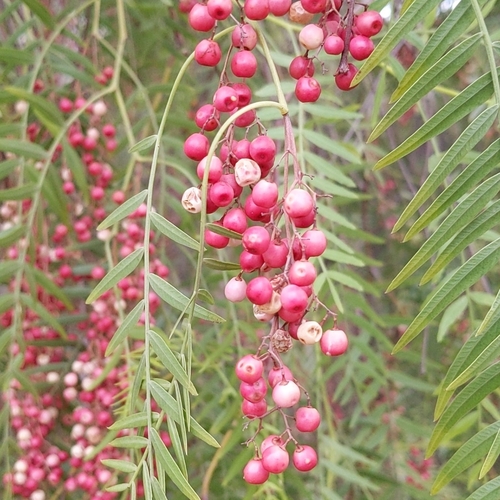
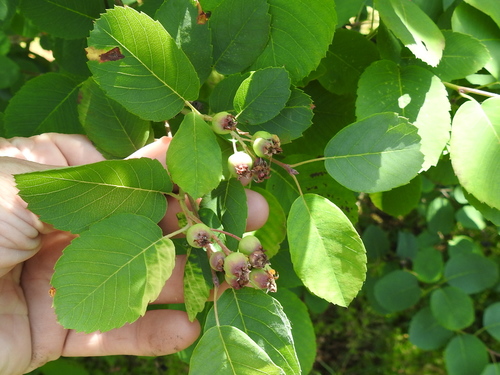
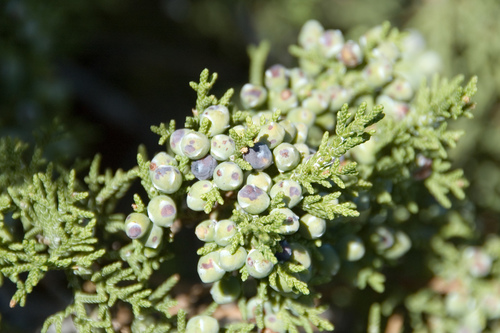
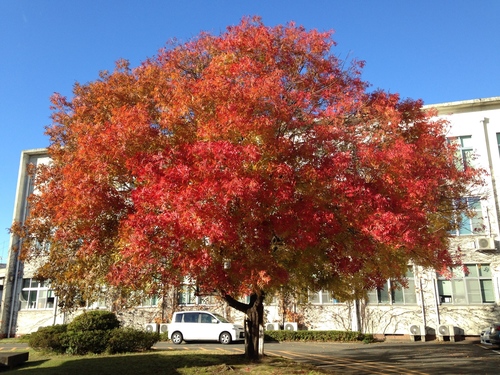
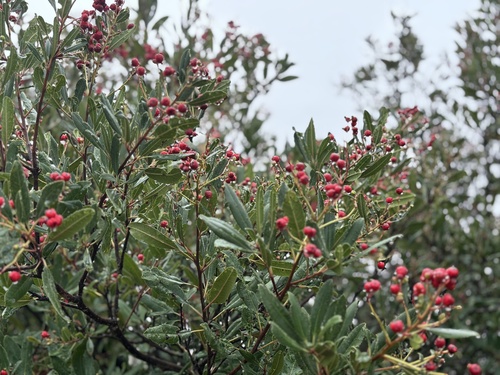
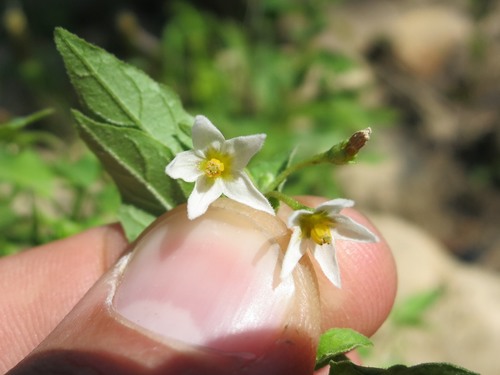

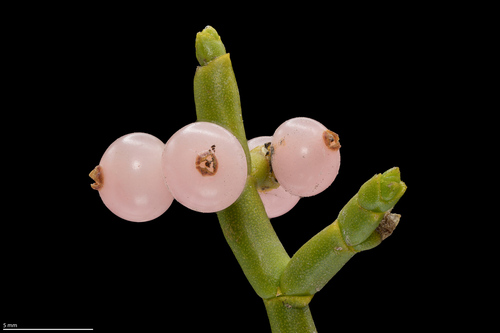
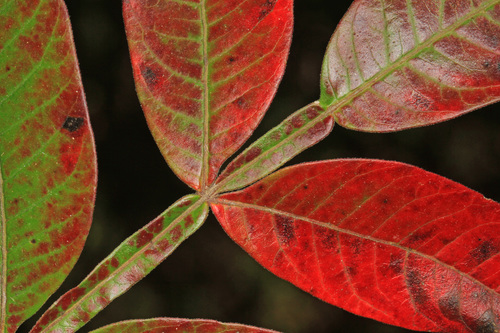
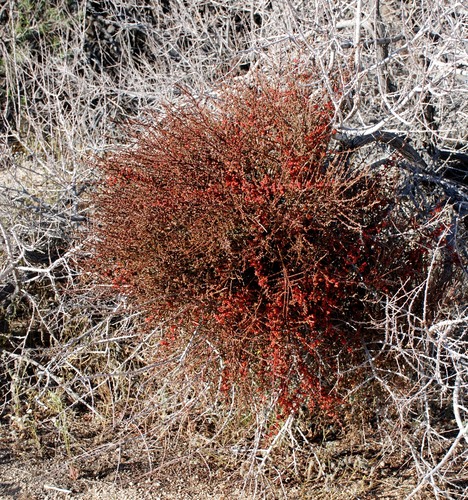
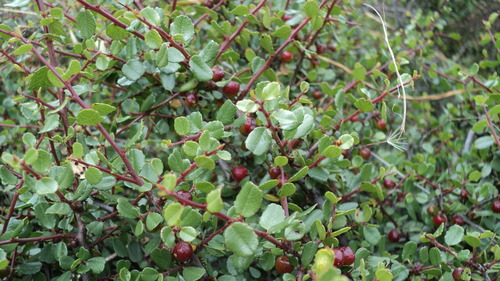
Records from studies worldwide, collected by GloBI. They include animals eaten as carrion, and they are not everything it eats in one place.
Where people see the western Bluebird
People have shared 1,508,574 records from 3 countries.
Near a city: Albuquerque, Denver, Las Vegas, Portland, San Diego, San Francisco, San Jose.
Records show where people have seen it and shared it, not its full range. Country names open their page in Atlas.
When it is seen
Records per month in the northern hemisphere. More people outdoors also means more records.
Watch and listen
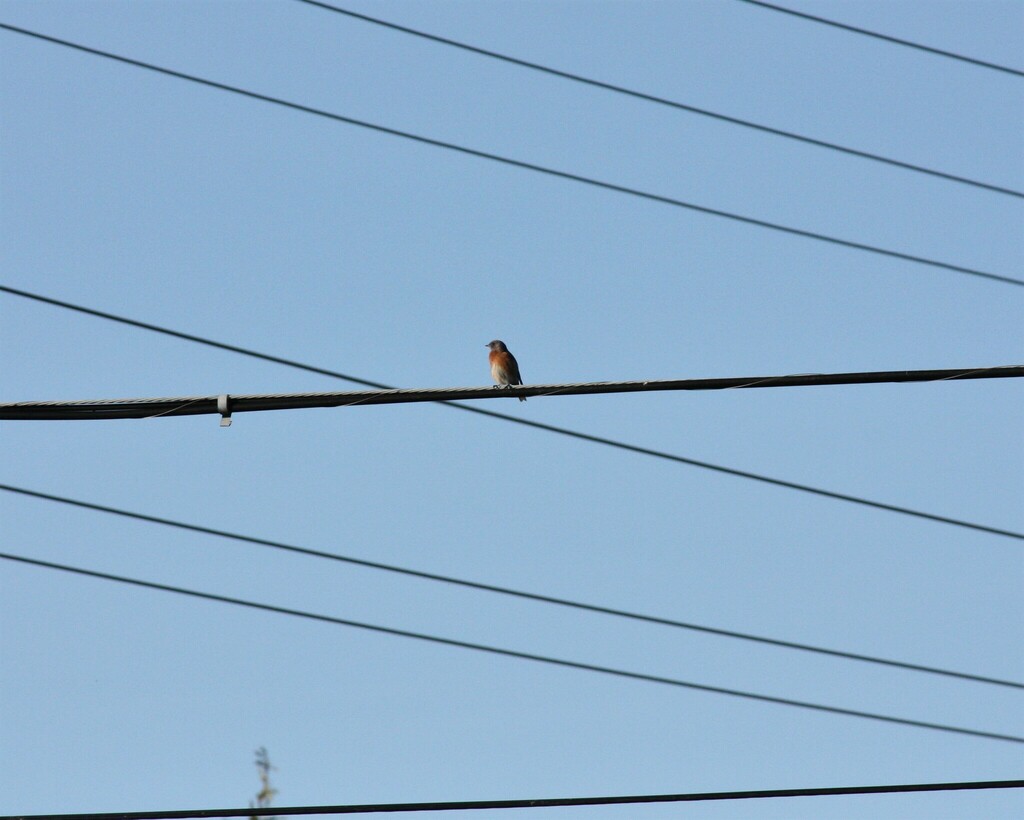
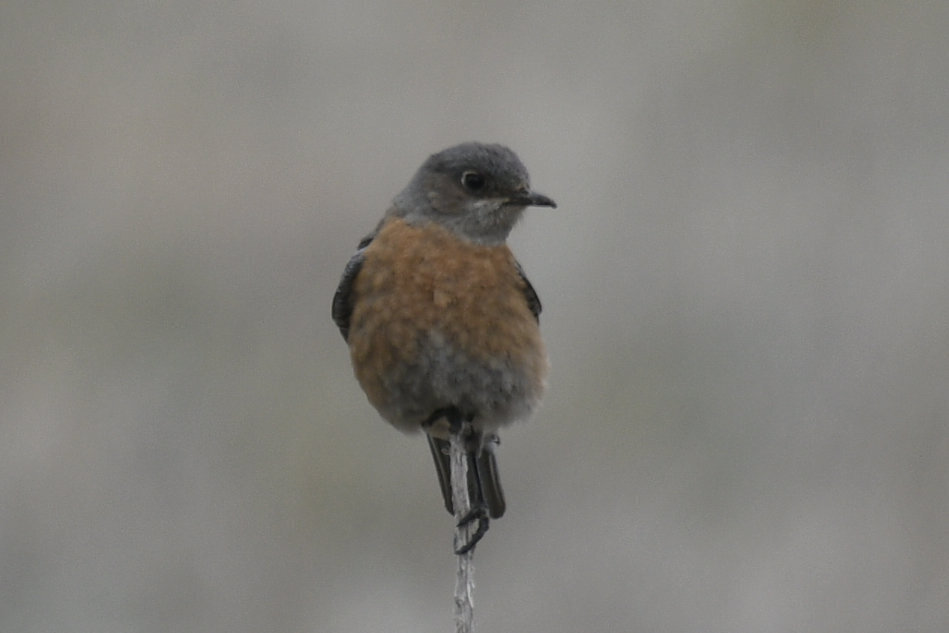
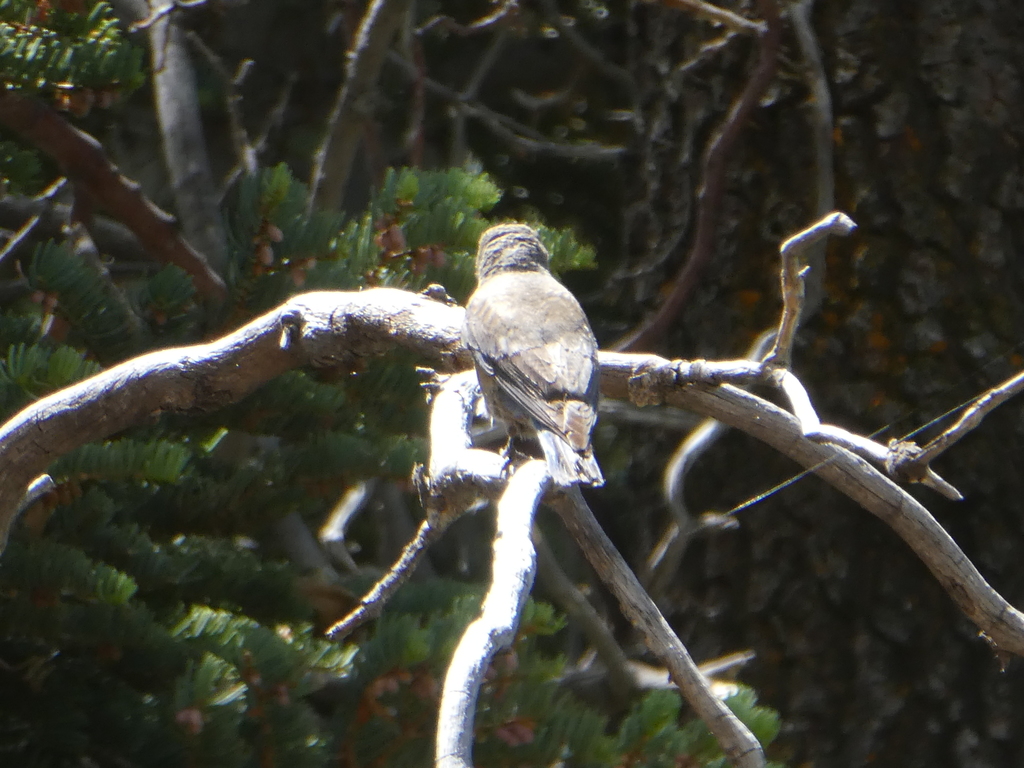
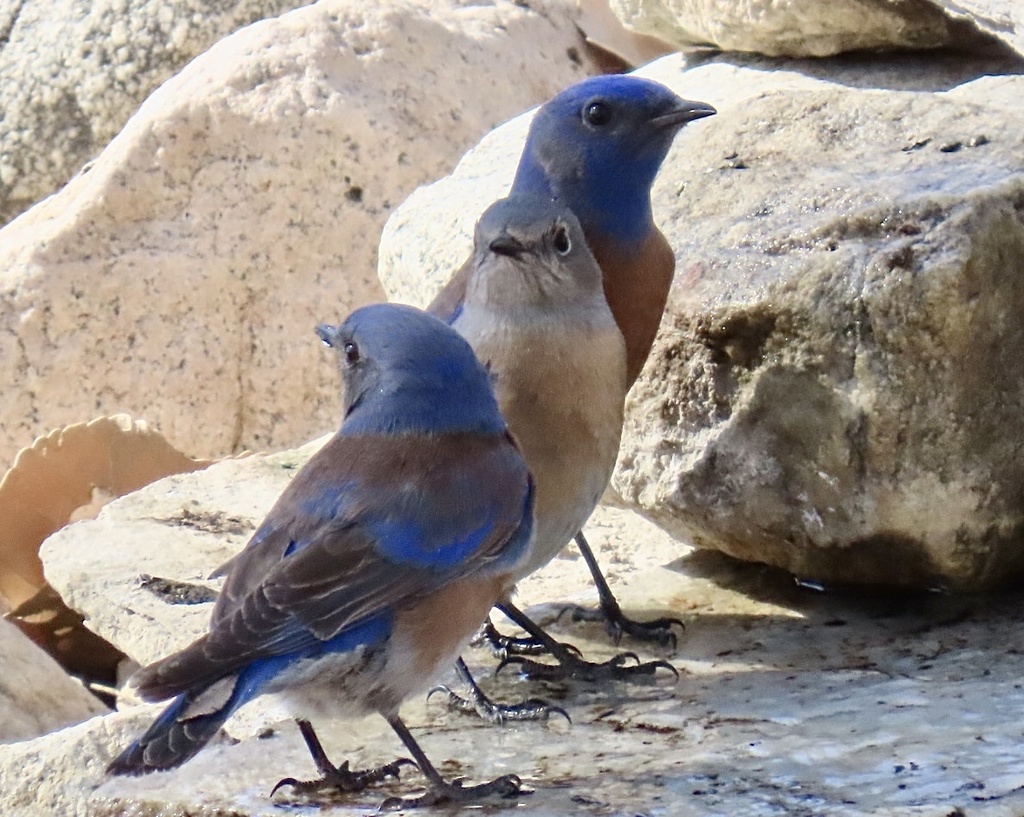
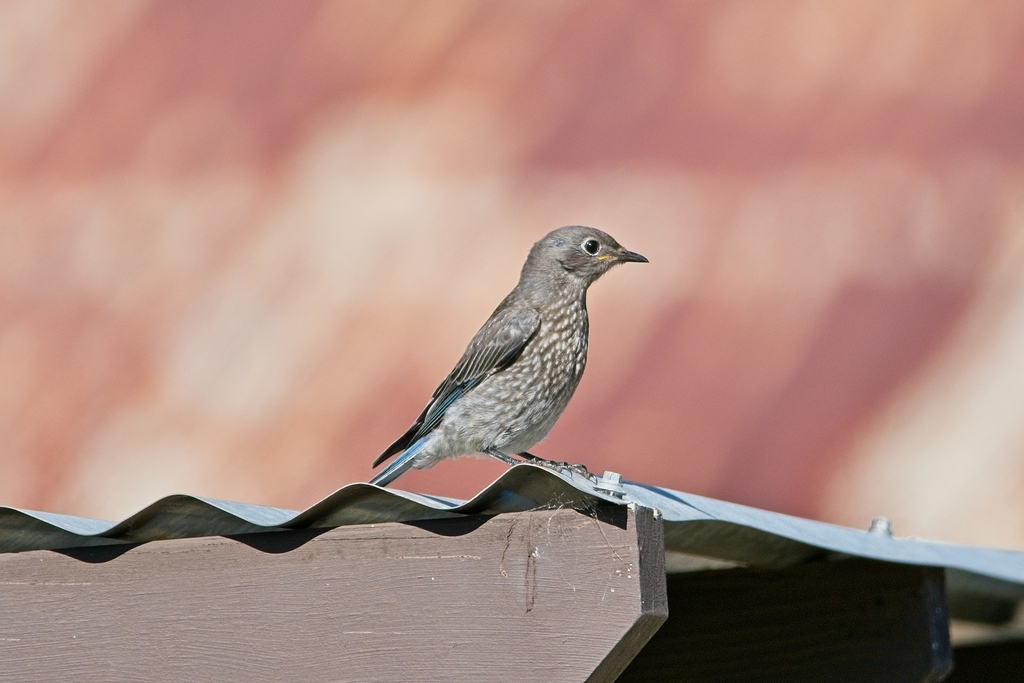
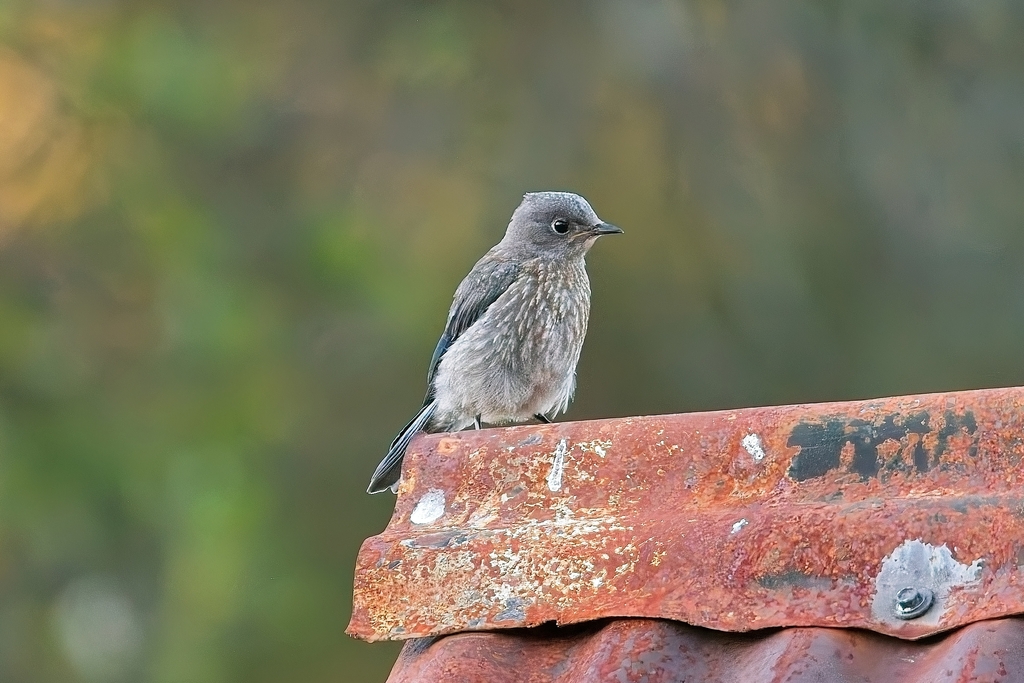
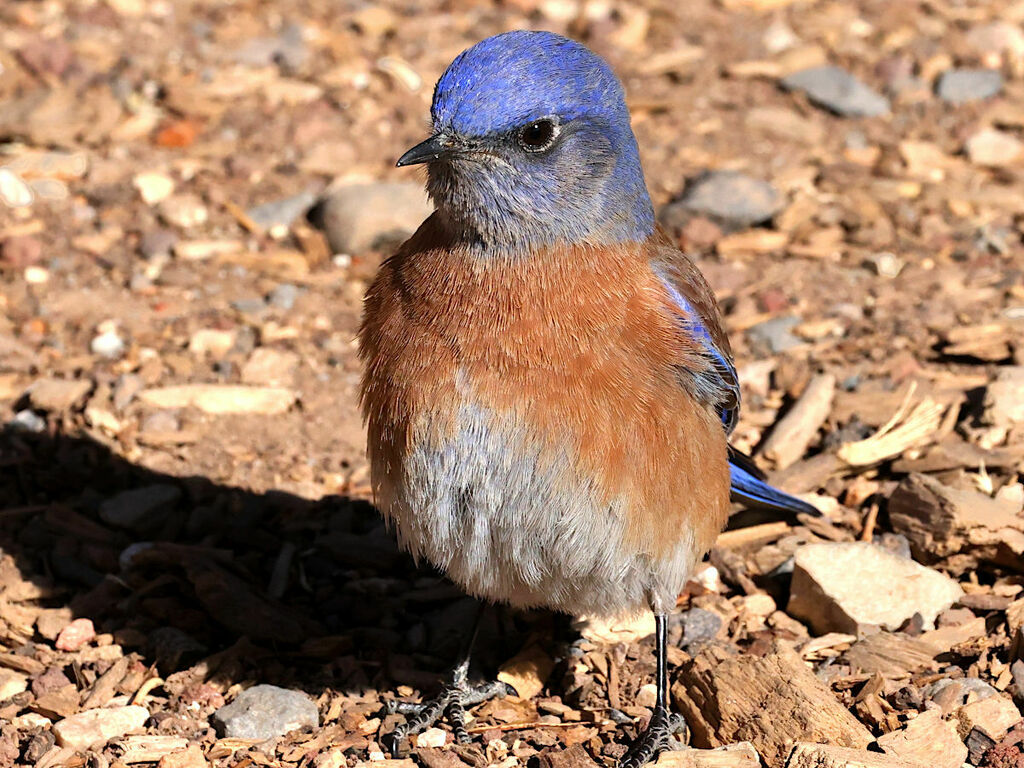
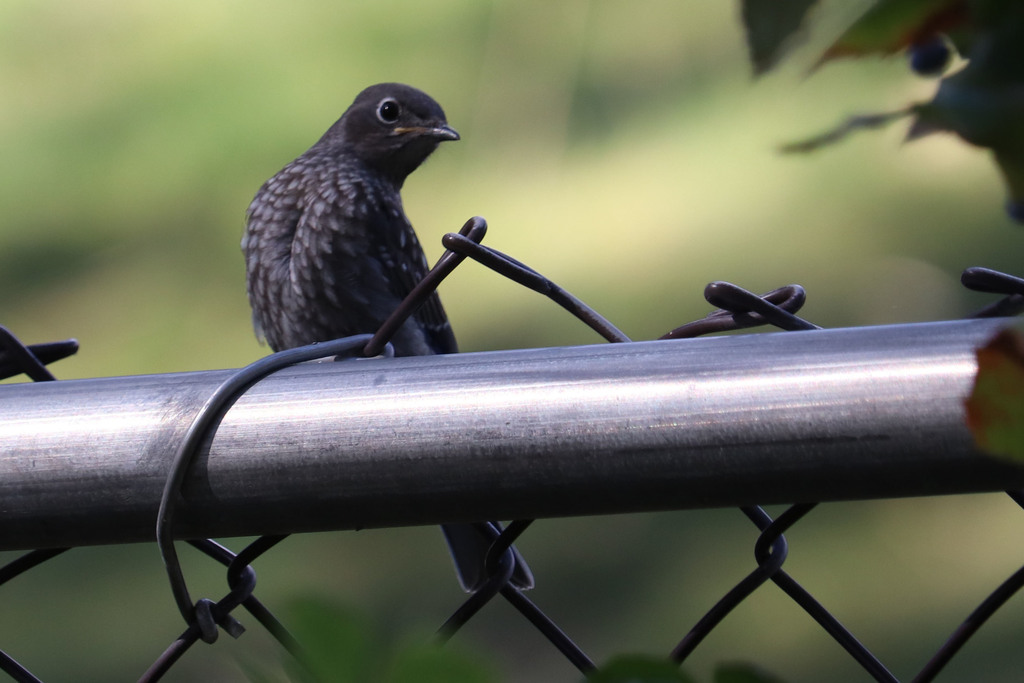
Seen a western Bluebird?
Share your photo on iNaturalist. Other naturalists help confirm it, and the record goes to GBIF, where scientists use it and where the maps on this page come from.
Put this species on your site
The card names every source and links back here.
<iframe src="https://4planetatlas.com/place/embed/species/western-bluebird" title="Western Bluebird (Sialia mexicana), 4PLANET Species" width="100%" height="600" style="border:0;max-width:640px" loading="lazy"></iframe>
<p><a href="https://4species.com/western-bluebird">Western Bluebird on 4PLANET Species</a></p>Questions people ask
What does the Western Bluebird eat?
The Western Bluebird has been recorded eating 43 different kinds of animals and plants, most of them insects, plants, crustaceans and earthworms. The ones recorded most often are pacific poison oak, peppertree, pacific serviceberry, oneseed juniper and chinese pistache; records include animals eaten as carrion. Source: GloBI.
Where does the Western Bluebird live?
People have recorded it in 3 countries; the most records come from United States, Canada and Mexico. Records show where people have seen it, not its full range.
When is the Western Bluebird seen most?
In the northern hemisphere, the most records are made in April and the fewest in August. More people outdoors also means more records.
Sources and photo credits
- GBIF · Sialia mexicana, 1,508,574 human observations
- GloBI · recorded interactions of Sialia mexicana
- Wikidata · Western Bluebird (Q882923)
- Western Bluebird (Sialia mexicana): Jonathan Eisen, CC BY 4.0
- Western Bluebird (Sialia mexicana), Capital, BC, Canada: Aiva Noringseth, CC BY 4.0
- Western Bluebird (Sialia mexicana), Larimer County, CO, USA: Joshua Smith, CC0
- Western Bluebird (Sialia mexicana), Pine Knot Trail, San Bernardino County, CA, USA: Eric Johnson, CC BY 4.0
- Western Bluebird (Sialia mexicana), Big Morongo Canyon Preserve, Morongo Valley, CA, US: Irene, CC0
- Western Bluebird (Sialia mexicana), Sugarloaf Ridge State Park, 2605 Adobe Canyon Rd, Kenwood, CA 95452, USA: Dave Bishop, CC BY 4.0
- Western Bluebird (Sialia mexicana), Sugarloaf Ridge State Park, 2605 Adobe Canyon Rd, Kenwood, CA 95452, USA: Dave Bishop, CC BY 4.0
- Western Bluebird (Sialia mexicana), Grand Canyon Village, AZ 86023, USA: Peter Chen 2.0, CC BY 4.0
- Western Bluebird (Sialia mexicana), Highway 97, Kelowna, BC, Canada: Kalvin Chan, CC BY 4.0
- Pacific poison oak: Franco Folini, CC BY 4.0
- Peppertree: Vasily Reinkymov, CC0
- Pacific serviceberry: Sam Kieschnick, CC BY 4.0
- Oneseed juniper: Paul Asman and Jill Lenoble, CC BY 4.0
- Chinese pistache: そらみみ, CC BY-SA 4.0
- California-holly: Skyler K, CC BY 4.0
- Black nightshade: Evan M. Raskin, CC BY 4.0
- Blue elder: no rights reserved, uploaded by Anne Parsons, CC0
- Incense cedar mistletoe: Will Pearce, CC BY 4.0
- Shining sumac: Judy Gallagher, CC BY 4.0
- Acacia mistletoe: Jarek Tuszyński, CC BY-SA 4.0
- Hollyleaf buckthorn: Barbara Banfield, CC BY 4.0
Records show where people have seen and shared the Western Bluebird, not its full range, and some countries and months are recorded far more than others. The food web lists interactions that studies have recorded somewhere in the world (GloBI), not everything it eats in one place.
Checked 2026-11-27.