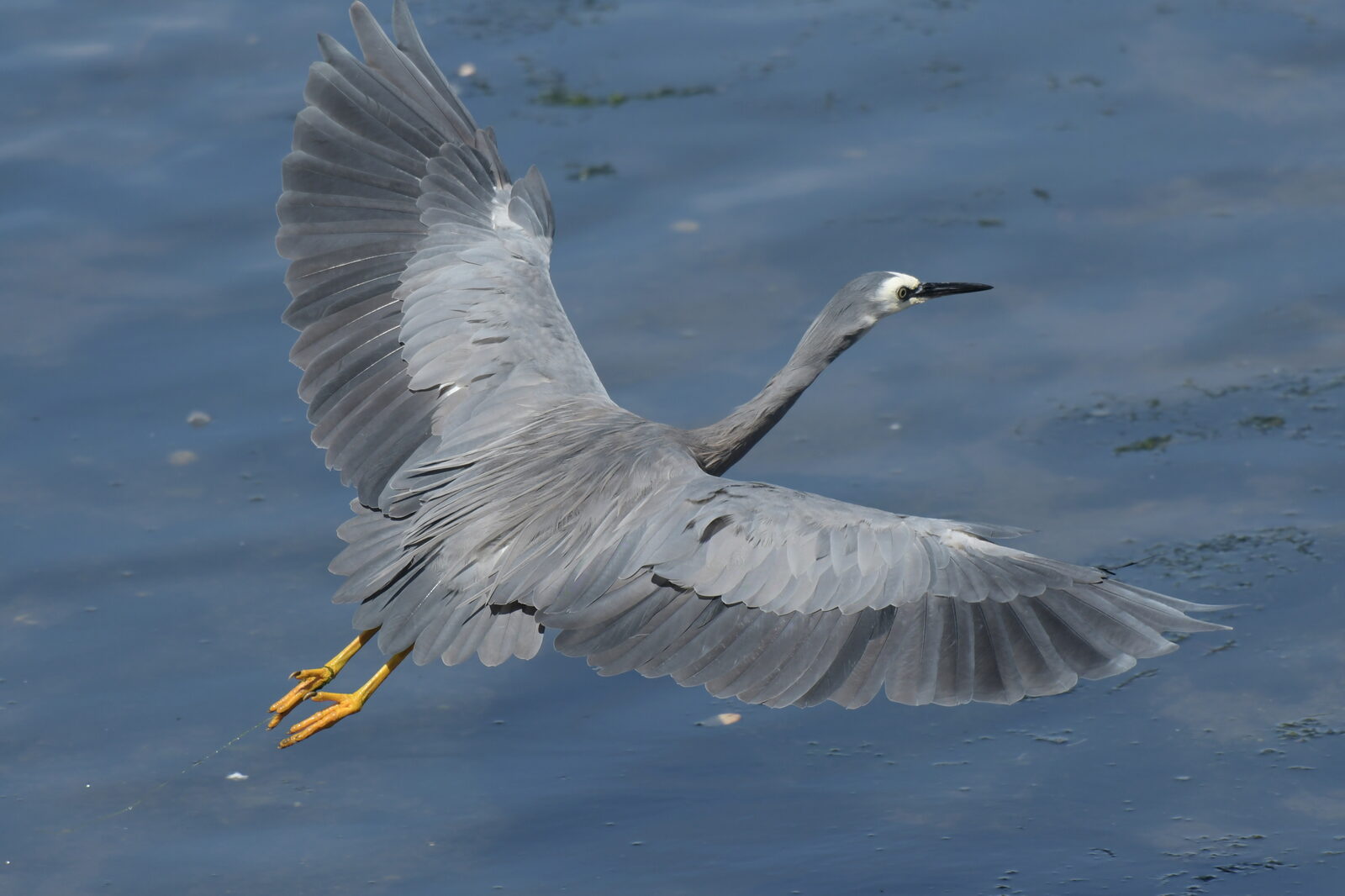
White-faced heron
Egretta novaehollandiae
- Status
- Least Concern IUCN Red List
- Eats
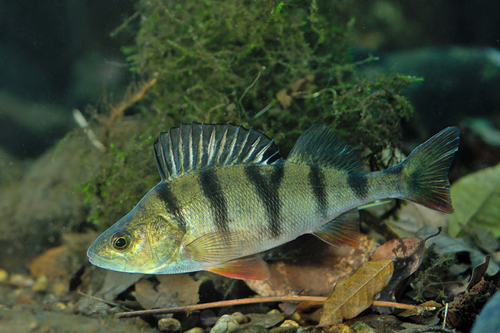
- European perch, pond loach, eastern mosquitofish and 29 more
- Eaten by
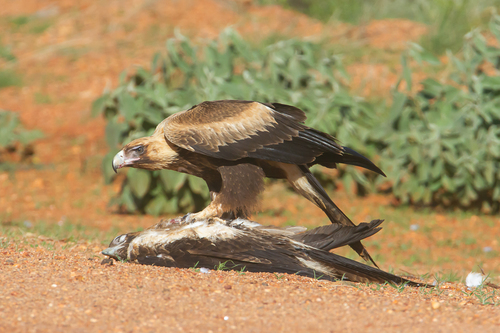
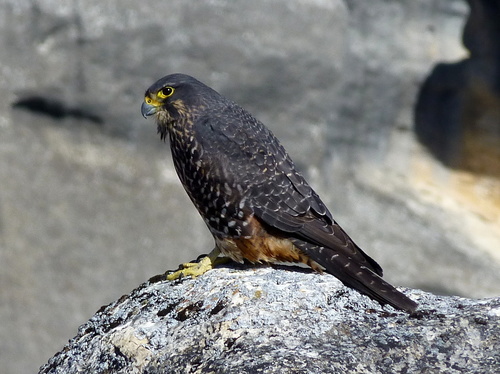
- wedge-tailed eagle, new zealand falcon
- Where
- 13 countries
On 4Planet Atlas it is among the wildlife people record most around Auckland, Brisbane and Canberra, and 6 more of the cities we cover.
People have shared 640,099 records of the white-faced heron with GBIF, from 13 countries, most of them from Australia, New Zealand and Fiji. Records collected by GloBI show it eating 32 different kinds of animals and plants, and being eaten by 2.
What the white-faced heron eats, and what eats it
Studies have recorded it eating 32 kinds of animals and plants, and 2 kinds of animals eating it. Tap any of them to follow the food chain.
- Fish 15
- Crustaceans 7
- Mammals 2
- Insects 2
- Amphibians 2
- Reptiles 2
- Worms 2
 White-faced heron
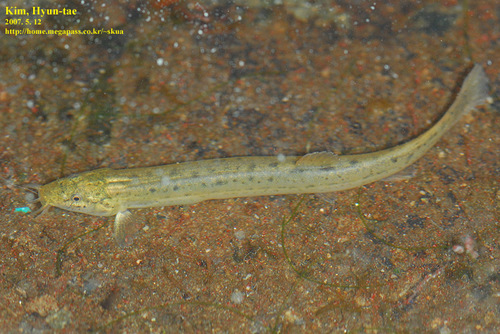
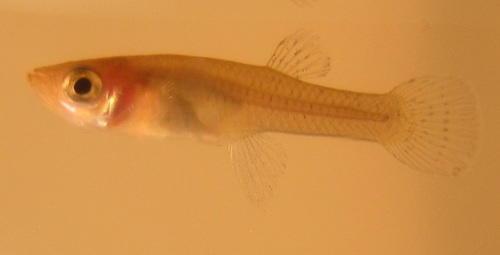
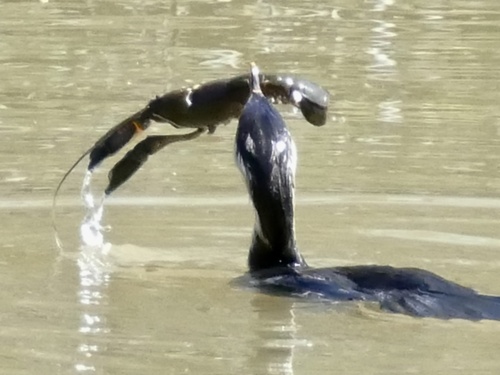
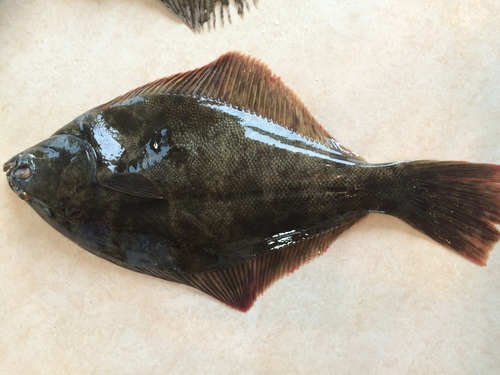

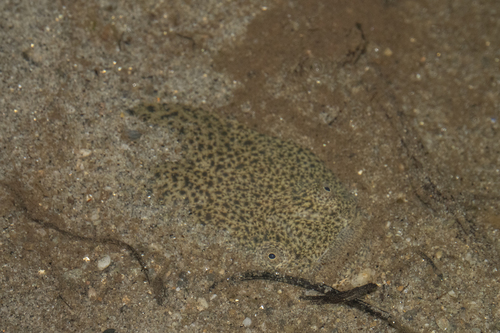
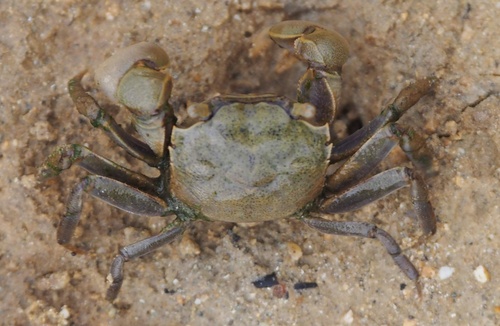
Records from studies worldwide, collected by GloBI. They include animals eaten as carrion, and they are not everything it eats in one place.
Where people see the white-faced heron
People have shared 640,099 records from 13 countries.
Near a city: Auckland, Brisbane, Canberra, Melbourne, Nukuʻalofa, Port Vila, Suva, Sydney, Wellington.
Records show where people have seen it and shared it, not its full range. Country names open their page in Atlas.
When it is seen
Records per month in the southern hemisphere. More people outdoors also means more records.
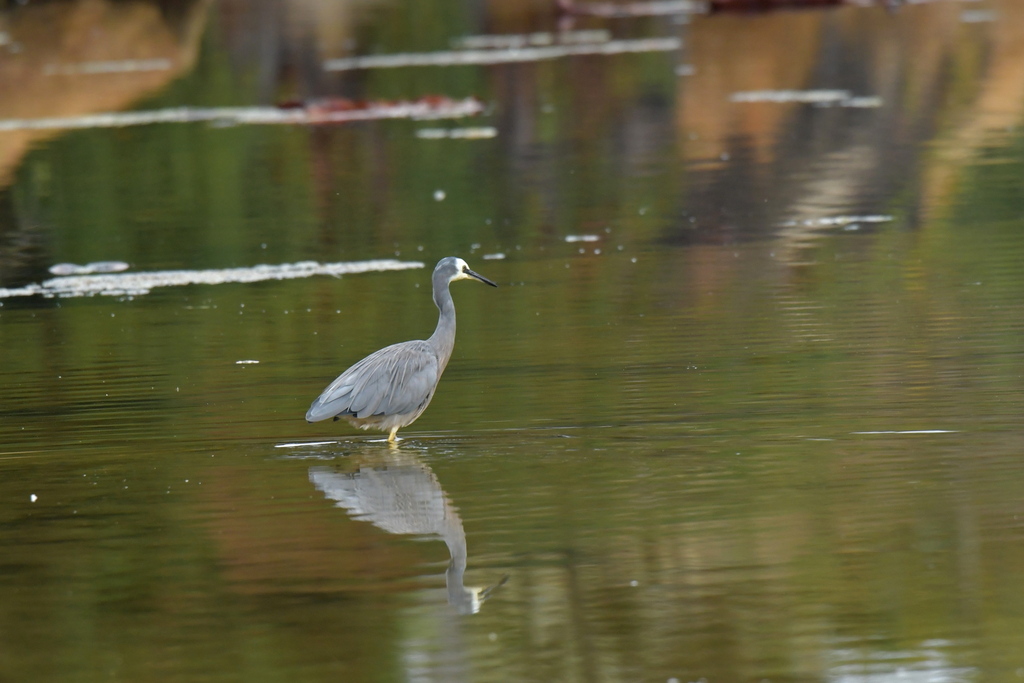
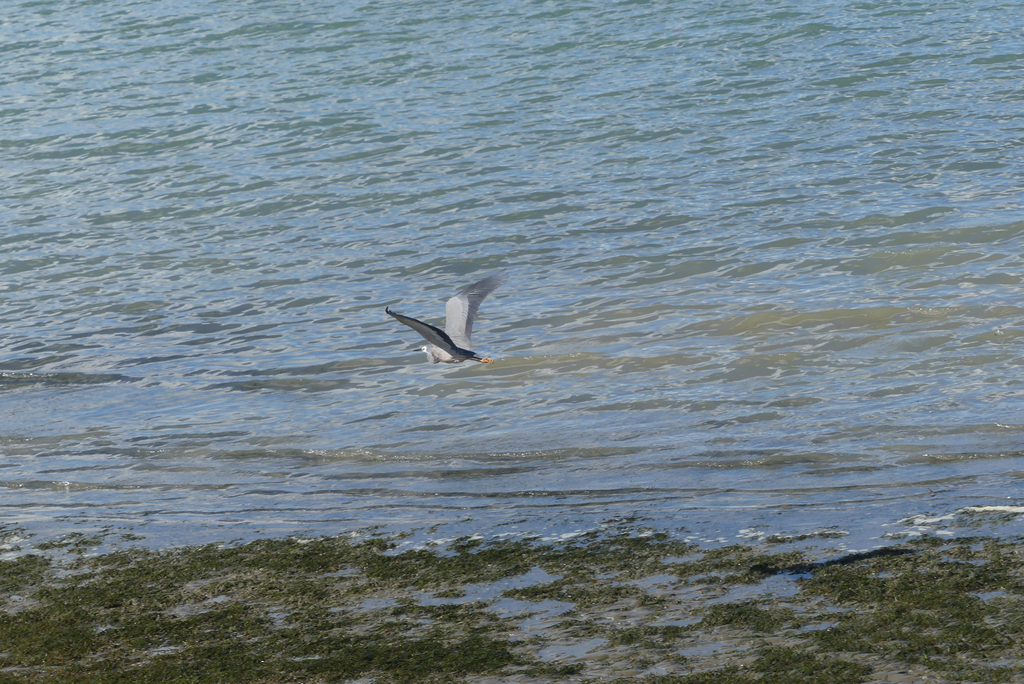
Watch and listen
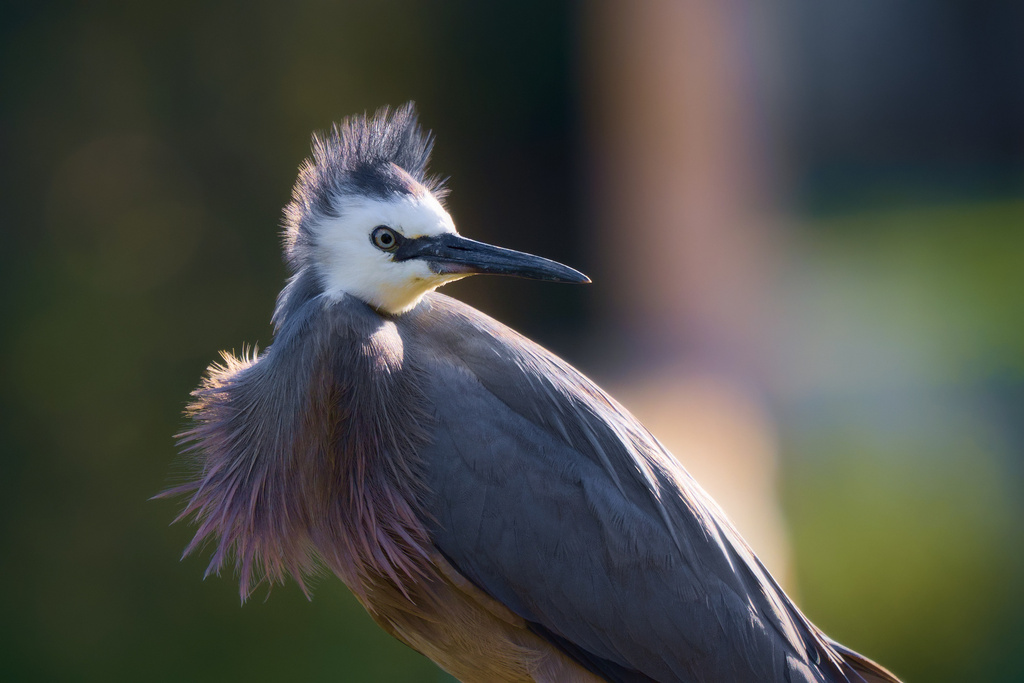
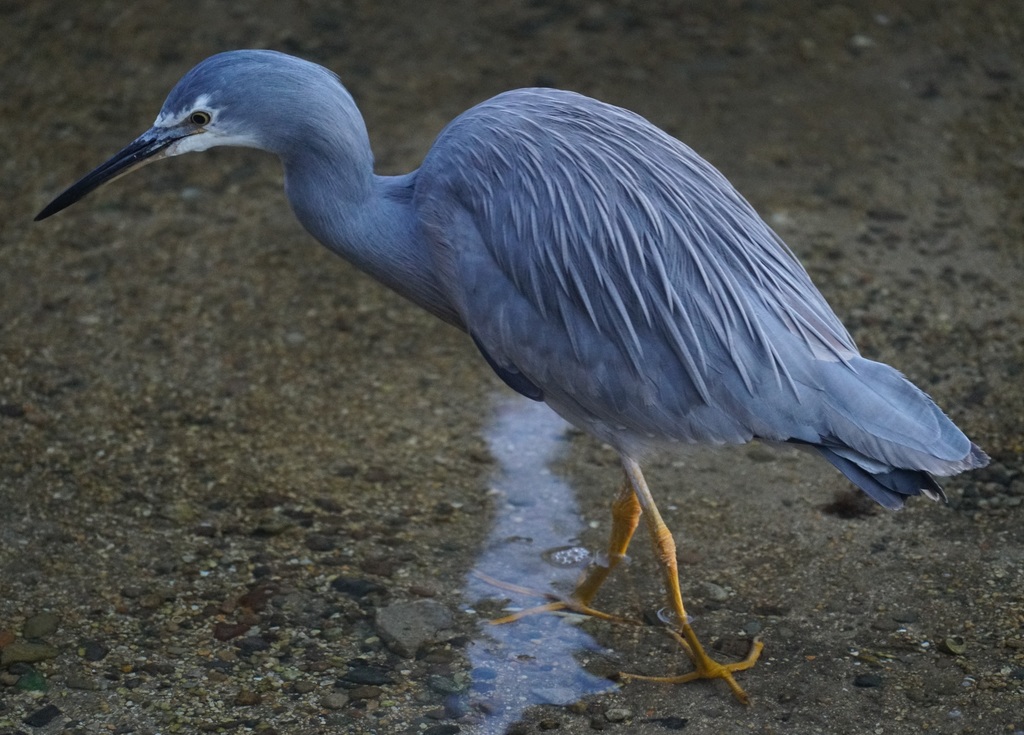
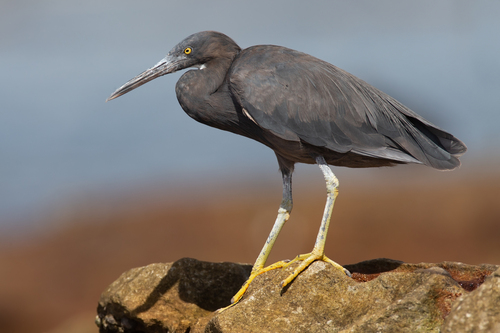
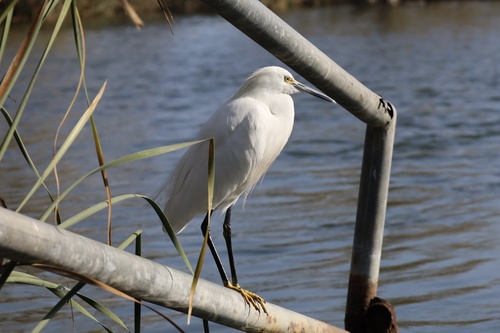
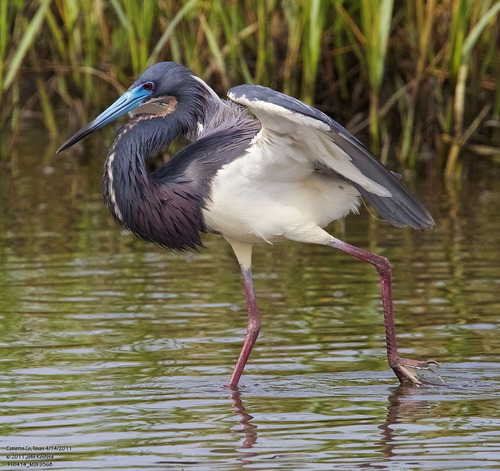
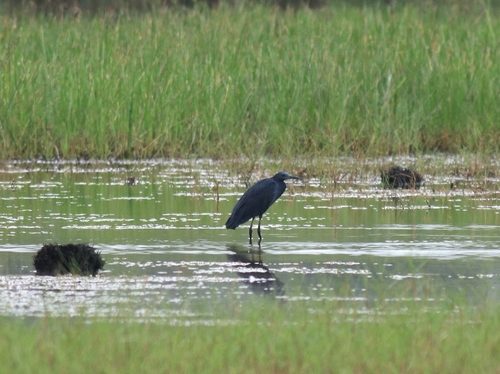
Its closest relatives
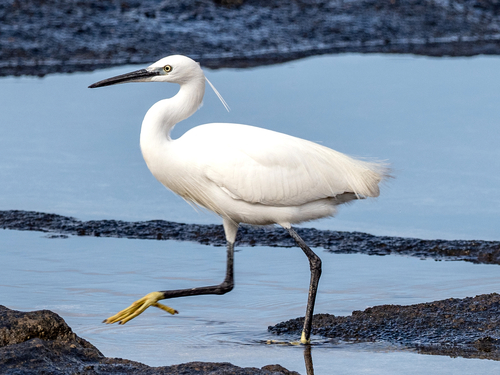
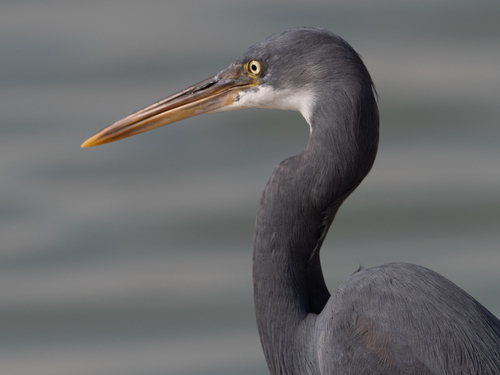
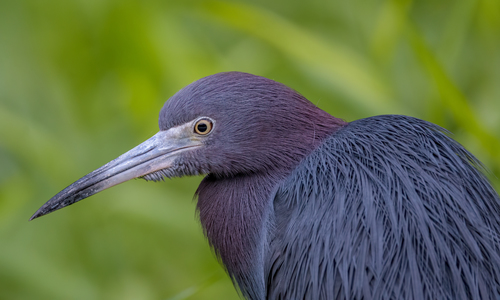
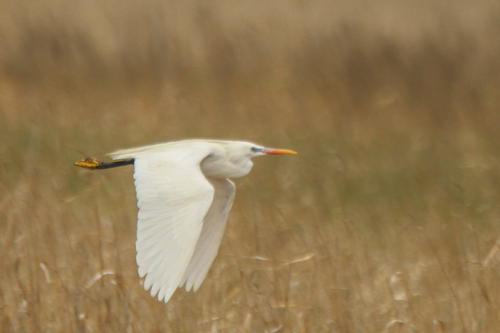
The other species of the genus Egretta.
Seen a white-faced heron?
Share your photo on iNaturalist. Other naturalists help confirm it, and the record goes to GBIF, where scientists use it and where the maps on this page come from.
Put this species on your site
The card names every source and links back here.
<iframe src="https://4planetatlas.com/place/embed/species/white-faced-heron" title="White-faced heron (Egretta novaehollandiae), 4PLANET Species" width="100%" height="600" style="border:0;max-width:640px" loading="lazy"></iframe>
<p><a href="https://4species.com/white-faced-heron">White-faced heron on 4PLANET Species</a></p>Questions people ask
What does the white-faced heron eat?
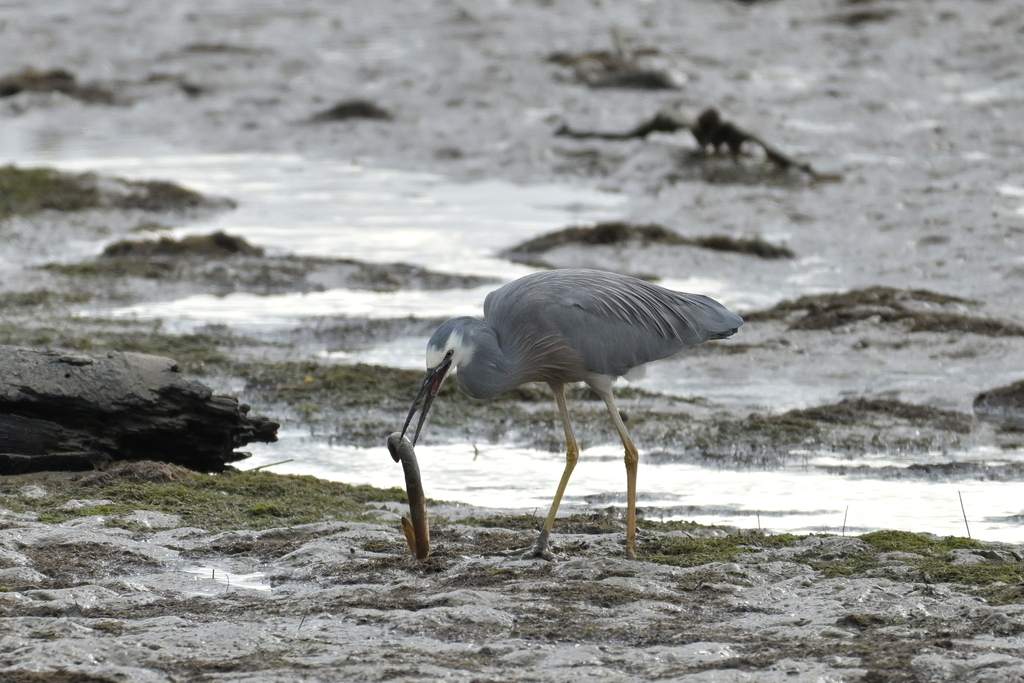
The white-faced heron has been recorded eating 32 different kinds of animals and plants, most of them fish, crustaceans, mammals and insects. The ones recorded most often are european perch, pond loach, eastern mosquitofish, common yabby and yellowbelly flounder; records include animals eaten as carrion. Source: GloBI.
What eats the white-faced heron?
Recorded predators include wedge-tailed eagle and new zealand falcon. Source: GloBI.
Where does the white-faced heron live?
People have recorded it in 13 countries; the most records come from Australia, New Zealand, Fiji, Norfolk Island and New Caledonia. Records show where people have seen it, not its full range.
When is the white-faced heron seen most?
In the southern hemisphere, the most records are made in January and the fewest in August. More people outdoors also means more records.
What are the white-faced heron's closest relatives?
It shares the genus Egretta with little egret, western reef heron, pacific reef heron, snowy egret and tricolored heron.
Sources and photo credits
- GBIF · Egretta novaehollandiae, 640,099 human observations
- GloBI · recorded interactions of Egretta novaehollandiae
- Wikidata · White-faced heron (Q392236)
- White-faced heron (Egretta novaehollandiae): Christopher Stephens, CC BY-SA 4.0
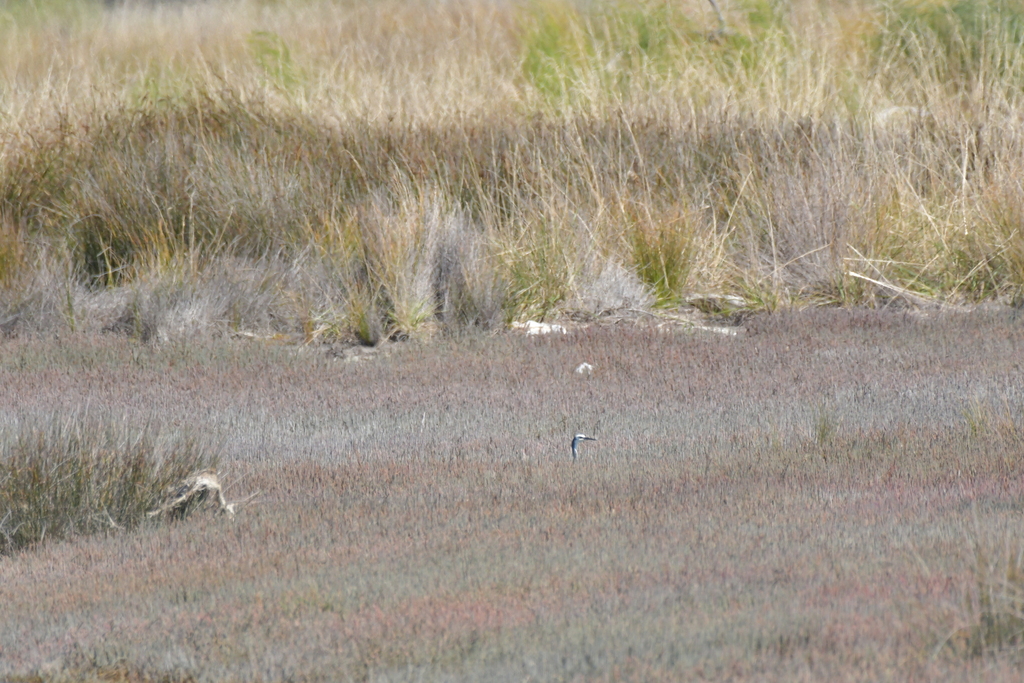
- White-faced heron (Egretta novaehollandiae), Melbourne VIC, Australia: Thomas Jaeger, CC BY 4.0
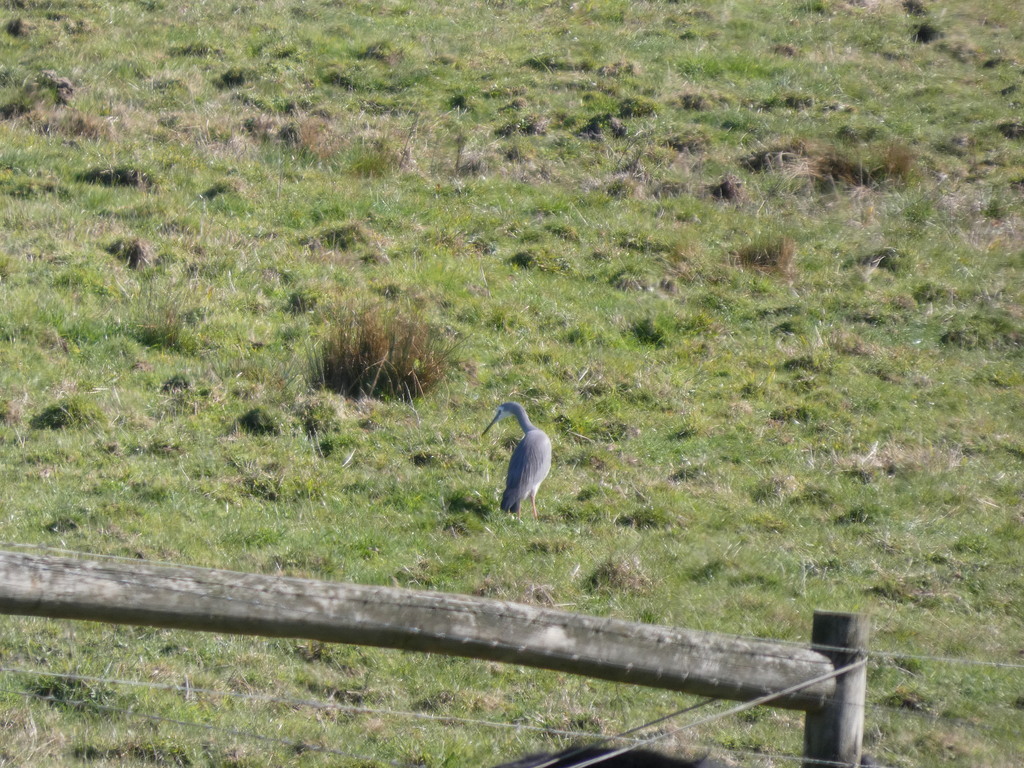
- White-faced heron (Egretta novaehollandiae), Sydney NSW, Australia: Tim, CC BY 4.0
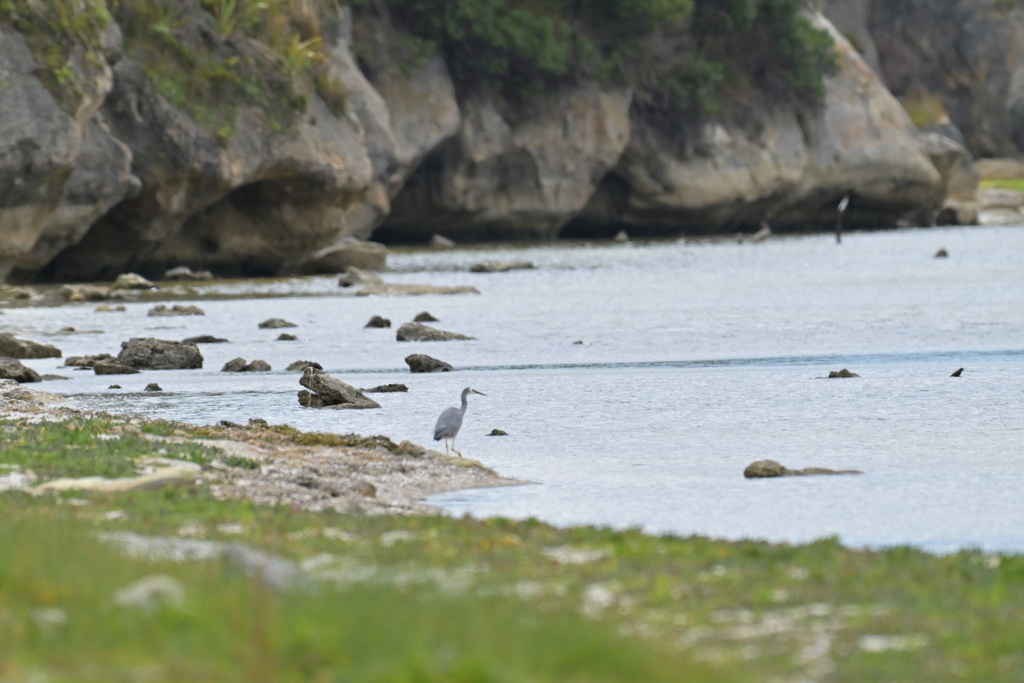
- White-faced heron (Egretta novaehollandiae), Appleby, New Zealand: Christopher Stephens, CC BY-SA 4.0
- White-faced heron (Egretta novaehollandiae), Poraiti, Napier, New Zealand: Christopher Stephens, CC BY-SA 4.0
- White-faced heron (Egretta novaehollandiae), Leongatha South VIC 3953, Australia: Liam Sultana, CC BY 4.0
- White-faced heron (Egretta novaehollandiae), Waitangi, NZ-CI, NZ: Christopher Stephens, CC BY-SA 4.0
- White-faced heron (Egretta novaehollandiae), Brighton, Dunedin, New Zealand: Christopher Stephens, CC BY-SA 4.0
- White-faced heron (Egretta novaehollandiae), Highway 1, North Shore Ward, Auckland, NZ: Charlotte Sutton, CC BY 4.0
- European perch: Gilles San Martin, CC BY-SA 4.0
- Pond loach: Kim, Hyun-tae, CC BY 4.0
- Eastern mosquitofish: no rights reserved, uploaded by Ken Kneidel, CC0
- Common yabby: John Cull, CC0
- Yellowbelly flounder: Lisa Bennett, CC BY 4.0
- New zealand smelt: On Lee Lau, CC BY 4.0
- Estuary stargazer: Sebastian Doak, CC BY 4.0
- Tunneling mud crab: Michael Berardozzi, CC BY 4.0
- Wedge-tailed eagle: dhfischer, CC BY 4.0
- New zealand falcon: Murray Dawson, CC BY 4.0
- Little egret: Bengt Nyman, CC BY 4.0
- Western reef heron: William Stephens, CC BY 4.0
- Pacific reef heron: JJ Harrison, CC BY-SA 4.0
- Snowy egret: Roberto Daniel Avila, CC BY 4.0
- Tricolored heron: John Rosford, CC BY 4.0
- Black heron: Afsar Nayakkan, CC BY 4.0
- Little blue heron: Becky Matsubara, CC BY 4.0
- Chinese egret: Andrew Bazdyrev, CC BY 4.0
Records show where people have seen and shared the white-faced heron, not its full range, and some countries and months are recorded far more than others. The food web lists interactions that studies have recorded somewhere in the world (GloBI), not everything it eats in one place.
Checked 2026-11-27.