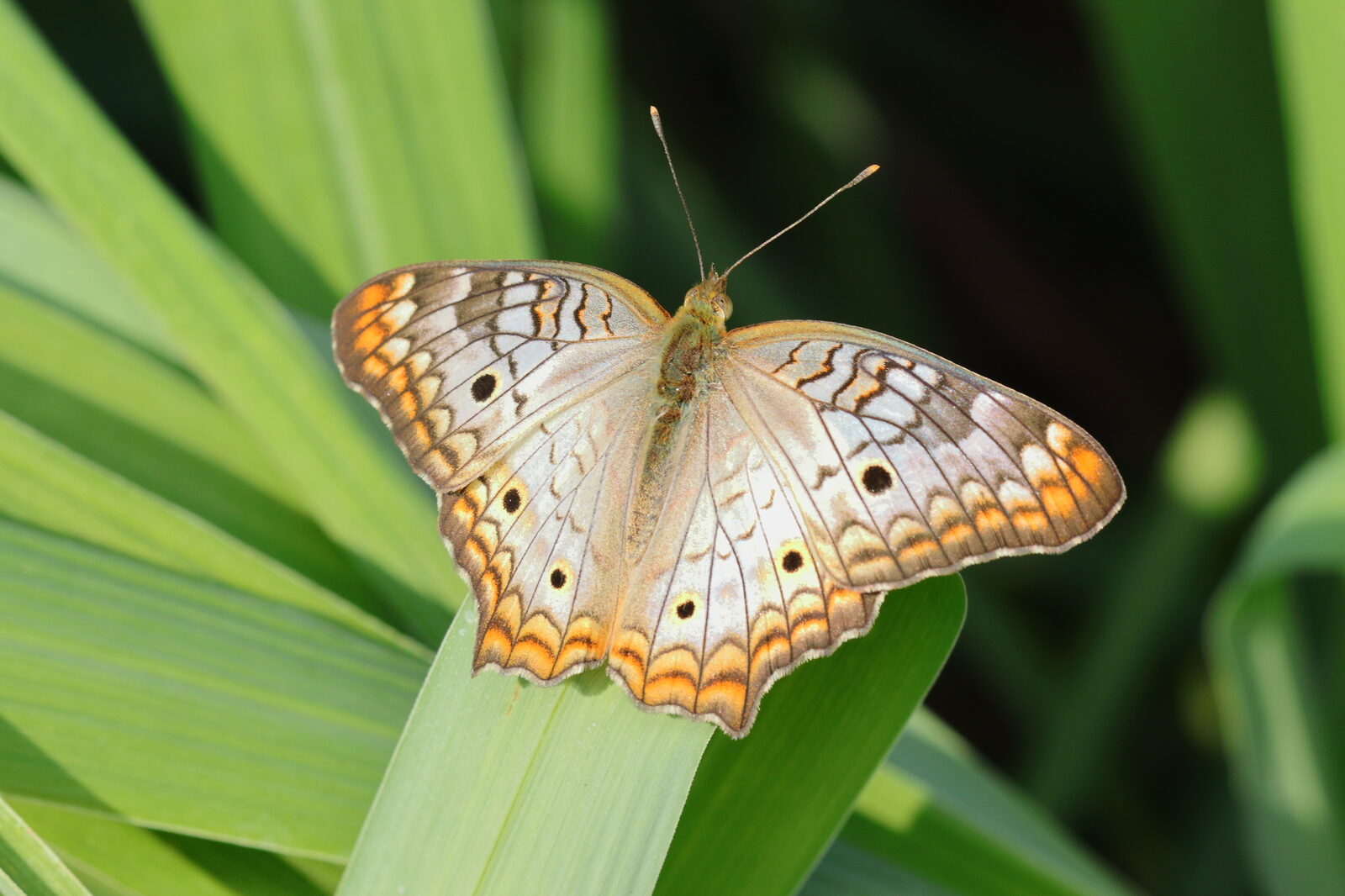
White peacock
Anartia jatrophae
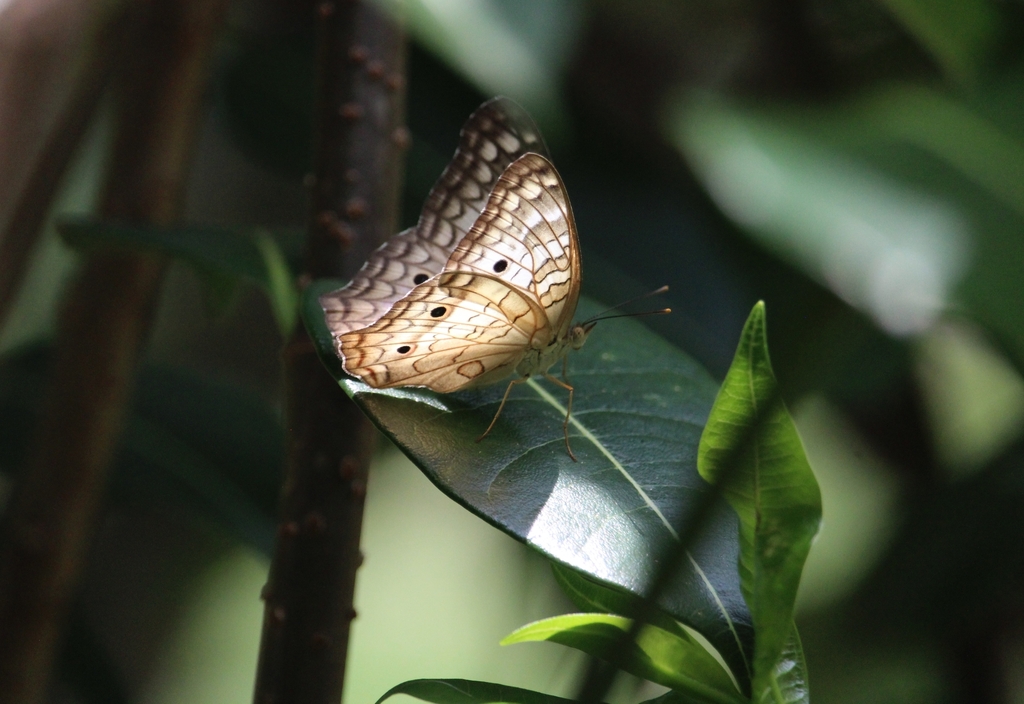
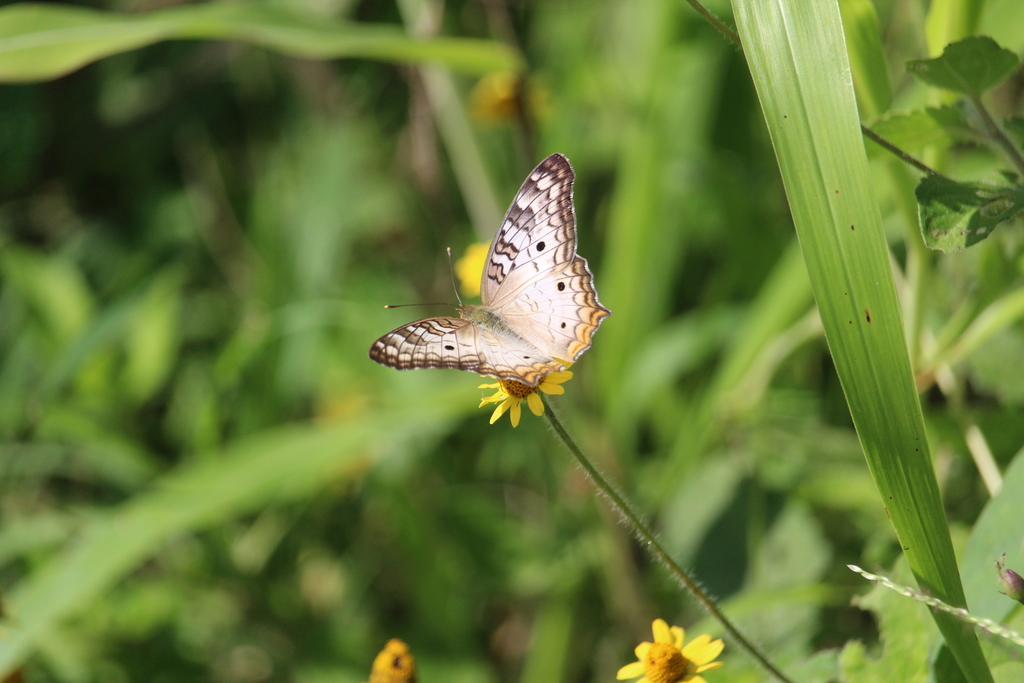
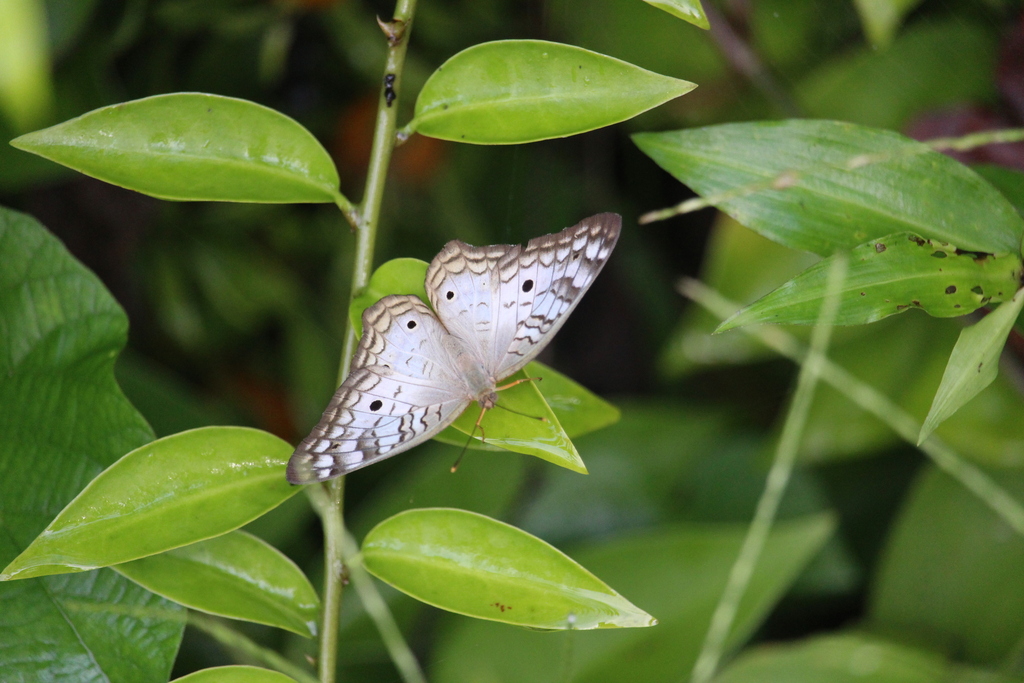
A white butterfly with brown markings and small eyespots, common in sunny open places.
- Status
- IUCN Red List
- Eats
- coat buttons, smooth beggarticks, cockscomb and 23 more
- Where
- 43 countries · tropical rainforests, Amazon rainforest
The white peacock is a butterfly of open, moist places: the edges of ponds and streams, shallow ditches, weedy fields and parks. Its caterpillars feed on water hyssop, Ruellia and Lippia.
People have shared 38,992 records of the white peacock with GBIF, from 43 countries, most of them from United States, Brazil and Mexico. Records collected by GloBI show it eating 26 different kinds of animals and plants.
Habitats
What the white peacock eats, and what eats it
Studies have recorded it eating 26 kinds of animals and plants. Tap any of them to follow the food chain.
- Plants 25
White peacock

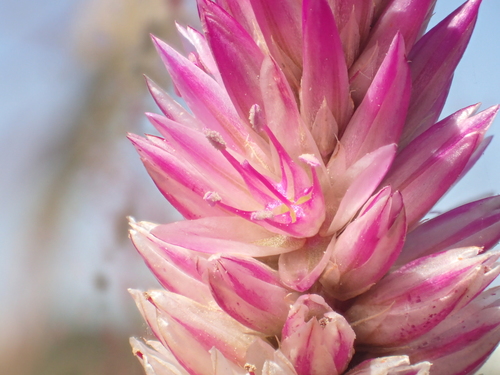
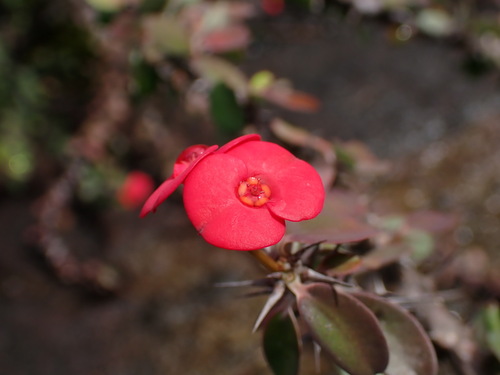

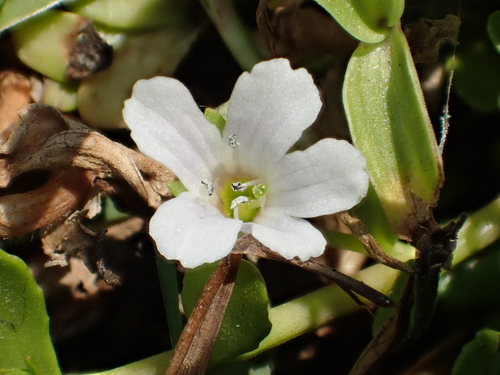

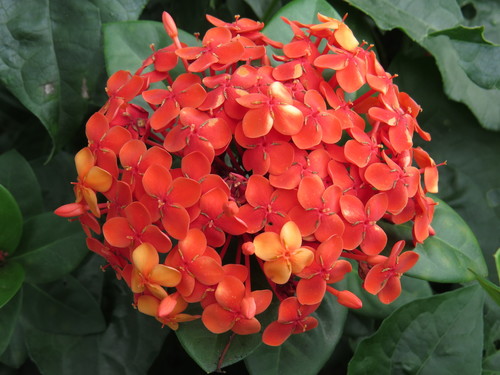
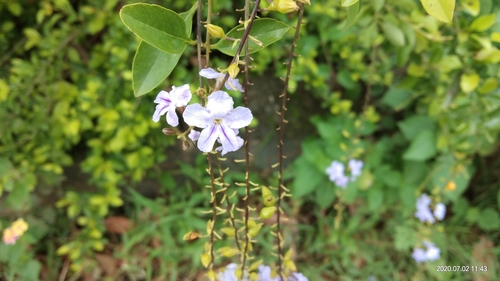
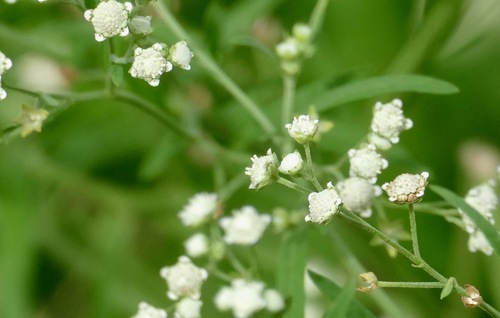
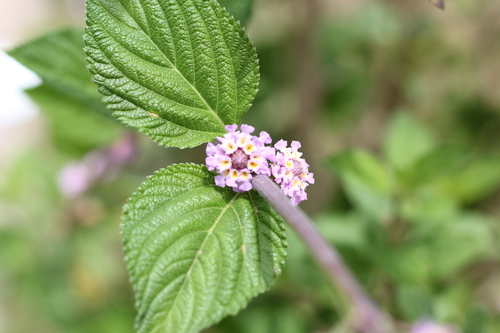
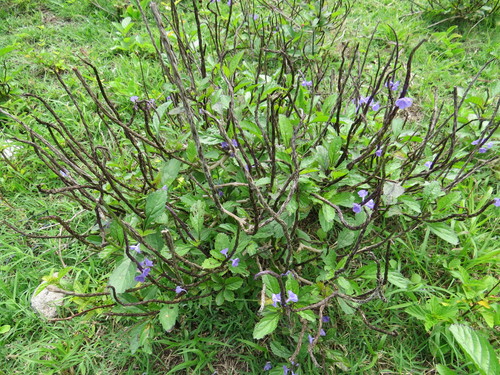
Records from studies worldwide, collected by GloBI. They include animals eaten as carrion, and they are not everything it eats in one place.
Where people see the white peacock
People have shared 38,992 records from 43 countries.
Records show where people have seen it and shared it, not its full range. Country names open their page in Atlas.
When it is seen
Records per month in the northern hemisphere. More people outdoors also means more records.
Watch and listen

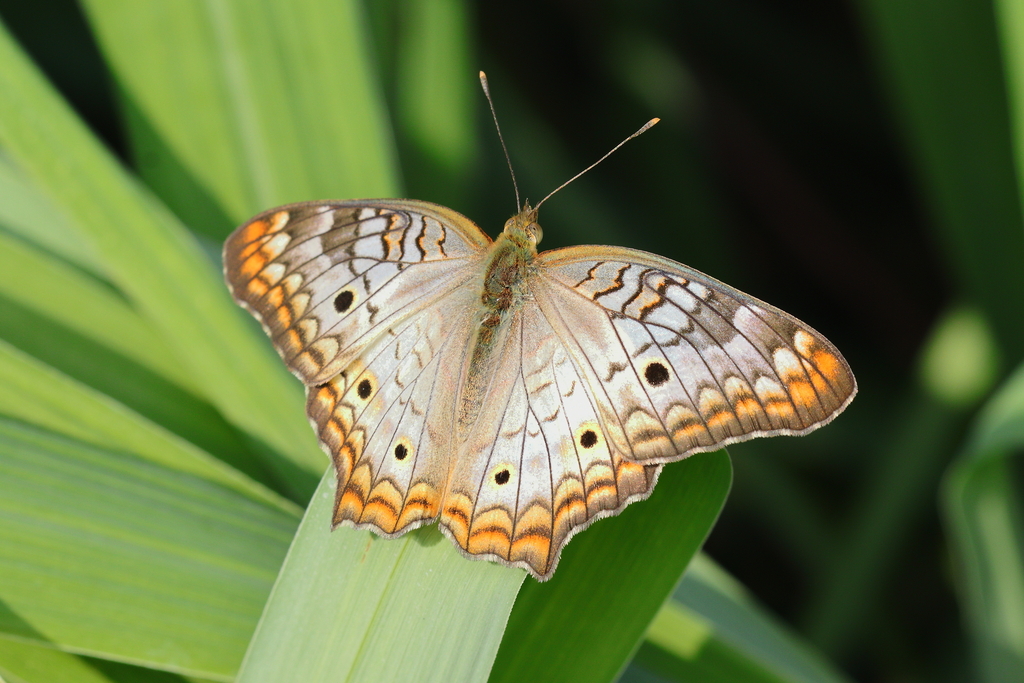
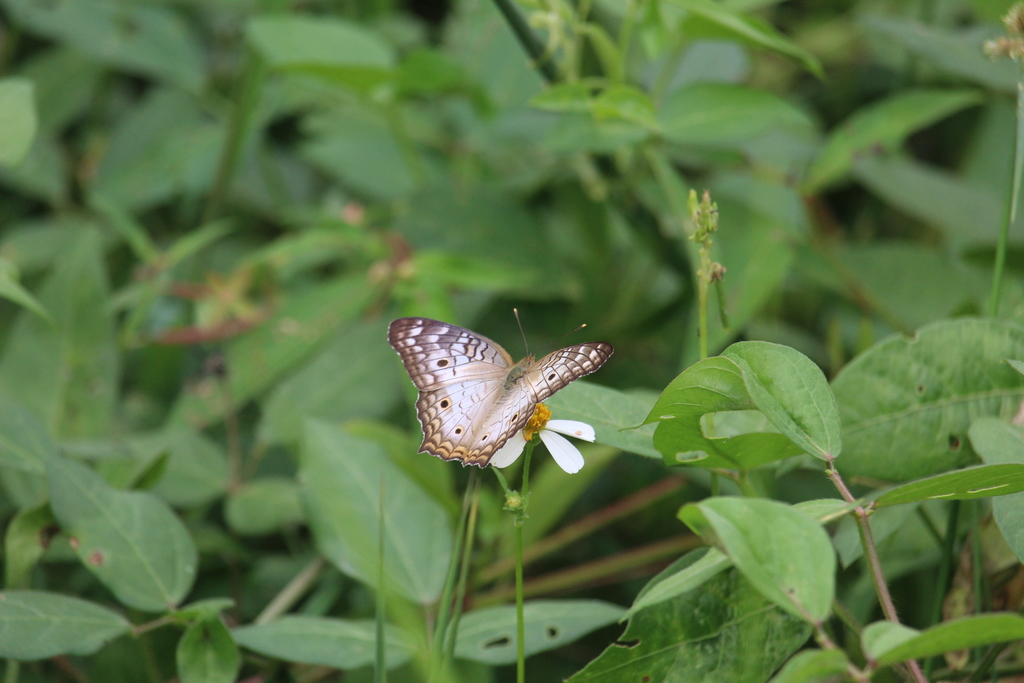
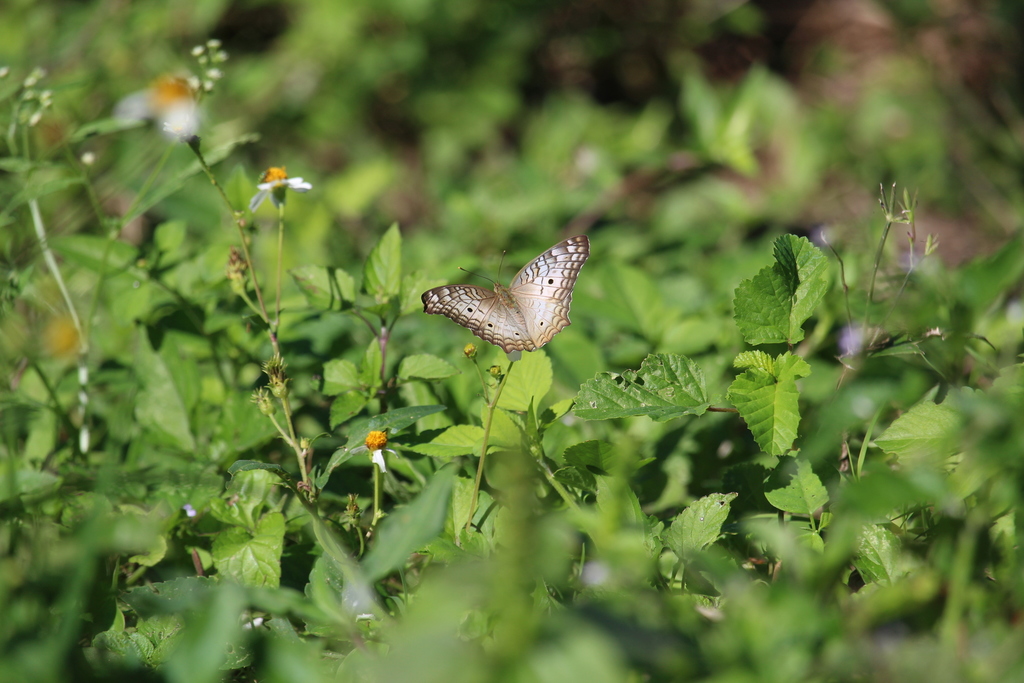
Seen a white peacock?
Share your photo on iNaturalist. Other naturalists help confirm it, and the record goes to GBIF, where scientists use it and where the maps on this page come from.
Explore next
What puts the white peacock under pressure, what helps, and who works on it.
Questions people ask
What does the white peacock eat?
The white peacock has been recorded eating 26 different kinds of animals and plants, most of them plants. The ones recorded most often are coat buttons, smooth beggarticks, cockscomb, christ's-plant and lemon beebrush; records include animals eaten as carrion. Source: GloBI.
Where does the white peacock live?
People have recorded it in 43 countries; the most records come from United States, Brazil, Mexico, Costa Rica and Panama. Records show where people have seen it, not its full range.
When is the white peacock seen most?
In the northern hemisphere, the most records are made in October and the fewest in May. More people outdoors also means more records.
Sources and photo credits
- GBIF · Anartia jatrophae, 38,992 human observations
- GloBI · recorded interactions of Anartia jatrophae
- Wikidata · White peacock (Q956166)
- Butterflies and Moths of North America · White Peacock
- White peacock (Anartia jatrophae): Carlos Alexandre Mattos Raposo, CC BY 4.0
- White peacock (Anartia jatrophae): John Rosford, CC BY 4.0
- White peacock (Anartia jatrophae), Parque do Estado, São Paulo - SP, Brasil: Carlos Alexandre Mattos Raposo, CC BY 4.0
- White peacock (Anartia jatrophae), El Remate, Guatemala: Ricard Busquets Reverte, CC BY 4.0
- White peacock (Anartia jatrophae), El Remate, Guatemala: Ricard Busquets Reverte, CC BY 4.0
- White peacock (Anartia jatrophae), El Remate, Guatemala: Ricard Busquets Reverte, CC BY 4.0
- White peacock (Anartia jatrophae), Flores, Guatemala: Ricard Busquets Reverte, CC BY 4.0
- White peacock (Anartia jatrophae), El Remate, Guatemala: Ricard Busquets Reverte, CC BY 4.0
- Coat buttons: no rights reserved, uploaded by 葉子, CC0
- Smooth beggarticks: Michael D Fox, CC BY 4.0
- Cockscomb: no rights reserved, uploaded by 葉子, CC0
- Christ's-plant: Louis Aureglia, CC BY 4.0
- Lemon beebrush: M a n u e l, CC BY-SA 4.0
- Herb-of-grace: no rights reserved, uploaded by 葉子, CC0
- Youth-and-age: Alejandro Bayer Tamayo, CC BY-SA 4.0
- Ixora coccinea: Diogo Luiz, CC BY 4.0
- Golden dewdrops: Swarochi Tathagath, CC BY 4.0
- Santa maria feverfew: Bernard DUPONT, CC BY-SA 4.0
- Bushy lippia: Larus, CC BY 4.0
- Cayenne snakeweed: Victor Farjalla Pontes, CC BY 4.0
Records show where people have seen and shared the white peacock, not its full range, and some countries and months are recorded far more than others. The food web lists interactions that studies have recorded somewhere in the world (GloBI), not everything it eats in one place.
Checked 2026-11-22.