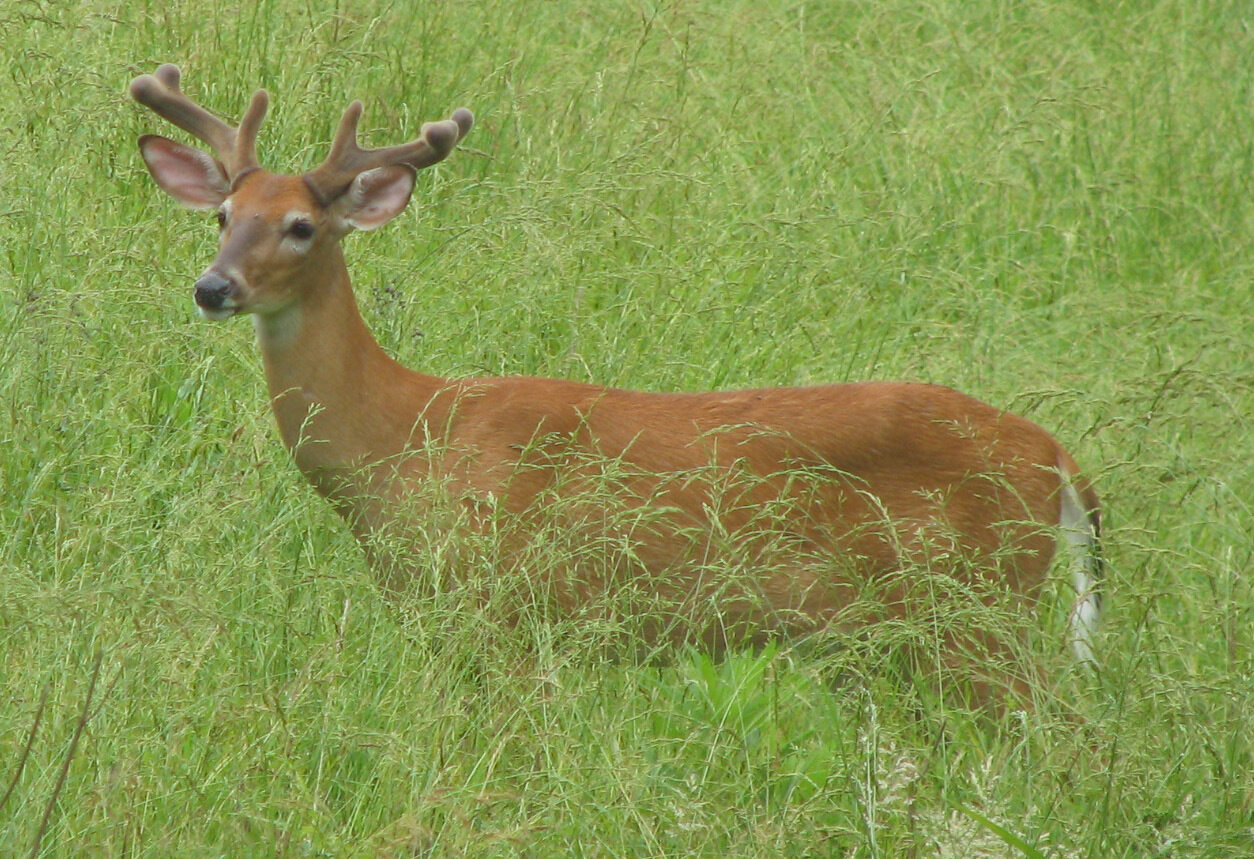
White-tailed deer
Odocoileus virginianus
A deer that raises its white tail as an alarm flag when it runs.
- Status
- Least Concern IUCN Red List
- Eats
- black cherry, sericea lespedeza, scots pine and 96 more
- Where
- 25 countries · deserts
On 4Planet Atlas it is among the wildlife people record most around Washington, D.C..
People have shared 317,897 records of the white-tailed deer with GBIF, from 25 countries, most of them from United States, Canada and Mexico. Records collected by GloBI show it eating 99 different kinds of animals and plants, and being eaten by 23.
Habitats
What the white-tailed deer eats, and what eats it
Studies have recorded it eating 99 kinds of animals and plants, and 23 kinds of animals eating it. Tap any of them to follow the food chain.
- Plants 91
- Birds 6


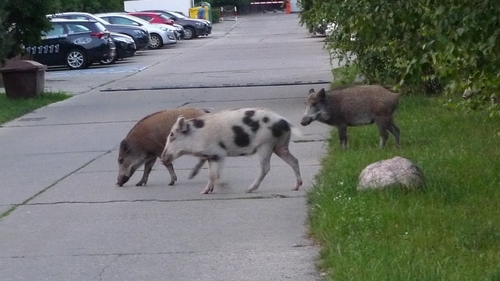
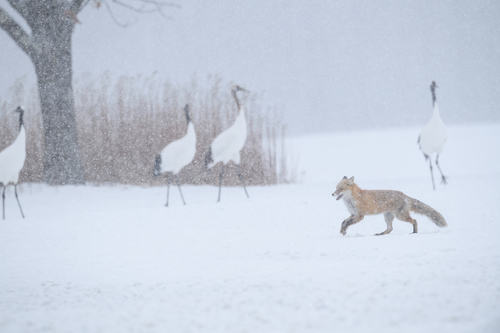
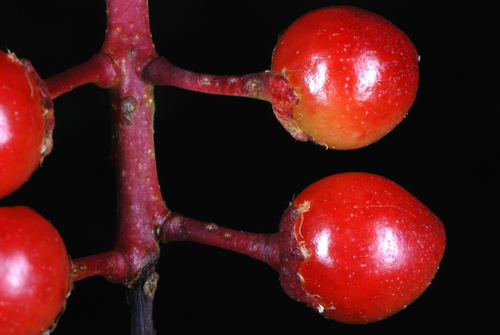
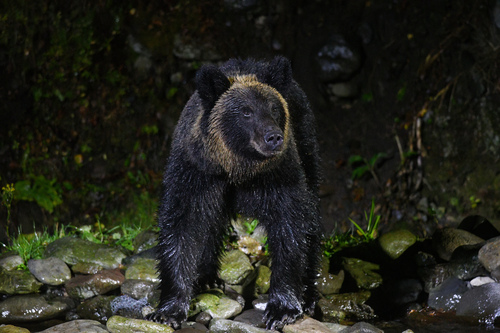 White-tailed deer
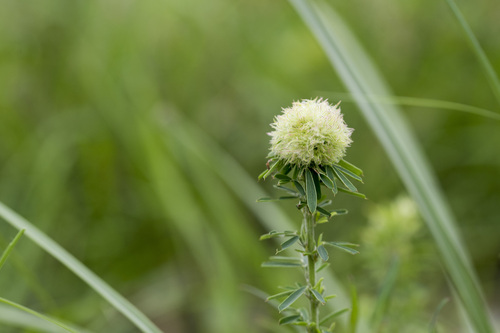

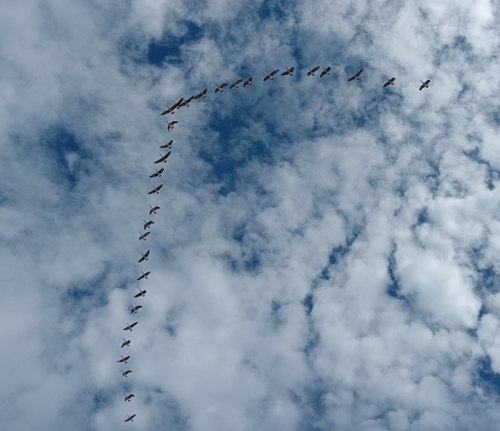
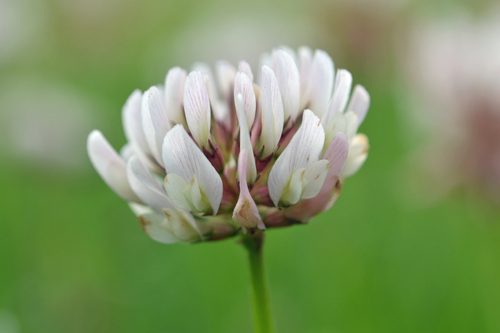
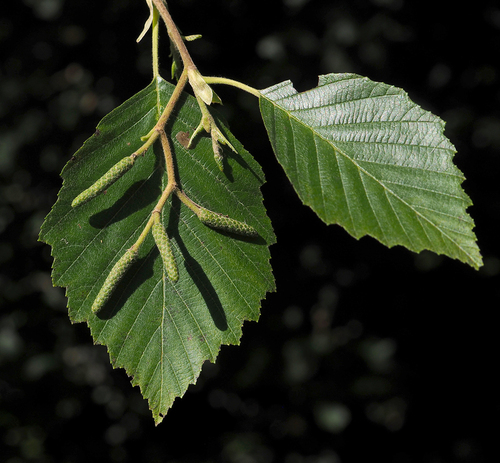
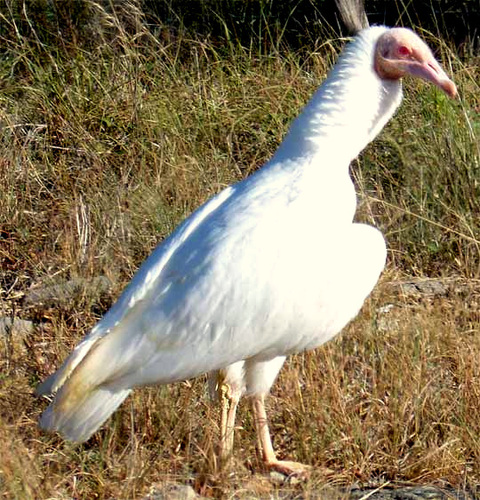
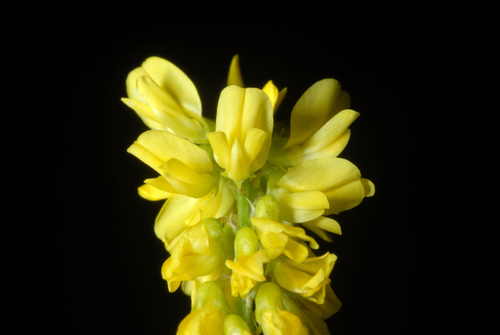
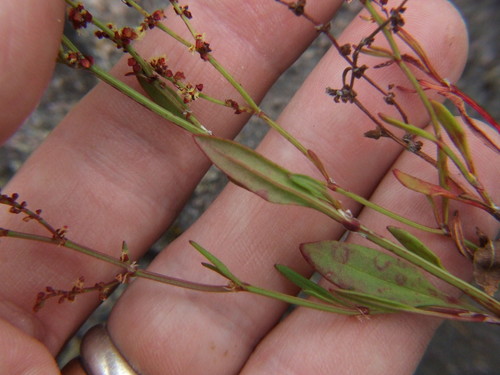

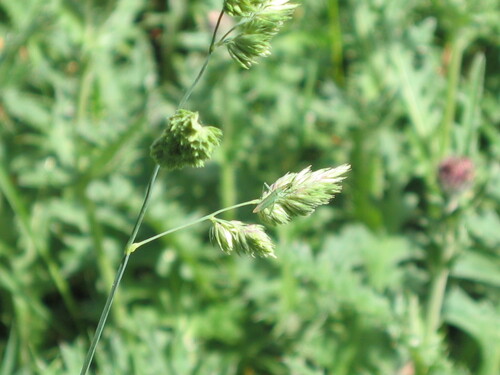
Records from studies worldwide, collected by GloBI. They include animals eaten as carrion, and they are not everything it eats in one place.
Where people see the white-tailed deer
People have shared 317,897 records from 25 countries.
Near a city: Washington, D.C..
Records show where people have seen it and shared it, not its full range. Country names open their page in Atlas.
When it is seen
Records per month in the northern hemisphere. More people outdoors also means more records.
Watch and listen
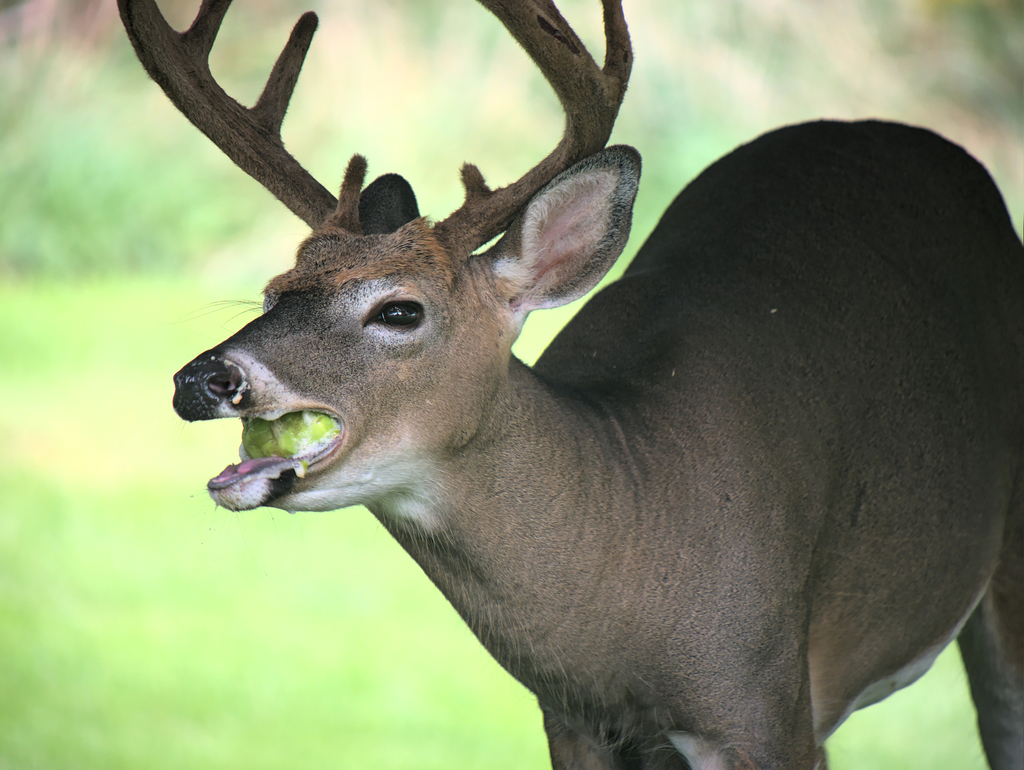
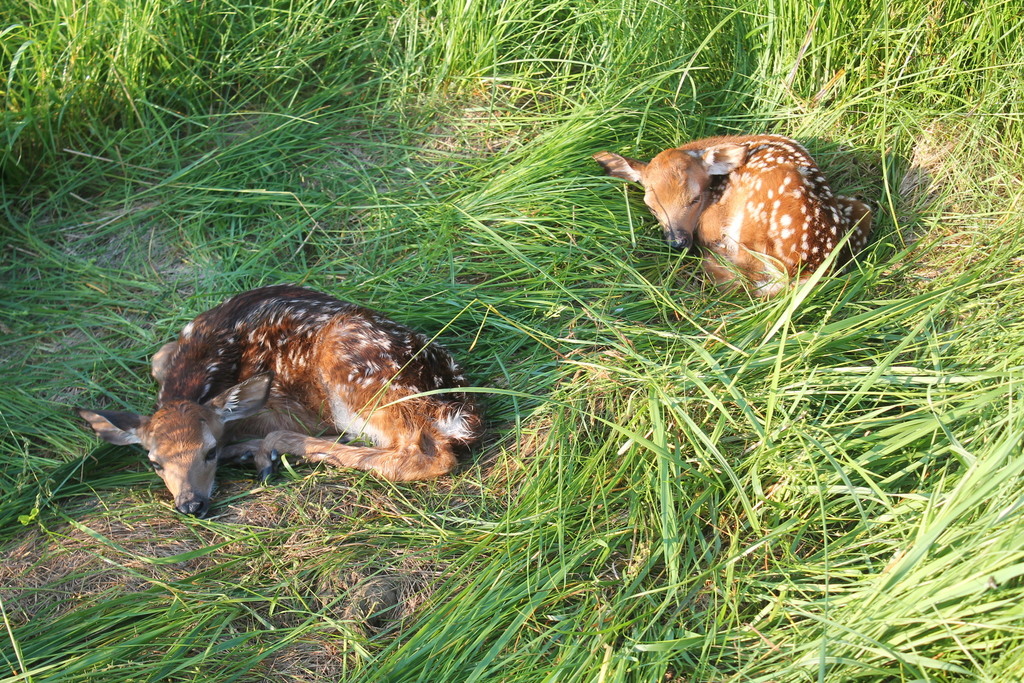
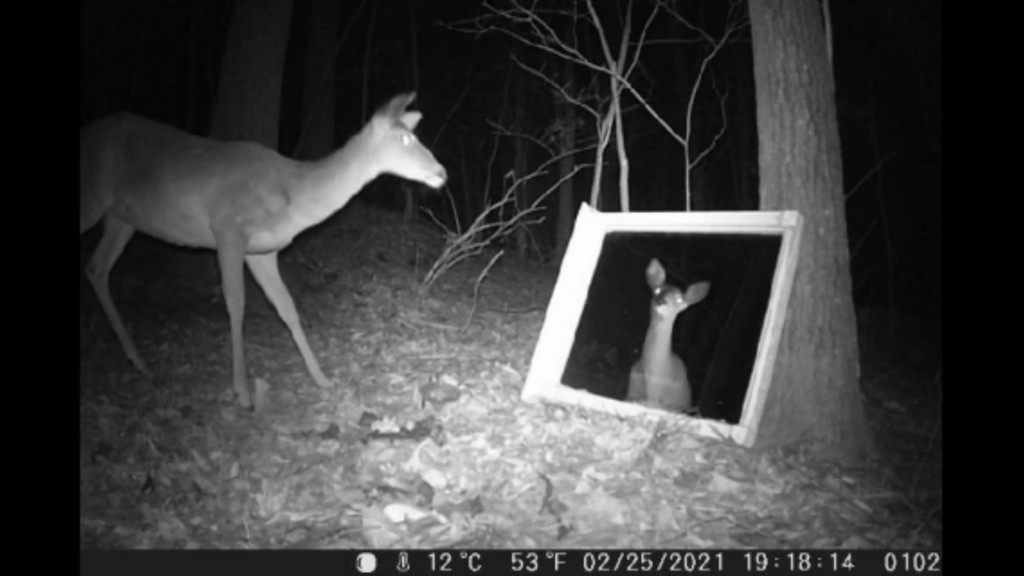
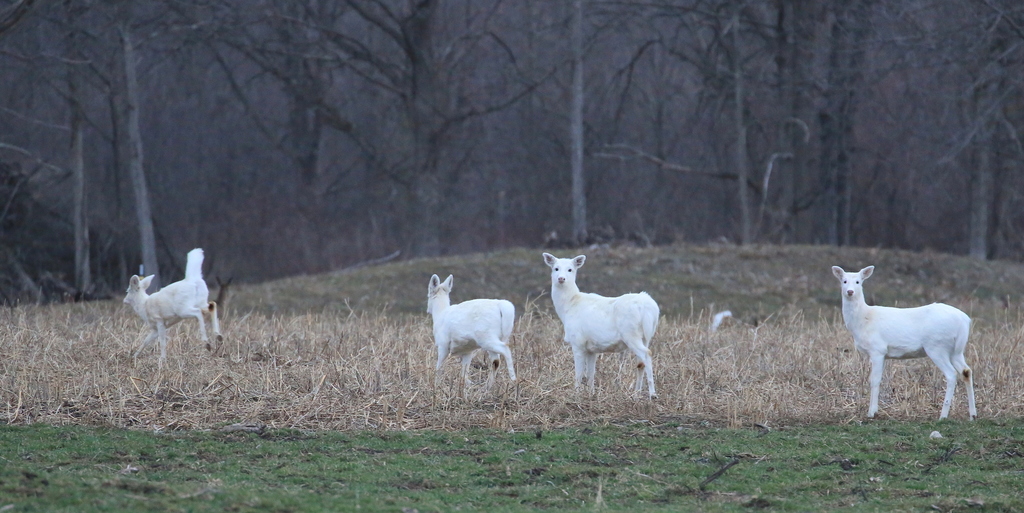
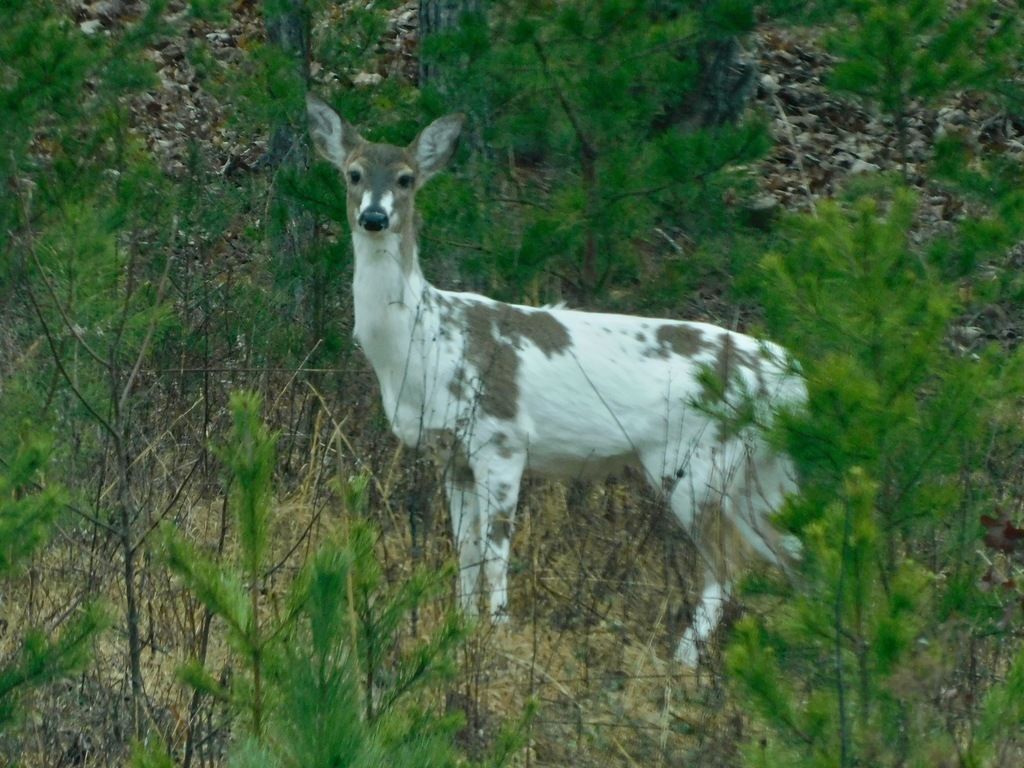
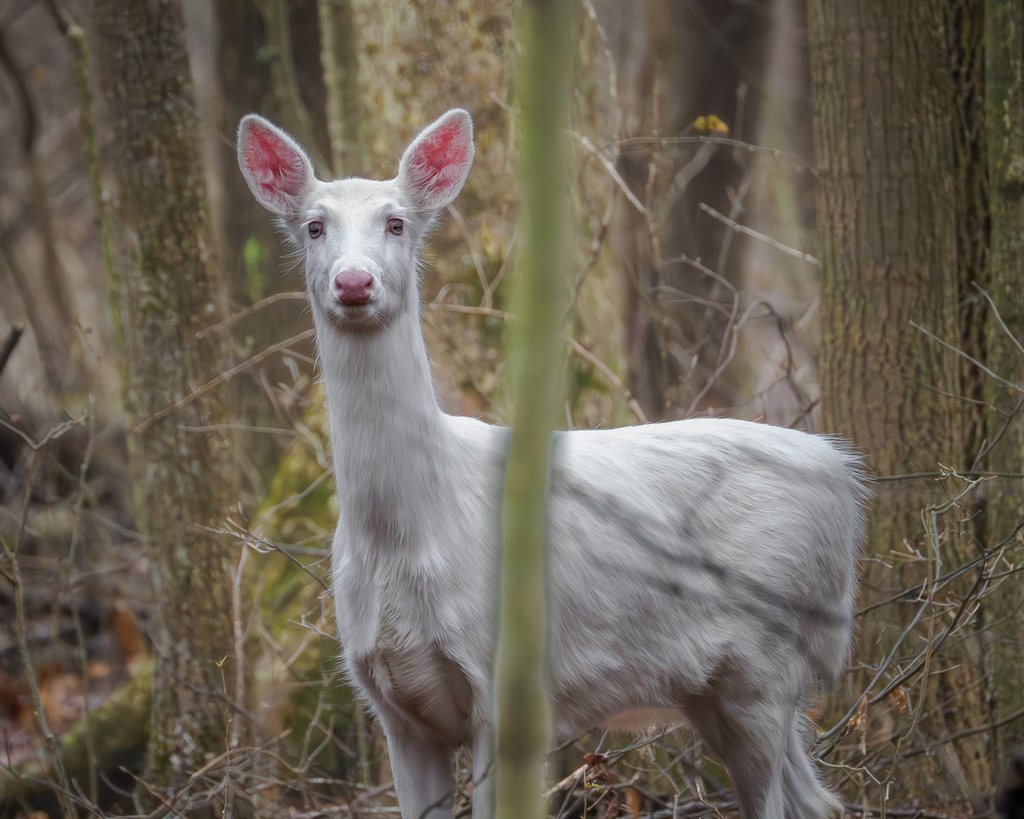
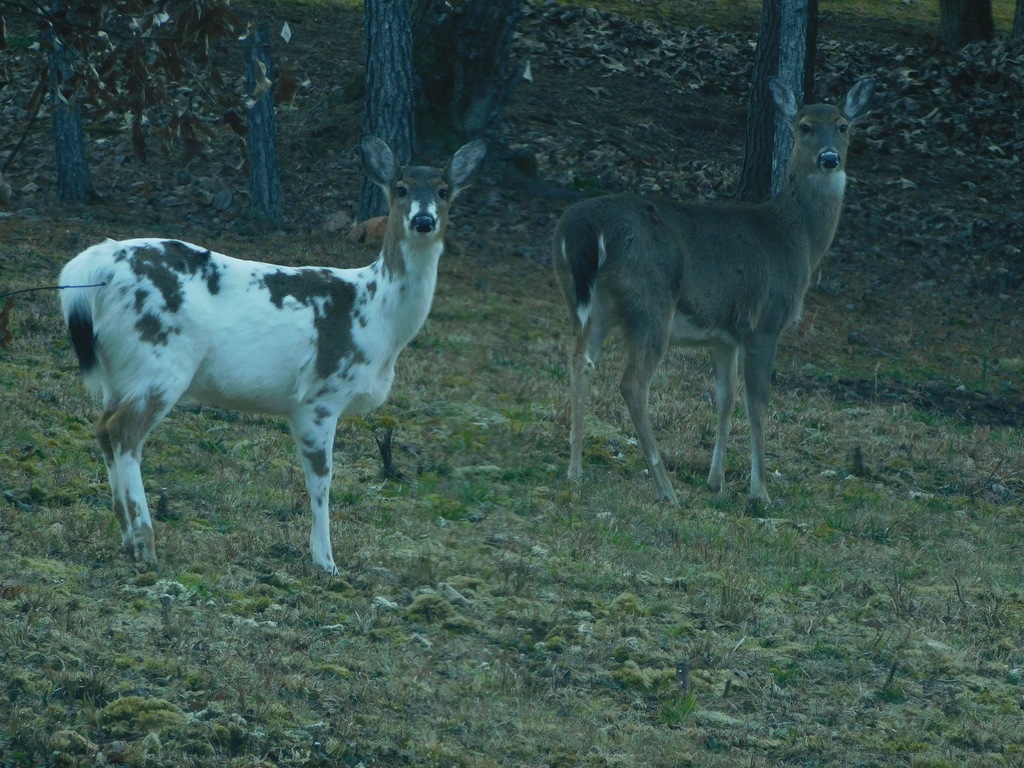
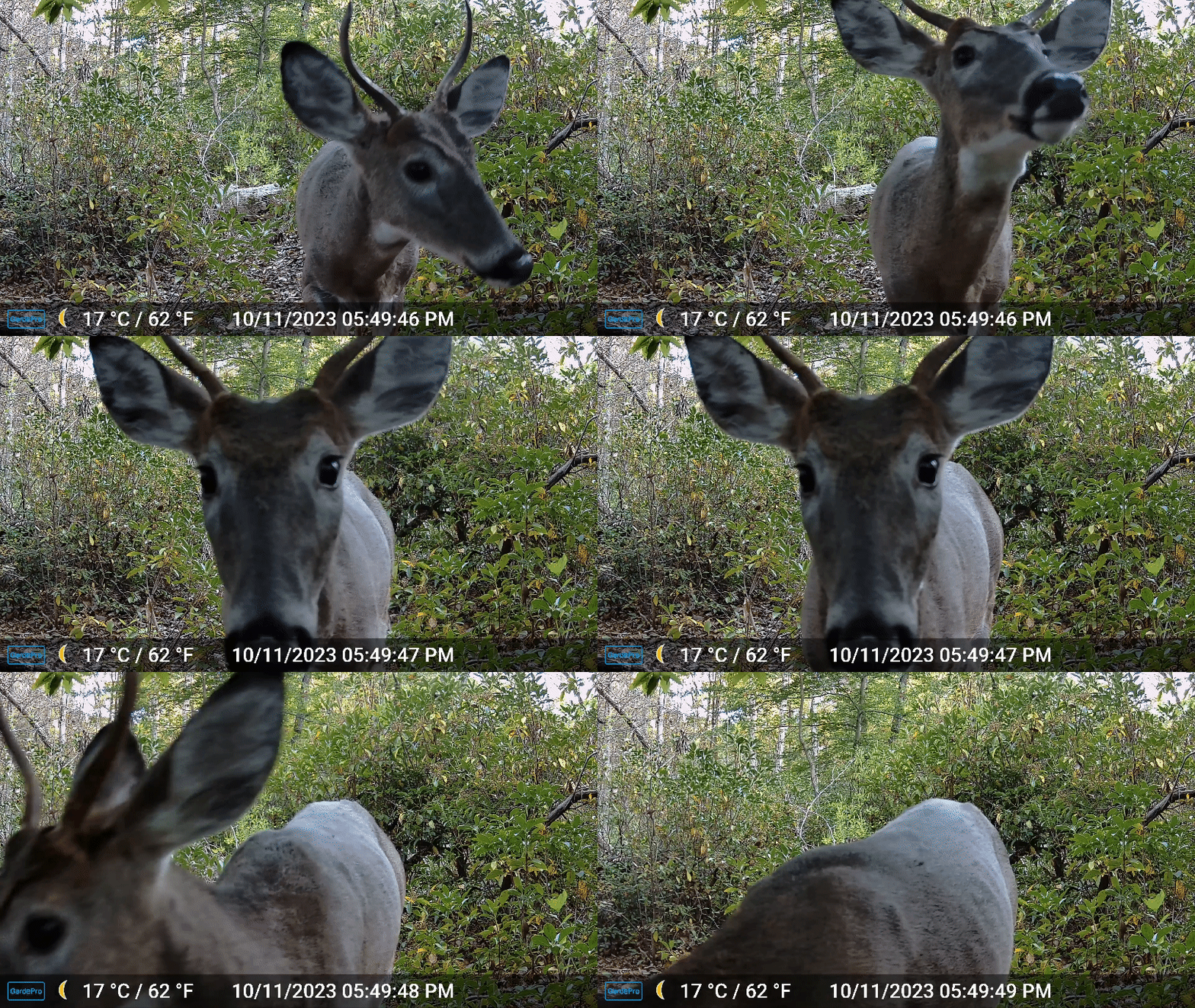
Its closest relatives
The other species of the genus Odocoileus.
Seen a white-tailed deer?
Share your photo on iNaturalist. Other naturalists help confirm it, and the record goes to GBIF, where scientists use it and where the maps on this page come from.
Put this species on your site
The card names every source and links back here.
<iframe src="https://4planetatlas.com/place/embed/species/white-tailed-deer" title="White-tailed deer (Odocoileus virginianus), 4PLANET Species" width="100%" height="600" style="border:0;max-width:640px" loading="lazy"></iframe>
<p><a href="https://4species.com/white-tailed-deer">White-tailed deer on 4PLANET Species</a></p>Explore next
What puts the white-tailed deer under pressure, what helps, and who works on it.
Questions people ask
What does the white-tailed deer eat?
The white-tailed deer has been recorded eating 99 different kinds of animals and plants, most of them plants and birds. The ones recorded most often are black cherry, sericea lespedeza, scots pine, canada goose and white clover; records include animals eaten as carrion. Source: GloBI.
What eats the white-tailed deer?
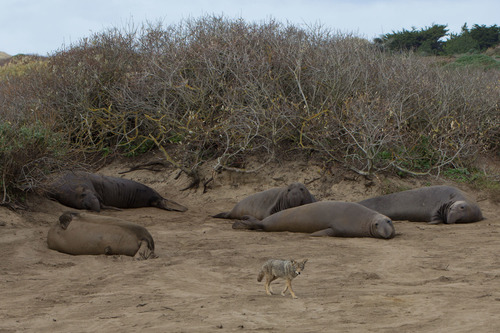
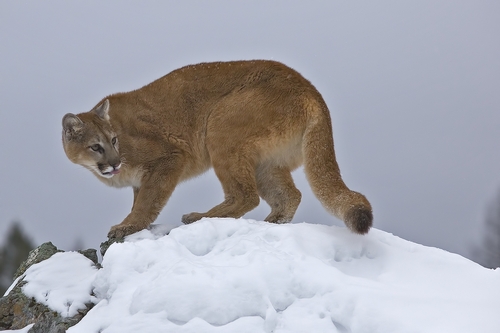
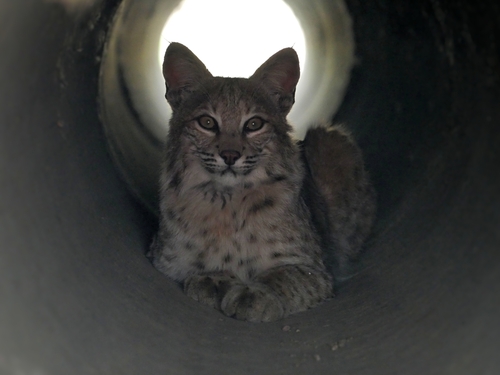
Recorded predators include coyote, grey wolf, cougar, bobcat and leopard. Source: GloBI.
Where does the white-tailed deer live?
People have recorded it in 25 countries; the most records come from United States, Canada, Mexico, Costa Rica and Ecuador. Records show where people have seen it, not its full range.
When is the white-tailed deer seen most?
In the northern hemisphere, the most records are made in June and the fewest in February. More people outdoors also means more records.
What are the white-tailed deer's closest relatives?
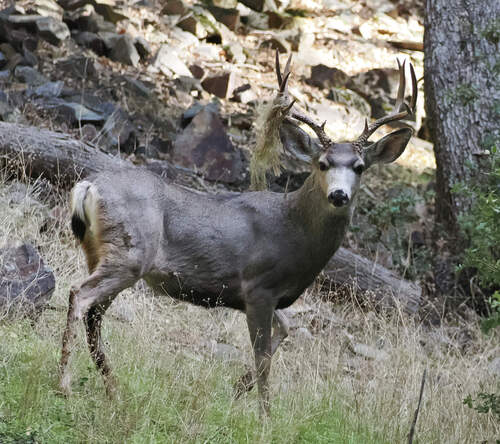
It shares the genus Odocoileus with mule deer.
Sources and photo credits
- GBIF · Odocoileus virginianus, 317,897 human observations
- GloBI · recorded interactions of Odocoileus virginianus
- Wikidata · White-tailed deer (Q215887)
- White-tailed deer (Odocoileus virginianus): James St. John, CC BY 4.0
- White-tailed deer (Odocoileus virginianus), St. Andrews, NB E5B, Canada: Blake Ross, CC BY 4.0
- White-tailed deer (Odocoileus virginianus), United States: Violet T., CC BY 4.0
- White-tailed deer (Odocoileus virginianus), Bolin Heights, Chapel Hill, NC 27514, USA: steve b, CC0
- White-tailed deer (Odocoileus virginianus), 6600 NY-96, Romulus, NY 14541, USA: Tim Lenz, CC BY 4.0
- White-tailed deer (Odocoileus virginianus), North Carolina, US: Michael J. Papay, CC BY 4.0
- White-tailed deer (Odocoileus virginianus), United States: Michael, CC BY 4.0
- White-tailed deer (Odocoileus virginianus), North Carolina, US: Michael J. Papay, CC BY 4.0
- White-tailed deer (Odocoileus virginianus), Chatham Township, NJ, USA: Eric Bartkowski, CC0
- Black cherry: Douglas Goldman, CC BY-SA 4.0
- Sericea lespedeza: Licheng Shih, CC BY 4.0
- Scots pine: anemoneprojectors (no internet at the moment), CC BY-SA 4.0
- Canada goose: John Barkla, CC BY 4.0
- White clover: Conall, CC BY 4.0
- Grey alder: Hladac, CC BY-SA 4.0
- Black vulture: Jim, CC0
- Ribbed melilot: Douglas Goldman, CC BY-SA 4.0
- Sheep sorrel: cstobie, CC BY 4.0
- Northern white cedar: botanygirl, CC BY 4.0
- Cocksfoot: zebedeugalinha, CC BY 4.0
- Coyote: avocat, CC BY 4.0
- Grey wolf: Andrew Simon, CC BY 4.0
- Cougar: Elaine R. Wilson, CC BY-SA 4.0
- Bobcat: ayden, CC BY 4.0
- Leopard: Raja bandi, CC BY 4.0
- Wild boar: aga_l_, CC BY 4.0
- Red fox: Morten Ross, CC BY 4.0
- Brown bear: Nathan Ruser, CC BY 4.0
- Mule deer: Wendy McCrady, CC BY 4.0
Records show where people have seen and shared the white-tailed deer, not its full range, and some countries and months are recorded far more than others. The food web lists interactions that studies have recorded somewhere in the world (GloBI), not everything it eats in one place.
Checked 2026-11-22.