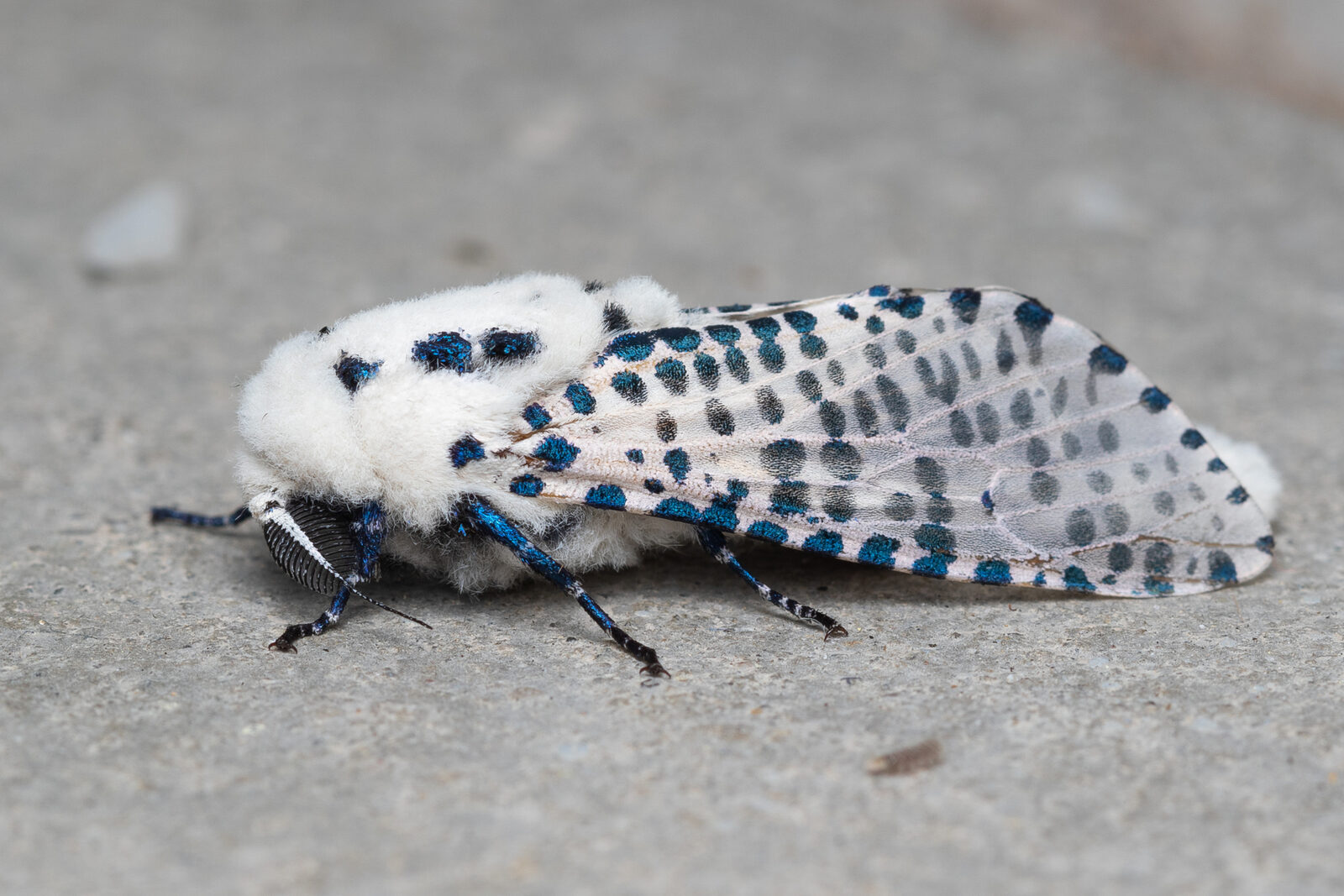
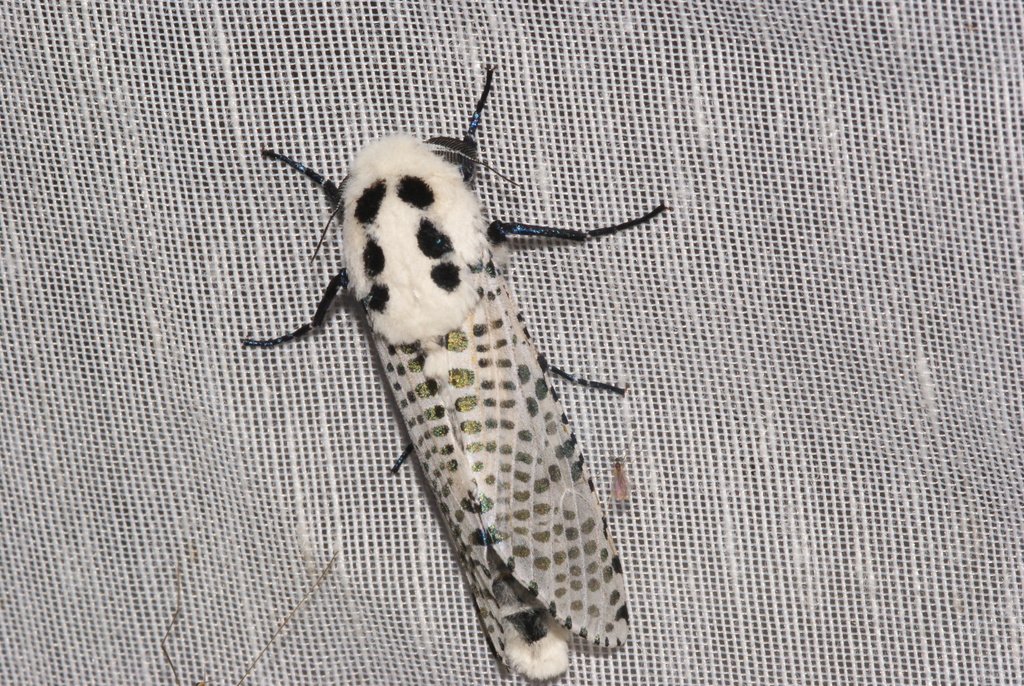
Wood leopard moth
Zeuzera pyrina
- Status
- IUCN Red List
- Eats
- European ash, gooseberry, blackthorn and 207 more
- Where
- 53 countries
On 4Planet Atlas it is among the wildlife people record most around Tripoli.
People have shared 8,568 records of the wood leopard moth with GBIF, from 53 countries, most of them from United States, France and Italy. Records collected by GloBI show it eating 210 different kinds of animals and plants, and being eaten by 4.
What the wood leopard moth eats, and what eats it
Studies have recorded it eating 210 kinds of animals and plants, and 4 kinds of animals eating it. Tap any of them to follow the food chain.
- Plants 163
- Insects 30
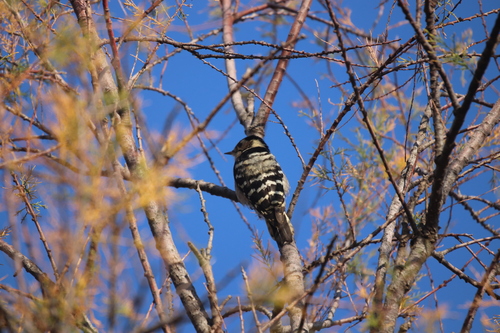
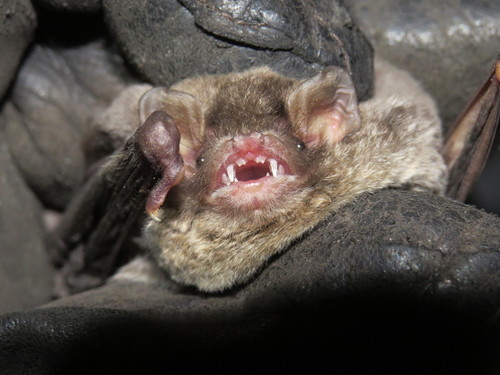 Wood leopard moth
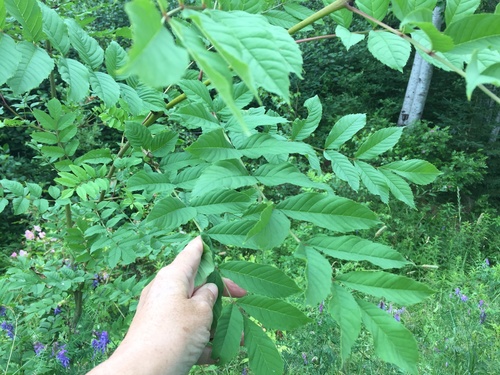
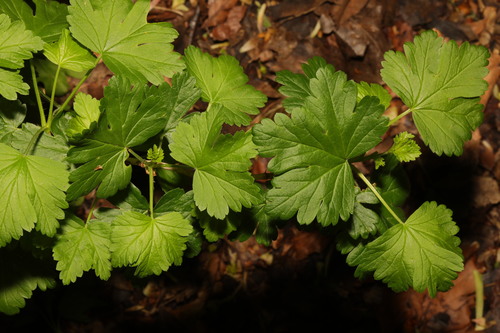
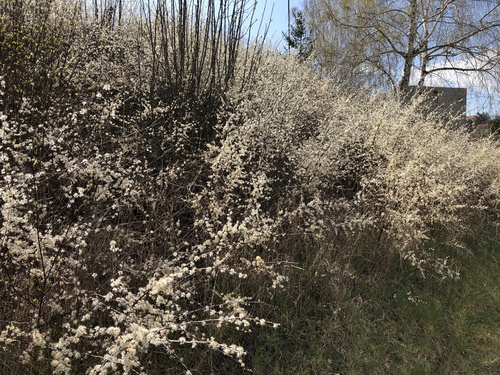

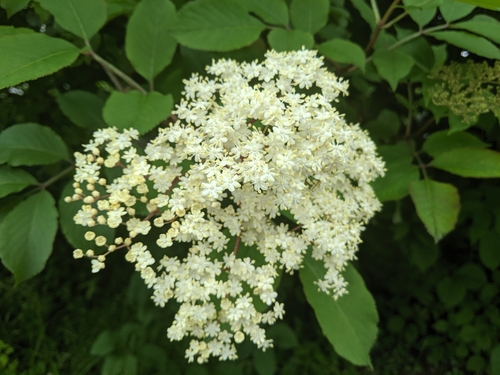
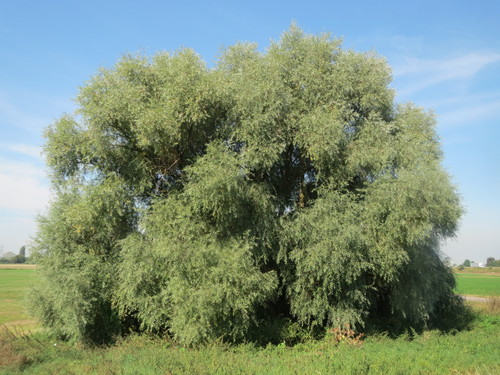

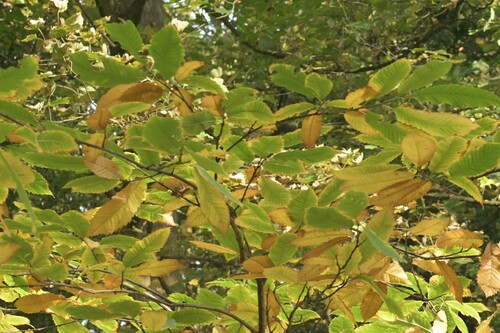
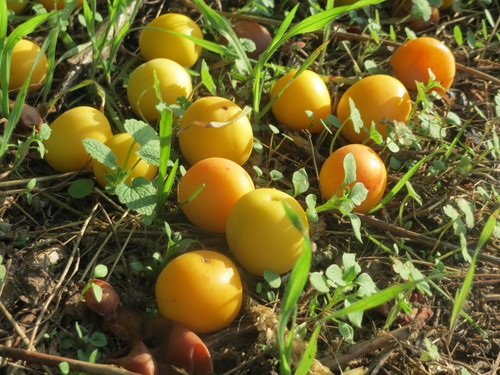
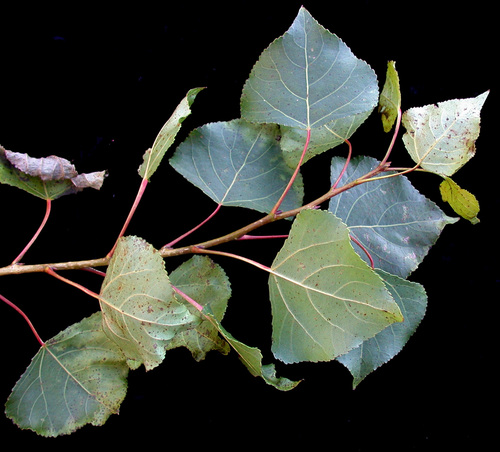
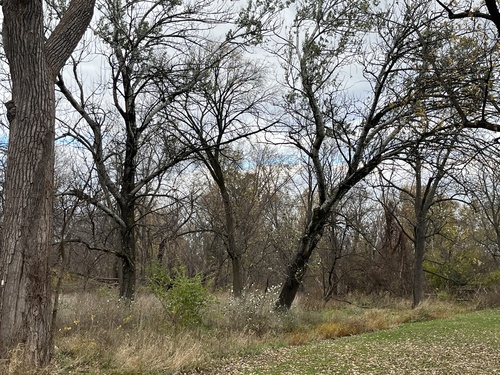
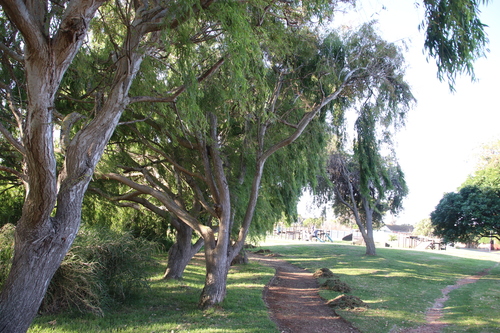
Records from studies worldwide, collected by GloBI. They include animals eaten as carrion, and they are not everything it eats in one place.
Where people see the wood leopard moth
People have shared 8,568 records from 53 countries.
Near a city: Tripoli.
Records show where people have seen it and shared it, not its full range. Country names open their page in Atlas.
When it is seen
Records per month in the northern hemisphere. More people outdoors also means more records.
Watch and listen
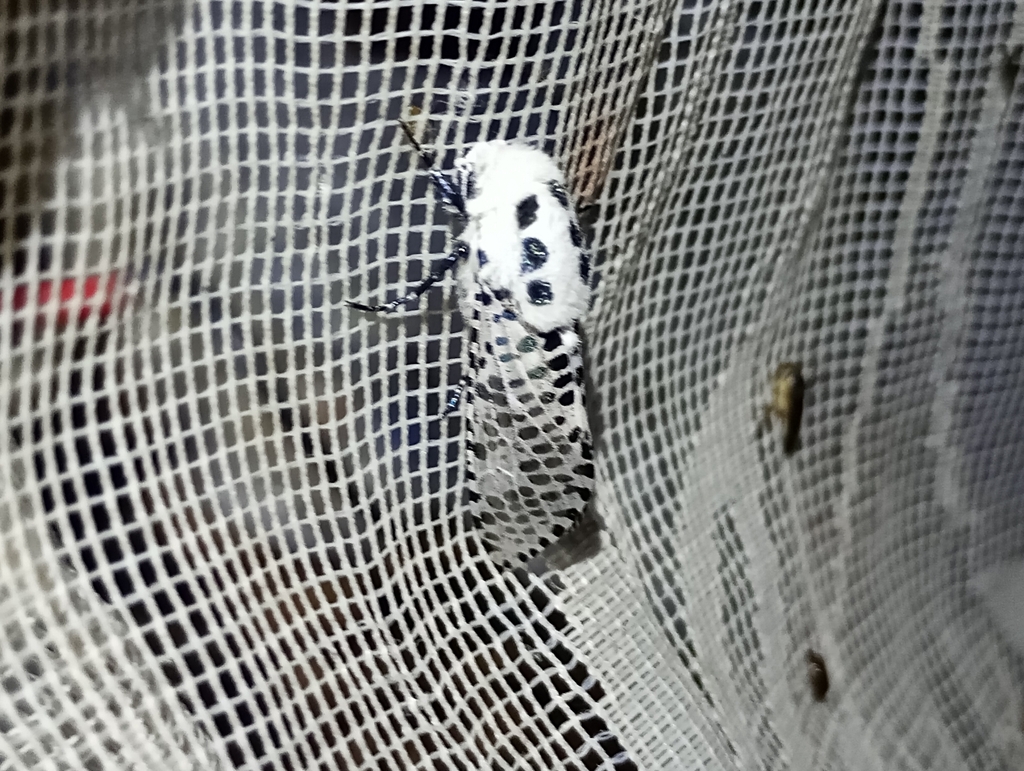
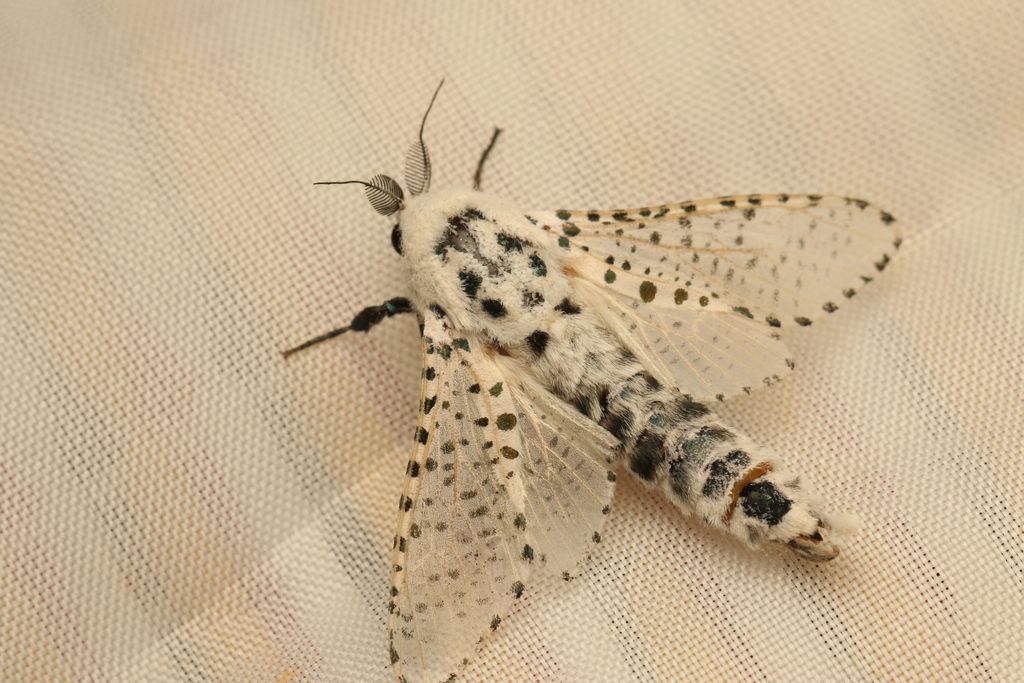
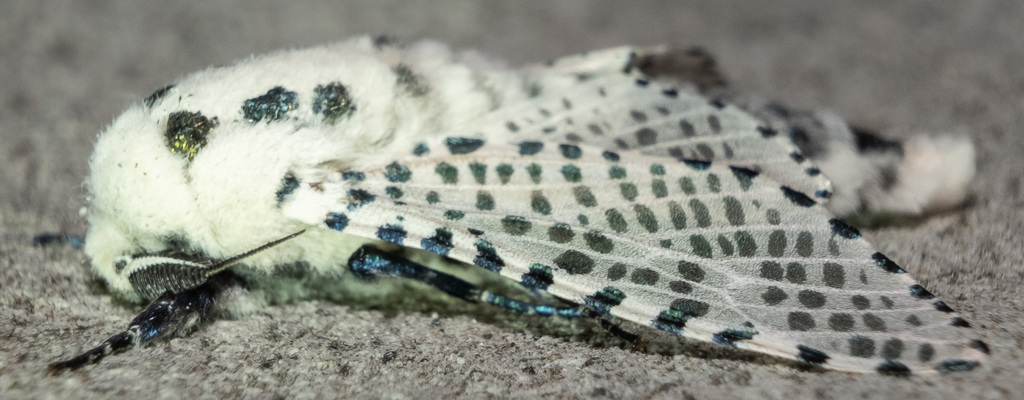
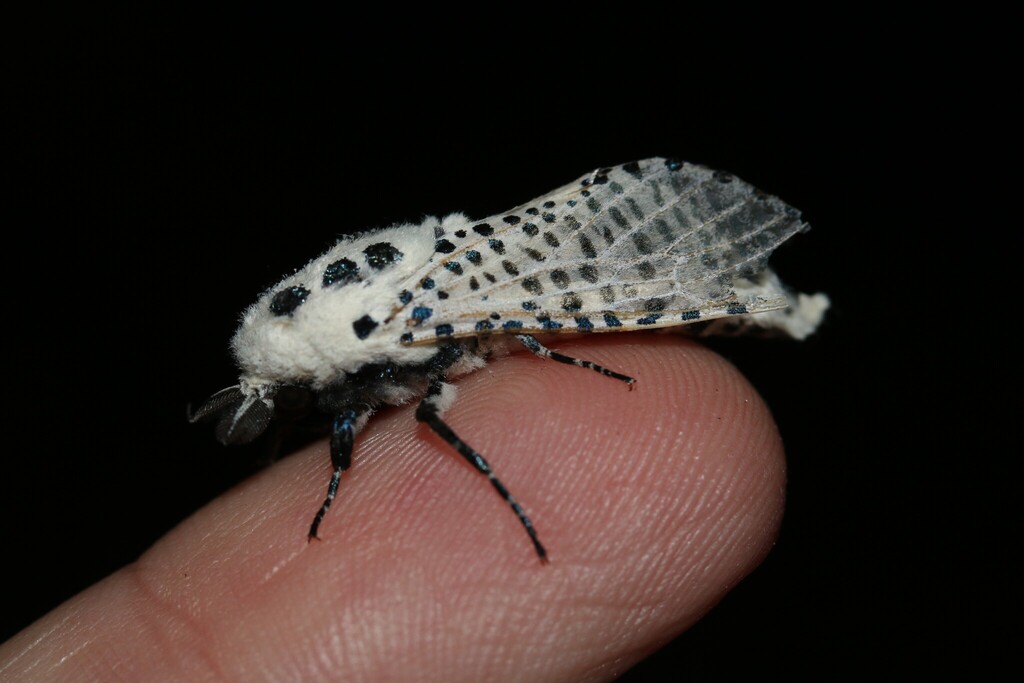
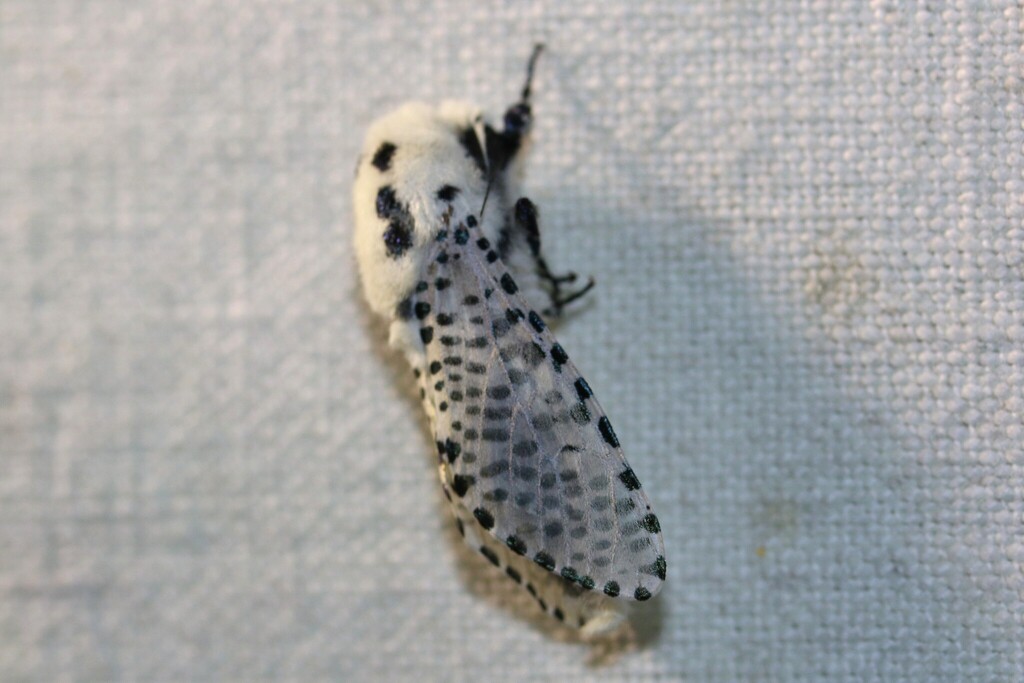
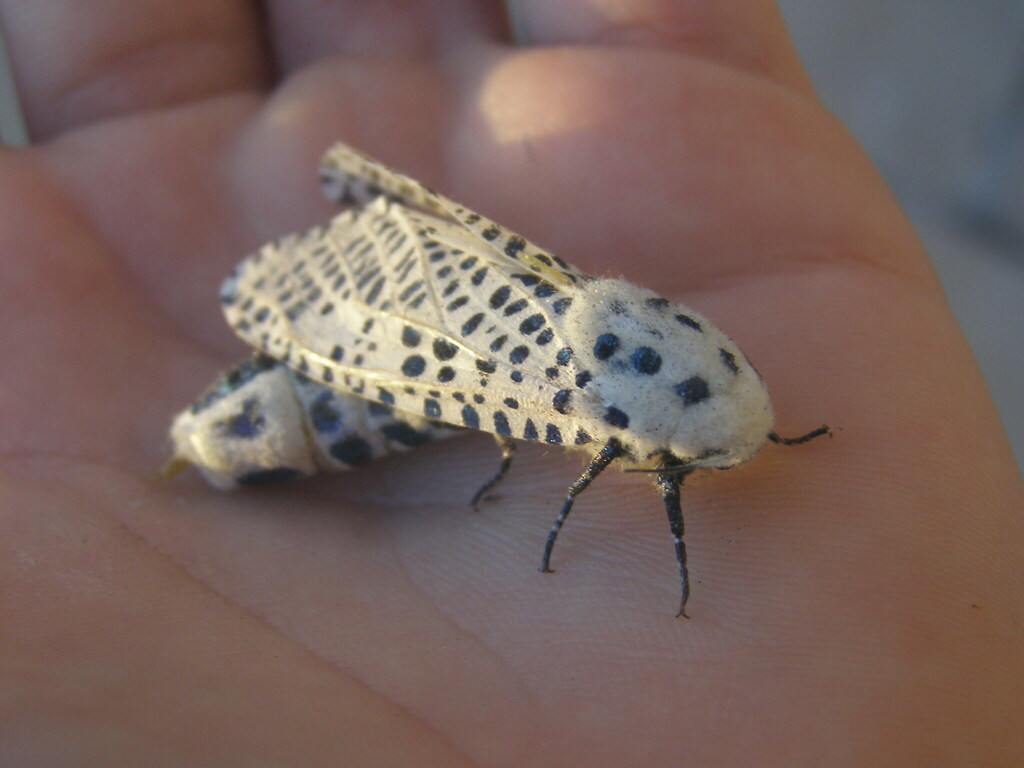
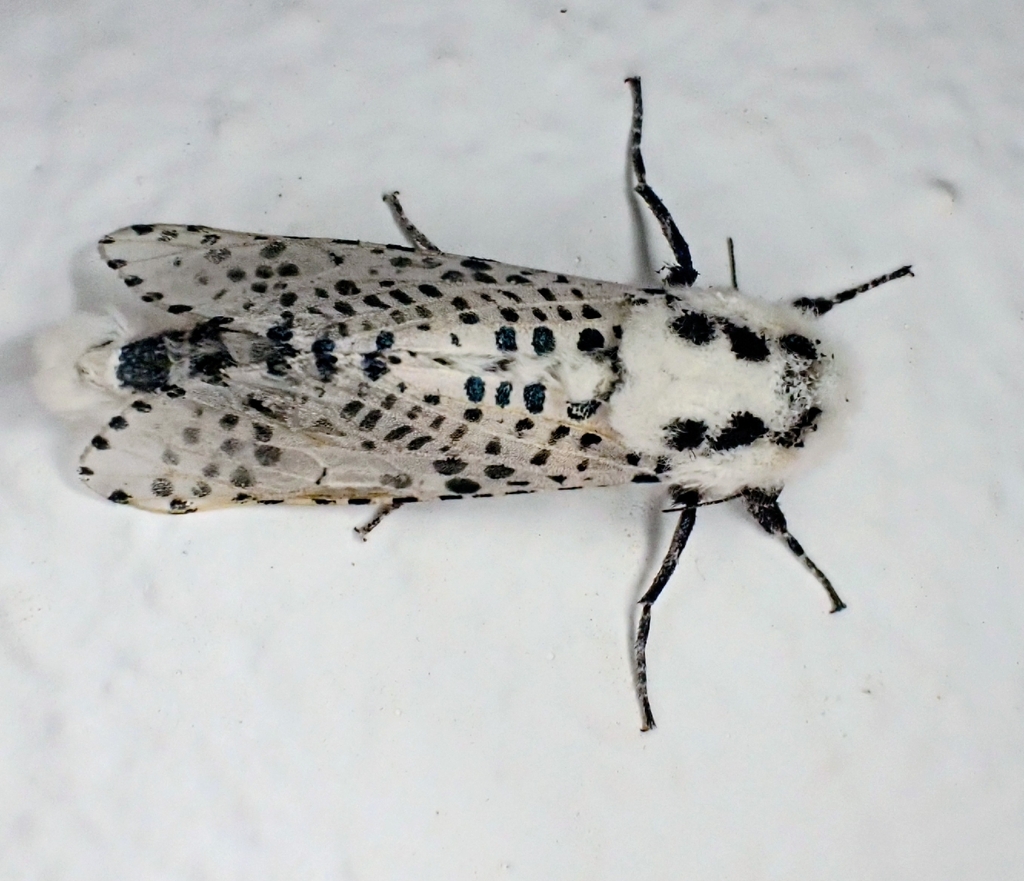
Seen a wood leopard moth?
Share your photo on iNaturalist. Other naturalists help confirm it, and the record goes to GBIF, where scientists use it and where the maps on this page come from.
Put this species on your site
The card names every source and links back here.
<iframe src="https://4planetatlas.com/place/embed/species/wood-leopard-moth" title="Wood leopard moth (Zeuzera pyrina), 4PLANET Species" width="100%" height="600" style="border:0;max-width:640px" loading="lazy"></iframe>
<p><a href="https://4species.com/wood-leopard-moth">Wood leopard moth on 4PLANET Species</a></p>Questions people ask
What does the wood leopard moth eat?
The wood leopard moth has been recorded eating 210 different kinds of animals and plants, most of them plants and insects. The ones recorded most often are european ash, gooseberry, blackthorn, sour cherry and elder; records include animals eaten as carrion. Source: GloBI.
What eats the wood leopard moth?
Recorded predators include lesser spotted woodpecker and common bent-wing bat. Source: GloBI.
Where does the wood leopard moth live?
People have recorded it in 53 countries; the most records come from United States, France, Italy, Austria and Spain. Records show where people have seen it, not its full range.
When is the wood leopard moth seen most?
In the northern hemisphere, the most records are made in July and the fewest in January. More people outdoors also means more records.
Sources and photo credits
- GBIF · Zeuzera pyrina, 8,568 human observations
- GloBI · recorded interactions of Zeuzera pyrina
- Wikidata · Wood leopard moth (Q598541)
- Wood leopard moth (Zeuzera pyrina): Johannes Anton Salcher, CC BY 4.0
- Wood leopard moth (Zeuzera pyrina), Lébény, 9155 Maďarsko: mnauky, CC BY 4.0
- Wood leopard moth (Zeuzera pyrina), נחל קנה: Chaym Turak, CC BY-SA 4.0
- Wood leopard moth (Zeuzera pyrina), Plainsboro Township, NJ, USA: Mirko Schoenitz, CC0
- Wood leopard moth (Zeuzera pyrina), Perrignier, France: Tommy Andriollo, CC BY 4.0
- Wood leopard moth (Zeuzera pyrina), 1283 Dardagny, Switzerland: Tommy Andriollo, CC BY 4.0
- Wood leopard moth (Zeuzera pyrina), RRJW+4C, Hințești, Romania: Radu Teodoreanu, CC BY 4.0
- Wood leopard moth (Zeuzera pyrina), 07589 Capdepera, Balearic Islands, Spain: Pieter Prins, CC BY-SA 4.0
- Wood leopard moth (Zeuzera pyrina), Saint-Pierre-des-Nids, France: Sylvain Montagner, CC BY 4.0
- European ash: Mary E. Macaulay, P.Eng., CC BY 4.0
- Gooseberry: Stephen James McWilliam, CC0
- Blackthorn: Pavel Kacl, CC BY 4.0
- Sour cherry: no rights reserved, uploaded by Dag Endresen, CC0
- Elder: Attila Oláh, CC BY 4.0
- Salix alba: Andreas Rockstein, CC BY-SA 4.0
- Red currant: Grzegorz Grzejszczak, CC BY-SA 4.0
- Sweet chestnut: Kian Hayles-Cotton, CC BY 4.0
- Cherry plum: Andreas Rockstein, CC BY-SA 4.0
- Black poplar: Ayotte, Gilles, 1948-, CC BY-SA 4.0
- White poplar: Mike B, CC BY-SA 4.0
- Weeping willow: Tony Rebelo, CC BY-SA 4.0
- Lesser spotted woodpecker: Roland Godon, CC BY 4.0
- Common bent-wing bat: Yves Bas, CC BY 4.0
Records show where people have seen and shared the wood leopard moth, not its full range, and some countries and months are recorded far more than others. The food web lists interactions that studies have recorded somewhere in the world (GloBI), not everything it eats in one place.
Checked 2026-11-27.