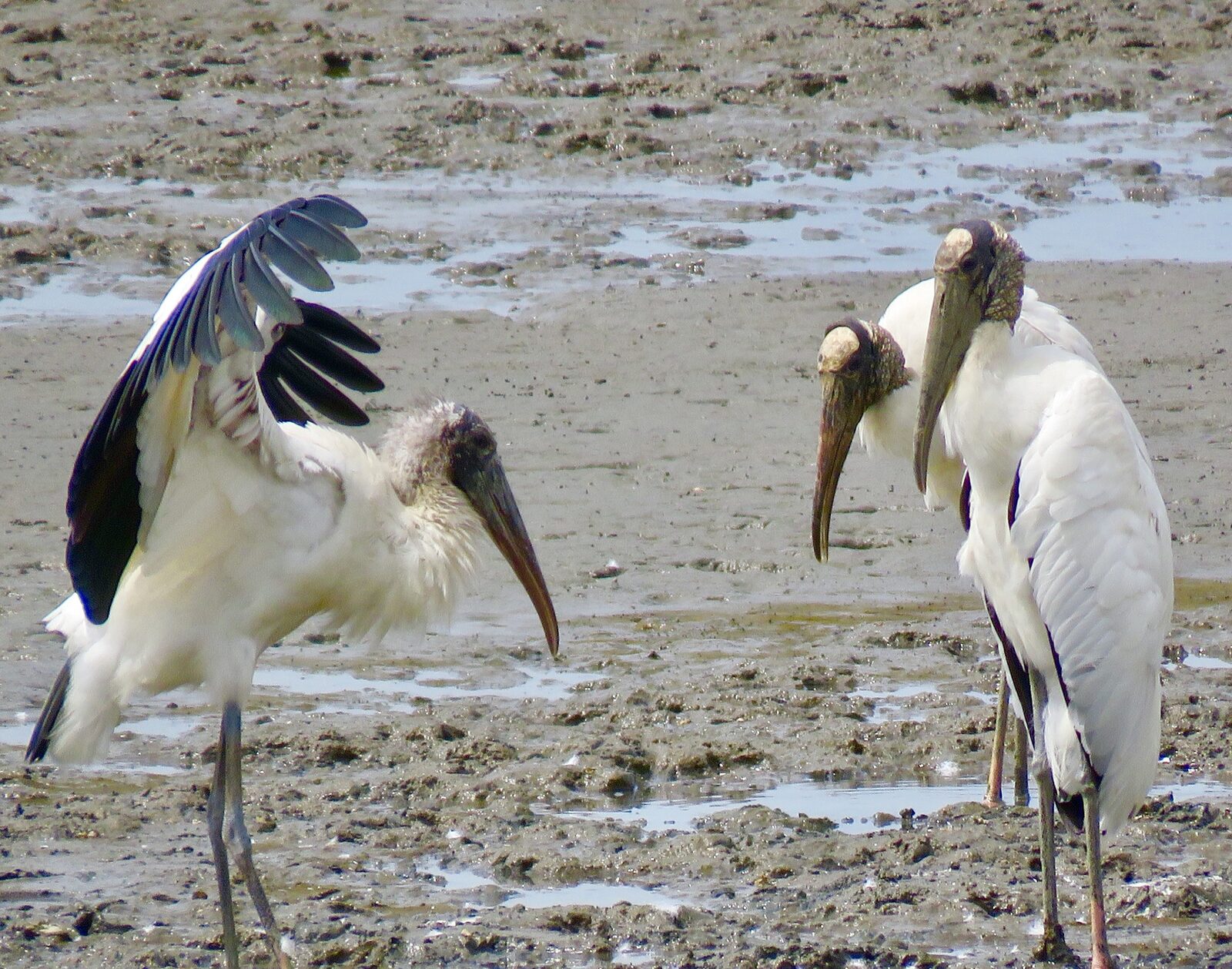
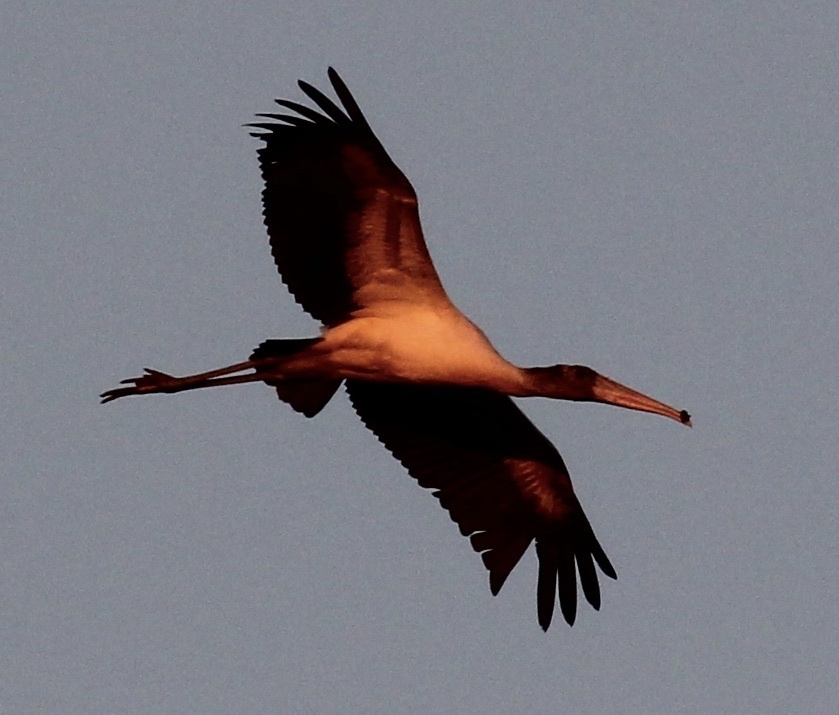
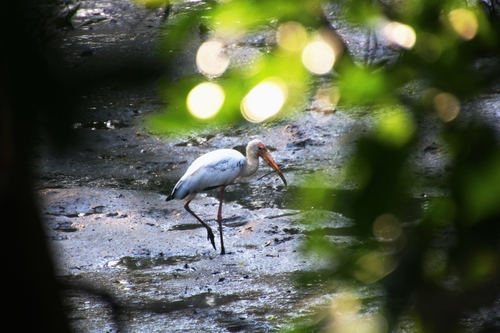
Wood Stork
Mycteria americana
- Status
- Least Concern IUCN Red List
- Eats
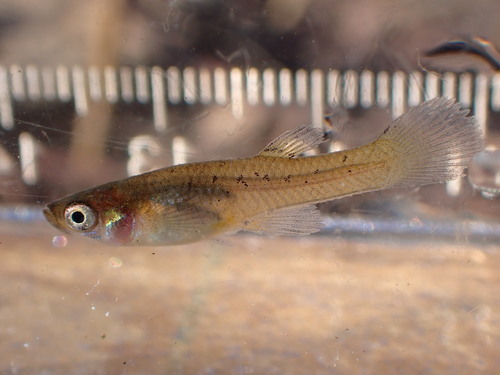
- mosquitofish, florida bass, pumpkinseed and 51 more
- Eaten by
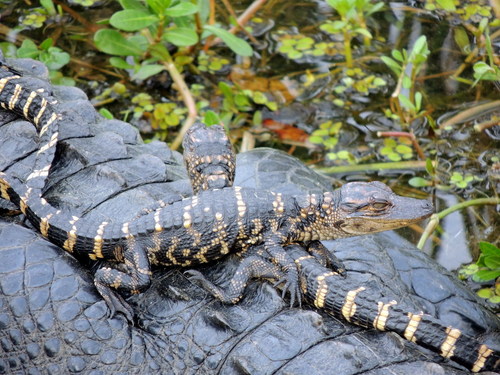
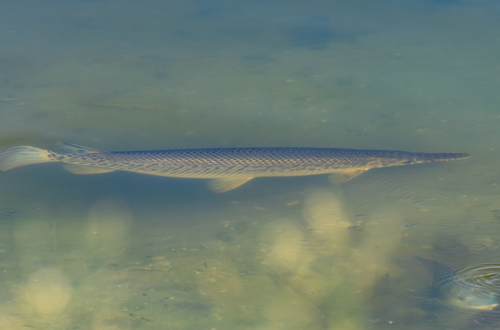
- American alligator, florida gar
- Where
- 27 countries
On 4Planet Atlas it is among the wildlife people record most around Asunción, Managua and San Salvador.
People have shared 728,910 records of the Wood Stork with GBIF, from 27 countries, most of them from United States, Costa Rica and Mexico. Records collected by GloBI show it eating 54 different kinds of animals and plants, and being eaten by 2.
What the wood Stork eats, and what eats it
Studies have recorded it eating 54 kinds of animals and plants, and 2 kinds of animals eating it. Tap any of them to follow the food chain.
- Fish 45
- Amphibians 6
- Reptiles 2
- Crustaceans 1
Eaten by
 Wood Stork
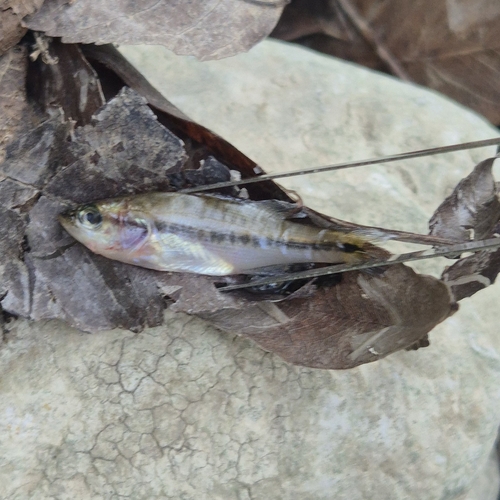
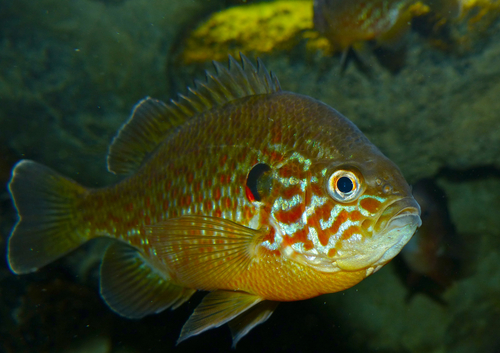

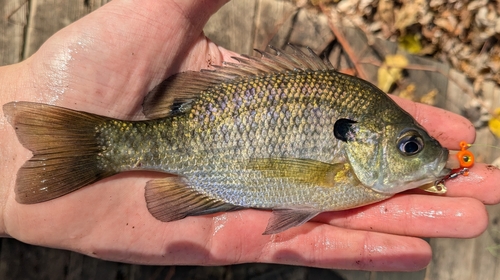
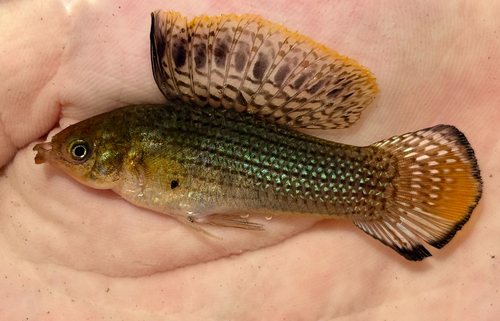
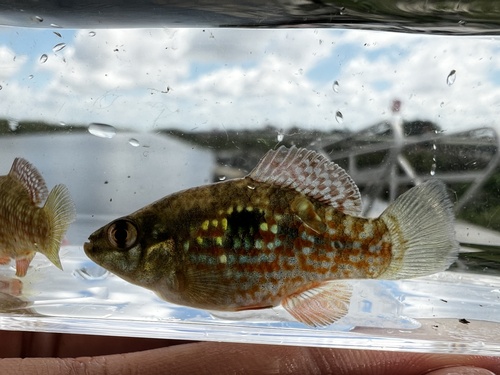

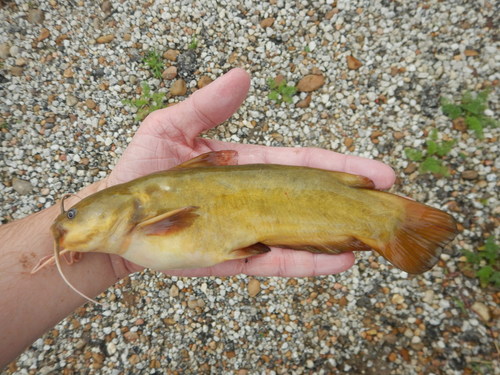
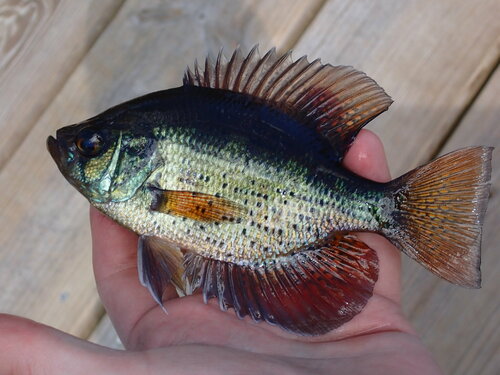

Records from studies worldwide, collected by GloBI. They include animals eaten as carrion, and they are not everything it eats in one place.
Where people see the wood Stork
People have shared 728,910 records from 27 countries.
Near a city: Asunción, Managua, San Salvador.
Records show where people have seen it and shared it, not its full range. Country names open their page in Atlas.
When it is seen
Records per month in the northern hemisphere. More people outdoors also means more records.
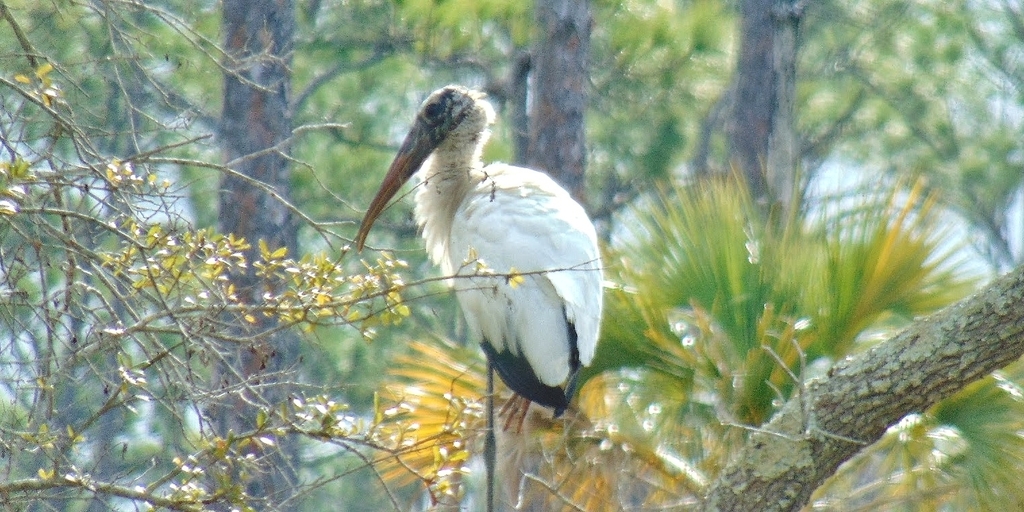
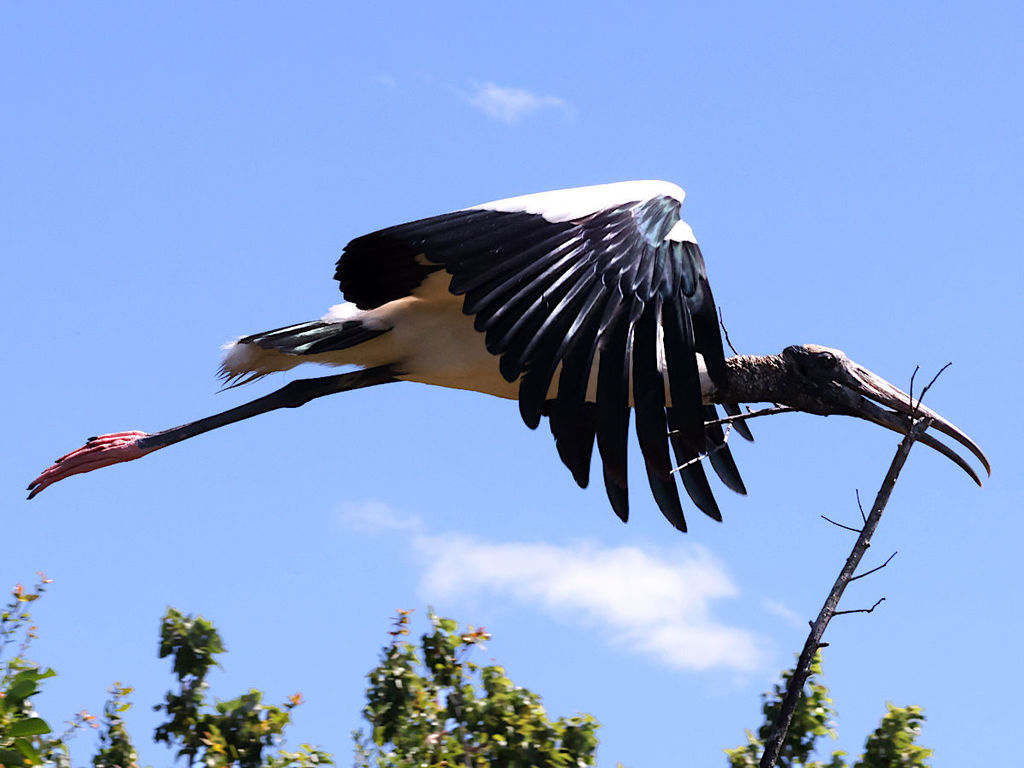
Watch and listen
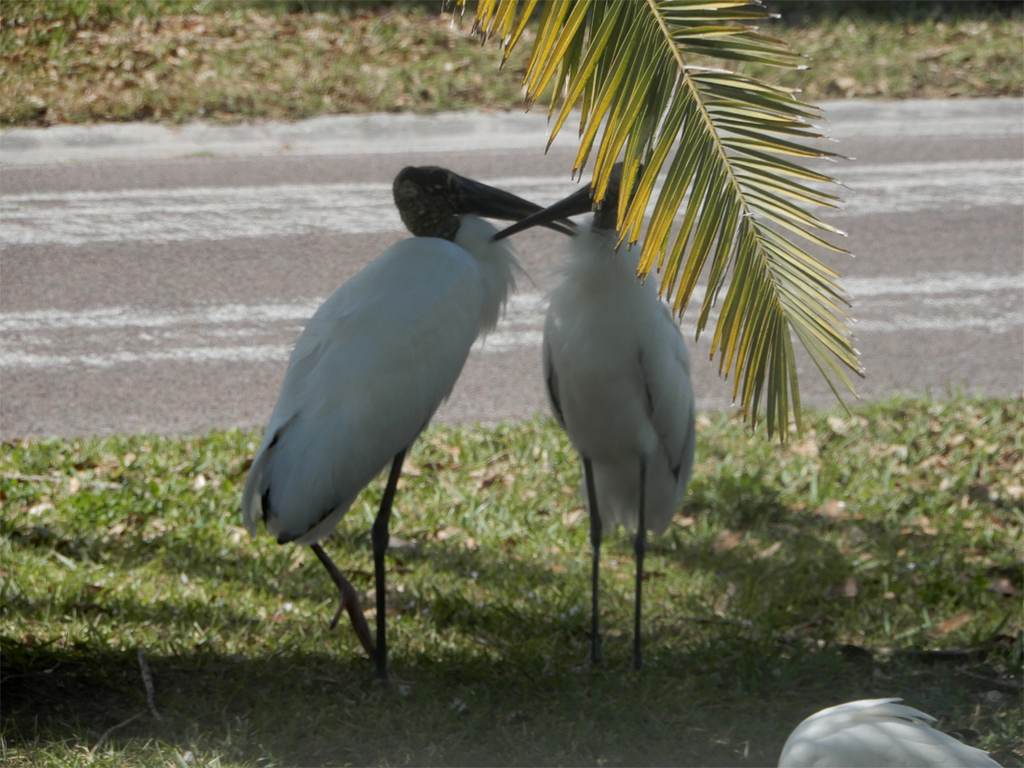
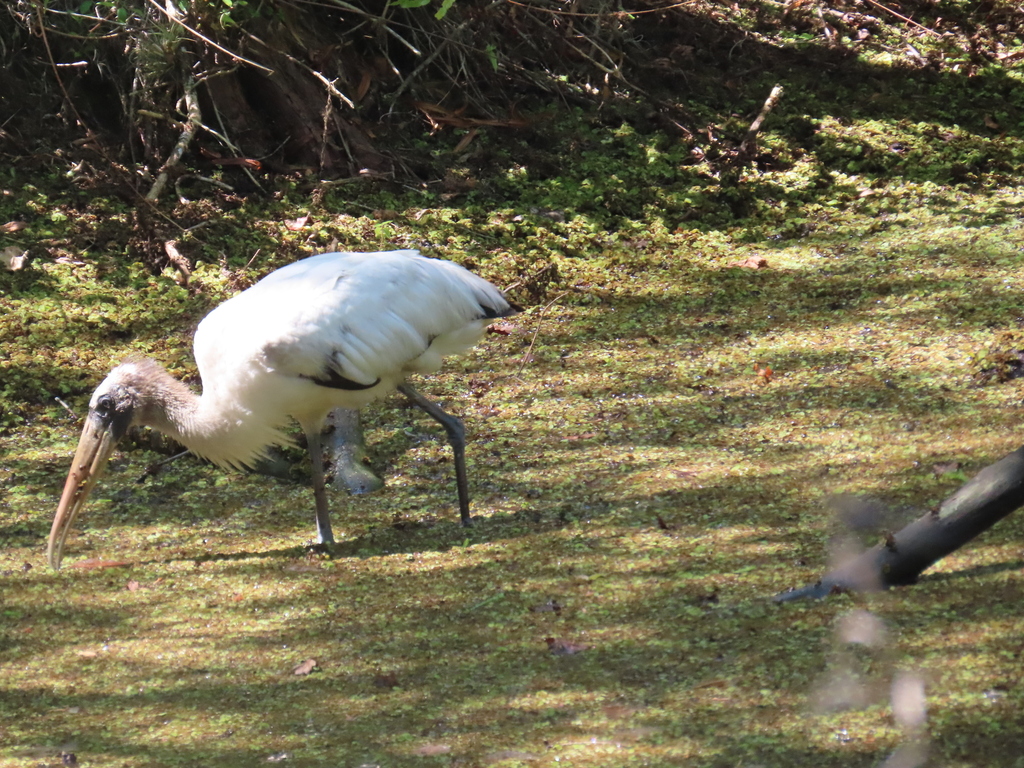
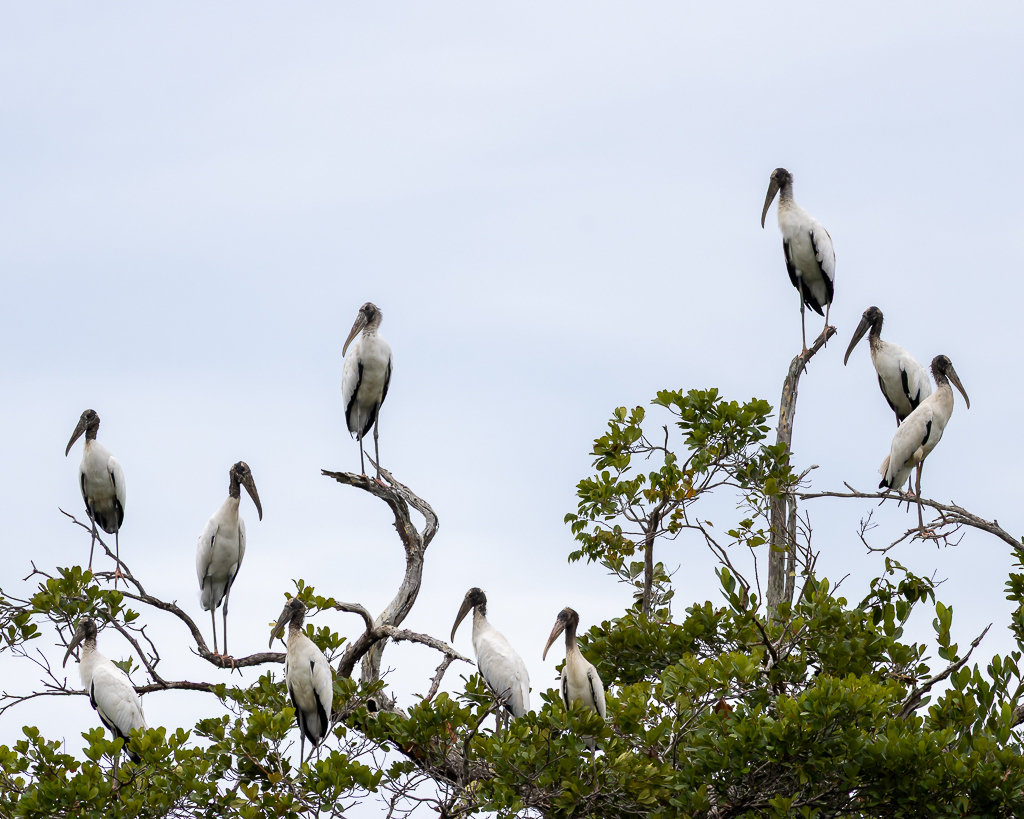

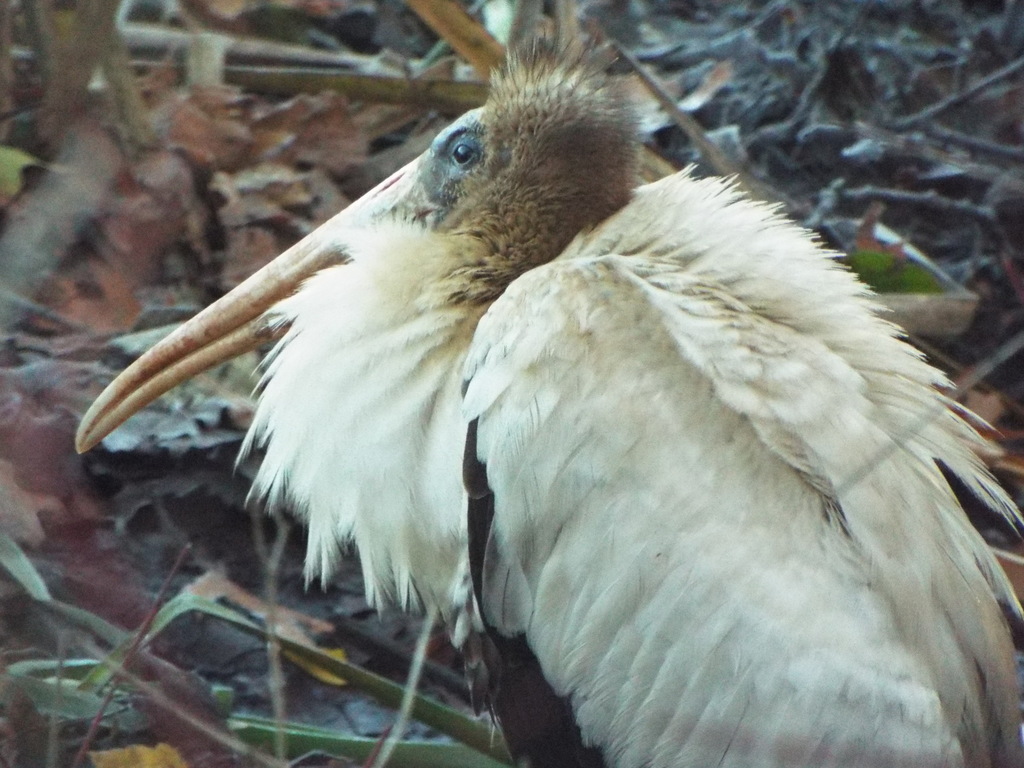
Its closest relatives
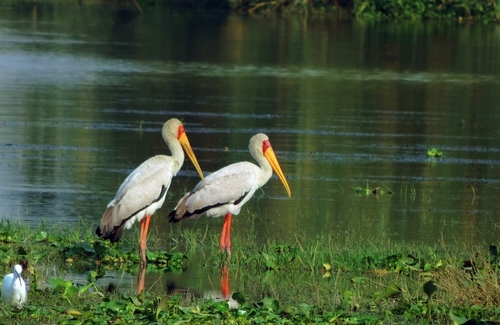
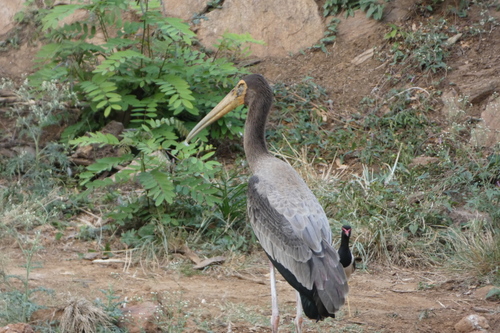
The other species of the genus Mycteria.
Seen a wood Stork?
Share your photo on iNaturalist. Other naturalists help confirm it, and the record goes to GBIF, where scientists use it and where the maps on this page come from.
Put this species on your site
The card names every source and links back here.
<iframe src="https://4planetatlas.com/place/embed/species/wood-stork" title="Wood Stork (Mycteria americana), 4PLANET Species" width="100%" height="600" style="border:0;max-width:640px" loading="lazy"></iframe>
<p><a href="https://4species.com/wood-stork">Wood Stork on 4PLANET Species</a></p>Questions people ask
What does the Wood Stork eat?
The Wood Stork has been recorded eating 54 different kinds of animals and plants, most of them fish, amphibians, reptiles and crustaceans. The ones recorded most often are mosquitofish, florida bass, pumpkinseed, brown bullhead and bluegill; records include animals eaten as carrion. Source: GloBI.
What eats the Wood Stork?
Recorded predators include american alligator and florida gar. Source: GloBI.
Where does the Wood Stork live?
People have recorded it in 27 countries; the most records come from United States, Costa Rica, Mexico, Brazil and Belize. Records show where people have seen it, not its full range.
When is the Wood Stork seen most?
In the northern hemisphere, the most records are made in January and the fewest in June. More people outdoors also means more records.
What are the Wood Stork's closest relatives?
It shares the genus Mycteria with yellow-billed stork, painted stork and milky stork.
Sources and photo credits
- GBIF · Mycteria americana, 728,910 human observations
- GloBI · recorded interactions of Mycteria americana
- Wikidata · Wood Stork (Q990175)
- Wood Stork (Mycteria americana): Aitor, CC BY 4.0
- Wood Stork (Mycteria americana), Ducker Bay, Spanish Fort, AL, US: Jessica, CC BY 4.0
- Wood Stork (Mycteria americana), Florida, US: Lyndsey, CC BY 4.0
- Wood Stork (Mycteria americana), Palm Beach County, FL, USA: Viktor, CC BY 4.0
- Wood Stork (Mycteria americana), Parque Nacional do Viruá, Caracaraí - RR, 69360-000, Brasil: NINA WENÓLI, CC0
- Wood Stork (Mycteria americana), 948 Beach Rd, Sarasota, FL, US: akt2, CC BY 4.0
- Wood Stork (Mycteria americana), Woburn, MA, USA: Jonathan Layman, CC BY 4.0
- Wood Stork (Mycteria americana), St. Vincent National Wildlife Refuge: JD Flores, CC BY 4.0
- Wood Stork (Mycteria americana), Wakodahatchee Wetlands, Delray Beach, FL 33484, USA: Peter Chen 2.0, CC BY 4.0
- Mosquitofish: Zakqary Roy, CC BY 4.0
- Florida bass: Trevor Hollister, CC0
- Pumpkinseed: Bernard DUPONT, CC BY-SA 4.0
- Brown bullhead: Ken-ichi Ueda, CC BY 4.0
- Bluegill: Quinn, CC BY 4.0
- Sailfin molly: Nigel Hoadley, CC BY 4.0
- Flagfish: Nick Tobler (Cowturtle), CC BY 4.0
- Mangrove rivulus: Cardet co6cs, CC BY-SA 4.0
- Yellow bullhead: Fishes of Texas team, CC BY-SA 4.0
- Flier: Zakqary Roy, CC BY 4.0
- Least killifish: Brian Gratwicke, CC BY 4.0
- Florida gar: Kevin Brix, CC BY-SA 4.0
- American alligator: no rights reserved, uploaded by Vijay Barve, CC0
- Yellow-billed stork: i_c_riddell, CC BY 4.0
- Painted stork: Livson Thomas, CC BY 4.0
- Milky stork: Huey, CC BY 4.0
Records show where people have seen and shared the Wood Stork, not its full range, and some countries and months are recorded far more than others. The food web lists interactions that studies have recorded somewhere in the world (GloBI), not everything it eats in one place.
Checked 2026-11-25.