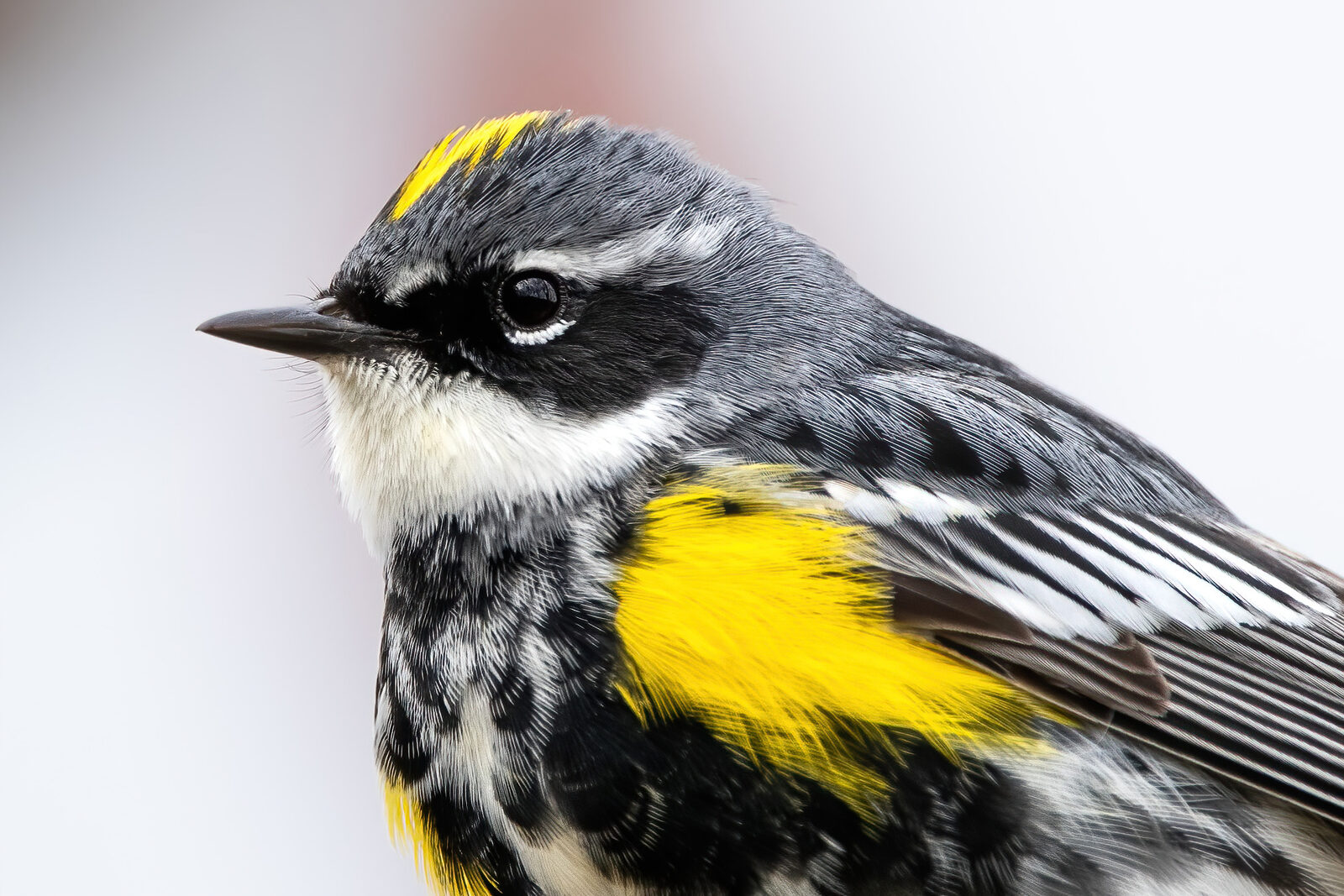
Yellow-rumped warbler
Setophaga coronata
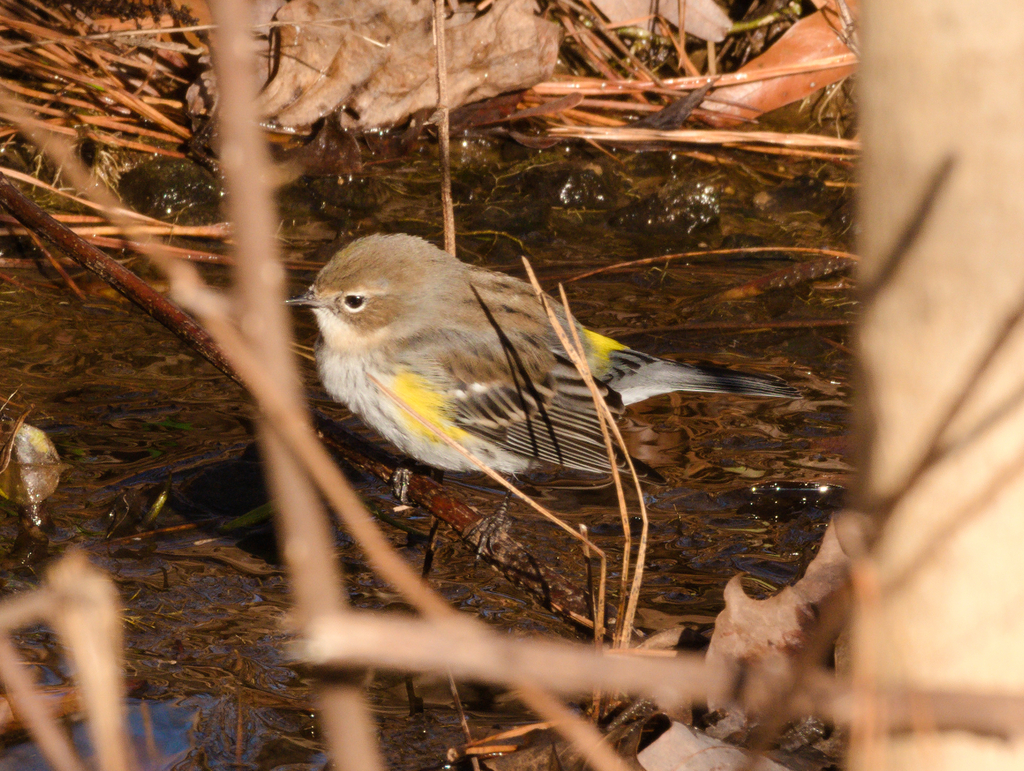
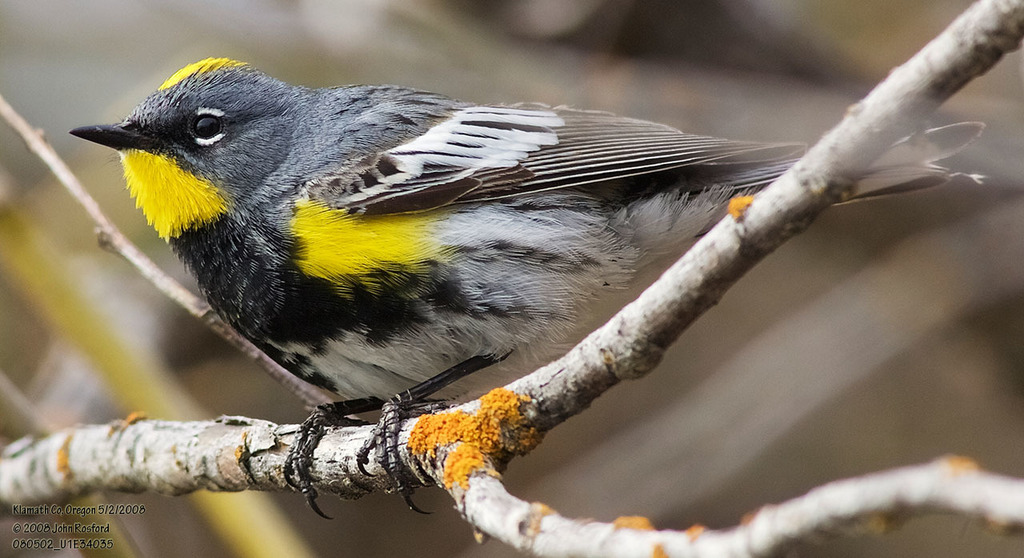
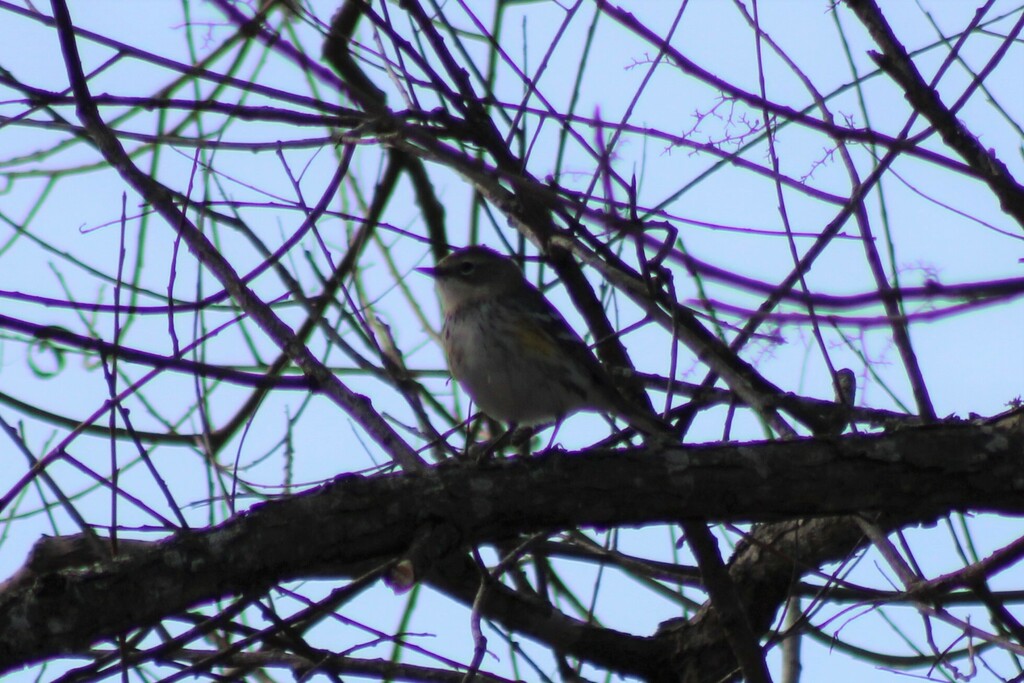
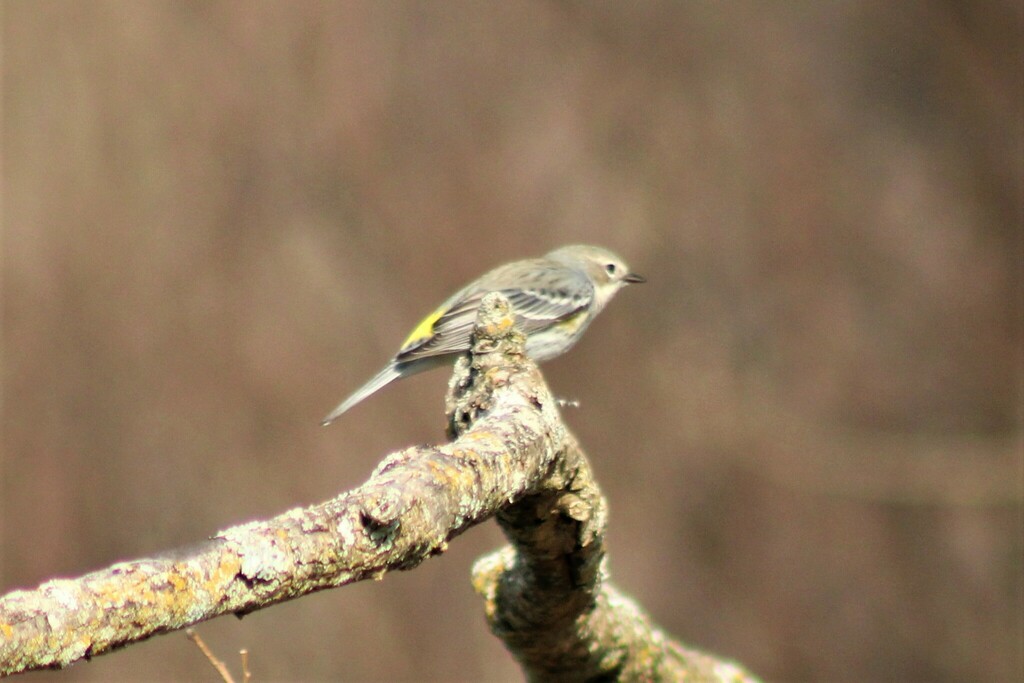
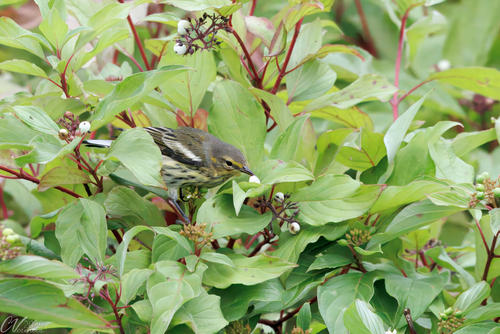
A warbler with a yellow rump, often seen in winter flocks eating berries and insects.
- Status
- Least Concern IUCN Red List
- Eats
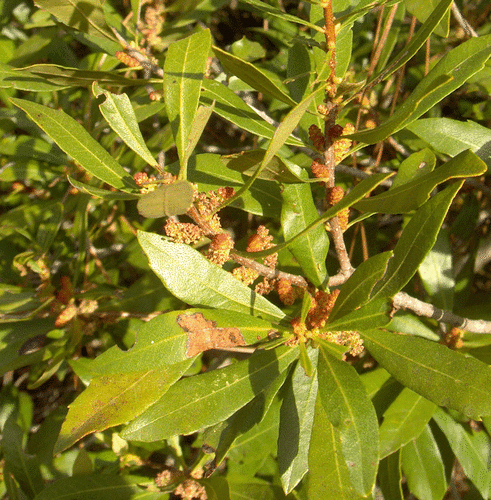
- wax myrtle, eastern red-cedar, poison ivy and 66 more
- Eaten by
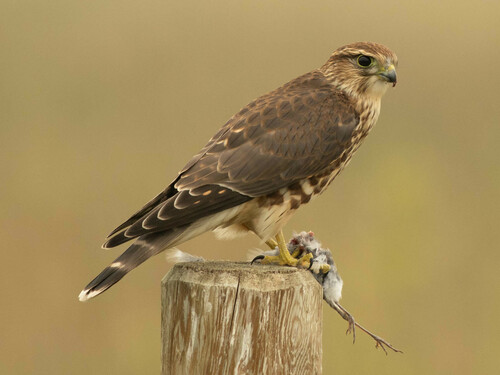
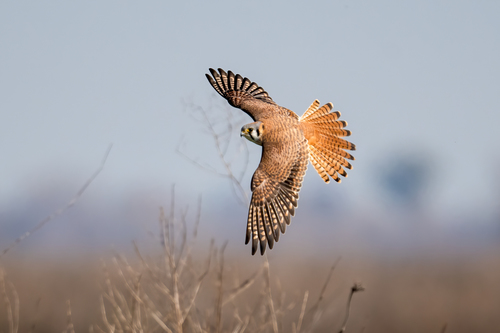
- merlin, American kestrel
- Where
- 43 countries
On 4Planet Atlas it is among the wildlife people record most around Havana, Mexico City and New York, and 4 more of the cities we cover.
People have shared 11,513,332 records of the yellow-rumped warbler with GBIF, from 43 countries, most of them from United States, Canada and Mexico. Records collected by GloBI show it eating 69 different kinds of animals and plants, and being eaten by 3.
What the yellow-rumped warbler eats, and what eats it
Studies have recorded it eating 69 kinds of animals and plants, and 3 kinds of animals eating it. Tap any of them to follow the food chain.
- Plants 59
- Insects 8
- Spiders and mites 1
Eaten by
 Yellow-rumped warbler


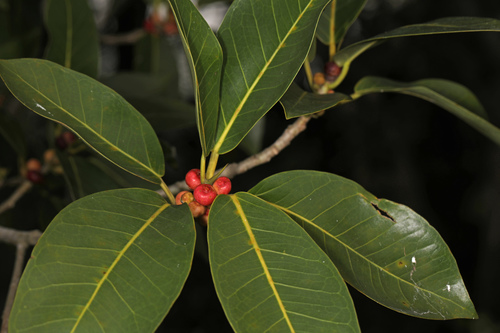
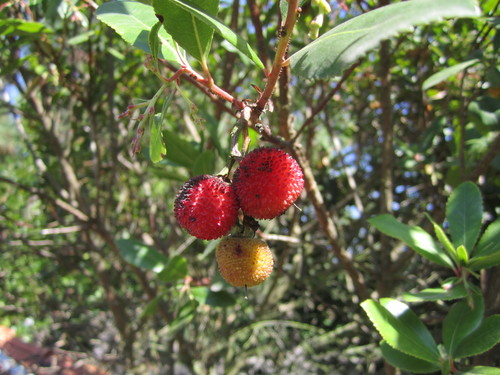
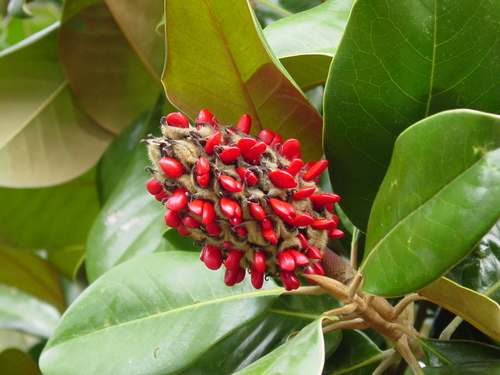
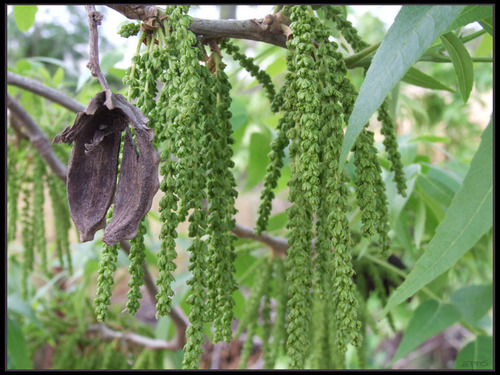

Records from studies worldwide, collected by GloBI. They include animals eaten as carrion, and they are not everything it eats in one place.
Where people see the yellow-rumped warbler
People have shared 11,513,332 records from 43 countries.
Near a city: Havana, Mexico City, New York, Ottawa, Toronto, Vancouver, Washington, D.C..
Records show where people have seen it and shared it, not its full range. Country names open their page in Atlas.
When it is seen
Records per month in the northern hemisphere. More people outdoors also means more records.
Watch and listen

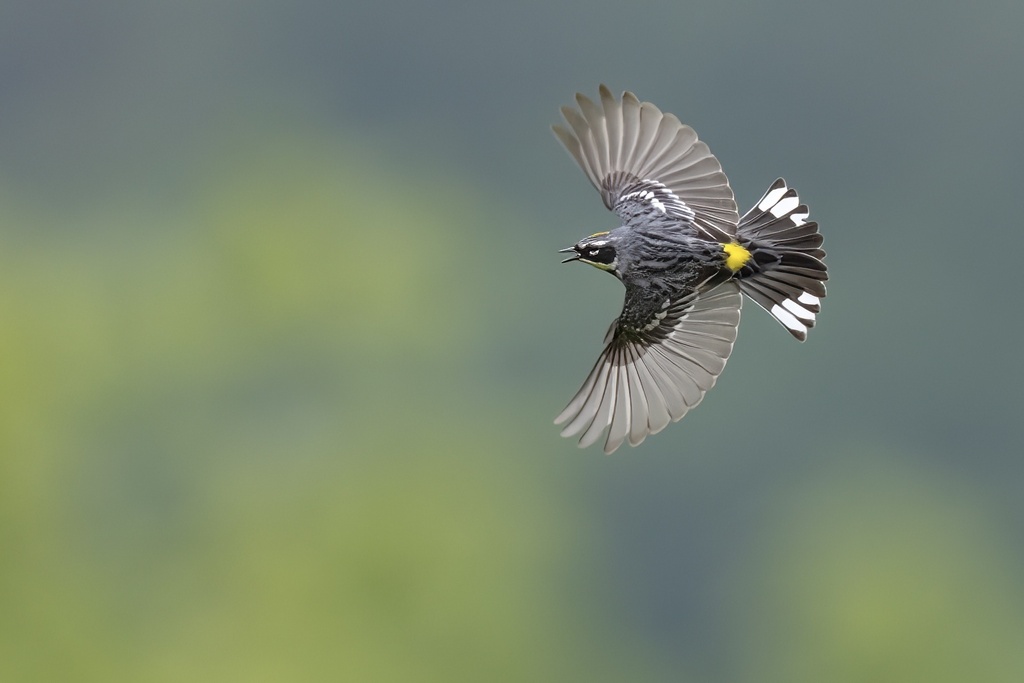
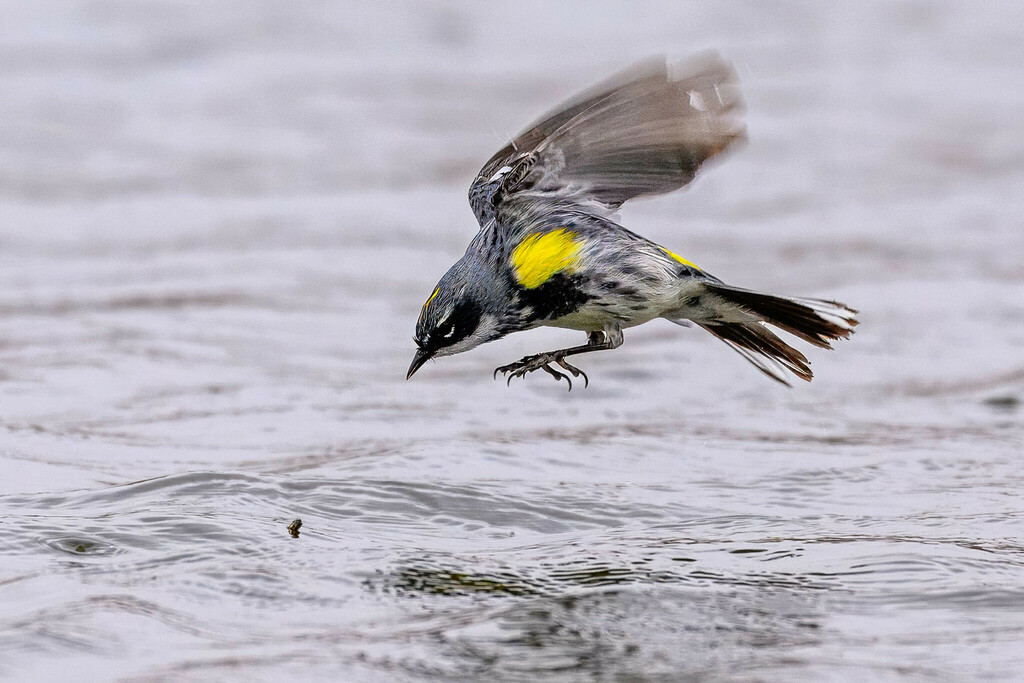
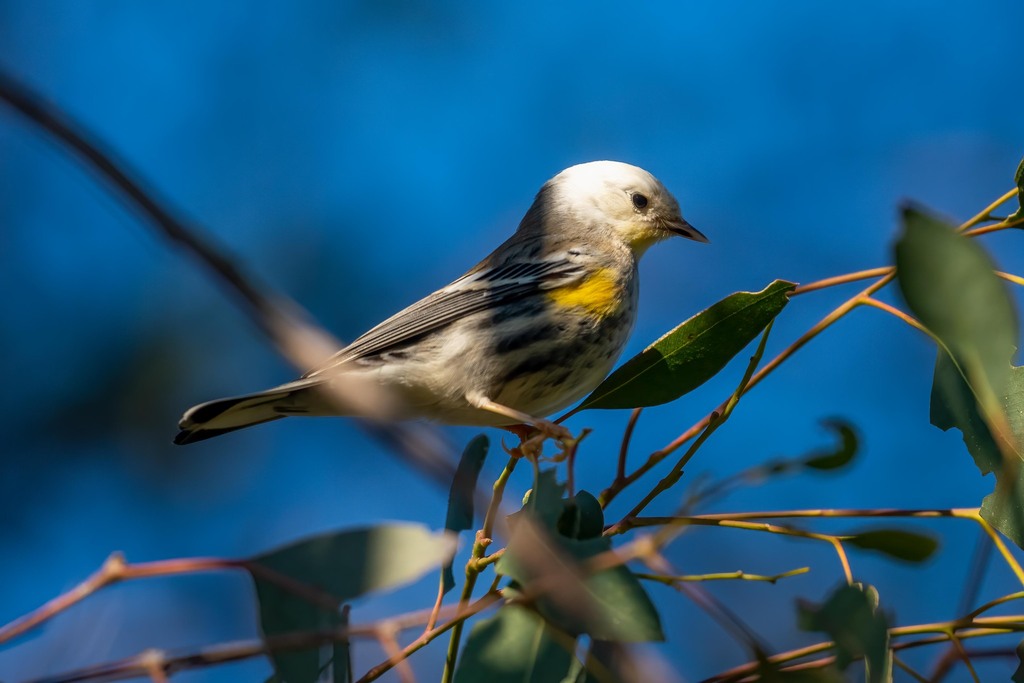
Its closest relatives
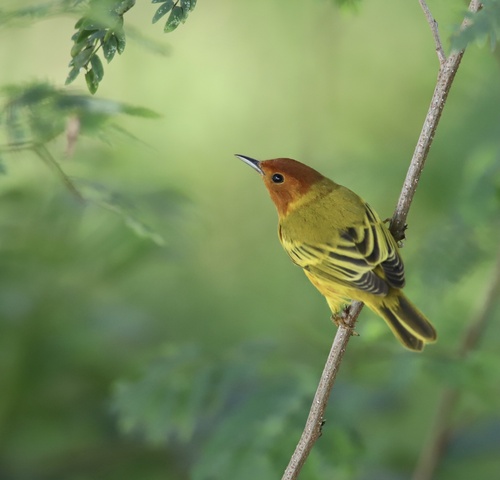
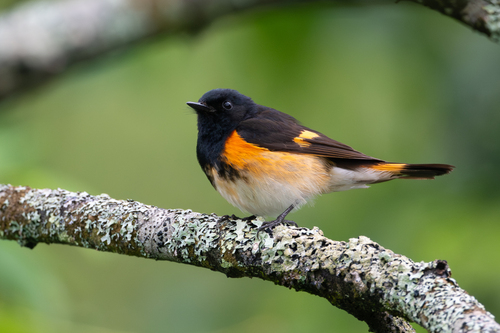
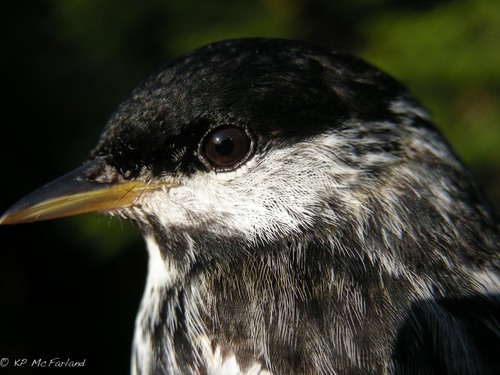
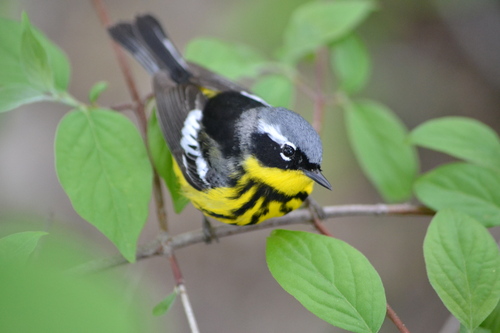
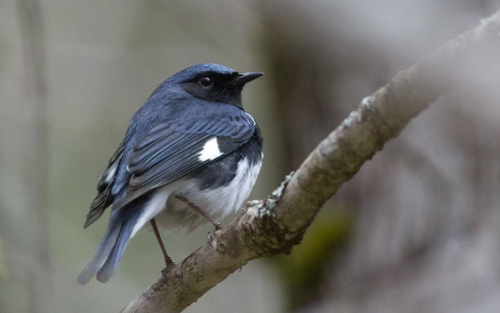
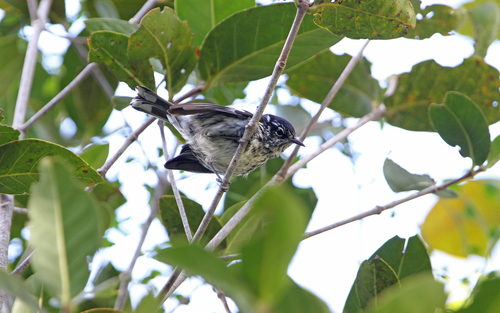
The other species of the genus Setophaga.

Seen a yellow-rumped warbler?
Share your photo on iNaturalist. Other naturalists help confirm it, and the record goes to GBIF, where scientists use it and where the maps on this page come from.
Questions people ask
What does the yellow-rumped warbler eat?
The yellow-rumped warbler has been recorded eating 69 different kinds of animals and plants, most of them plants, insects and spiders and mites. The ones recorded most often are wax myrtle, eastern red-cedar, poison ivy, brazilian peppertree and florida strangler fig; records include animals eaten as carrion. Source: GloBI.
What eats the yellow-rumped warbler?
Recorded predators include merlin and american kestrel. Source: GloBI.
Where does the yellow-rumped warbler live?
People have recorded it in 43 countries; the most records come from United States, Canada, Mexico, Belize and Guatemala. Records show where people have seen it, not its full range.
When is the yellow-rumped warbler seen most?
In the northern hemisphere, the most records are made in May and the fewest in August. More people outdoors also means more records.
What are the yellow-rumped warbler's closest relatives?
It shares the genus Setophaga with mangrove warbler, american redstart, blackpoll warbler, magnolia warbler and northern parula.
Sources and photo credits
- GBIF · Setophaga coronata, 11,513,332 human observations
- GloBI · recorded interactions of Setophaga coronata
- Wikidata · Yellow-rumped warbler (Q18390024)
- Yellow-rumped warbler (Setophaga coronata): Willem Span, CC BY 4.0
- Yellow-rumped warbler (Setophaga coronata), Audubon Cir, Davis, CA, US: Jonathan Eisen, CC BY 4.0
- Yellow-rumped warbler (Setophaga coronata), Braintree Hill Rd, Randolph, VT, US: Matt Felperin, CC BY 4.0
- Yellow-rumped warbler (Setophaga coronata), Fort Richmond, Winnipeg, MB, Canada: Chris O'Donoghue, CC BY 4.0
- Yellow-rumped warbler (Setophaga coronata), Putah Creek Riparian Reserve, Yolo, California, United States: Jonathan Eisen, CC BY 4.0
- Yellow-rumped warbler (Setophaga coronata), Cary, NC, USA: Mark Connolly, CC0
- Yellow-rumped warbler (Setophaga coronata), Klamath County, OR, USA: John Rosford, CC BY 4.0
- Yellow-rumped warbler (Setophaga coronata), Wythe County, VA, USA: Robert Harris, CC BY 4.0
- Yellow-rumped warbler (Setophaga coronata), Saltville, VA, USA: Robert Harris, CC BY 4.0
- Wax myrtle: Homer Edward Price, CC BY 4.0
- Eastern red-cedar: Douglas Goldman, CC BY-SA 4.0
- Poison ivy: Randy A Nonenmacher, CC BY 4.0
- Brazilian peppertree: Douglas Goldman, CC BY-SA 4.0
- Florida strangler fig: Judy Gallagher, CC BY-SA 4.0
- Strawberry tree: Duarte Frade, CC BY 4.0
- Southern magnolia: Pmsyyz, CC BY-SA 4.0
- Pecan: Eran Finkle, CC BY 4.0
- Southern blue-gum: Forest and Kim Starr, CC BY 4.0
- Black walnut: Douglas Goldman, CC BY-SA 4.0
- Merlin: no rights reserved, uploaded by Kathlin Simpkins, CC0
- American kestrel: Jonathan Eisen, CC BY 4.0
- Mangrove warbler: Aitor, CC BY 4.0
- American redstart: no rights reserved, uploaded by Adam Jackson, CC0
- Blackpoll warbler: no rights reserved, uploaded by Kent McFarland, CC0
- Magnolia warbler: Andrew C, CC BY 4.0
- Northern parula: Dan Pancamo, CC BY-SA 4.0
- Cape may warbler: Carol Ann Vermeer, CC BY 4.0
- Black-throated blue warbler: Fyn Kynd, CC BY-SA 4.0
- Elfin woods warbler: Christoph Moning, CC BY 4.0
Records show where people have seen and shared the yellow-rumped warbler, not its full range, and some countries and months are recorded far more than others. The food web lists interactions that studies have recorded somewhere in the world (GloBI), not everything it eats in one place.
Checked 2026-11-21.