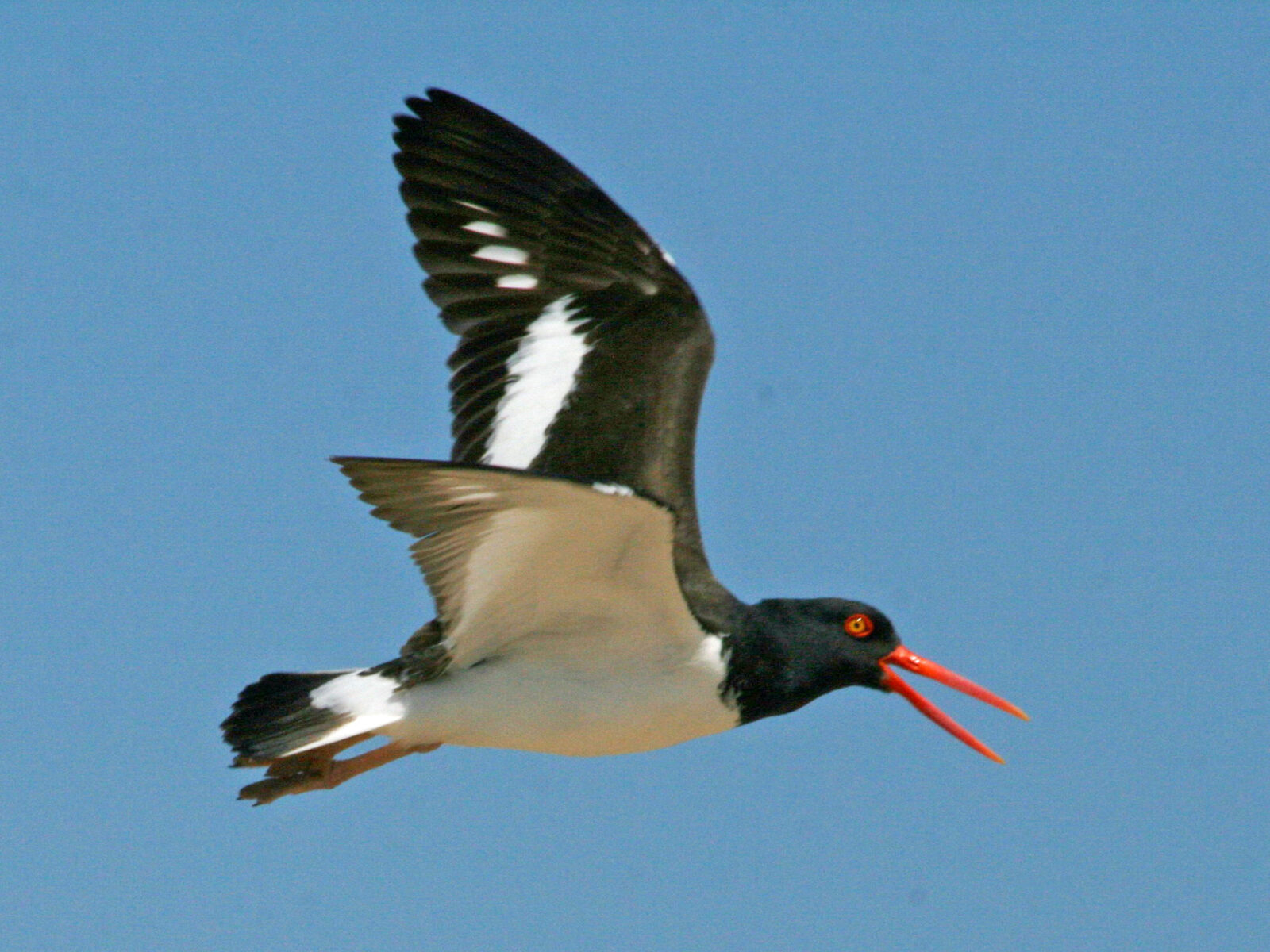
American oystercatcher
Haematopus palliatus
- Status
- Least Concern IUCN Red List
- Eats
- Atlantic horseshoe crab and 4 more
- Where
- 45 countries
On 4Planet Atlas it is among the wildlife people record most around Basseterre, Bridgetown and Kingstown, and 5 more of the cities we cover.
People have shared 601,955 records of the American oystercatcher with GBIF, from 45 countries, most of them from United States, Chile and Mexico. Records collected by GloBI show it eating 5 different kinds of animals and plants.
What the American oystercatcher eats, and what eats it
Studies have recorded it eating 5 kinds of animals and plants. Tap any of them to follow the food chain.
- Crustaceans 3
- Shellfish 1
American oystercatcher
Records from studies worldwide, collected by GloBI. They include animals eaten as carrion, and they are not everything it eats in one place.
Where people see the American oystercatcher
People have shared 601,955 records from 45 countries.
Near a city: Basseterre, Bridgetown, Kingstown, Lima, Montevideo, Nassau, New York, St. George's.
Records show where people have seen it and shared it, not its full range. Country names open their page in Atlas.
When it is seen
Records per month in the northern hemisphere. More people outdoors also means more records.
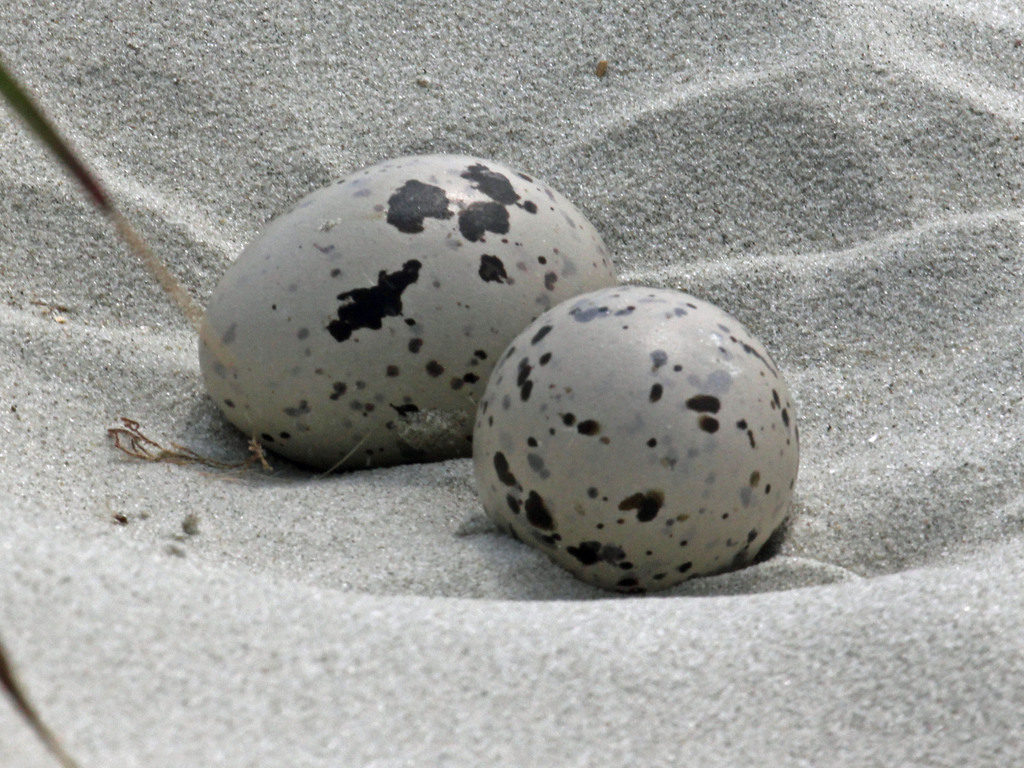
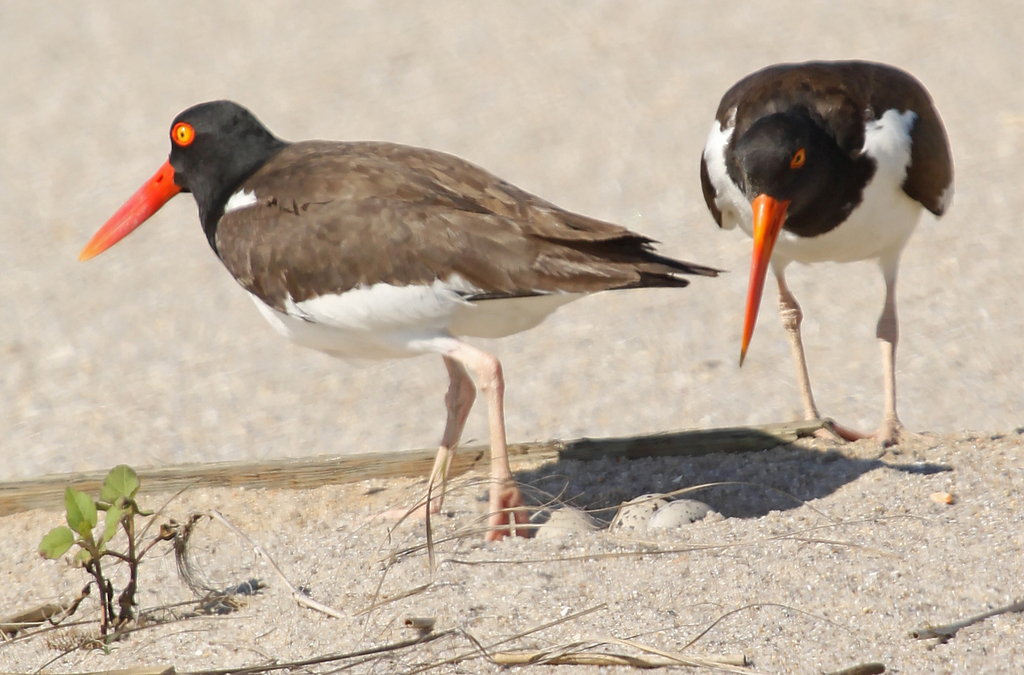
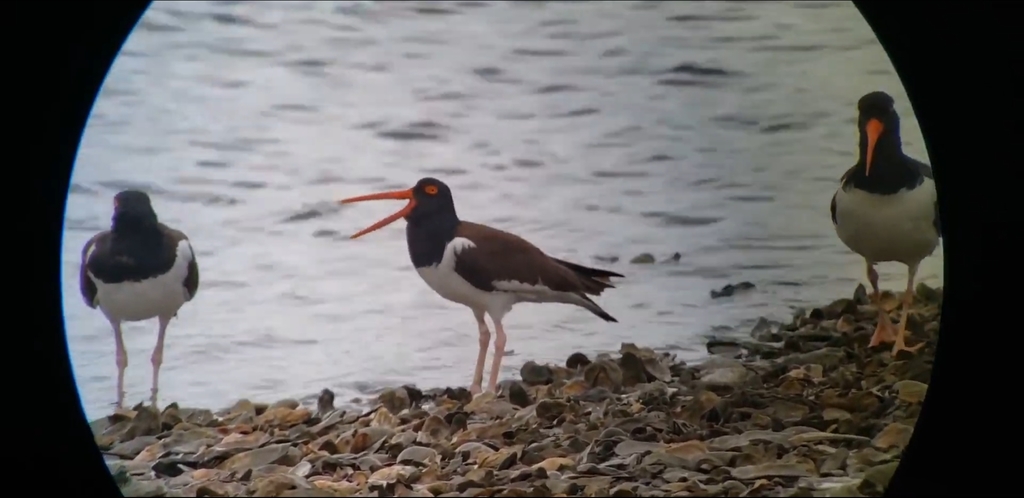
Watch and listen
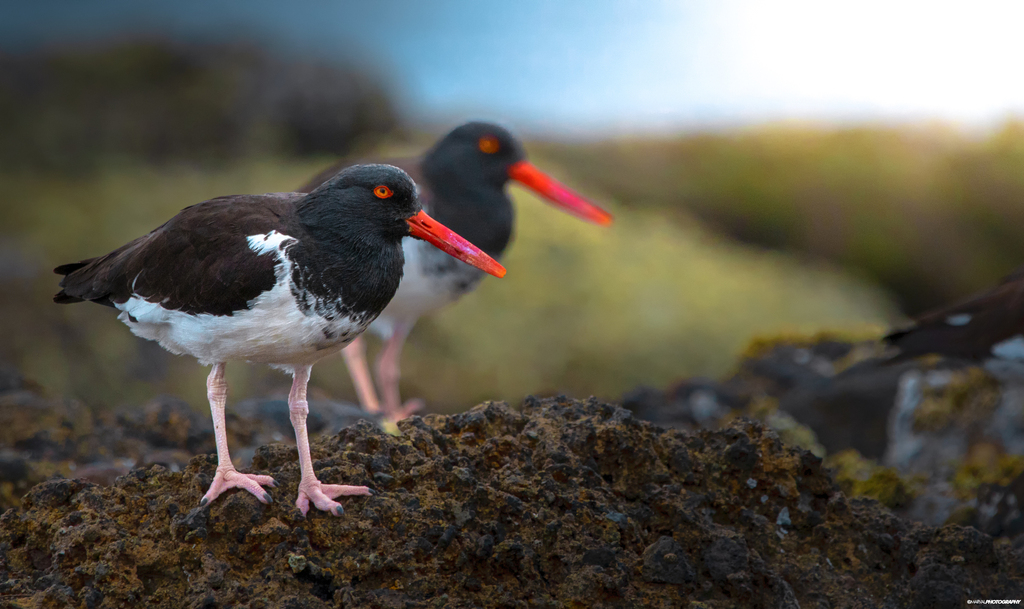
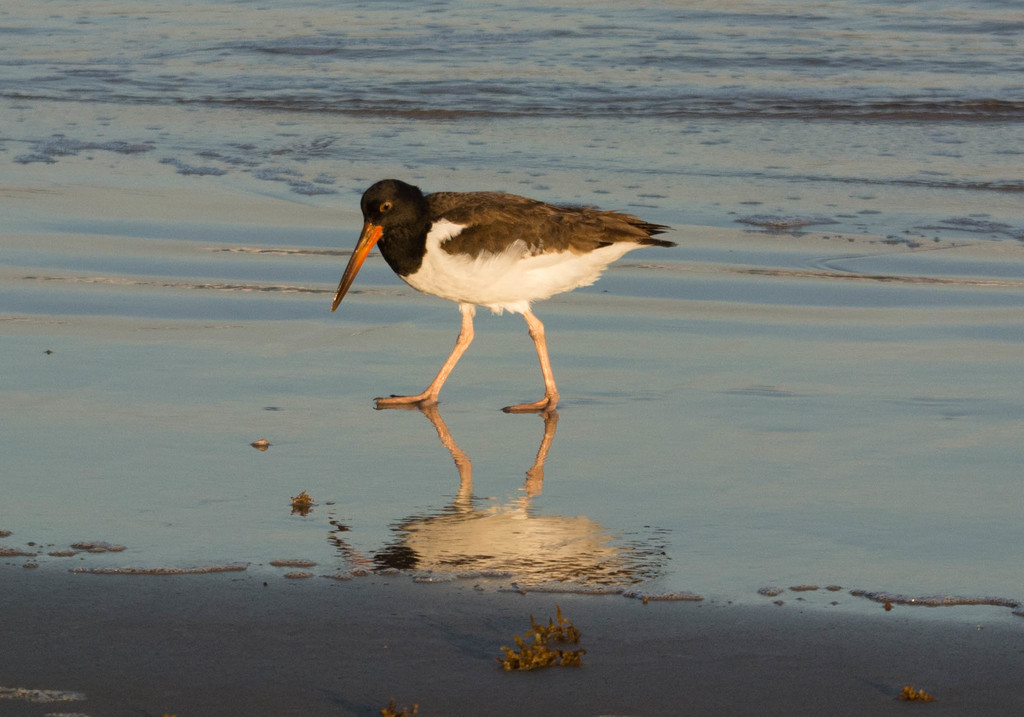
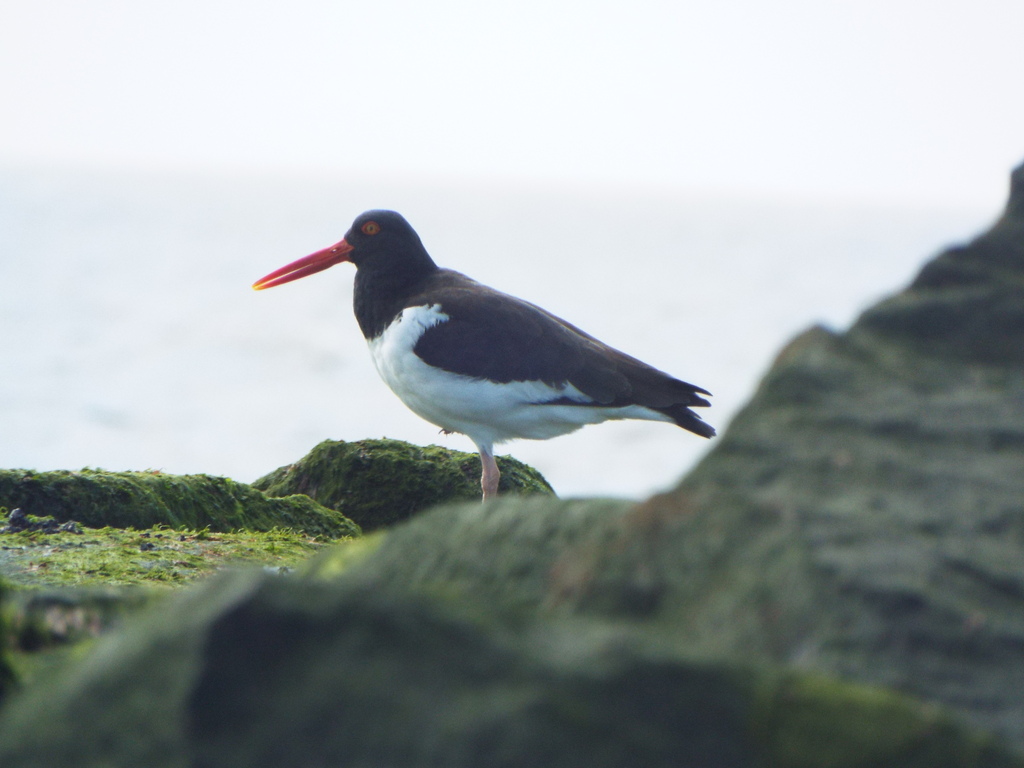
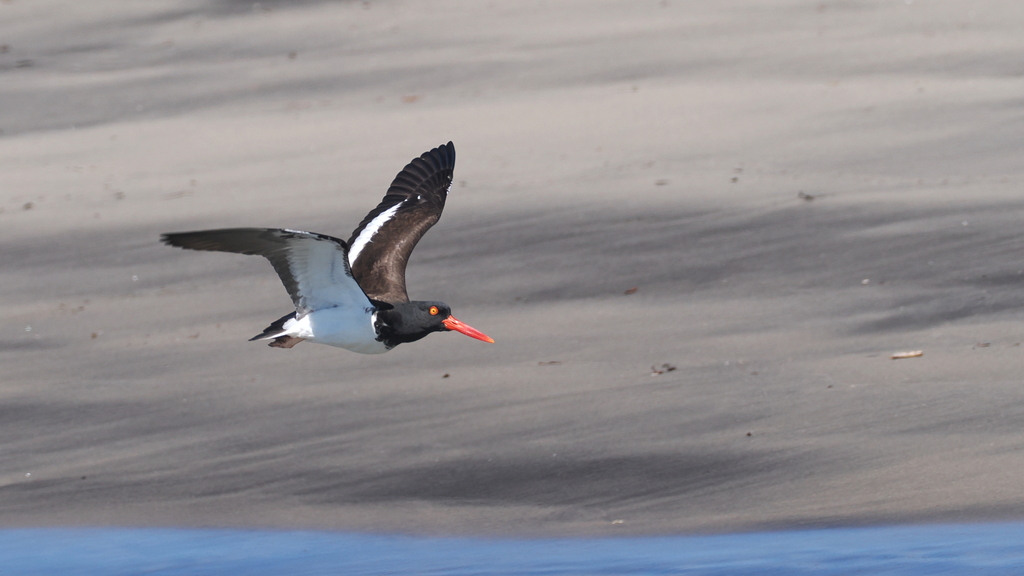
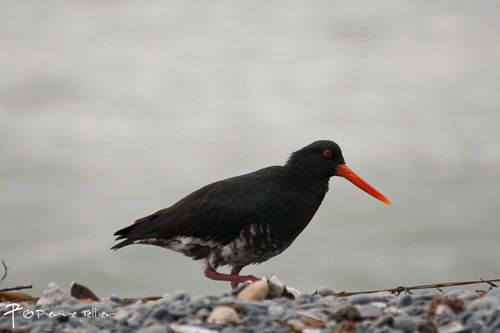
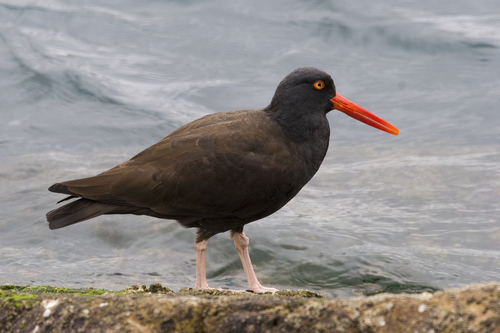
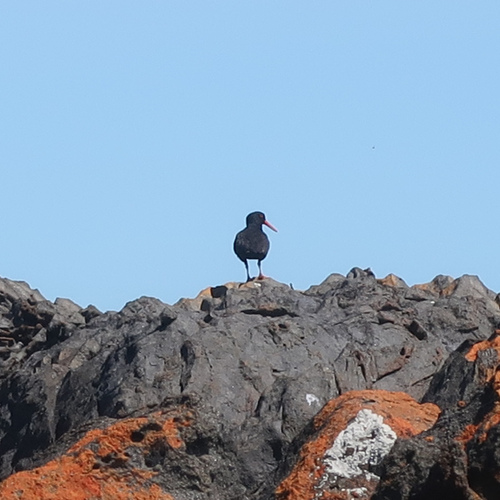
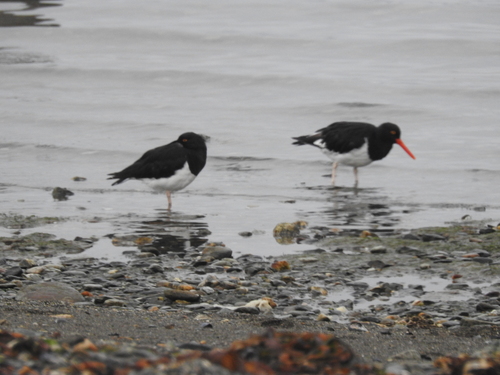
Its closest relatives
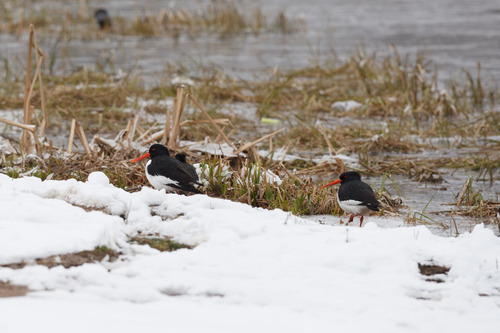
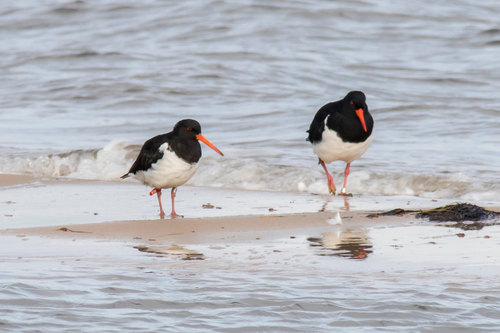
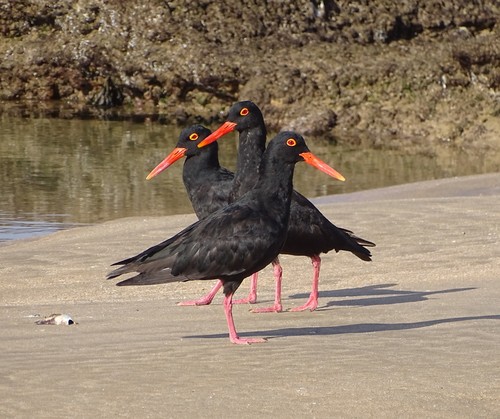
The other species of the genus Haematopus.

Seen an American oystercatcher?
Share your photo on iNaturalist. Other naturalists help confirm it, and the record goes to GBIF, where scientists use it and where the maps on this page come from.
Put this species on your site
The card names every source and links back here.
<iframe src="https://4planetatlas.com/place/embed/species/american-oystercatcher" title="American oystercatcher (Haematopus palliatus), 4PLANET Species" width="100%" height="600" style="border:0;max-width:640px" loading="lazy"></iframe>
<p><a href="https://4species.com/american-oystercatcher">American oystercatcher on 4PLANET Species</a></p>Questions people ask
What does the American oystercatcher eat?
The American oystercatcher has been recorded eating 5 different kinds of animals and plants, most of them crustaceans and shellfish. The ones recorded most often are atlantic horseshoe crab; records include animals eaten as carrion. Source: GloBI.
Where does the American oystercatcher live?
People have recorded it in 45 countries; the most records come from United States, Chile, Mexico, Peru and Argentina. Records show where people have seen it, not its full range.
When is the American oystercatcher seen most?
In the northern hemisphere, the most records are made in May and the fewest in December. More people outdoors also means more records.
What are the American oystercatcher's closest relatives?
It shares the genus Haematopus with eurasian oystercatcher, south island oystercatcher, african oystercatcher, variable oystercatcher and black oystercatcher.
Sources and photo credits
- GBIF · Haematopus palliatus, 601,955 human observations
- GloBI · recorded interactions of Haematopus palliatus
- Wikidata · American oystercatcher (Q692644)
- American oystercatcher (Haematopus palliatus): Dick Daniels, CC BY-SA 4.0
- American oystercatcher (Haematopus palliatus): DickDaniels, CC BY-SA 4.0
- American oystercatcher (Haematopus palliatus): Bear Golden Retriever, CC BY 4.0
- American oystercatcher (Haematopus palliatus), Beach Haven, NJ 08008, USA: Christina Moresi, CC BY 4.0
- American oystercatcher (Haematopus palliatus), Mulegé, B.C.S., México: MarvalPhotography19, CC BY 4.0
- American oystercatcher (Haematopus palliatus), Corpus Christi, TX, USA: Dale Knox, CC0
- American oystercatcher (Haematopus palliatus), Cape May County, NJ, USA: Jonathan Layman, CC BY 4.0
- American oystercatcher (Haematopus palliatus), La Paz, MX-BS, MX: steve b, CC0
- American oystercatcher (Haematopus palliatus), 4025 Hwy 17 Business, Murrells Inlet, SC 29576, USA: Melanie Gaddy, CC0
- Atlantic horseshoe crab: Meghan Cassidy, CC BY-SA 4.0
- Eurasian oystercatcher: Вячеслав Шуплецов, CC BY 4.0
- South island oystercatcher: Andrew Allen, CC BY 4.0
- African oystercatcher: Shaun Swanepoel, CC BY 4.0
- Variable oystercatcher: Pierre Tellier, CC BY 4.0
- Black oystercatcher: Mike Baird, CC BY 4.0
- Blackish oystercatcher: Nicolas Olejnik, CC BY 4.0
- Sooty oystercatcher: Cowirrie, CC0
- Magellanic oystercatcher: María Regina Silva, CC BY 4.0
Records show where people have seen and shared the American oystercatcher, not its full range, and some countries and months are recorded far more than others. The food web lists interactions that studies have recorded somewhere in the world (GloBI), not everything it eats in one place.
Checked 2026-11-27.