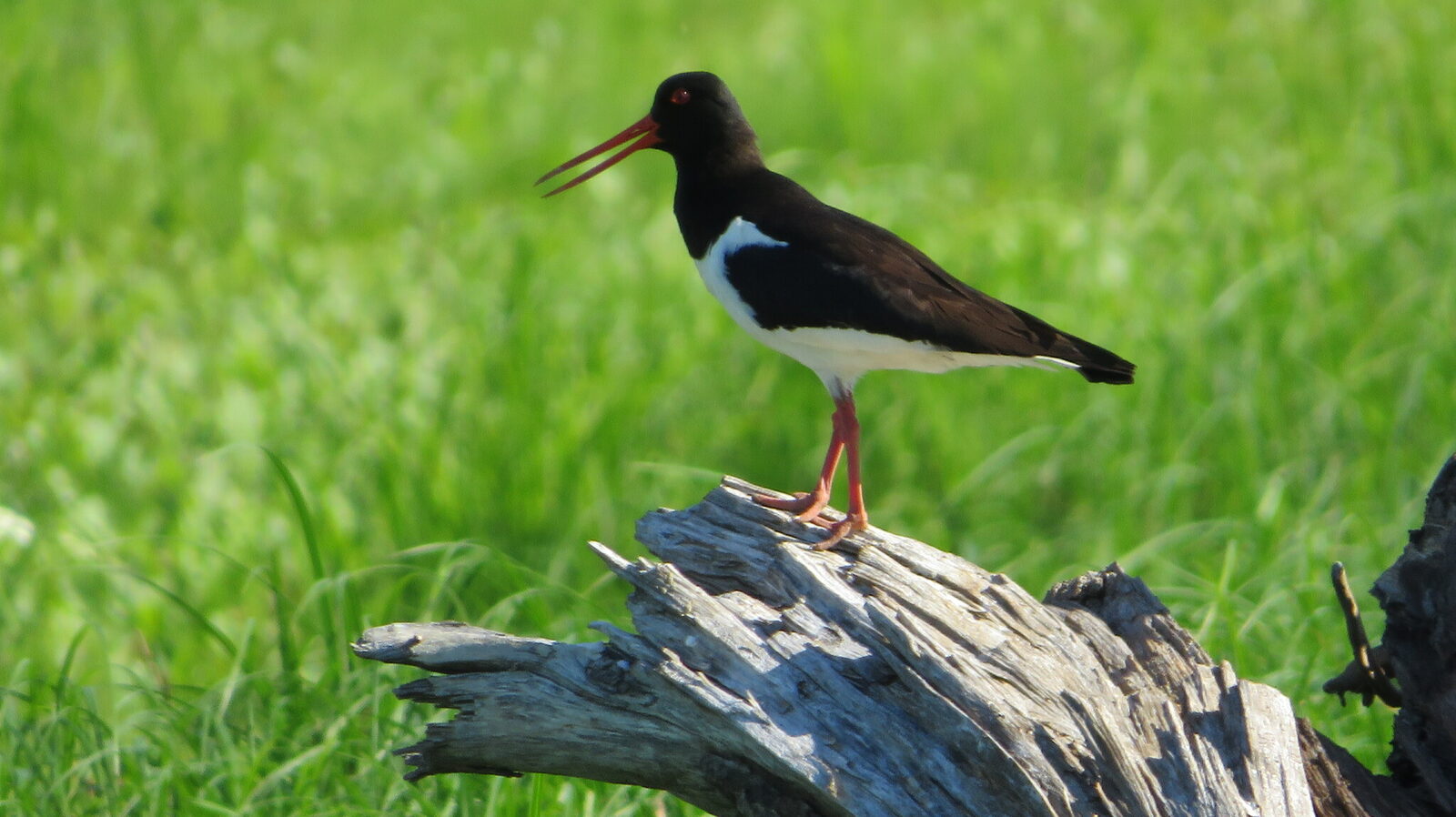
Eurasian oystercatcher
Haematopus ostralegus
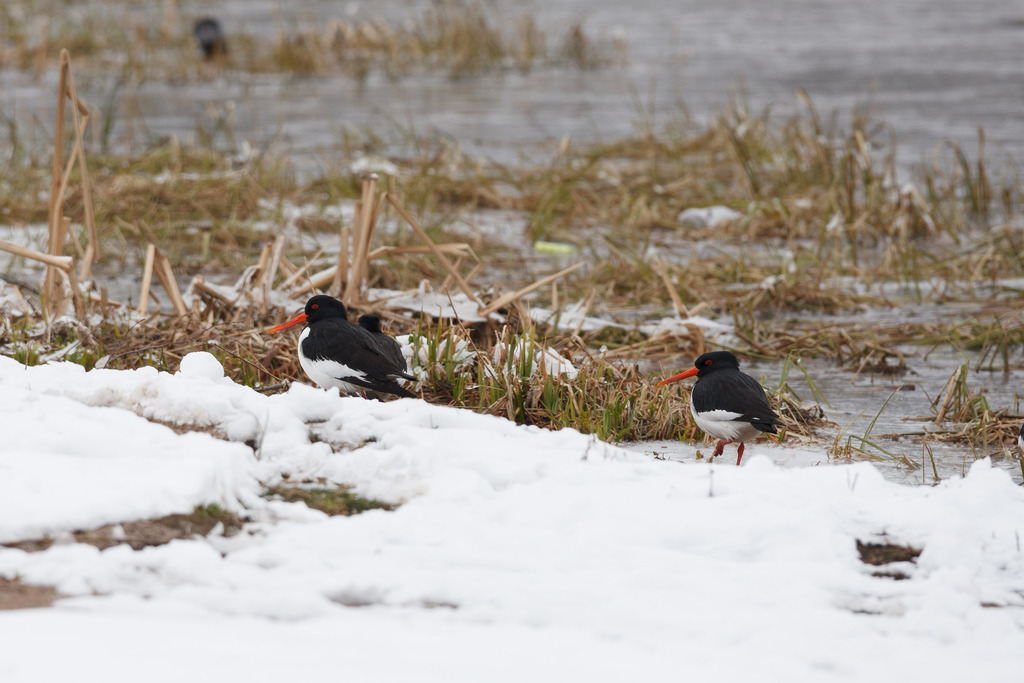
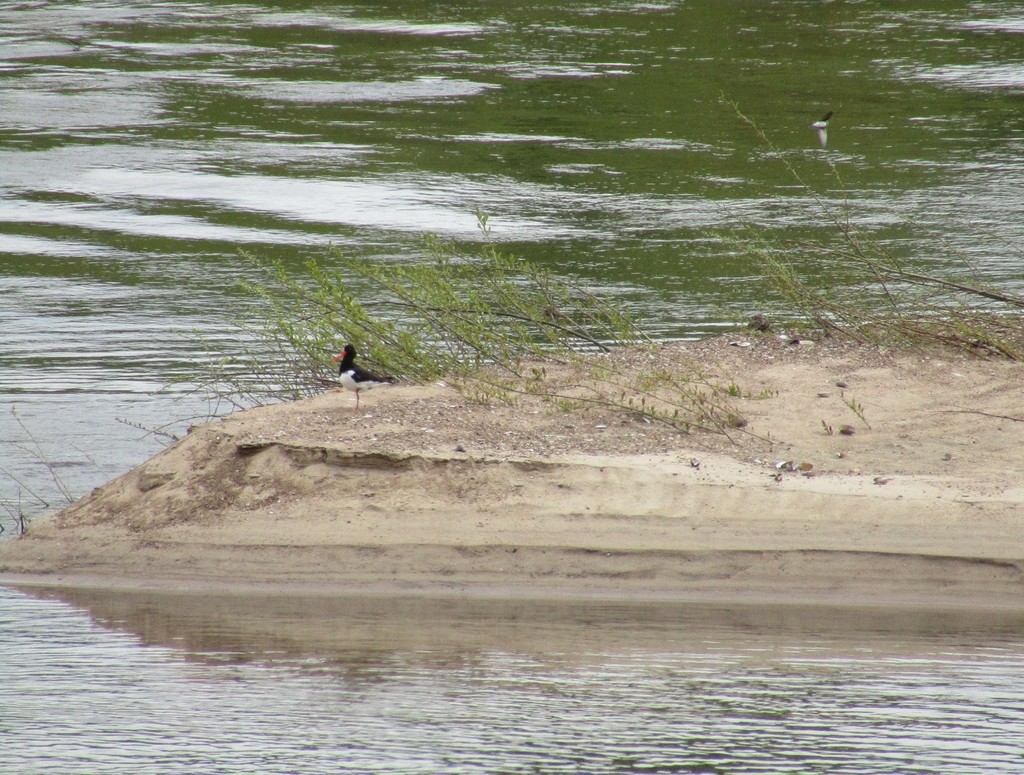
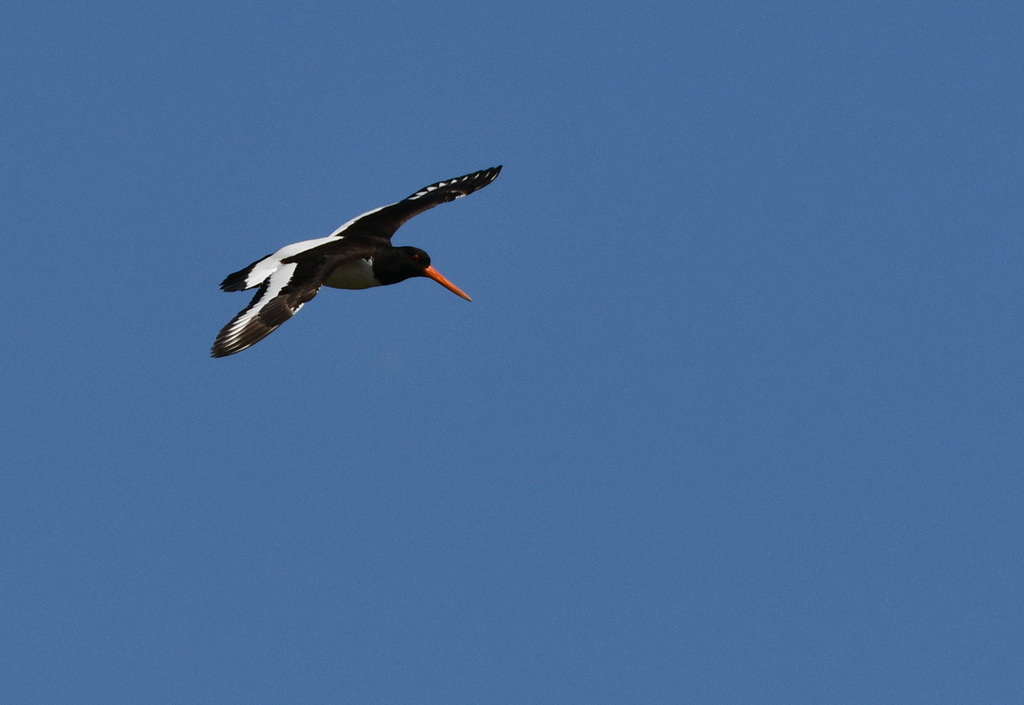
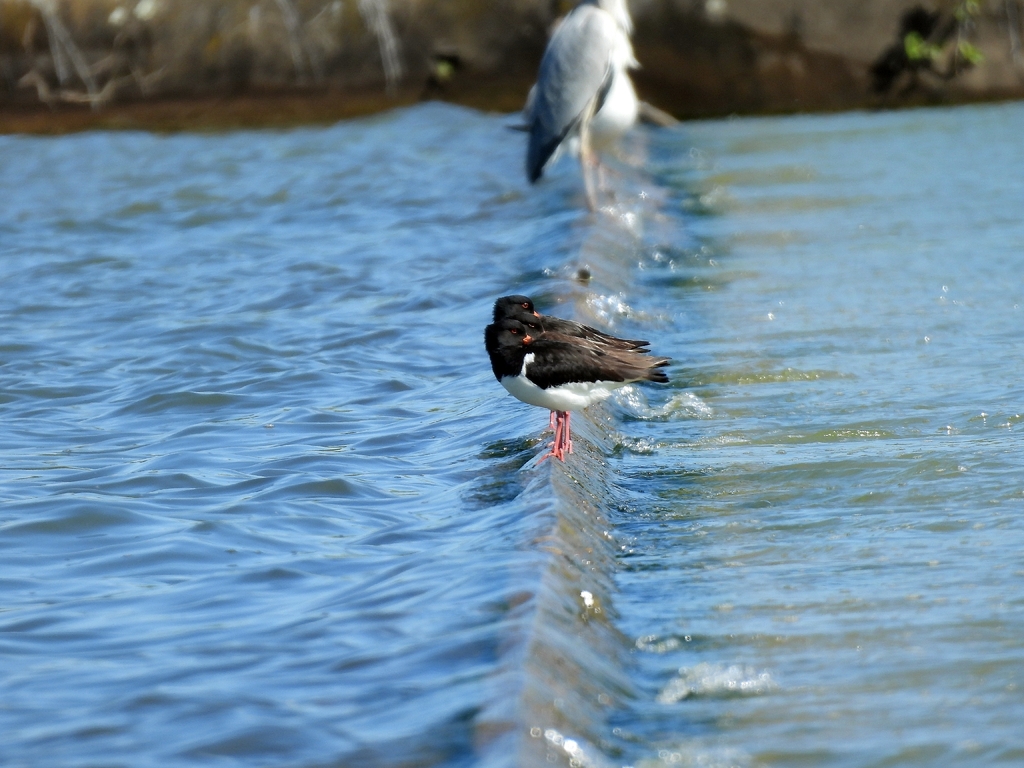
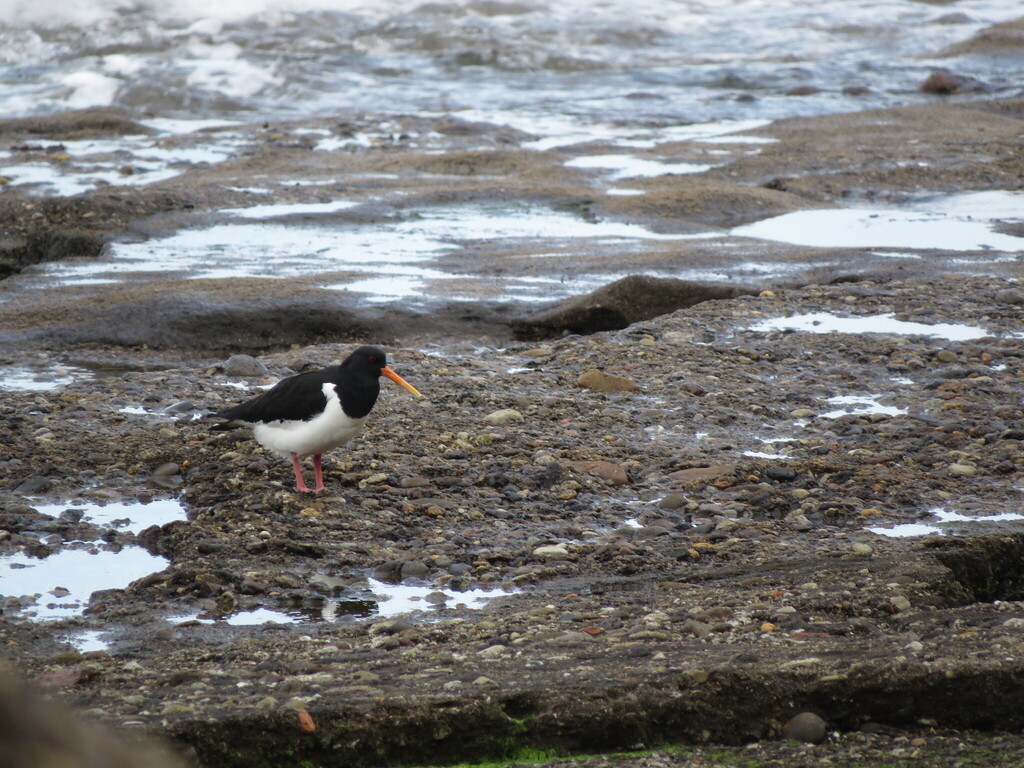
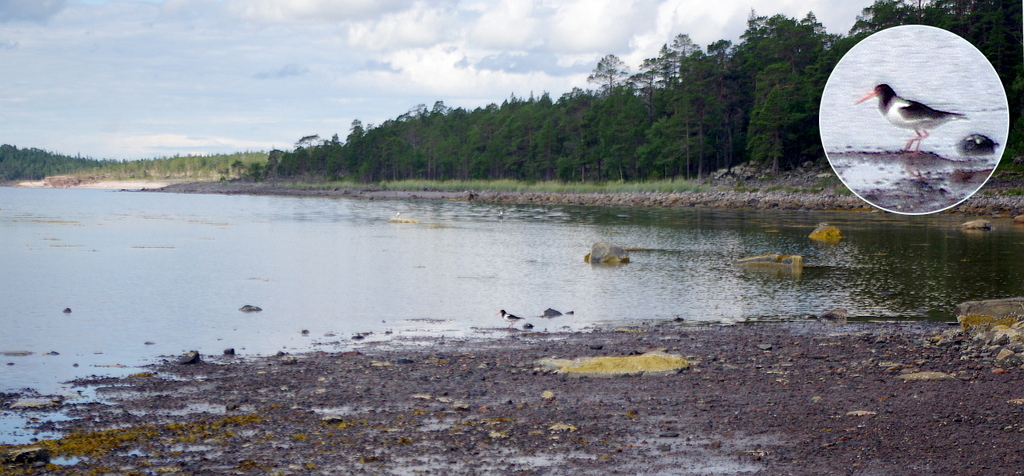
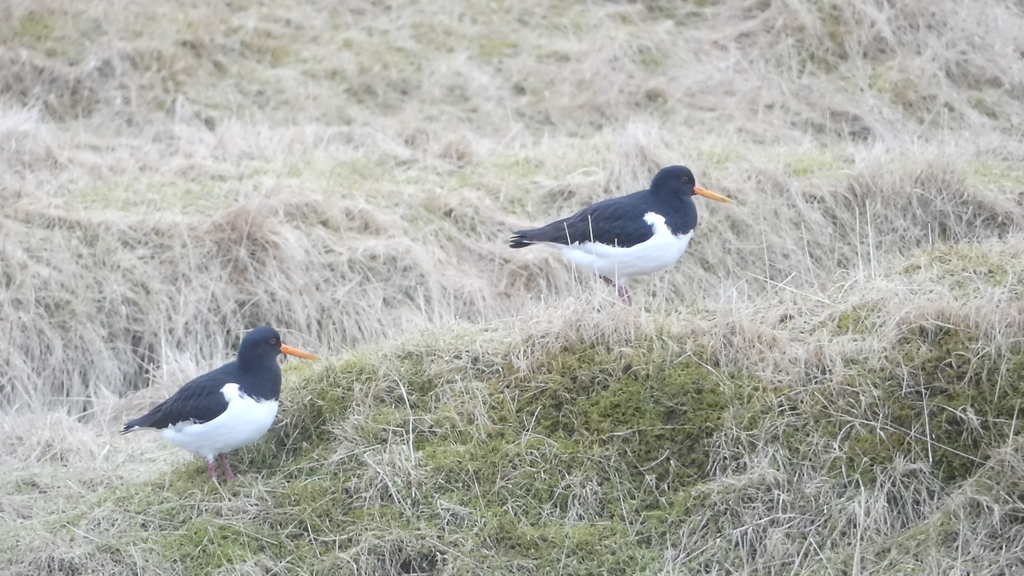
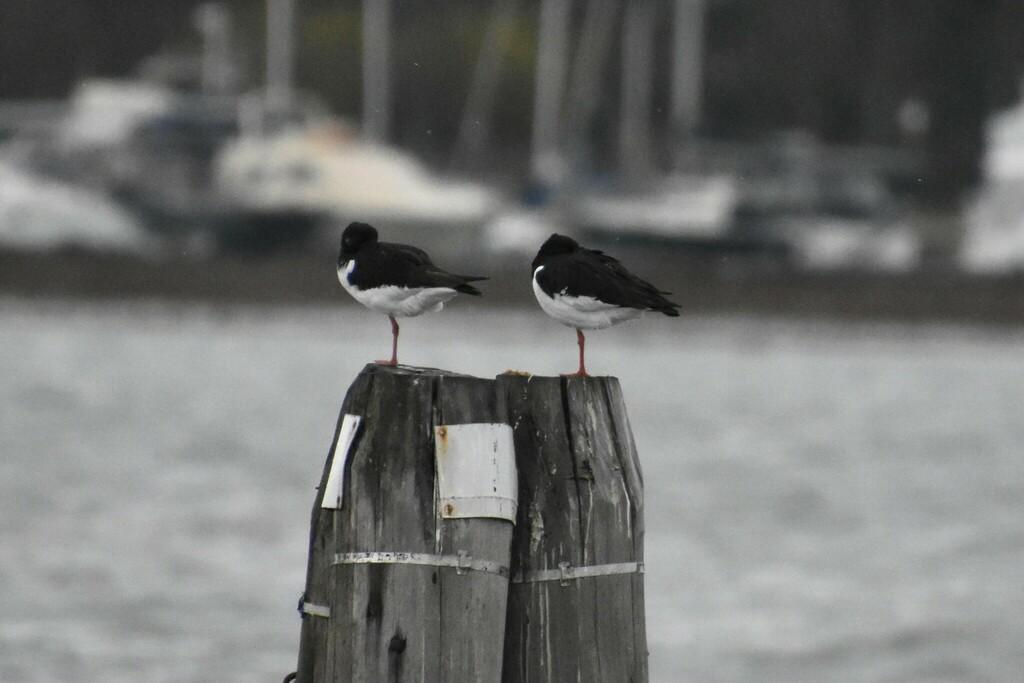
A black-and-white wader with a long orange bill that opens shellfish and probes for worms.
- Status
- Near Threatened IUCN Red List
- Eats
- European herring gull, common tern, common gull and 40 more
- Eaten by
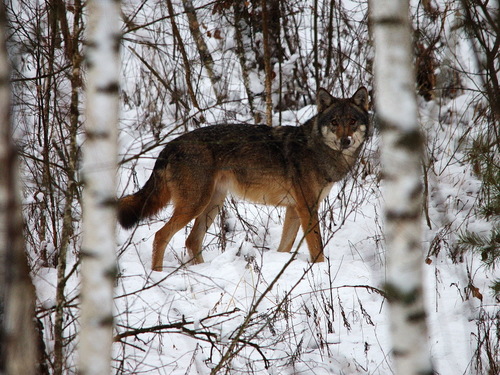
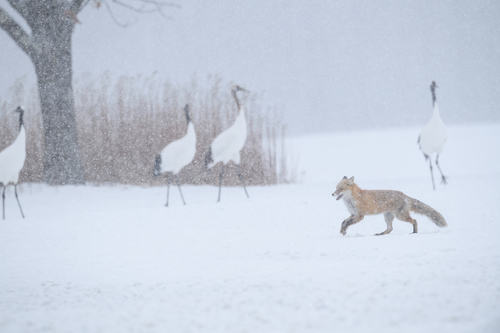
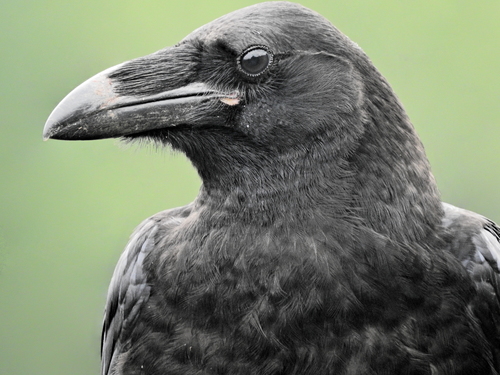
- grey wolf, red fox, northern raven
- Where
- 107 countries
On 4Planet Atlas it is among the wildlife people record most around Algiers, Amsterdam and Astana, and 16 more of the cities we cover.
People have shared 825,016 records of the eurasian oystercatcher with GBIF, from 107 countries, most of them from United Kingdom, Netherlands and Iceland. Records collected by GloBI show it eating 43 different kinds of animals and plants, and being eaten by 21.
What the Eurasian oystercatcher eats, and what eats it
Studies have recorded it eating 43 kinds of animals and plants, and 21 kinds of animals eating it. Tap any of them to follow the food chain.
- Birds 23
- Shellfish 6
- Worms 5
- Crustaceans 3
- Snails and slugs 2
 Eurasian oystercatcher

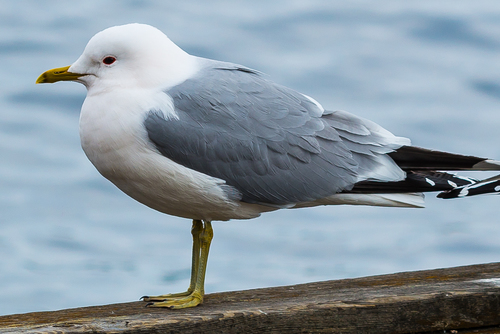
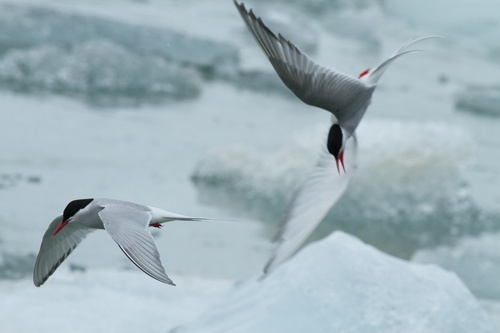
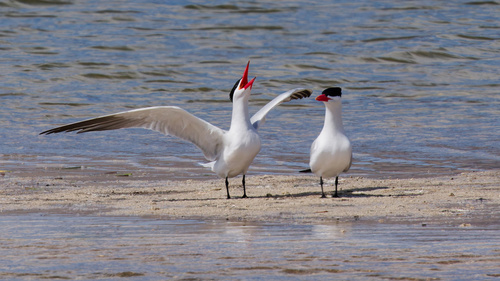
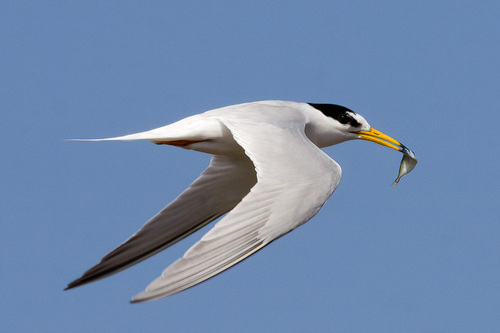

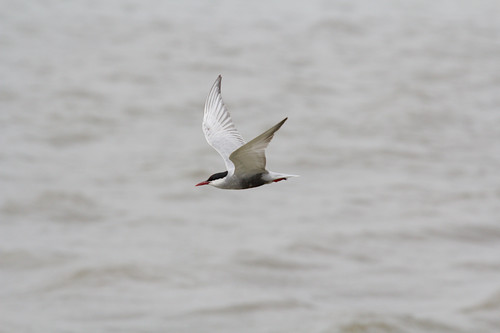

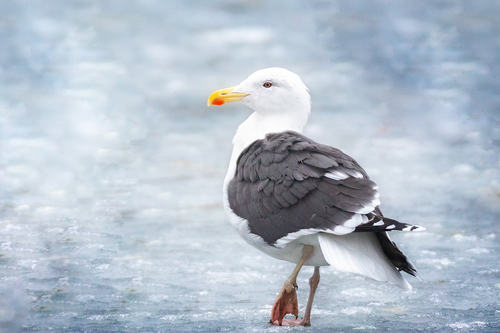


Records from studies worldwide, collected by GloBI. They include animals eaten as carrion, and they are not everything it eats in one place.
Where people see the Eurasian oystercatcher
People have shared 825,016 records from 107 countries.
Near a city: Algiers, Amsterdam, Astana, Bergen, Brussels, Copenhagen, Dublin, Helsinki, London, Manama, Oslo, Reykjavík, Seoul, Stockholm, Tallinn, Tashkent, Tirana, Tokyo, Warsaw.
Records show where people have seen it and shared it, not its full range. Country names open their page in Atlas.
When it is seen
Records per month in the northern hemisphere. More people outdoors also means more records.
Watch and listen
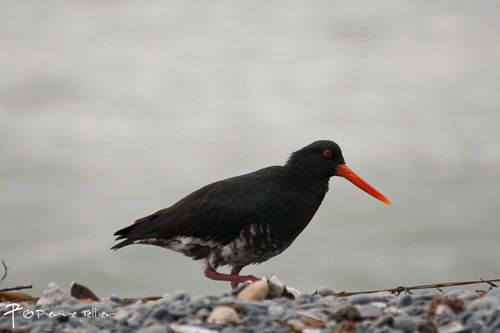
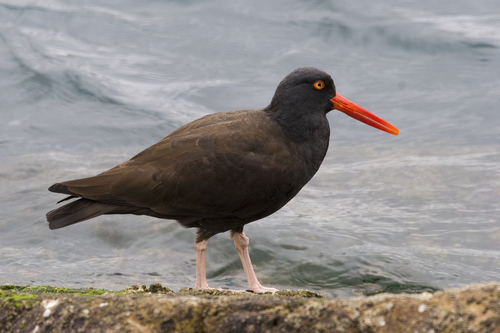
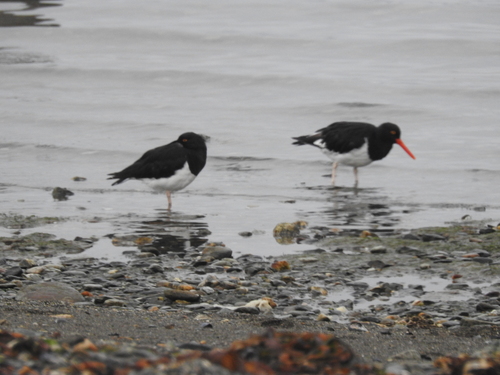
Its closest relatives
The other species of the genus Haematopus.


Seen a Eurasian oystercatcher?
Share your photo on iNaturalist. Other naturalists help confirm it, and the record goes to GBIF, where scientists use it and where the maps on this page come from.
Questions people ask
What does the eurasian oystercatcher eat?
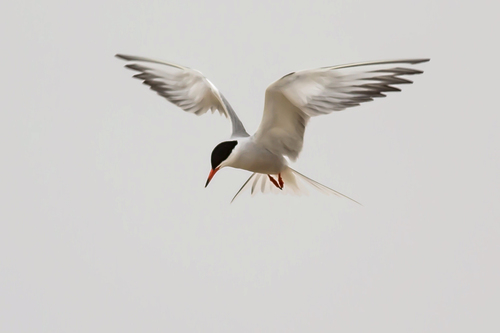
The eurasian oystercatcher has been recorded eating 43 different kinds of animals and plants, most of them birds, shellfish, worms and crustaceans. The ones recorded most often are european herring gull, common tern, common gull, arctic tern and caspian tern; records include animals eaten as carrion. Source: GloBI.
What eats the eurasian oystercatcher?
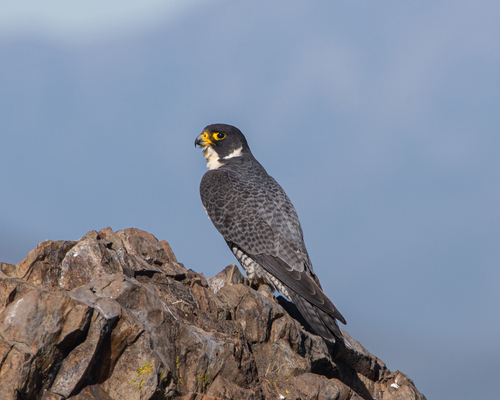
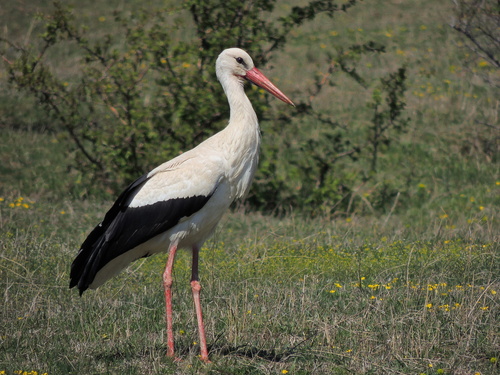
Recorded predators include grey wolf, red fox, northern raven, peregrine falcon and white stork. Source: GloBI.
Where does the eurasian oystercatcher live?
People have recorded it in 107 countries; the most records come from United Kingdom, Netherlands, Iceland, Norway and Ireland. Records show where people have seen it, not its full range.
When is the eurasian oystercatcher seen most?
In the northern hemisphere, the most records are made in May and the fewest in November. More people outdoors also means more records.
What are the eurasian oystercatcher's closest relatives?
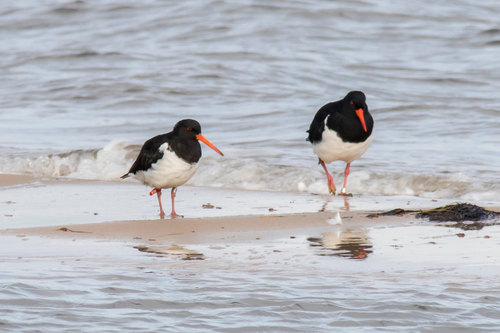
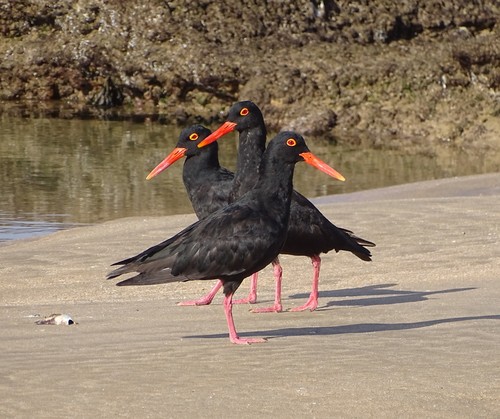
It shares the genus Haematopus with american oystercatcher, south island oystercatcher, african oystercatcher, variable oystercatcher and black oystercatcher.
Sources and photo credits
- GBIF · Haematopus ostralegus, 825,016 human observations
- GloBI · recorded interactions of Haematopus ostralegus
- Wikidata · Eurasian oystercatcher (Q25928)
- Eurasian oystercatcher (Haematopus ostralegus): Светлана Царахова, CC0
- Eurasian oystercatcher (Haematopus ostralegus), г. Киров, Кировская обл., Россия: Вячеслав Шуплецов, CC BY 4.0
- Eurasian oystercatcher (Haematopus ostralegus), Алексинский р-н, Тульская обл., Россия: Елена Смирнова, CC BY 4.0
- Eurasian oystercatcher (Haematopus ostralegus), Municipiu Adjud, România: Patrascu Lucian-Marius, CC0
- Eurasian oystercatcher (Haematopus ostralegus), 552 03 Česká Skalice, Česko: Eva Uzdilova, CC BY 4.0
- Eurasian oystercatcher (Haematopus ostralegus), Andra Mari, 48993, Vizcaya, Spain: Dominique, CC0
- Eurasian oystercatcher (Haematopus ostralegus), Лоухский р-н, Респ. Карелия, Россия: Георгий Виноградов (Georgy Vinogradov), CC BY 4.0
- Eurasian oystercatcher (Haematopus ostralegus), Southern Region, Iceland: Anne C Lewis, CC BY 4.0
- Eurasian oystercatcher (Haematopus ostralegus), Venezia-Murano-Burano, Venecia, Italia: Tristo, CC BY 4.0
- European herring gull: Stu's Images, CC BY-SA 4.0
- Common tern: Bill Keim, CC BY 4.0
- Common gull: Bengt Nyman, CC BY 4.0
- Arctic tern: Brian Gratwicke, CC BY 4.0
- Caspian tern: Daughter Dad, CC BY 4.0
- Little tern: PotMart186, CC BY-SA 4.0
- White-winged tern: Kim, Hyun-tae, CC BY 4.0
- Whiskered tern: Lek Khauv, CC BY 4.0
- Gull-billed tern: Amber M. King, CC BY 4.0
- Great black-backed gull: egorbirder, CC BY 4.0
- Black tern: Ómar Runólfsson, CC BY 4.0
- Little gull: Ekaterina Chernetsova (Papchinskaya), CC BY 4.0
- Grey wolf: Andrew Simon, CC BY 4.0
- Red fox: Morten Ross, CC BY 4.0
- Northern raven: xulescu_g, CC BY-SA 4.0
- Peregrine falcon: Nicolás Villaseca Merino, CC BY-SA 4.0
- White stork: xulescu_g, CC BY-SA 4.0
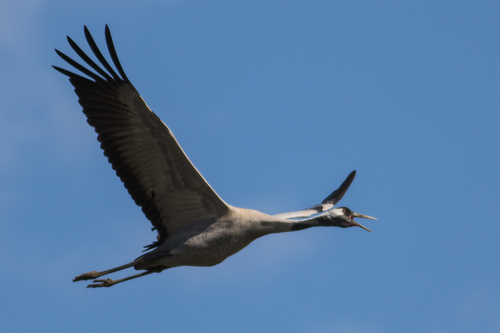
- Common crane: מינוזיג - MinoZig, CC BY-SA 4.0
- Rook: hedera.baltica, CC BY-SA 4.0
- American oystercatcher: Dick Daniels, CC BY-SA 4.0
- South island oystercatcher: Andrew Allen, CC BY 4.0
- African oystercatcher: Shaun Swanepoel, CC BY 4.0
- Variable oystercatcher: Pierre Tellier, CC BY 4.0
- Black oystercatcher: Mike Baird, CC BY 4.0
- Blackish oystercatcher: Nicolas Olejnik, CC BY 4.0
- Sooty oystercatcher: Liam Sultana, CC BY 4.0
- Magellanic oystercatcher: María Regina Silva, CC BY 4.0
Records show where people have seen and shared the eurasian oystercatcher, not its full range, and some countries and months are recorded far more than others. The food web lists interactions that studies have recorded somewhere in the world (GloBI), not everything it eats in one place.
Checked 2026-11-21.