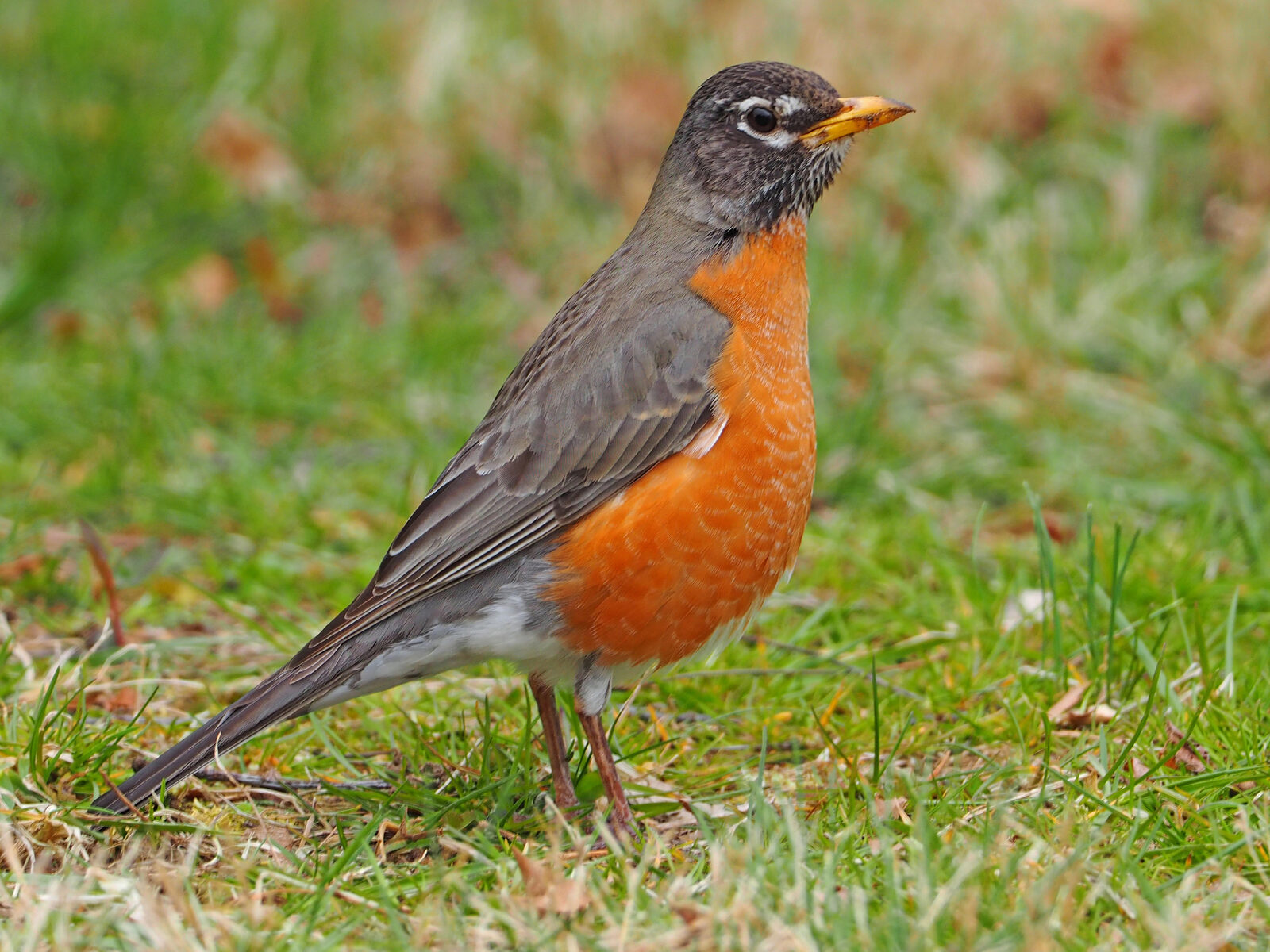
American robin
Turdus migratorius
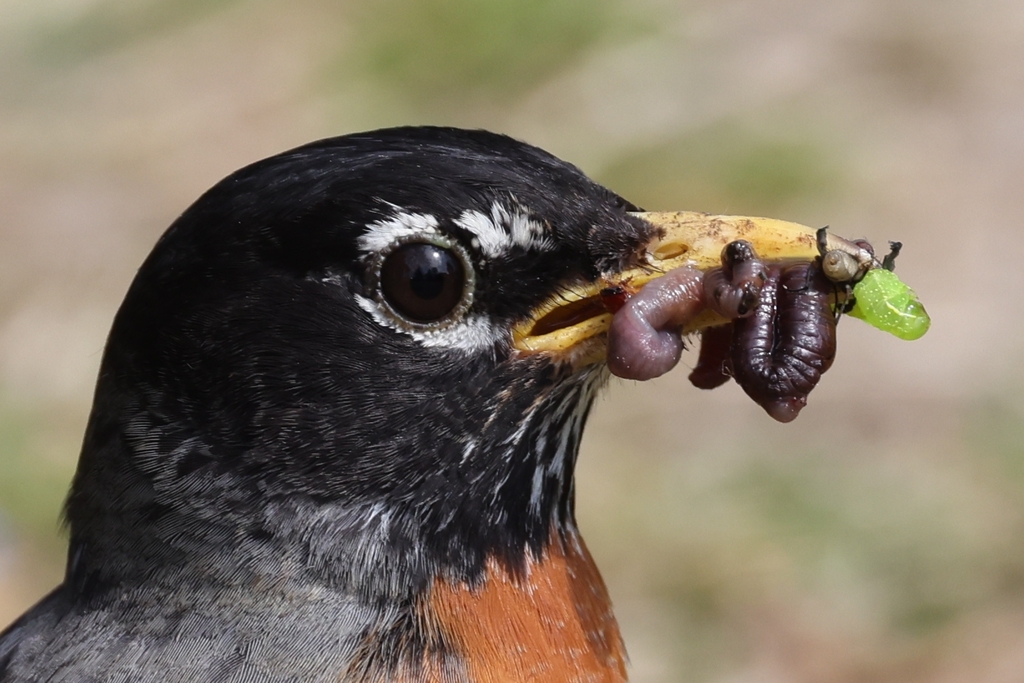
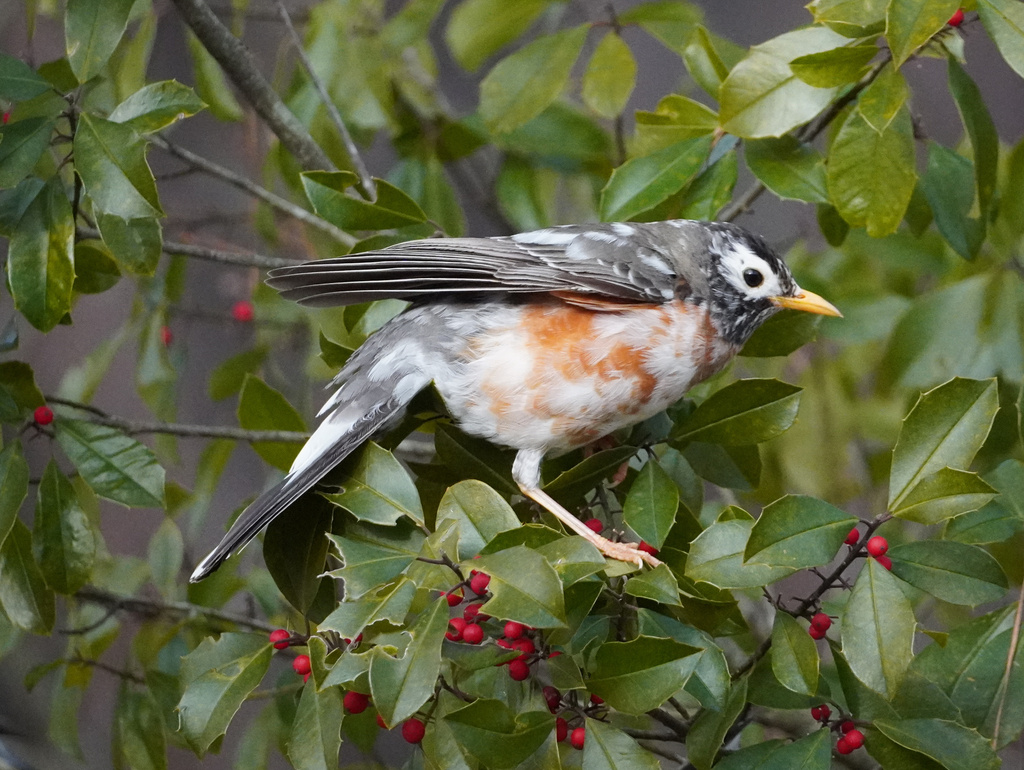
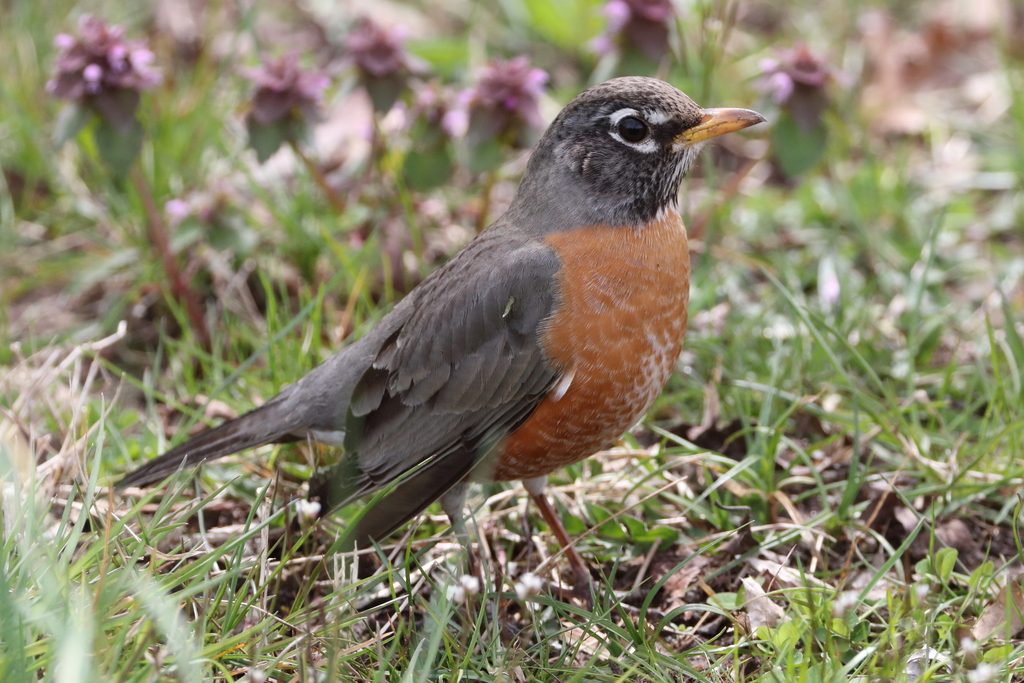
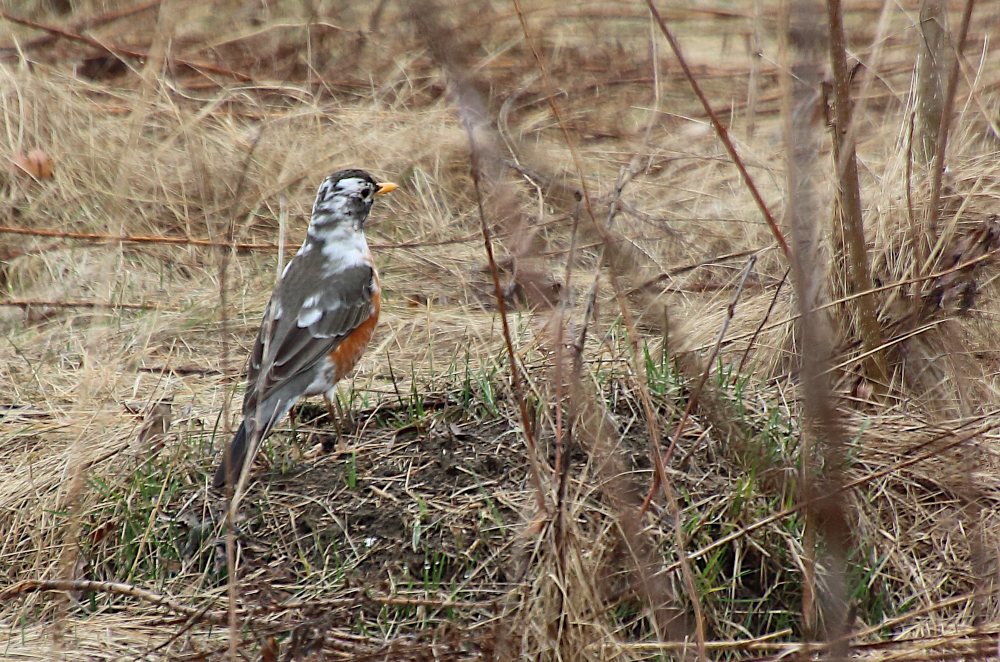
North America's robin: a thrush with a brick-red breast that hunts earthworms on lawns.
- Status
- Least Concern IUCN Red List
- Eats
- staghorn sumac, black tupelo, raspberry and 323 more
- Eaten by
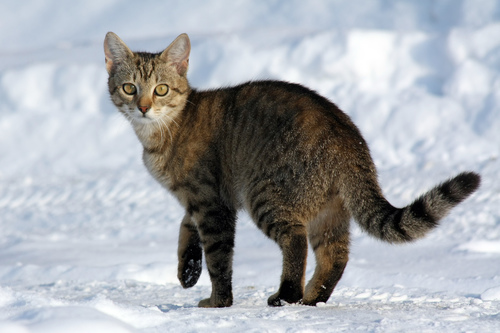
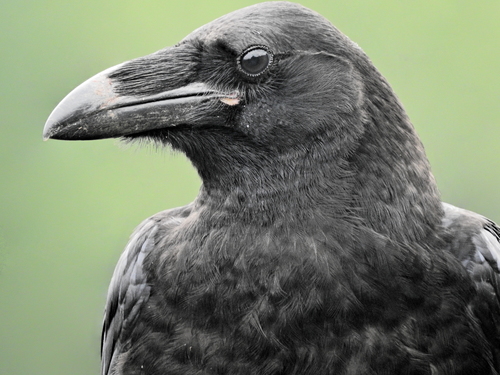
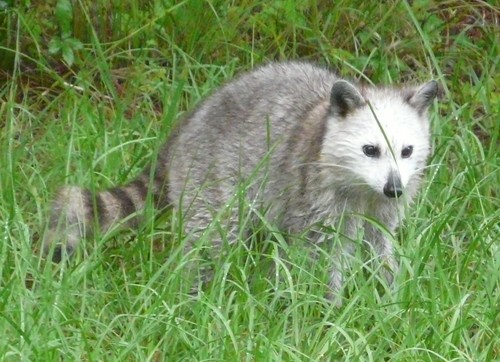
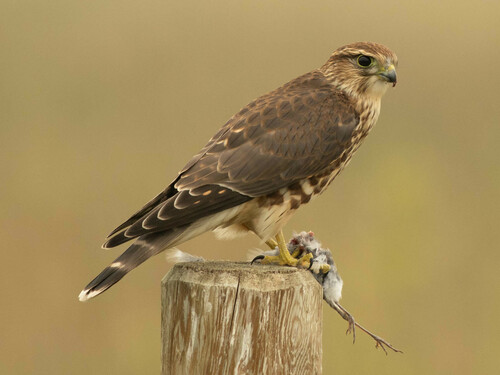
- cat, northern raven, raccoon
- Where
- 17 countries · yellowstone, boreal forest
On 4Planet Atlas it is among the wildlife people record most around Mexico City, New York and Ottawa, and 3 more of the cities we cover.
People have shared 28,755,370 records of the american robin with GBIF, from 17 countries, most of them from United States, Canada and Mexico. Records collected by GloBI show it eating 326 different kinds of animals and plants, and being eaten by 22.
Habitats
What the American robin eats, and what eats it
Studies have recorded it eating 326 kinds of animals and plants, and 22 kinds of animals eating it. Tap any of them to follow the food chain.
- Plants 143
- Insects 126
- Amphibians 4
- Reptiles 3
- Snails and slugs 3
- Earthworms 2
- Spiders and mites 1
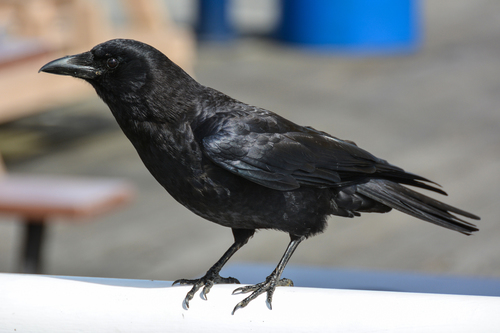 American robin
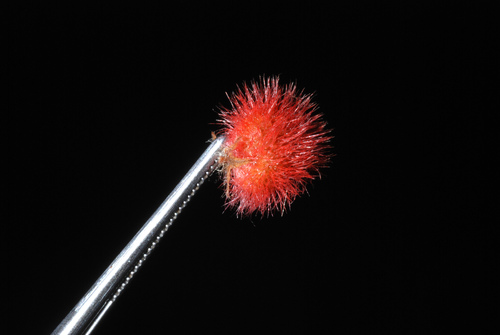
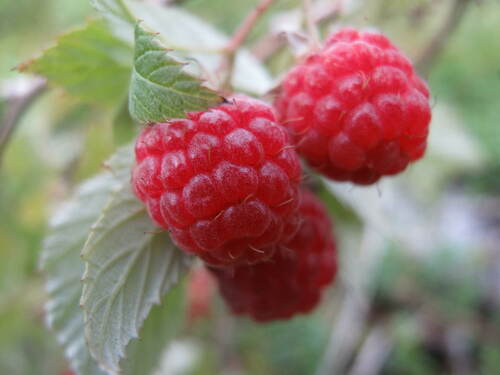
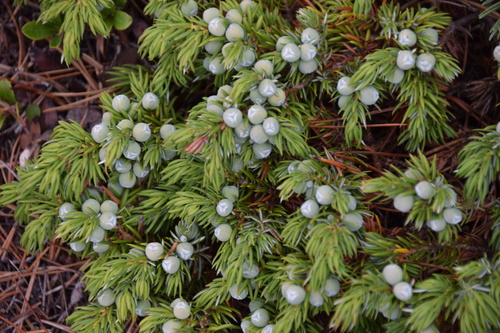

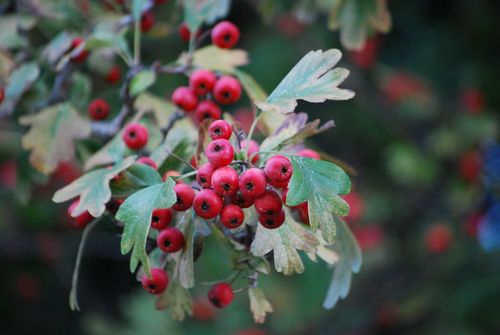
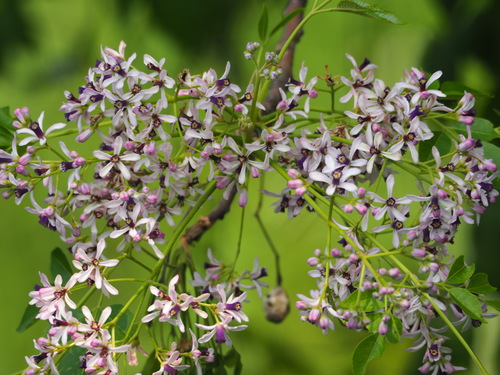


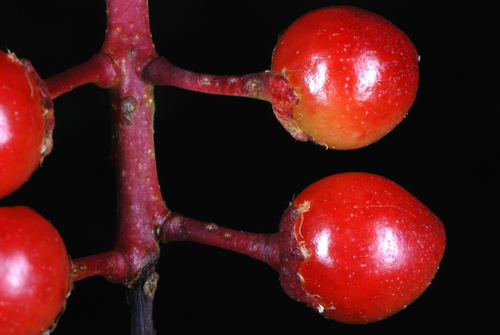
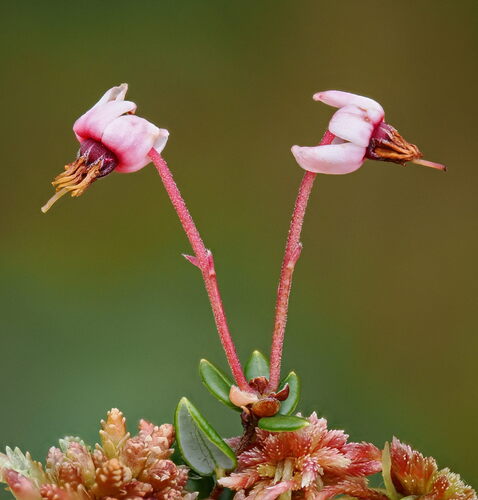
Records from studies worldwide, collected by GloBI. They include animals eaten as carrion, and they are not everything it eats in one place.
Where people see the American robin
People have shared 28,755,370 records from 17 countries.
Near a city: Mexico City, New York, Ottawa, Toronto, Vancouver, Washington, D.C..
Records show where people have seen it and shared it, not its full range. Country names open their page in Atlas.
When it is seen
Records per month in the northern hemisphere. More people outdoors also means more records.
Watch and listen

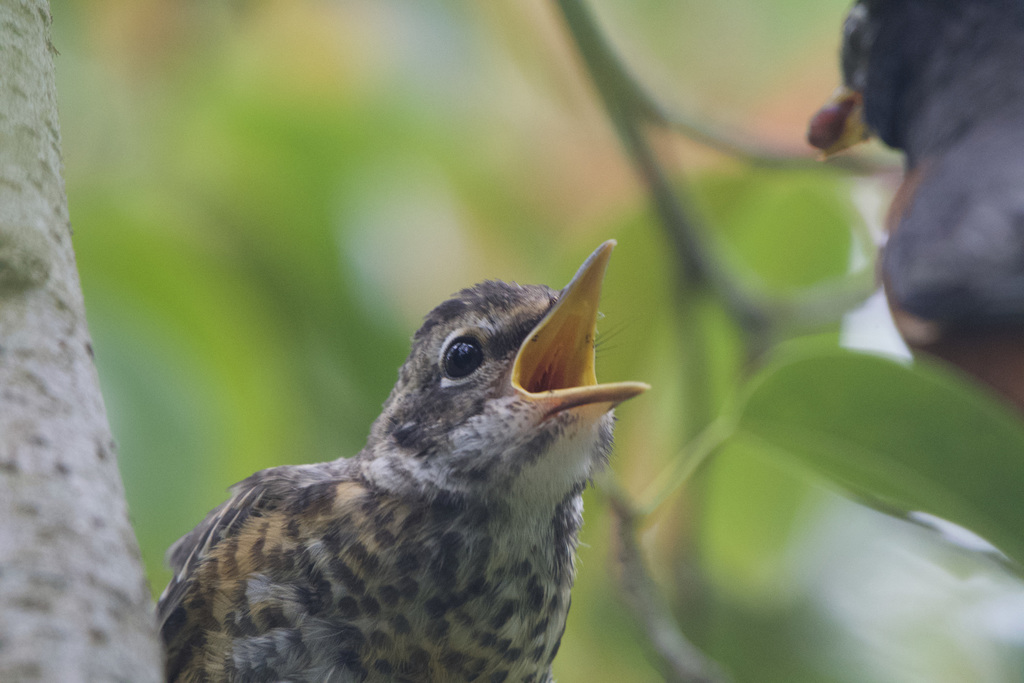
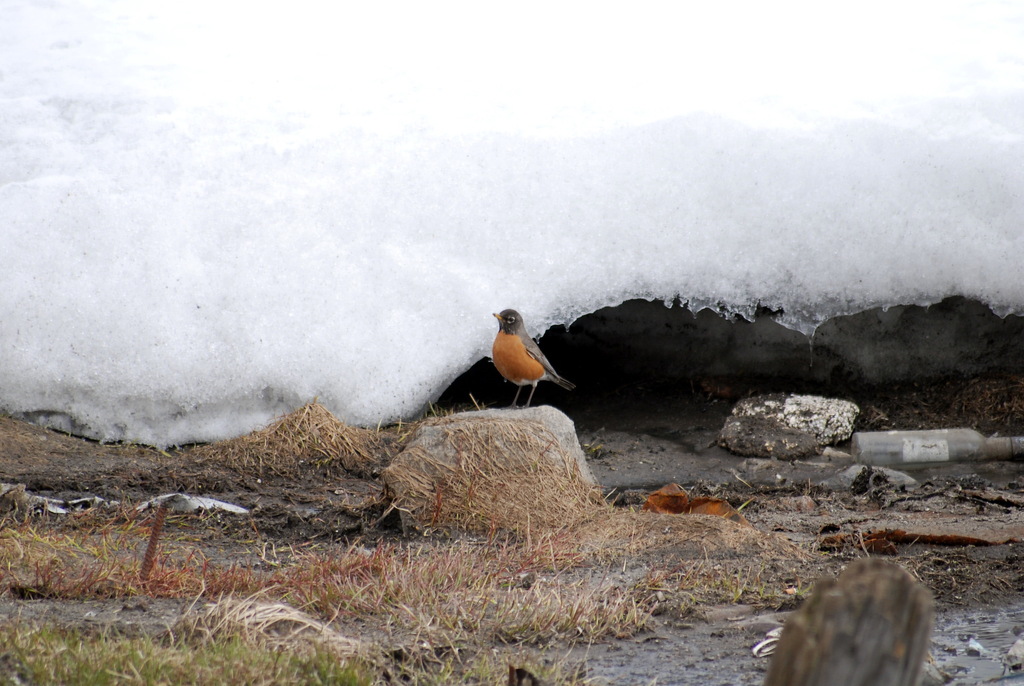
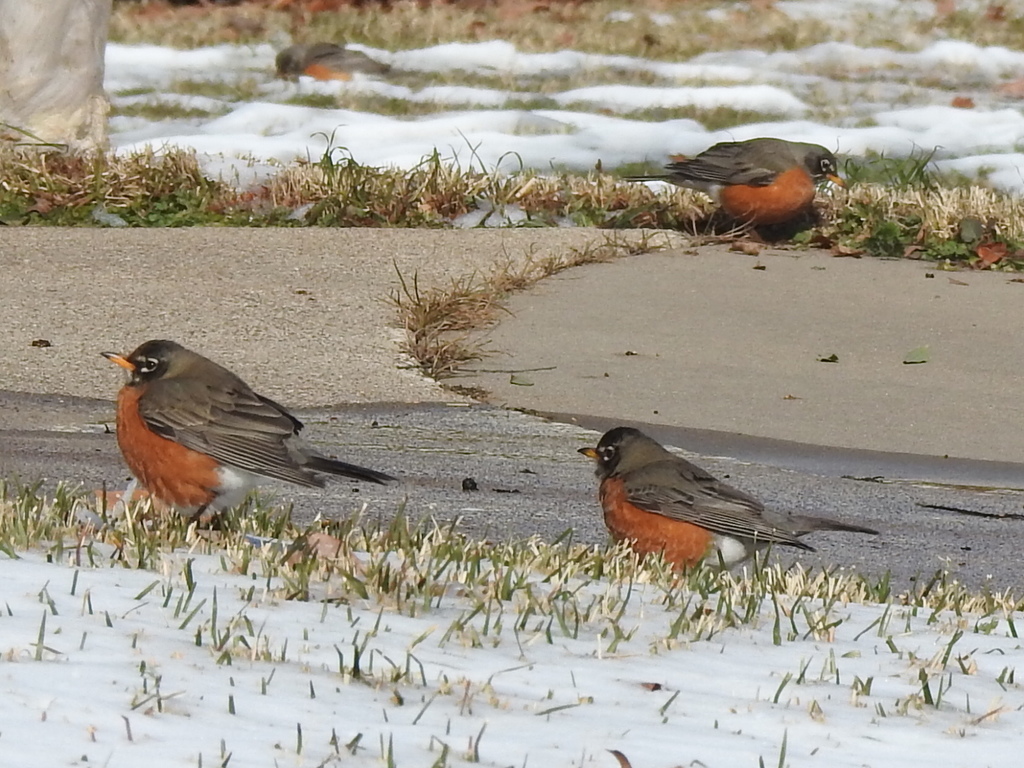
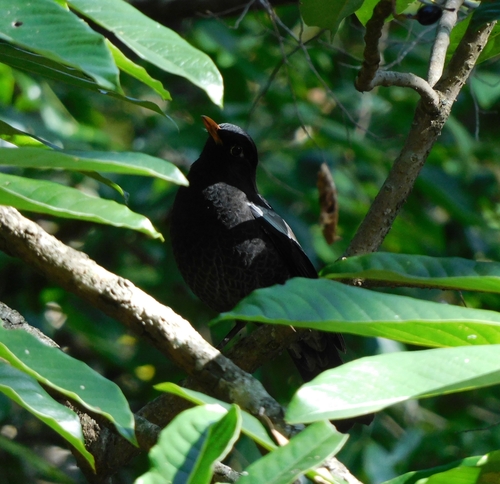
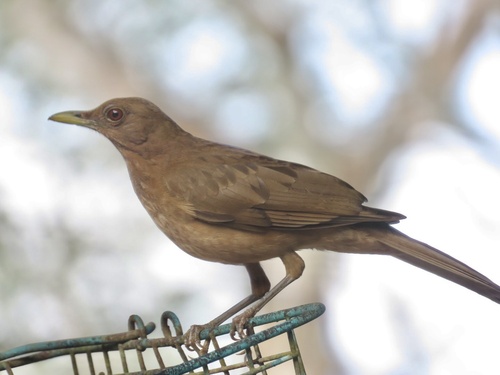
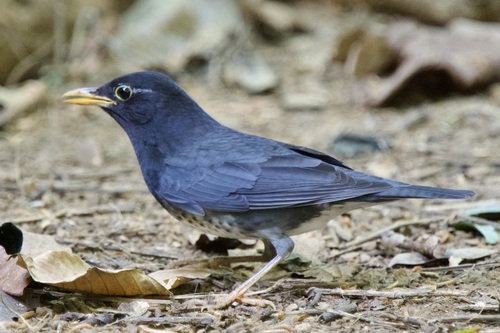
Its closest relatives
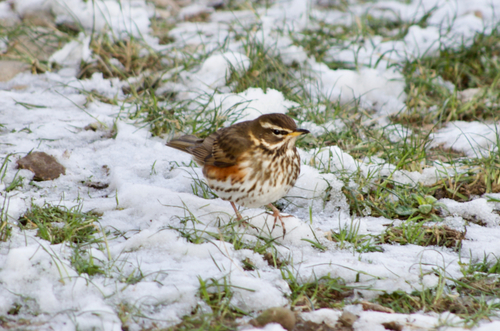
The other species of the genus Turdus.




Seen a American robin?
Share your photo on iNaturalist. Other naturalists help confirm it, and the record goes to GBIF, where scientists use it and where the maps on this page come from.
Explore next
What puts the american robin under pressure, what helps, and who works on it.


Questions people ask
What does the american robin eat?
The american robin has been recorded eating 326 different kinds of animals and plants, most of them plants, insects, amphibians and reptiles. The ones recorded most often are staghorn sumac, black tupelo, raspberry, common juniper and colorado potato beetle; records include animals eaten as carrion. Source: GloBI.
What eats the american robin?
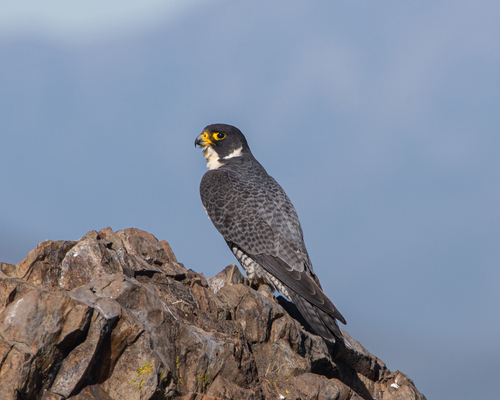
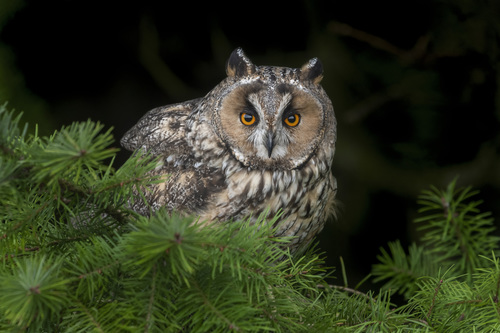
Recorded predators include cat, northern raven, raccoon, peregrine falcon and long-eared owl. Source: GloBI.
Where does the american robin live?
People have recorded it in 17 countries; the most records come from United States, Canada, Mexico, St. Pierre & Miquelon and United Kingdom. Records show where people have seen it, not its full range.
When is the american robin seen most?
In the northern hemisphere, the most records are made in May and the fewest in December. More people outdoors also means more records.
What are the american robin's closest relatives?
It shares the genus Turdus with redwing, black-throated thrush, dusky thrush, grey-winged blackbird and clay-colored thrush.
Sources and photo credits
- GBIF · Turdus migratorius, 28,755,370 human observations
- GloBI · recorded interactions of Turdus migratorius
- Wikidata · American robin (Q460967)
- American robin (Turdus migratorius): Judy Gallagher, CC BY 4.0
- American robin (Turdus migratorius): Judy Gallagher, CC BY 4.0
- American robin (Turdus migratorius), 1800 Lakeside Ave, Henrico, VA 23228, USA: Kathy Richardson, CC BY 4.0
- American robin (Turdus migratorius), Northgate Park, Durham, NC, USA: Kevin Anderson, CC BY 4.0
- American robin (Turdus migratorius), Prince's Bay, Staten Island, NY, USA: Seth Wollney, CC BY 4.0
- American robin (Turdus migratorius), Ethels Woods FP, Lake County, IL, USA: psweet, CC BY-SA 4.0
- American robin (Turdus migratorius), San Francisco Botanical Garden, Golden Gate Park, San Francisco, CA, USA: Dario Taraborelli, CC0
- American robin (Turdus migratorius), Чукотский автономный округ, Россия: Игорь Загребин, CC0
- American robin (Turdus migratorius), Cookes Meadow, Fort Worth, TX, USA: Sam Kieschnick, CC BY 4.0
- Staghorn sumac: Douglas Goldman, CC BY-SA 4.0
- Raspberry: Ole Husby, CC BY-SA 4.0
- Common juniper: Syd Cannings, CC BY 4.0
- Colorado potato beetle: Catherine C. Galley, CC BY 4.0
- Hawthorn: no rights reserved, uploaded by Mirela, CC0
- White cedar: no rights reserved, uploaded by 葉子, CC0
- Red-berried elder: Eric Lamb, CC BY 4.0
- Eastern red-cedar: Douglas Goldman, CC BY-SA 4.0
- Black cherry: Douglas Goldman, CC BY-SA 4.0
- Cranberry: Gilles San Martin, CC BY-SA 4.0
- Cat: Von.grzanka, CC BY-SA 4.0
- Northern raven: xulescu_g, CC BY-SA 4.0
- Raccoon: kent ozment, CC0
- Peregrine falcon: Nicolás Villaseca Merino, CC BY-SA 4.0
- Long-eared owl: caroline legg, CC BY 4.0
- Merlin: no rights reserved, uploaded by Kathlin Simpkins, CC0
- American mink: no rights reserved, uploaded by Edwin Wilke, CC0
- American crow: Gordon Leggett, CC BY-SA 4.0
- Redwing: Codrin Bucur, CC BY 4.0
- Black-throated thrush: Kudaibergen Amirekul, CC BY-SA 4.0
- Dusky thrush: Lip Kee, CC BY-SA 4.0
- Grey-winged blackbird: Jagdish Singh Negi, CC BY 4.0
- Clay-colored thrush: no rights reserved, uploaded by Irene, CC0
- Japanese thrush: Jiro Iguchi, CC BY 4.0
- Brown-headed thrush: Kim, Hyun-tae, CC BY 4.0
- Black-breasted thrush: JJ Harrison, CC BY-SA 4.0
Records show where people have seen and shared the american robin, not its full range, and some countries and months are recorded far more than others. The food web lists interactions that studies have recorded somewhere in the world (GloBI), not everything it eats in one place.
Checked 2026-11-21.