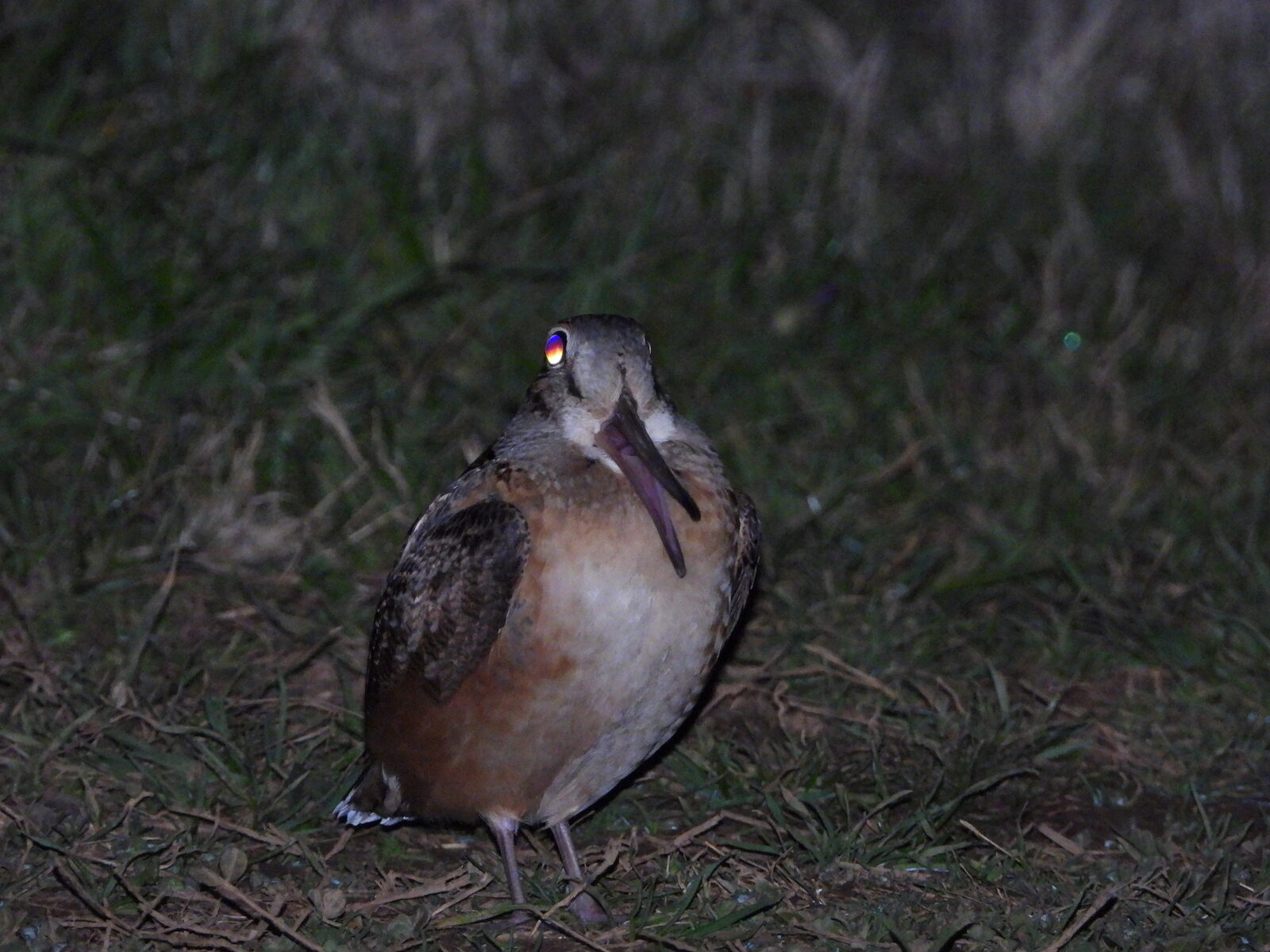
American Woodcock
Scolopax minor
- Status
- Least Concern IUCN Red List
- Eats
- grey alder and 0 more
- Eaten by
- merlin, red-tailed hawk
- Where
- 5 countries
People have shared 392,603 records of the American Woodcock with GBIF, from 5 countries, most of them from United States, Canada and Mexico. Records collected by GloBI show it eating 1 different kinds of animals and plants, and being eaten by 3.
In the northern hemisphere, people record it most in March and least in August. It belongs to the genus Scolopax in the family Scolopacidae.
What the American Woodcock eats, and what eats it
Studies have recorded it eating 1 kinds of animals and plants, and 3 kinds of animals eating it. Tap any of them to follow the food chain.
- Plants 1
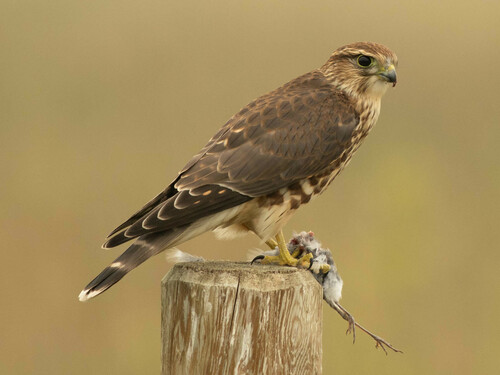
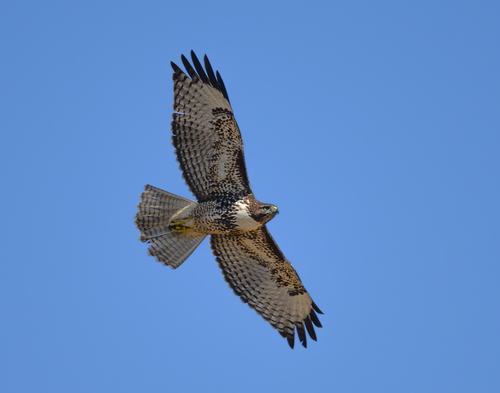
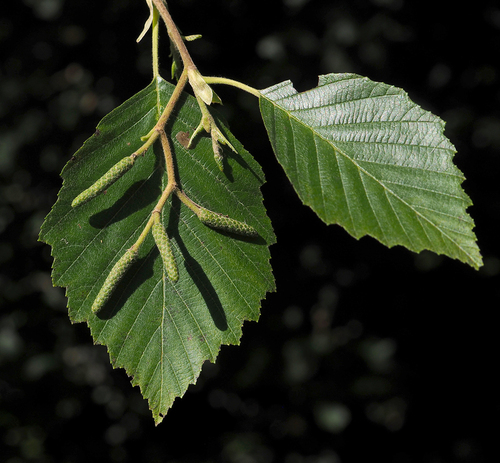
Records from studies worldwide, collected by GloBI. They include animals eaten as carrion, and they are not everything it eats in one place.
Where people see the American Woodcock
People have shared 392,603 records from 5 countries.
Records show where people have seen it and shared it, not its full range. Country names open their page in Atlas.
When it is seen
Records per month in the northern hemisphere. More people outdoors also means more records.
Watch and listen
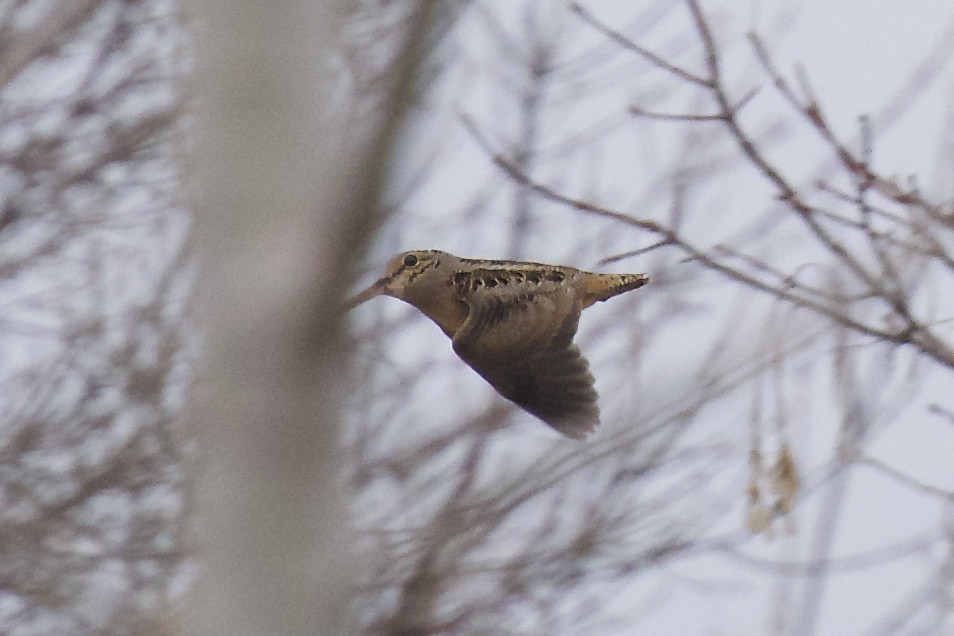
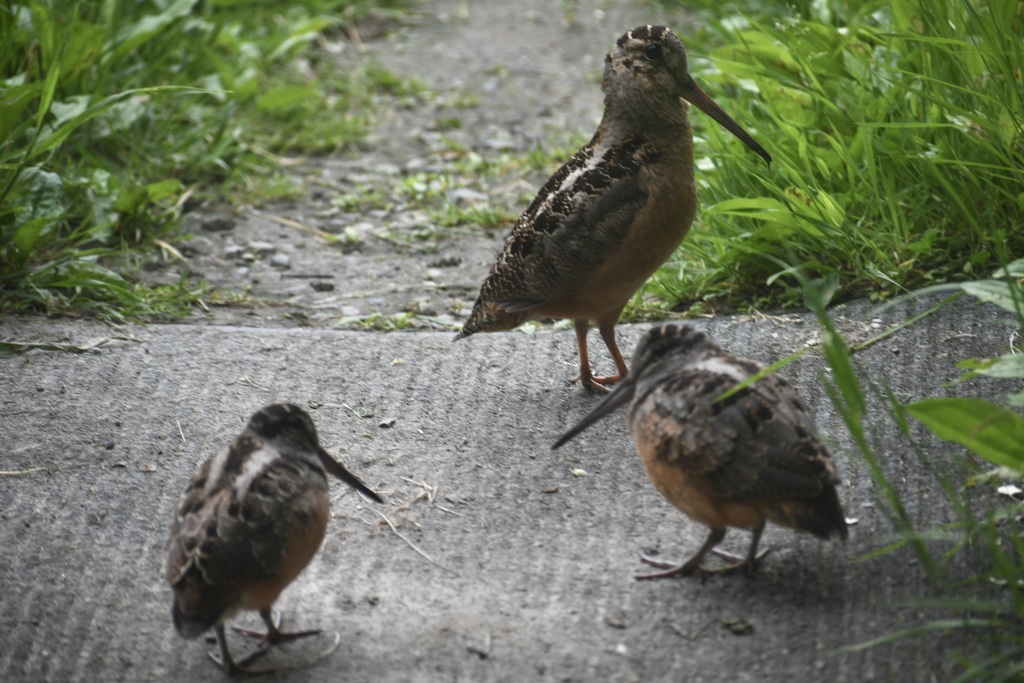
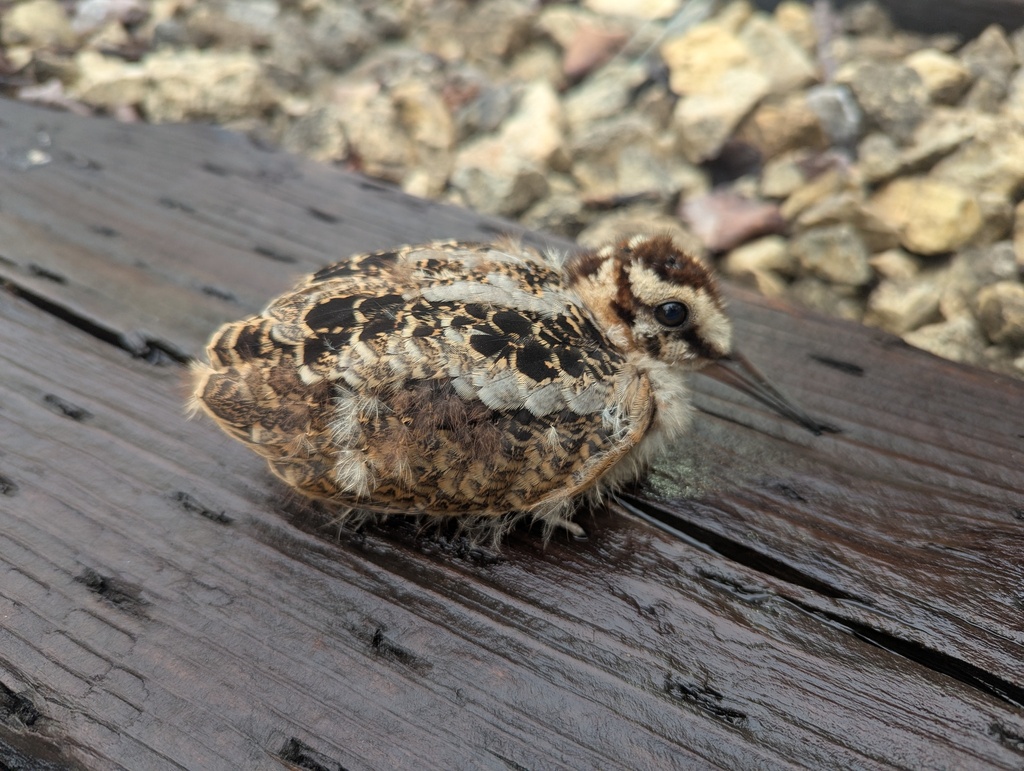
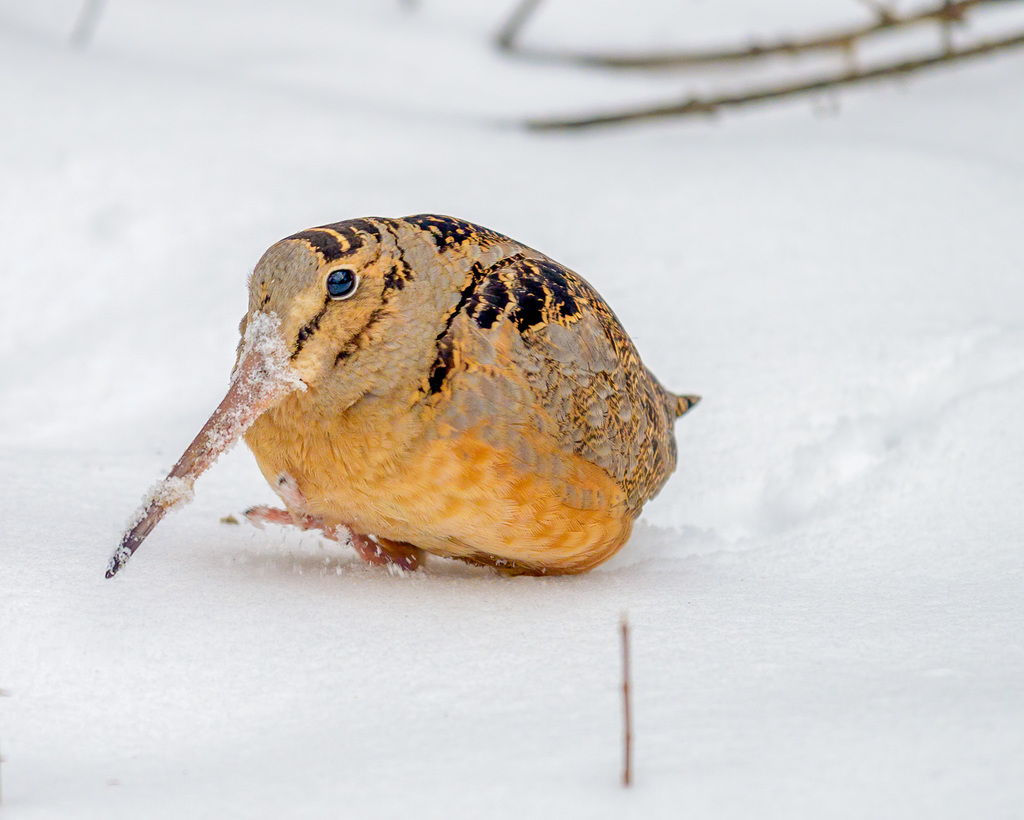
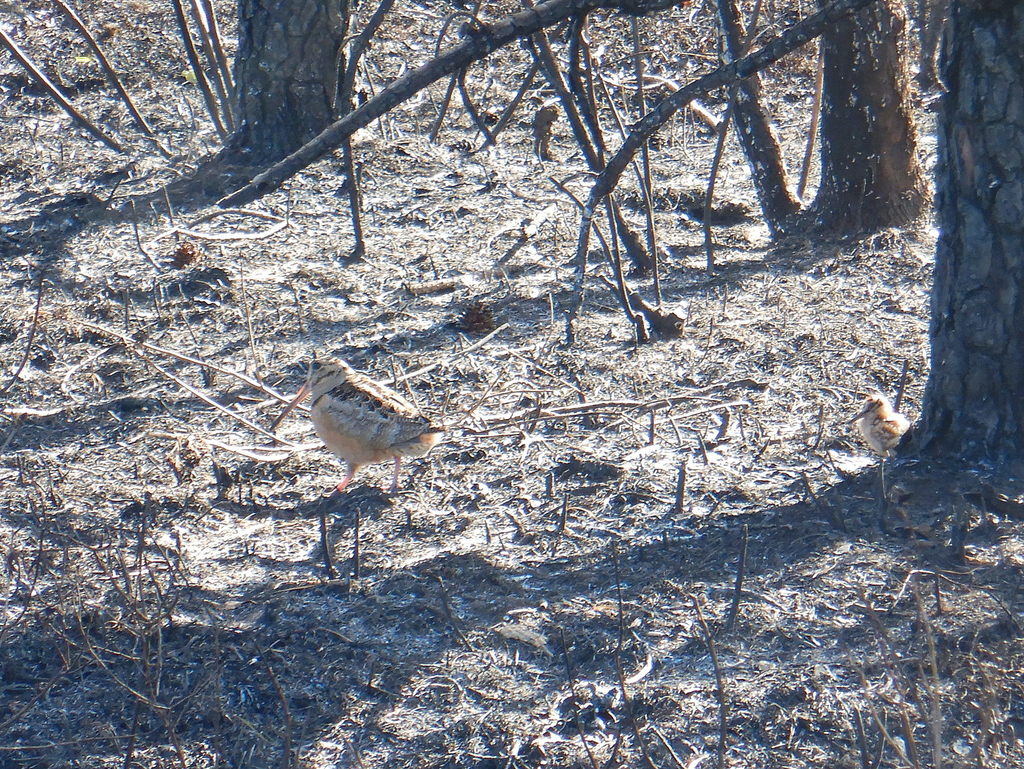
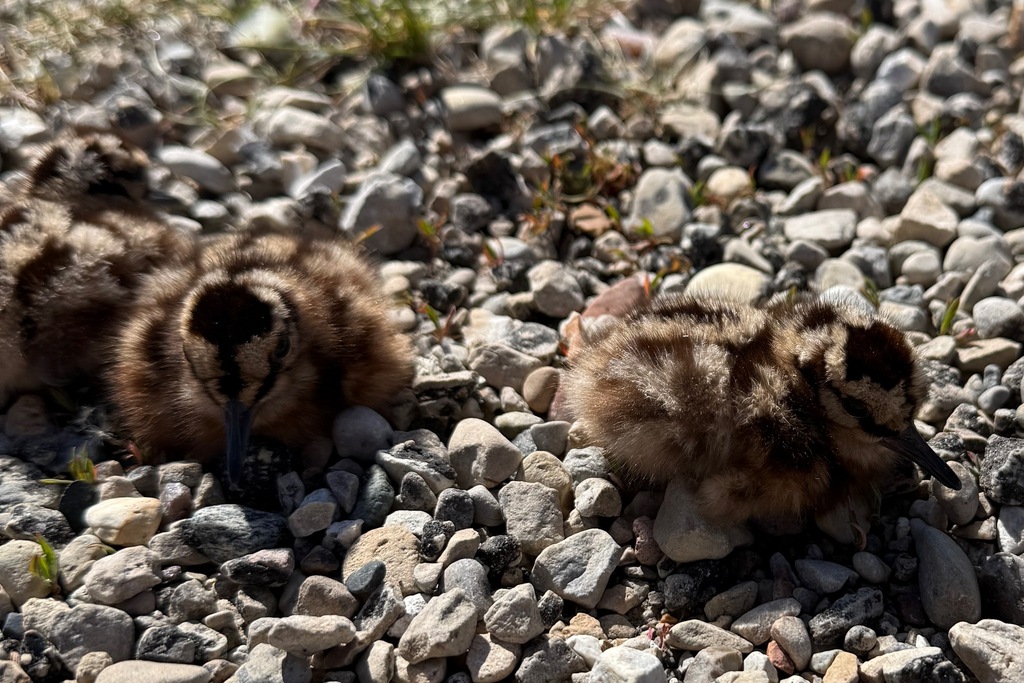
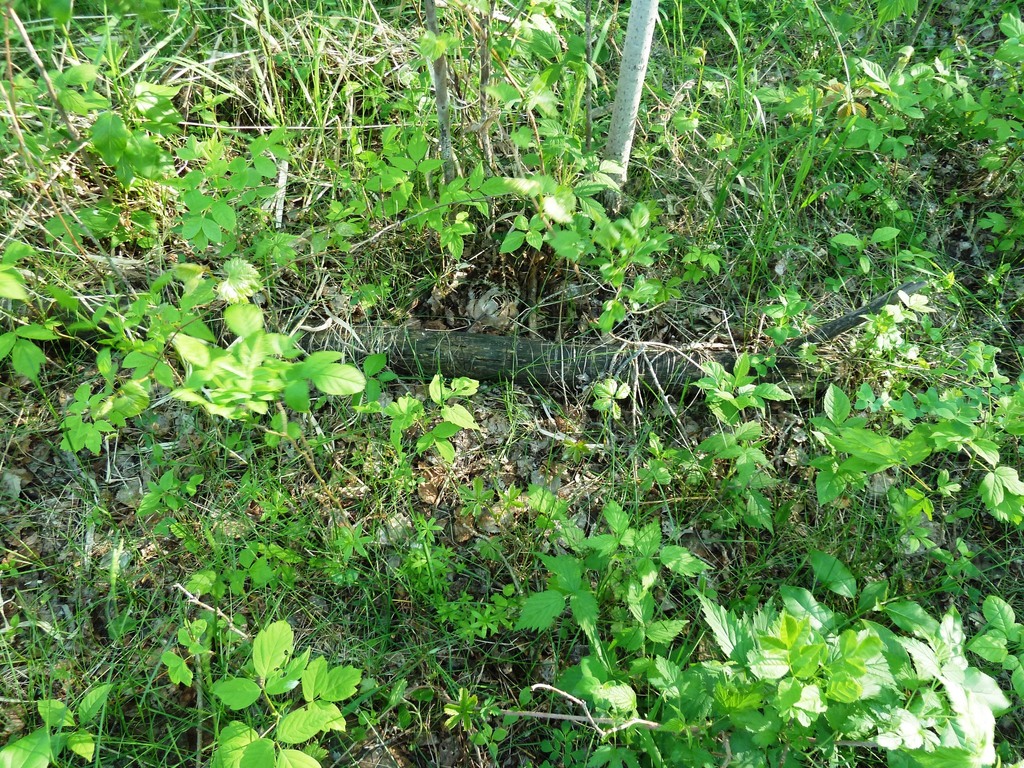
Its closest relatives
The other species of the genus Scolopax.
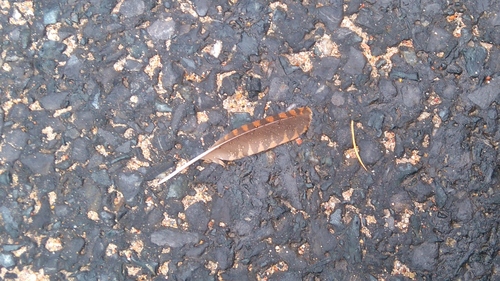
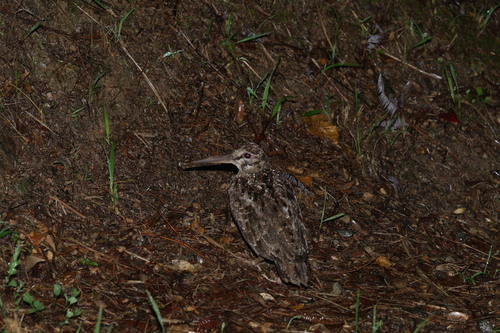
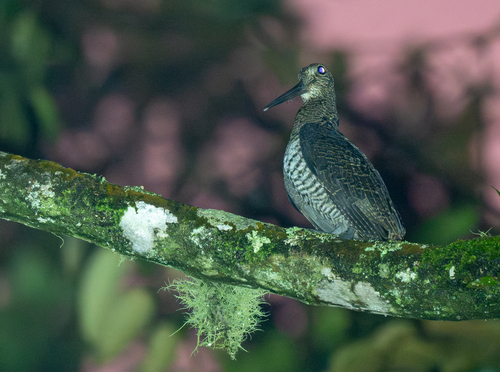
Seen an American Woodcock?
Share your photo on iNaturalist. Other naturalists help confirm it, and the record goes to GBIF, where scientists use it and where the maps on this page come from.
Put this species on your site
The card names every source and links back here.
<iframe src="https://4planetatlas.com/place/embed/species/american-woodcock" title="American Woodcock (Scolopax minor), 4PLANET Species" width="100%" height="600" style="border:0;max-width:640px" loading="lazy"></iframe>
<p><a href="https://4species.com/american-woodcock">American Woodcock on 4PLANET Species</a></p>Questions people ask
What does the American Woodcock eat?
The American Woodcock has been recorded eating 1 different kinds of animals and plants, most of them plants. The ones recorded most often are grey alder; records include animals eaten as carrion. Source: GloBI.
What eats the American Woodcock?
Recorded predators include merlin and red-tailed hawk. Source: GloBI.
Where does the American Woodcock live?
People have recorded it in 5 countries; the most records come from United States, Canada, Mexico, Bermuda and St. Pierre & Miquelon. Records show where people have seen it, not its full range.
When is the American Woodcock seen most?
In the northern hemisphere, the most records are made in March and the fewest in August. More people outdoors also means more records.
What are the American Woodcock's closest relatives?
It shares the genus Scolopax with eurasian woodcock, amami woodcock, javan woodcock, moluccan woodcock and sulawesi woodcock.
Sources and photo credits
- GBIF · Scolopax minor, 392,603 human observations
- GloBI · recorded interactions of Scolopax minor
- Wikidata · American Woodcock (Q694319)
- American Woodcock (Scolopax minor): Jared Shorma, CC BY 4.0
- American Woodcock (Scolopax minor): Owen Strickland, CC BY 4.0
- American Woodcock (Scolopax minor), Vermont, US: Jason Hill, CC BY 4.0
- American Woodcock (Scolopax minor), United States: Ryan Sorrells, CC BY 4.0
- American Woodcock (Scolopax minor), Flower Mound, TX, USA: Shiva Shenoy, CC BY 4.0
- American Woodcock (Scolopax minor), Restricted Access: Camp Edwards, Sandwich, MA, USA: Jake McCumber, CC BY 4.0
- American Woodcock (Scolopax minor), Jefferson County, WI, USA: Cole Wolf, CC BY 4.0
- American Woodcock (Scolopax minor), near Buffalo River State Park: Tom Gulya, CC0
- Grey alder: Hladac, CC BY-SA 4.0
- Merlin: no rights reserved, uploaded by Kathlin Simpkins, CC0
- Red-tailed hawk: no rights reserved, uploaded by Claude Lyneis, CC0
- Eurasian woodcock: uusijani, CC0
- Amami woodcock: 林正文, CC BY 4.0
- Javan woodcock: Forest Botial-Jarvis, CC BY 4.0
- Bukidnon woodcock: Forest Botial-Jarvis, CC BY 4.0
Records show where people have seen and shared the American Woodcock, not its full range, and some countries and months are recorded far more than others. The food web lists interactions that studies have recorded somewhere in the world (GloBI), not everything it eats in one place.
Checked 2026-11-27.