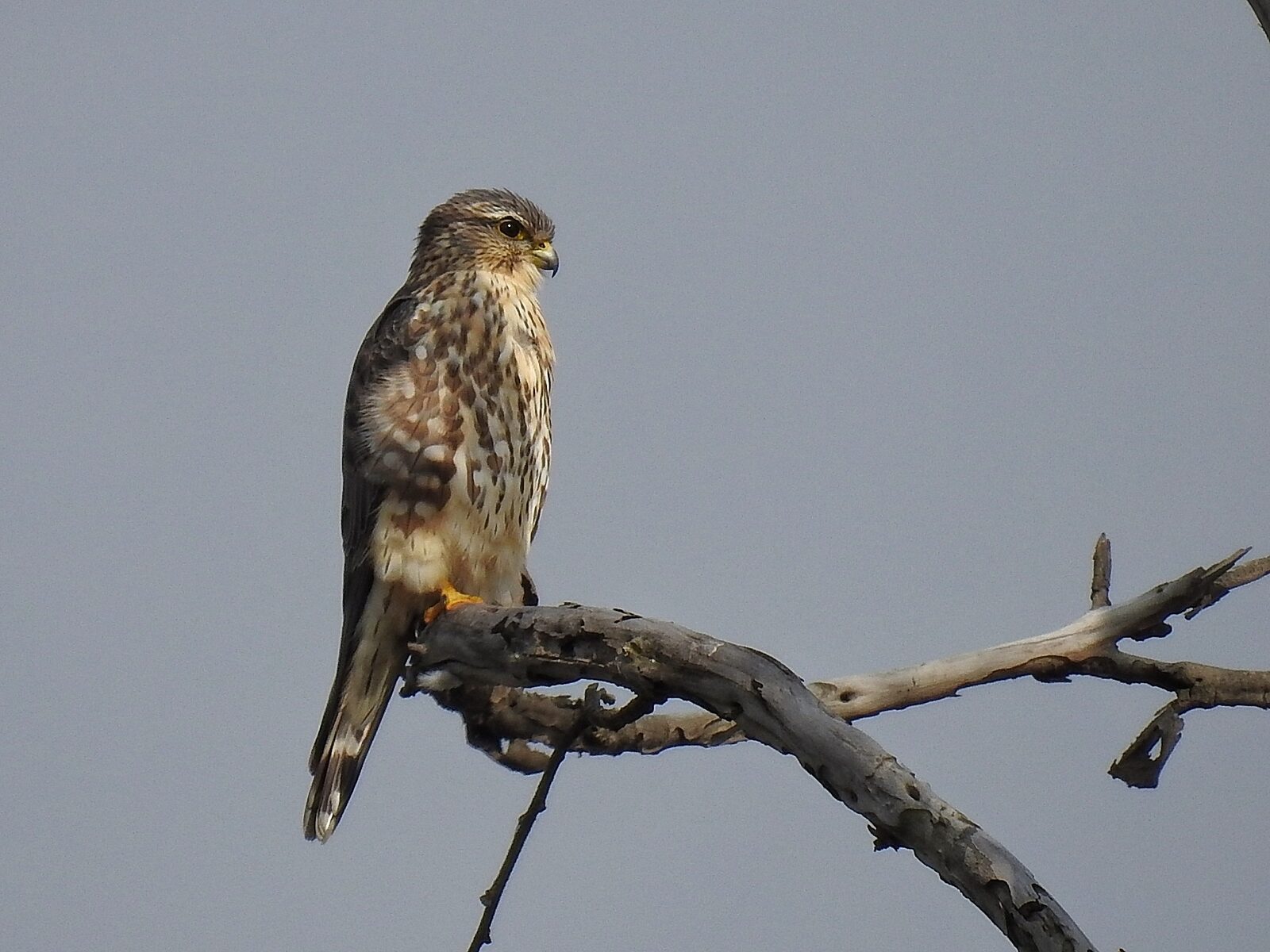
Merlin
Falco columbarius
- Status
- Least Concern IUCN Red List
- Eats
- house sparrow, rock dove, bohemian waxwing and 450 more
- Eaten by
- grey wolf, red fox, northern raven
- Where
- 137 countries
On 4Planet Atlas it is among the wildlife people record most around Basseterre, Bridgetown and Castries, and 14 more of the cities we cover.
People have shared 1,497,042 records of the merlin with GBIF, from 137 countries, most of them from United States, Canada and United Kingdom. Records collected by GloBI show it eating 453 different kinds of animals and plants, and being eaten by 12.
What the merlin eats, and what eats it
Studies have recorded it eating 453 kinds of animals and plants, and 12 kinds of animals eating it. Tap any of them to follow the food chain.
- Birds 371
- Mammals 72
- Insects 5
- Crustaceans 1
Eaten by



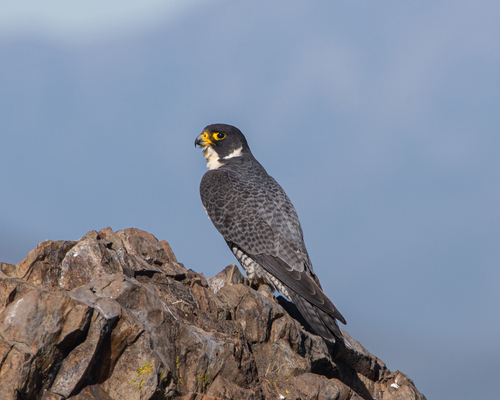
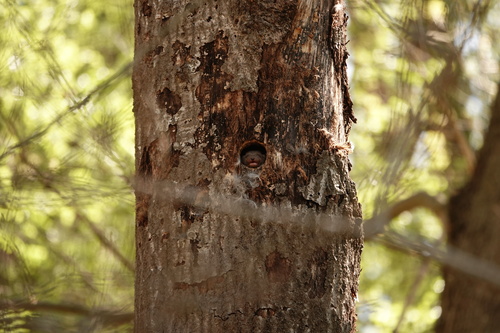
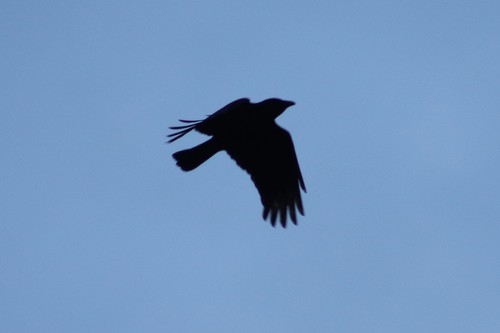 Merlin
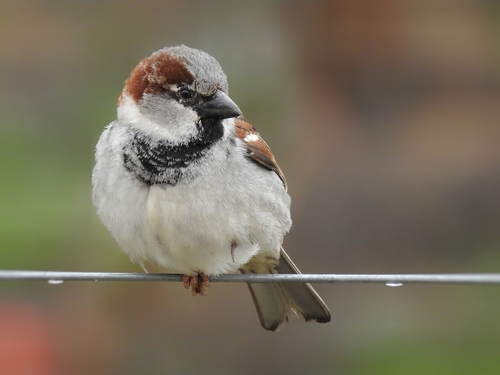
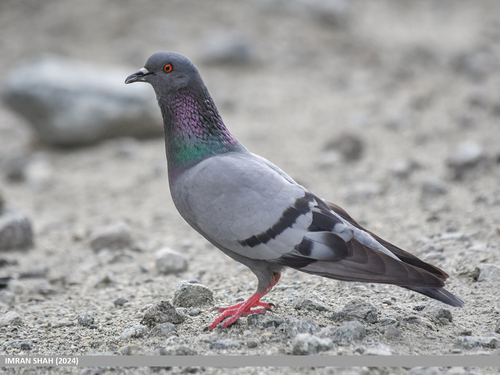
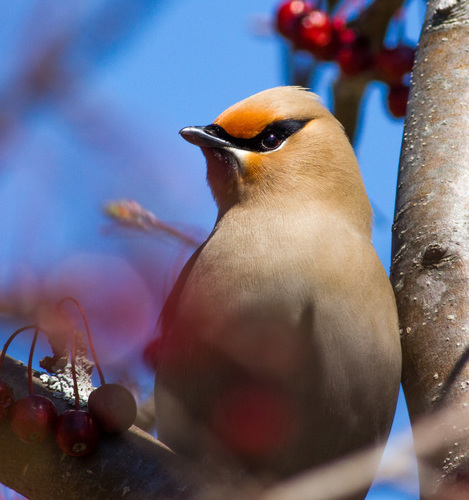
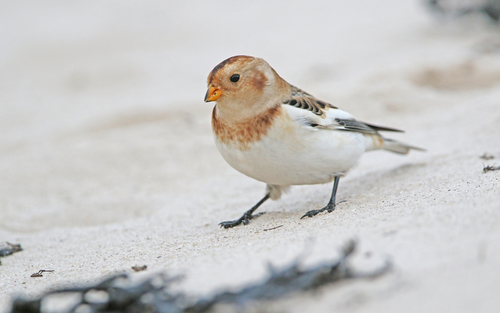
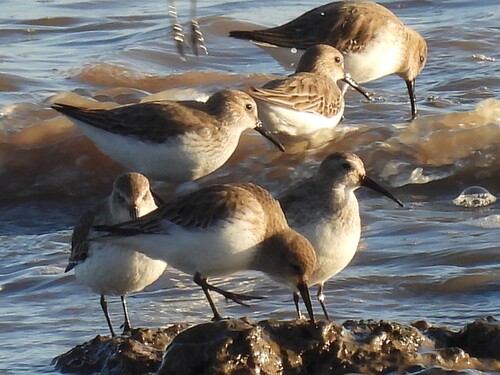
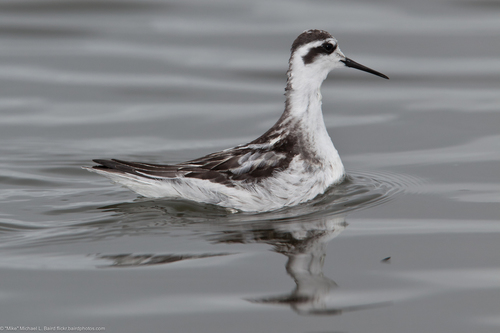
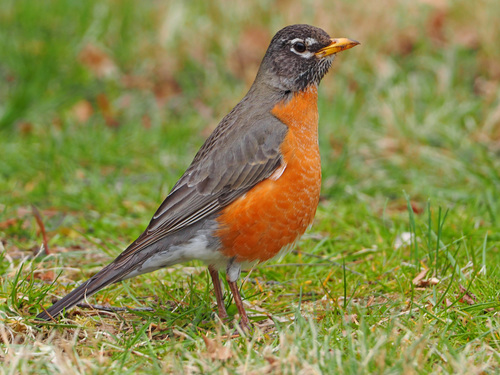
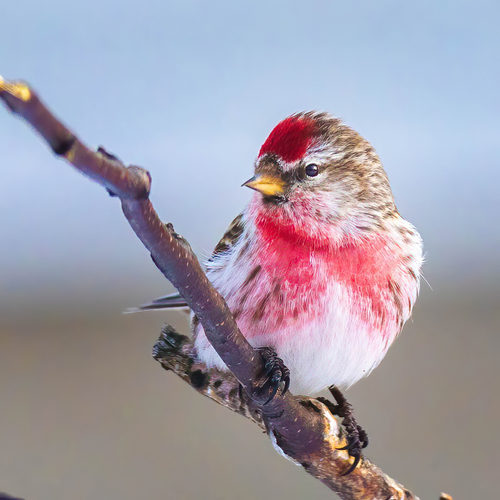
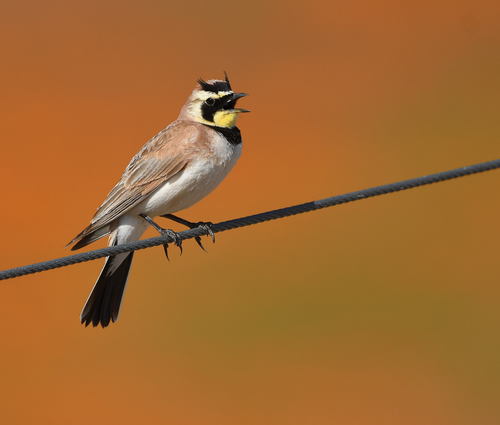
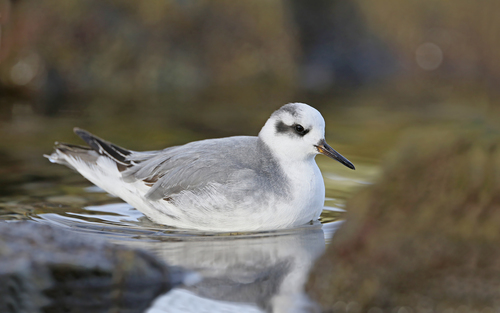
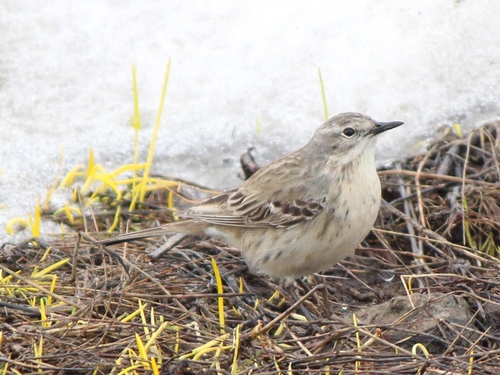
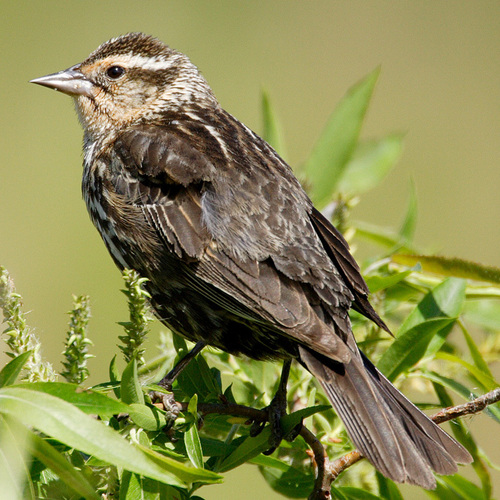
Records from studies worldwide, collected by GloBI. They include animals eaten as carrion, and they are not everything it eats in one place.
Where people see the merlin
People have shared 1,497,042 records from 137 countries.
Near a city: Basseterre, Bridgetown, Castries, Havana, Kingston, Kingstown, Nassau, New York, Ottawa, Port-au-Prince, Reykjavík, Roseau, Santo Domingo, St. George's, Toronto, Vancouver, Washington, D.C..
Records show where people have seen it and shared it, not its full range. Country names open their page in Atlas.
When it is seen
Records per month in the northern hemisphere. More people outdoors also means more records.
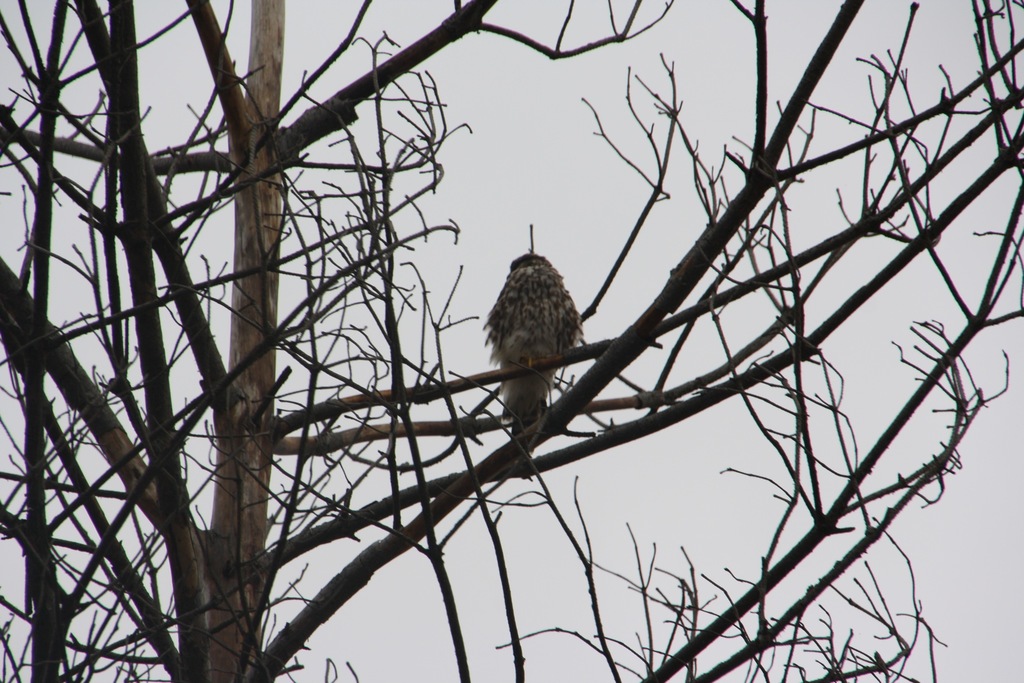
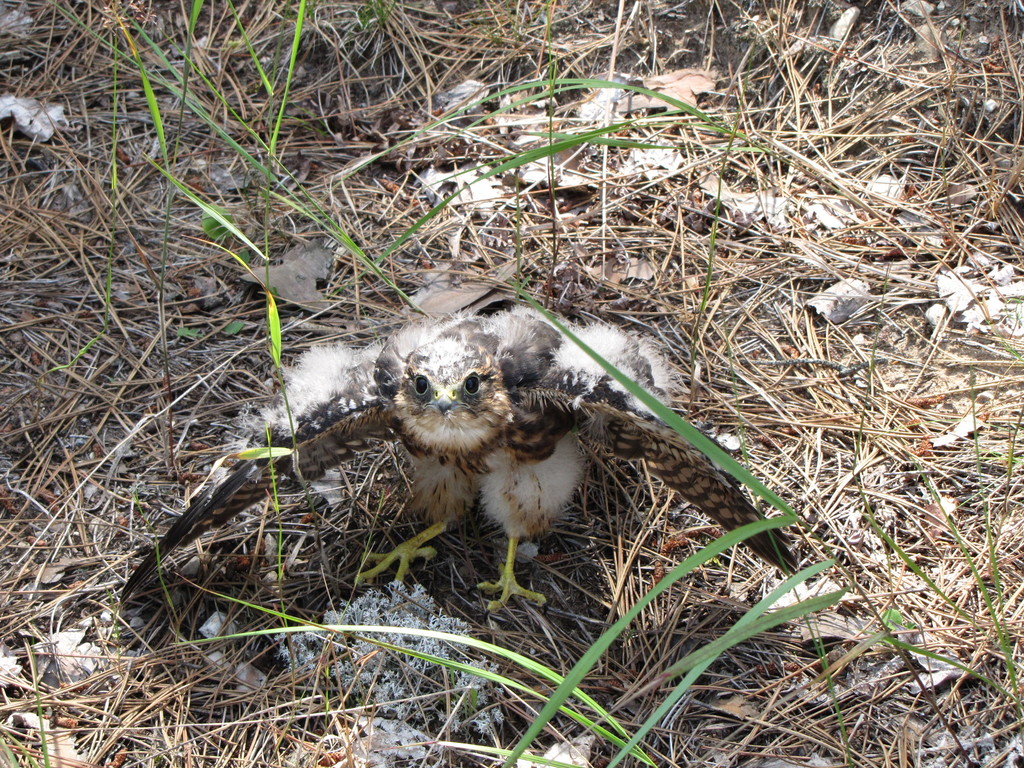
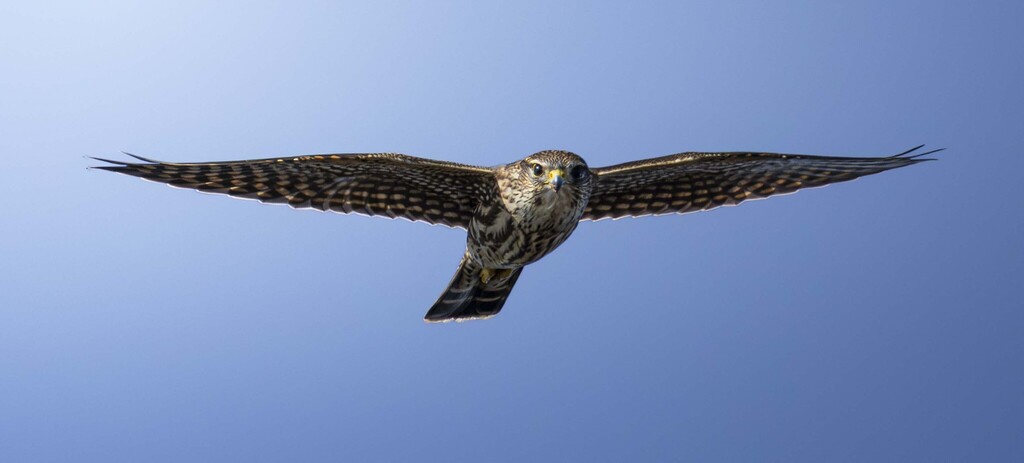
Watch and listen
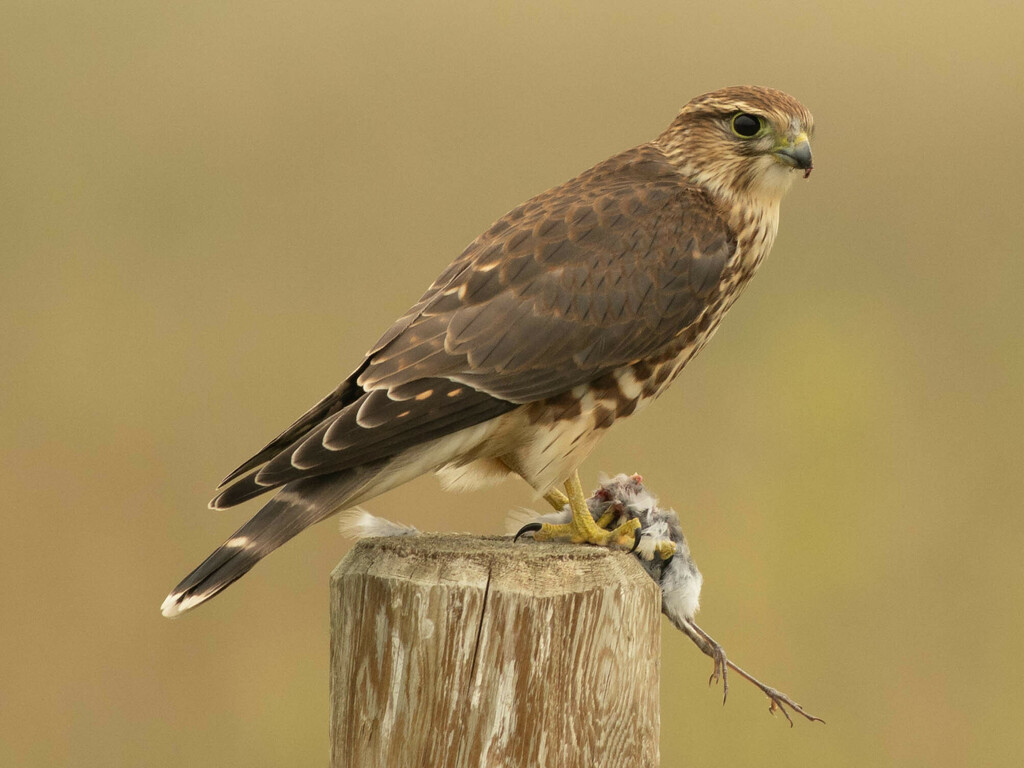
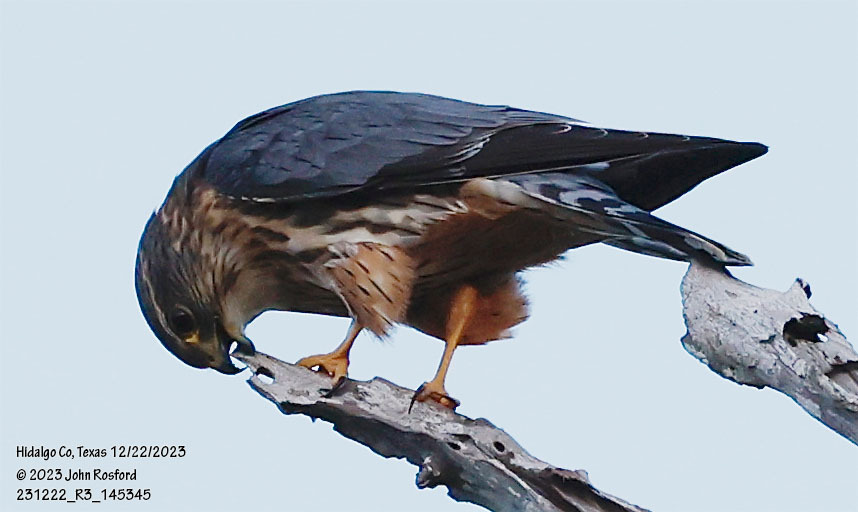
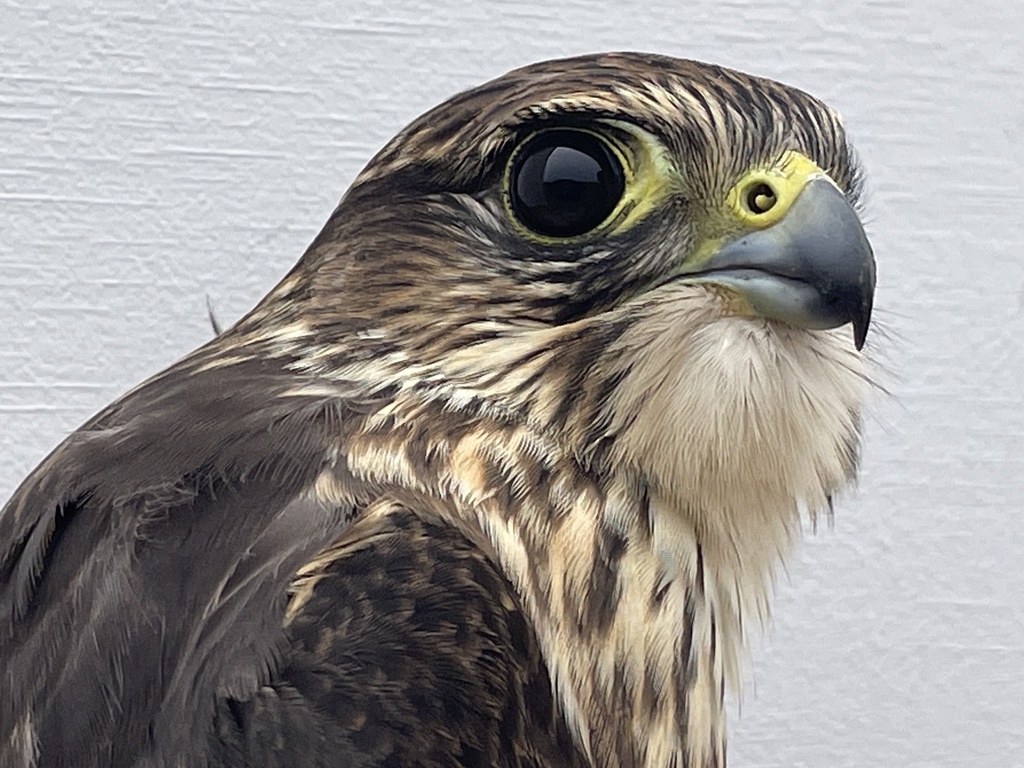
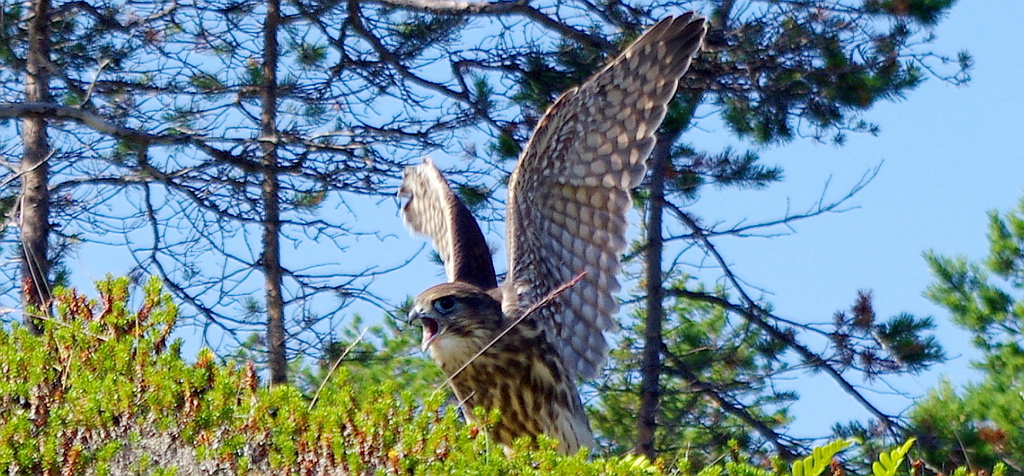
Its closest relatives
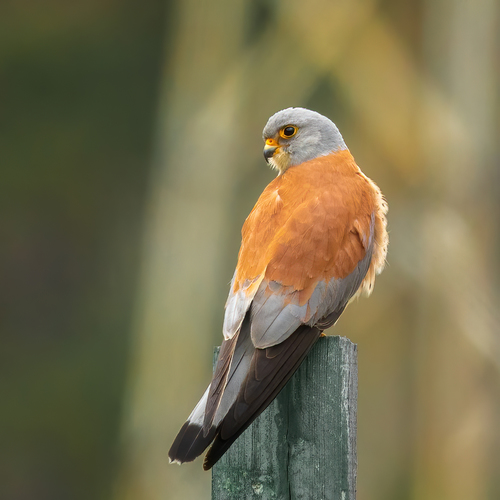
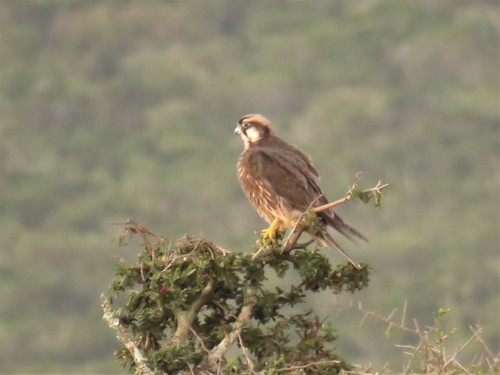
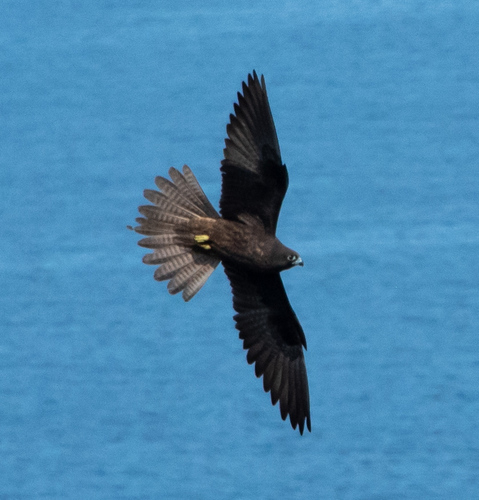
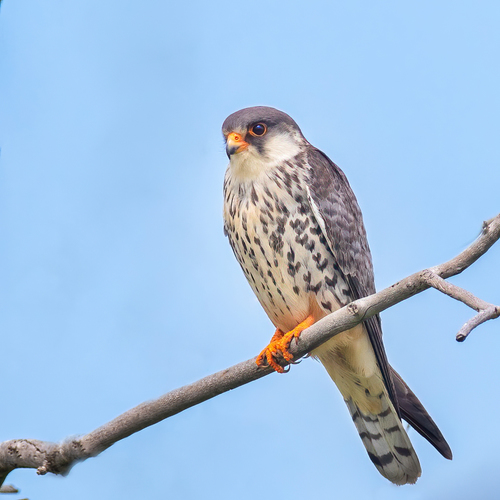
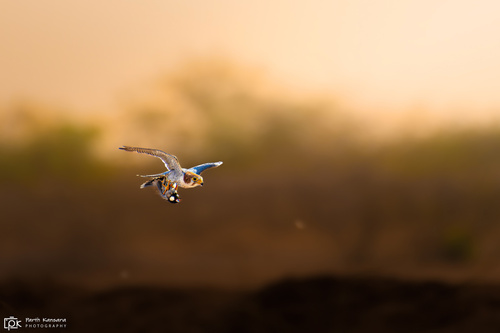
The other species of the genus Falco.

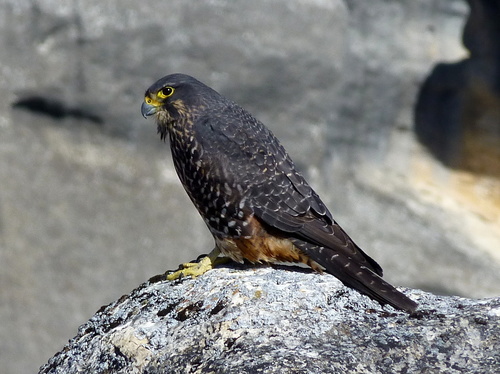
Seen a merlin?
Share your photo on iNaturalist. Other naturalists help confirm it, and the record goes to GBIF, where scientists use it and where the maps on this page come from.
Put this species on your site
The card names every source and links back here.
<iframe src="https://4planetatlas.com/place/embed/species/merlin" title="Merlin (Falco columbarius), 4PLANET Species" width="100%" height="600" style="border:0;max-width:640px" loading="lazy"></iframe>
<p><a href="https://4species.com/merlin">Merlin on 4PLANET Species</a></p>Questions people ask
What does the merlin eat?
The merlin has been recorded eating 453 different kinds of animals and plants, most of them birds, mammals, insects and crustaceans. The ones recorded most often are house sparrow, rock dove, bohemian waxwing, snow bunting and dunlin; records include animals eaten as carrion. Source: GloBI.
What eats the merlin?
Recorded predators include grey wolf, red fox, northern raven, peregrine falcon and eurasian eagle-owl. Source: GloBI.
Where does the merlin live?
People have recorded it in 137 countries; the most records come from United States, Canada, United Kingdom, Spain and Mexico. Records show where people have seen it, not its full range.
When is the merlin seen most?
In the northern hemisphere, the most records are made in October and the fewest in June. More people outdoors also means more records.
What are the merlin's closest relatives?
It shares the genus Falco with peregrine falcon, lesser kestrel, saker falcon, lanner falcon and eleonora's falcon.
Sources and photo credits
- GBIF · Falco columbarius, 1,497,042 human observations
- GloBI · recorded interactions of Falco columbarius
- Wikidata · Merlin (Q131918)
- Merlin (Falco columbarius): Esteban Poveda, CC BY 4.0
- Merlin (Falco columbarius): no rights reserved, uploaded by Kathlin Simpkins, CC0
- Merlin (Falco columbarius), Hidalgo County, TX, USA: John Rosford, CC BY 4.0
- Merlin (Falco columbarius), California, US: Cricket Raspet, CC BY 4.0
- Merlin (Falco columbarius), Лоухский р-н, Респ. Карелия, Россия: Георгий Виноградов (Georgy Vinogradov), CC BY 4.0
- Merlin (Falco columbarius), Древлянка, Петрозаводск, Респ. Карелия, Россия: Vsevolod Rudyi, CC BY 4.0
- Merlin (Falco columbarius), Schoolcraft County, MI, USA: Sara L Giles, CC0
- Merlin (Falco columbarius), Marin County, CA, USA: Brooke J., CC BY 4.0
- House sparrow: Esteban Poveda, CC BY 4.0
- Rock dove: Birds of Gilgit-Baltistan, CC BY-SA 4.0
- Bohemian waxwing: Fyn Kynd, CC BY-SA 4.0
- Snow bunting: Christoph Moning, CC BY 4.0
- Dunlin: Phil James, CC BY 4.0
- Red-necked phalarope: Mike Baird, CC BY 4.0
- American robin: Judy Gallagher, CC BY 4.0
- Redpoll: egorbirder, CC BY 4.0
- Horned lark: Pat Farris, CC BY 4.0
- Red phalarope: Christoph Moning, CC BY 4.0
- Water pipit: Ani Sarkisyan, CC BY 4.0
- Red-winged blackbird: anonymous, CC BY-SA 4.0
- Grey wolf: Andrew Simon, CC BY 4.0
- Red fox: Алина Урусова, CC BY 4.0
- Northern raven: xulescu_g, CC BY-SA 4.0
- Peregrine falcon: Nicolás Villaseca Merino, CC BY-SA 4.0
- European pine marten: Bartosz Sarnowski, CC BY 4.0
- Carrion crow: no rights reserved, uploaded by Charlie Farrell, CC0
- Lesser kestrel: egorbirder, CC BY 4.0
- Saker falcon: Eddy Van 3000, CC BY-SA 4.0
- Lanner falcon: Christiaan Viljoen, CC BY 4.0
- Eleonora's falcon: Don Loarie, CC BY 4.0
- Amur falcon: egorbirder, CC BY 4.0
- Red-necked falcon: Parth Kansara, CC BY 4.0
- New zealand falcon: Murray Dawson, CC BY 4.0
Records show where people have seen and shared the merlin, not its full range, and some countries and months are recorded far more than others. The food web lists interactions that studies have recorded somewhere in the world (GloBI), not everything it eats in one place.
Checked 2026-11-22.