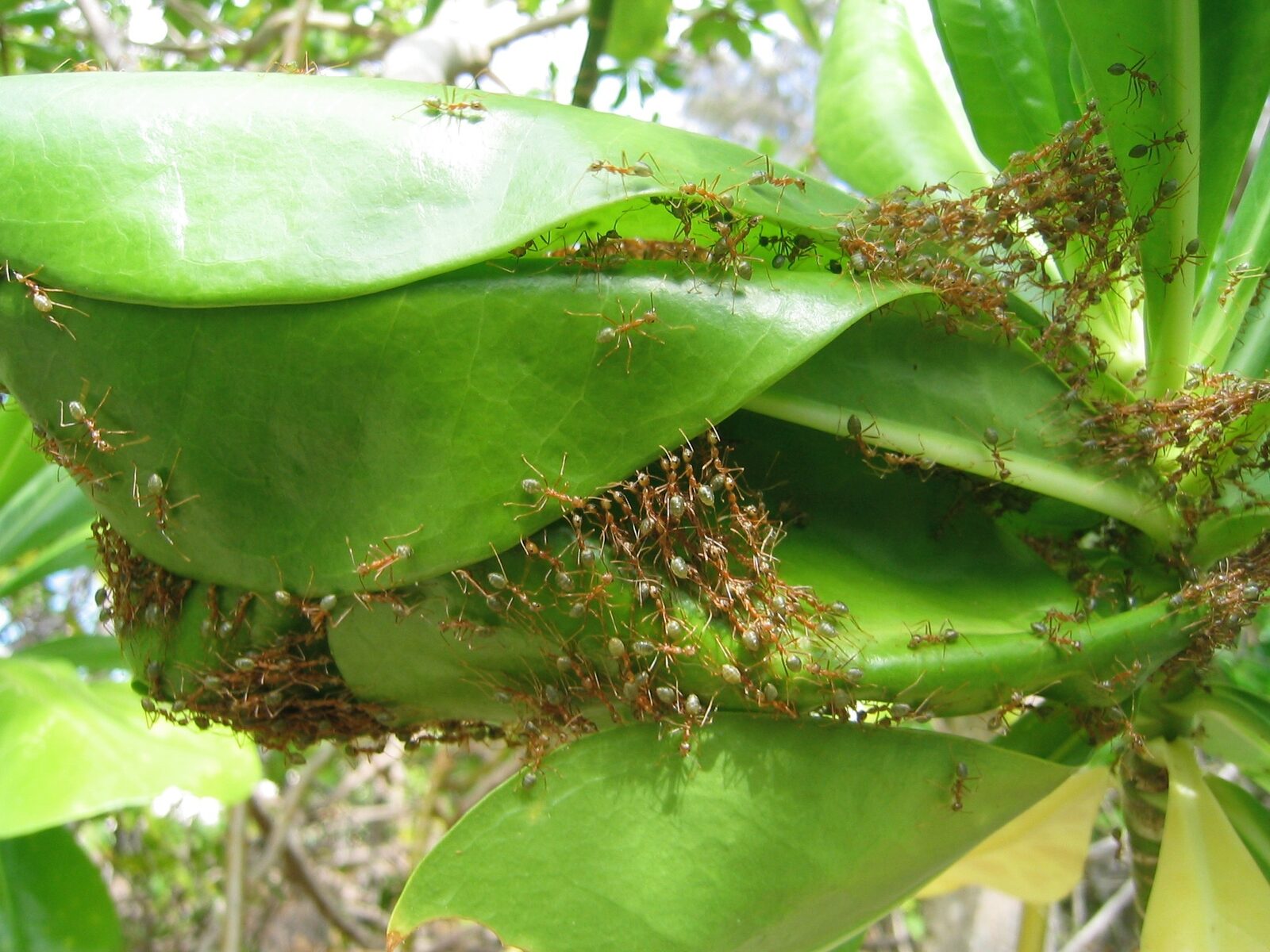
Asian weaver ant
Oecophylla smaragdina
- Status
- IUCN Red List
- Eats
- cane toad, spur-throated locust, spotted dove and 63 more
- Where
- 23 countries · kaziranga
On 4Planet Atlas it is among the wildlife people record most around Bandar Seri Begawan, Colombo and Ho Chi Minh City, and 5 more of the cities we cover.
People have shared 24,757 records of the Asian weaver ant with GBIF, from 23 countries, most of them from India, Australia and Thailand. Records collected by GloBI show it eating 66 different kinds of animals and plants, and being eaten by 4.
Habitats
What the Asian weaver ant eats, and what eats it
Studies have recorded it eating 66 kinds of animals and plants, and 4 kinds of animals eating it. Tap any of them to follow the food chain.
- Insects 28
- Plants 23
- Birds 4
- Snails and slugs 2
- Mammals 1
- Spiders and mites 1
- Amphibians 1
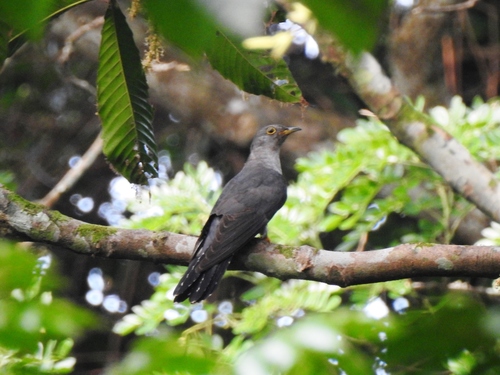
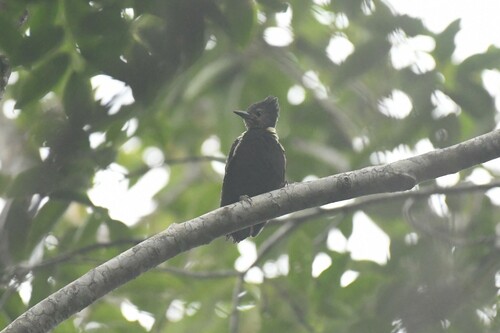
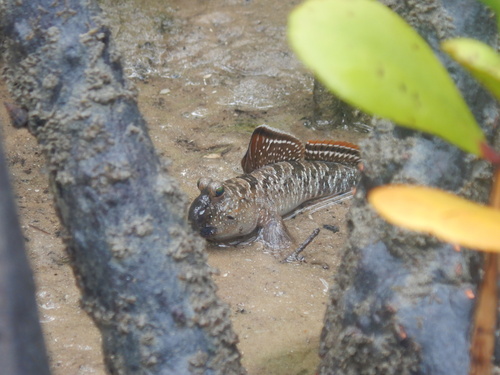 Asian weaver ant
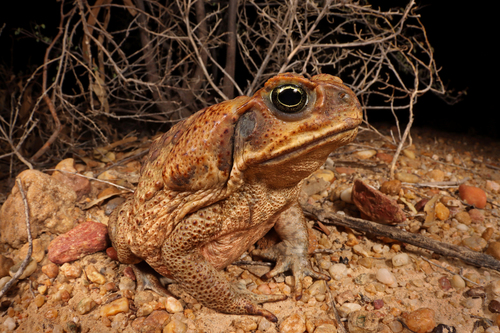
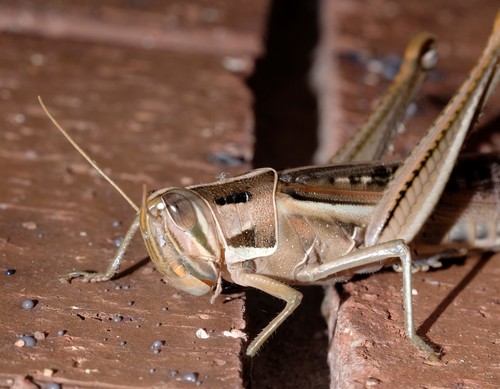
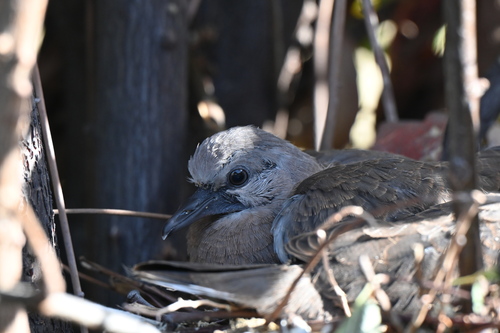
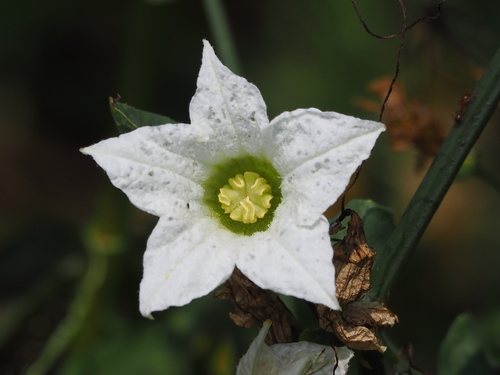
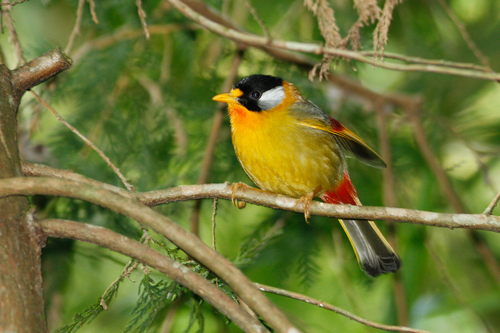
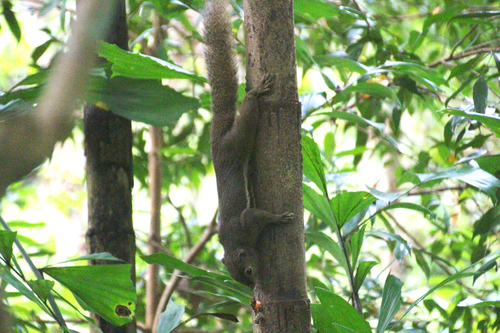
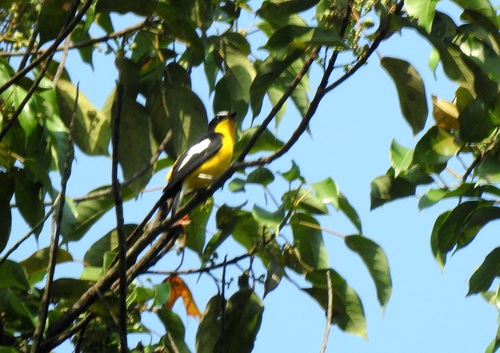
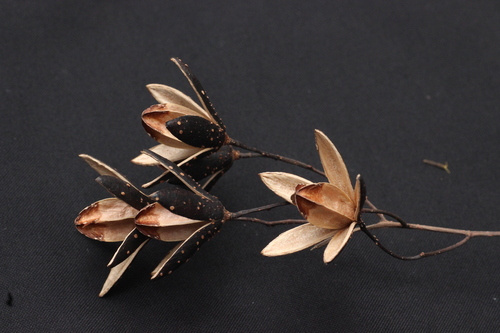
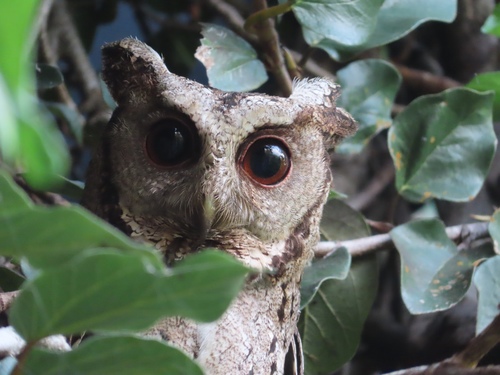
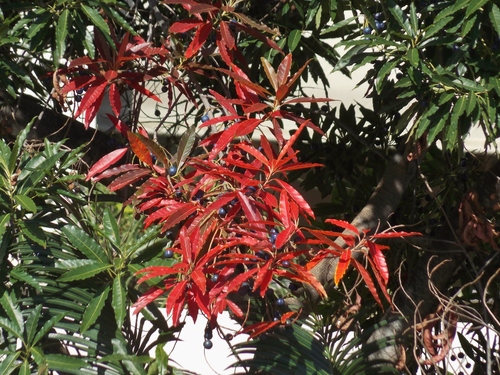
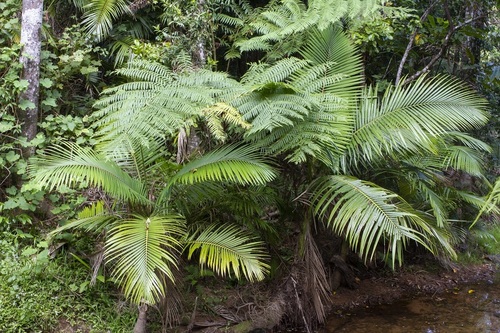
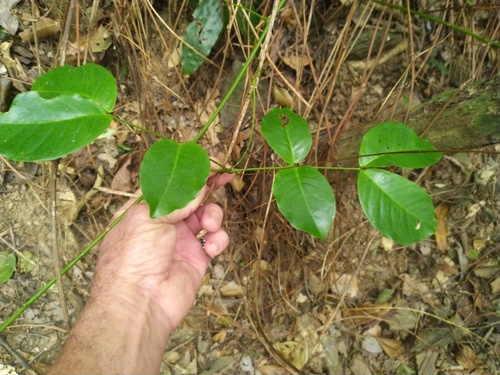
Records from studies worldwide, collected by GloBI. They include animals eaten as carrion, and they are not everything it eats in one place.
Where people see the Asian weaver ant
People have shared 24,757 records from 23 countries.
Near a city: Bandar Seri Begawan, Colombo, Ho Chi Minh City, Jakarta, Kuala Lumpur, Manila, Nha Trang, Sri Jayawardenepura Kotte.
Records show where people have seen it and shared it, not its full range. Country names open their page in Atlas.
When it is seen
Records per month in the northern hemisphere. More people outdoors also means more records.
Watch and listen


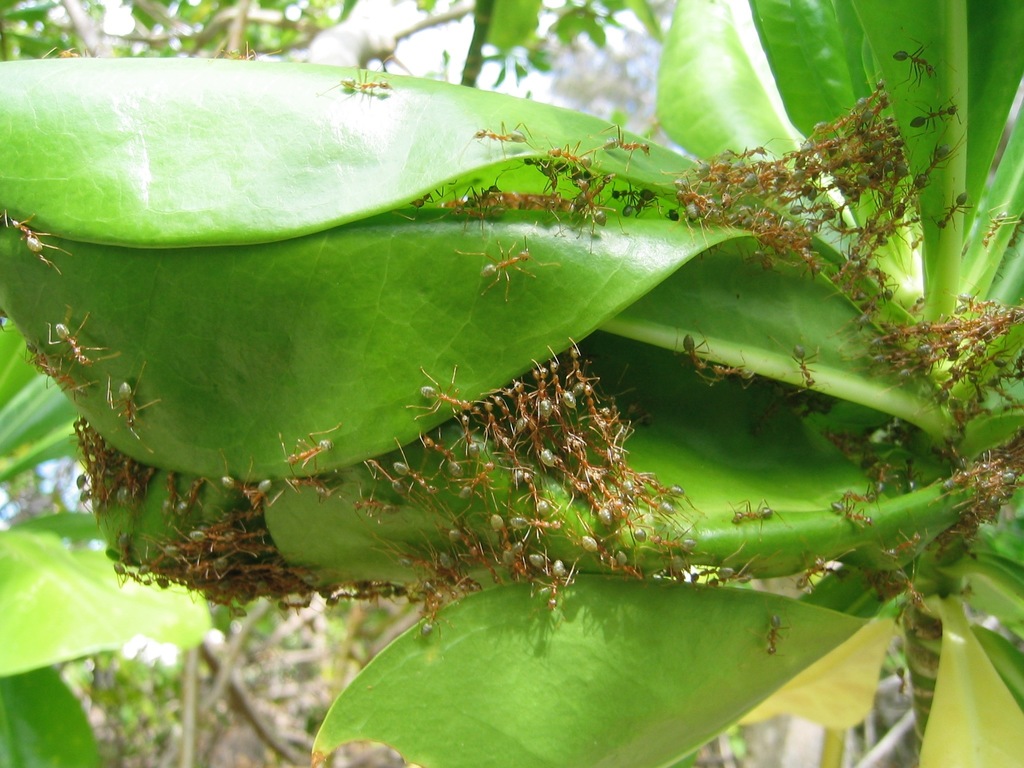
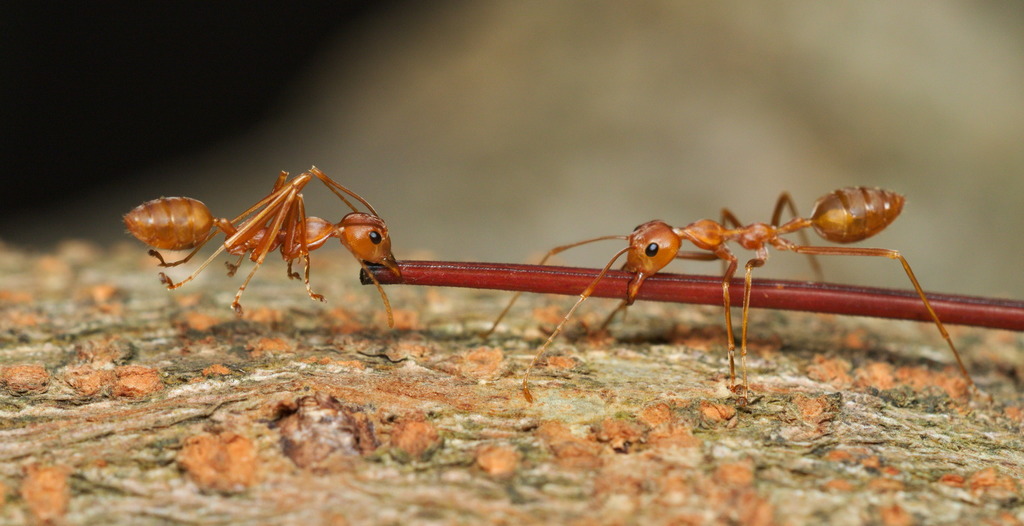
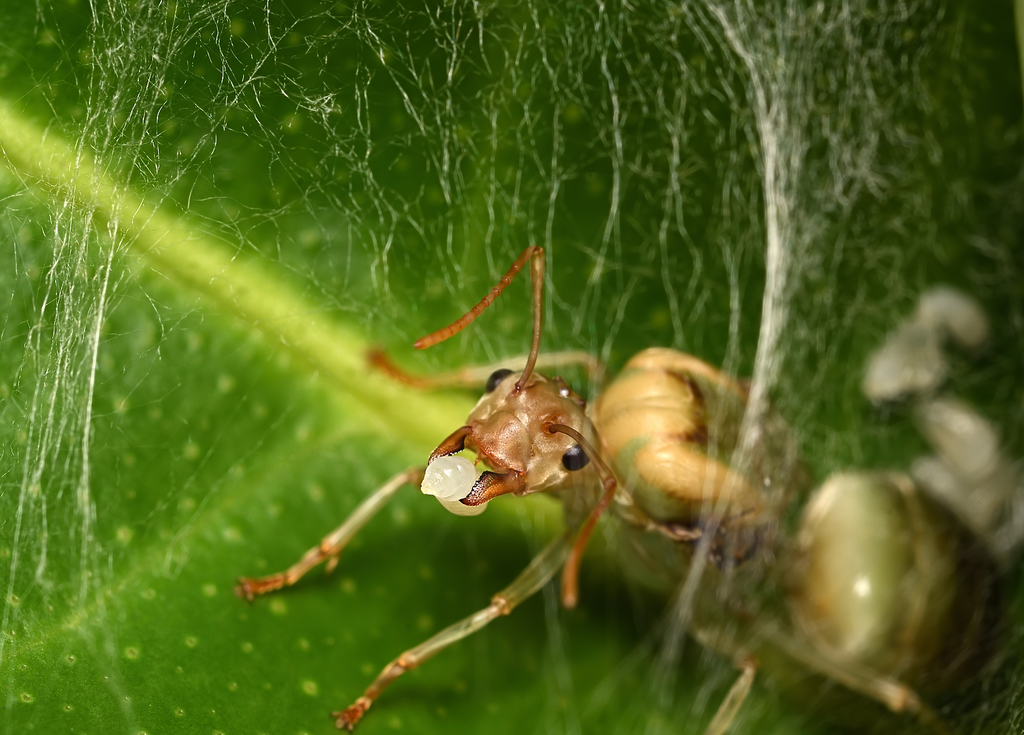
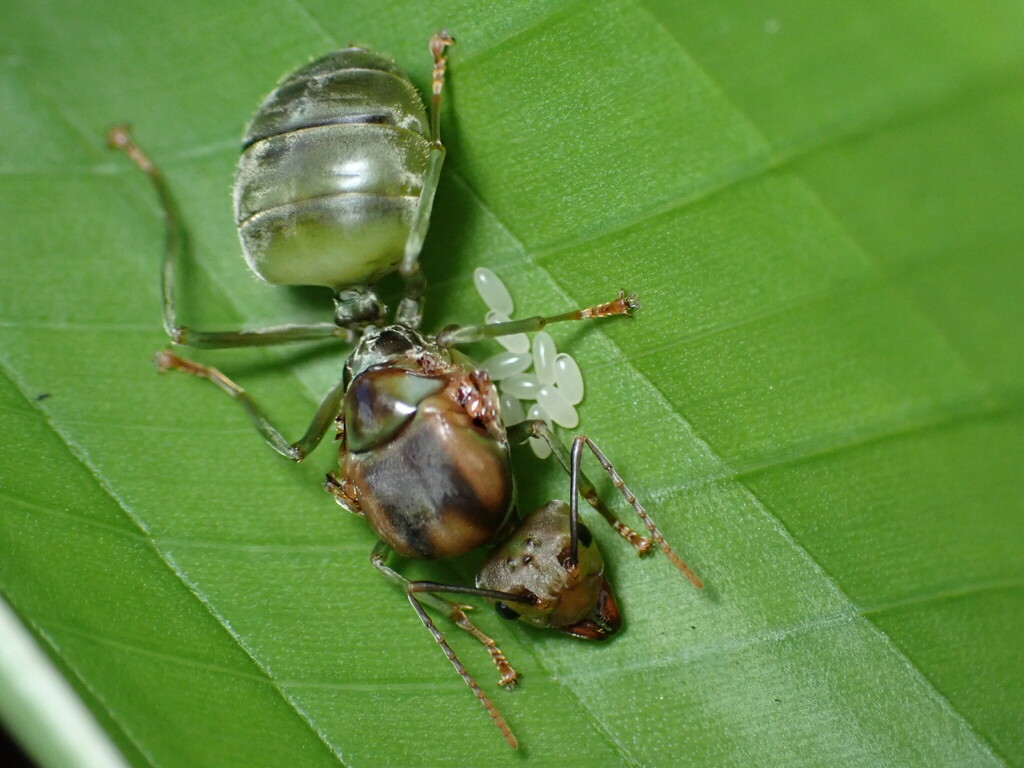
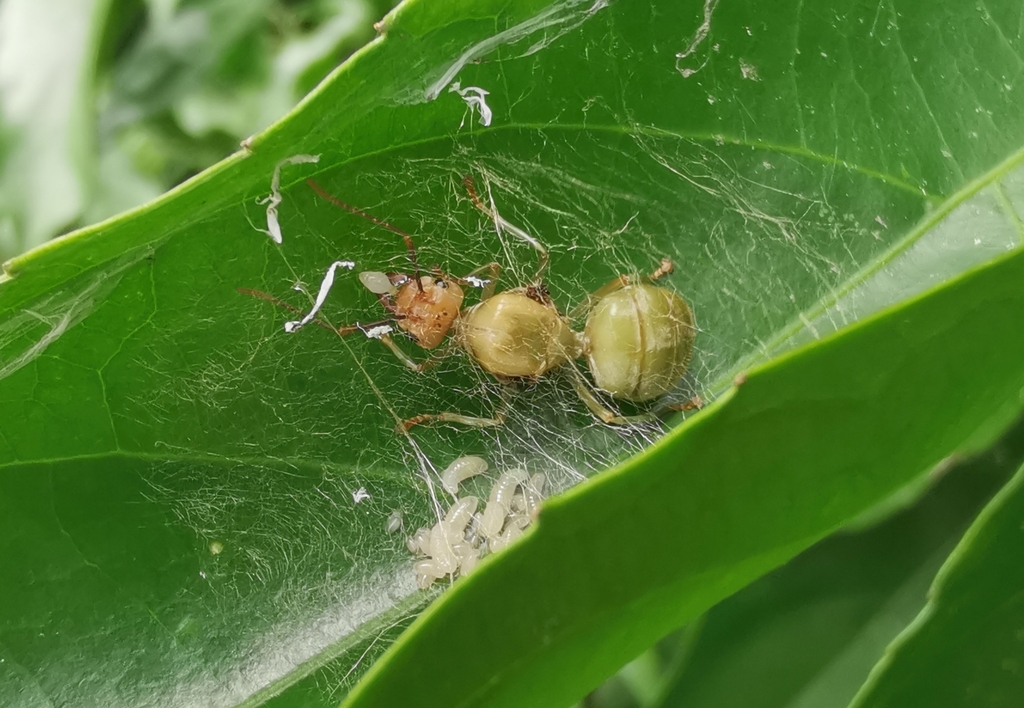
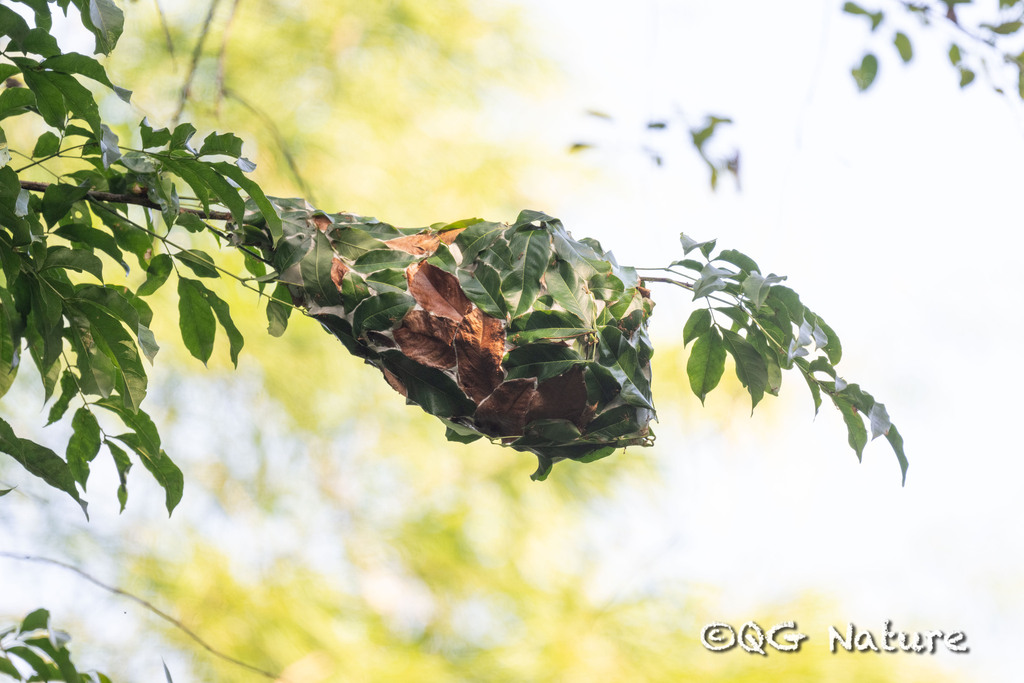
Seen an Asian weaver ant?
Share your photo on iNaturalist. Other naturalists help confirm it, and the record goes to GBIF, where scientists use it and where the maps on this page come from.
Put this species on your site
The card names every source and links back here.
<iframe src="https://4planetatlas.com/place/embed/species/asian-weaver-ant" title="Asian weaver ant (Oecophylla smaragdina), 4PLANET Species" width="100%" height="600" style="border:0;max-width:640px" loading="lazy"></iframe>
<p><a href="https://4species.com/asian-weaver-ant">Asian weaver ant on 4PLANET Species</a></p>Questions people ask
What does the Asian weaver ant eat?
The Asian weaver ant has been recorded eating 66 different kinds of animals and plants, most of them insects, plants, birds and snails and slugs. The ones recorded most often are cane toad, spur-throated locust, spotted dove, ivy gourd and silver-eared mesia; records include animals eaten as carrion. Source: GloBI.
What eats the Asian weaver ant?
Recorded predators include himalayan cuckoo, black-and-buff woodpecker and barred mudskipper. Source: GloBI.
Where does the Asian weaver ant live?
People have recorded it in 23 countries; the most records come from India, Australia, Thailand, Hong Kong SAR China and Singapore. Records show where people have seen it, not its full range.
When is the Asian weaver ant seen most?
In the northern hemisphere, the most records are made in April and the fewest in December. More people outdoors also means more records.
Sources and photo credits
- GBIF · Oecophylla smaragdina, 24,757 human observations
- GloBI · recorded interactions of Oecophylla smaragdina
- Wikidata · Asian weaver ant (Q1132830)
- Asian weaver ant (Oecophylla smaragdina): Geoff Shuetrim, CC BY 4.0
- Asian weaver ant (Oecophylla smaragdina), Luzon Island, San Juan, La Union, PH: Reynante Martinez, CC BY 4.0
- Asian weaver ant (Oecophylla smaragdina), Kollamkudimugal, Mundampalam, Kochi, Kerala, India: Sunny Joseph, CC BY 4.0
- Asian weaver ant (Oecophylla smaragdina), Lizard QLD 4892, Australia: Geoff Shuetrim, CC BY 4.0
- Asian weaver ant (Oecophylla smaragdina), Ma On Shan, Hong Kong: portioid, CC BY 4.0
- Asian weaver ant (Oecophylla smaragdina), Kollamkudimugal, Mundampalam, Kochi, Kerala, India: Sunny Joseph, CC BY 4.0
- Asian weaver ant (Oecophylla smaragdina), Tanjung Pinang City, Riau Islands, Indonésie: Louis Aureglia, CC BY 4.0
- Asian weaver ant (Oecophylla smaragdina), VW9P+MVG Huai Tueng Thao Camp, Tambon Don Kaeo, Amphoe Mae Rim, Chang Wat Chiang Mai 50180, Thailand: Cheryl Stinchcomb, CC BY 4.0
- Asian weaver ant (Oecophylla smaragdina), 西双版纳植物园: Wang.QG, CC BY 4.0
- Cane toad: Connor Margetts, CC BY 4.0
- Spur-throated locust: Peter Crowcroft, CC BY 4.0
- Spotted dove: jirau, CC BY-SA 4.0
- Ivy gourd: no rights reserved, uploaded by 葉子, CC0
- Silver-eared mesia: Julien Renoult, CC BY 4.0
- Plantain squirrel: Huey, CC BY 4.0
- Yellow-rumped flycatcher: lunarjade, CC BY 4.0
- Australian redcedar: no rights reserved, uploaded by Aruna Gamuz, CC0
- Collared scops owl: 張家瑜, CC BY 4.0
- Blue-fig: gérard, CC BY-SA 4.0
- Alexandra palm: dhfischer, CC BY 4.0
- St. thomas bean: Steve Fitzgerald, CC BY-SA 4.0
- Himalayan cuckoo: Pauline Carmel Joy Eje, CC BY 4.0
- Black-and-buff woodpecker: Tristan Jobin, CC BY 4.0
- Barred mudskipper: Bryce Watts-Parker, CC BY 4.0
Records show where people have seen and shared the Asian weaver ant, not its full range, and some countries and months are recorded far more than others. The food web lists interactions that studies have recorded somewhere in the world (GloBI), not everything it eats in one place.
Checked 2026-11-28.