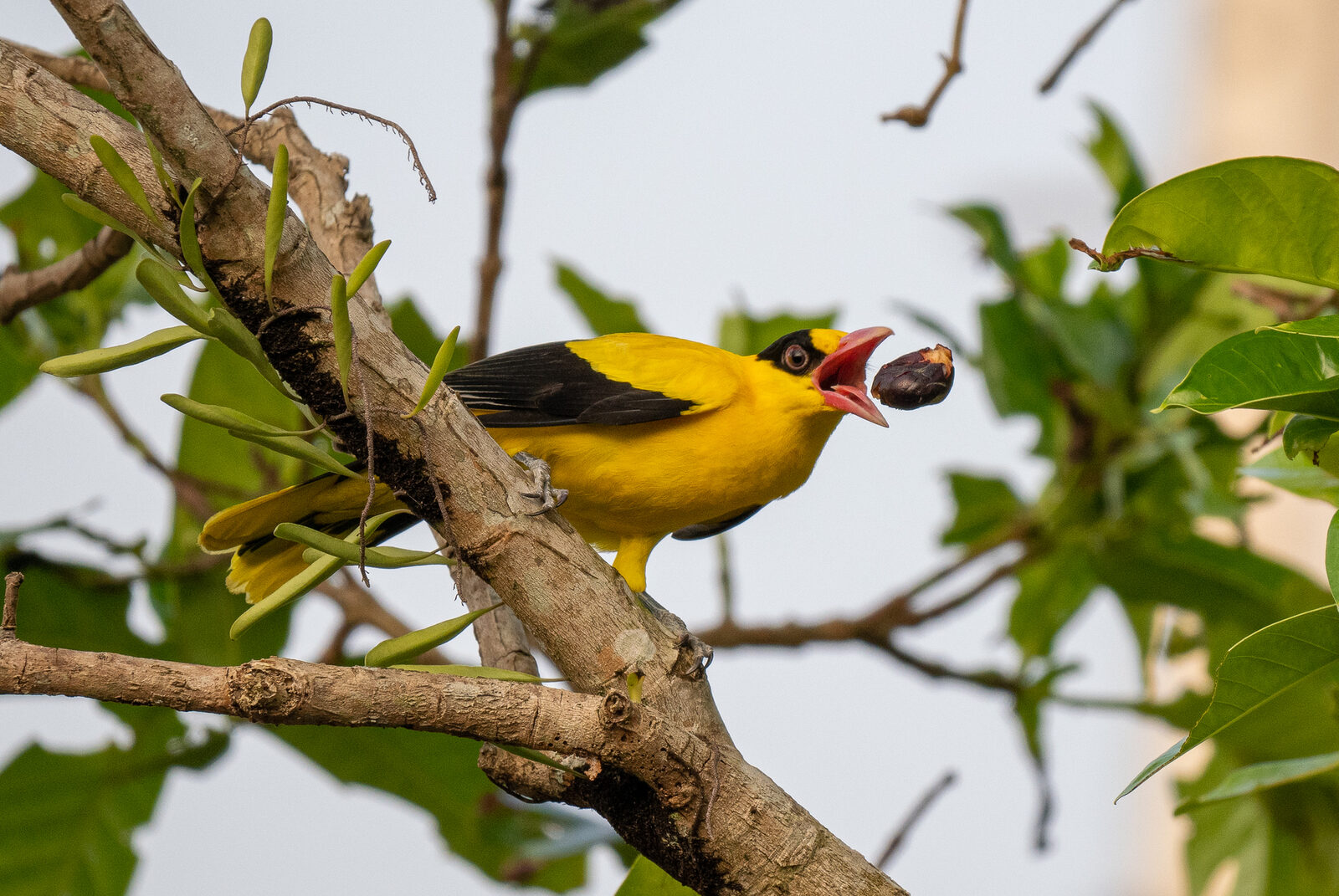
Black-naped oriole
Oriolus chinensis
- Status
- IUCN Red List
- Eats
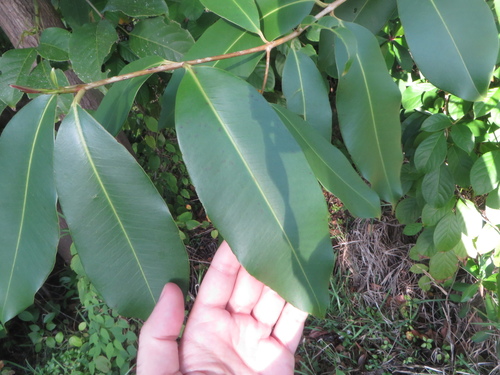
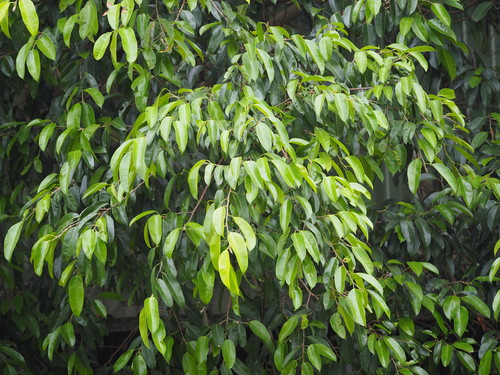
- java plum, weeping fig, marking nut-tree and 67 more
- Eaten by
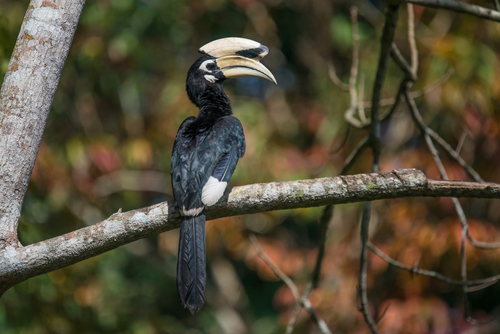
- oriental pied hornbill
- Where
- 27 countries
On 4Planet Atlas it is among the wildlife people record most around Bangkok, Beijing and Dhaka, and 10 more of the cities we cover.
People have shared 186,491 records of the black-naped oriole with GBIF, from 27 countries, most of them from Singapore, Thailand and Malaysia. Records collected by GloBI show it eating 70 different kinds of animals and plants, and being eaten by 1.
What the black-naped oriole eats, and what eats it
Studies have recorded it eating 70 kinds of animals and plants, and 1 kinds of animals eating it. Tap any of them to follow the food chain.
- Plants 63
- Insects 1
Eaten by
 Black-naped oriole
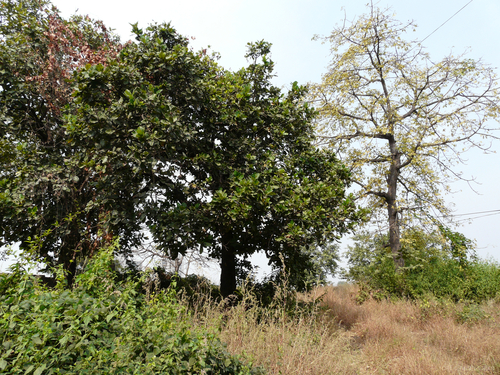
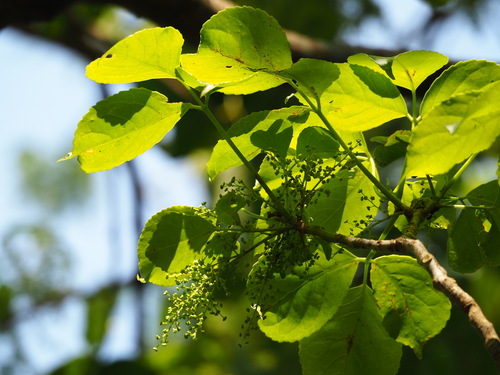
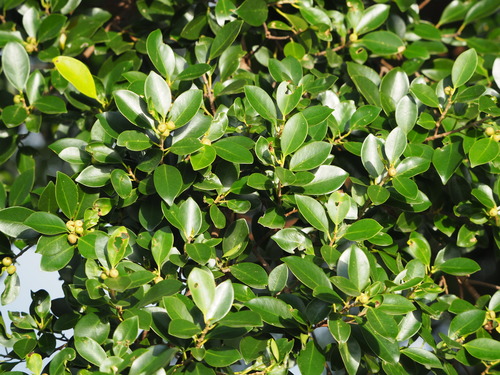
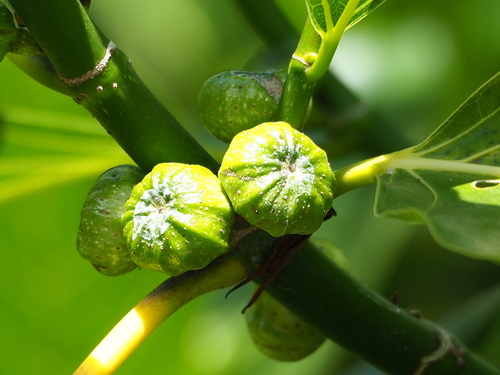
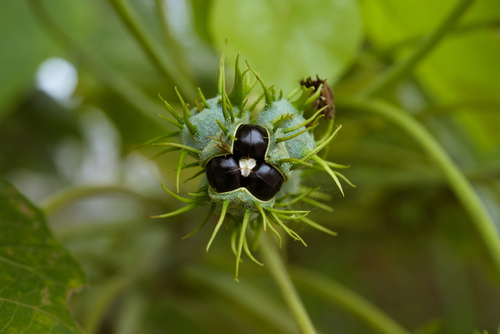
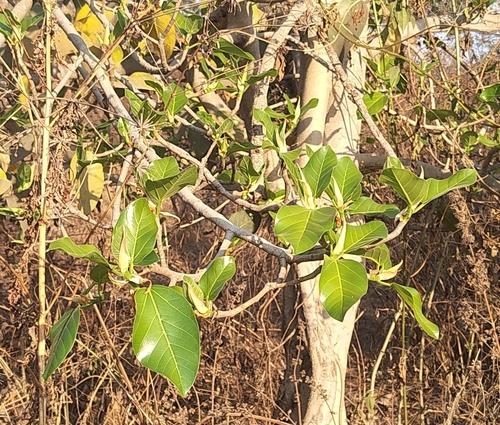
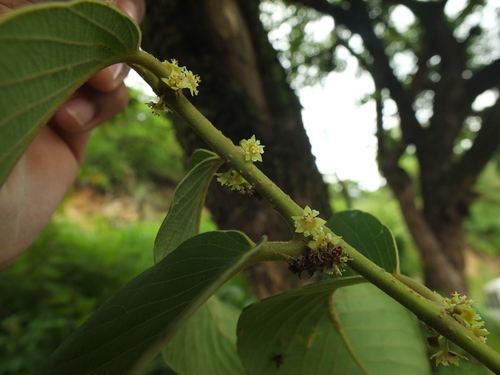
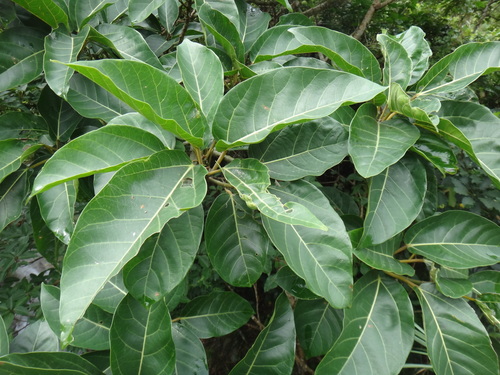
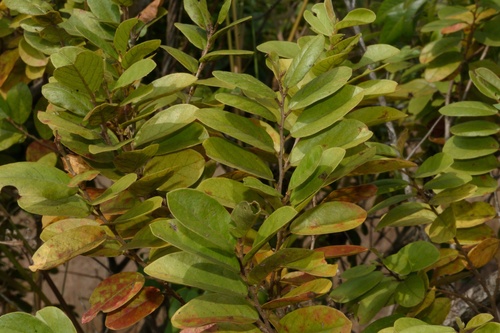
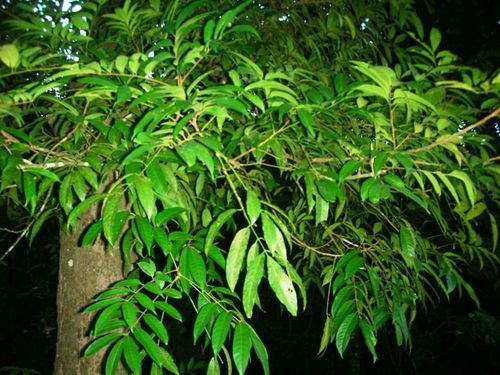
Records from studies worldwide, collected by GloBI. They include animals eaten as carrion, and they are not everything it eats in one place.
Where people see the black-naped oriole
People have shared 186,491 records from 27 countries.
Near a city: Bangkok, Beijing, Dhaka, Hanoi, Jakarta, Kuala Lumpur, Manila, Naypyidaw, Phnom Penh, Pyongyang, Seoul, Shanghai, Vientiane.
Records show where people have seen it and shared it, not its full range. Country names open their page in Atlas.
When it is seen
Records per month in the northern hemisphere. More people outdoors also means more records.
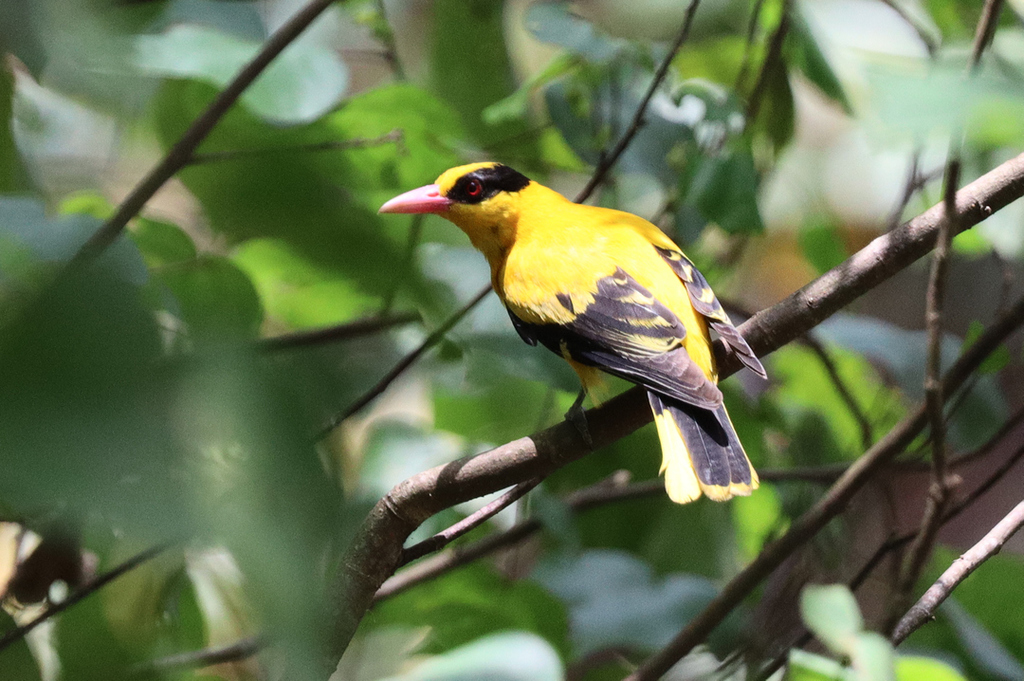
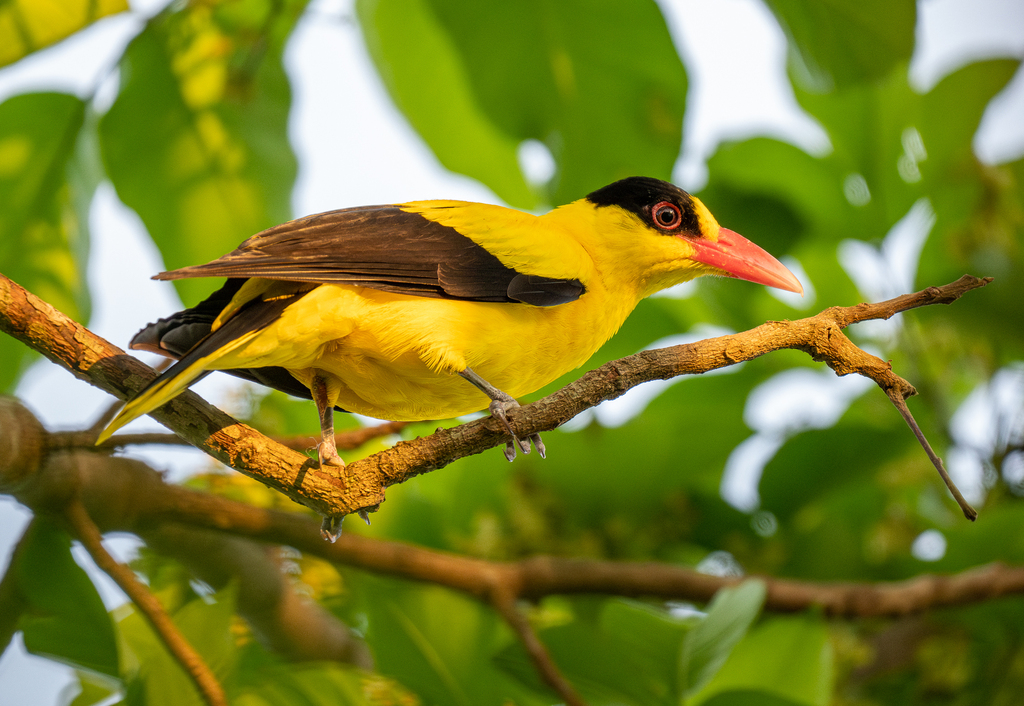
Watch and listen
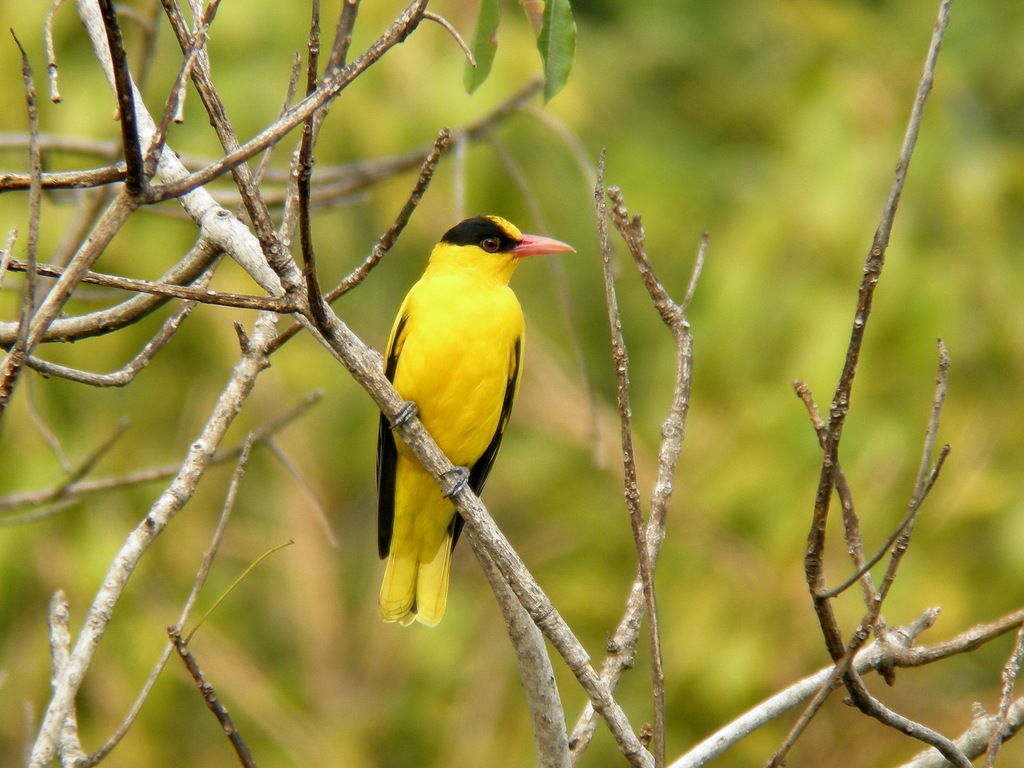
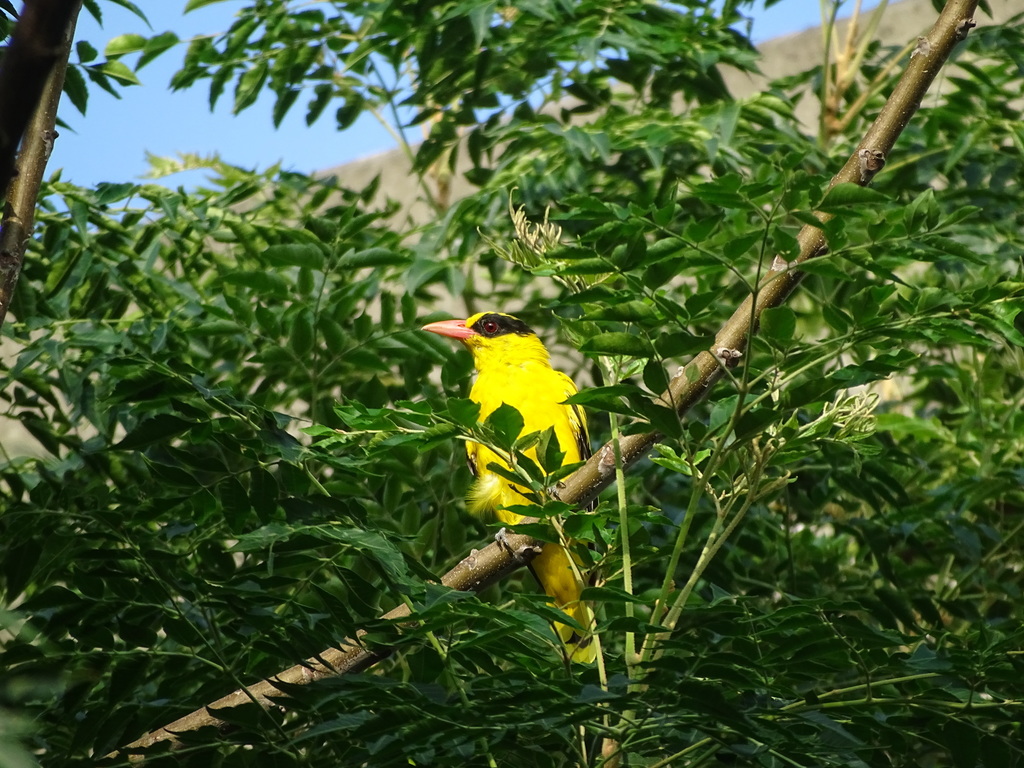
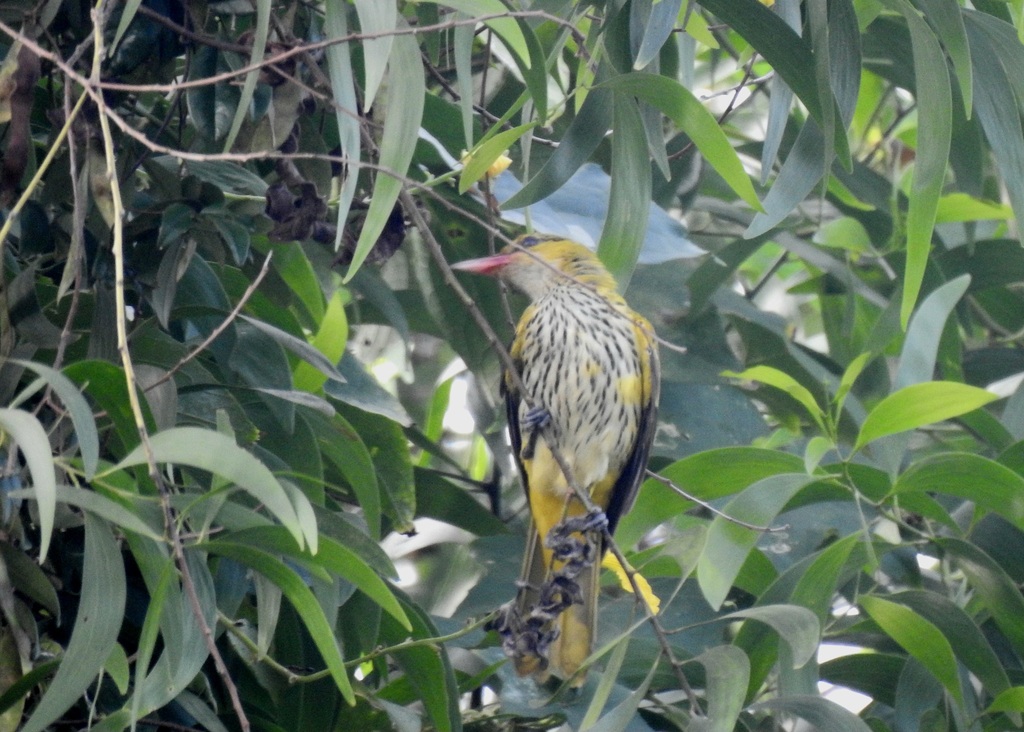
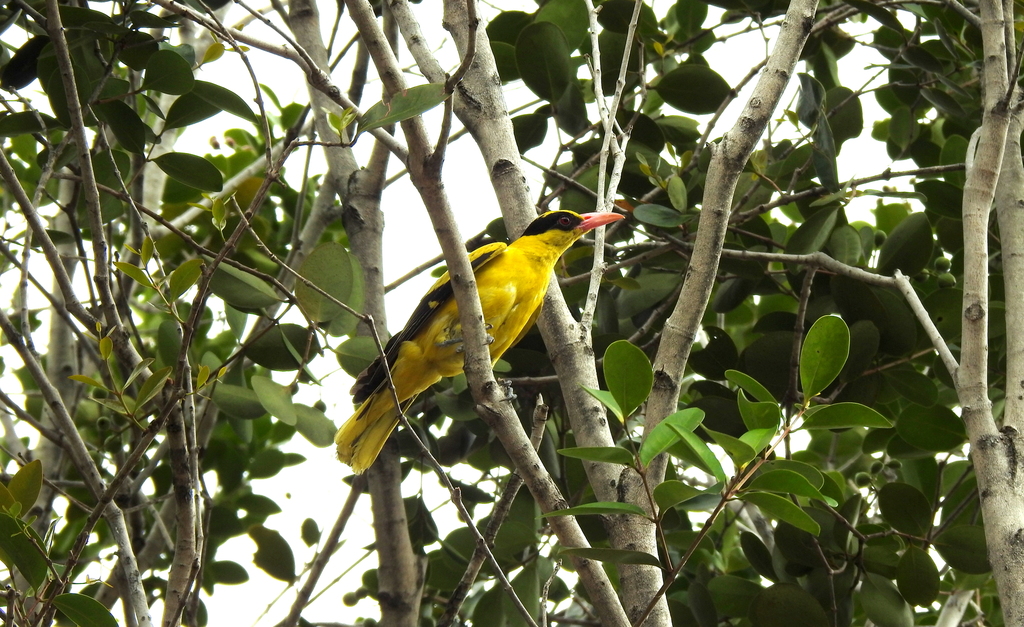
Its closest relatives
The other species of the genus Oriolus.
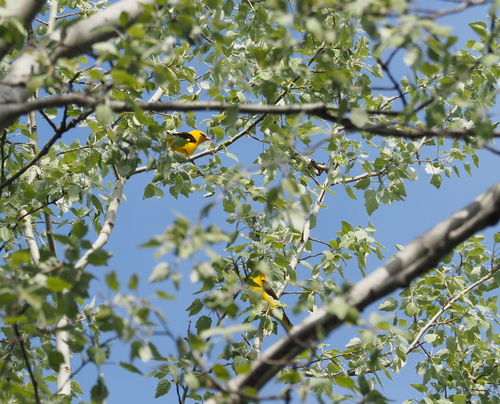
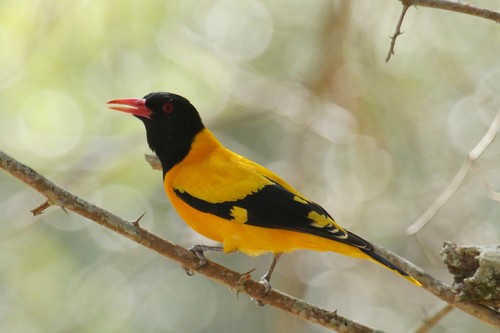
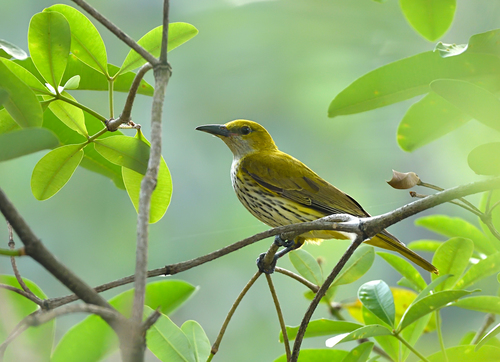

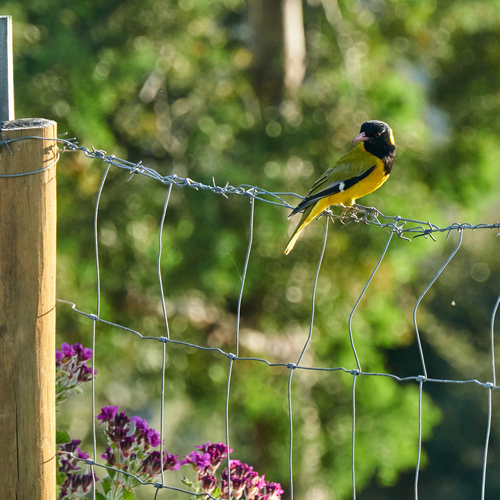
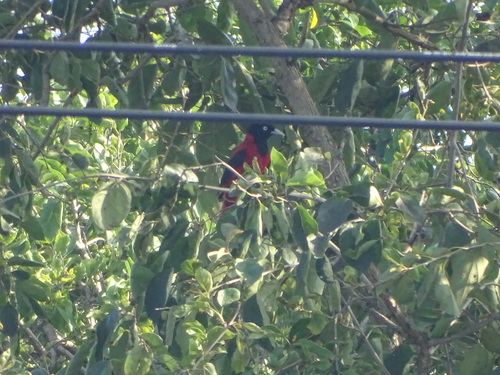
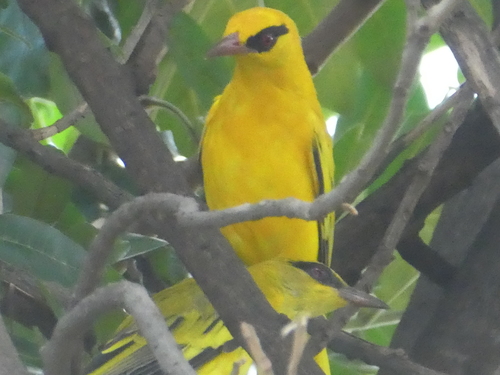
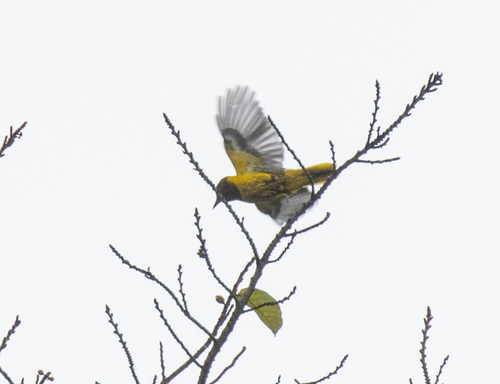
Seen a black-naped oriole?
Share your photo on iNaturalist. Other naturalists help confirm it, and the record goes to GBIF, where scientists use it and where the maps on this page come from.
Questions people ask
What does the black-naped oriole eat?
The black-naped oriole has been recorded eating 70 different kinds of animals and plants, most of them plants and insects. The ones recorded most often are java plum, weeping fig, marking nut-tree, bishopwood and chinese banyan; records include animals eaten as carrion. Source: GloBI.
What eats the black-naped oriole?
Recorded predators include oriental pied hornbill. Source: GloBI.
Where does the black-naped oriole live?
People have recorded it in 27 countries; the most records come from Singapore, Thailand, Malaysia, India and Philippines. Records show where people have seen it, not its full range.
When is the black-naped oriole seen most?
In the northern hemisphere, the most records are made in February and the fewest in August. More people outdoors also means more records.
What are the black-naped oriole's closest relatives?
It shares the genus Oriolus with eurasian golden oriole, black-hooded oriole, indian golden oriole, são tomé oriole and black-headed oriole.
Sources and photo credits
- GBIF · Oriolus chinensis, 186,491 human observations
- GloBI · recorded interactions of Oriolus chinensis
- Black-naped oriole (Oriolus chinensis): Forest Botial-Jarvis, CC BY 4.0
- Black-naped oriole (Oriolus chinensis): Eric Lopes, CC BY-SA 4.0
- Black-naped oriole (Oriolus chinensis): Forest Botial-Jarvis, CC BY 4.0
- Black-naped oriole (Oriolus chinensis): Ian Dugdale, CC BY 4.0
- Black-naped oriole (Oriolus chinensis), Taiwan, TW: 雲一百香果, CC BY 4.0
- Black-naped oriole (Oriolus chinensis), Chidiya Tapu Beach, Andaman and Nicobar Islands 744105, India: lunarjade, CC BY 4.0
- Black-naped oriole (Oriolus chinensis), Taman Ipoh, 31400 Ipoh, Perak, Malaysia: lunarjade, CC BY 4.0
- Black-naped oriole (Oriolus chinensis), Bukit Jelutong, Shah Alam, Selangor, Malaysia: lunarjade, CC BY 4.0
- Java plum: Ben Machado, CC BY 4.0
- Weeping fig: no rights reserved, uploaded by 葉子, CC0
- Marking nut-tree: Dinesh Valke, CC BY-SA 4.0
- Bishopwood: no rights reserved, uploaded by 葉子, CC0
- Chinese banyan: no rights reserved, uploaded by 葉子, CC0
- Septic fig: no rights reserved, uploaded by 葉子, CC0
- Parasol leaf tree: mutolisp, CC BY 4.0
- False banyan: Aadi Kulkarni, CC BY 4.0
- Bridelia retusa: Siddarth Machado, CC BY 4.0
- Ficus variegata: 呂一起(Lyu yi-chi), CC BY 4.0
- Black currant-tree: deepachandran, CC BY-SA 4.0
- Aglaia spectabilis: Xufanc, CC BY-SA 4.0
- Oriental pied hornbill: Rushen, CC BY-SA 4.0
- Eurasian golden oriole: carnifex, CC BY 4.0
- Black-hooded oriole: Alastair Rae, CC BY-SA 4.0
- Indian golden oriole: Sunny Joseph, CC BY 4.0
- São tomé oriole: Thibaud Aronson, CC BY-SA 4.0
- Black-headed oriole: Glynn Morris, CC BY 4.0
- Maroon oriole: 雲一百香果, CC BY 4.0
- African golden oriole: datadan, CC BY 4.0
- Green-headed oriole: avocat, CC BY 4.0
Records show where people have seen and shared the black-naped oriole, not its full range, and some countries and months are recorded far more than others. The food web lists interactions that studies have recorded somewhere in the world (GloBI), not everything it eats in one place.
Checked 2026-11-22.