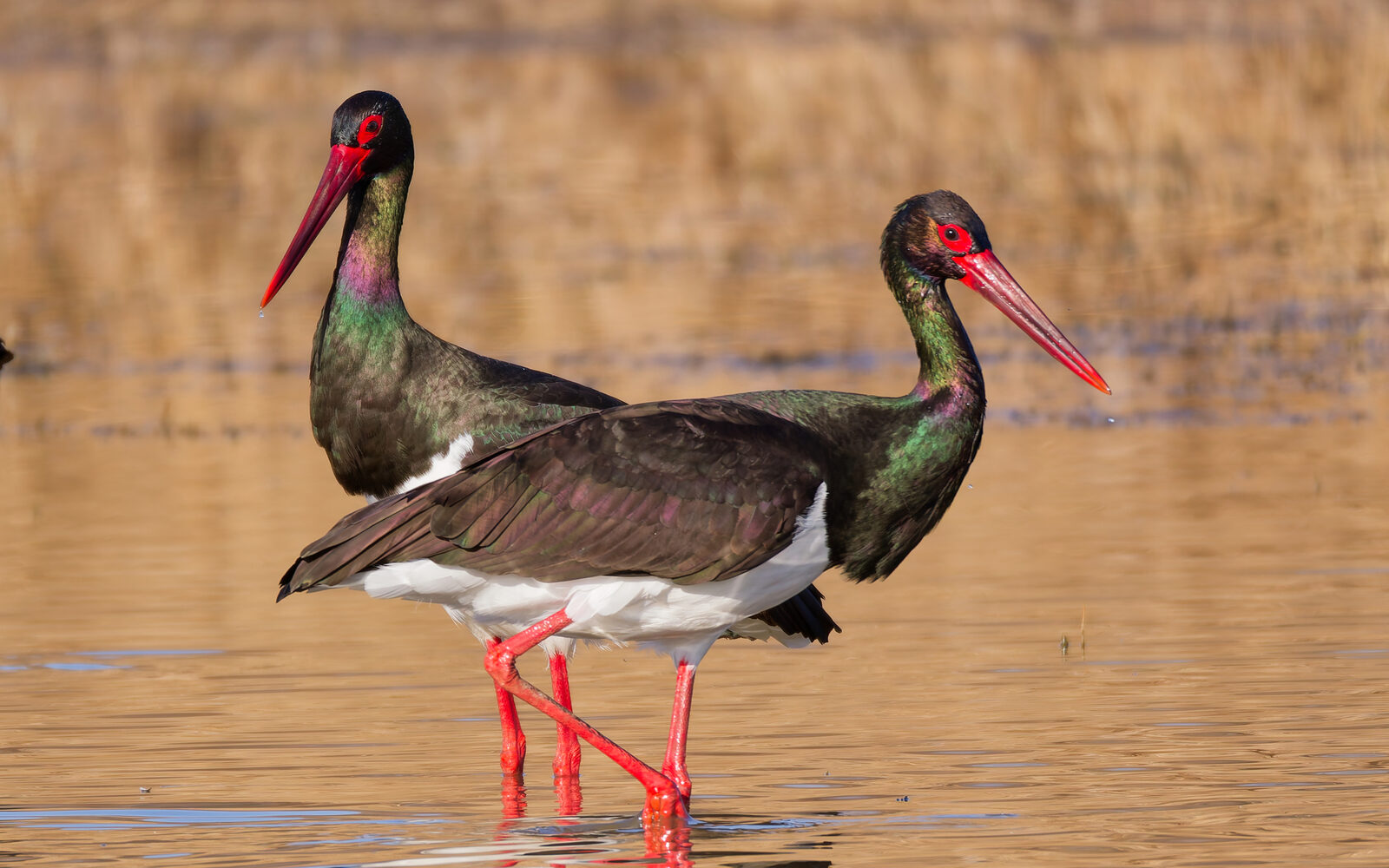
Black Stork
Ciconia nigra
- Status
- Least Concern IUCN Red List
- Eats
- sociable lapwing, mallard, common quail and 510 more
- Eaten by
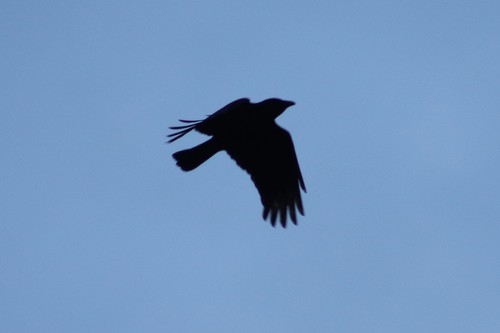
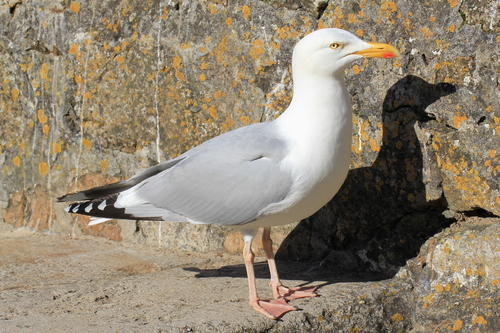
- northern raven, carrion crow, European herring gull
- Where
- 114 countries
On 4Planet Atlas it is among the wildlife people record most around Amman, Ankara and Ashgabat, and 14 more of the cities we cover.
People have shared 152,333 records of the Black Stork with GBIF, from 114 countries, most of them from Spain, Israel and Turkey. Records collected by GloBI show it eating 513 different kinds of animals and plants, and being eaten by 3.
What the black Stork eats, and what eats it
Studies have recorded it eating 513 kinds of animals and plants, and 3 kinds of animals eating it. Tap any of them to follow the food chain.
- Reptiles 161
- Mammals 142
- Birds 104
- Amphibians 58

 Black Stork
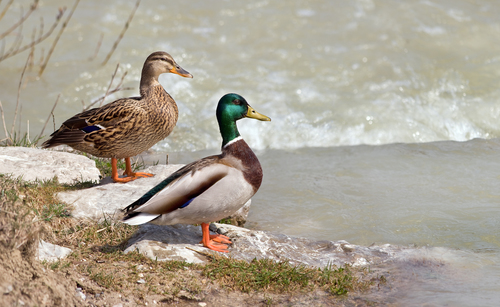
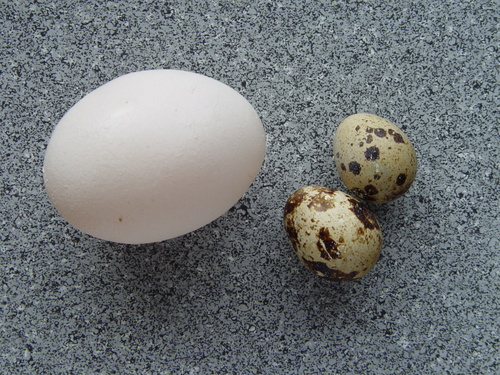
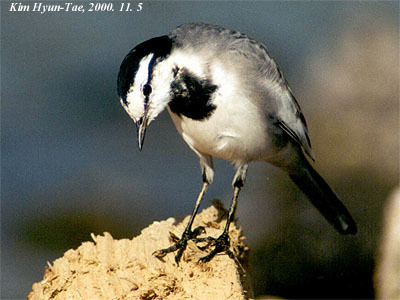

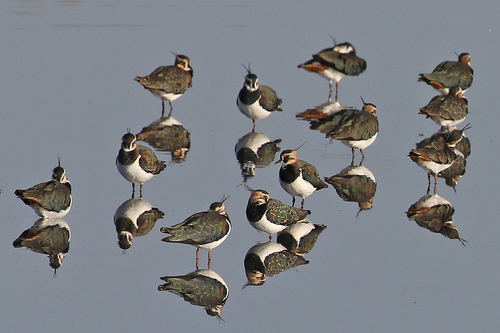
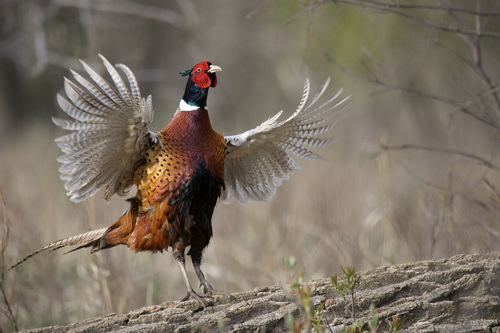
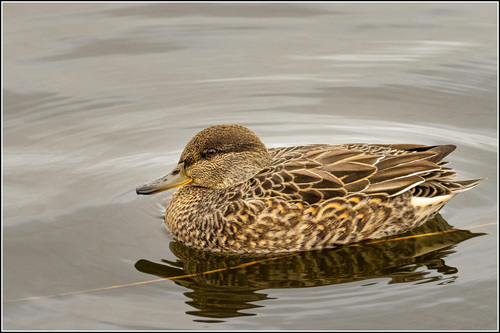

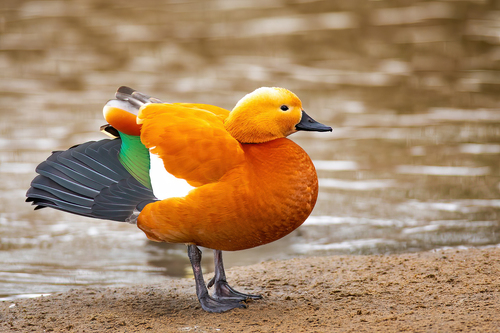

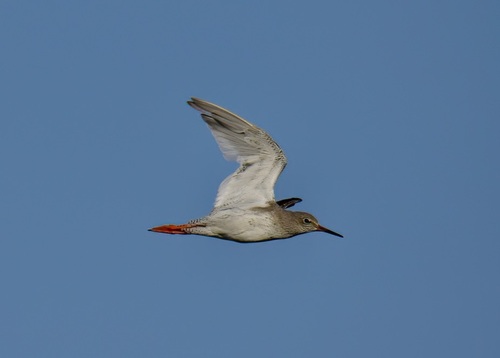
Records from studies worldwide, collected by GloBI. They include animals eaten as carrion, and they are not everything it eats in one place.
Where people see the black Stork
People have shared 152,333 records from 114 countries.
Near a city: Amman, Ankara, Ashgabat, Beijing, Belgrade, Bratislava, Bucharest, Chișinău, Damascus, Kyiv, Ljubljana, Prague, Pristina, Sofia, Ulaanbaatar, Warsaw, Zagreb.
Records show where people have seen it and shared it, not its full range. Country names open their page in Atlas.
When it is seen
Records per month in the northern hemisphere. More people outdoors also means more records.
Watch and listen
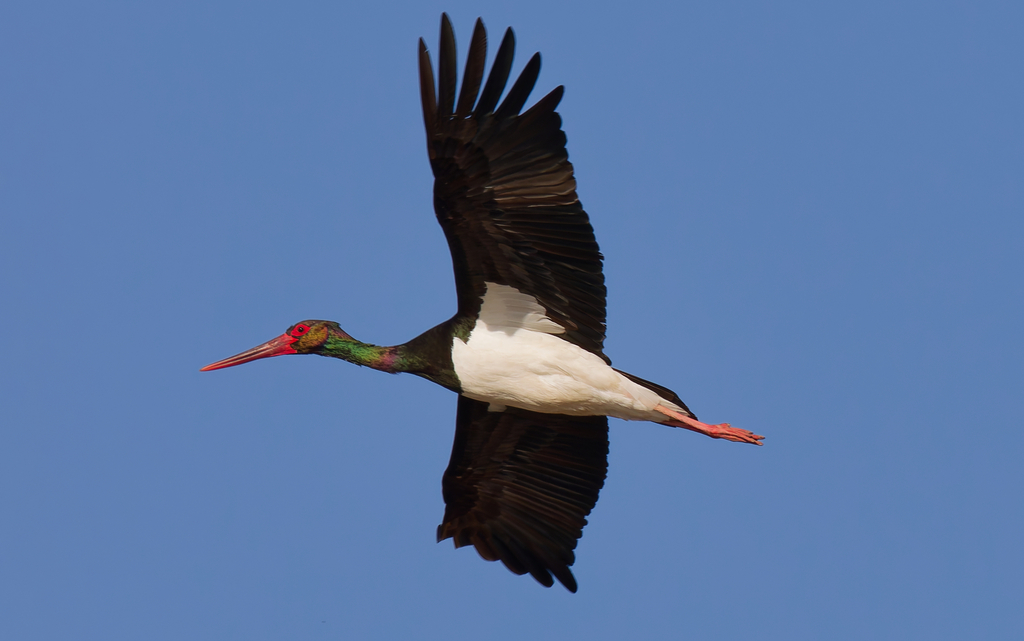
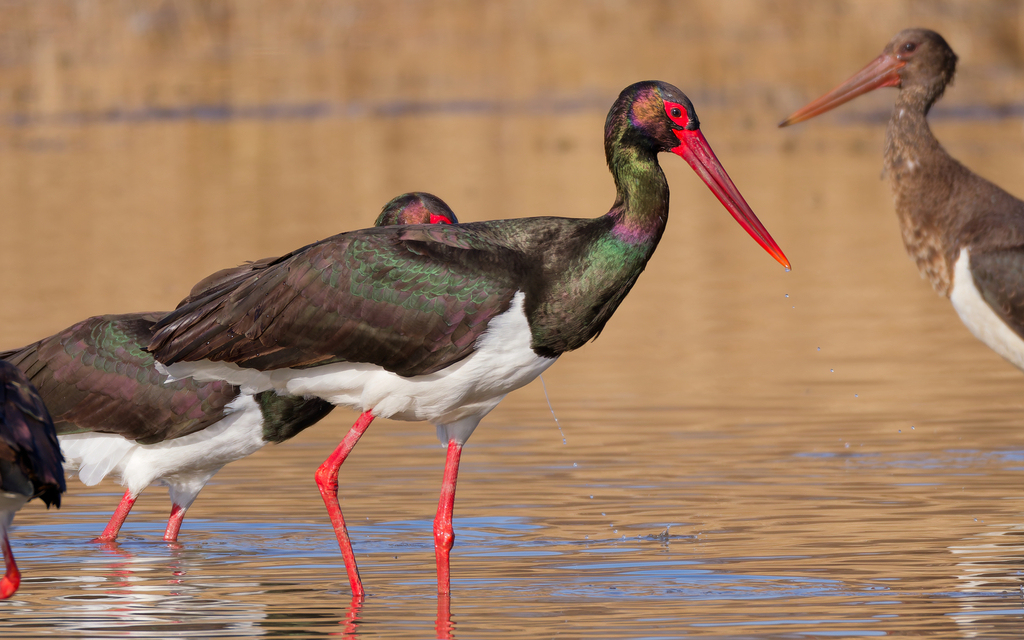
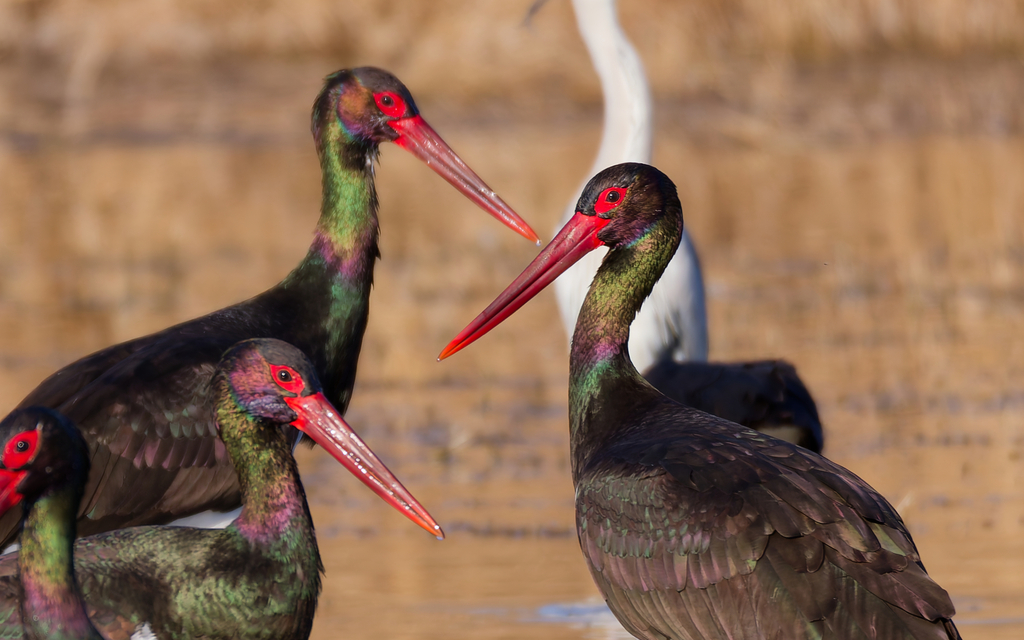
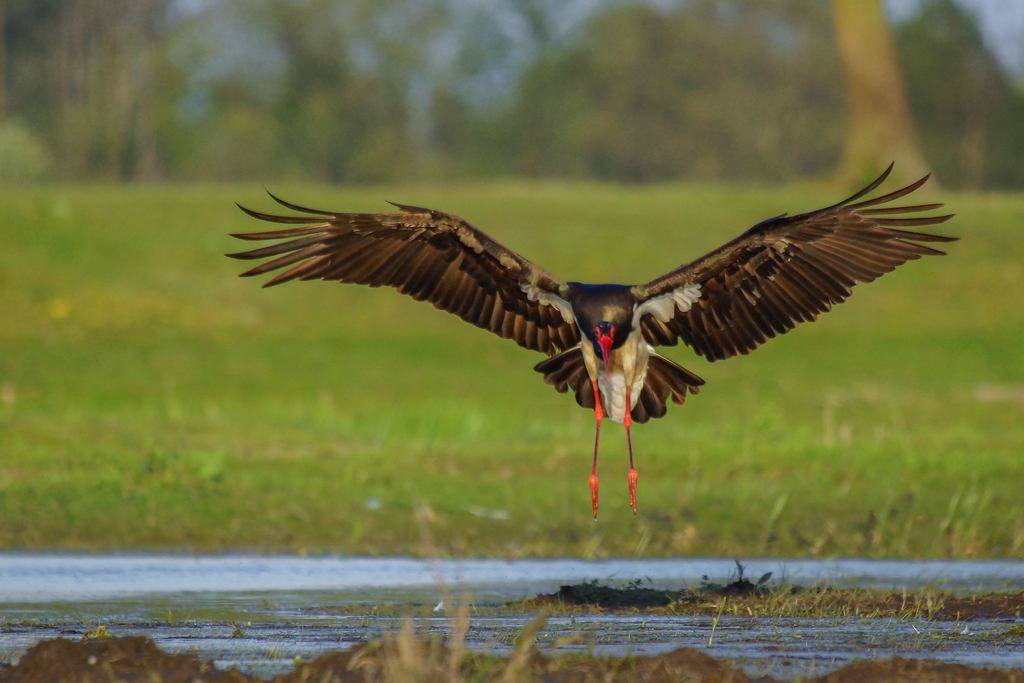
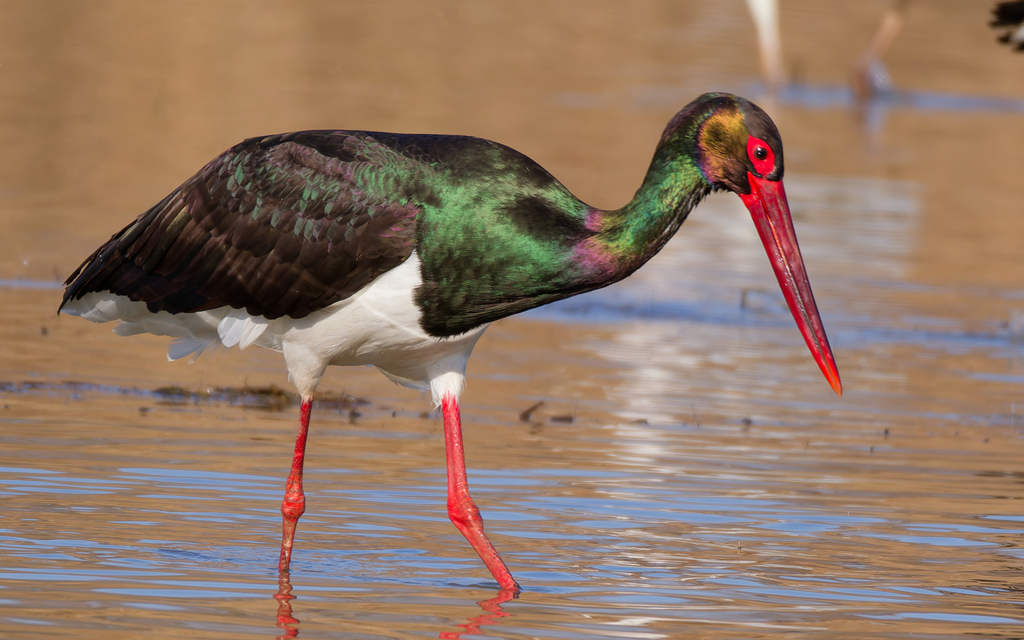
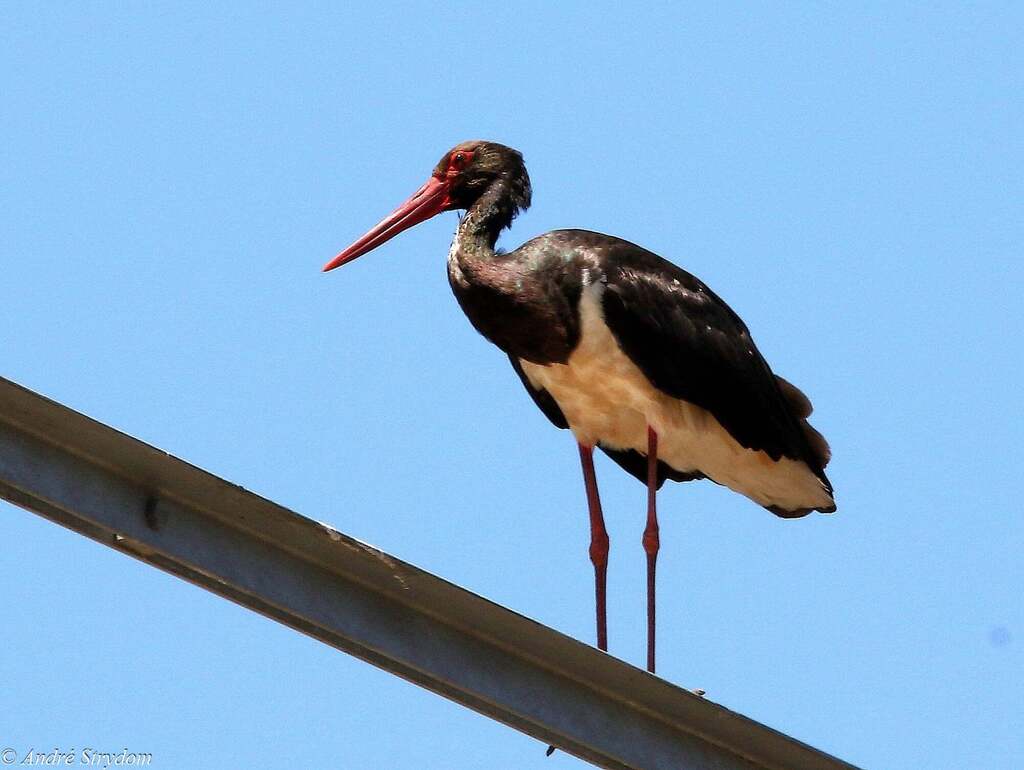
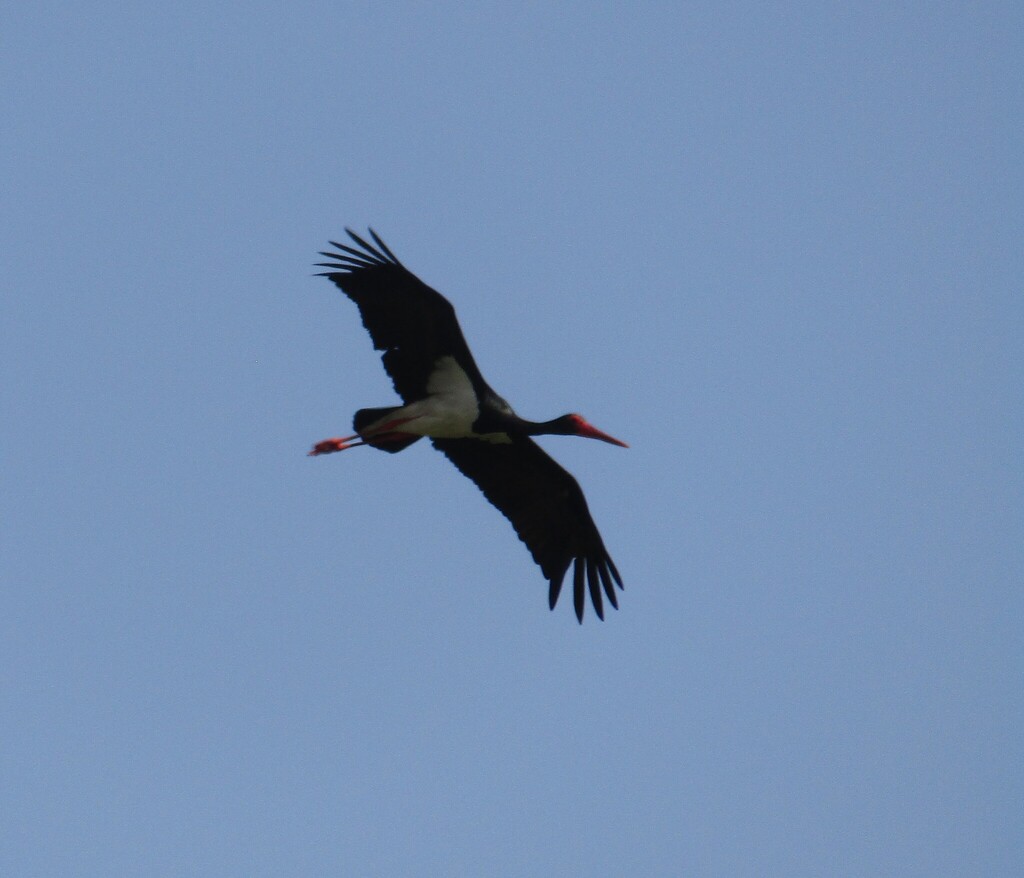
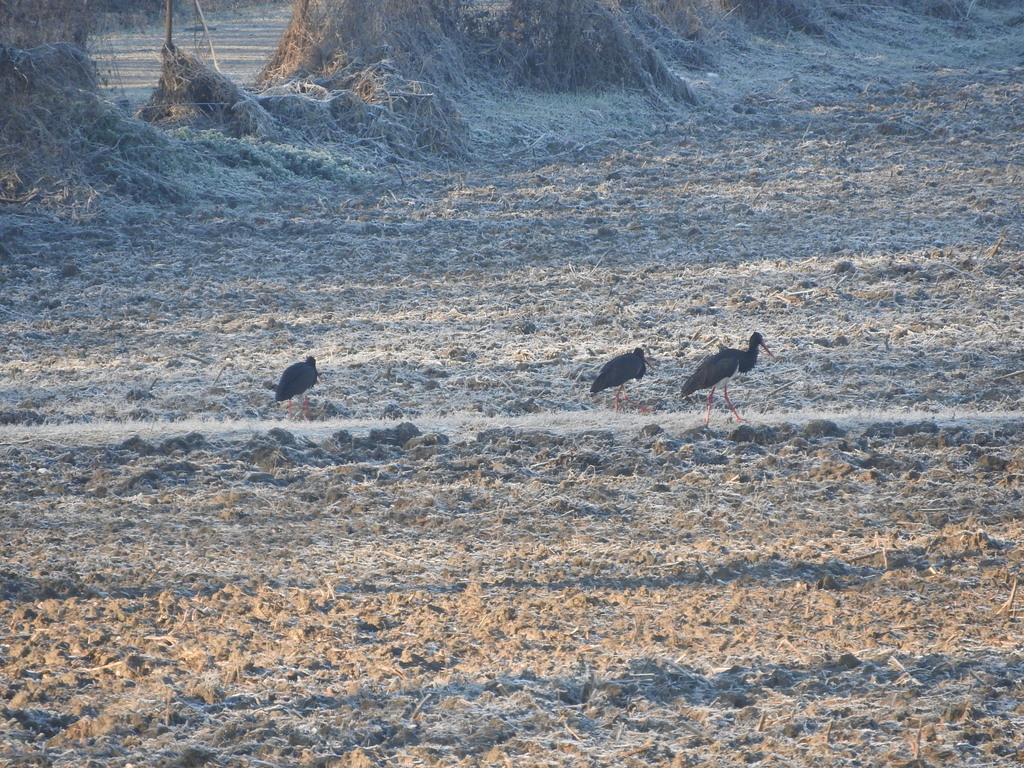
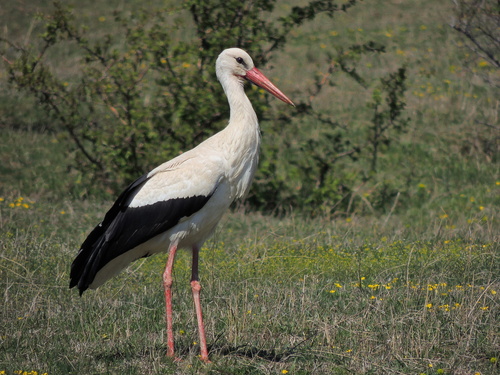
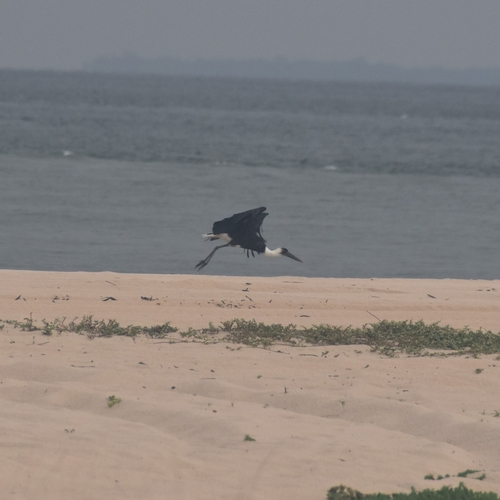
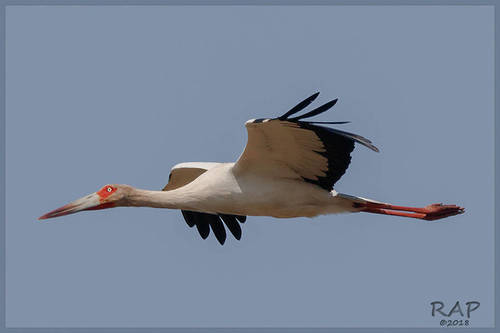
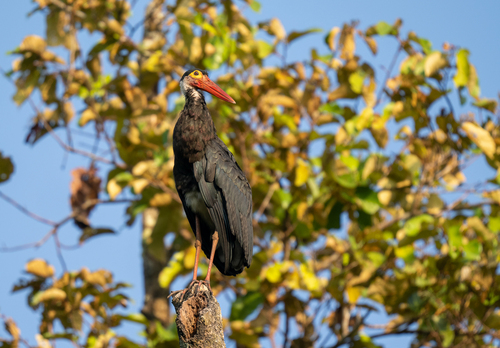
Its closest relatives
The other species of the genus Ciconia.


Seen a black Stork?
Share your photo on iNaturalist. Other naturalists help confirm it, and the record goes to GBIF, where scientists use it and where the maps on this page come from.
Put this species on your site
The card names every source and links back here.
<iframe src="https://4planetatlas.com/place/embed/species/black-stork" title="Black Stork (Ciconia nigra), 4PLANET Species" width="100%" height="600" style="border:0;max-width:640px" loading="lazy"></iframe>
<p><a href="https://4species.com/black-stork">Black Stork on 4PLANET Species</a></p>Questions people ask
What does the Black Stork eat?
The Black Stork has been recorded eating 513 different kinds of animals and plants, most of them reptiles, mammals, birds and amphibians. The ones recorded most often are sociable lapwing, mallard, common quail, white wagtail and greylag goose; records include animals eaten as carrion. Source: GloBI.
What eats the Black Stork?
Recorded predators include northern raven, carrion crow and european herring gull. Source: GloBI.
Where does the Black Stork live?
People have recorded it in 114 countries; the most records come from Spain, Israel, Turkey, India and Poland. Records show where people have seen it, not its full range.
When is the Black Stork seen most?
In the northern hemisphere, the most records are made in September and the fewest in January. More people outdoors also means more records.
What are the Black Stork's closest relatives?
It shares the genus Ciconia with white stork, asian woolly-necked stork, abdim's stork, oriental white stork and maguari stork.
Sources and photo credits
- GBIF · Ciconia nigra, 152,333 human observations
- GloBI · recorded interactions of Ciconia nigra
- Wikidata · Black Stork (Q25398)
- Black Stork (Ciconia nigra): Zinogre, CC BY-SA 4.0
- Black Stork (Ciconia nigra): Zinogre, CC BY-SA 4.0
- Black Stork (Ciconia nigra): Zinogre, CC BY-SA 4.0
- Black Stork (Ciconia nigra): Zinogre, CC BY-SA 4.0
- Black Stork (Ciconia nigra): Roman Filipkowski, CC BY 4.0
- Black Stork (Ciconia nigra), 中国河南省洛阳市孟津县: Zinogre, CC BY-SA 4.0
- Black Stork (Ciconia nigra), Uitenhage Farms, Gqeberha, South Africa: Dave Brown, CC0
- Black Stork (Ciconia nigra), Parvomay, Bulgaria: SteveM4560, CC BY 4.0
- Black Stork (Ciconia nigra), Provincia di Cremona, Italia: Francesco Cecere, CC0
- Sociable lapwing: Jan Ebr & Ivana Ebrová, CC BY 4.0
- Mallard: anonymous, CC BY-SA 4.0
- Common quail: anonymous, CC BY-SA 4.0
- White wagtail: Kim, Hyun-tae, CC BY 4.0
- Greylag goose: Imran Shah, CC BY-SA 4.0
- Northern lapwing: Roy Lowry, CC BY 4.0
- Common pheasant: John Krampl, CC BY 4.0
- Eurasian teal: Smudge 9000, CC BY-SA 4.0
- Grey partridge: Christoph Moning, CC BY 4.0
- Ruddy shelduck: egorbirder, CC BY 4.0
- Whooper swan: Austin 0201, CC BY 4.0
- Common redshank: Luiz Lapa, CC BY 4.0
- Northern raven: xulescu_g, CC BY-SA 4.0
- Carrion crow: no rights reserved, uploaded by Charlie Farrell, CC0
- European herring gull: Stu's Images, CC BY-SA 4.0
- White stork: xulescu_g, CC BY-SA 4.0
- Asian woolly-necked stork: Nathan Van Cooten, CC BY 4.0
- Abdim's stork: datadan, CC BY 4.0
- Oriental white stork: Kim, Hyun-tae, CC BY 4.0
- Maguari stork: RAP, CC BY 4.0
- Storm's stork: Forest Botial-Jarvis, CC BY 4.0
Records show where people have seen and shared the Black Stork, not its full range, and some countries and months are recorded far more than others. The food web lists interactions that studies have recorded somewhere in the world (GloBI), not everything it eats in one place.
Checked 2026-11-24.