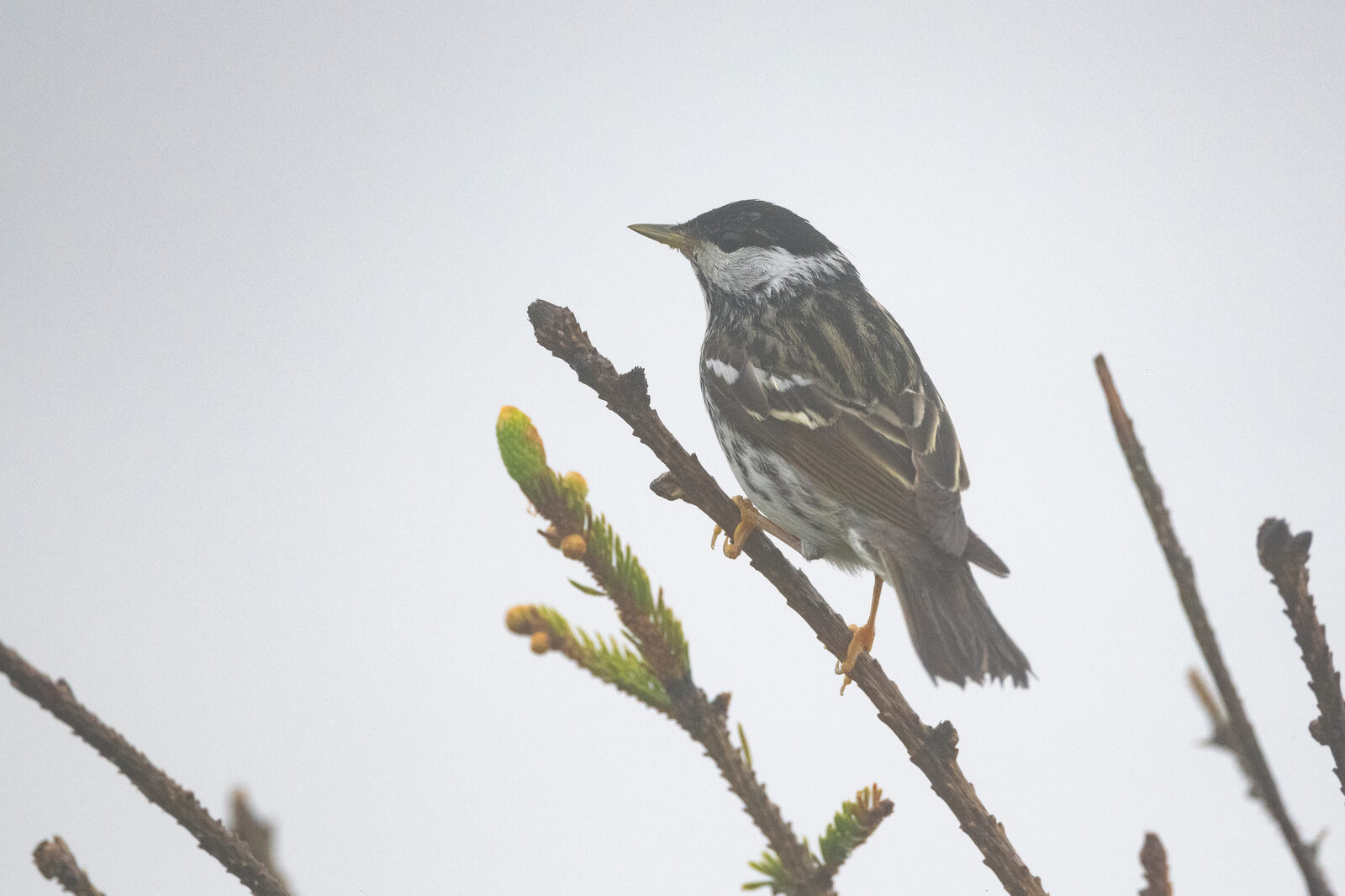
Blackpoll warbler
Setophaga striata
- Status
- Near Threatened IUCN Red List
- Eats
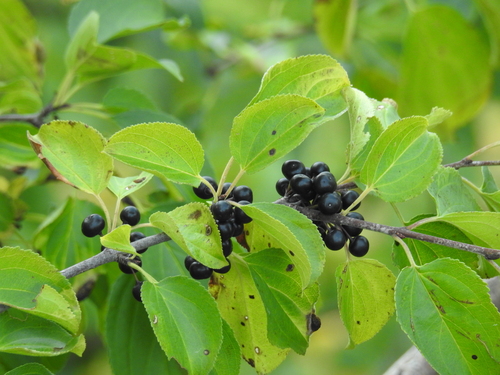
- guelder rose, buckthorn, virginia creeper and 81 more
- Where
- 58 countries
On 4Planet Atlas it is among the wildlife people record most around Atlanta, Basseterre and Boston, and 16 more of the cities we cover.
People have shared 971,710 records of the blackpoll warbler with GBIF, from 58 countries, most of them from United States, Canada and Colombia. Records collected by GloBI show it eating 84 different kinds of animals and plants.
What the blackpoll warbler eats, and what eats it
Studies have recorded it eating 84 kinds of animals and plants. Tap any of them to follow the food chain.
- Plants 82
- Insects 1
Blackpoll warbler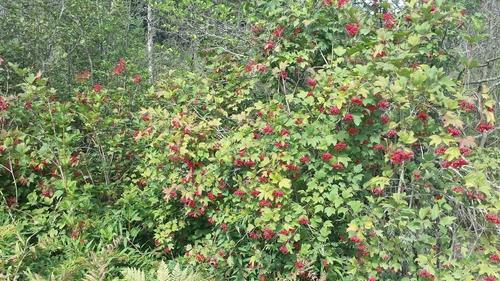
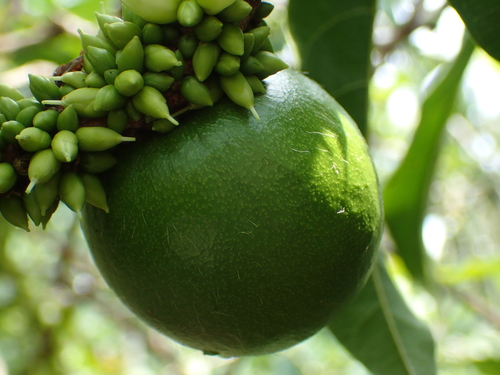
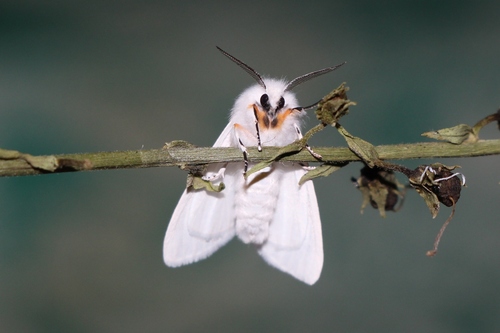
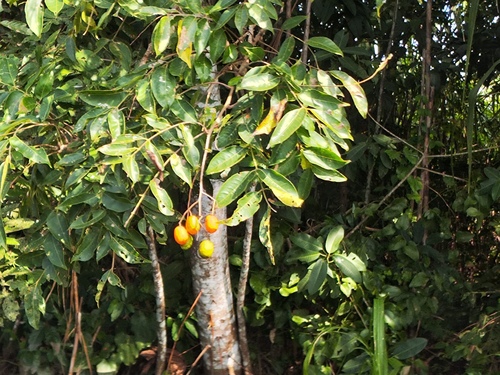
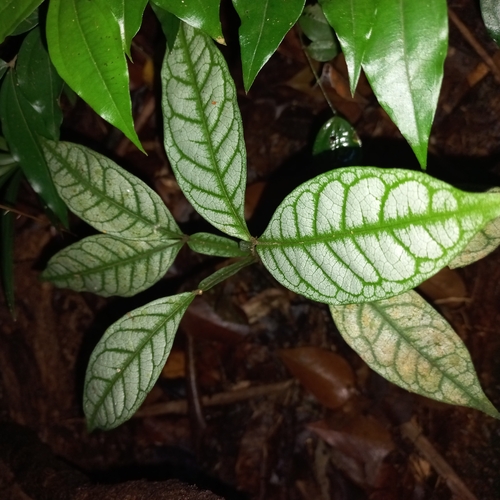
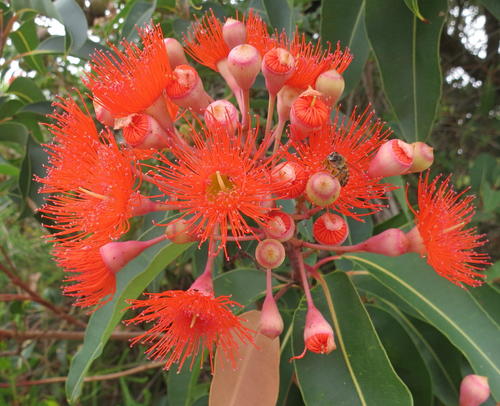
Records from studies worldwide, collected by GloBI. They include animals eaten as carrion, and they are not everything it eats in one place.
Where people see the blackpoll warbler
People have shared 971,710 records from 58 countries.
Near a city: Atlanta, Basseterre, Boston, Bridgetown, Chicago, Columbus, Detroit, Edmonton, Indianapolis, Kingstown, Milwaukee, Montreal, Nashville, Nassau, New York, Santo Domingo, St. George's, Toronto, Washington, D.C..
Records show where people have seen it and shared it, not its full range. Country names open their page in Atlas.
When it is seen
Records per month in the northern hemisphere. More people outdoors also means more records.
Watch and listen

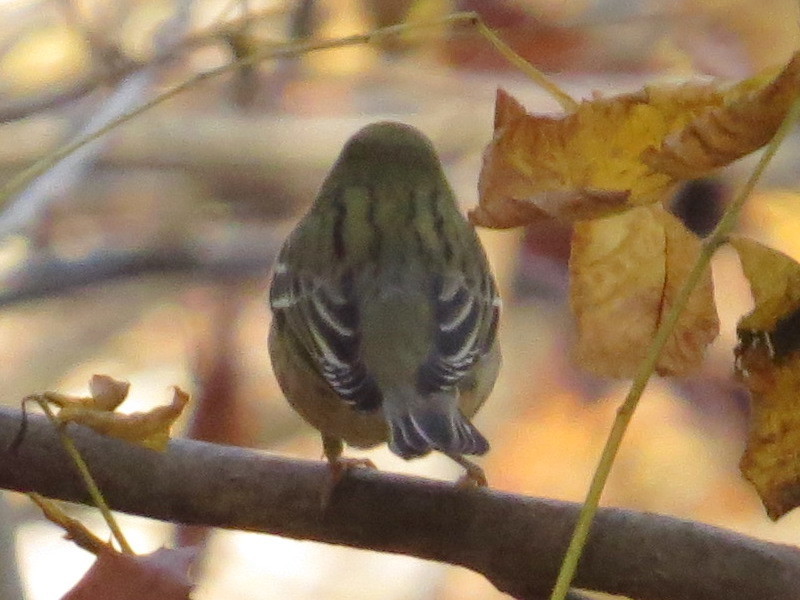
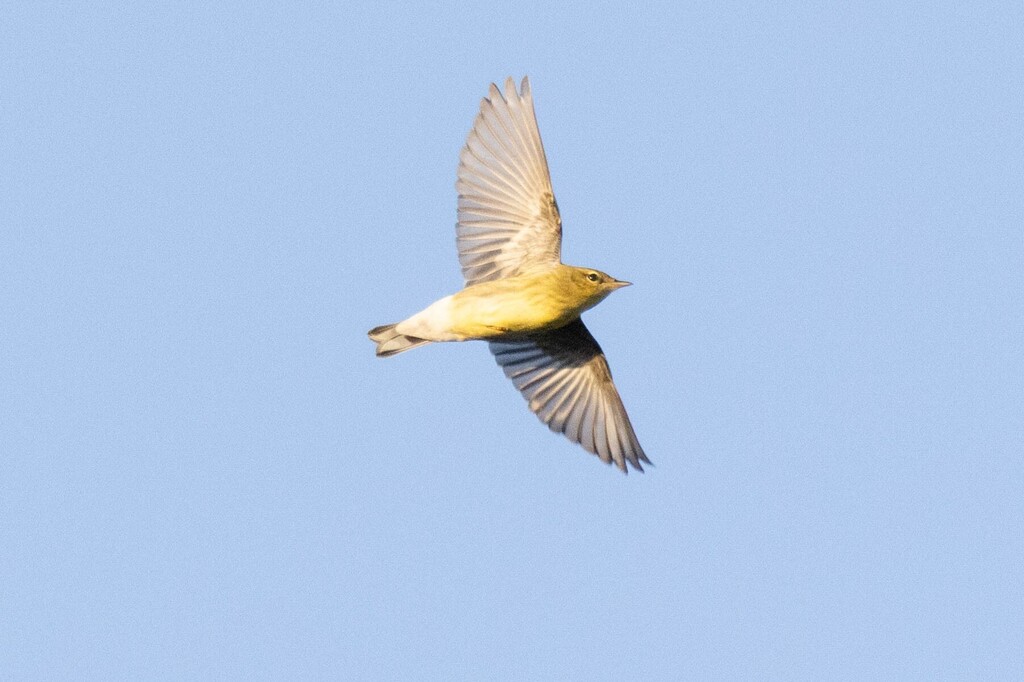
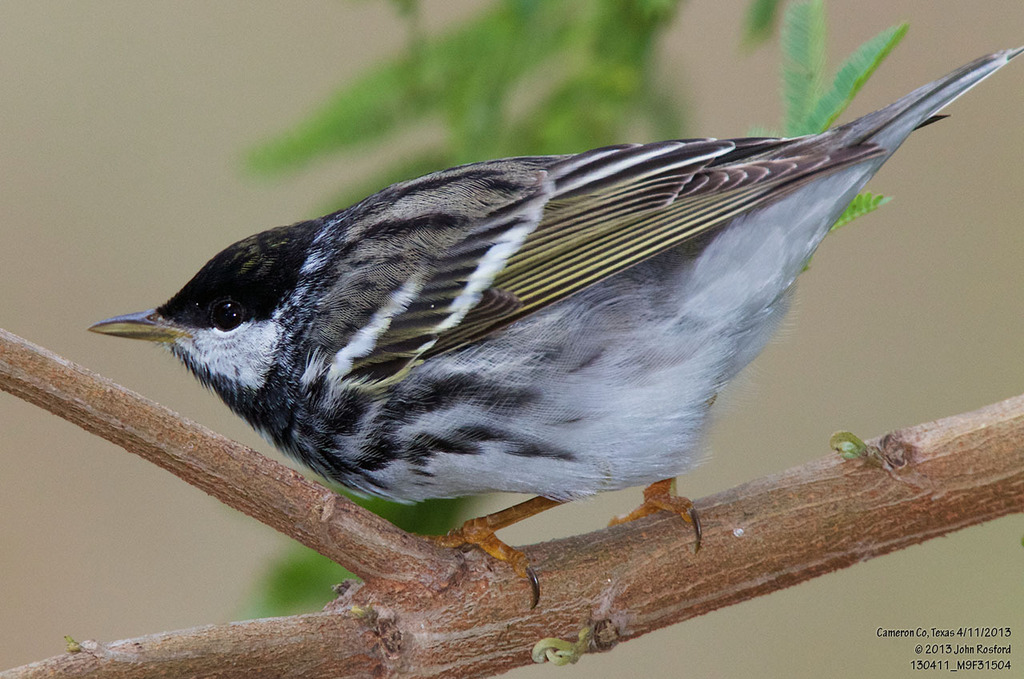
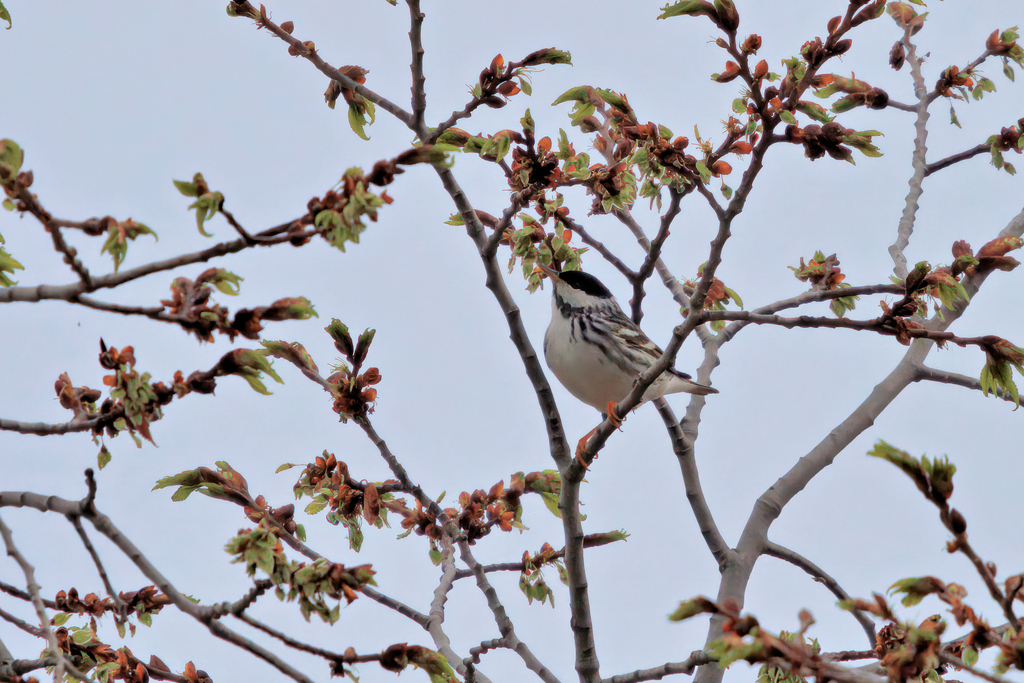
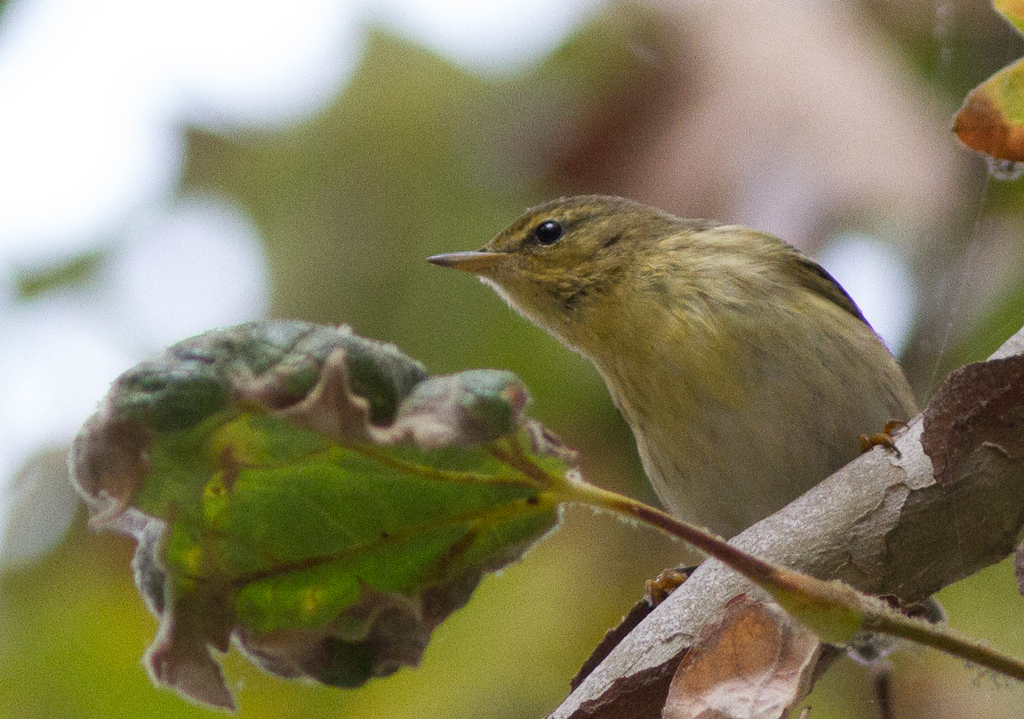
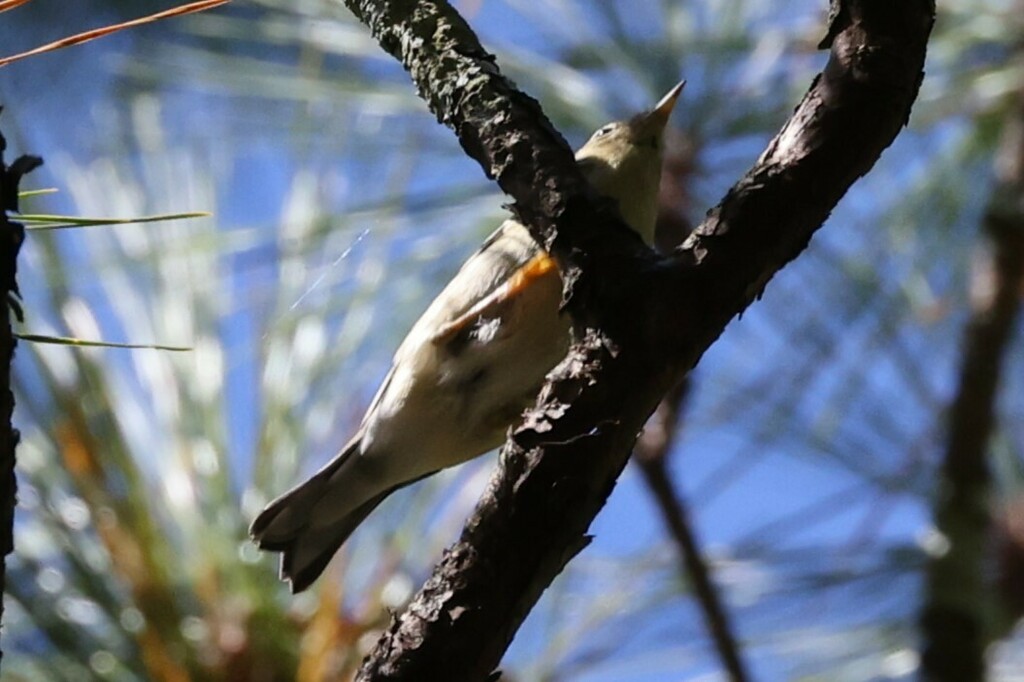
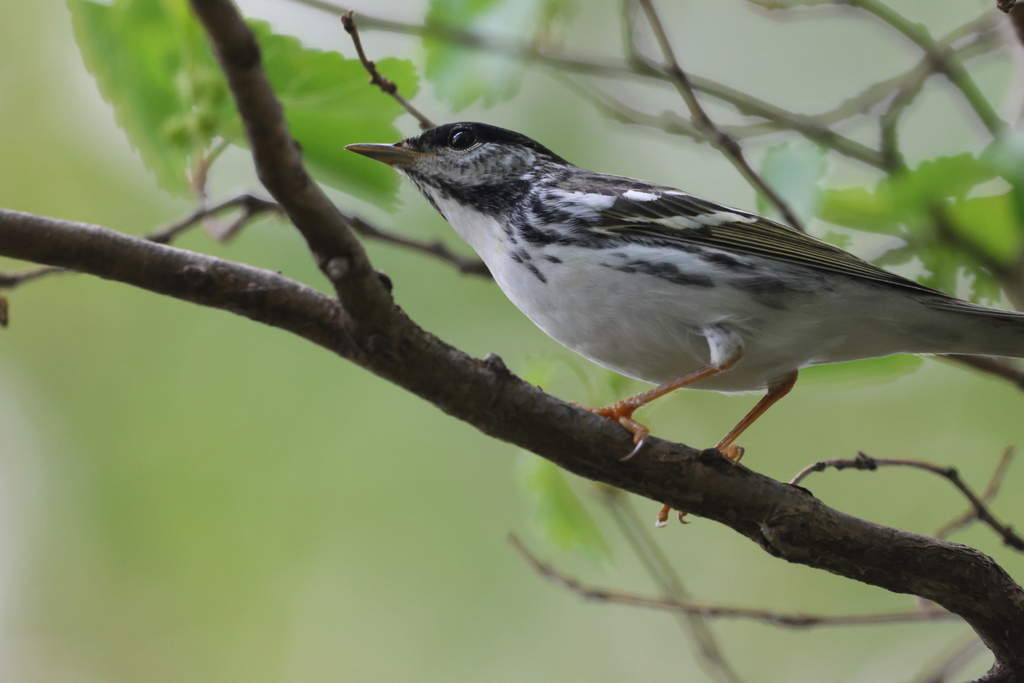
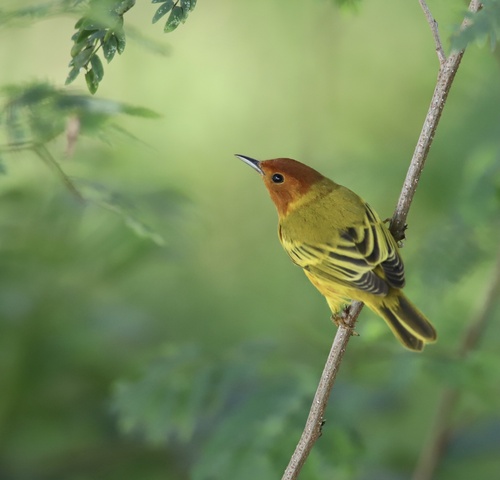
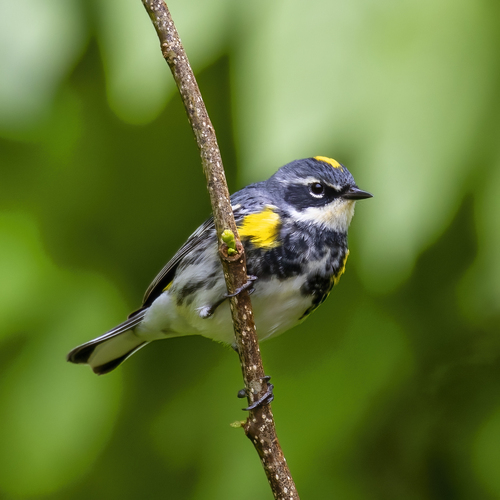
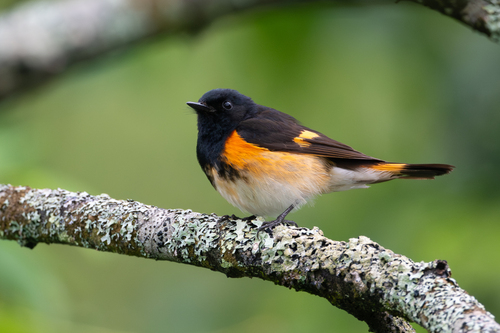
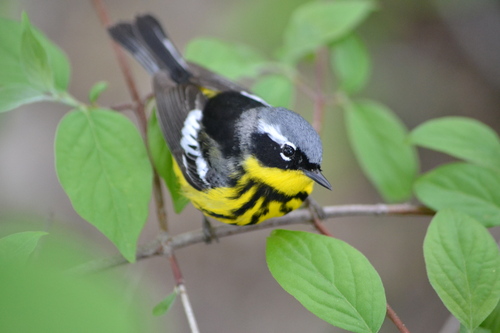
Its closest relatives
The other species of the genus Setophaga.

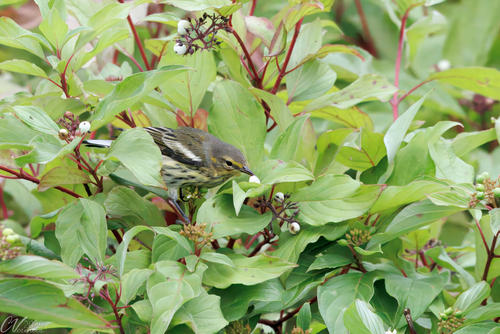
Seen a blackpoll warbler?
Share your photo on iNaturalist. Other naturalists help confirm it, and the record goes to GBIF, where scientists use it and where the maps on this page come from.
Put this species on your site
The card names every source and links back here.
<iframe src="https://4planetatlas.com/place/embed/species/blackpoll-warbler" title="Blackpoll warbler (Setophaga striata), 4PLANET Species" width="100%" height="600" style="border:0;max-width:640px" loading="lazy"></iframe>
<p><a href="https://4species.com/blackpoll-warbler">Blackpoll warbler on 4PLANET Species</a></p>Questions people ask
What does the blackpoll warbler eat?
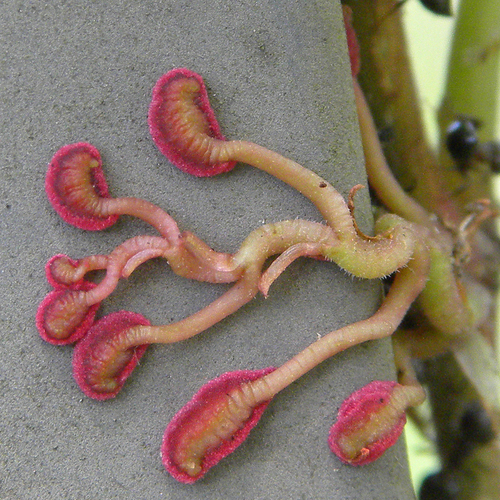
The blackpoll warbler has been recorded eating 84 different kinds of animals and plants, most of them plants and insects. The ones recorded most often are guelder rose, buckthorn, virginia creeper, abiu and fall webworm; records include animals eaten as carrion. Source: GloBI.
Where does the blackpoll warbler live?
People have recorded it in 58 countries; the most records come from United States, Canada, Colombia, Bermuda and Ecuador. Records show where people have seen it, not its full range.
When is the blackpoll warbler seen most?
In the northern hemisphere, the most records are made in May and the fewest in March. More people outdoors also means more records.
What are the blackpoll warbler's closest relatives?
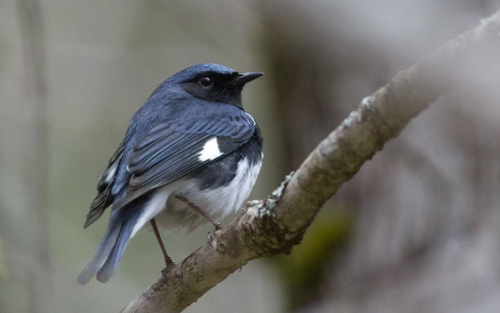
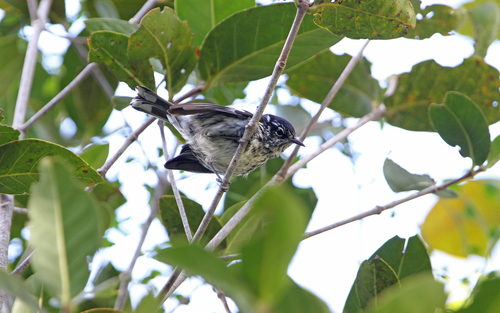
It shares the genus Setophaga with mangrove warbler, myrtle warbler, american redstart, magnolia warbler and northern parula.
Sources and photo credits
- GBIF · Setophaga striata, 971,710 human observations
- GloBI · recorded interactions of Setophaga striata
- Wikidata · Blackpoll warbler (Q27075924)
- Blackpoll warbler (Setophaga striata): Adam Jackson, CC0
- Blackpoll warbler (Setophaga striata): no rights reserved, uploaded by Kent McFarland, CC0
- Blackpoll warbler (Setophaga striata), Armstrong County, PA, USA: Theo Rickert, CC BY 4.0
- Blackpoll warbler (Setophaga striata), Gateway National Recreation Area, Queens County, US-NY, US: Ryan F. Mandelbaum, CC BY 4.0
- Blackpoll warbler (Setophaga striata), Cameron, Texas, United States: John Rosford, CC BY 4.0
- Blackpoll warbler (Setophaga striata), River East, Winnipeg, MB R2G, Canada: Carol Ann Vermeer, CC BY 4.0
- Blackpoll warbler (Setophaga striata), East Beach, Santa Barbara, CA, USA: Adam J. Searcy, CC BY 4.0
- Blackpoll warbler (Setophaga striata), Yorktown, VA 23692, USA: Kathy Richardson, CC BY 4.0
- Blackpoll warbler (Setophaga striata), Metzger Marsh, Jerusalem Township, OH 43412, USA: Lisa Wiencek Gerbec, CC BY 4.0
- Guelder rose: Tom Norton, CC BY 4.0
- Buckthorn: Robert Flogaus-Faust, CC BY 4.0
- Virginia creeper: M. Whitson, CC BY 4.0
- Abiu: no rights reserved, uploaded by 葉子, CC0
- Fall webworm: no rights reserved, uploaded by Liubov Ilminska, CC0
- Hog plum: Silvia Ten, CC BY 4.0
- Ice cream bean: Patrícia Mees, CC BY 4.0
- Cashapona: Tony Rebelo, CC BY-SA 4.0
- West Indian birch: Ricard Busquets Reverte, CC BY 4.0
- Florida strangler fig: Judy Gallagher, CC BY-SA 4.0
- Breadnut: Tereso Hernández Morales, CC BY 4.0
- Redflower gum: no rights reserved, uploaded by Di Turner, CC0
- Mangrove warbler: Aitor, CC BY 4.0
- Myrtle warbler: Dan Vickers, CC BY 4.0
- American redstart: no rights reserved, uploaded by Adam Jackson, CC0
- Magnolia warbler: Andrew C, CC BY 4.0
- Northern parula: Dan Pancamo, CC BY-SA 4.0
- Cape may warbler: Carol Ann Vermeer, CC BY 4.0
- Black-throated blue warbler: Fyn Kynd, CC BY-SA 4.0
- Elfin woods warbler: Christoph Moning, CC BY 4.0
Records show where people have seen and shared the blackpoll warbler, not its full range, and some countries and months are recorded far more than others. The food web lists interactions that studies have recorded somewhere in the world (GloBI), not everything it eats in one place.
Checked 2026-11-27.