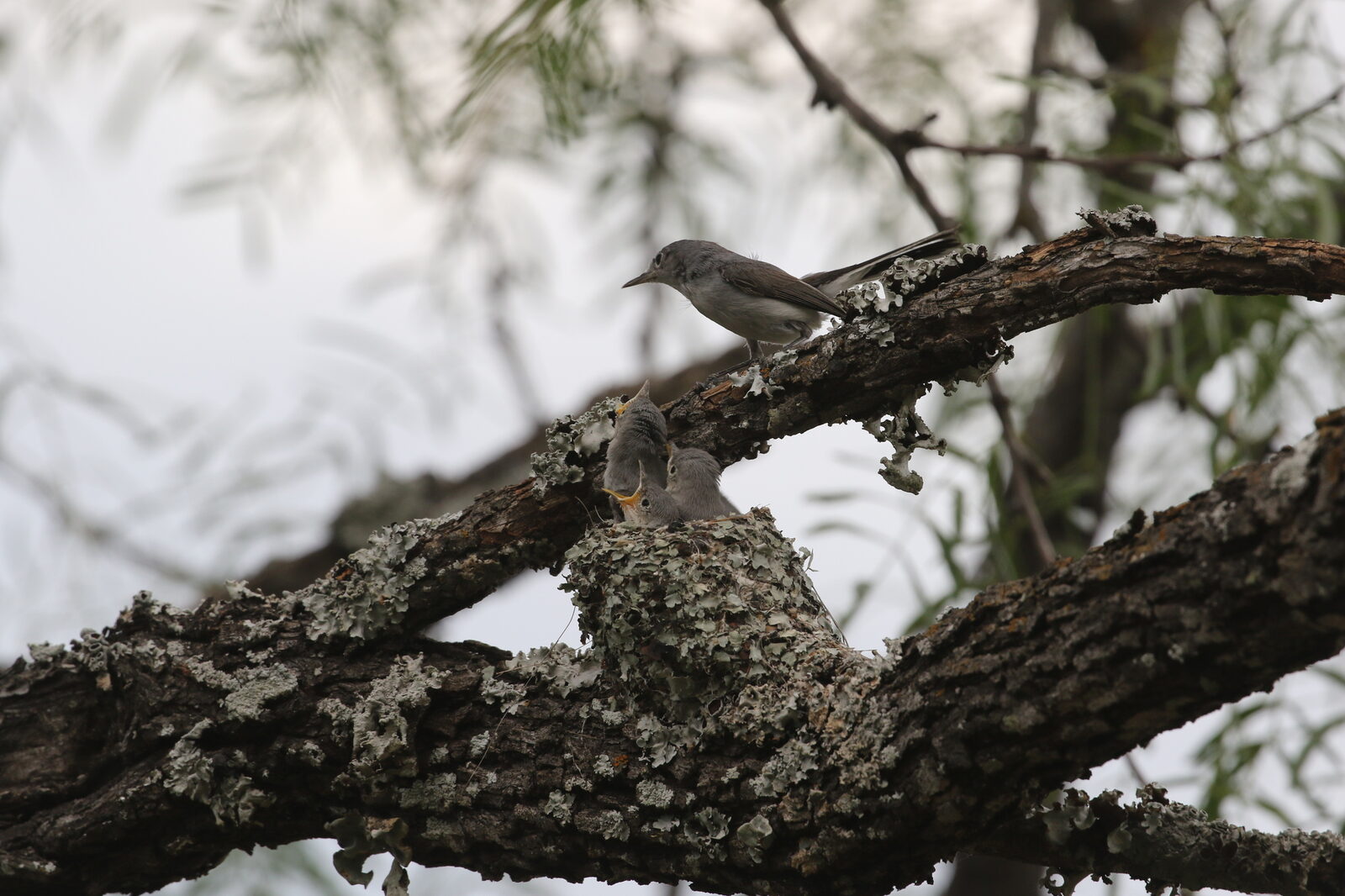
Blue-gray Gnatcatcher
Polioptila caerulea
- Status
- Least Concern IUCN Red List
- Eats
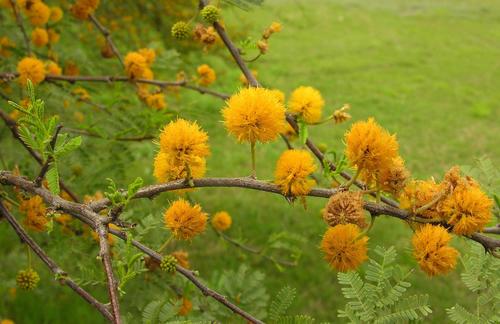
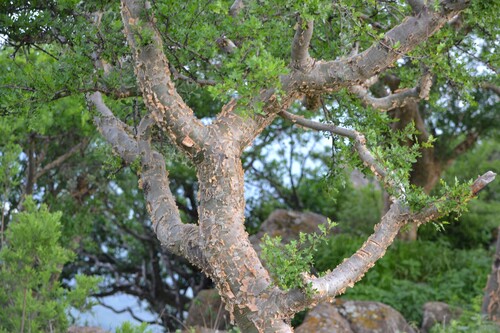
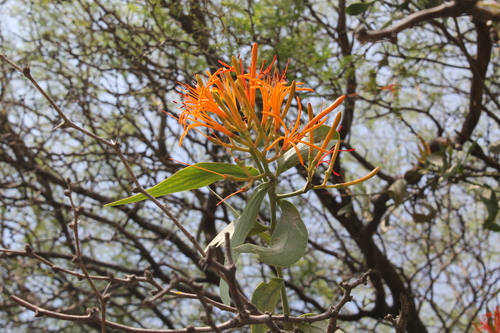
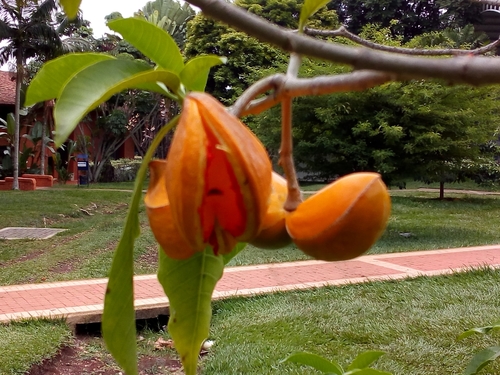
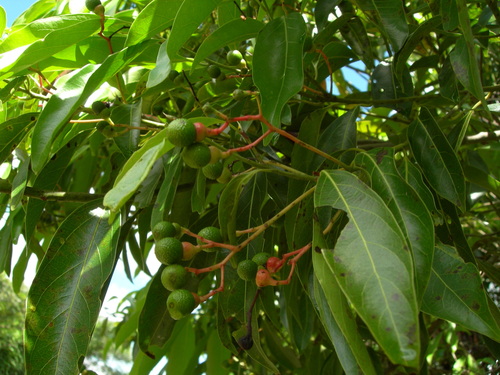
- sweet acacia, peppertree, coco plum and 13 more
- Eaten by
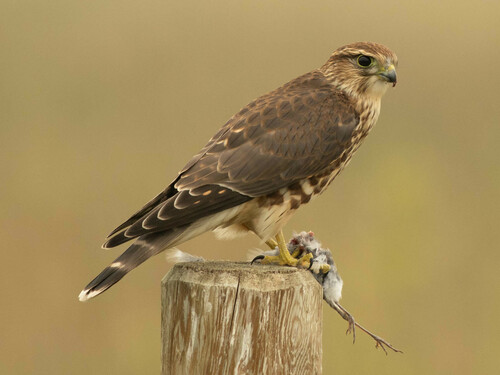
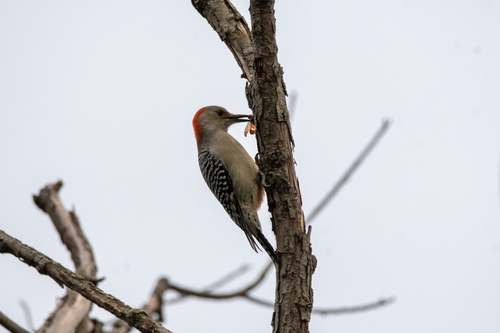
- merlin, red-bellied woodpecker
- Where
- 13 countries
On 4Planet Atlas it is among the wildlife people record most around Albuquerque, Atlanta and Austin, and 28 more of the cities we cover.
People have shared 5,064,327 records of the Blue-gray Gnatcatcher with GBIF, from 13 countries, most of them from United States, Mexico and Canada. Records collected by GloBI show it eating 16 different kinds of animals and plants, and being eaten by 2.
What the blue-gray Gnatcatcher eats, and what eats it
Studies have recorded it eating 16 kinds of animals and plants, and 2 kinds of animals eating it. Tap any of them to follow the food chain.
- Plants 9
- Insects 6
Eaten by
 Blue-gray Gnatcatcher
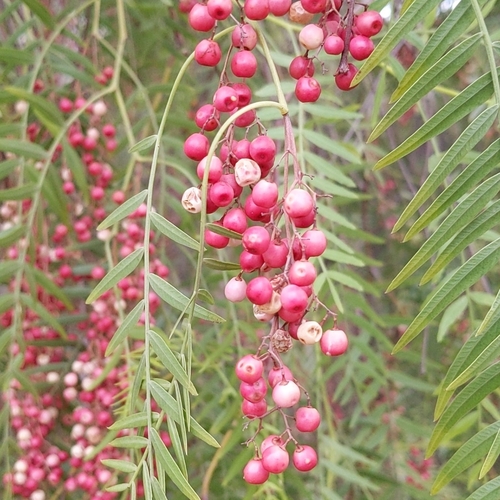
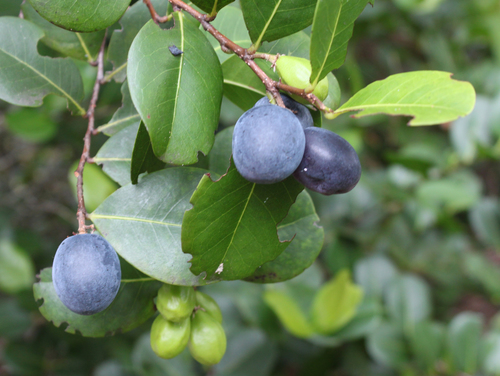
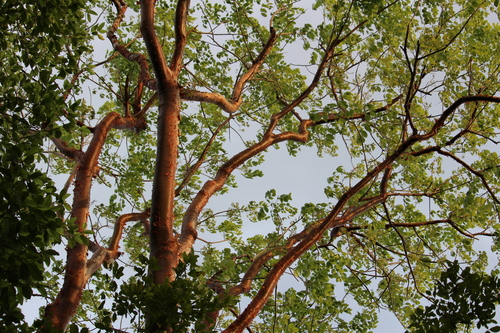
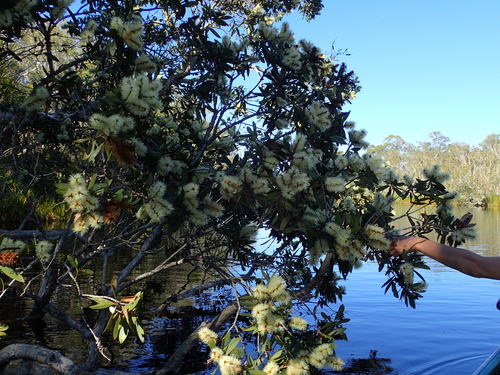
Records from studies worldwide, collected by GloBI. They include animals eaten as carrion, and they are not everything it eats in one place.
Where people see the blue-gray Gnatcatcher
People have shared 5,064,327 records from 13 countries.
Near a city: Albuquerque, Atlanta, Austin, Belmopan, Boston, Chicago, Cleveland, Columbus, Dallas, Denver, Detroit, Guadalajara, Havana, Houston, Indianapolis, Las Vegas, Memphis, Mexico City, Milwaukee, Minneapolis, Nashville, New Orleans, New York, Oklahoma City, Phoenix, Raleigh, Sacramento, San Diego, San Jose, Toronto, Washington, D.C..
Records show where people have seen it and shared it, not its full range. Country names open their page in Atlas.
When it is seen
Records per month in the northern hemisphere. More people outdoors also means more records.
Watch and listen
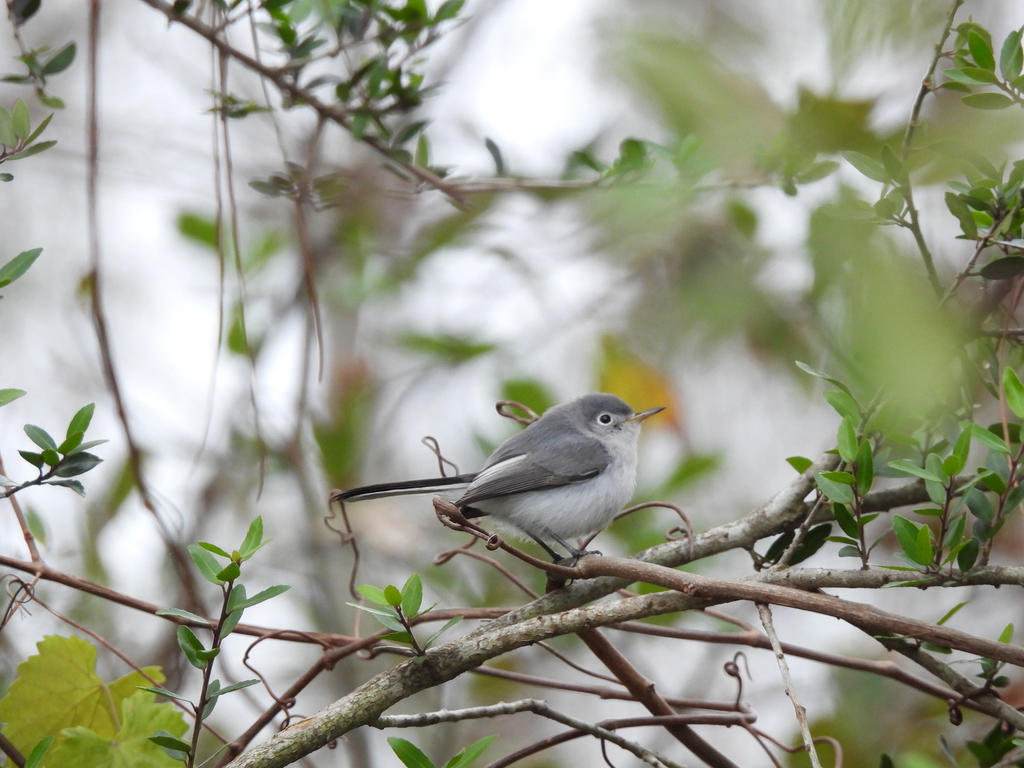
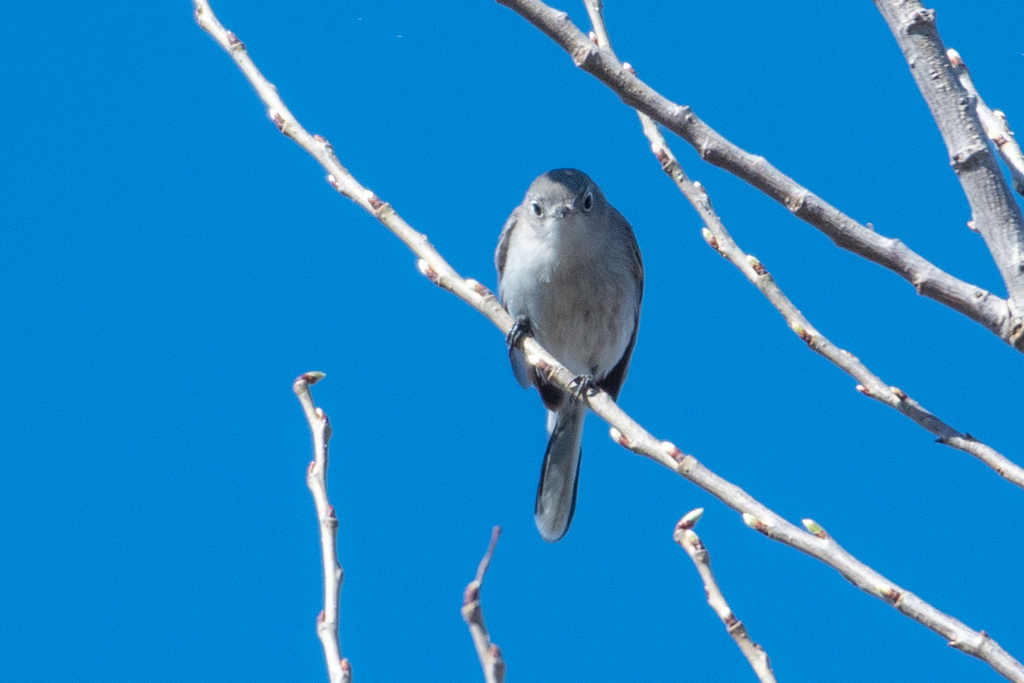
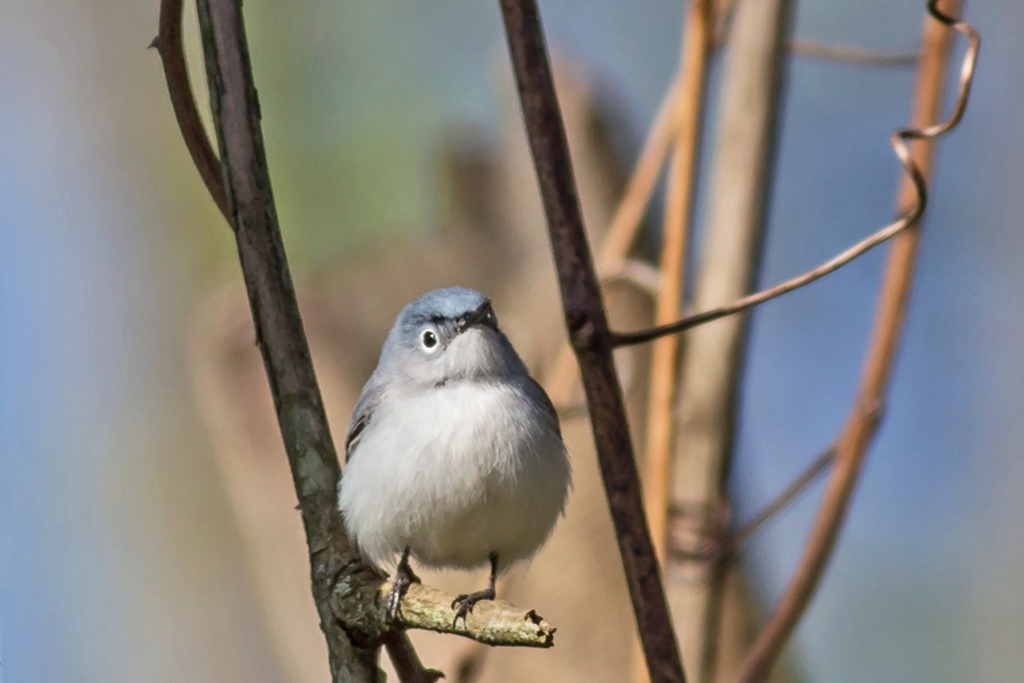
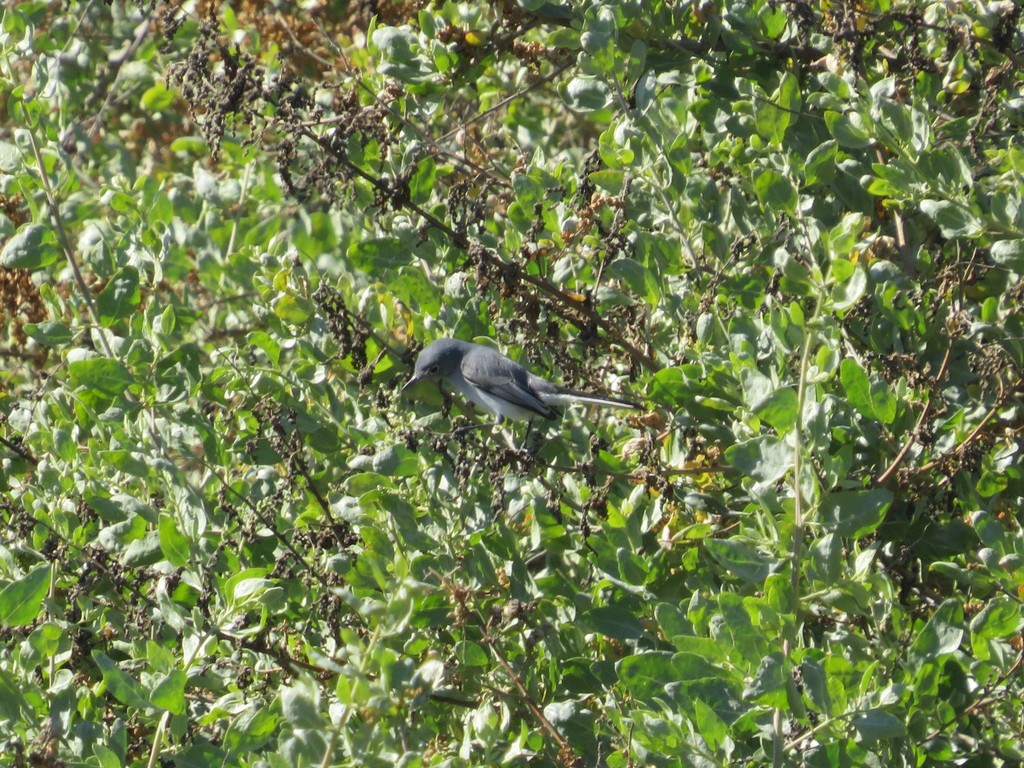
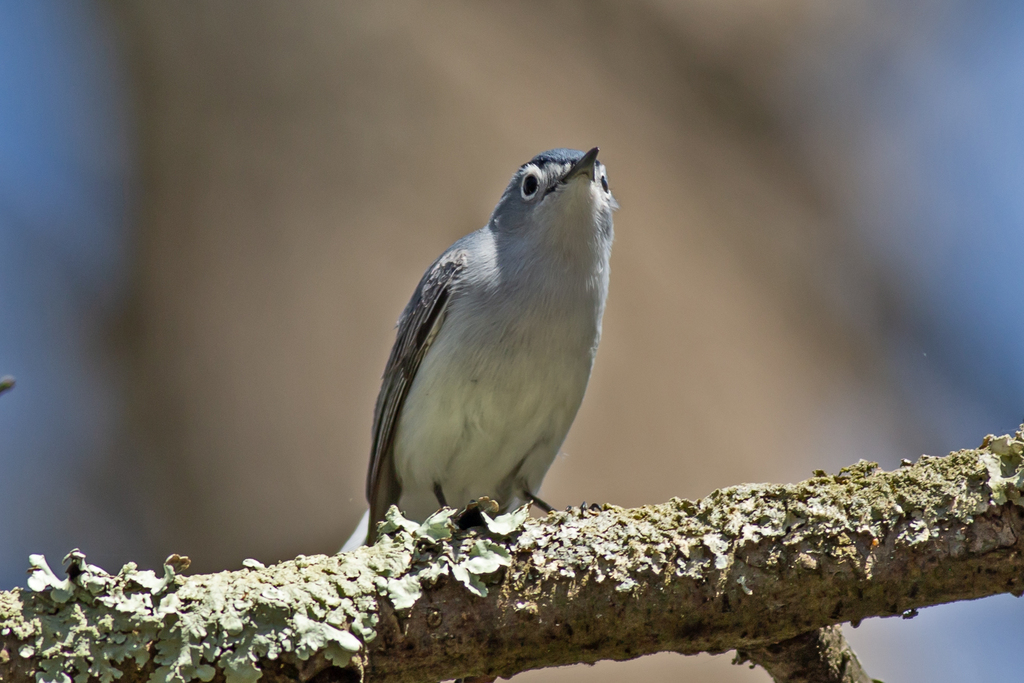
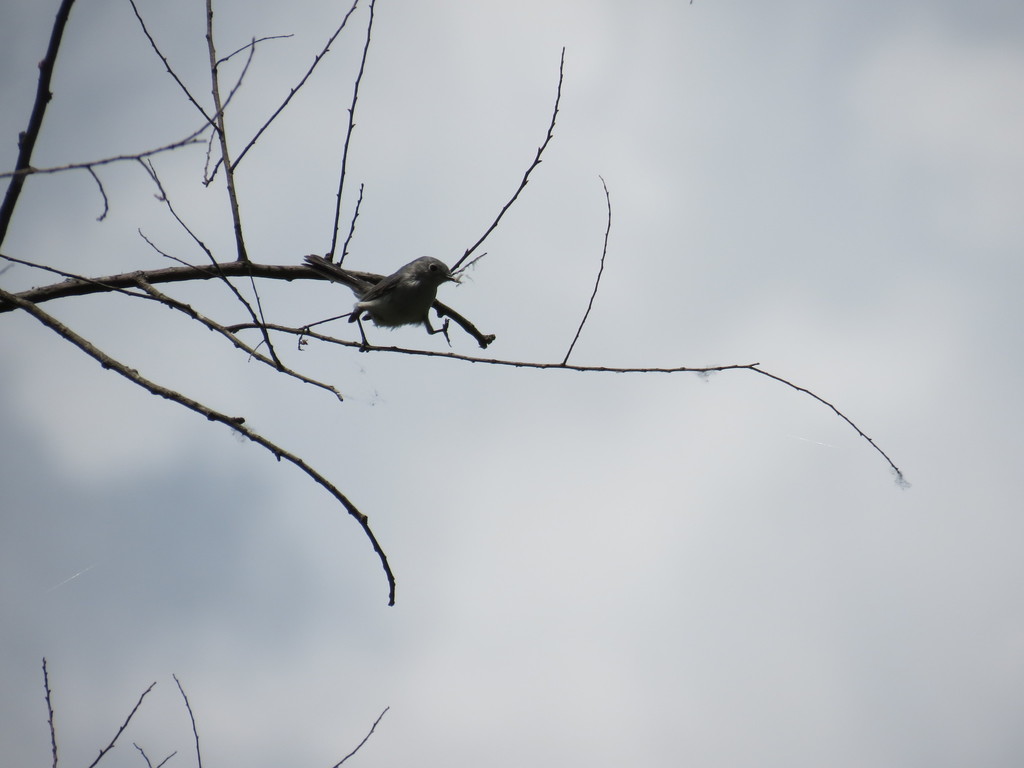
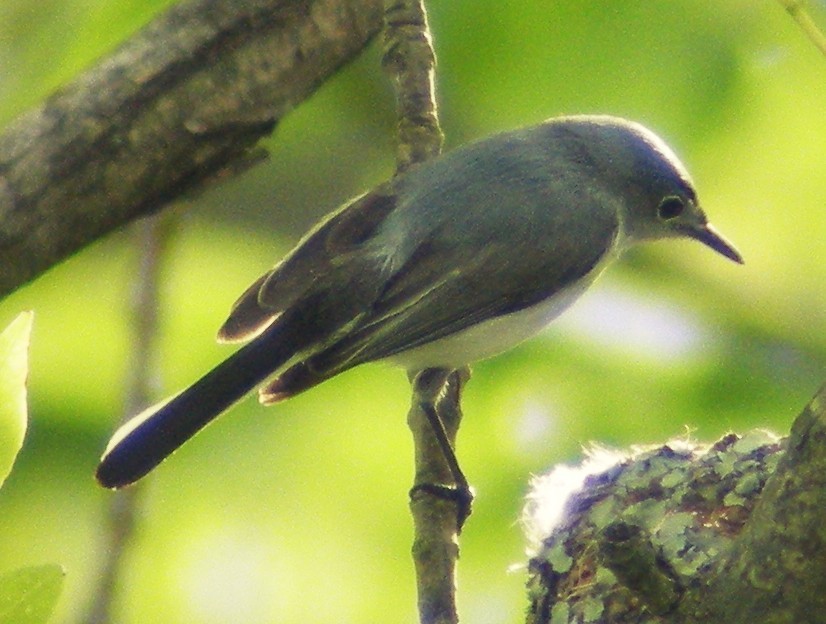
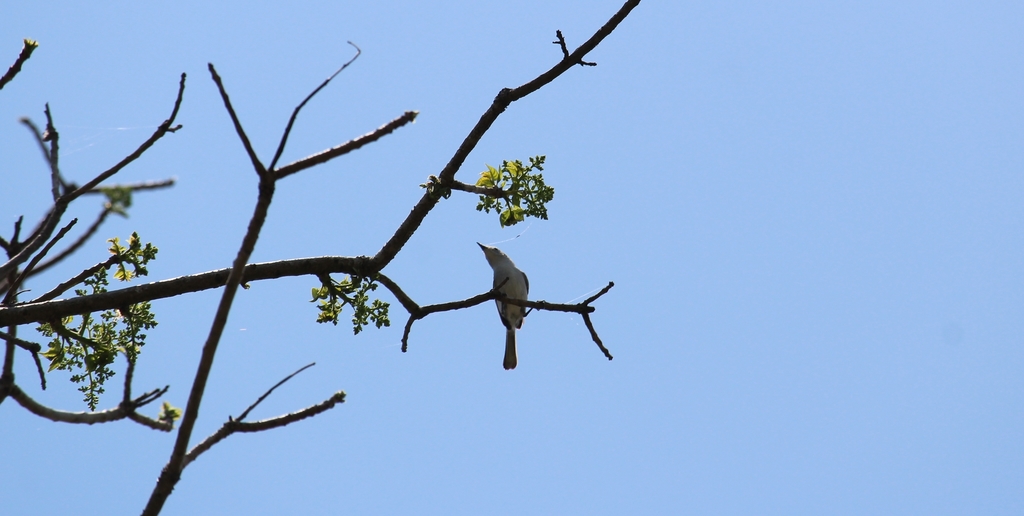
Its closest relatives
The other species of the genus Polioptila.
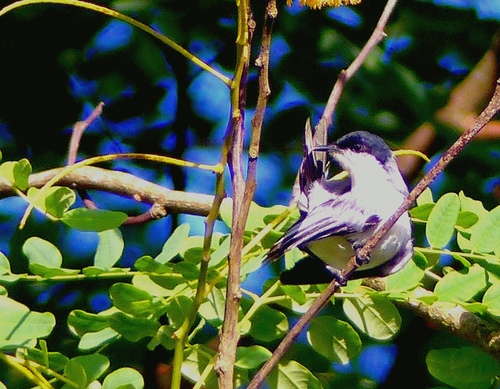
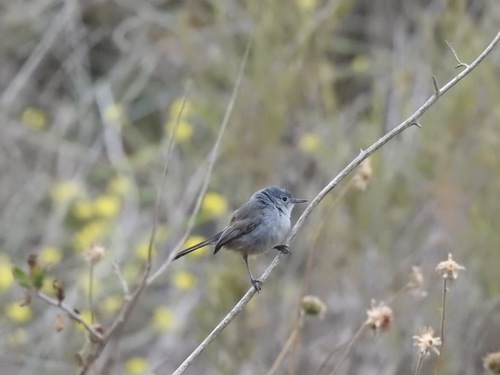
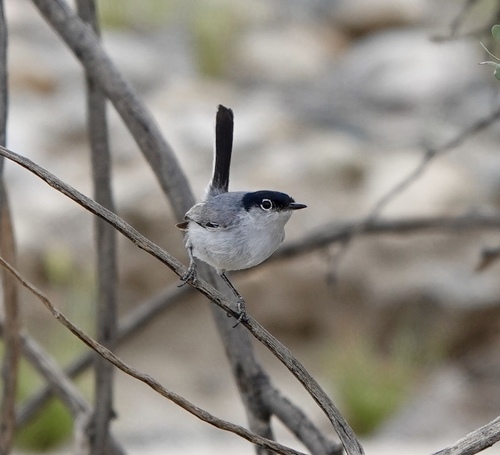
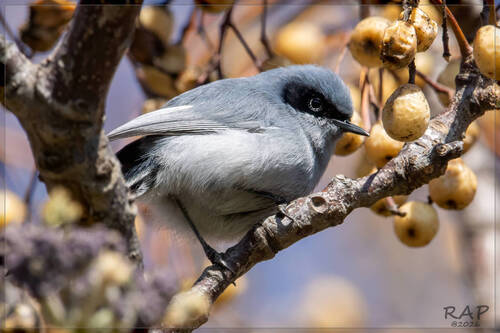
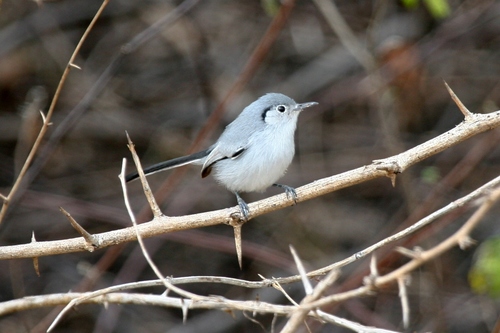
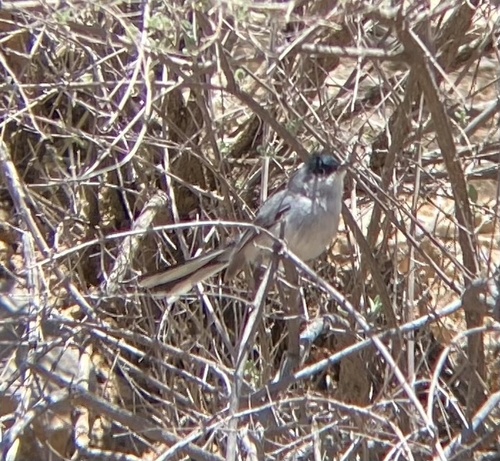
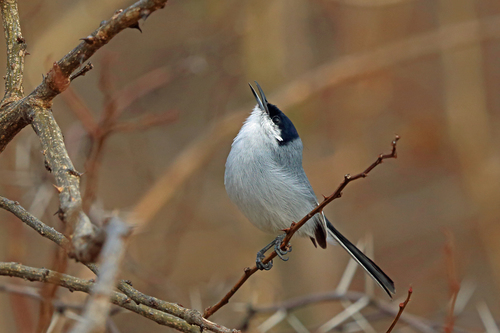
Seen a blue-gray Gnatcatcher?
Share your photo on iNaturalist. Other naturalists help confirm it, and the record goes to GBIF, where scientists use it and where the maps on this page come from.
Put this species on your site
The card names every source and links back here.
<iframe src="https://4planetatlas.com/place/embed/species/blue-gray-gnatcatcher" title="Blue-gray Gnatcatcher (Polioptila caerulea), 4PLANET Species" width="100%" height="600" style="border:0;max-width:640px" loading="lazy"></iframe>
<p><a href="https://4species.com/blue-gray-gnatcatcher">Blue-gray Gnatcatcher on 4PLANET Species</a></p>Questions people ask
What does the Blue-gray Gnatcatcher eat?
The Blue-gray Gnatcatcher has been recorded eating 16 different kinds of animals and plants, most of them plants and insects. The ones recorded most often are sweet acacia, peppertree, coco plum, west indian birch and niaouli; records include animals eaten as carrion. Source: GloBI.
What eats the Blue-gray Gnatcatcher?
Recorded predators include merlin and red-bellied woodpecker. Source: GloBI.
Where does the Blue-gray Gnatcatcher live?
People have recorded it in 13 countries; the most records come from United States, Mexico, Canada, Belize and Cuba. Records show where people have seen it, not its full range.
When is the Blue-gray Gnatcatcher seen most?
In the northern hemisphere, the most records are made in May and the fewest in February. More people outdoors also means more records.
What are the Blue-gray Gnatcatcher's closest relatives?
It shares the genus Polioptila with tropical gnatcatcher, california gnatcatcher, black-tailed gnatcatcher, masked gnatcatcher and cuban gnatcatcher.
Sources and photo credits
- GBIF · Polioptila caerulea, 5,064,327 human observations
- GloBI · recorded interactions of Polioptila caerulea
- Wikidata · Blue-gray Gnatcatcher (Q883006)
- Blue-gray Gnatcatcher (Polioptila caerulea): Brooke Smith, CC BY 4.0
- Blue-gray Gnatcatcher (Polioptila caerulea), Mandeville, LA, USA: ncb1221, CC BY 4.0
- Blue-gray Gnatcatcher (Polioptila caerulea), Yolo County, CA, USA: Jonathan Eisen, CC BY 4.0
- Blue-gray Gnatcatcher (Polioptila caerulea), Pennsylvania, United States: Bill Keim, CC BY 4.0
- Blue-gray Gnatcatcher (Polioptila caerulea), East Beach, Santa Barbara, CA, USA: Linzy L., CC BY-SA 4.0
- Blue-gray Gnatcatcher (Polioptila caerulea), Pennsylvania, United States: Bill Keim, CC BY 4.0
- Blue-gray Gnatcatcher (Polioptila caerulea), 3510 Sandy Creek Dr, Durham, NC 27707, USA: David George, CC BY 4.0
- Blue-gray Gnatcatcher (Polioptila caerulea), Pennsylvania, United States: Bill Keim, CC BY 4.0
- Blue-gray Gnatcatcher (Polioptila caerulea), Flores, Guatemala: Ricard Busquets Reverte, CC BY 4.0
- Sweet acacia: Todd Boland, CC BY 4.0
- Peppertree: Vasily Reinkymov, CC0
- Coco plum: Eridan Xharahi, CC BY 4.0
- West Indian birch: Ricard Busquets Reverte, CC BY 4.0
- Niaouli: Julien Renoult, CC BY 4.0
- Elephant tree: Mauricio Calderón Cadena, CC BY 4.0
- Psittacanthus calyculatus: Viacheslav Shalisko, CC BY 4.0
- Milky way tree: Jorge Enrique Mogollón, CC BY 4.0
- Damburneya salicifolia: Neptalí Ramírez Marcial, CC BY 4.0
- Merlin: no rights reserved, uploaded by Kathlin Simpkins, CC0
- Red-bellied woodpecker: Troy B, CC BY 4.0
- Tropical gnatcatcher: Helio Lourencini, CC BY 4.0
- California gnatcatcher: Andy Kleinhesselink, CC0
- Black-tailed gnatcatcher: nmoorhatch, CC BY 4.0
- Masked gnatcatcher: RAP, CC BY 4.0
- Cuban gnatcatcher: Dominic Sherony, algunos derechos reservados (CC BY-SA), CC BY-SA 4.0
- Black-capped gnatcatcher: Tristan A. McKnight, CC BY 4.0
- White-lored gnatcatcher: Nigel Voaden, CC BY 4.0
Records show where people have seen and shared the Blue-gray Gnatcatcher, not its full range, and some countries and months are recorded far more than others. The food web lists interactions that studies have recorded somewhere in the world (GloBI), not everything it eats in one place.
Checked 2026-11-27.