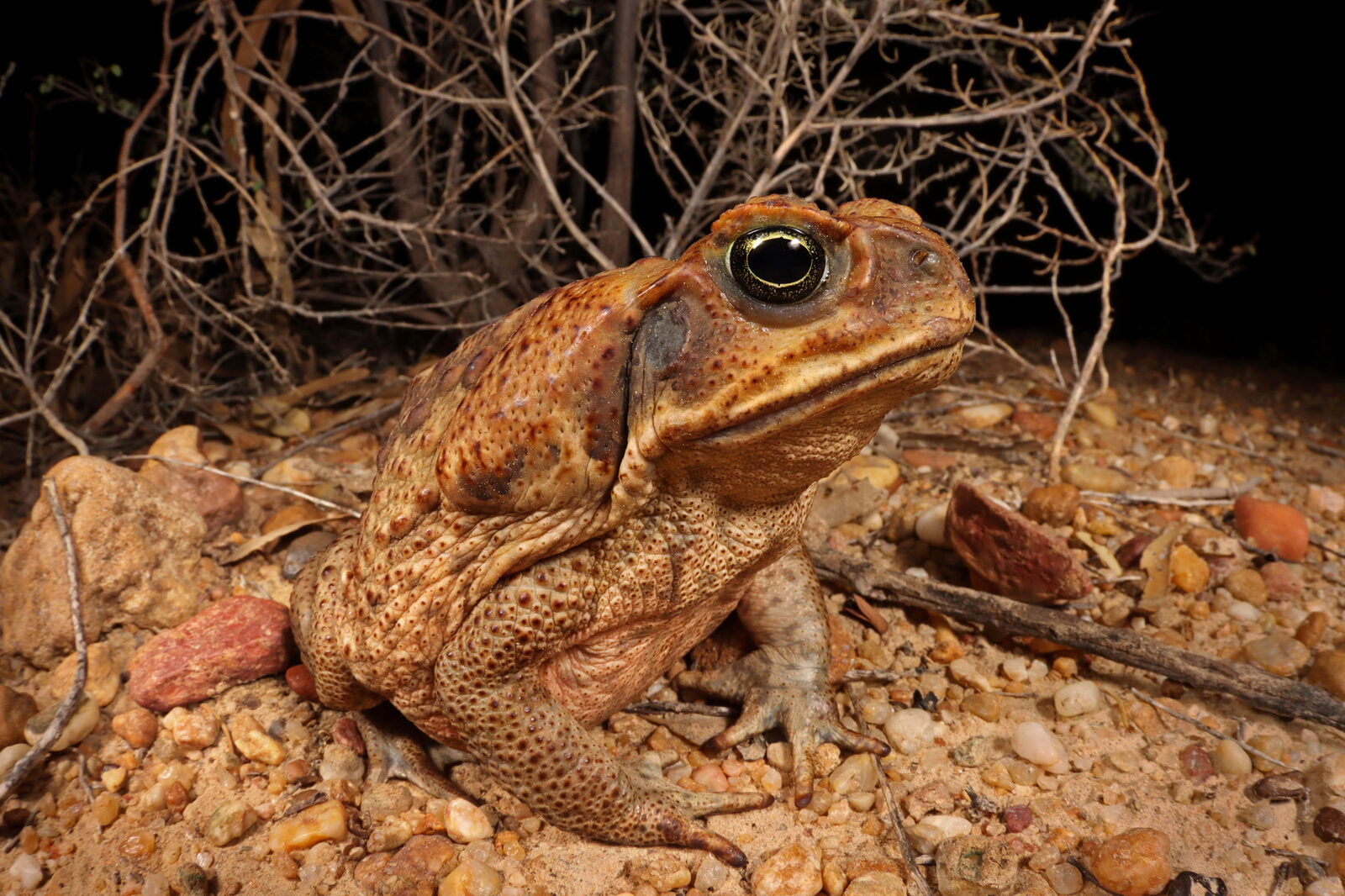
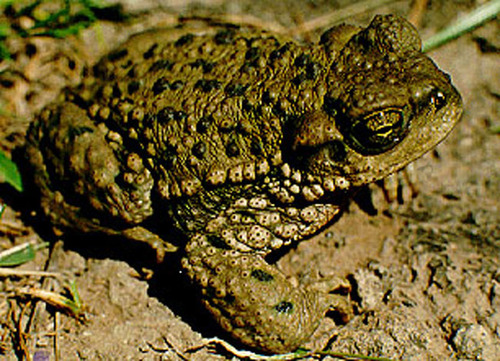
Cane toad
Rhinella marina
- Status
- Least Concern IUCN Red List
- Where
- 40 countries · everglades, Amazon rainforest
On 4Planet Atlas it is among the wildlife people record most around Bridgetown, Castries and Honiara, and 6 more of the cities we cover.
People have shared 22,723 records of the cane toad with GBIF, from 40 countries, most of them from Australia, United States and Philippines. Records collected by GloBI show it eating 1 different kinds of animals and plants, and being eaten by 20.
Habitats
What the cane toad eats, and what eats it
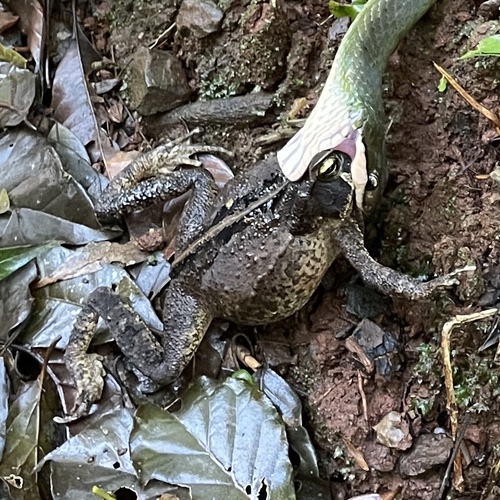
Studies have recorded it eating 1 kinds of animals and plants, and 20 kinds of animals eating it. Tap any of them to follow the food chain.
- Fish 1
Eaten by
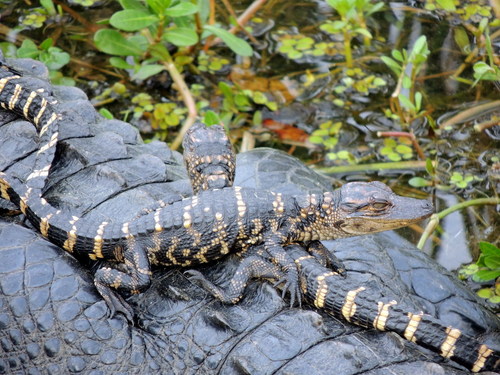
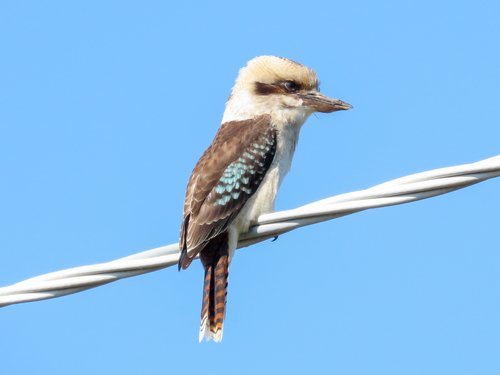
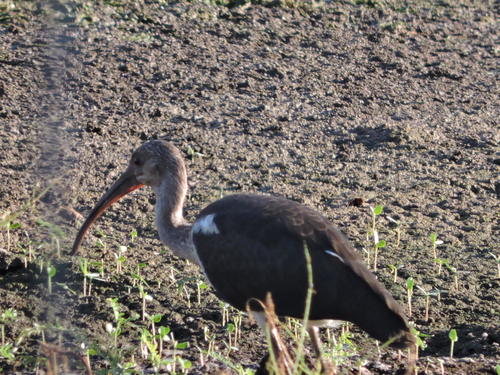
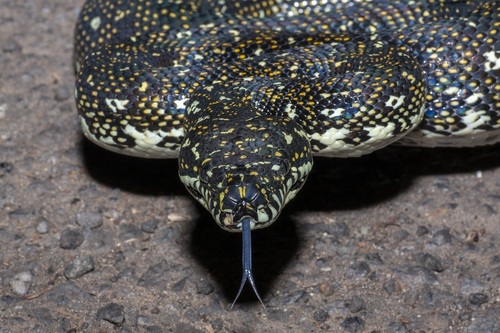
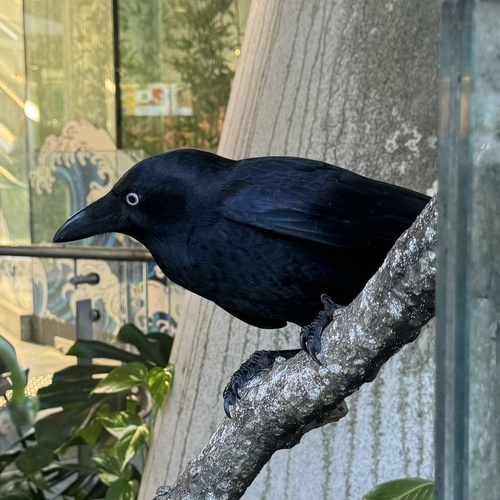
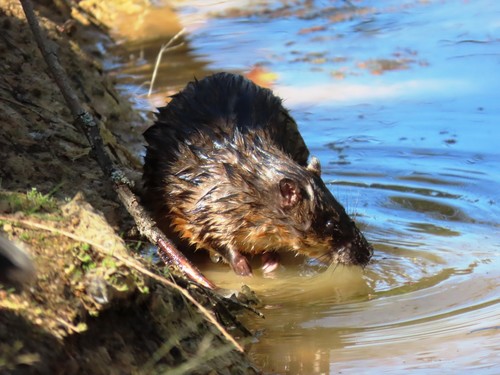
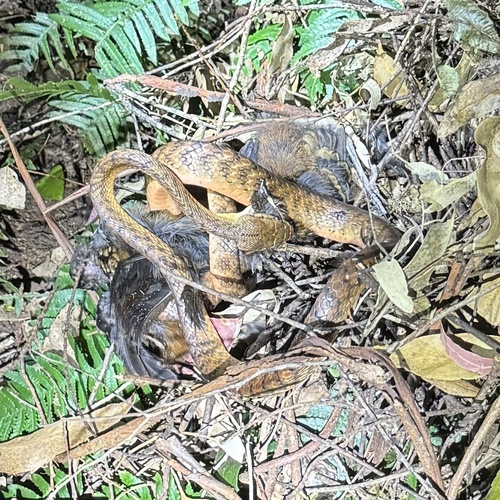
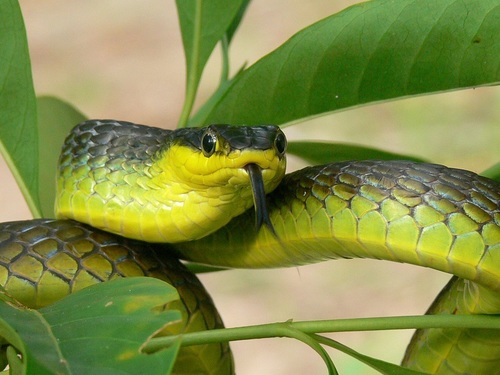 Cane toad
Records from studies worldwide, collected by GloBI. They include animals eaten as carrion, and they are not everything it eats in one place.
Where people see the cane toad
People have shared 22,723 records from 40 countries.
Near a city: Bridgetown, Castries, Honiara, Manila, Ngerulmud, Palikir, Santo Domingo, St. George's, Suva.
Records show where people have seen it and shared it, not its full range. Country names open their page in Atlas.
When it is seen
Records per month in the northern hemisphere. More people outdoors also means more records.
Watch and listen

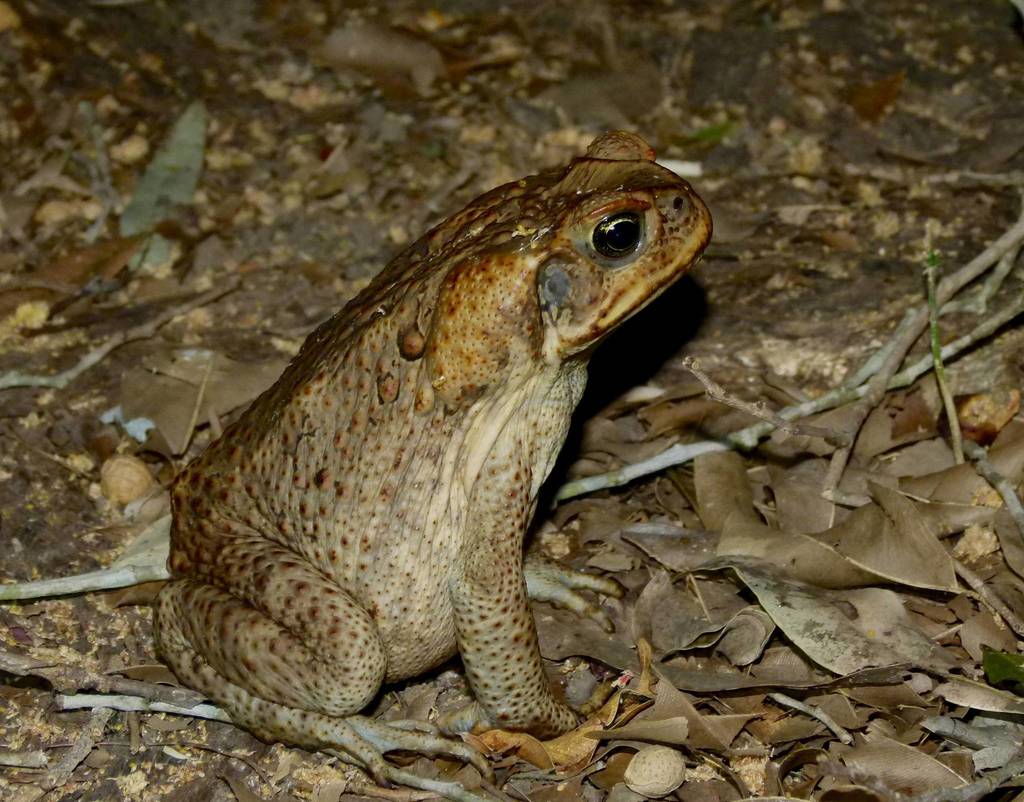
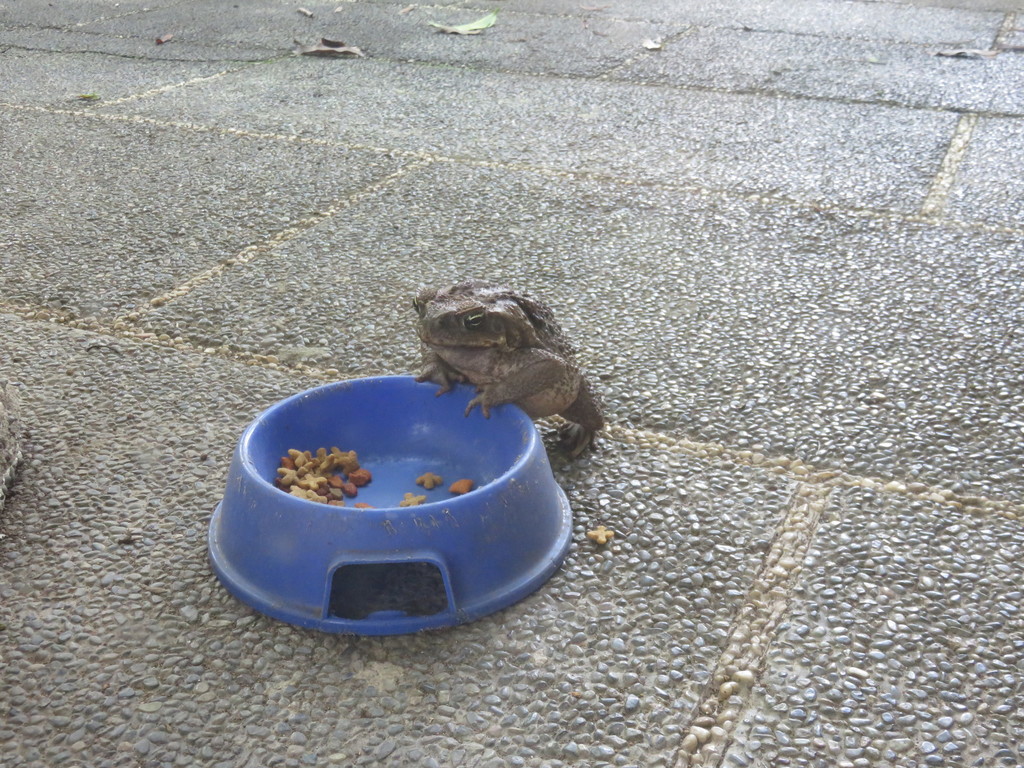
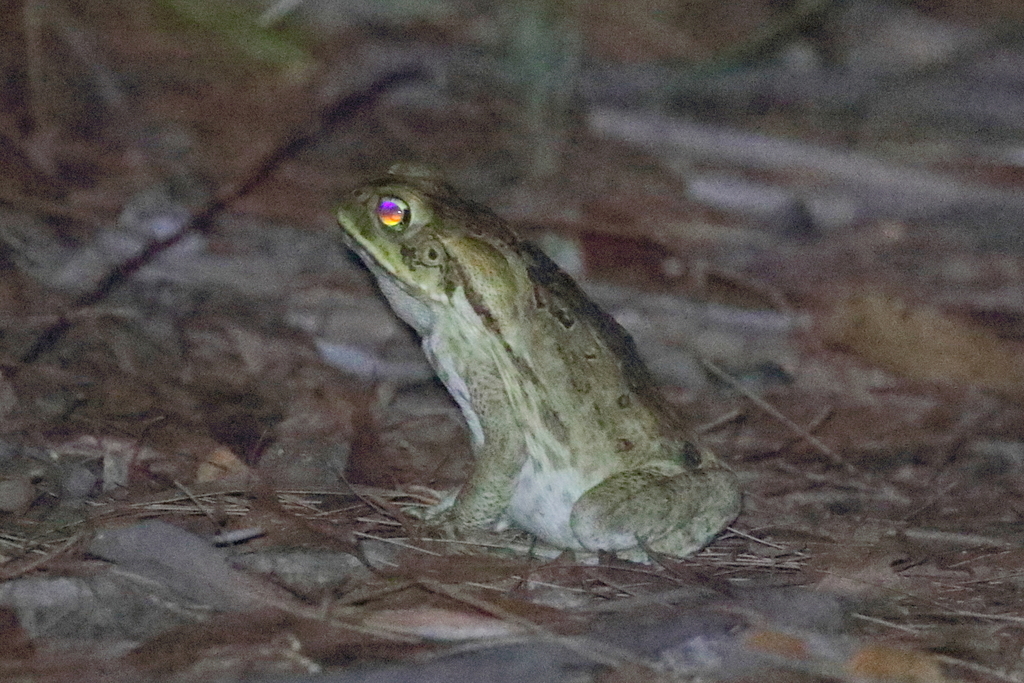
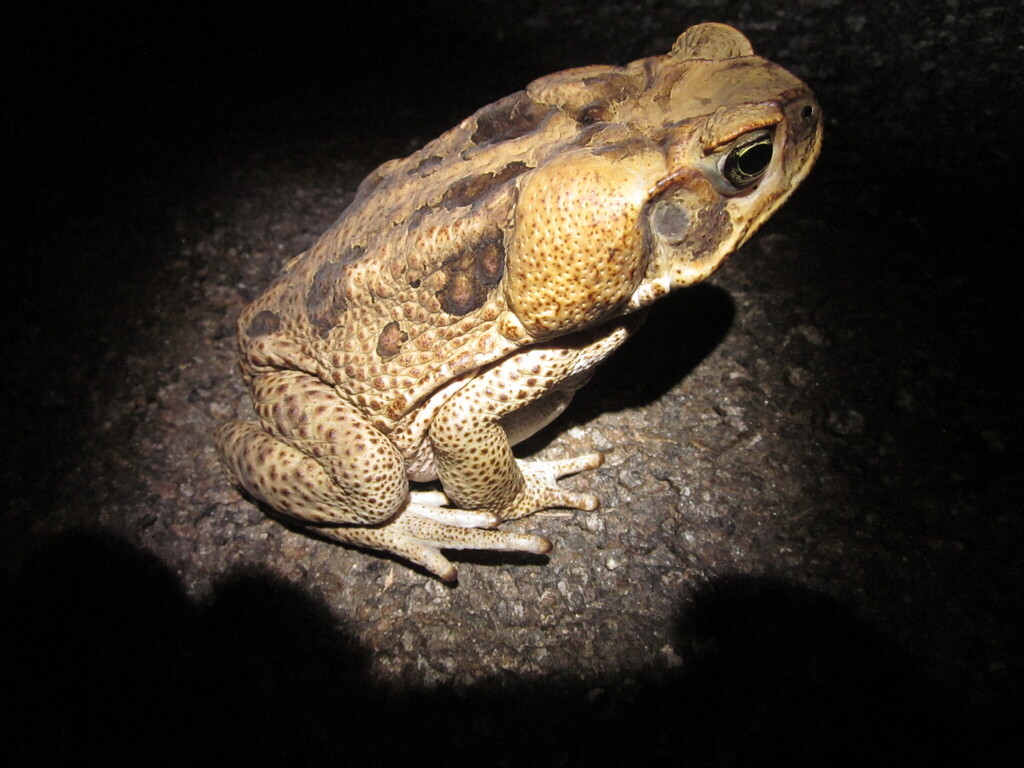
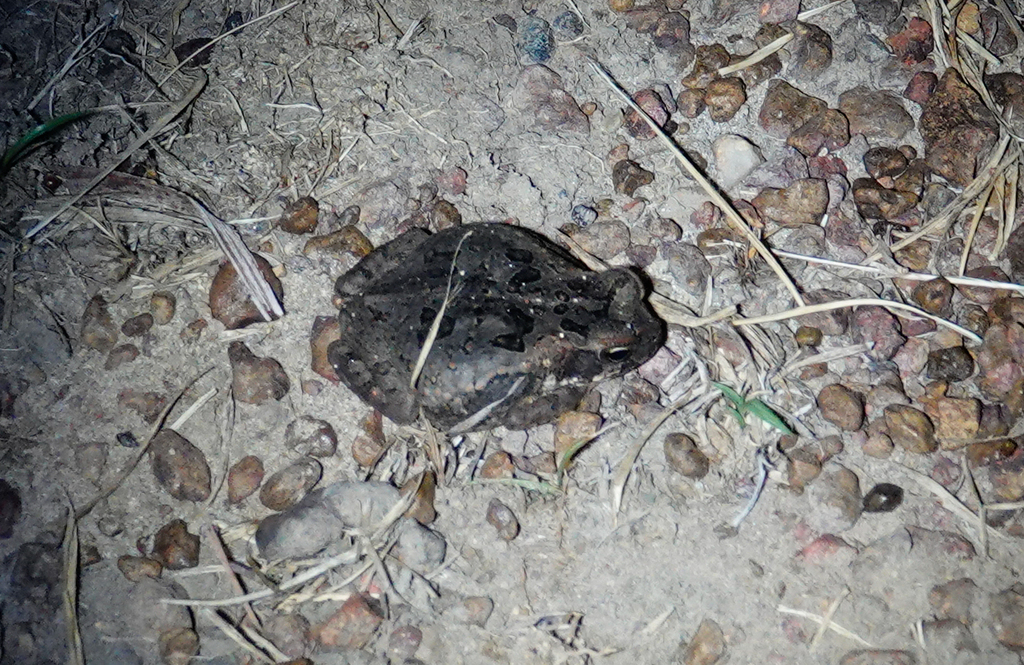
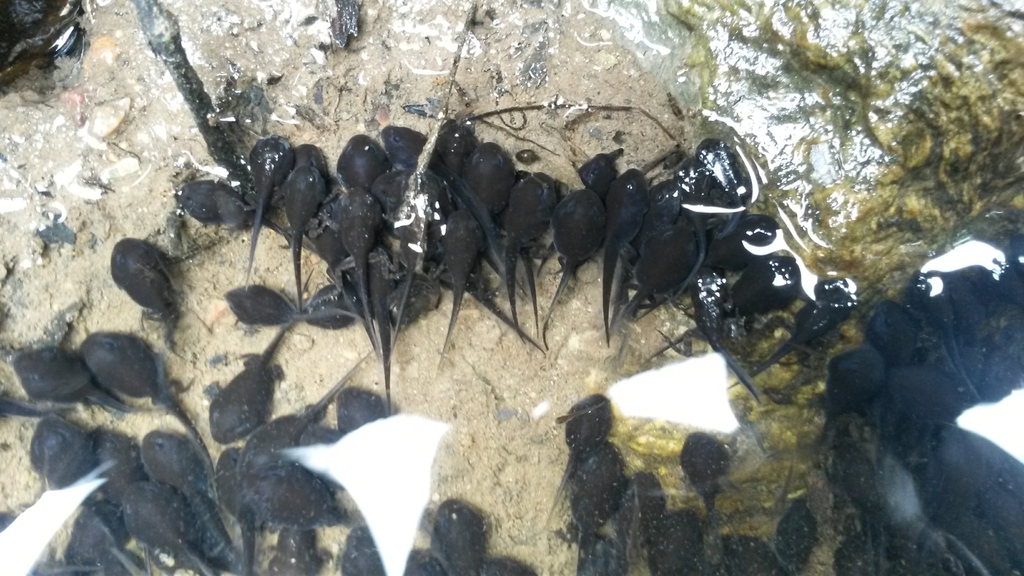
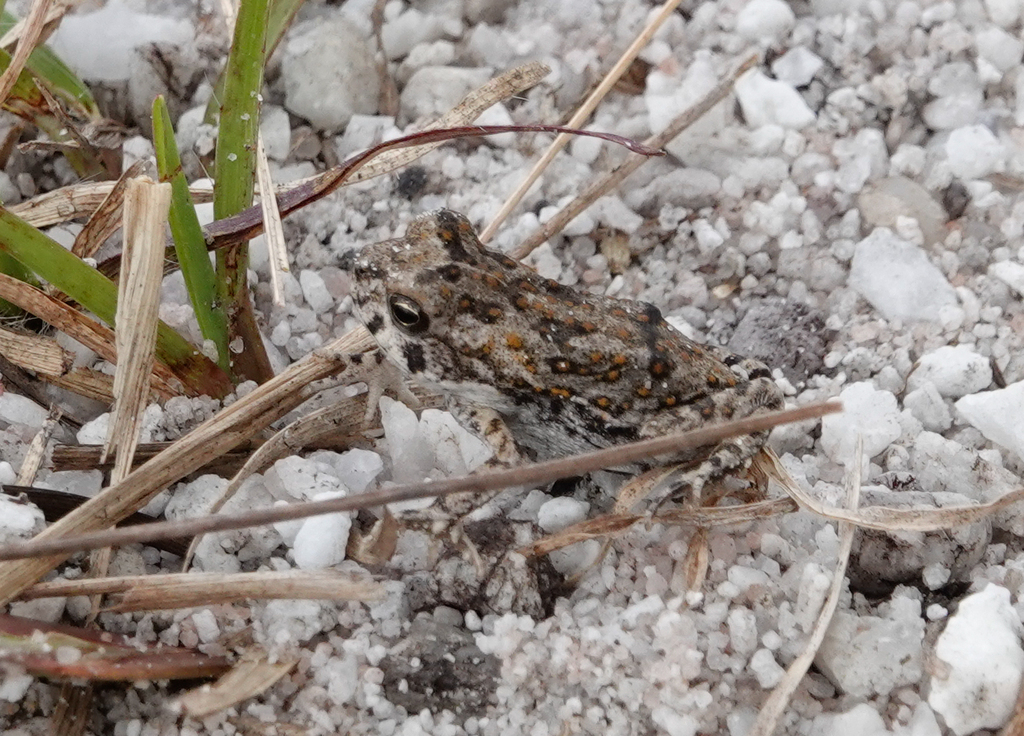
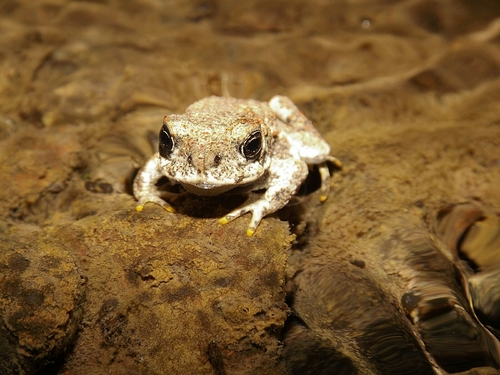
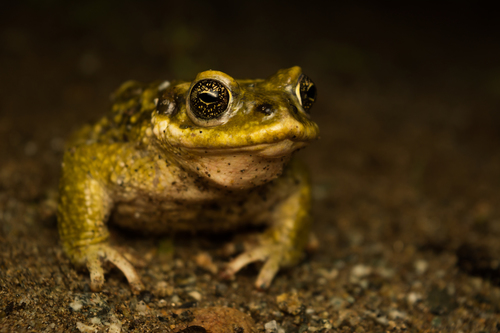
Its closest relatives
The other species of the genus Rhinella.

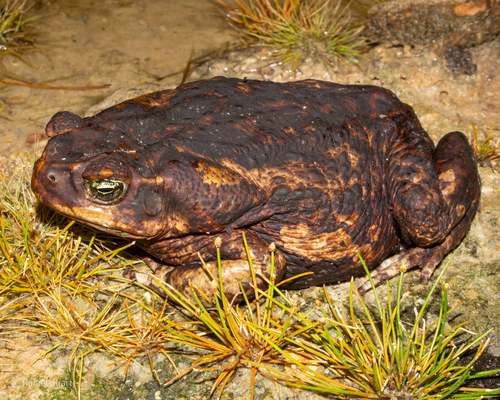
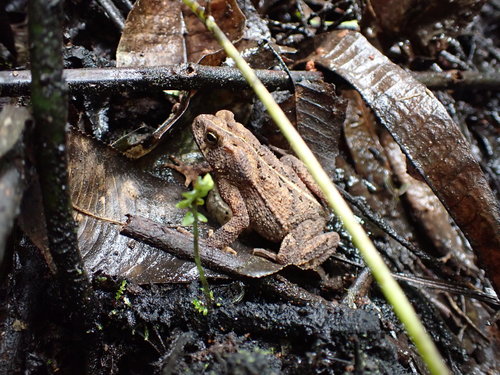
Seen a cane toad?
Share your photo on iNaturalist. Other naturalists help confirm it, and the record goes to GBIF, where scientists use it and where the maps on this page come from.
Put this species on your site
The card names every source and links back here.
<iframe src="https://4planetatlas.com/place/embed/species/cane-toad" title="Cane toad (Rhinella marina), 4PLANET Species" width="100%" height="600" style="border:0;max-width:640px" loading="lazy"></iframe>
<p><a href="https://4species.com/cane-toad">Cane toad on 4PLANET Species</a></p>Explore next
What puts the cane toad under pressure, what helps, and who works on it.

Questions people ask
What does the cane toad eat?
The cane toad has been recorded eating 1 different kinds of animals and plants, most of them fish. The ones recorded most often are ; records include animals eaten as carrion. Source: GloBI.
What eats the cane toad?
Recorded predators include american alligator, laughing kookaburra, american white ibis, carpet python and torresian crow. Source: GloBI.
Where does the cane toad live?
People have recorded it in 40 countries; the most records come from Australia, United States, Philippines, Puerto Rico and Peru. Records show where people have seen it, not its full range.
When is the cane toad seen most?
In the northern hemisphere, the most records are made in April and the fewest in January. More people outdoors also means more records.
What are the cane toad's closest relatives?
It shares the genus Rhinella with chaunus achalensis, chaunus abei, chaunus achavali, chaunus arunco and chaunus atacamensis.
Sources and photo credits
- GBIF · Rhinella marina, 22,723 human observations
- GloBI · recorded interactions of Rhinella marina
- Wikidata · Cane toad (Q321087)
- Cane toad (Rhinella marina): Connor Margetts, CC BY 4.0
- Cane toad (Rhinella marina): Bernard DUPONT, CC BY-SA 4.0
- Cane toad (Rhinella marina): Steve Kerr, CC BY 4.0
- Cane toad (Rhinella marina), Beverly Hills Dr, Taytay, Rizal, Philippines: Peter Quakenbush, CC BY 4.0
- Cane toad (Rhinella marina), Burbank QLD 4156, Australia: Richard Fuller, CC0
- Cane toad (Rhinella marina), The Boulders Rd, Babinda QLD 4861, Australia: spacegecko, CC BY 4.0
- Cane toad (Rhinella marina), Surama: Paul Prior, CC BY 4.0
- Cane toad (Rhinella marina), Mount Coot-Tha QLD 4066, Australia: Claudia Schipp, CC0
- Cane toad (Rhinella marina), Kaieteur Falls - Guyana: Paul Prior, CC BY 4.0
- American alligator: no rights reserved, uploaded by Vijay Barve, CC0
- Laughing kookaburra: Emanuele Santarelli, CC BY-SA 4.0
- American white ibis: judykayreeves, CC0
- Carpet python: dhfischer, CC BY 4.0
- Torresian crow: Sockrosma, CC BY 4.0
- Rakali: Elspeth Swan, CC BY 4.0
- Brown tree snake: Sockrosma, CC BY 4.0
- Green tree snake: dhfischer, CC BY 4.0
- Chaunus achalensis: Ana Laura Correa and Ismael di Tada, CC BY-SA 4.0
- Chaunus abei: B. Phalan, CC BY 4.0
- Chaunus achavali: 2006 Raul Maneyro, CC BY-SA 4.0
- Chaunus arunco: Asiel Olivares, CC BY 4.0
- Chaunus atacamensis: no rights reserved, uploaded by Matias Adolfo González Tobar, CC0
- Chaunus jimi: Rafael Duarte, CC0
- Chaunus inca: Skjold Søndergaard, CC BY 4.0
Records show where people have seen and shared the cane toad, not its full range, and some countries and months are recorded far more than others. The food web lists interactions that studies have recorded somewhere in the world (GloBI), not everything it eats in one place.
Checked 2026-11-24.